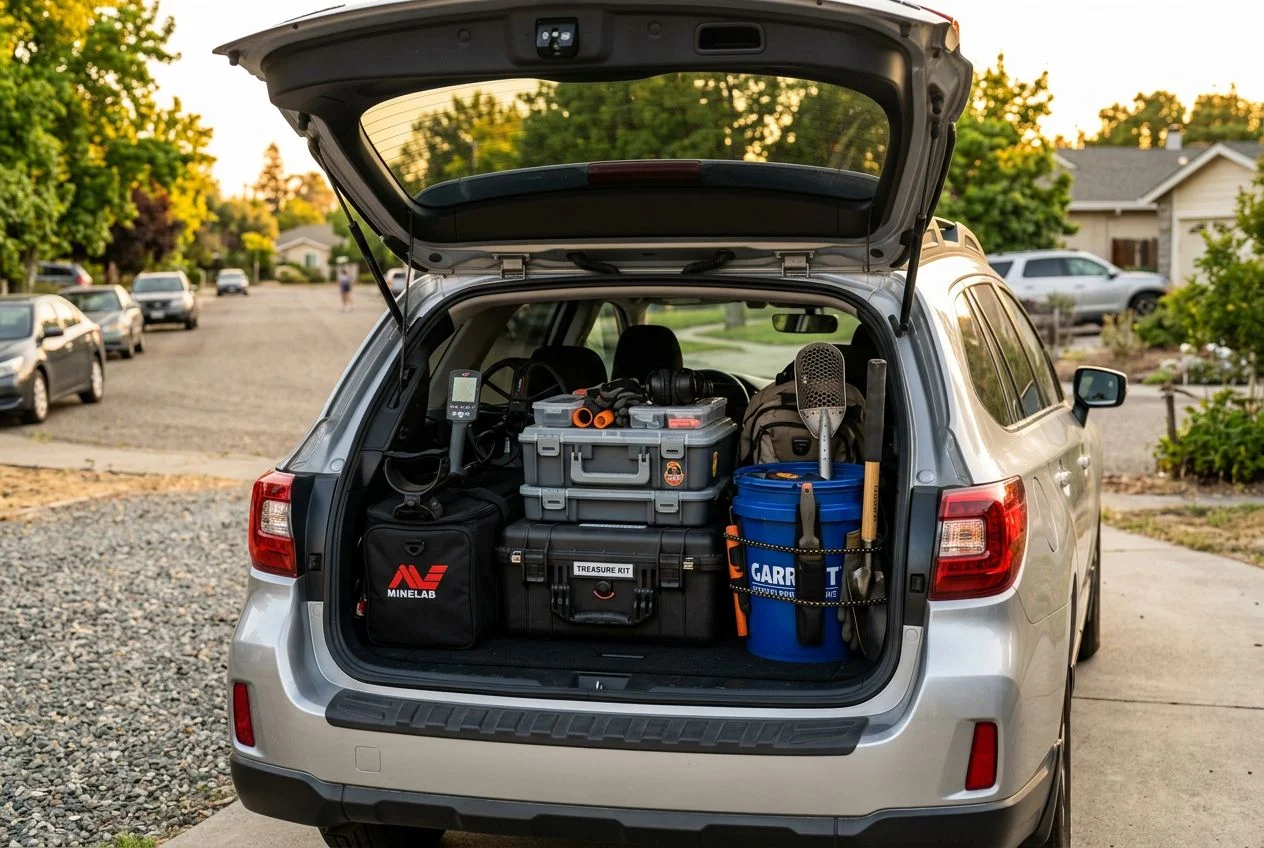
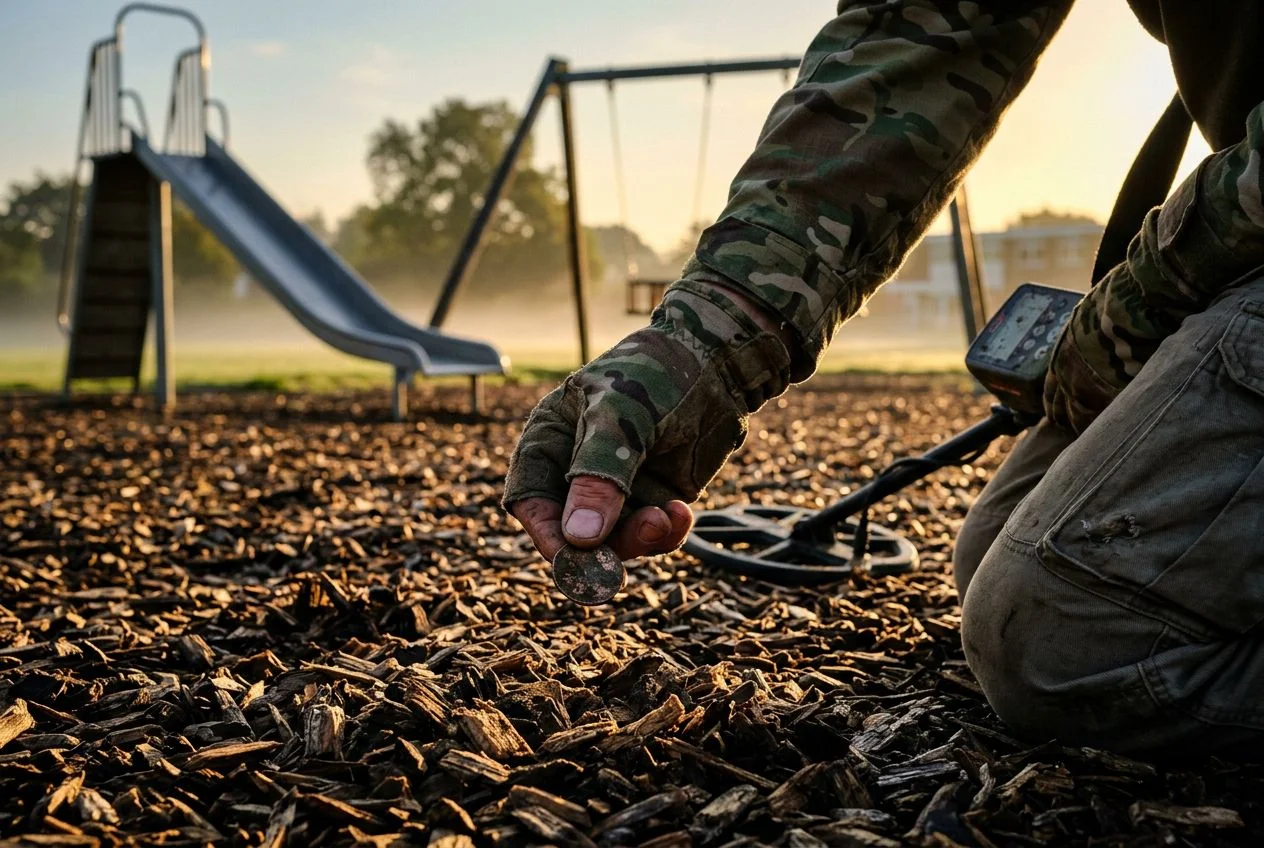
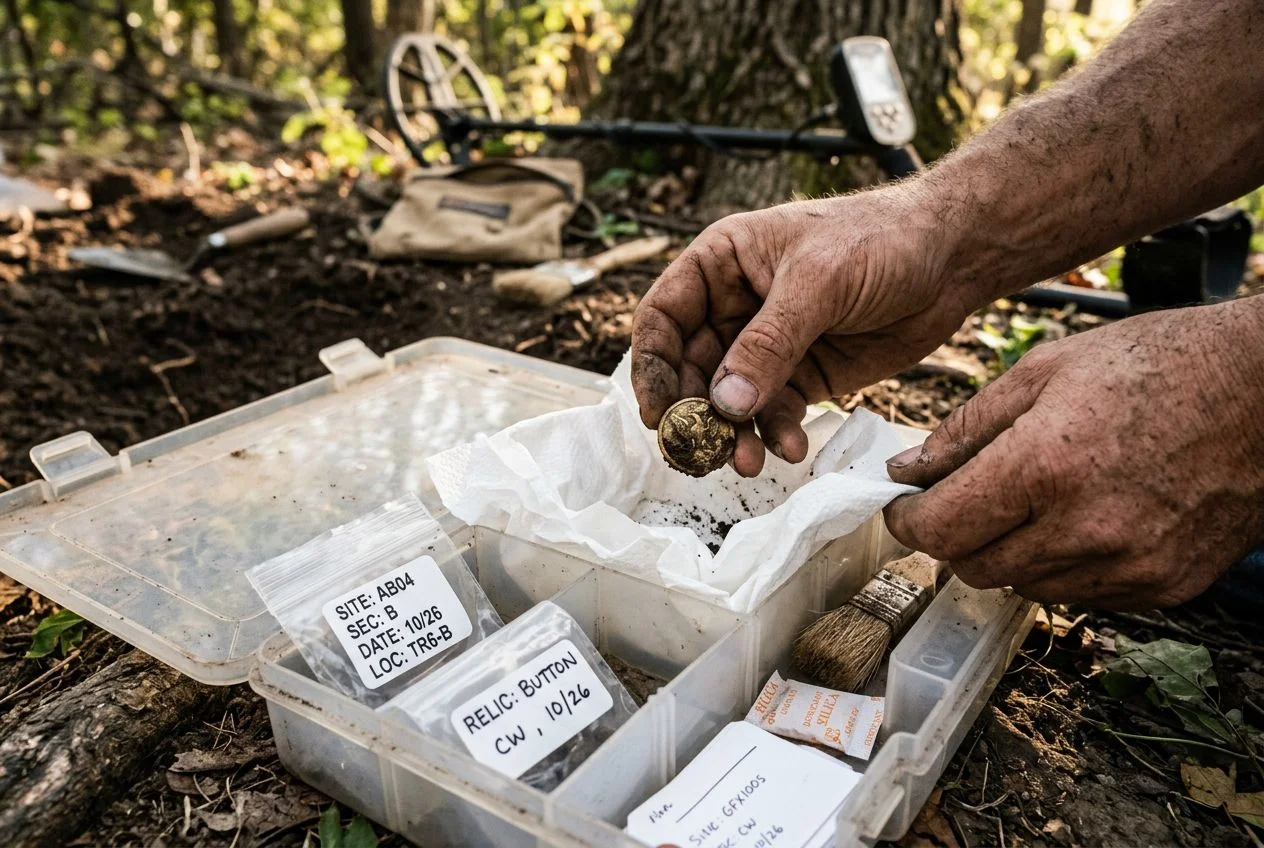
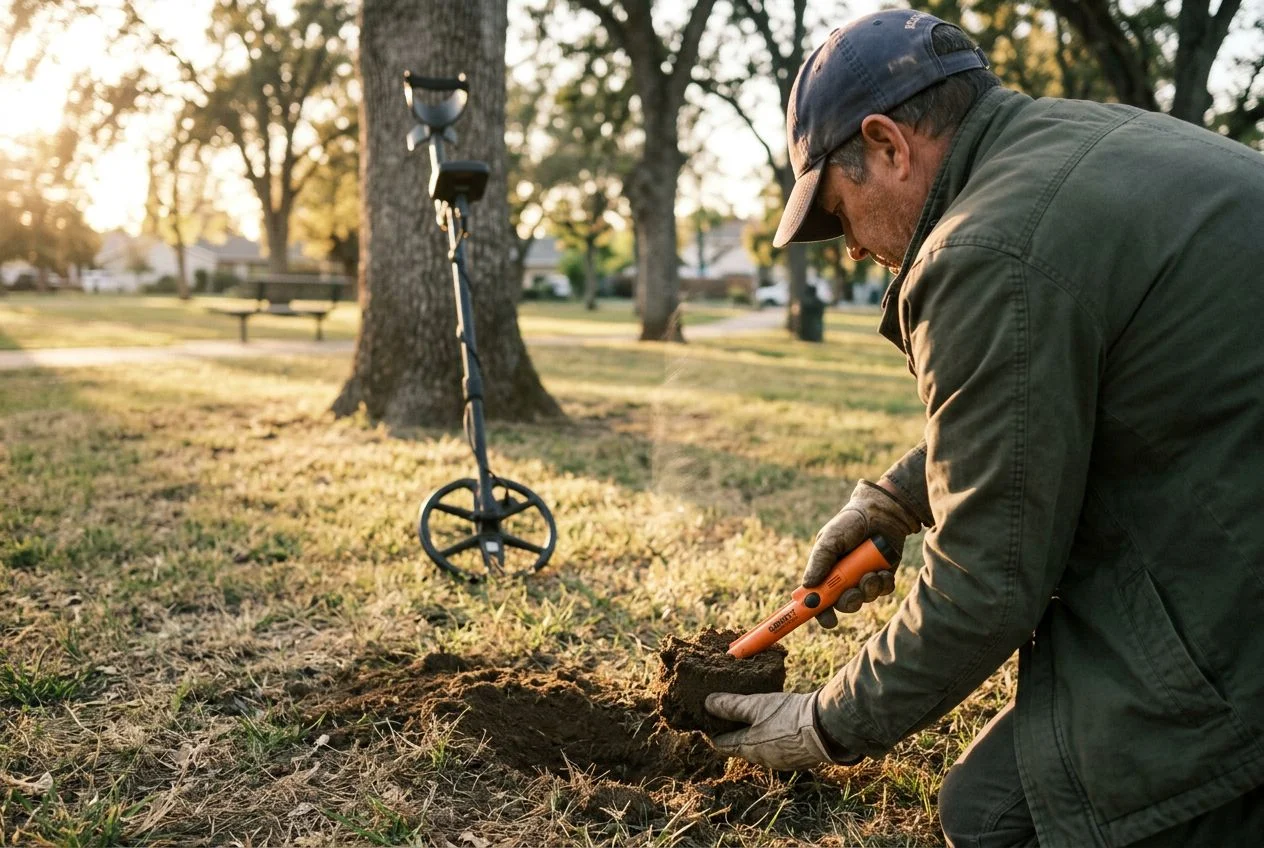
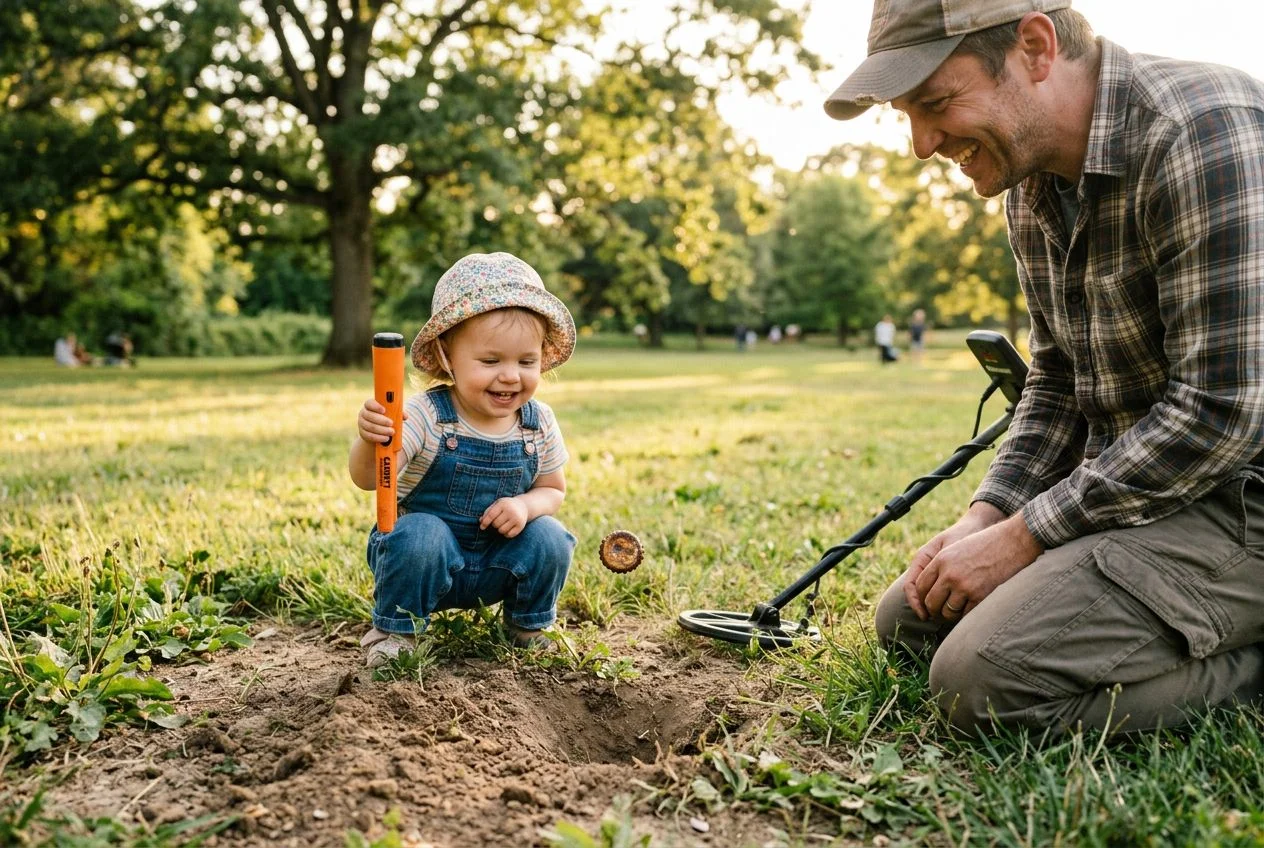
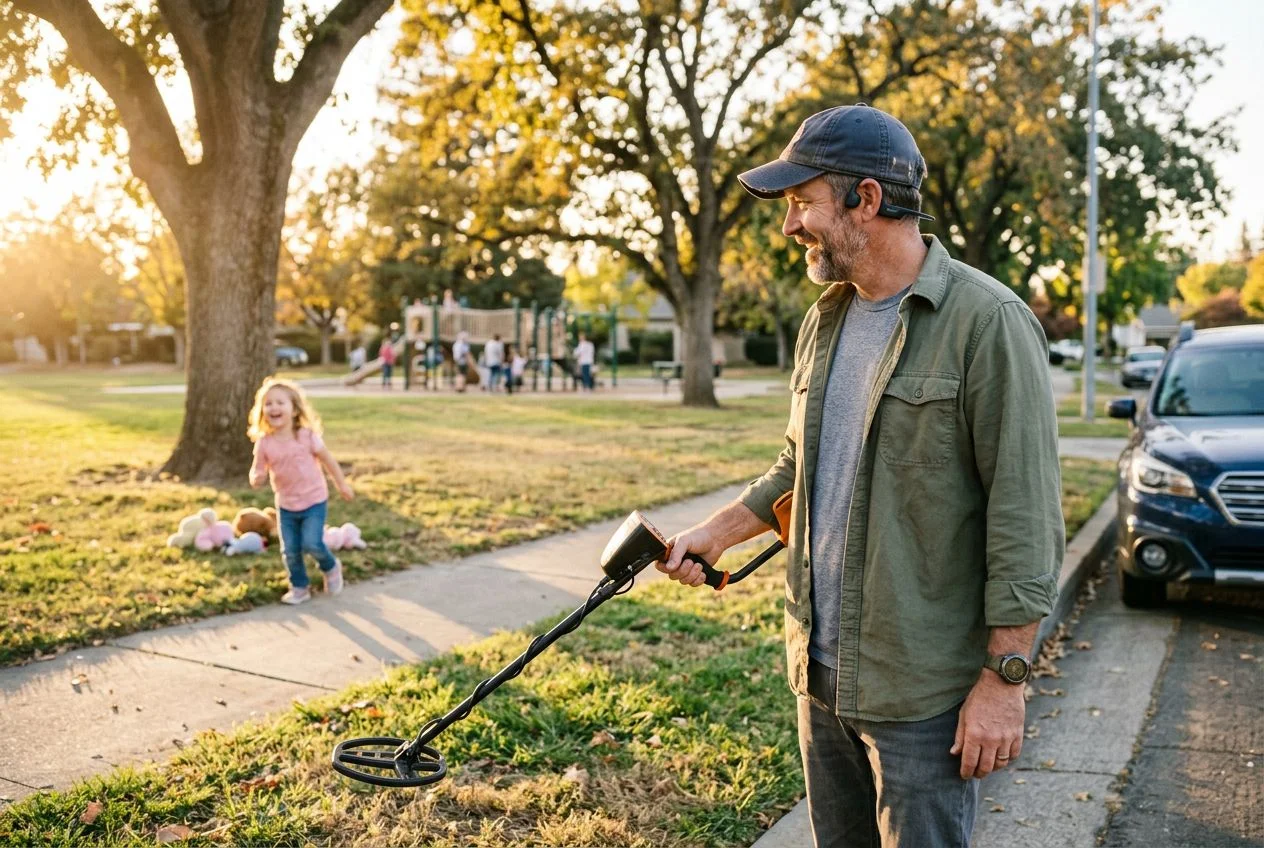
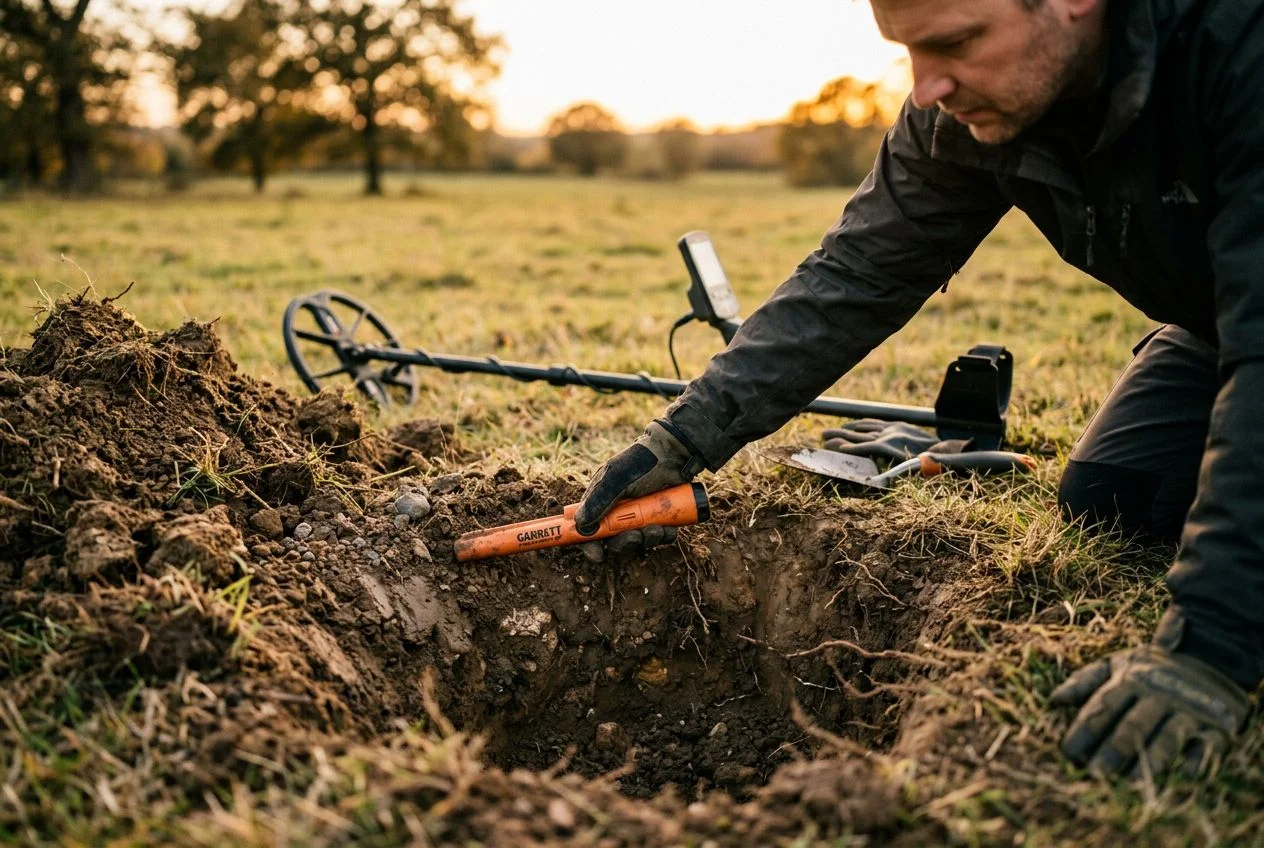
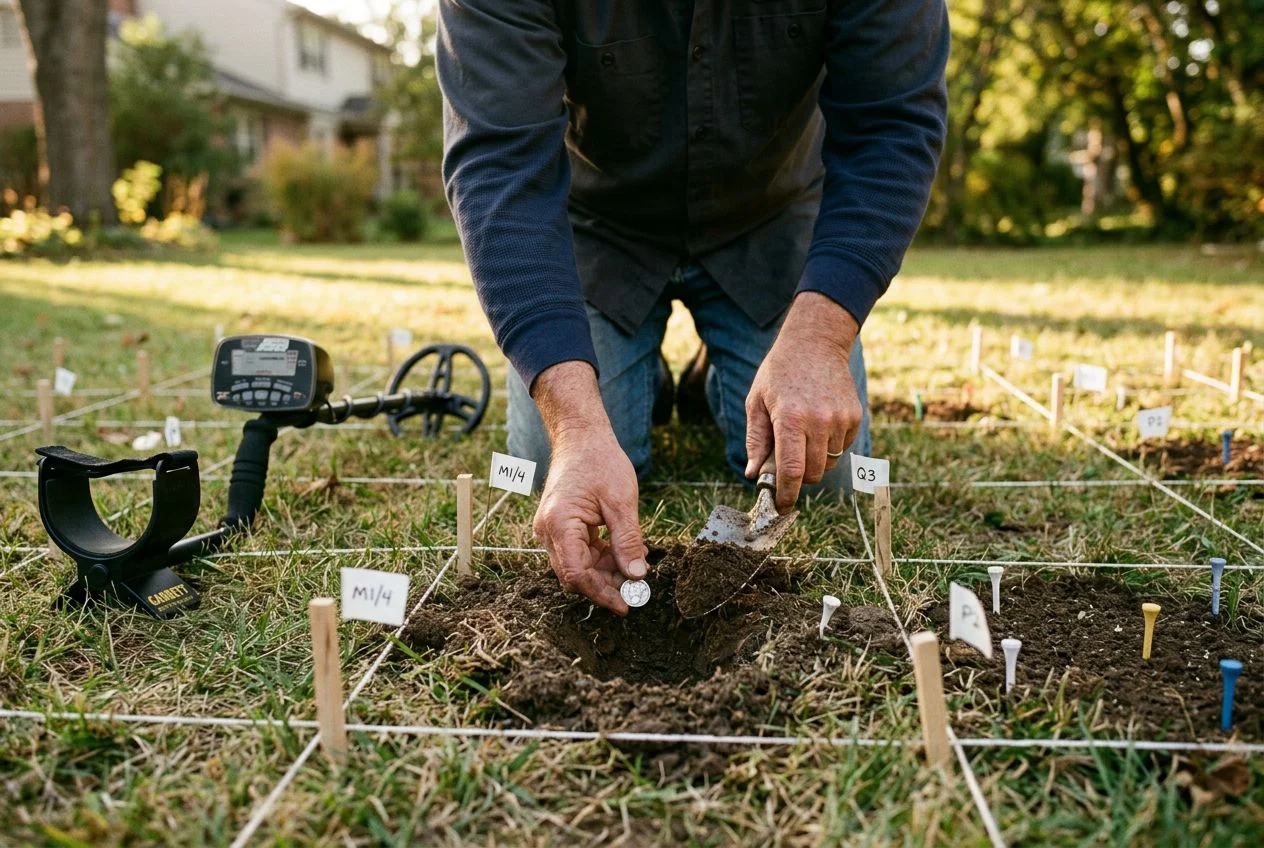
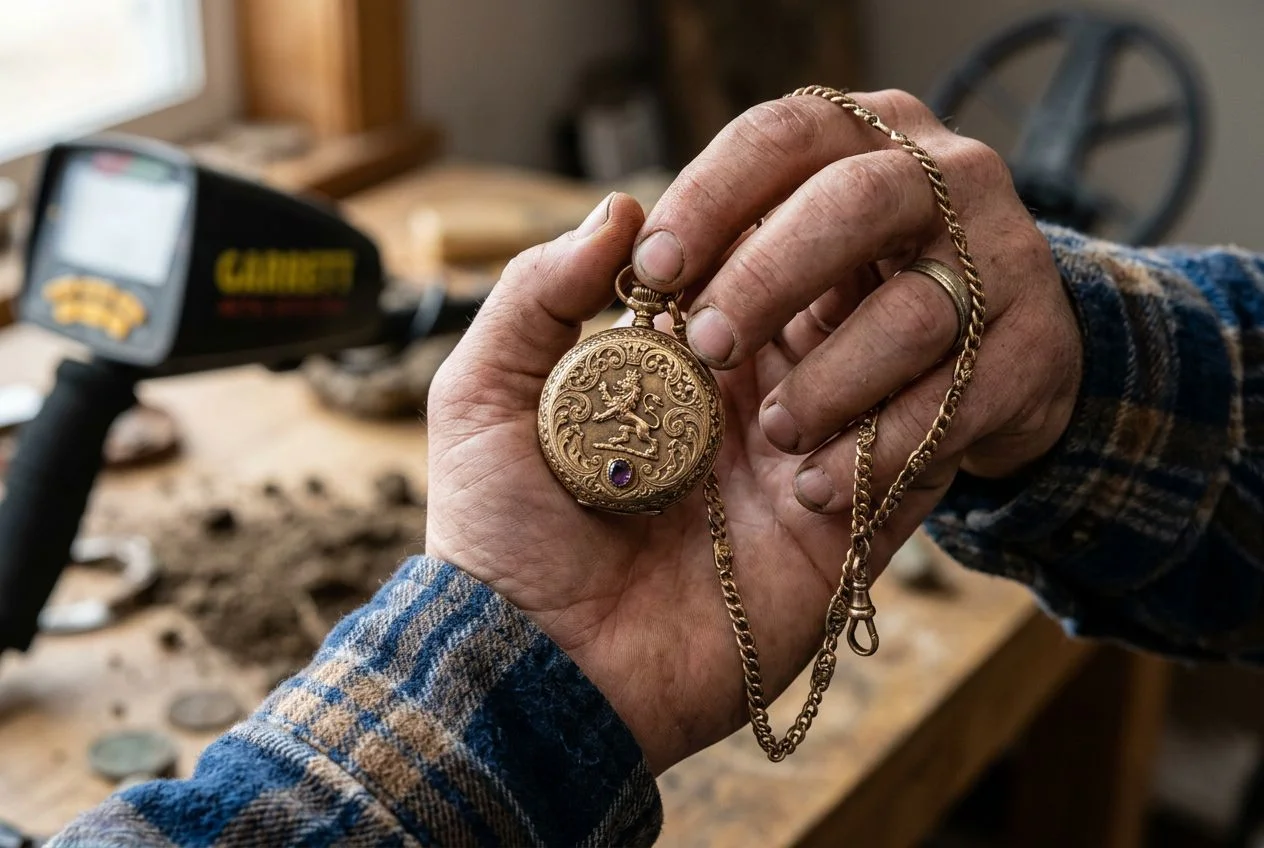
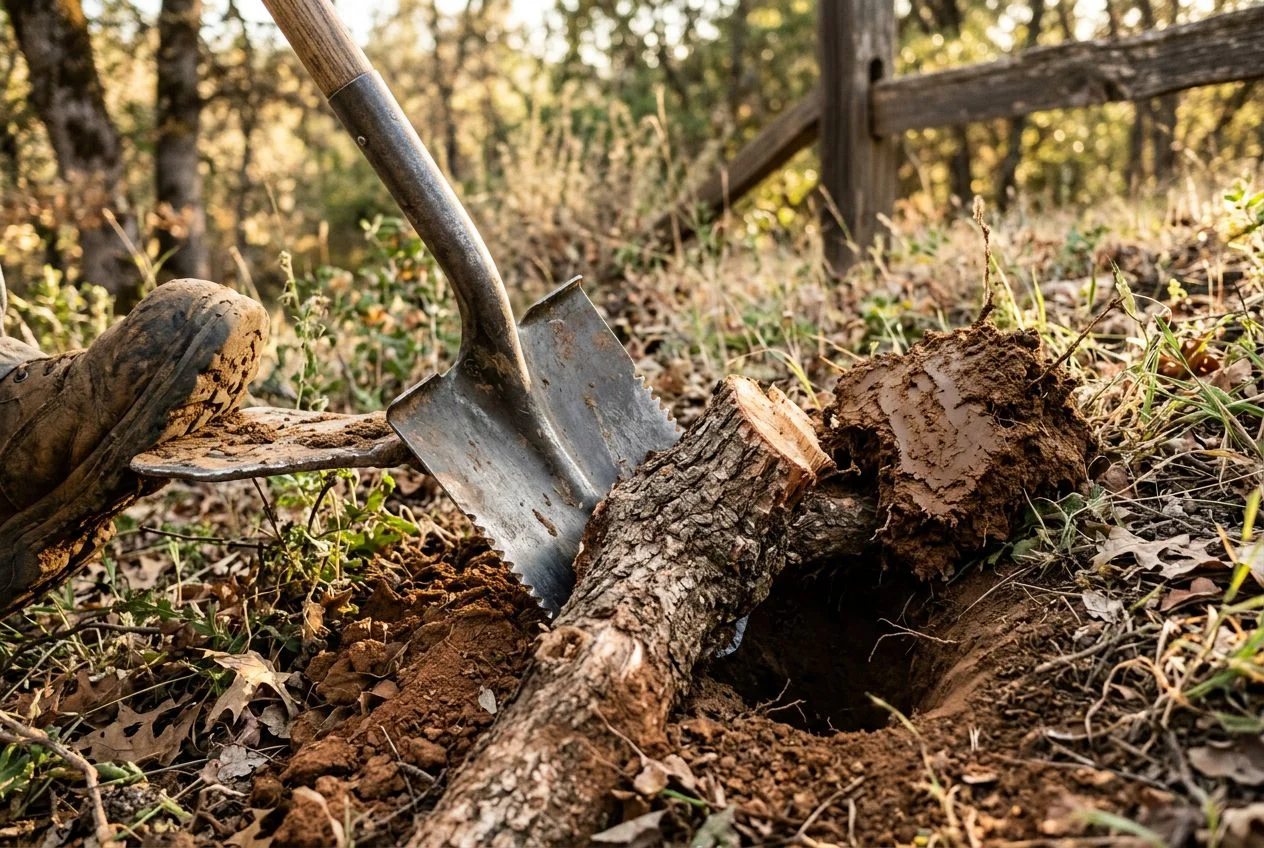
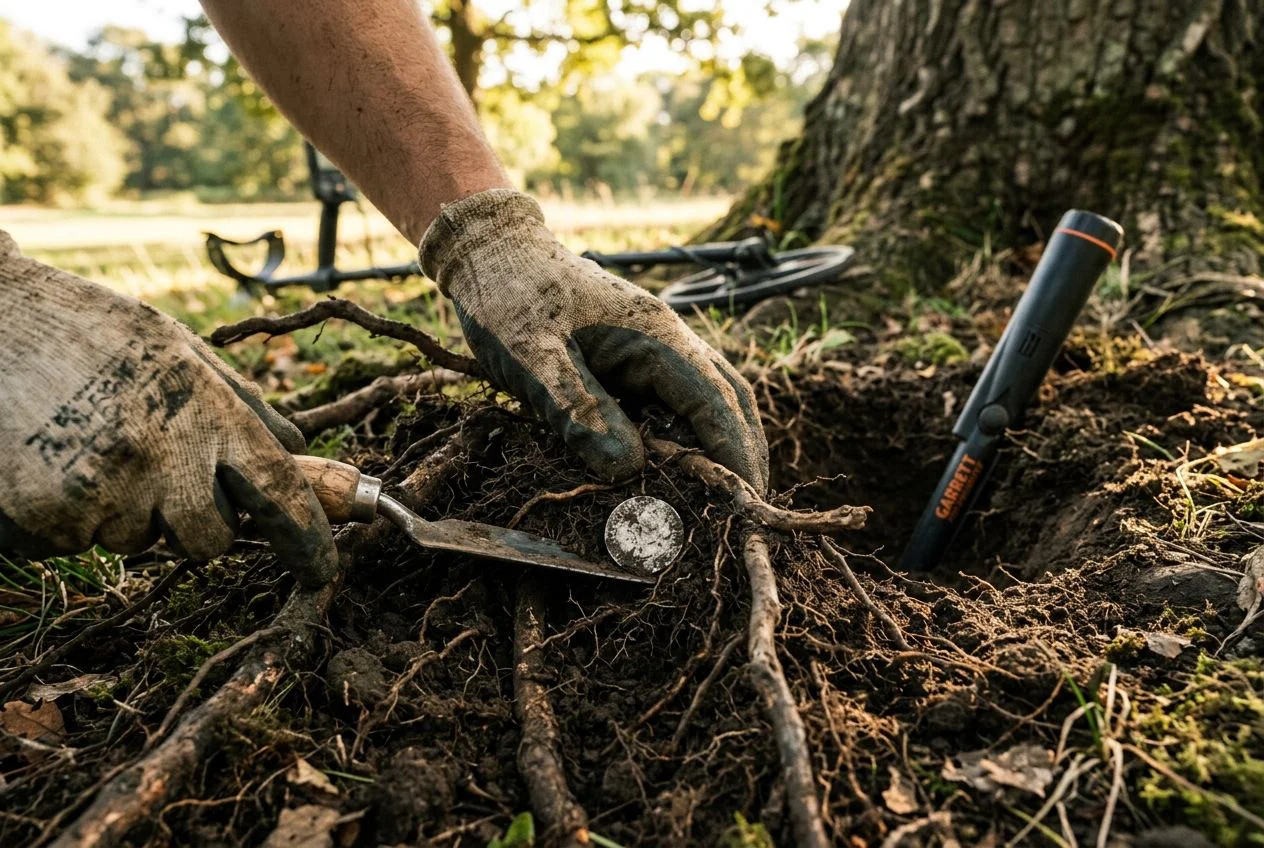
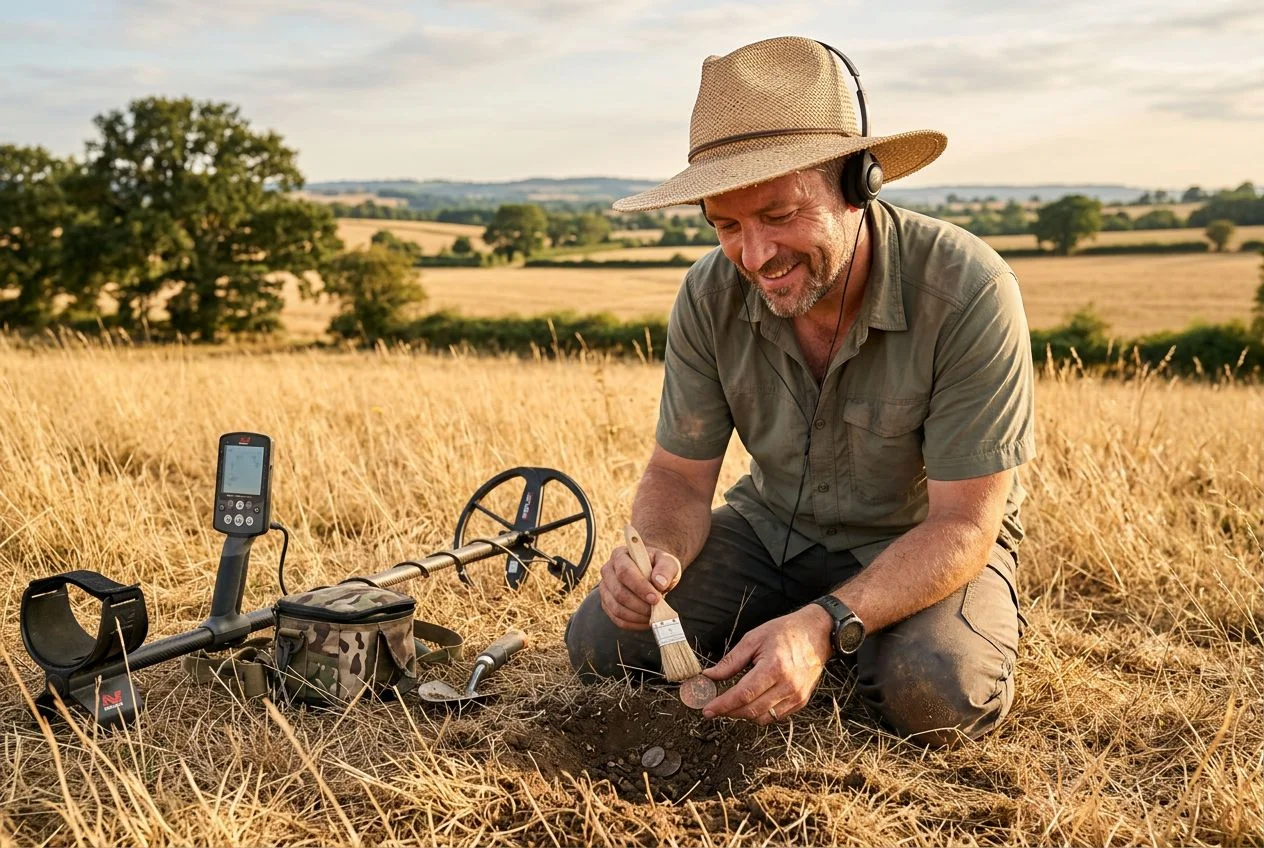
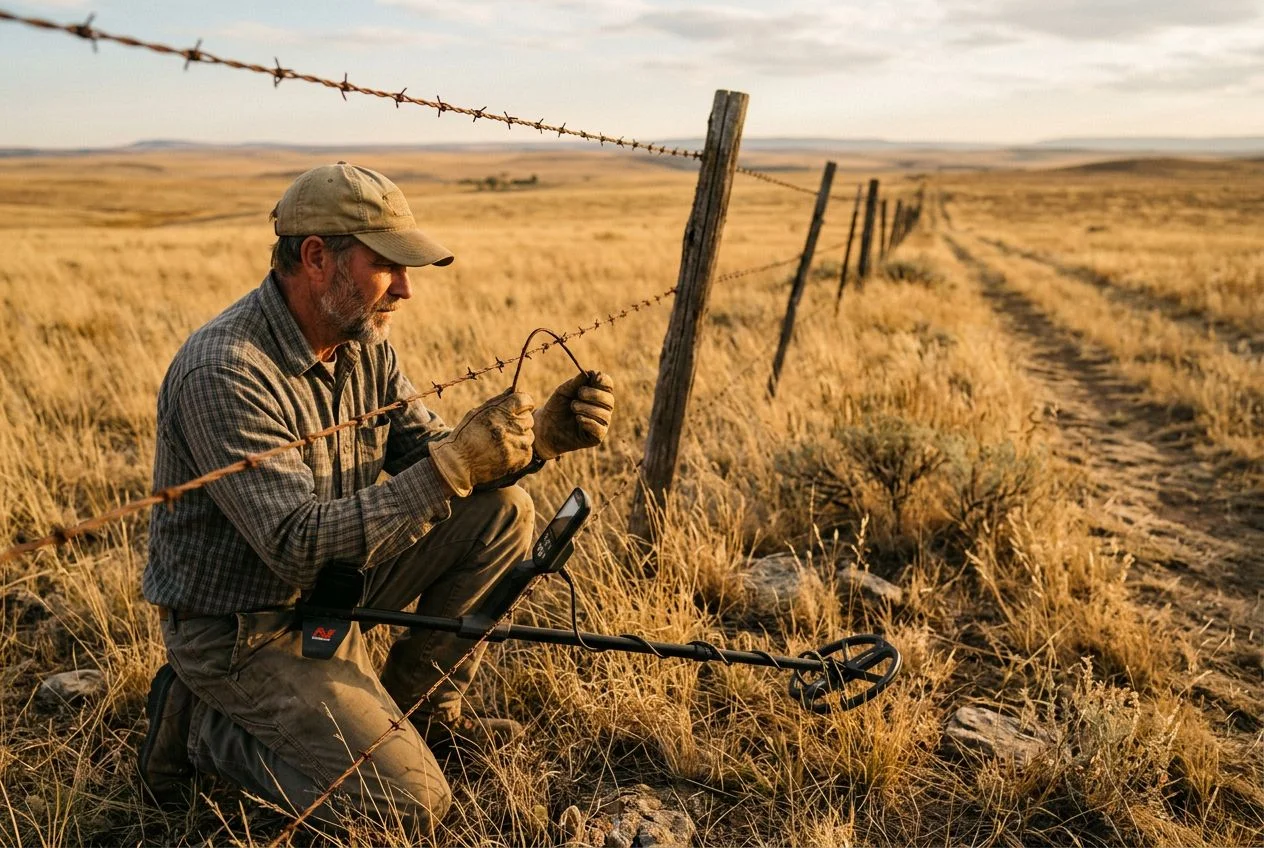
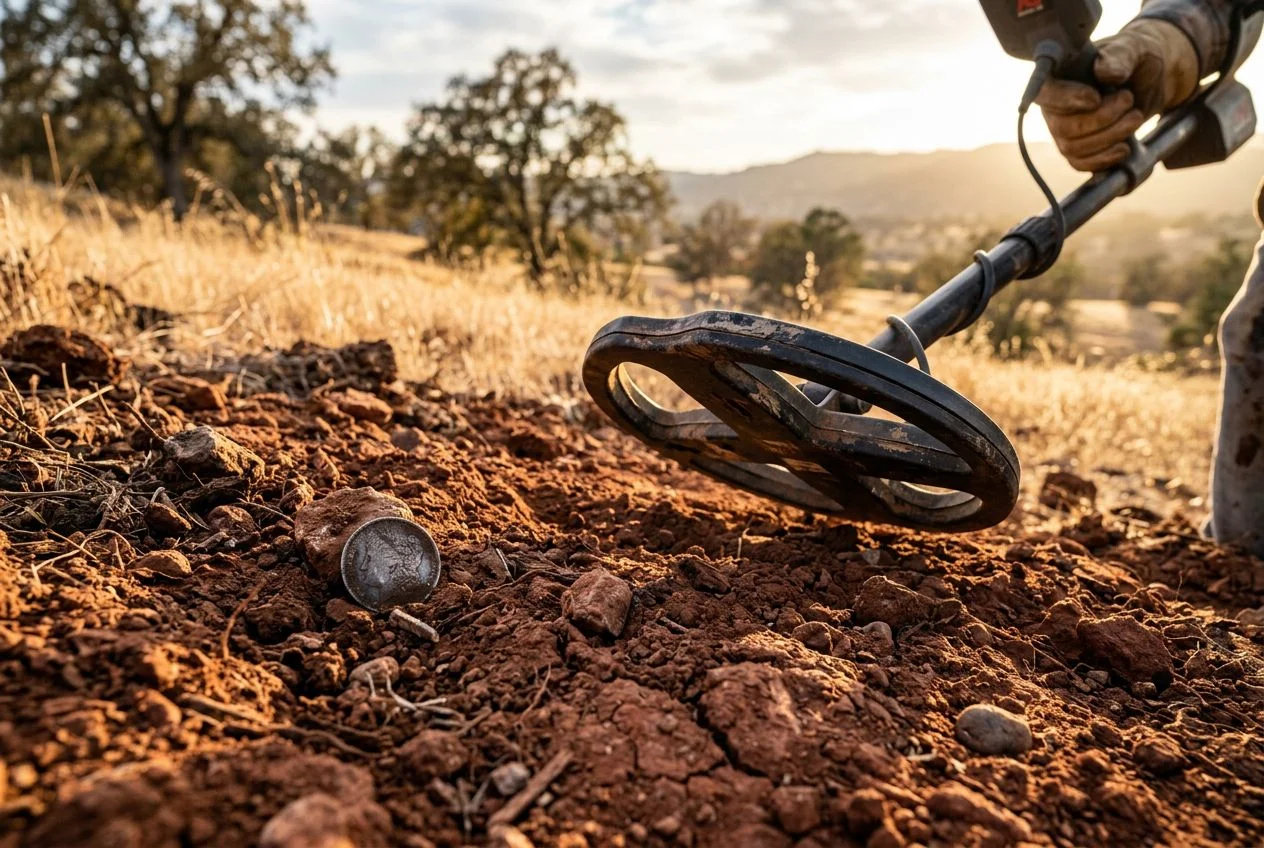
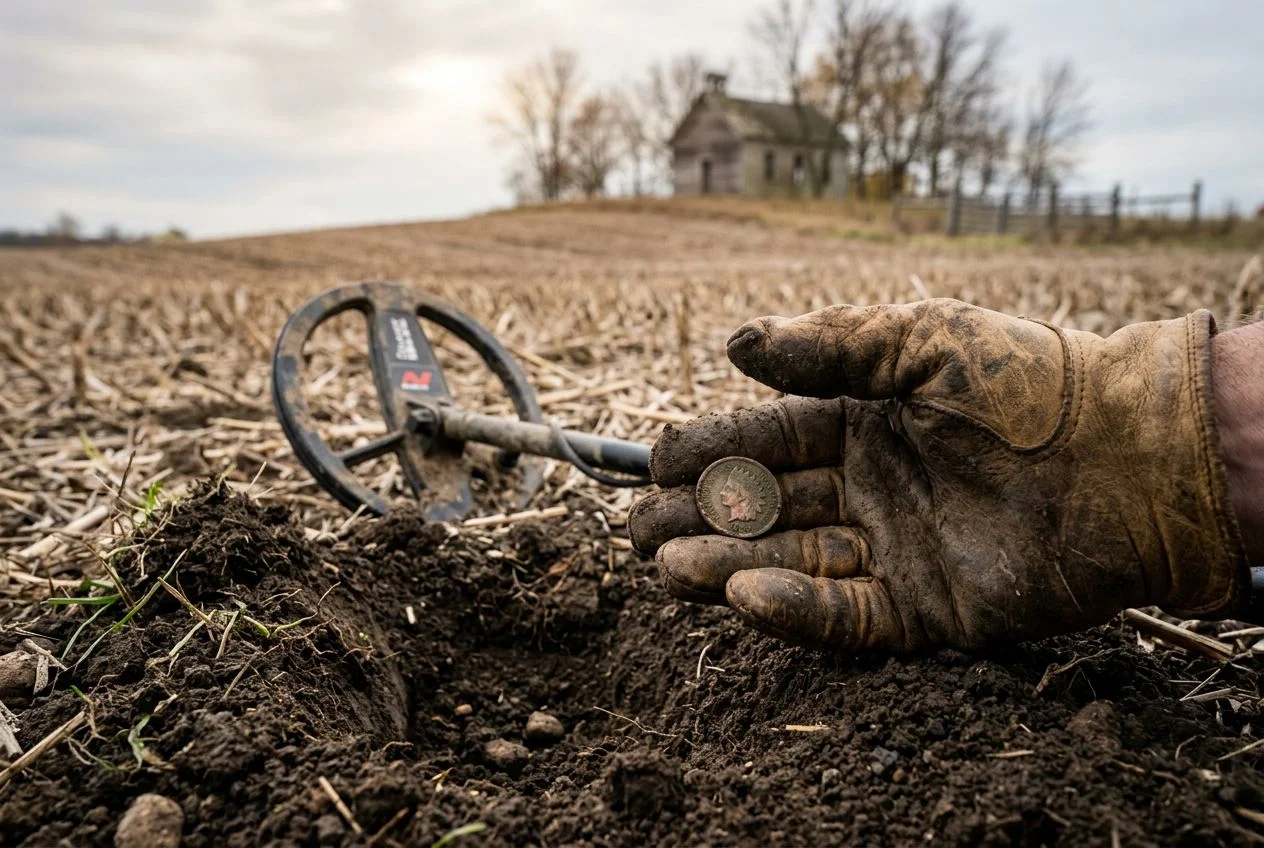
As a stay-at-home dad and dedicated family man, I discovered that metal detecting was more than just a hobby—it was the perfect way to combine outdoor adventure with historical learning for the whole family. What started as a personal interest quickly grew into something much bigger: a dedicated resource for metal detecting enthusiasts seeking to uncover historical treasures and connect with the past using the latest technology.
I founded Detector For Metal because I wanted to create a place where both newcomers and seasoned detectorists could find comprehensive guides, honest equipment reviews, and real exploration stories. Most importantly, I wanted to build a community that respects our hobby’s ethical guidelines and understands that what we do goes beyond finding treasure—it’s about preserving history and sharing the stories of those who came before us.
My Background
I’m a family man first and foremost, but my passion for metal detecting has grown into expertise that I’m eager to share. Throughout the years, I’ve developed specialized knowledge in several areas of the hobby:
Beach hunting: There’s nothing quite like the thrill of searching sandy shores for lost jewelry and coins
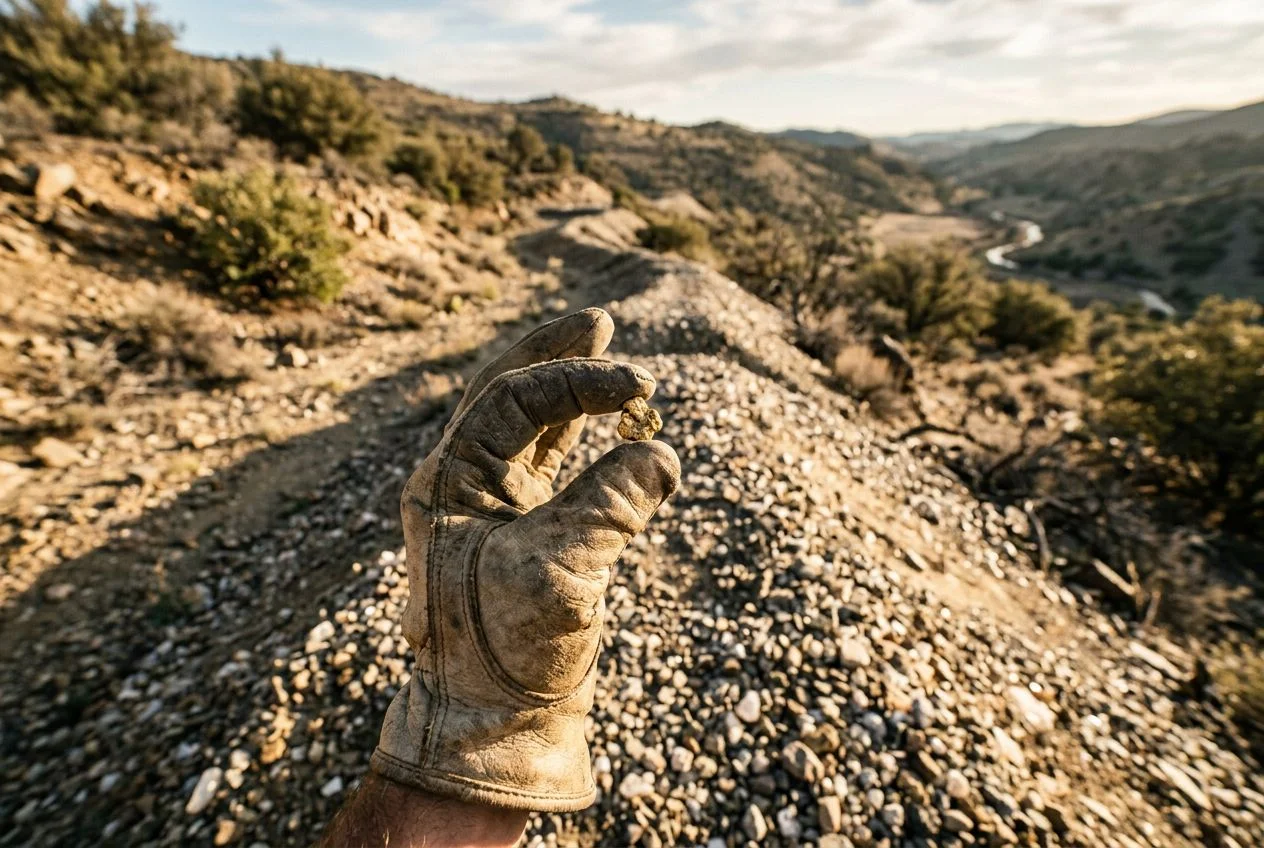
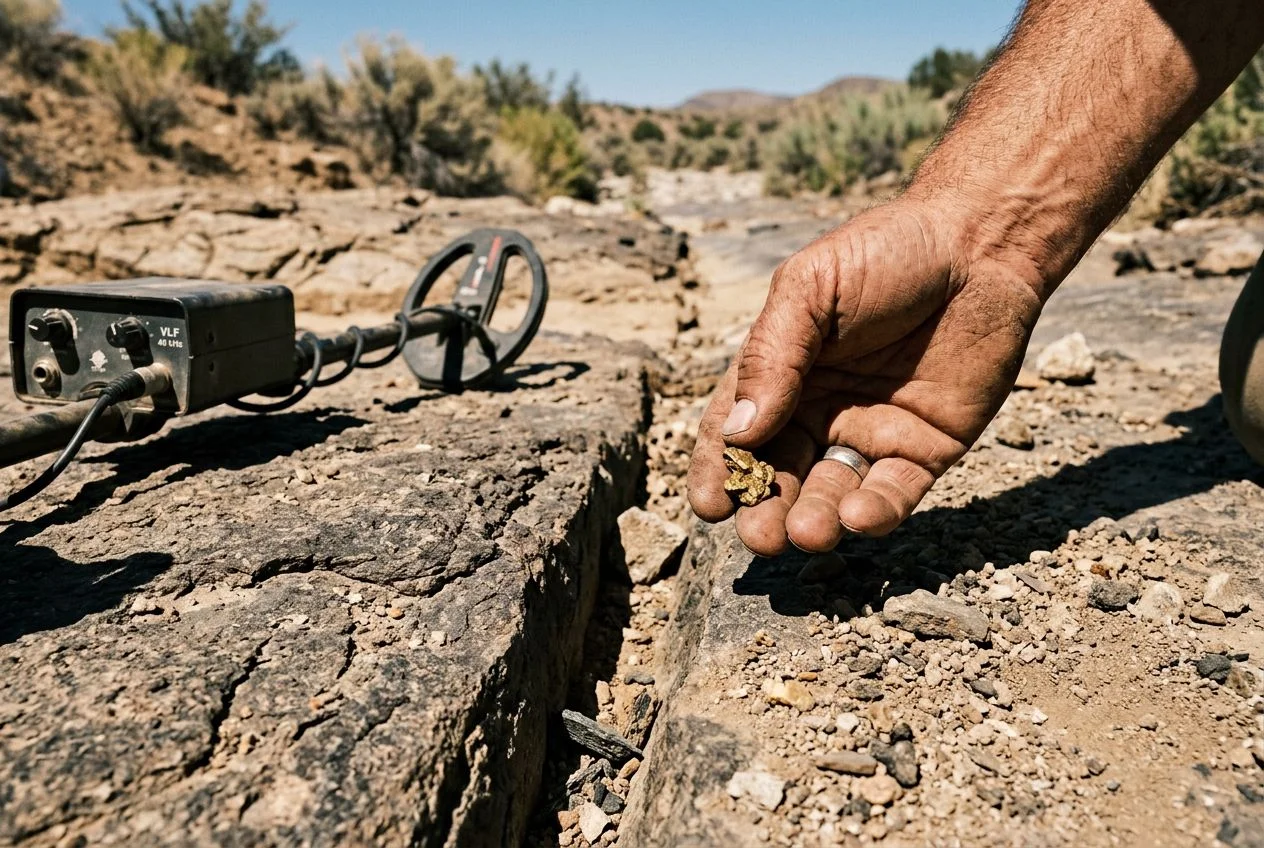
Gold and silver prospecting: Following in the footsteps of the old-timers, using modern technology to find what they missed
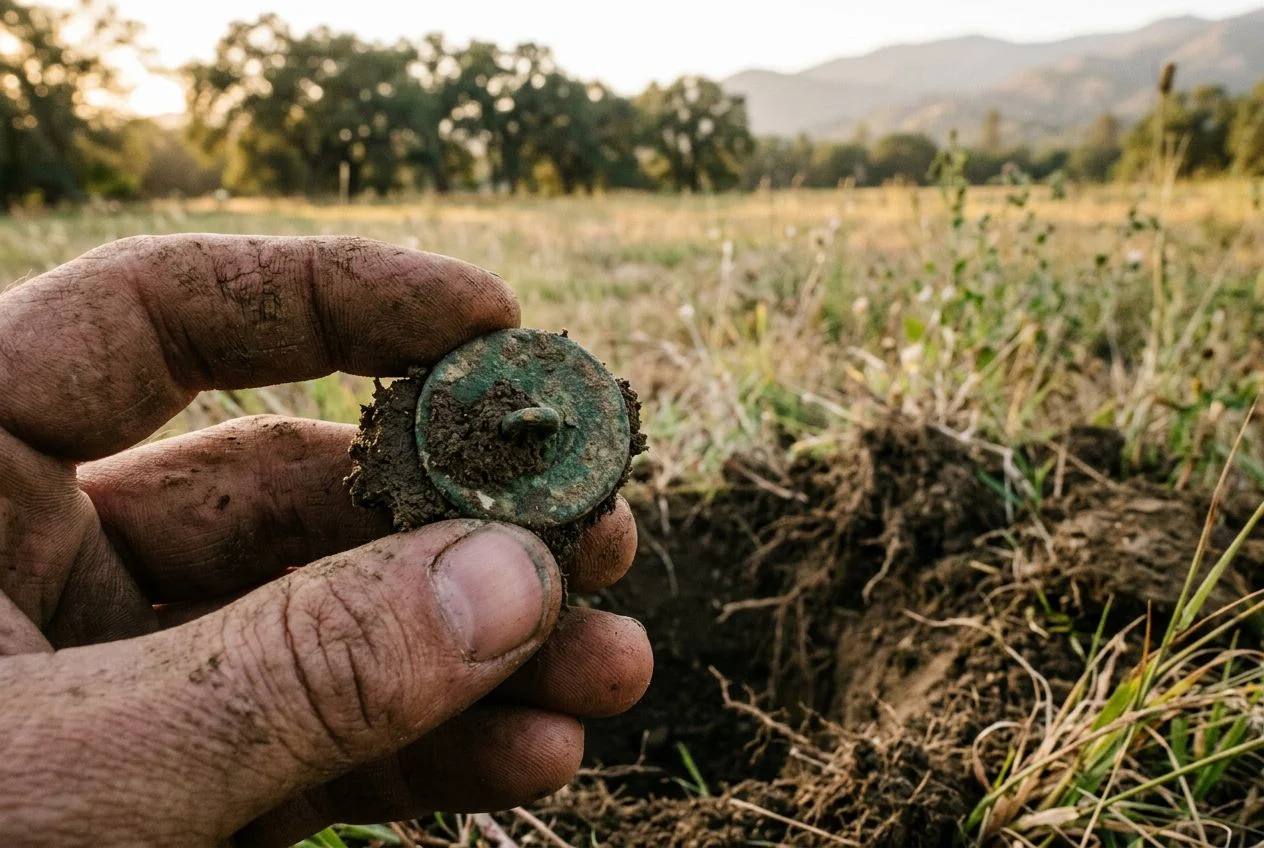
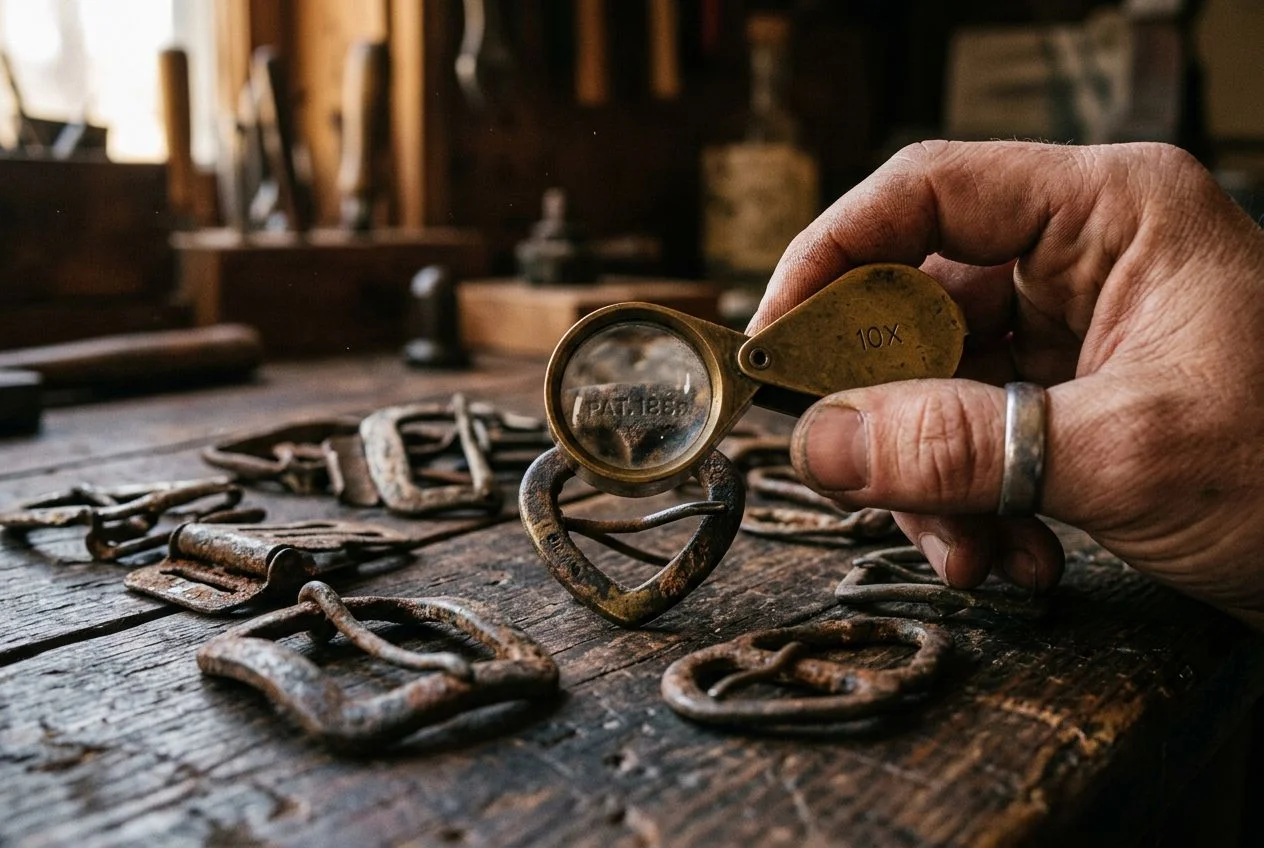
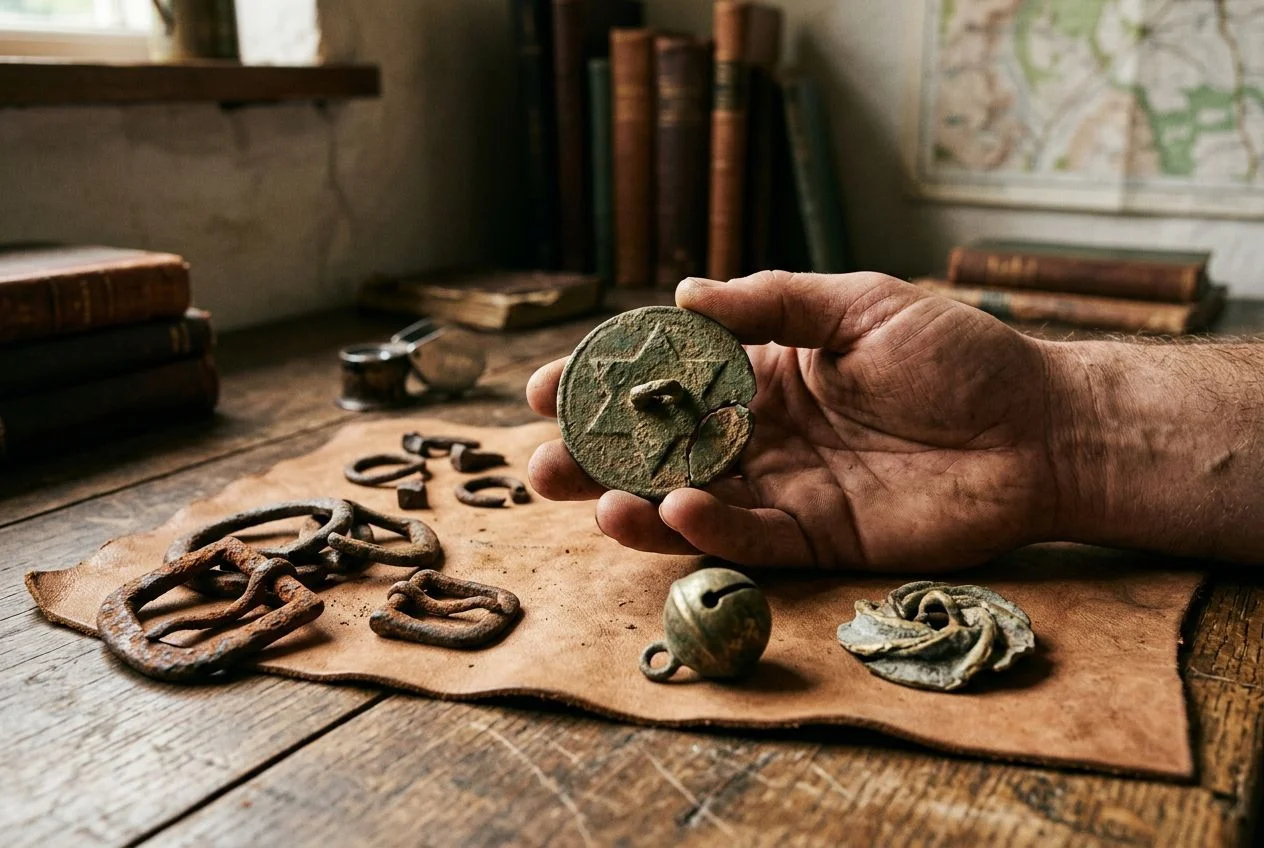
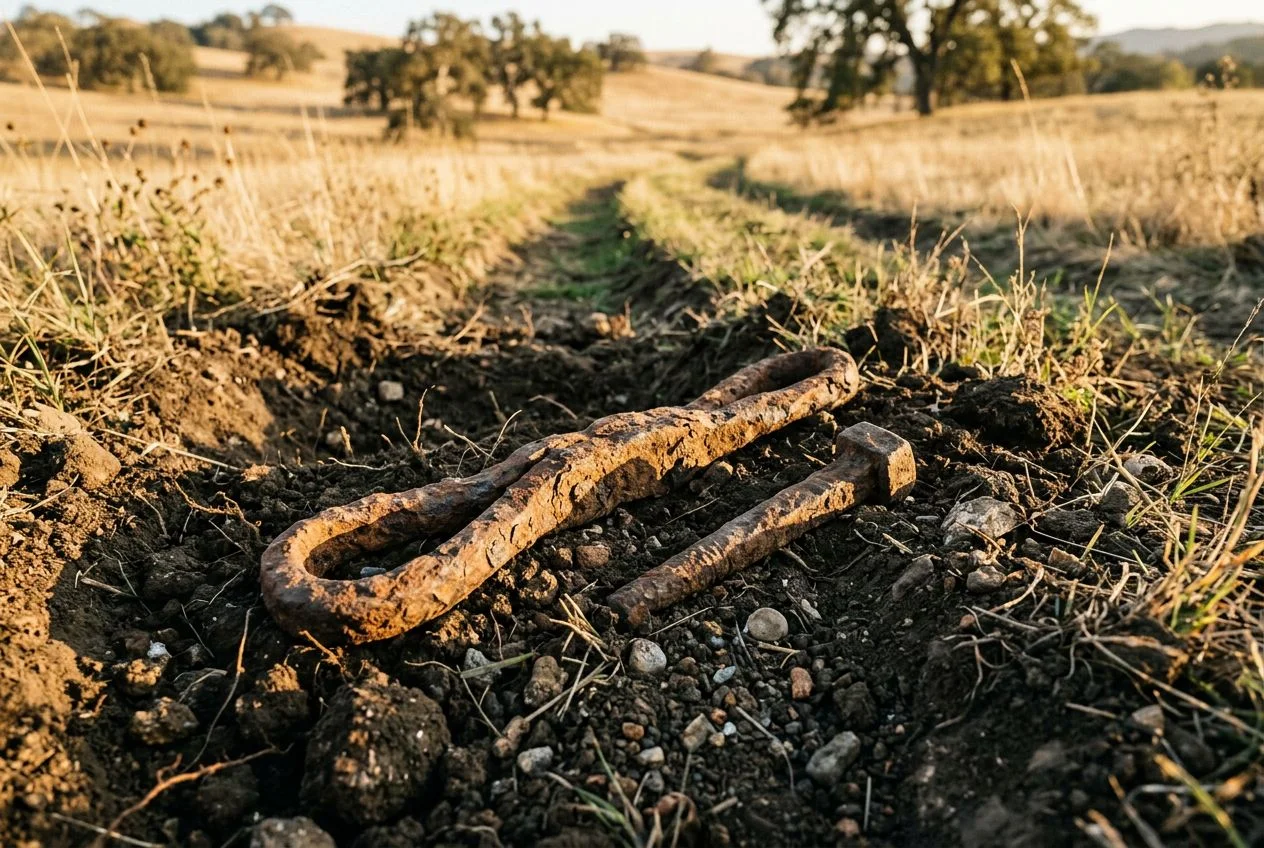
Relic hunting: My personal favorite—discovering pieces of history that tell the stories of our past
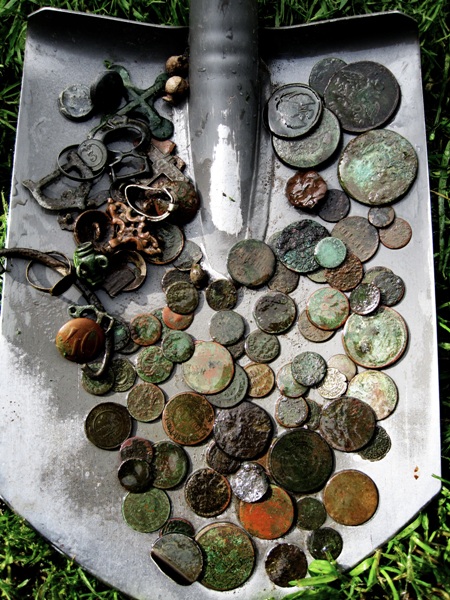
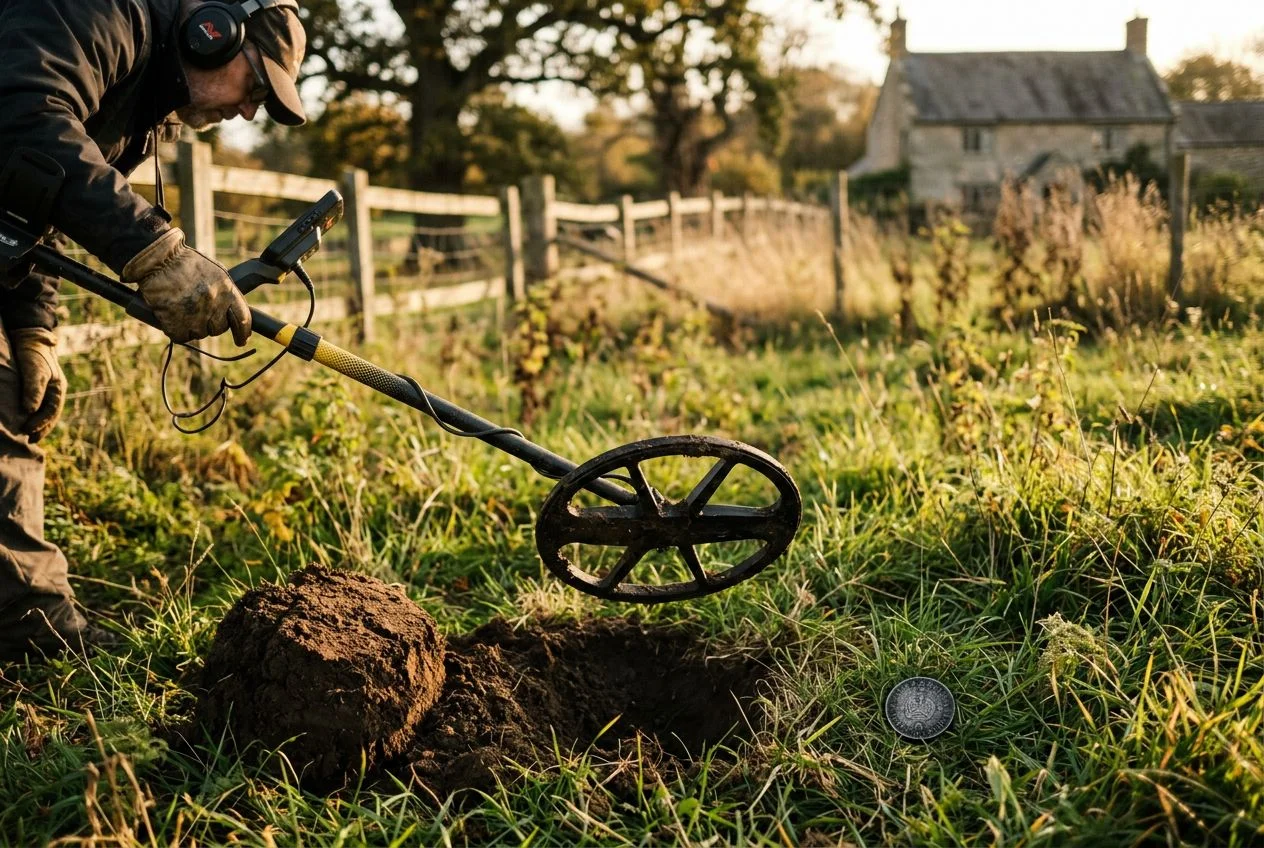
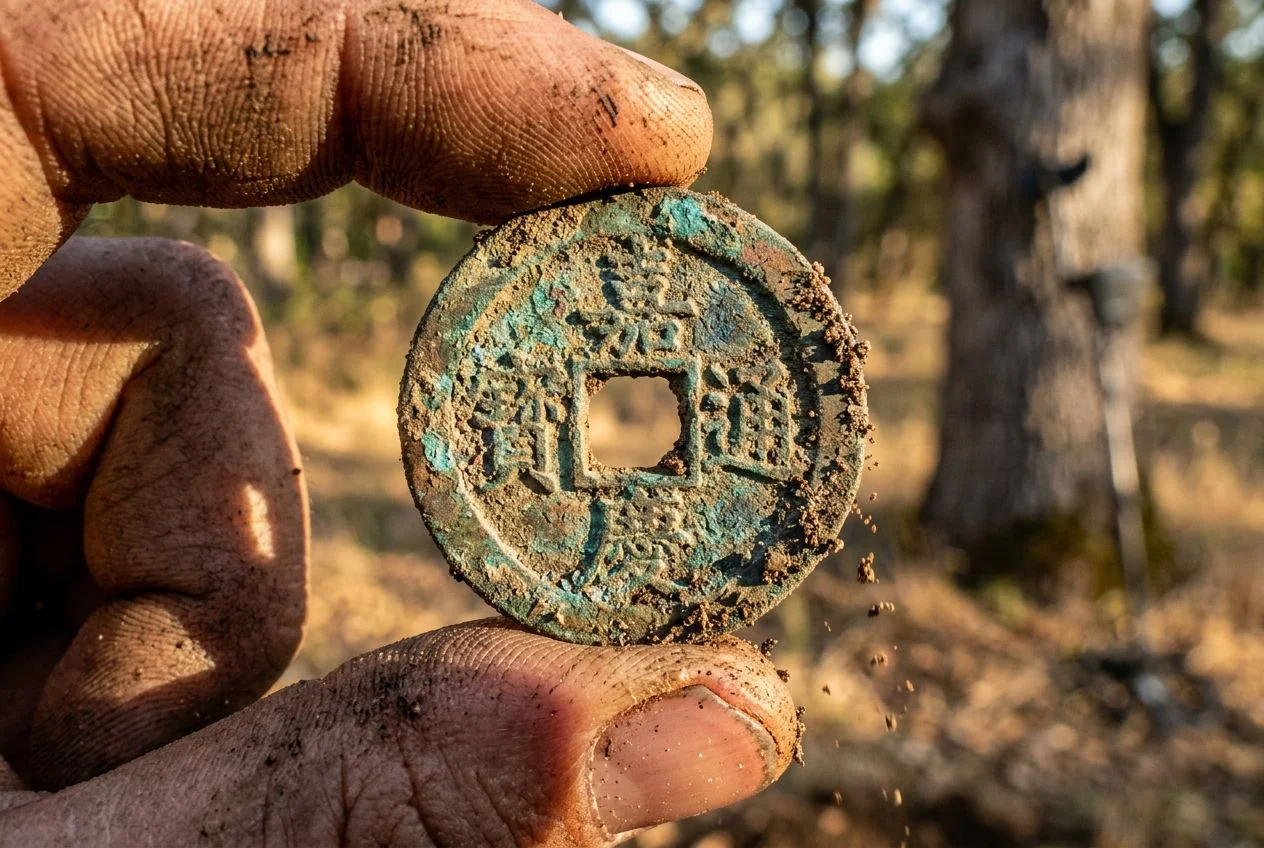
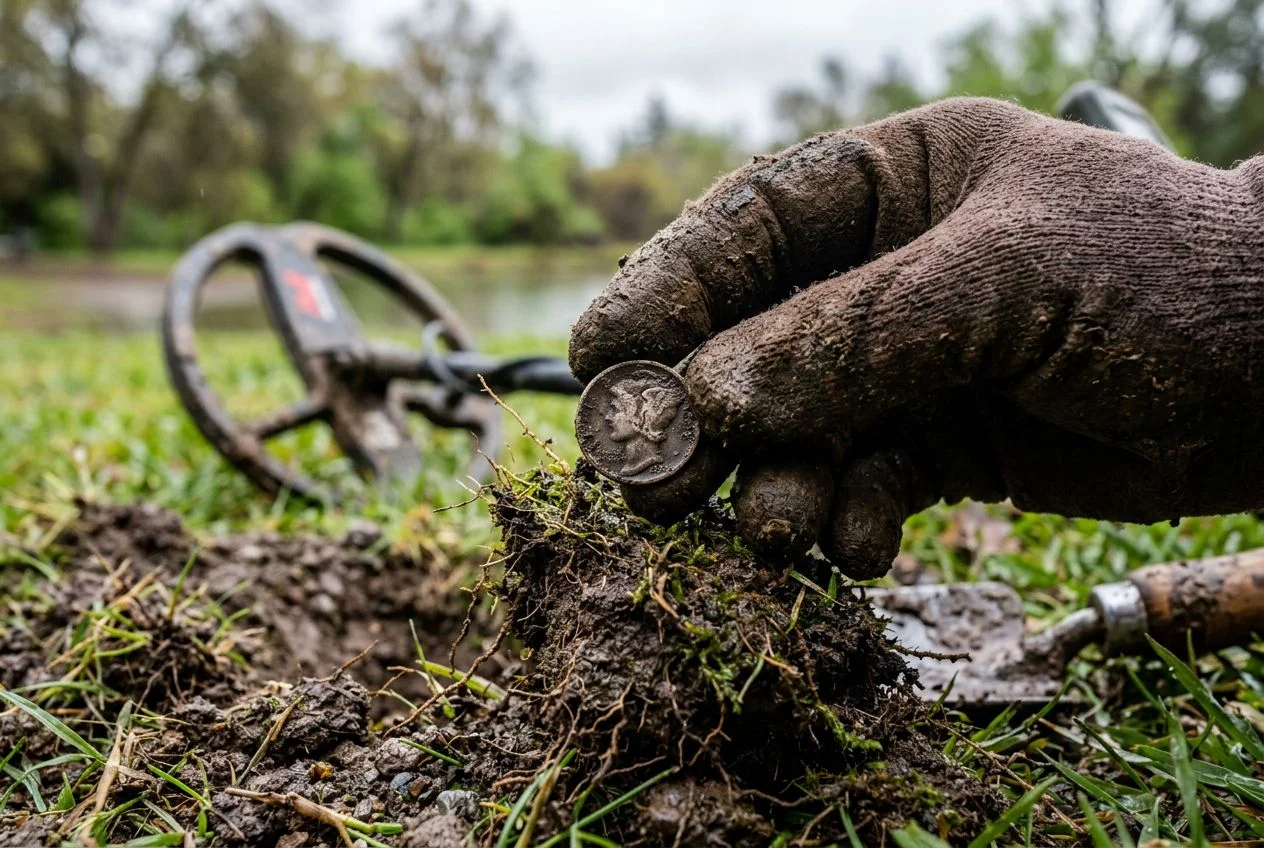
My methodical approach to research has led to numerous significant discoveries, including medieval artifacts, silver coin caches, and Civil War relics. But what excites me most is sharing these experiences with my children and watching their eyes light up when we uncover a piece of history together.
How I Approach Metal Detecting
Like the principles from Charles Garrett that guide many successful treasure hunters, I believe in being prepared, purposeful, and patient. My approach to the hobby is methodical and thorough:
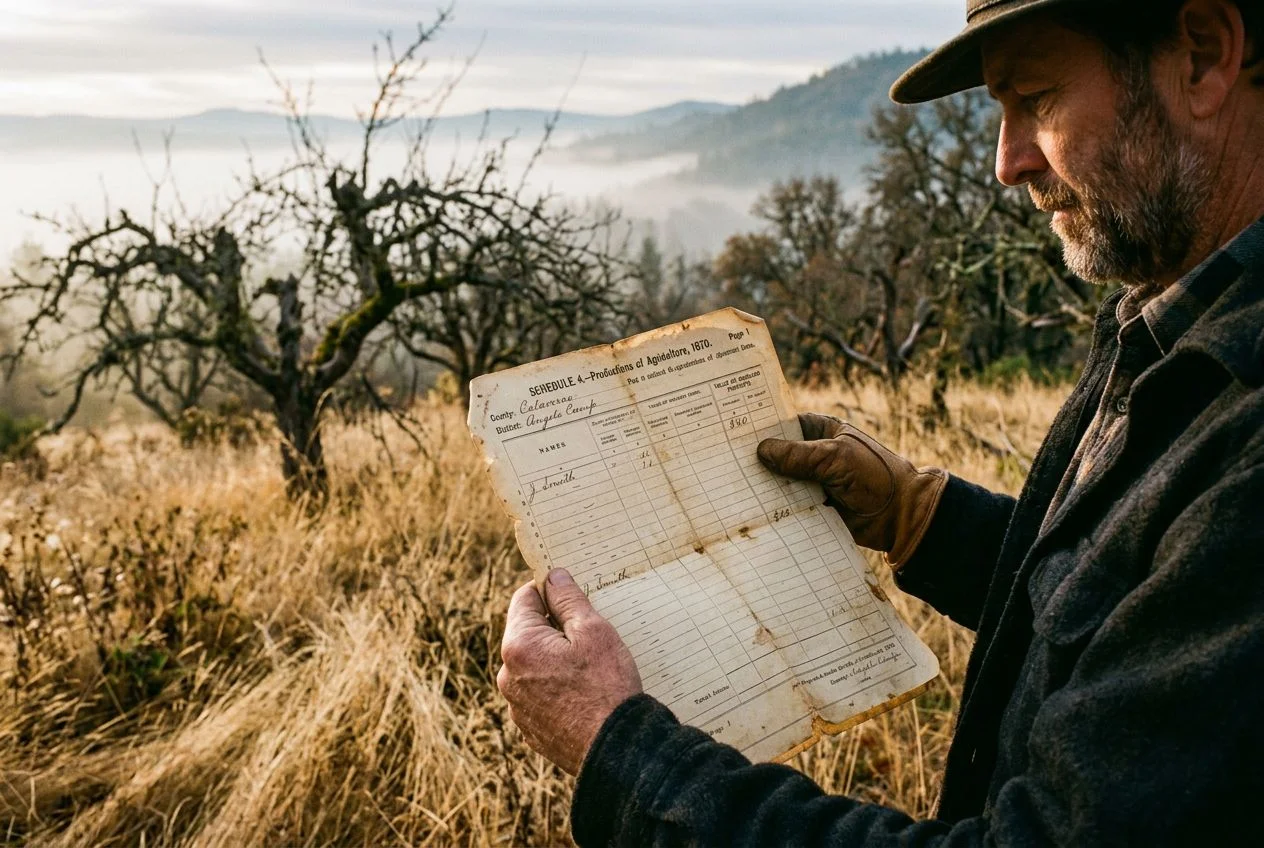
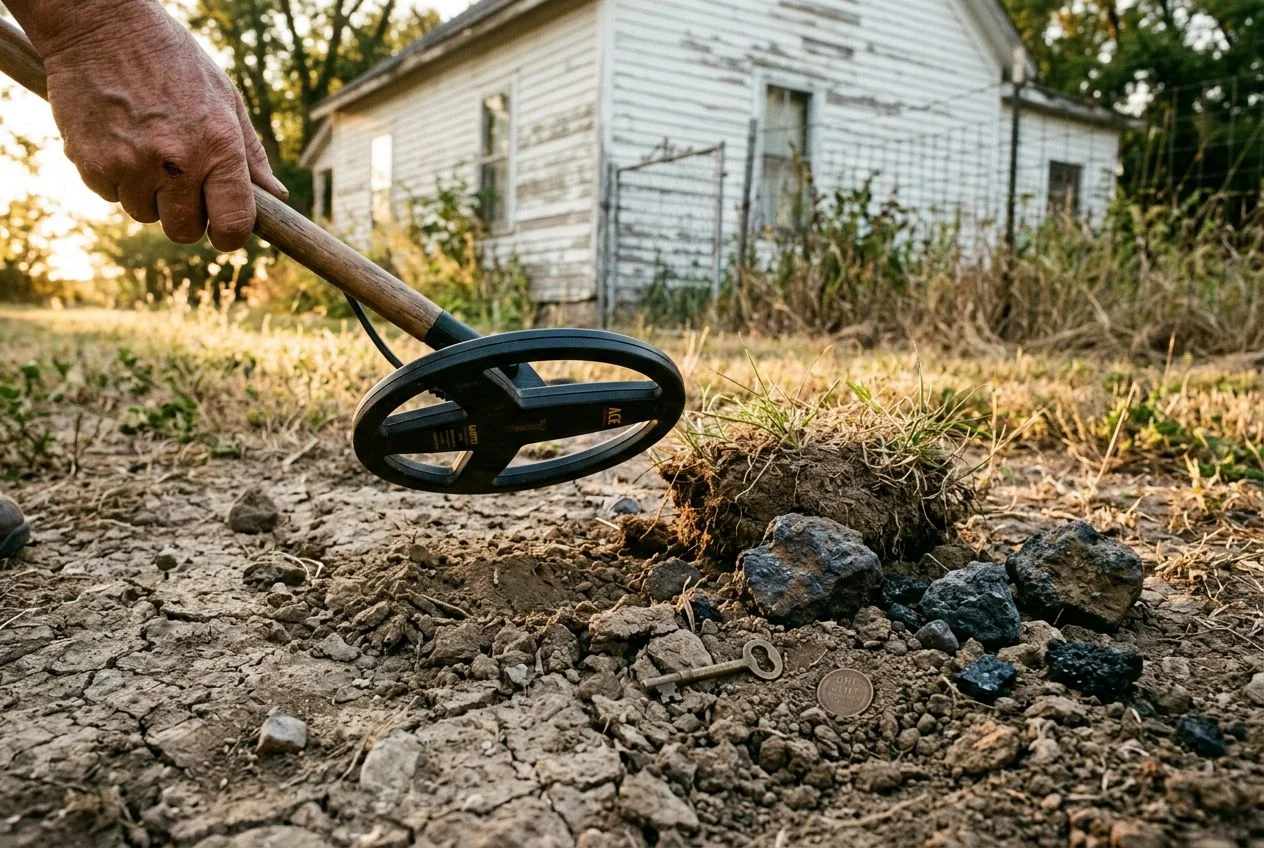
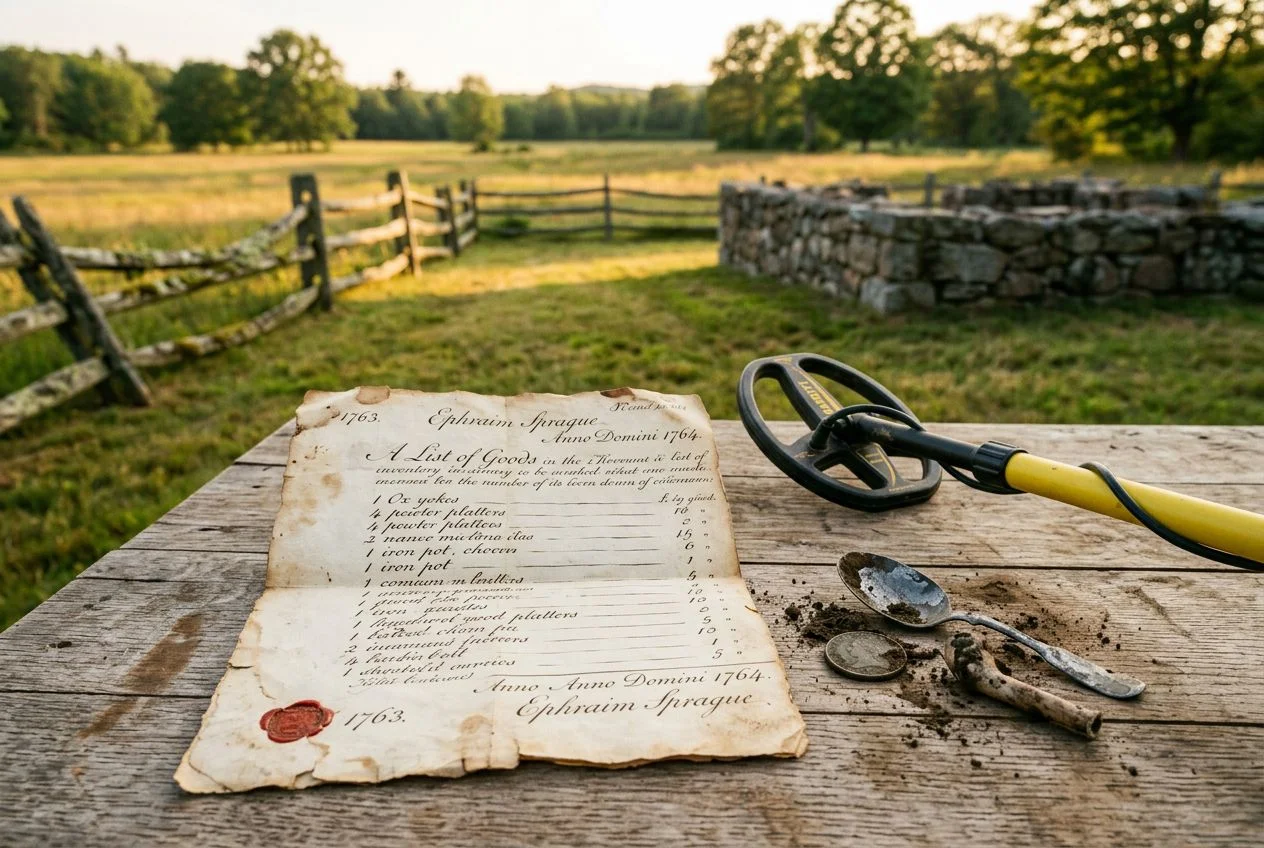
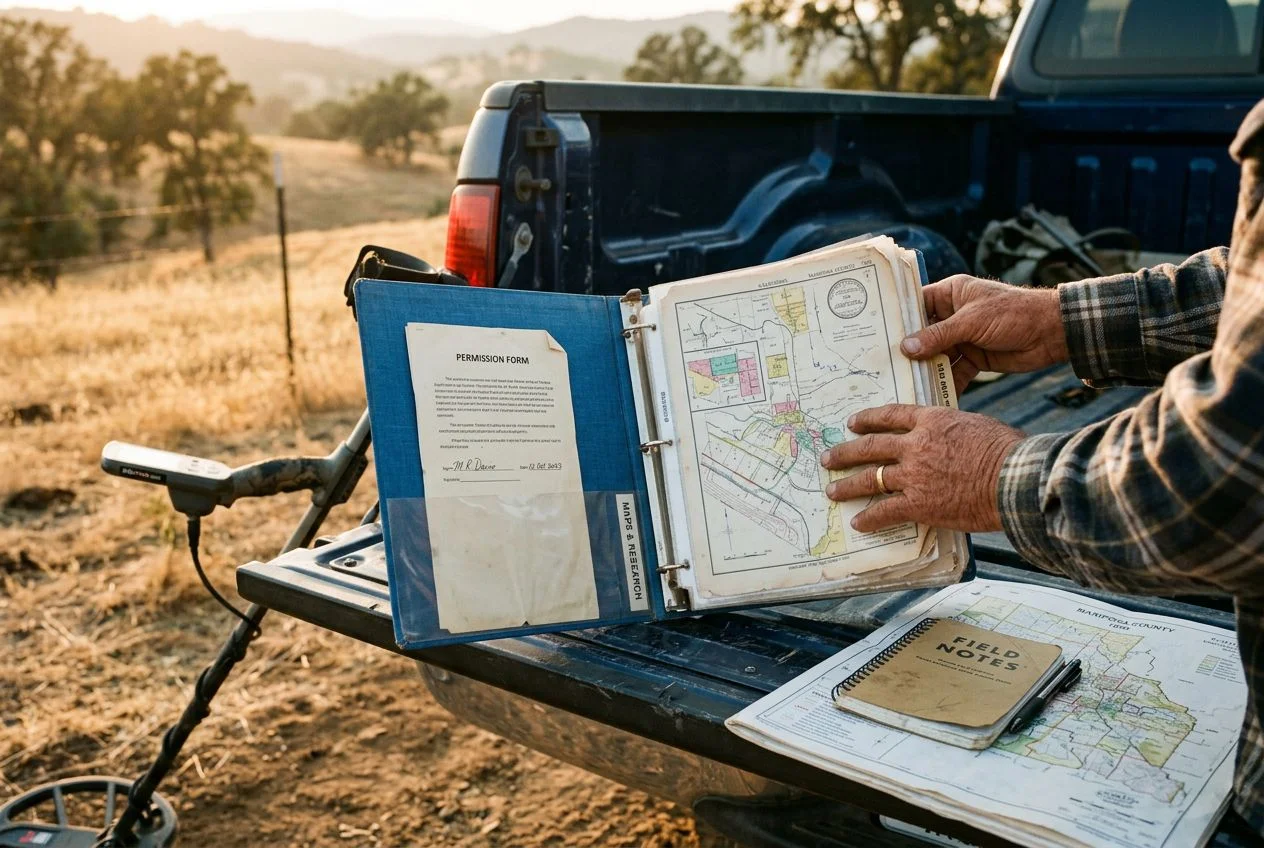
Research First: Just as the old saying goes, “If you want to find old things, you have to go to old places.” I spend considerable time researching locations, studying historical maps, and understanding the areas where people gathered in the past.
Master the Equipment: Over the years, I’ve developed effective techniques for:
Mastering detection in high-trash areas
Dialing in tone discrimination for better target identification
Developing coin shooting strategies that really work
Respect and Ethics: As an active member of the metal detecting community, I adhere to strict ethical guidelines that respect historical preservation and private property rights. Getting permission is always the first step, and leaving a site better than you found it is the last.
Document and Share: Every find has a story, and I believe in preserving not just the artifacts but the stories behind them. This website is my way of sharing these discoveries and helping others improve their skills.
What Drives My Work
My passion for metal detecting goes far beyond the thrill of discovery. What truly drives me is:
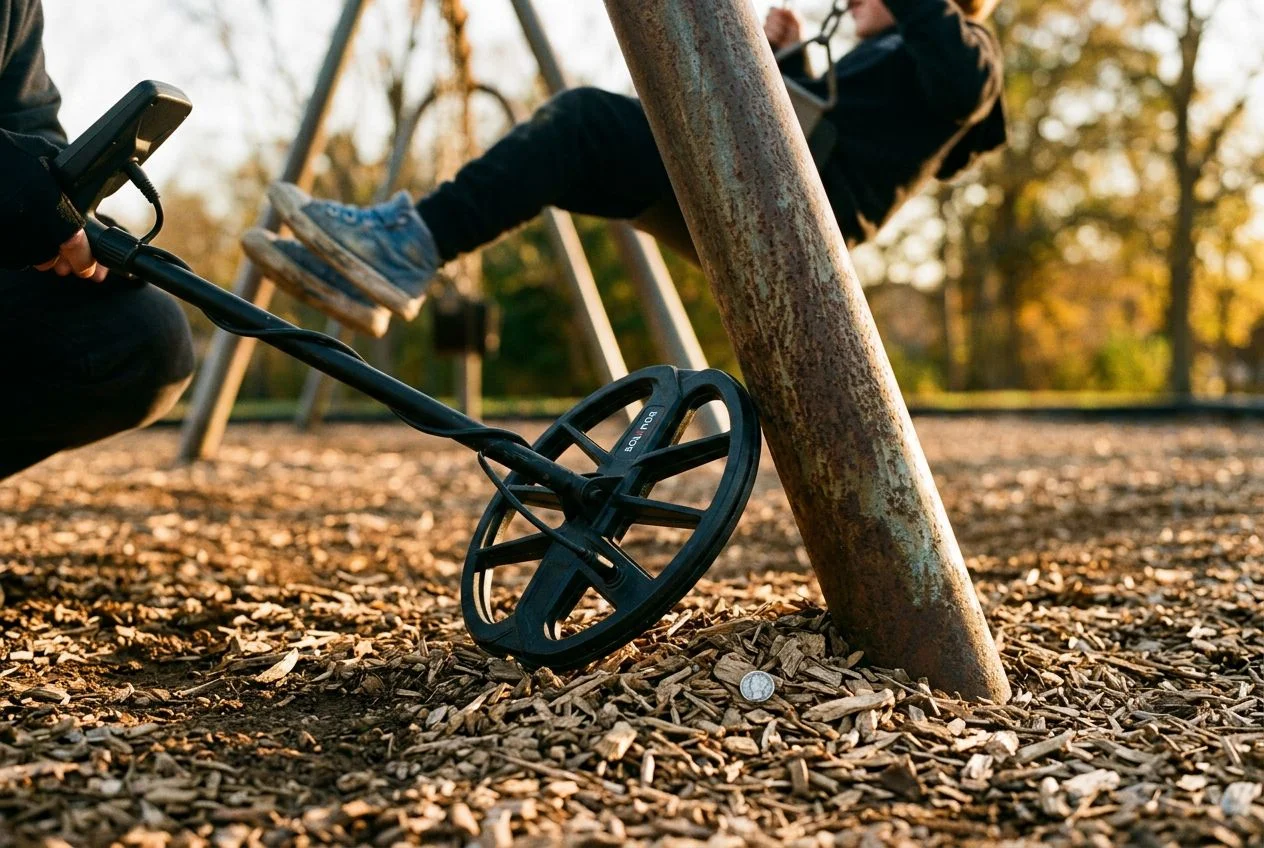
Family Legacy: I’m deeply committed to passing on this hobby to the next generation of detectorists, starting with my own children. Metal detecting has become a family tradition that combines outdoor time with hands-on history lessons.
Historical Preservation: Every artifact we find is a tangible connection to the past. By recovering and documenting these items, we’re preserving history that might otherwise be lost forever.
Community Building: Through DetectorForMetal.com, I aim to help both newcomers and experienced hunters enhance their skills and deepen their appreciation for this rewarding hobby.
The Joy of Discovery: While finding a valuable coin or rare artifact is always exciting, the real treasure is in the journey—the fresh air, the exercise, the anticipation, and most importantly, the time spent with family creating memories that will last a lifetime.
Remember, as I often tell my children when we’re out detecting: “One man’s junk is another man’s treasure.” What matters most isn’t always the monetary value of what you find, but the connection to history and the memories you make along the way.
Join me on this exciting journey as we uncover the past, one beep at a time!
Online Profiles
Connect with and follow Paul Edgerton through his various online profiles:
Paul Edgerton’s Professional Profile: This profile describes Paul Edgerton’s professional experience and qualifications as the founder of Detector For Metal
Paul Edgerton’s Twitter / X Account: This account is where Paul shares his latest blogs and thoughts, as well as interacts with passionate detectorists and thought leaders in the metal detecting and relic hunting communities
Paul Edgerton’s Reddit Account: On Reddit, Paul Edgerton interacts with topics and questions related to all things metal detecting and relic hunting
About DetectorForMetal
About DetectorForMetal
DetectorForMetal
Your one-stop solution to everything in the world of relic hunting and metal detecting.
Detector For Metal recommends equipment for America's historical detecting sites, with field-tested gear guides for beaches, gold country, farmsteads, and battlefields.
Founded:
2024-01-01
Location:
Johnston, Iowa, United States
Address: 6701 Corporate Drive #4153, Johnston, Iowa, 50131, United States
Joseph Byrum is an accomplished executive leader, innovator, and cross-domain strategist with a proven track record of success across multiple industries.
Comprehensive metal detector product reviews and equipment guides from experienced detectorists. Explore in-depth comparisons of leading metal detectors including Minelab Manticore, Nokta Simplex Ultra, XP Deus 2, and Garrett Vortex. Find expert reviews on waterproof metal detectors, budget vs premium models, multi-frequency detection technology, and essential accessories like headphones and pinpointers. Whether you're searching beaches, forests, or prospecting for gold, our detailed reviews and buying guides help you choose the best metal detecting gear for your treasure hunting needs. Updated regularly with the latest 2025-2026 models and real-world performance tests.
Comprehensive metal detector operating guides and techniques from expert detectorists. Learn essential skills including ground balance settings for mineralized soil, advanced pinpointing methods, VDI number interpretation, and optimal detector sensitivity adjustments. Discover proven strategies for challenging environments like trashy parks, creek hunting, forest detecting, and reading plow lines in farm fields. Master troubleshooting techniques to stop false signals and constant beeping. DIY repair tutorials cover frayed coil cable fixes, winter maintenance checklists, and electrolysis tank building for relic restoration. Whether you're a beginner avoiding common mistakes or an experienced hunter seeking to double your detection depth, find detailed tutorials on detector logistics, systematic search patterns, and treasure display methods. Updated regularly with field-tested techniques that work in real-world conditions.
Q1: What is the best metal detector for beginners?
For beginners, we recommend starting with a detector in the $200-$400 range that balances features with ease of use. The Nokta Simplex Ultra ($299-$349) offers full waterproof protection, carbon fiber construction, and adjustable recovery speed—features typically found on more expensive machines. The Minelab Vanquish series and Garrett ACE 400 are also excellent choices. Look for detectors with preset search modes, good discrimination capabilities, and an intuitive interface. An 8-11 inch coil is the sweet spot for beginners—not too big, not too small.
Q2: How deep can a metal detector detect?
Detection depth varies based on several factors including the detector's frequency, coil size, soil mineralization, and target size. As a general rule, a metal detector can find coin-sized objects at depths roughly equal to the coil diameter—so an 11-inch coil can typically detect coins at 6-11 inches deep in favorable conditions. Larger objects can be detected deeper. Factors that reduce depth include highly mineralized soil, wet salt sand, and electromagnetic interference. Premium multi-frequency detectors generally achieve better depth in challenging conditions.
Q3: Do I need permission to metal detect on public land?
Yes, in most cases you need permission or permits to metal detect legally. Federal lands, including National Parks and Monuments, strictly prohibit metal detecting without special permits under the Archaeological Resources Protection Act (ARPA). State and local regulations vary widely—some state parks allow detecting in designated areas with permits, while others ban it entirely. City and county parks often have their own rules. Always research local laws and contact relevant authorities before detecting on any public land. Private property always requires explicit landowner permission, preferably in writing.
Q4: What frequency metal detector should I use?
The best frequency depends on what you're hunting. Low frequencies (5-8kHz) penetrate deeper and excel at finding large silver coins and relics, but miss small gold jewelry. High frequencies (18-40+kHz) are more sensitive to small targets like gold nuggets and thin jewelry, but sacrifice depth. A 15kHz frequency offers the best balance for general-purpose detecting—good sensitivity on small targets while maintaining reasonable depth. Multi-frequency detectors that operate on multiple frequencies simultaneously offer the most versatility, handling everything from coins to gold to beach hunting.
Q5: What tools do I need besides a metal detector?
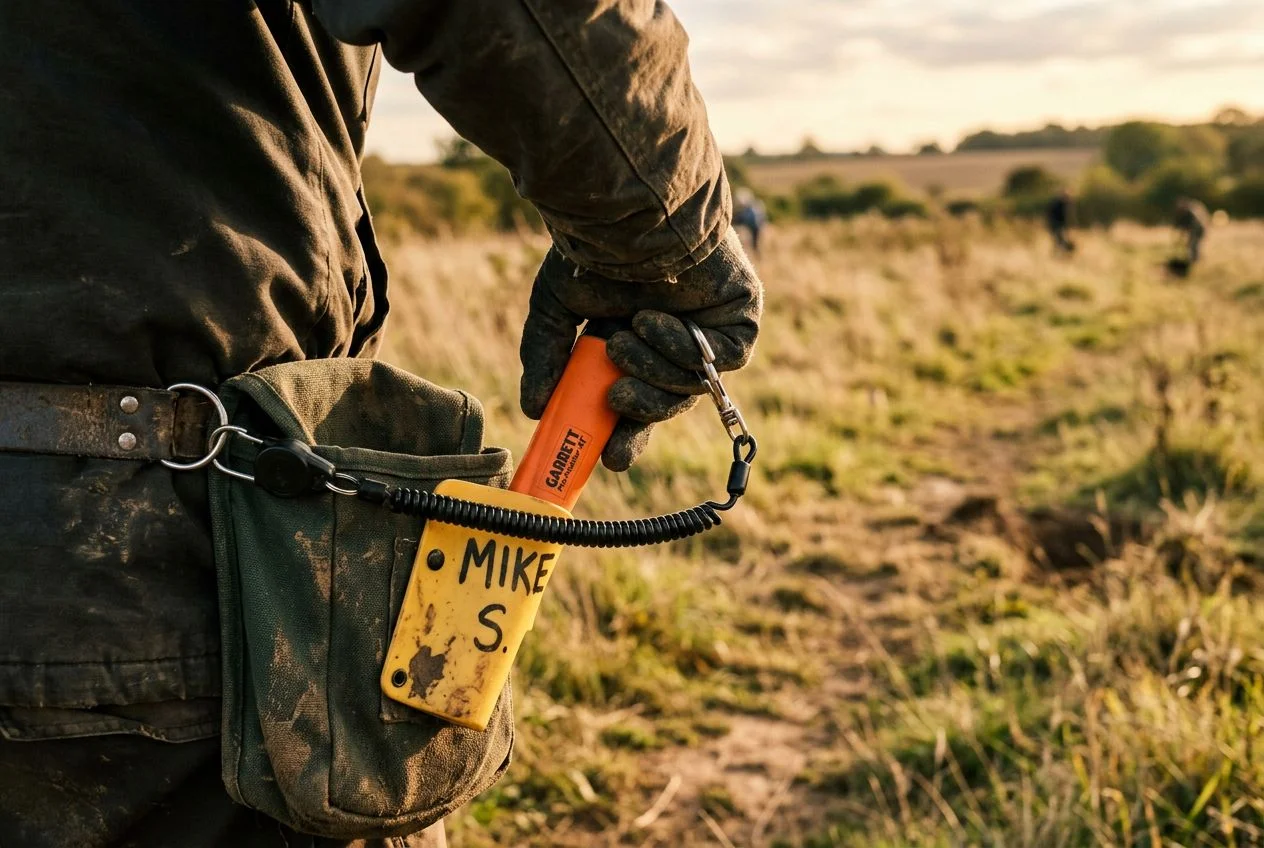
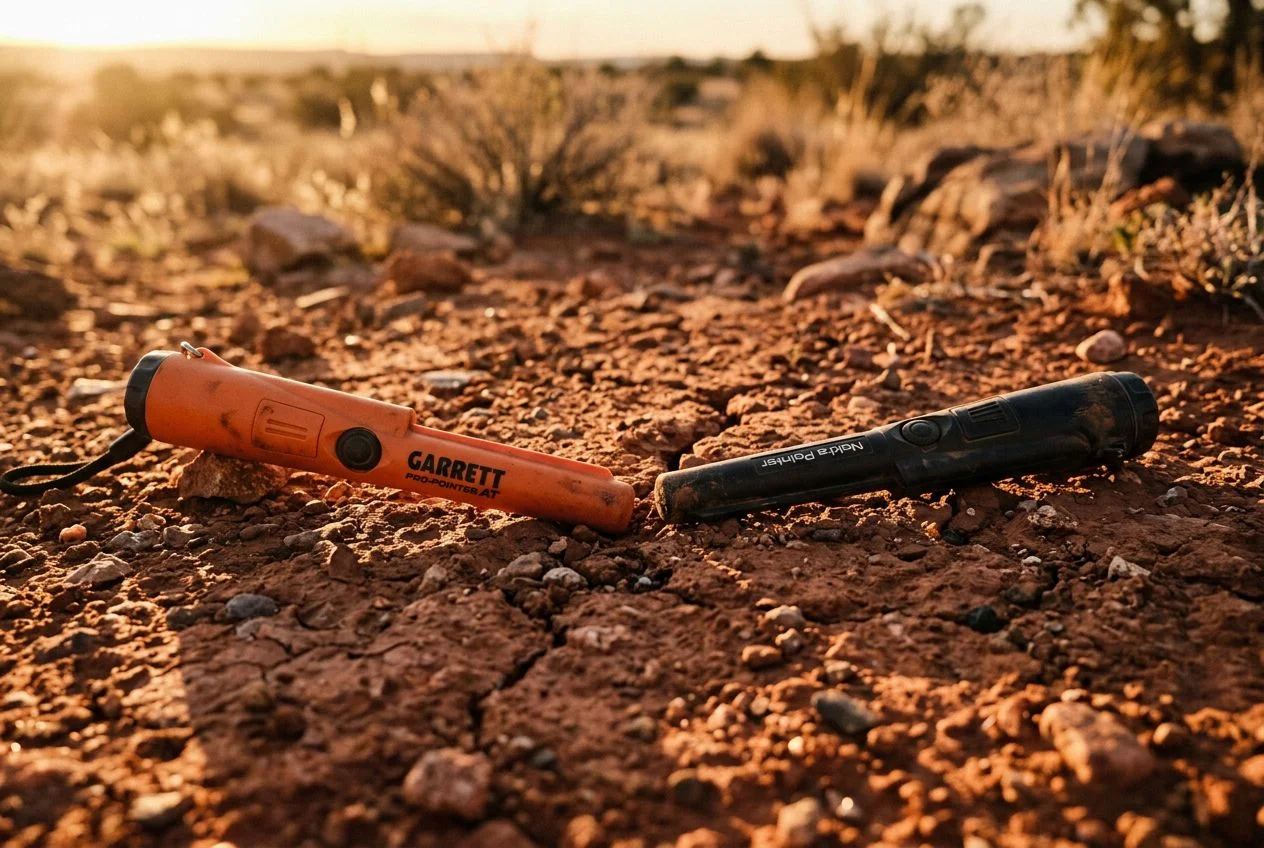
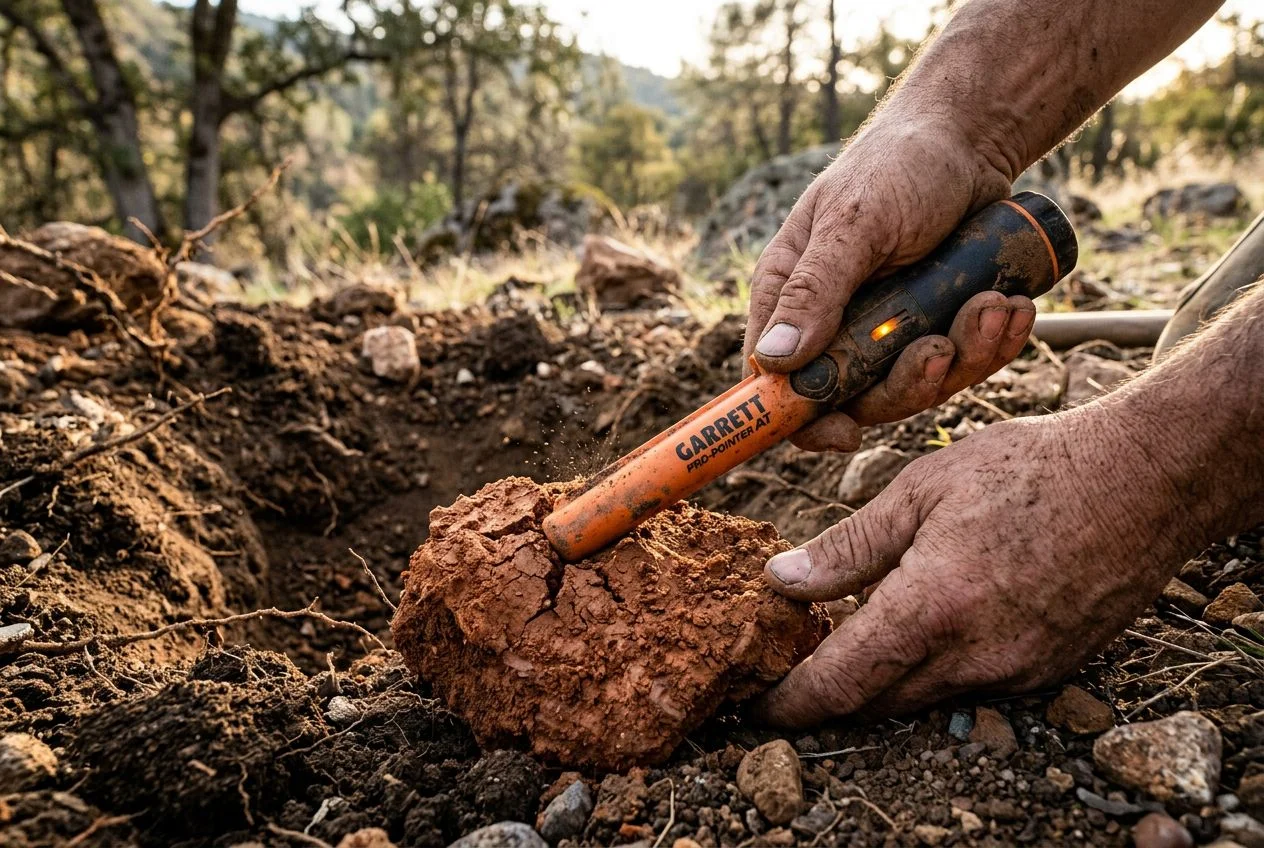
Essential metal detecting tools include: a pinpointer to precisely locate targets in the hole (like the Nokta AccuPOINT or Garrett Pro-Pointer), a quality digging tool such as a sturdy trowel or serrated digger, metal detecting headphones to hear faint signals and conserve battery, a finds pouch to organize discoveries, knee pads for comfort during long hunts, and gloves for protection when digging. A coil cover protects your search coil from damage, and a sand scoop is essential for beach detecting. Don't forget a bag for trash—responsible detectorists always pack out what they find.
Q6: How does a metal detector work?
Metal detectors work using electromagnetic induction. The search coil contains two coils: a transmitter coil that generates a magnetic field, and a receiver coil that detects disturbances in that field. When the magnetic field encounters metal underground, it creates eddy currents in the metal object, which generate their own magnetic field. This secondary field is detected by the receiver coil. Different metals produce different signal characteristics called 'phase shift,' which allows detectors with discrimination features to distinguish between types of metal—helping you avoid digging trash while targeting valuable finds.
Q7: What is the difference between VLF and PI metal detectors?
VLF (Very Low Frequency) and PI (Pulse Induction) are the two main metal detector technologies. VLF detectors are the most common type—they're versatile, offer good discrimination between metals, and work well in most conditions. They're ideal for parks, fields, and general treasure hunting. PI detectors send short bursts of current and measure decay time. They ignore ground mineralization better than VLF, making them superior for heavily mineralized soil, saltwater beaches, and underwater detecting. However, PI detectors generally cannot discriminate between metal types. Choose VLF for versatility and discrimination; choose PI for extreme conditions and maximum depth.
Q8: Where are the best places to go metal detecting?
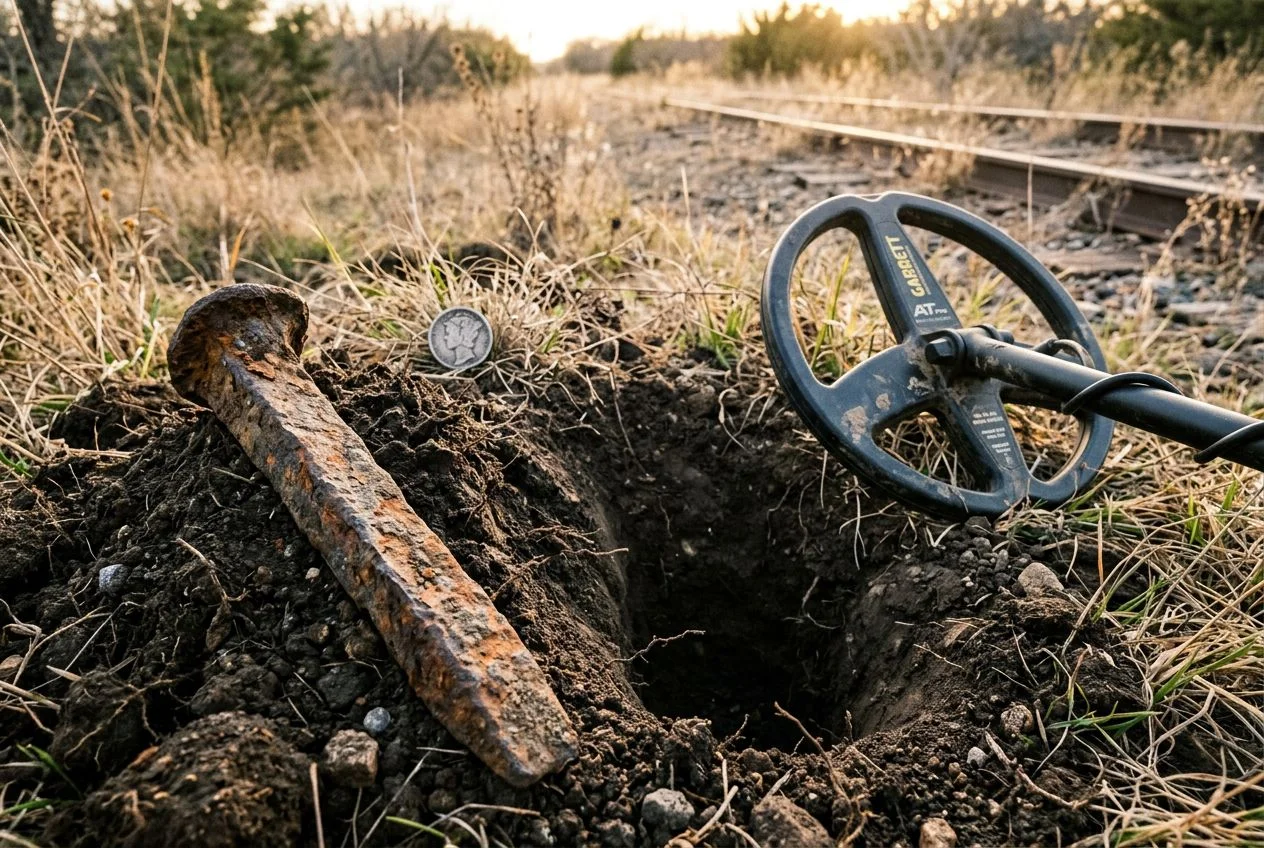
The best metal detecting locations are places where people historically gathered and lost items. Top spots include: old homestead sites (look for foundation stones, old trees, and wells), beaches (especially after storms when items are uncovered), old parks and fairgrounds, abandoned railroad stops and stagecoach routes, historic church properties (with permission), old swimming holes, and former school sites. Research historical maps and old photographs to find forgotten locations. Private property with landowner permission often yields the best finds since public areas are typically hunted out. Always get written permission before detecting anywhere.
Q9: Do I need a waterproof metal detector?
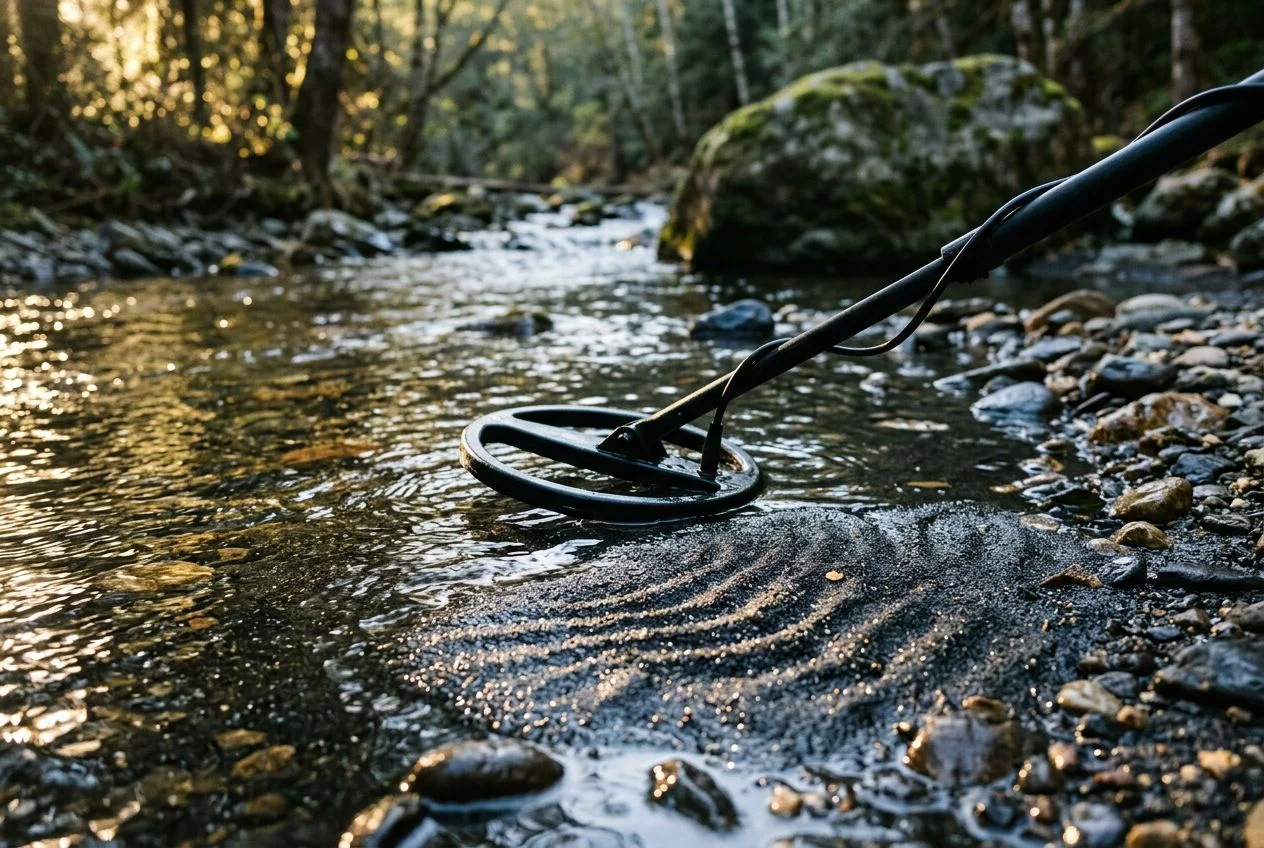
Whether you need a waterproof detector depends on where you plan to hunt. If you're interested in beach detecting, creek hunting, or searching after rainstorms, waterproof capability is highly valuable. There are three levels: water-resistant (handles rain and damp grass), waterproof (submersible to several feet—good for wading and surf hunting), and underwater (designed for diving, typically up to 60-200 feet). Models like the Nokta Simplex Ultra offer IP68 waterproof ratings to 16 feet at beginner-friendly prices, while dedicated underwater detectors like the Minelab Excalibur II can go to 200 feet. Even if you don't plan to go underwater, having a waterproof detector protects your investment from weather.
Q10: Can I keep what I find metal detecting?
Whether you can keep finds depends on several factors. On private property with landowner permission, you typically can keep finds unless you agreed otherwise—but the landowner technically owns everything on and in their property. On public land, regulations vary: some jurisdictions allow you to keep common items like modern coins but require reporting artifacts over 50 or 100 years old. Federal law requires reporting certain discoveries, including Native American artifacts and human remains. The Archaeological Resources Protection Act (ARPA) prohibits removing artifacts from federal lands without permits. Always research local treasure trove laws and reporting requirements. When in doubt, document significant finds and consult local authorities.
Q11: What is ground balance and why does it matter?
Ground balance is a critical metal detector setting that compensates for mineralization in the soil. Soil contains natural minerals like iron that can create false signals or mask real targets. Without proper ground balancing, your detector may chatter constantly, give false readings, or miss legitimate finds entirely. Most modern detectors offer automatic ground balancing that continuously adjusts to soil conditions. Manual ground balance allows experienced users to fine-tune for specific conditions. Proper ground balance is especially important in highly mineralized areas like goldfields, saltwater beaches, and red clay soils. If your detector is giving inconsistent signals or chattering, ground balance is often the culprit.
Q12: How much should I spend on my first metal detector?
For beginners, we recommend budgeting $200-$400 for a quality starter detector. Below $200, you'll encounter significant compromises in performance and durability that lead to frustration. The $200-$400 range gets you capable machines like the Nokta Simplex Ultra, Minelab Vanquish series, or Garrett ACE 400—all of which offer features you won't quickly outgrow. If you're certain you'll stick with the hobby, spending $300-$600 gets you technology like multi-frequency detection that delivers better performance in varied conditions. Only invest $700+ if you have specific needs like serious saltwater beach hunting or gold prospecting that require premium technology. Remember: skill and site selection matter more than expensive gear.
Your one-stop solution to everything in the world of relic hunting and metal detecting.
Find the Best Metal Detectors and Treasure Hunting Accessories on the Site Trusted by Thousands of Readers.