Table of Contents
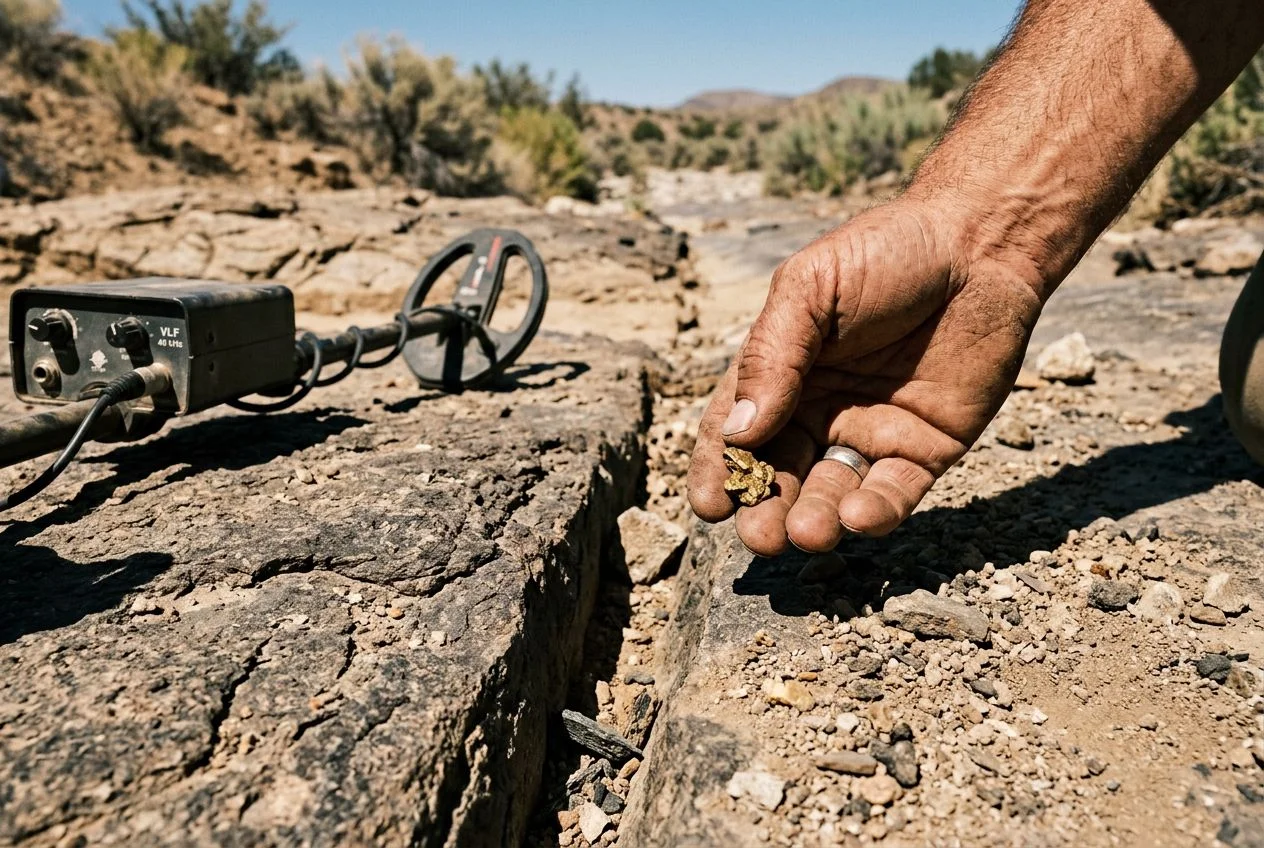
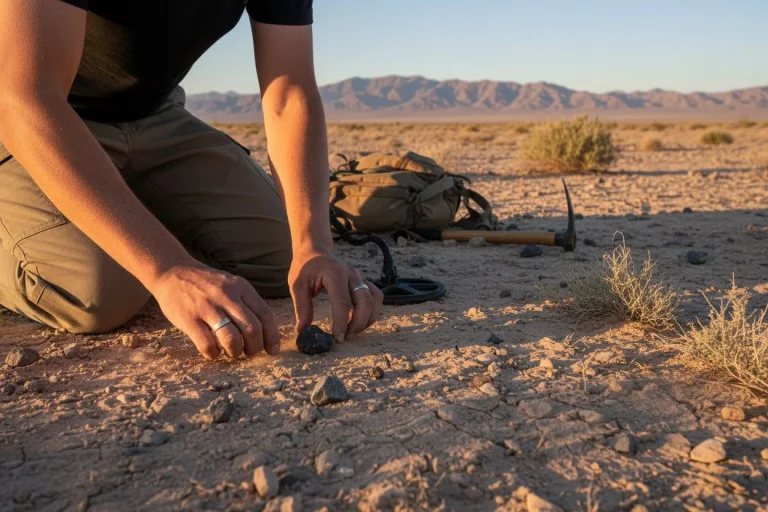
I became fascinated with hunting meteorites when my buddy Tom talked me into a three-hour drive into the Mojave Desert. “There’s nothing out here but rocks,” I told him. “That’s the point,” he said. Six months later, I held a 47-gram piece of space rock worth more than my first car. But I’ll be honest — getting there wasn’t easy. The technology I started with wasn’t up to the task.
Here’s the thing about meteorite hunting: it forces you to confront your gear’s limits faster than almost any other type of detecting. Most of the time, you’re working in difficult desert soil. You’re searching for iron-nickel fragments smaller than your thumbnail. They’re buried so deep that even top detectors struggle. And here’s the kicker — over 95% of meteorites contain iron-nickel metal. That means your detector can find them. But which detector? That’s the question that’s gotten a lot more interesting in 2026.
Why VLF Still Matters in Meteorite Hunting
If you’ve been detecting for any length of time, you’ve heard the conventional wisdom: Pulse Induction is for meteorites, VLF is for coin shooting. And sure, there’s some truth to that — but it’s not the whole story.
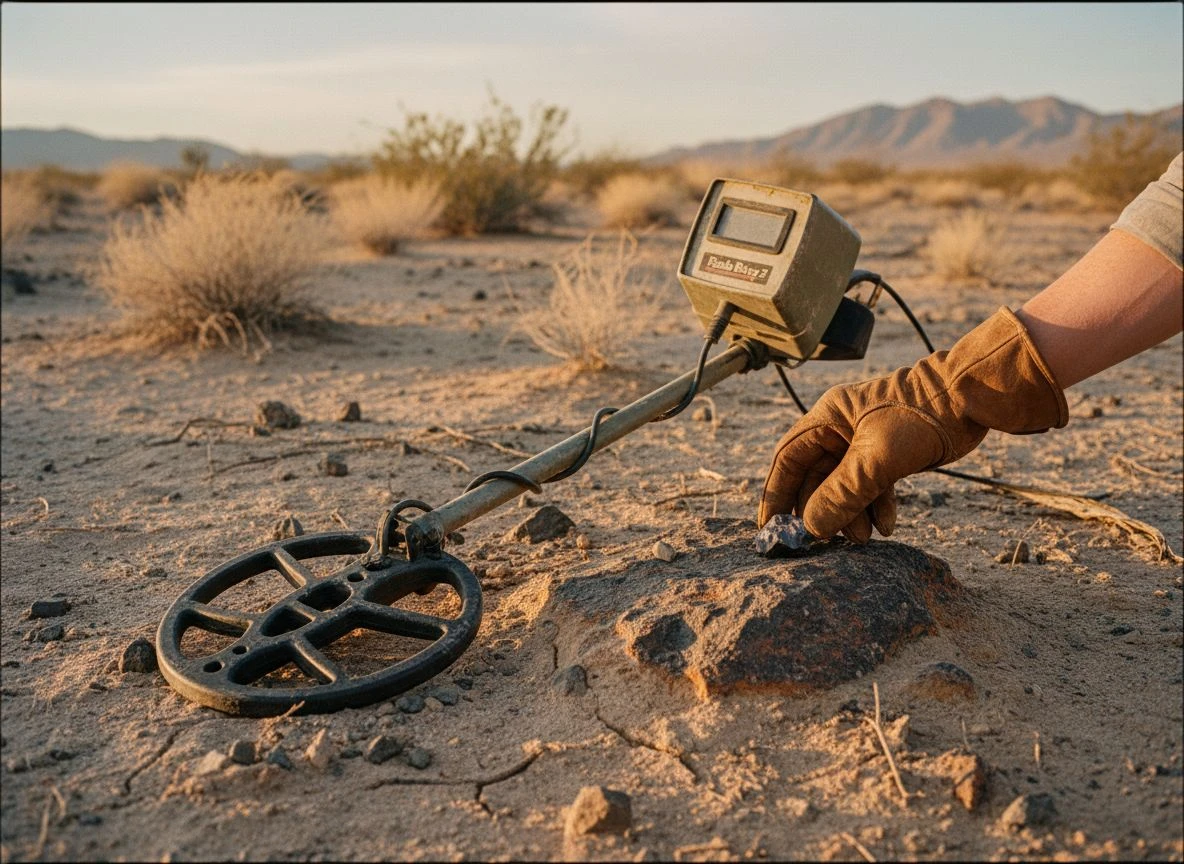
Very Low Frequency detectors operate between 3-71 kHz. That upper range is where things get interesting for meteorite hunters. The Fisher Gold Bug 2 runs at 71 kHz — one of the highest operating frequencies on the market. It’s famous for detecting fragments as small as a few grams. I’ve personally pulled meteorite specimens weighing under 10 grams with that machine. My buddy’s PI detector walked right over them.
But here’s the catch: VLF detectors are ground-sensitive. In heavily mineralized desert soils, they can mistake “hot rocks” containing magnetite or hematite for actual targets. If you’re using automatic ground balance, your detector might work against you. It can treat small meteorites as background mineralization and filter them out entirely. Manual ground balance is crucial. I learned that the hard way after spending an entire morning digging magnetite while a 30-gram chondrite sat six feet away, undetected.
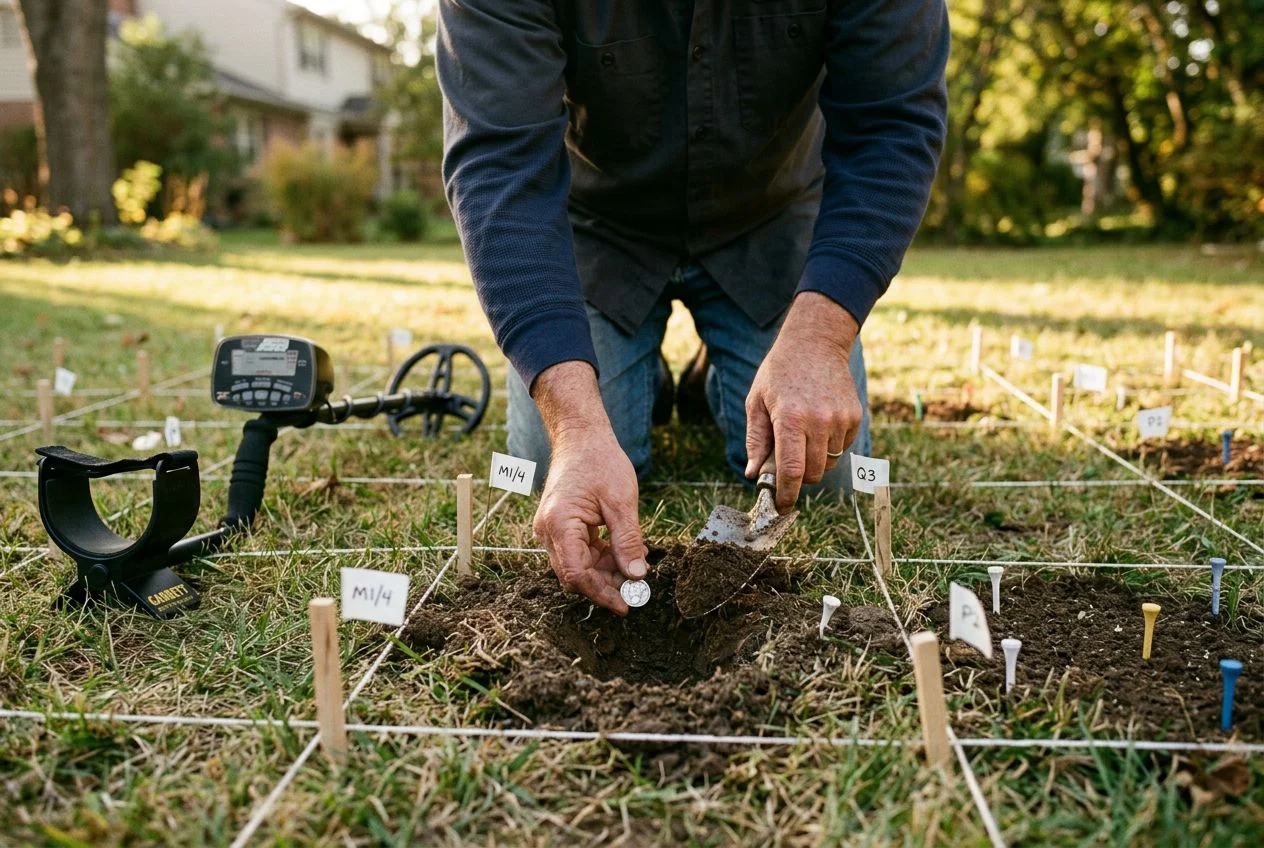
(Side note: that “hot rock” frustration is real. I’ve got a jar full of magnetite samples on my desk at home. I dug them specifically so I could learn what they sound like versus actual targets. My wife thinks I’m crazy. She’s not wrong.)
Why Pulse Induction Dominates Meteorite Hunting
Pulse Induction detectors measure the decay of a signal rather than a continuous phase shift. That might sound like technical jargon, but here’s what it means in practice: PI detectors are largely immune to ground mineralization. They punch through saline soil, volcanic black sand, and ironstone like it’s not even there.
The Minelab GPZ 7000, which uses Zero Voltage Transmission technology, can reach 2-4+ feet for substantial specimens. That’s game-changing when you’re hunting previously searched strewn fields where the easy surface finds are long gone. PI detectors also operate in “All-Metal” mode by default. That means their discrimination circuit can’t accidentally filter out your target — a real risk with VLF machines.
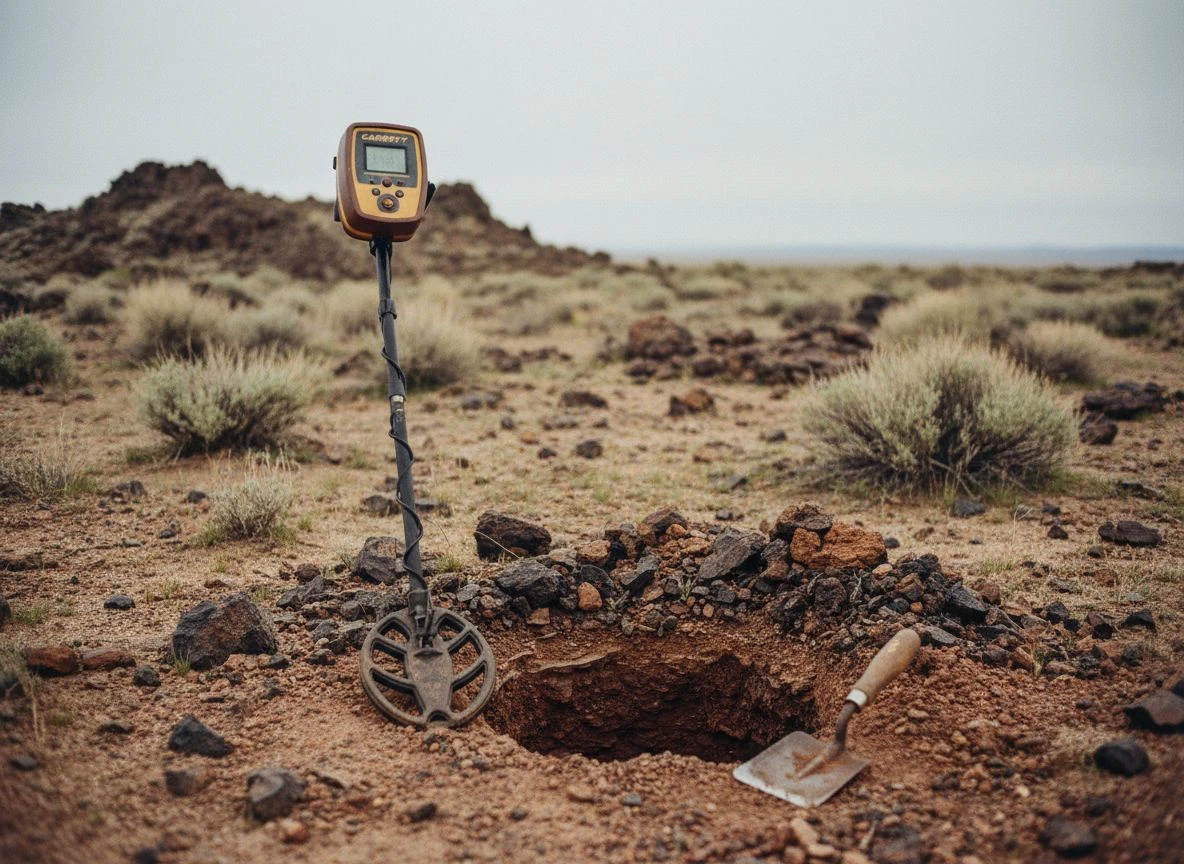
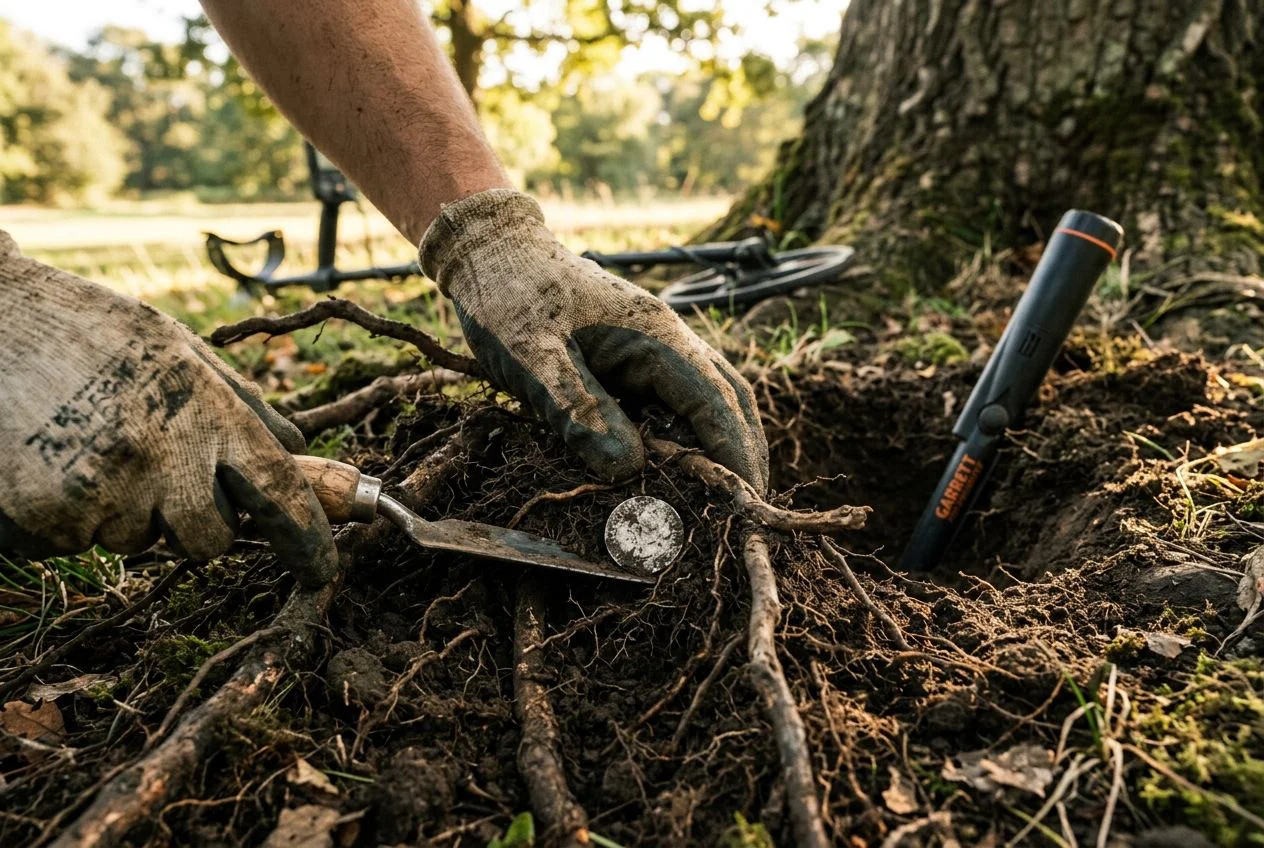
It’s no coincidence that serious meteorite hunters still default to PI. In environments like the Mojave Desert, Gold Basin, or Roosevelt County — places with extreme ground conditions — a PI detector has a clear advantage. I used a Garrett Axiom Lite on my last desert trip. It handled ground conditions that had my VLF machine screaming with false signals.
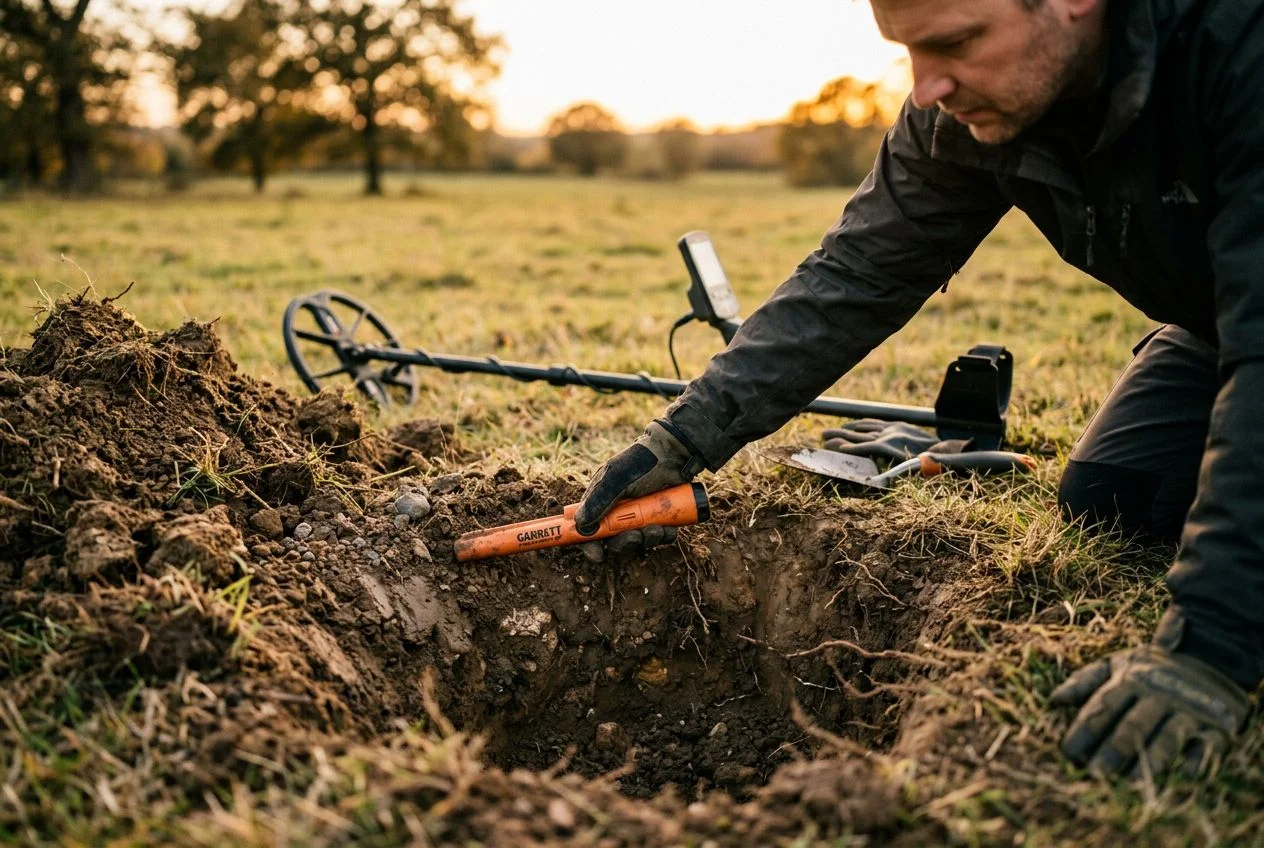
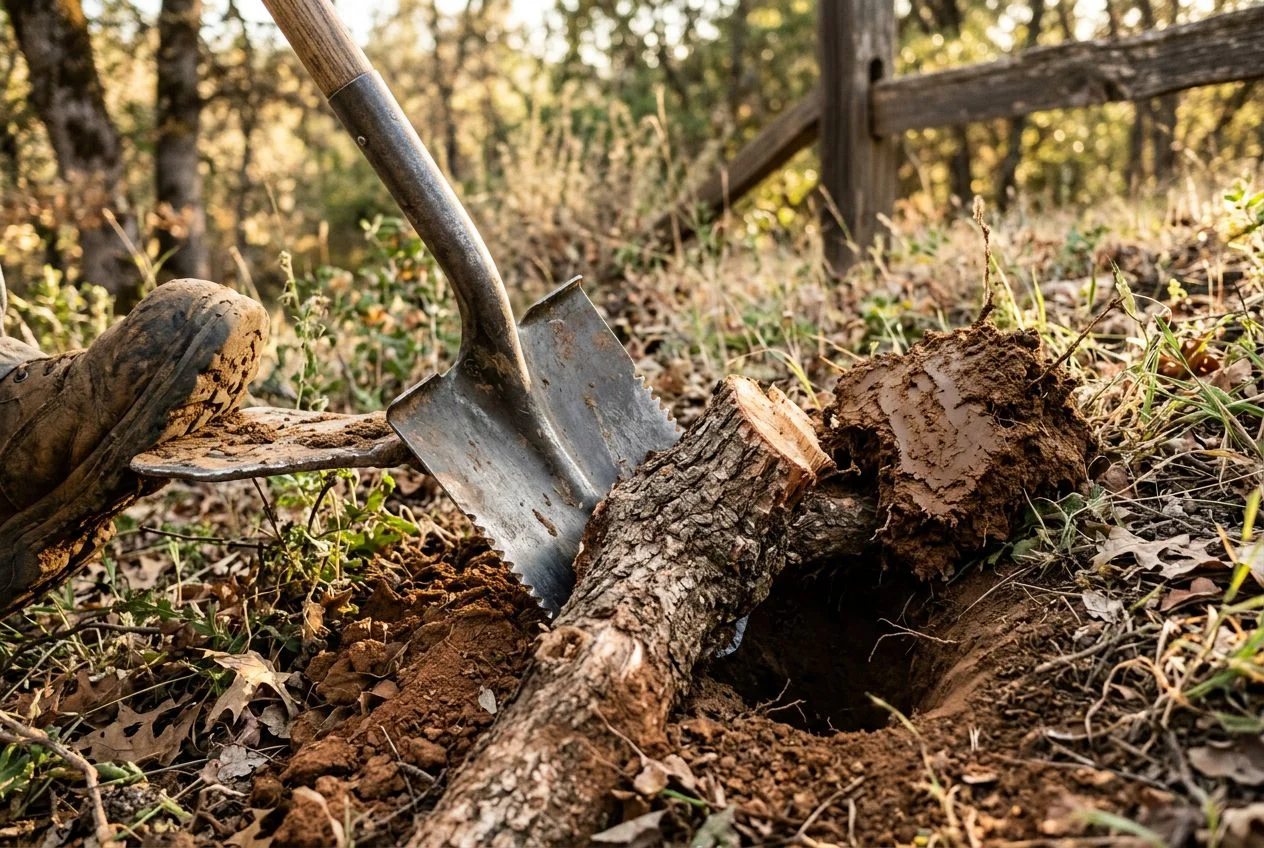
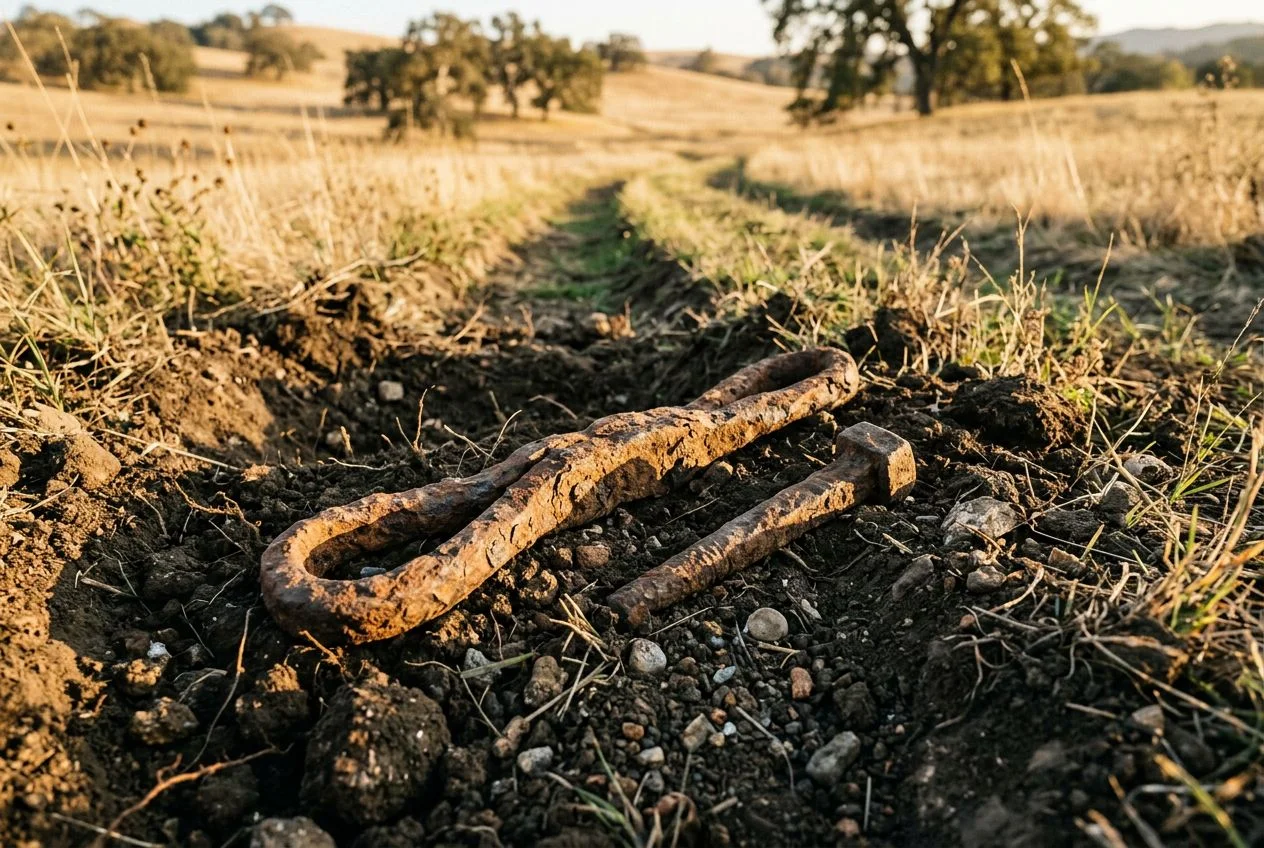
The downside? No reliable target discrimination. You dig everything. And I mean everything. I’ve pulled rusted fence wire from three feet down — and yes, it sounded exactly like the meteorite signal I was chasing.
How Multi-Frequency Tech Changes Meteorite Hunting in 2026
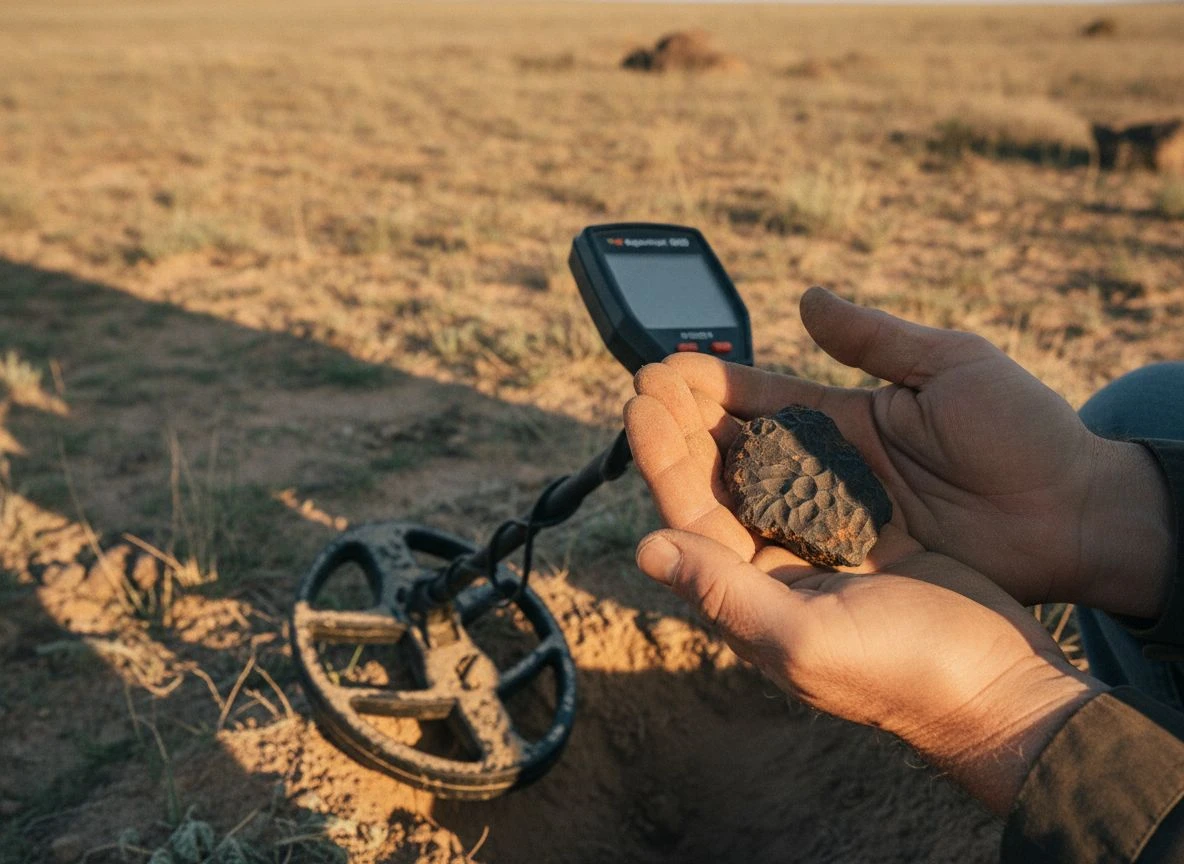
Here’s where the landscape has shifted. Modern VLF detectors with Multi-IQ or Multi-Flex technologies can transmit multiple frequencies simultaneously. That means a single machine can operate like both a low-frequency detector (for depth on large targets) and a high-frequency detector (for tiny fragments) at the same time.
This matters more for meteorite hunting than most people realize.
I took a Minelab Equinox 800 into the field last spring — not my first choice for meteorites, but I wanted to test the theory. On a section of strewn field I’d already hunted with a PI machine, the Equinox picked up a 12-gram fragment I’d missed. Not because it was deeper — it wasn’t. The multi-frequency processing identified the target through ground noise that had masked it on the PI unit’s single-frequency sweep.
Modern multi-frequency VLF units are achieving depths previously exclusive to PI machines. And they still keep the discrimination capabilities that PI lacks. For most hobbyists — and I’d argue for most meteorite hunters who aren’t working extreme mineralization — a good multi-frequency VLF is now a genuinely competitive option.
The Minelab Manticore takes this further with its Multi-IQ+ engine. It offers 50% more detection power than the Equinox series. I haven’t field-tested one on a meteorite hunt yet, but I’ve got a buddy who swears by his for gold prospecting in Arizona. The overlap with meteorite hunting is significant.
Top Specialized Tools for Meteorite Hunters
If you’re going all-in on meteorite hunting — like, planning multi-day expeditions into known strewn fields — there are specialized tools worth considering beyond the standard PI vs. VLF debate.
The Minelab Gold Monster 1000 operates at 45 kHz. That’s a sweet spot for detecting small gold — and by extension, small iron-nickel meteorites — without the extreme ground sensitivity of the 71 kHz Fisher. It’s lighter than the PI monsters and runs on rechargeable lithium-ion batteries. That matters when you’re hiking miles into the backcountry.
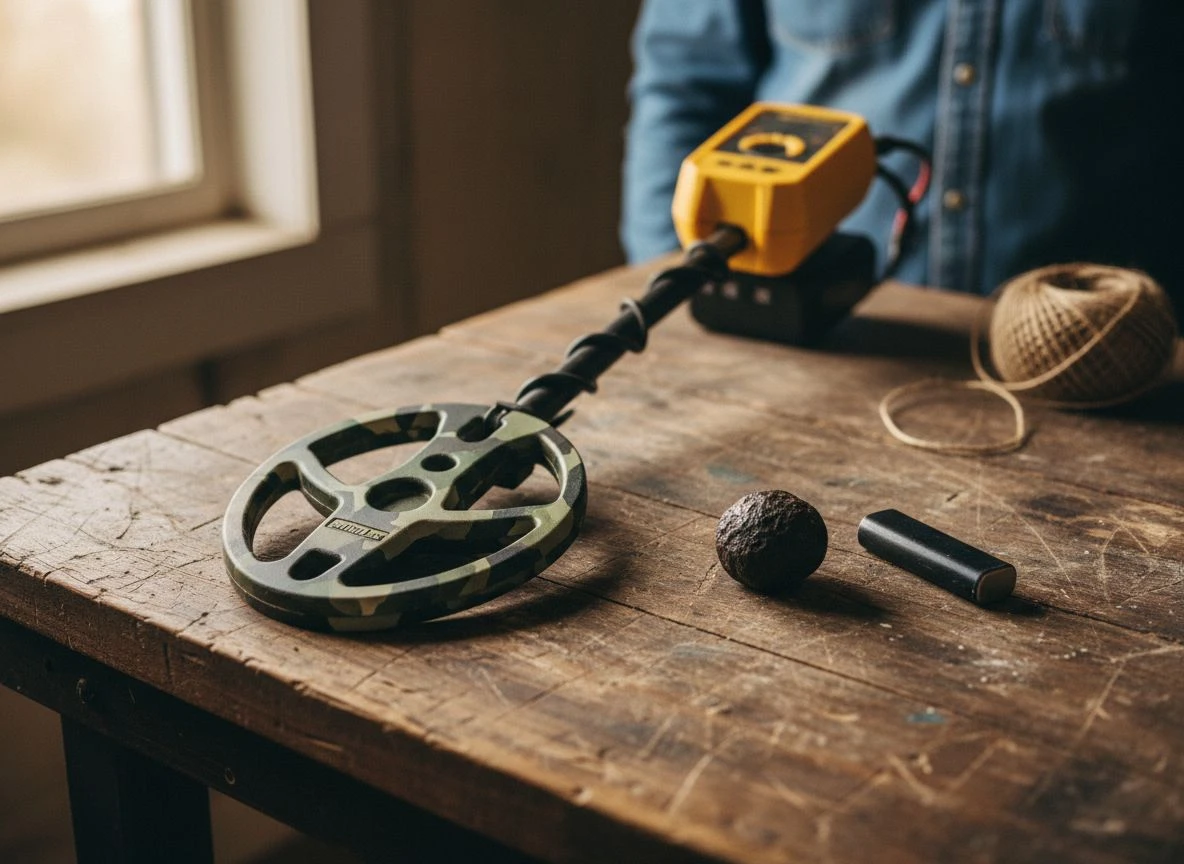
And then there’s the emerging world of 3D scanning and aerial detection. The TreasureHunter3D GoldenEye+ uses augmented reality to visualize buried objects on your smartphone. Under optimal conditions, it can detect targets up to 35 meters deep. I’ll admit I was skeptical of AR-based detecting at first — it felt like gadgetry for the sake of gadgetry. But after watching a demo at a detecting club meeting, I came around. Being able to see the approximate size, shape, and depth of a target before digging is genuinely useful when you’re trying to decide whether to excavate a signal in remote terrain.
For covering massive areas — and meteorite strewn fields can stretch for miles — the DroneRover attaches to any drone capable of carrying 200g. It scans up to 30 meters underground and transmits real-time 3D data to your phone as the drone flies. I haven’t personally used one on a meteorite hunt, but I know a guy who mapped a quarter-mile section of the Gibeon strewn field in Namibia in an afternoon using a similar setup. That would’ve taken weeks on foot with a traditional detector.
Which Field Techniques Work Best for Meteorite Hunting?
I’ve been doing this long enough to have strong opinions about what matters more than the detector itself. Here’s the short version:
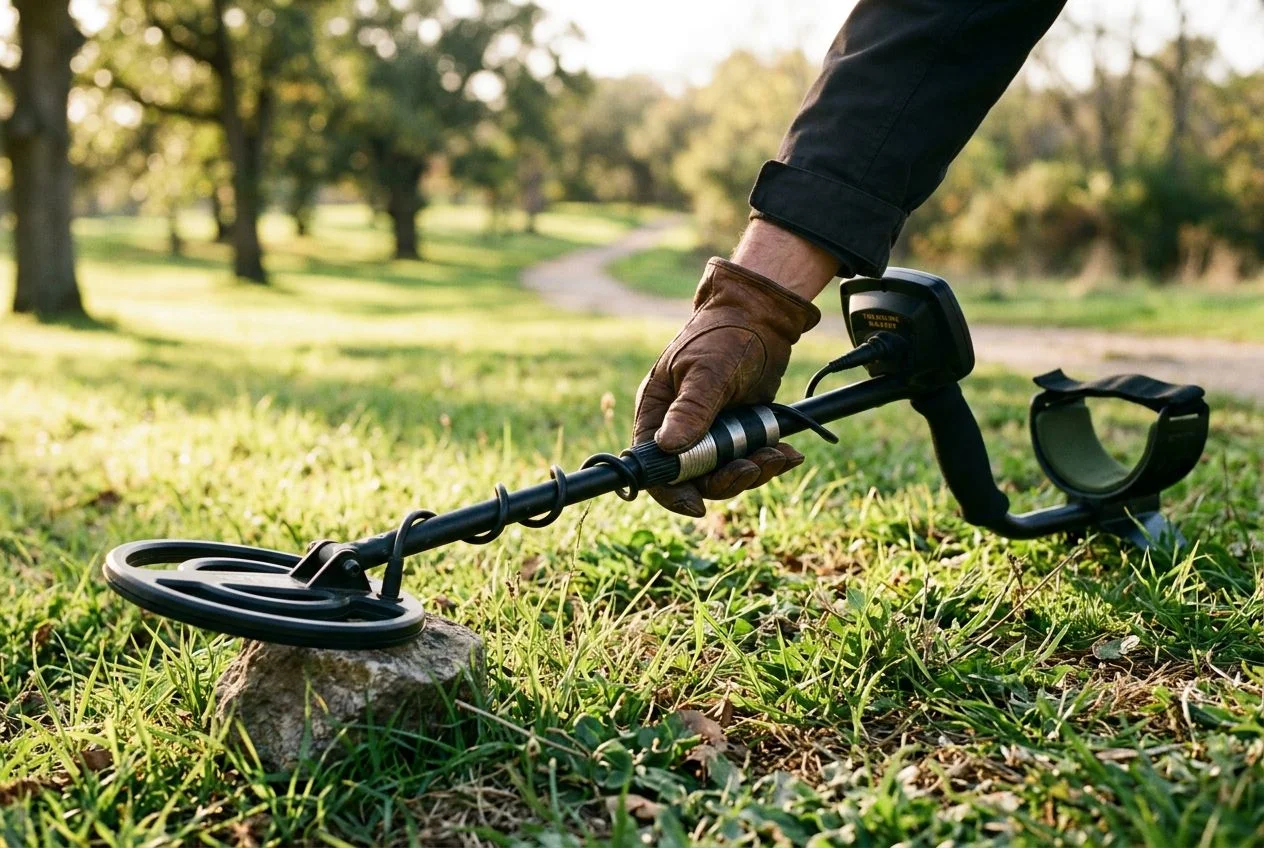
- Coil size matters enormously. For tiny meteorite fragments — think under 5 grams — you want a small coil. The Fisher Gold Bug 2 with a 6.5″ elliptical coil is still my go-to for micro-meteorite hunting. For deep targets in open terrain, a larger 10-15″ coil covers ground faster, but you’ll miss the small stuff.
- Slow down. Meteorite hunting is not coin shooting. You need to swing slower — I mean painfully slow — especially with PI machines. The signals are subtle, and rushing is how you miss them.
- Ground balance manually. This is non-negotiable. Auto ground balance on VLF machines will cancel out small meteorites as background mineralization. I learned this the hard way, and I still kick myself for the hours I wasted.
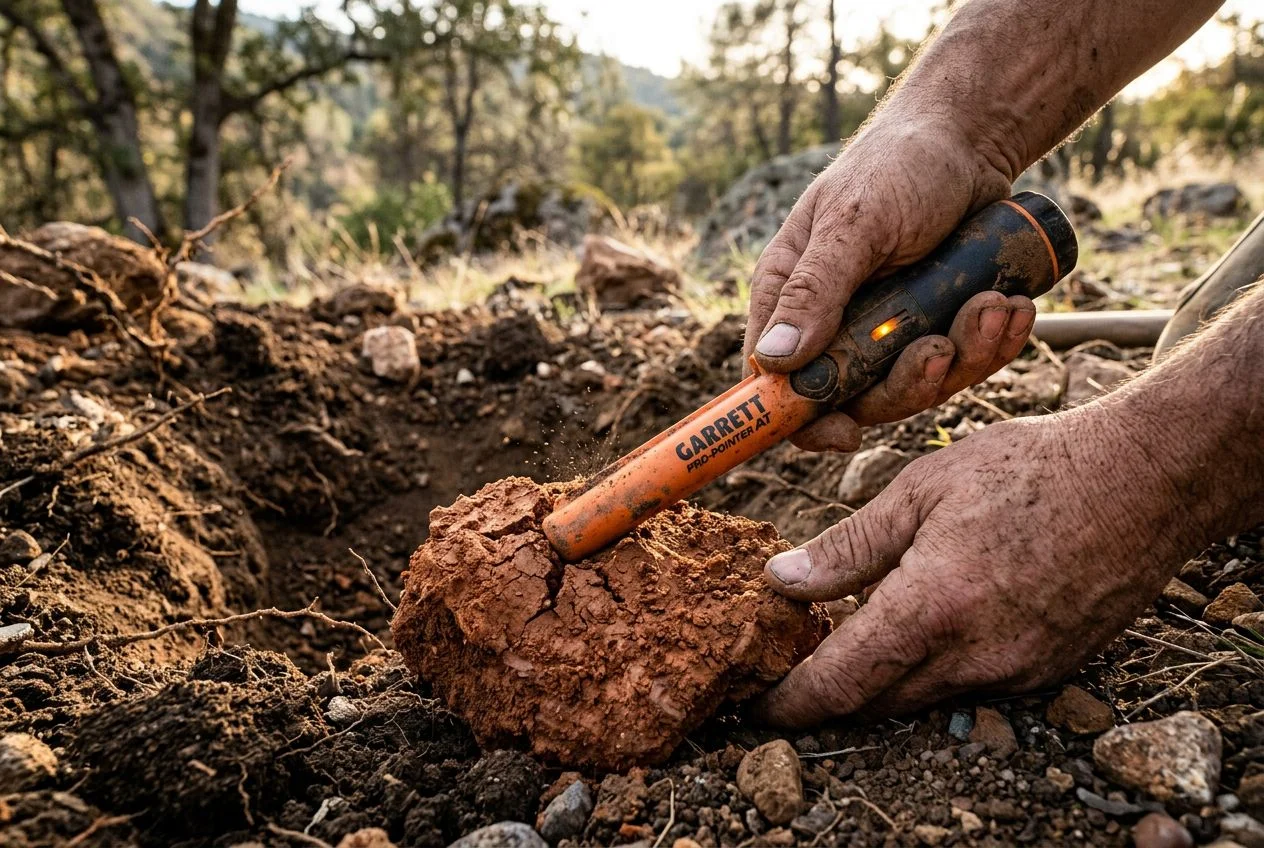
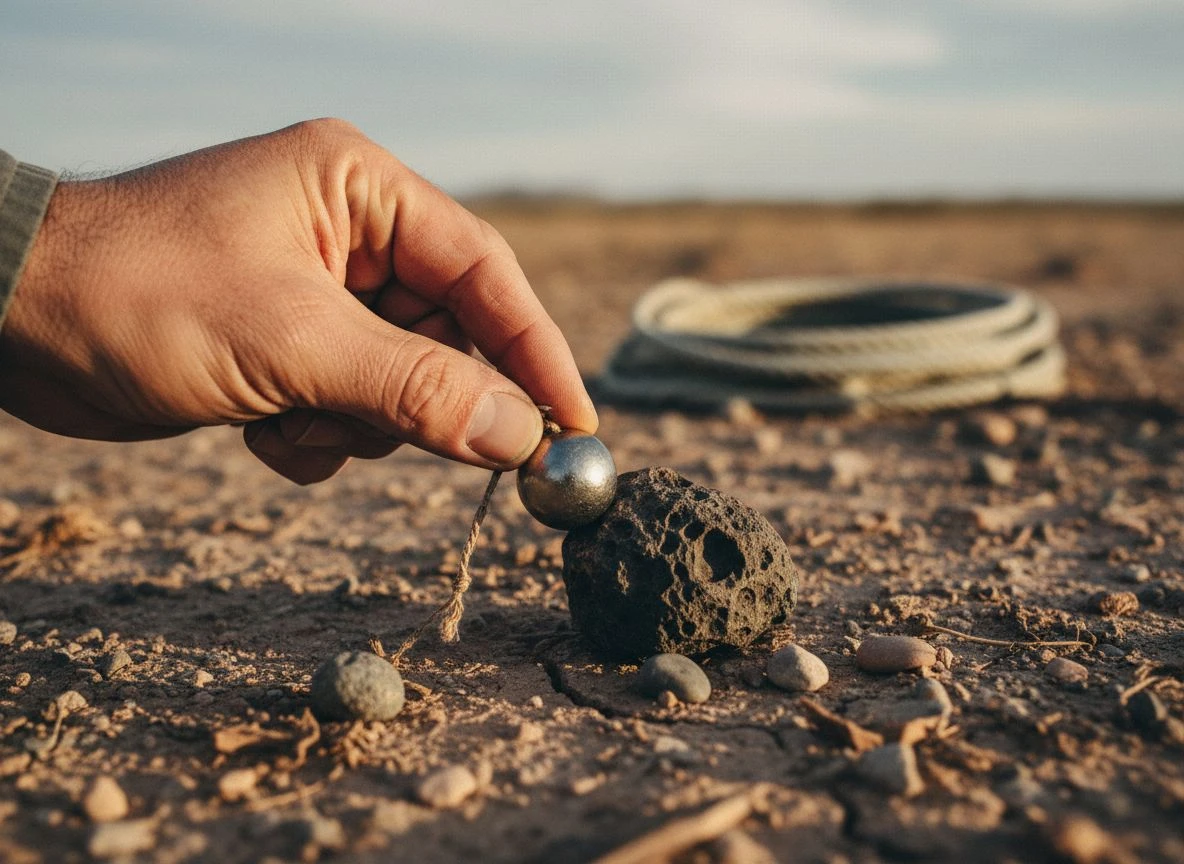
- Bring a magnet. Not a giant one, just a rare-earth magnet on a string. If you find an interesting rock and the magnet sticks, you’ve got a candidate. If it doesn’t, move on. This simple trick saves more time than any detector setting I know.
- Know your meteorite types. Iron meteorites produce strong, clear signals — they’re the easiest to detect. Stony meteorites are trickier. They produce weaker signals that can easily be mistaken for hot rocks. If you’re hunting in an area known for stony finds, you need to dig more marginal signals. Accept that.
The Bottom Line for Meteorite Hunting in 2026
If I had to recommend one technology for someone serious about meteorite hunting this year, I’d say this: get a good multi-frequency VLF as your primary machine. Supplement it with a PI detector if you’re working extreme mineralization. The gap between the two technologies has narrowed dramatically. The versatility of modern multi-frequency units outweighs the depth advantage of PI in most scenarios.
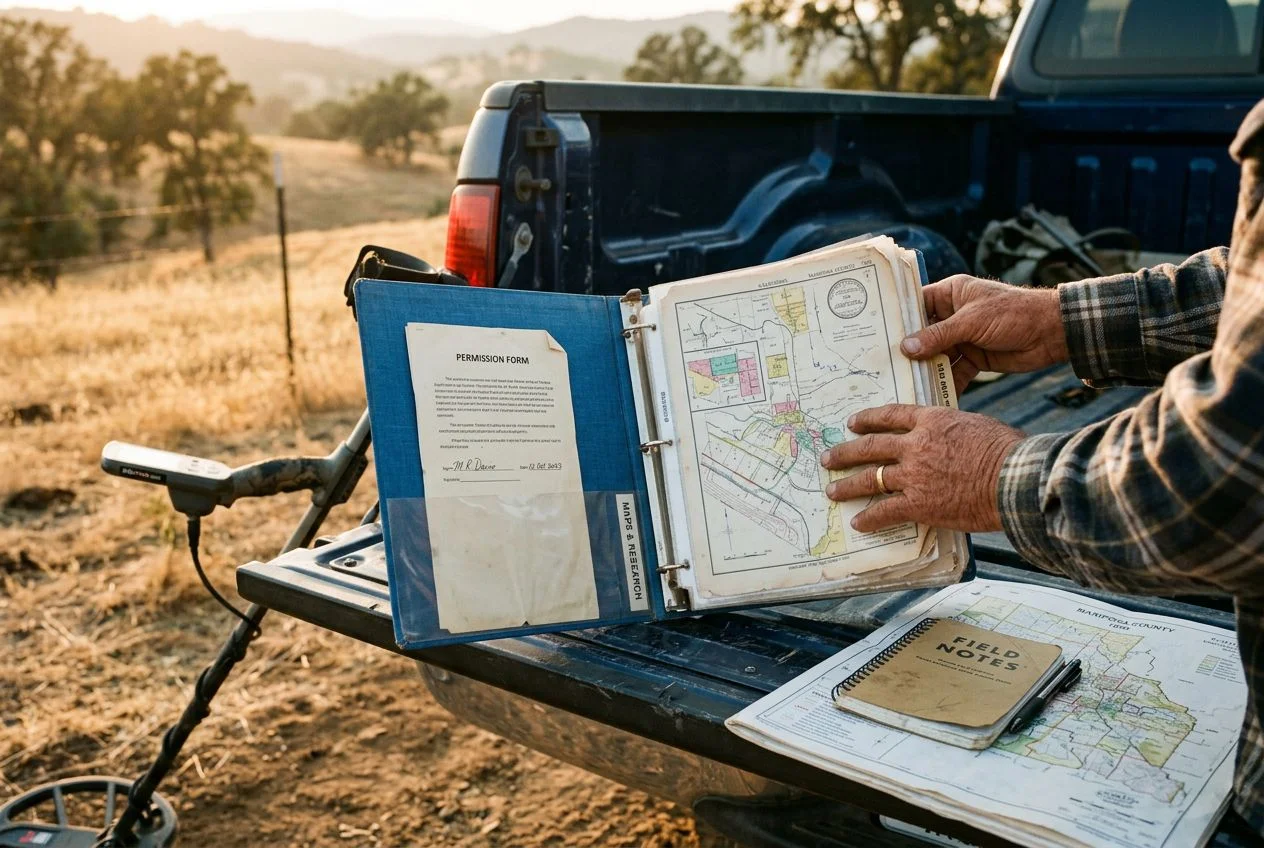
But honestly? The detector matters less than the research. The best technology in the world won’t help if you’re hunting the wrong ground. I found my first meteorite because I spent three weeks reading geological survey maps, talking to old-timers at a rock shop in Arizona, and cross-referencing known strewn fields with public land access data. The detector was just the tool that confirmed what the research told me.
So by all means, upgrade your gear. But don’t forget the map, the permit research, and the magnet. Those have never failed me — and I can’t say the same about any detector I’ve ever owned.

My name is Paul and I am the founder of Detector For Metal, a dedicated resource for metal detecting enthusiasts seeking to uncover historical treasures and connect with the past using the latest technology. As a stay-at-home dad and family man, I’ve found metal detecting to be the perfect hobby that combines family adventure with historical learnings for the whole family.
As a father, I’m deeply committed to passing on this hobby to the next generation of detectorists, starting with my own children. I share advice on everything from metal detecting with kids to exploring the top 10 metal detecting sites you never thought about. My methodical approach to the hobby goes beyond the thrill of discovery—it’s about creating family traditions while preserving history and sharing the stories of those who came before us.