

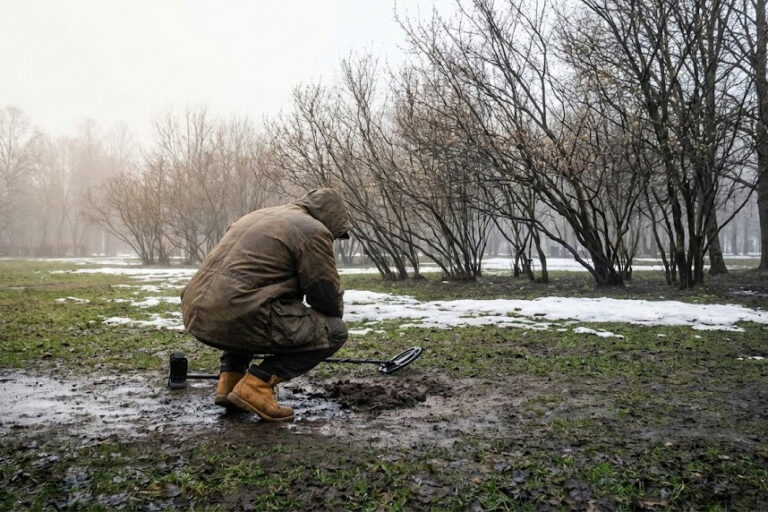
My $400 Learning Curve in Treasure Hunting
Three years ago, I spent an entire August weekend at a historic park. Local detecting forums said it was “loaded with silver.” After seventy-two hours of sweat and sunburn, here’s what I found: fourteen pull tabs, six bottle caps, and zero coins from before 1970.
Fast forward to April. Same park. Same metal detector. First hour? I pulled a 1943 Walking Liberty half dollar from eight inches down. By lunch, I’d found three Mercury dimes and a Barber quarter.
What changed? Spring had spent winter moving buried treasure closer to my coil.
Here’s what nobody tells beginners about when is the best time to metal detect: timing beats equipment every time. Spring isn’t just nice weather. It’s geology working in your favor, pushing decades-old coins toward the surface while making your detector see deeper.
- How Weather and Soil Conditions Affect Metal Detecting Success
- Why Spring Is the Best Time to Metal Detect: 3 Scientific Advantages
- When to Metal Detect: A Complete Seasonal Guide for Every Time of Year
- What Time of Year to Metal Detect in Your Area: Reading Local Conditions
- Best Months for Metal Detecting: Your Month-by-Month Strategy
- When Should I Go Metal Detecting? Your Most Common Questions Answered
- Metal Detecting Tips: Why Timing Beats Expensive Equipment Every Time
- Best Weather Conditions for Metal Detecting: Why Spring Wins
- References
How Weather and Soil Conditions Affect Metal Detecting Success
Most people think metal detecting is simple. Swing the coil, dig the beep, repeat. But soil conditions? They’re constantly changing underneath you. These changes affect what your metal detector can find and how deep it can see.
I learned this the hard way during my first detecting season. I kept going back to the same spots. They seemed to “dry up” overnight, and I couldn’t figure out why. A veteran hunter finally explained it: sites don’t get hunted out. They cycle through good phases and bad phases.
A coin invisible in July’s dry dirt? It’ll sing out loud in April’s wet soil.
The “hunted-out site” myth won’t die on metal detecting forums. But I’ve watched experienced hunters pull colonial buttons from parks that saw fifty years of detecting traffic. Their secret? They understand optimal conditions for metal detecting. Ground conditions constantly change, making old targets suddenly findable when everything lines up right.
Why Spring Is the Best Time to Metal Detect: 3 Scientific Advantages
How Frost Heave Brings Buried Targets Closer to Your Detector
Someone once told me frost pushes coins upward during winter. I thought they were joking. “The ground literally lifts things up?” It sounded too good to be true.
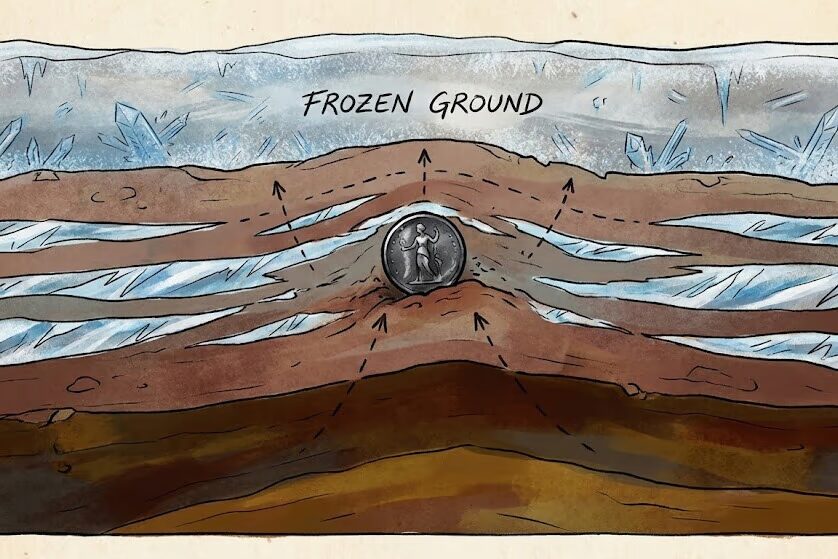
Then I read the science behind metal detecting after winter frost. Frost heave isn’t water expanding when it freezes. It’s ice lens formation. Sheets of ice form parallel to the ground and generate serious force. They can lift soil and buried objects up to twelve inches in one harsh winter [1].
Here’s how frost heave brings targets up: when temperatures drop, ice lenses form in the soil. They work like frozen jacks, pulling moisture upward and pushing everything up with it. When spring arrives and things thaw? The object doesn’t sink back down. Soil settles differently than it lifted. Over multiple winters, things keep moving upward [1].
For treasure hunting, this is huge. Objects buried too deep for decades can suddenly enter detection range after a brutal winter. My engineer friend tracks frost data and his spring finds. His best detecting years always follow the coldest winters.
Three things need to happen for frost heave: freezing temps below ground, the right soil type (loamy park soil works great), and available water [1]. Beach sand rarely frost-heaves well. That’s why spring metal detecting advantages work best inland rather than at the coast.
Does Rain Help Metal Detecting? The Science of Wet Soil and Detection Depth
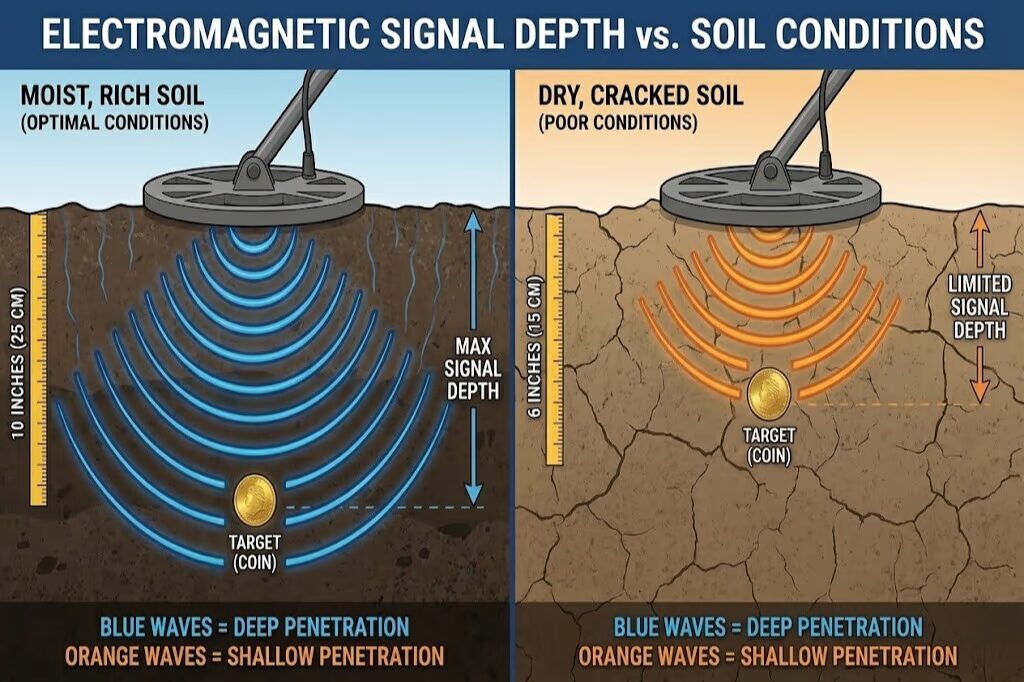
My detector says it finds coins at eight inches. In August? That’s optimistic. In April with perfect soil conditions? I regularly pull coins from nine or ten inches down.
The difference is soil moisture. This matters when figuring out what time of year to metal detect. Water improves electrical conductivity dramatically. It lets electromagnetic fields go deeper and generate stronger signals [2]. Simple physics: water reduces soil resistance, so signals travel farther before dying out.
Wet soil versus dry soil? You can see 30-50% better depth on coin-sized targets [5]. Research backs up what experienced hunters already knew about best weather conditions for metal detecting. Moisture isn’t just helpful. It’s transformative.
But does rain help metal detecting beyond depth? Absolutely. Wet conditions speed up rust on iron. This creates the “halo effect” – a zone of minerals around the object that makes it look bigger to detectors [4]. It mainly helps with iron targets, not precious metals. But it shows how spring conditions can boost target signals way beyond dry-season detecting.
The sweet spot hits 24-48 hours after good rain [3]. Wet enough for better conductivity, dry enough for stable signals. Too much standing water causes problems. Your detector needs constant adjustment, and it struggles to tell good targets from junk.
I obsessively check weather forecasts during detecting season now. That Saturday morning two days after Thursday’s storm? I’m taking a personal day for serious treasure hunting.
Best Time for Metal Detecting: Spring’s Vegetation Window
Spring’s third advantage is simple but overlooked: the time between snowmelt and plant growth. You get ground access like late fall, but frost heave and moisture benefits are still active.
Tall grass cuts detection depth by 1-2 inches. Your coil can’t stay close to the ground [3]. Dense undergrowth makes you fight branches with every swing. It’s exhausting. In wooded areas, detecting before leaves come out gives you better light. You can spot surface finds easier and read the terrain better.
Early spring also beats planting schedules. You can access fields that’ll be off-limits once crops come up. One field hunter I know takes vacation days for this window: “Early spring before plantings is ideal. The ground is soft from winter moisture. Nothing’s grown yet. There can be decades of dropped items waiting.”
When to Metal Detect: A Complete Seasonal Guide for Every Time of Year
Metal Detecting in Summer: Working Around Dry Soil and Crowds
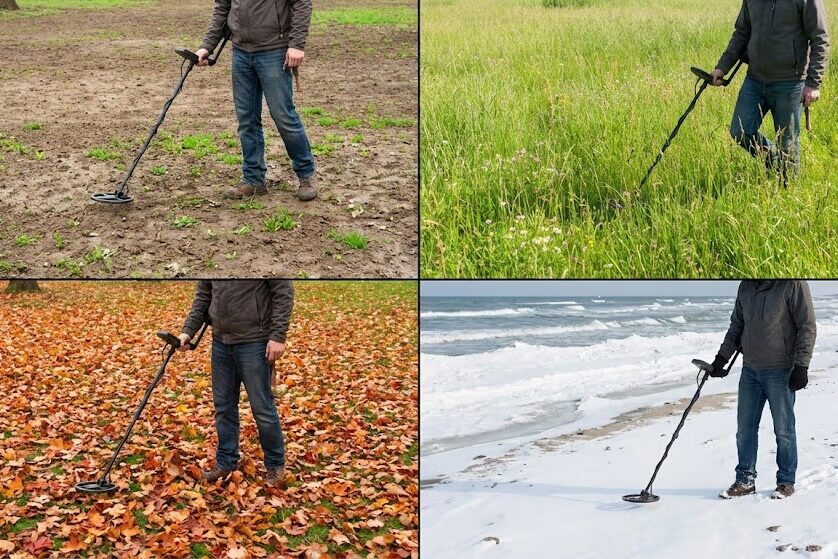
Summer presents metal detecting’s biggest challenges when asking when should I go metal detecting. Dry, hard soil cuts detection depth. Digging feels like breaking concrete. Plants block your coil. Crowds hit popular sites hard. You’ll get awkward questions from curious people asking “Found anything good?”
But summer isn’t worthless for treasure hunting. You get longer daylight hours. Beach tourists drop fresh jewelry – I’ve found three gold rings in one July week, all dropped days before. High mountain sites finally clear of snow become accessible.
The main summer problem is conductivity collapse. Electromagnetic fields struggle through loose, dry dirt. Signals that work great in wet conditions might not register at all. I’ve learned to only detect recently watered areas. Parks with sprinklers. Athletic fields that groundskeepers maintain. Beaches where morning tides left damp sand.
Beach detecting actually shines in summer despite crowds. Winter storm erosion creates the “cut” – exposed dark sand layers where heavy objects collect. These cuts last through summer if you know where to look. I show up at first light before other hunters and tourists. I focus on the slope between wet and dry sand where yesterday’s sunbathers camped out.
Fall Metal Detecting: The Underrated Season for Treasure Hunting
When comparing metal detecting in spring vs fall, autumn gets overlooked. But it offers real advantages. Temperatures moderate. Summer crowds disappear. Plants die back, restoring ground access. Falling leaves hide your plug repairs. Best of all, autumn rains return moisture to soil that spent summer baked dry.
Farm fields open up after harvest. Farmers won’t let you detect standing crops. But freshly combined fields with broken stubble? That’s perfect for the best months for metal detecting. Some of my best finds came from October field sessions after harvest. Soil conditions stayed loose from equipment passes. Rain had just started rehydrating the ground.
The big advantage during this detecting season? Low competition. Most casual detectorists pack up by October. They think the season ended. Those willing to work in cooler temps get popular sites to themselves. I’ve had entire city parks without seeing another metal detector on November weekends.
Winter Beach Metal Detecting: When Storms Expose the Best Finds

I’ll be honest: winter metal detecting is brutal. Frozen ground defeats most digging tools. Snow buries surface finds and makes coverage impossible. Short daylight compresses your detecting window. Equipment struggles when temperatures drop and batteries drain faster.
But winter beach detecting? That’s where dedicated hunters score big. Winter storms create erosion that exposes targets buried for years. Nor’easters on the East Coast. King tides with high swells in California. These events strip accumulated sand and expose items summer hunters will never see.
Timing matters for best weather conditions for metal detecting. The good window comes right after the storm, before calm conditions let sand redeposit. I’ve driven two hours to reach beaches during storms. I detected in conditions most people call miserable. The competition? Zero. The results? Some of my most valuable finds.
Coastal hunters watch swell forecasts religiously. Swells above 15 feet on California’s Central Coast trigger erosion. East Coast detectorists track nor’easter predictions and king tide calendars. One advanced hunter I know has a spreadsheet linking storm intensity to find values. His data shows winter storm sessions beat summer beach detecting 3:1 for jewelry.
What Time of Year to Metal Detect in Your Area: Reading Local Conditions
Michigan detectorists face months of frozen ground. Florida hunters work productively through winter. Inland parks differ dramatically from coastal strategies. Successful seasonal metal detecting guide use requires understanding universal principles and local quirks.
I’ve learned my region through years of trial and error in metal detecting. Our clay-heavy soil holds moisture longer than sandy areas. This extends spring’s advantages into early summer. But that same clay becomes concrete by August. Summer park detecting becomes nearly pointless. Farm fields in my area get tilled twice – spring and fall. That creates two annual windows.
Watch for microclimates when planning treasure hunting expeditions. South-facing slopes thaw weeks before north-facing areas. Sheltered valleys keep moisture longer than exposed hilltops. Athletic fields with sprinklers stay workable through summer dry spells.
Best Months for Metal Detecting: Your Month-by-Month Strategy
Spring Metal Detecting (March-May): The Best Time of Year

When asking what time of year to metal detect, spring wins. Target freshly thawed ground at inland sites. Work fields before planting starts. Jump on 24-48 hour post-rain windows for perfect soil conditions. Hit productive parks before crowds return during this prime detecting season. Expect targets 1-2 inches shallower than summer depths thanks to frost heave bringing them up. These spring metal detecting advantages make it the best time to detect coins.
Summer Metal Detecting (June-August): Beating the Heat and Dry Ground
Hit beaches at first light before crowds arrive. Target areas with sprinklers or recent rain for better soil conditions. Hunt high-elevation sites finally clear of snow. Focus on recent loss zones at beaches and swimming areas. Try evening sessions when temperatures drop for more comfortable treasure hunting.
Fall Metal Detecting (September-November): Low Competition, Great Conditions
Work post-harvest farm fields. Return to summer sites as crowds disappear. Use falling leaves to hide plug repairs. Target parks after first big rains restore moisture for better metal detecting. Enjoy moderate temps and low competition during this underrated detecting season.
Winter Beach Metal Detecting (December-February): Storm Season Strategies
Focus only on beach detecting when inland sites freeze. Track storm forecasts. Time sessions to right after storms for best results. Watch tide charts for king tides and extreme lows that expose deep targets. Dress in layers. Bring a thermos of hot coffee. Accept that inland metal detecting is mostly impractical during these months.
When Should I Go Metal Detecting? Your Most Common Questions Answered
When is the best time to metal detect during the day?
Early morning offers big advantages for metal detecting. You get cooler temps. Dew slightly improves surface conductivity. Public sites have minimal crowds. Beaches have fresh target exposure before other hunters arrive. Late afternoon through evening also works well for beach detecting. Watch where sunbathers set up during the day, then target the towel line afterward.
Does rain help metal detecting performance?
Yes, rain dramatically improves soil conditions for metal detecting. Post-rain detecting capitalizes on better conductivity and signal penetration [2]. Wait until standing water drains – typically 24-48 hours after heavy rain. This avoids signal instability while maximizing moisture benefits [3]. Spring rains work especially well because they combine with favorable seasonal conditions and frost heave effects.
What are the best months for metal detecting?
April and May consistently rank as the best time of year to metal detect. You get frost heave lifting targets, optimal soil moisture, minimal plants, and lower competition. October and November offer excellent fall alternatives. For beach detecting, winter storm months (December-February) and early summer (June-July) for tourist drops provide peak opportunities.
When should I go metal detecting for the best results?
The best time to go metal detecting combines seasonal advantages with daily timing. Spring mornings 24-48 hours after rain provide optimal conditions. Fall afternoons after harvest in farm areas work excellently. Winter beach detecting right after major storms yields the most dramatic finds. Always consider local weather patterns and soil conditions when planning treasure hunting sessions.
How do I know if soil conditions are right for metal detecting?
Optimal conditions for metal detecting exist when you can push your digging tool into ground with moderate effort. Not rock-hard, not oversaturated. The soil should feel slightly damp when you break it apart. If dust puffs up when digging, it’s too dry. If water pools in your hole immediately, it’s too wet. Spring naturally provides this sweet spot most consistently.
Metal Detecting Tips: Why Timing Beats Expensive Equipment Every Time
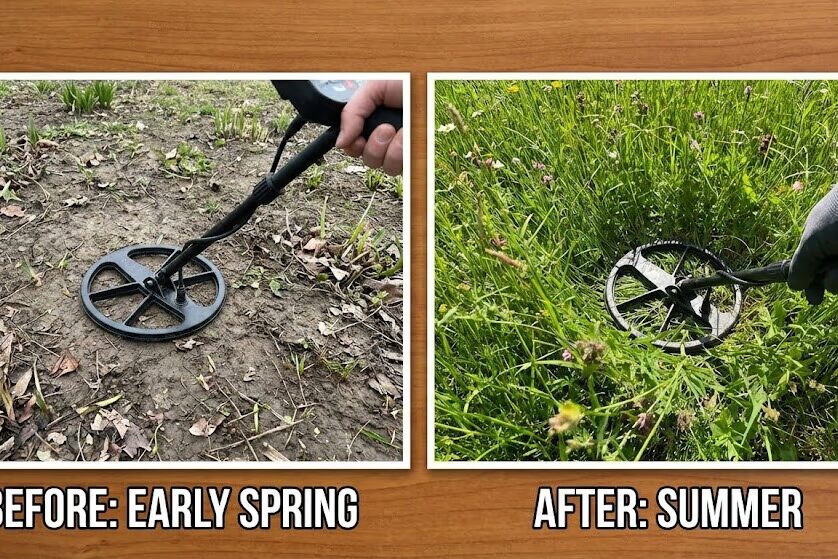
Here’s my uncomfortable truth about metal detecting: I spent my first two years chasing equipment upgrades while ignoring conditions. I blamed my metal detector for poor finds. The real problem? I was detecting in August when I should’ve been waiting for April.
The most expensive detector on earth can’t overcome physics. Electromagnetic fields don’t penetrate dry, resistive soil well. Your machine’s sophistication doesn’t matter. No processing power reveals a coin that frost heave hasn’t lifted into detectable range yet.
This doesn’t mean equipment doesn’t matter for metal detecting. Better machines offer real advantages. Superior discrimination. Improved depth in optimal conditions. Faster recovery speeds. But here’s the thing: a $300 metal detector operated during perfect spring conditions will outperform a $2,000 flagship in summer drought.
Focus first on understanding when is the best time to metal detect in your environment’s seasonal cycles. Learn when frost penetration happens in your area. Track rainfall patterns. Note when farm fields get tilled and harvested. Map your beaches’ erosion patterns through winter storm season.
Then upgrade equipment as budget allows. Proper timing plus capable gear creates unstoppable treasure hunting results. But timing alone gets you 80% of the way there.
Best Weather Conditions for Metal Detecting: Why Spring Wins
Spring isn’t magic. It’s geology, physics, and hydrology creating the best weather conditions for metal detecting. Winter spends months using frost heave to bring targets up closer to the surface [1]. Snowmelt and spring rains charge soil with conductivity-boosting moisture [2]. Plants stay dormant long enough for unobstructed detecting.
These advantages stack up during spring detecting. That Walking Liberty half dollar I found in April? Frost heave probably lifted it two inches closer to the surface. Spring moisture extended my metal detector’s effective depth by another inch or two. No tall grass meant I kept perfect coil contact. Remove any single factor, and I might’ve walked right over it.
But here’s the critical insight about the best time of year to metal detect that took me years to learn: conditions matter more than calendar dates. A single post-storm beach detecting session can beat weeks of effort during stable conditions. One park visit 36 hours after soaking rain will yield more finds than a dozen summer attempts at the same location.
Successful metal detecting means building flexibility to jump on these windows. You need to recognize them when they appear. Start tracking weather patterns and how weather affects metal detecting in your area. Note when frost penetration typically ends in your region. Mark farm schedules. Learn your area’s storm seasons.
Spring provides the highest chance of optimal conditions for metal detecting happening all at once. But understanding the principles in this seasonal metal detecting guide lets you spot opportunity whenever it shows up, regardless of what month the calendar shows.
Now get out there and let winter’s work pay dividends. Those coins that spent decades buried too deep? Spring just delivered them straight to your coil using nature’s own frost heave elevator.
Happy hunting, and remember – the best time to metal detect is when the earth itself becomes your accomplice! 🏆
References
[1] Wikipedia. “Frost Heaving.” https://en.wikipedia.org/wiki/Frost_heaving
[2] High Plains Prospectors. “How Does Soil Moisture Content Affect Metal Detecting.” https://www.highplainsprospectors.com/blogs/news/how-does-soil-moisture-content-affect-metal-detecting
[3] Kellyco Metal Detectors. “Metal Detecting Through the Seasons: Making the Most of Your Hunt Year-Round.” https://kellycodetectors.com/blog/metal-detecting-through-the-seasons-making-the-most-of-your-hunt-yearround/
[4] Metal Detecting World. “The Halo Effect.” http://www.metaldetectingworld.com/halo_effect.shtml
[5] Minelab UK. “How Deep Can a Metal Detector Detect: Key Factors That Impact Depth.” https://uk.minelab.com/blog/post/how-deep-can-a-metal-detector-detect-key-factors-that-impact-depth

My name is Paul and I am the founder of Detector For Metal, a dedicated resource for metal detecting enthusiasts seeking to uncover historical treasures and connect with the past using the latest technology. As a stay-at-home dad and family man, I’ve found metal detecting to be the perfect hobby that combines family adventure with historical learnings for the whole family.
As a father, I’m deeply committed to passing on this hobby to the next generation of detectorists, starting with my own children. I share advice on everything from metal detecting with kids to exploring the top 10 metal detecting sites you never thought about. My methodical approach to the hobby goes beyond the thrill of discovery—it’s about creating family traditions while preserving history and sharing the stories of those who came before us.

