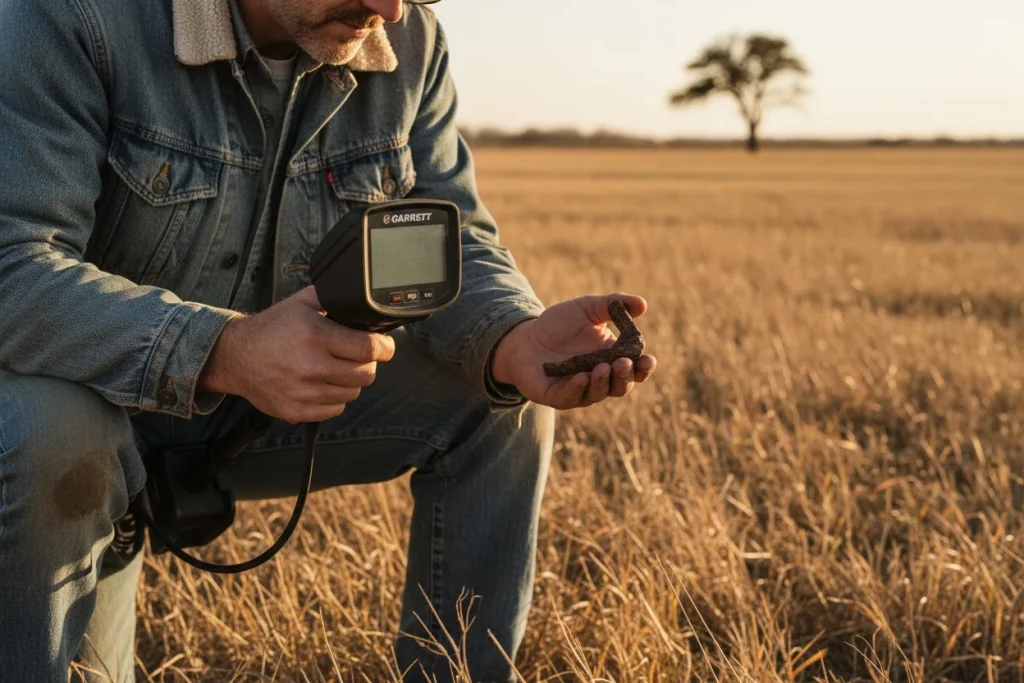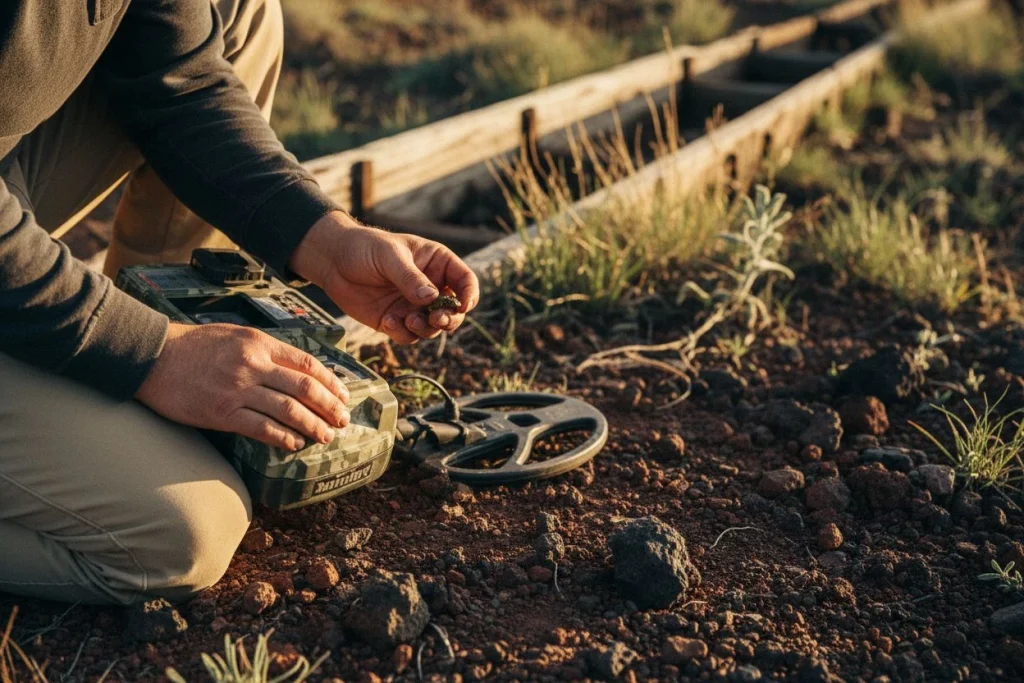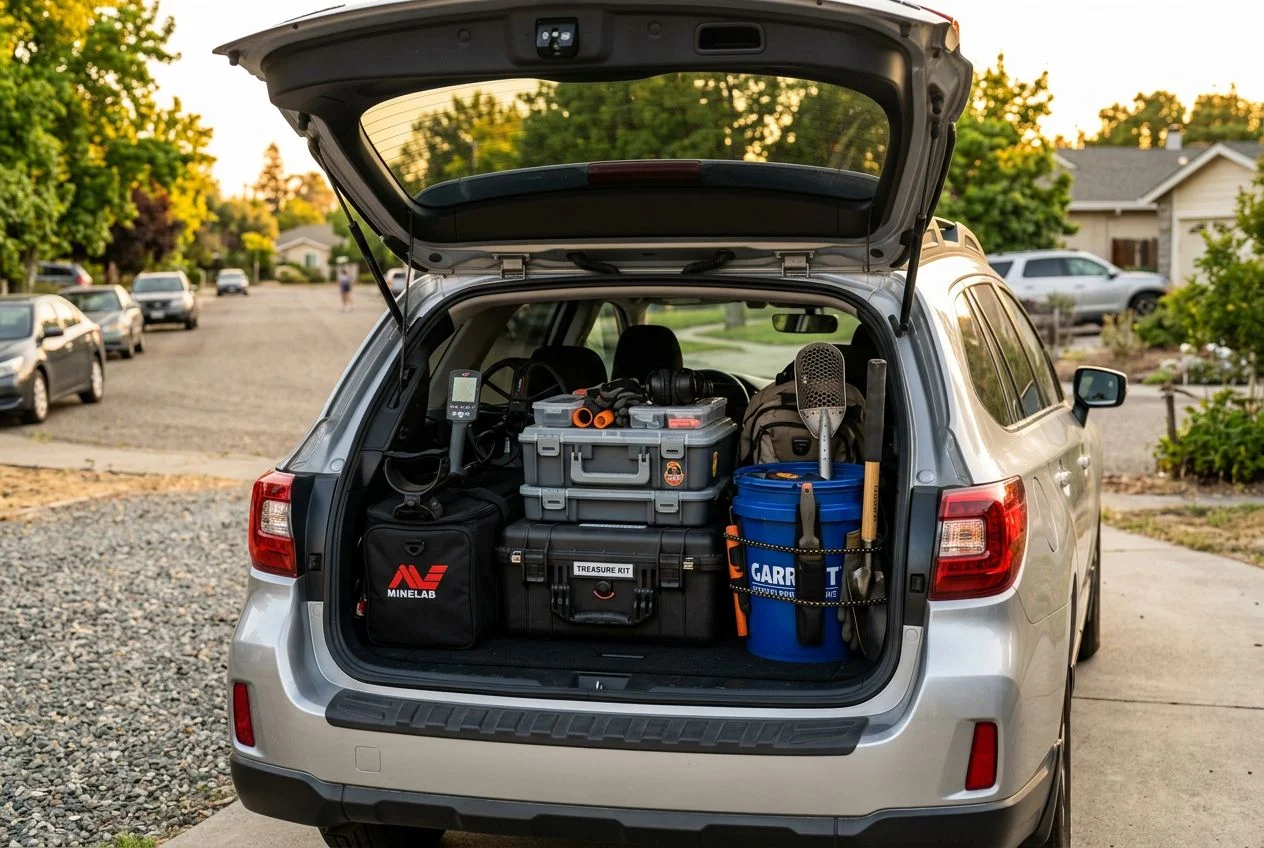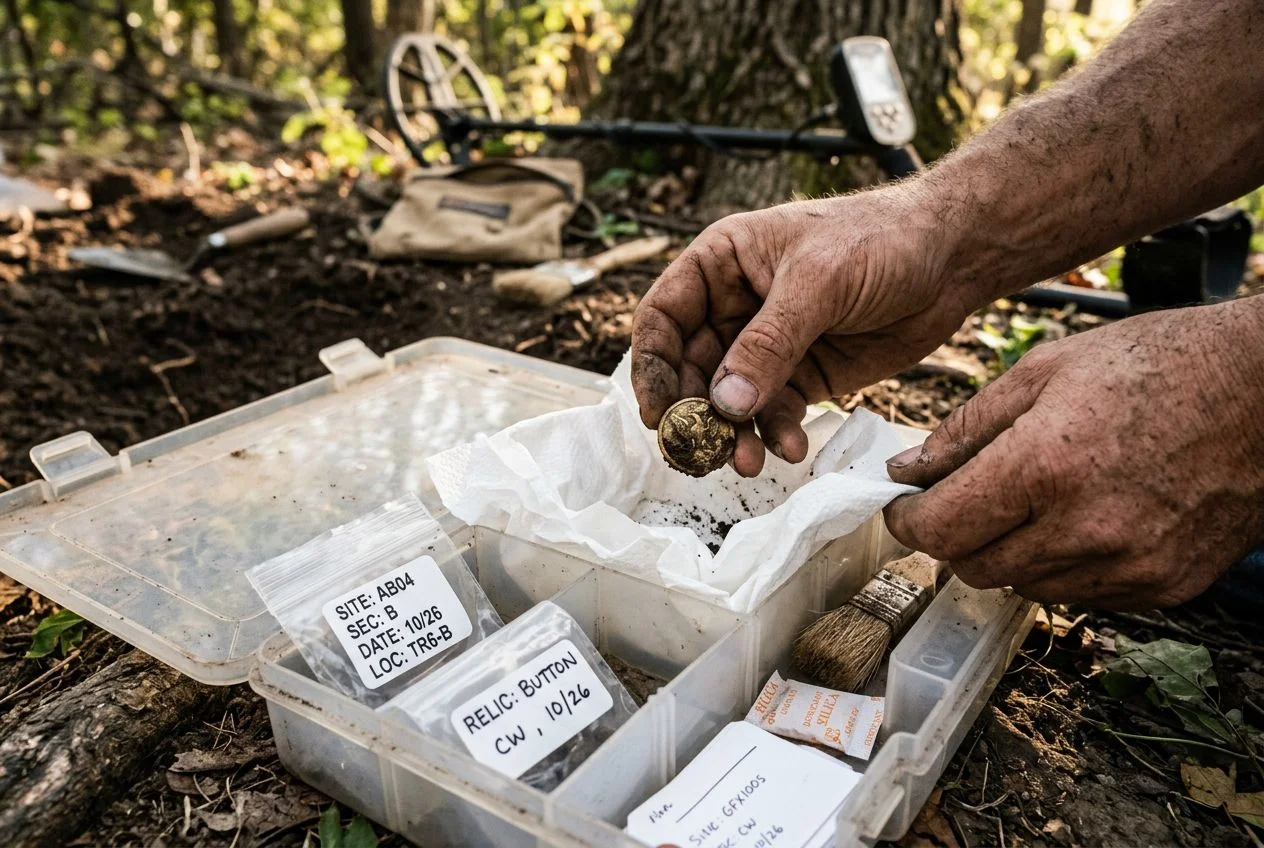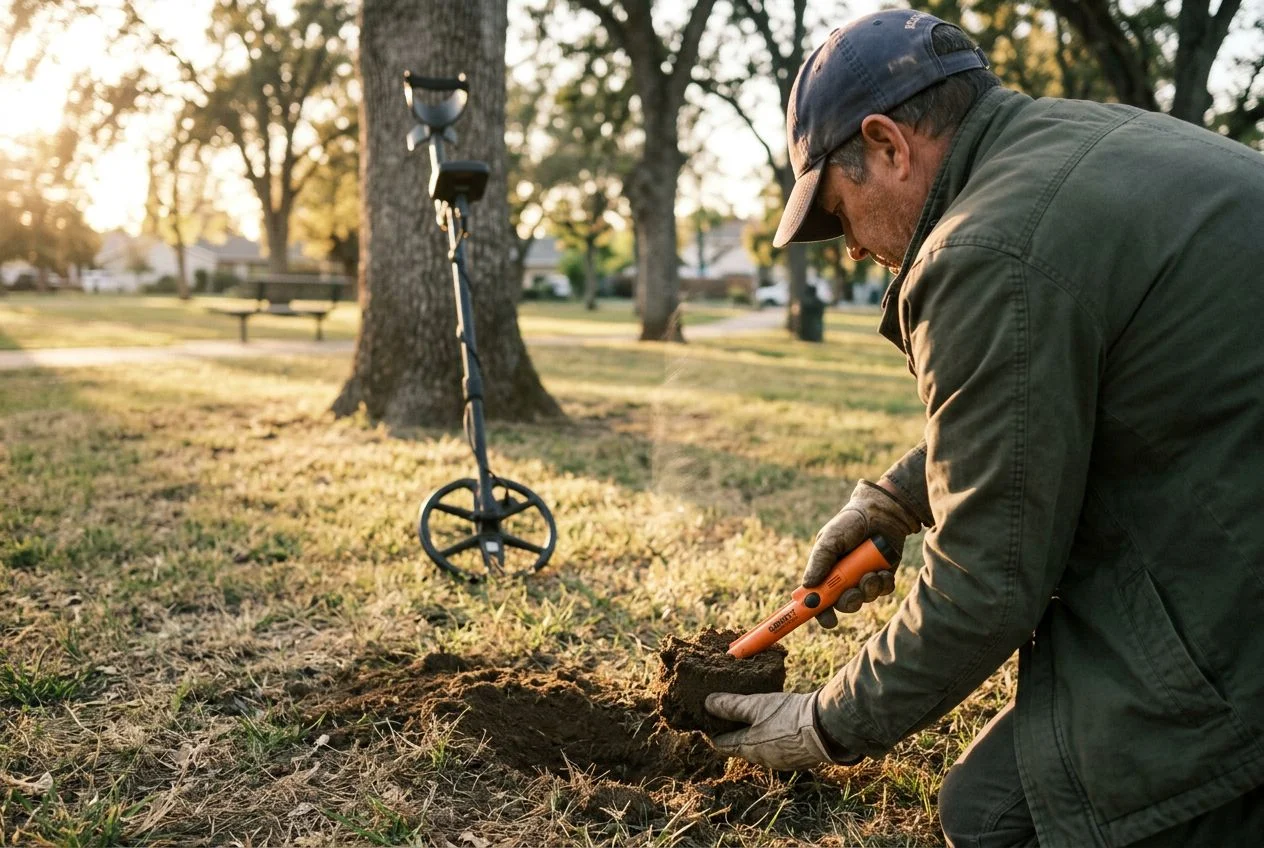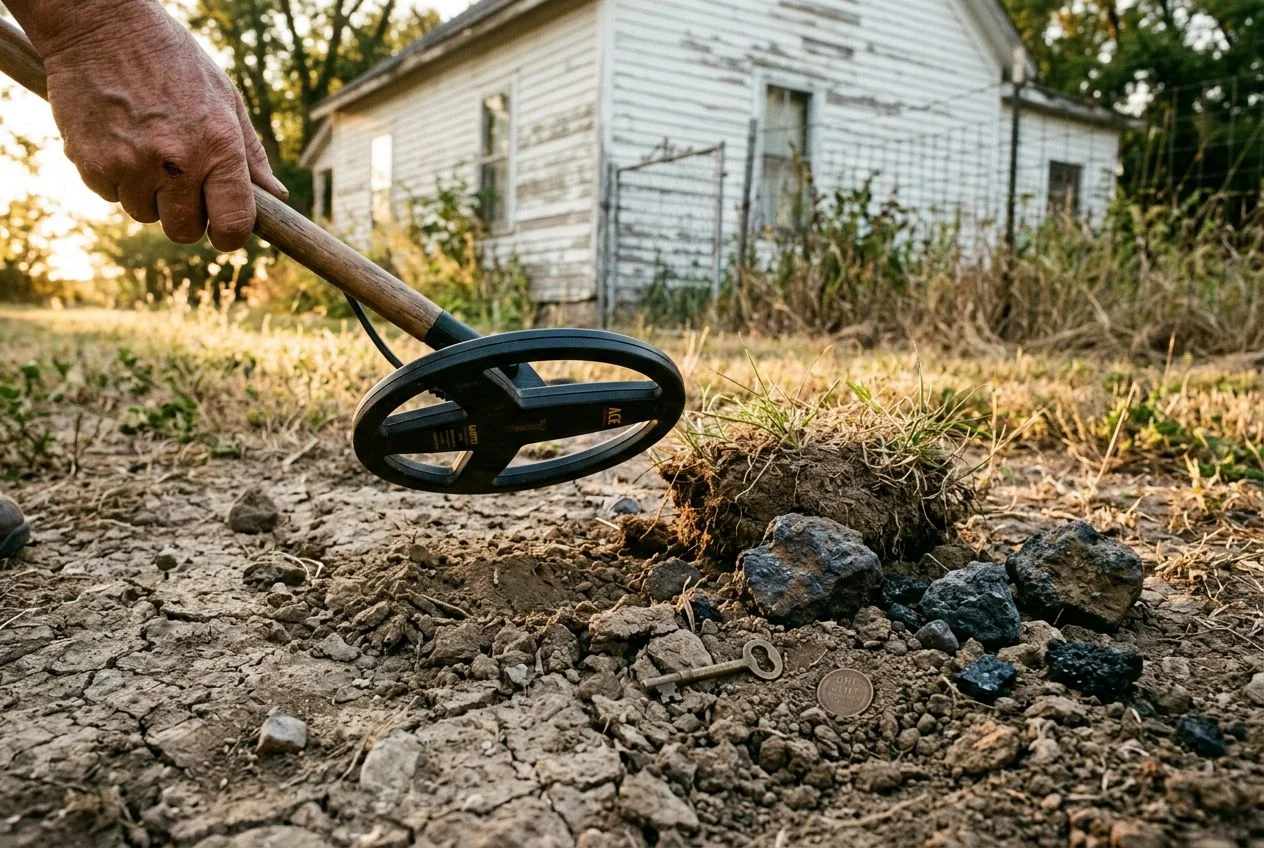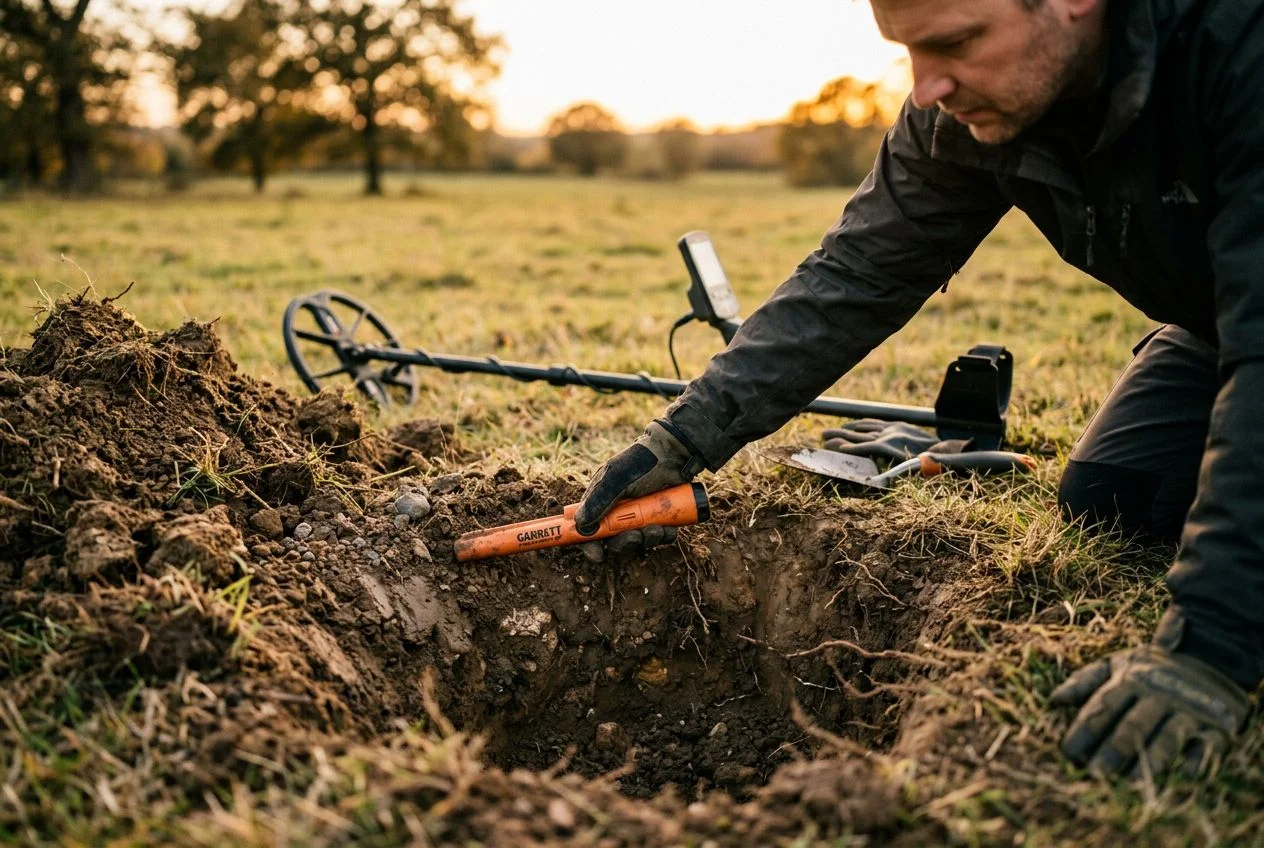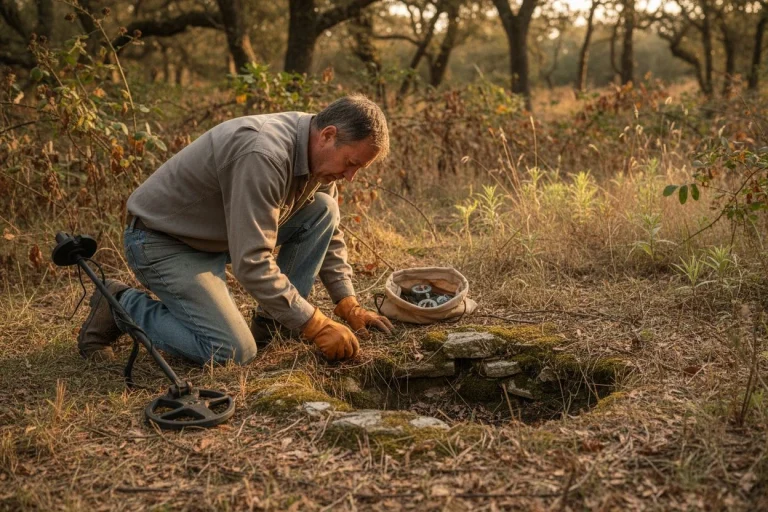
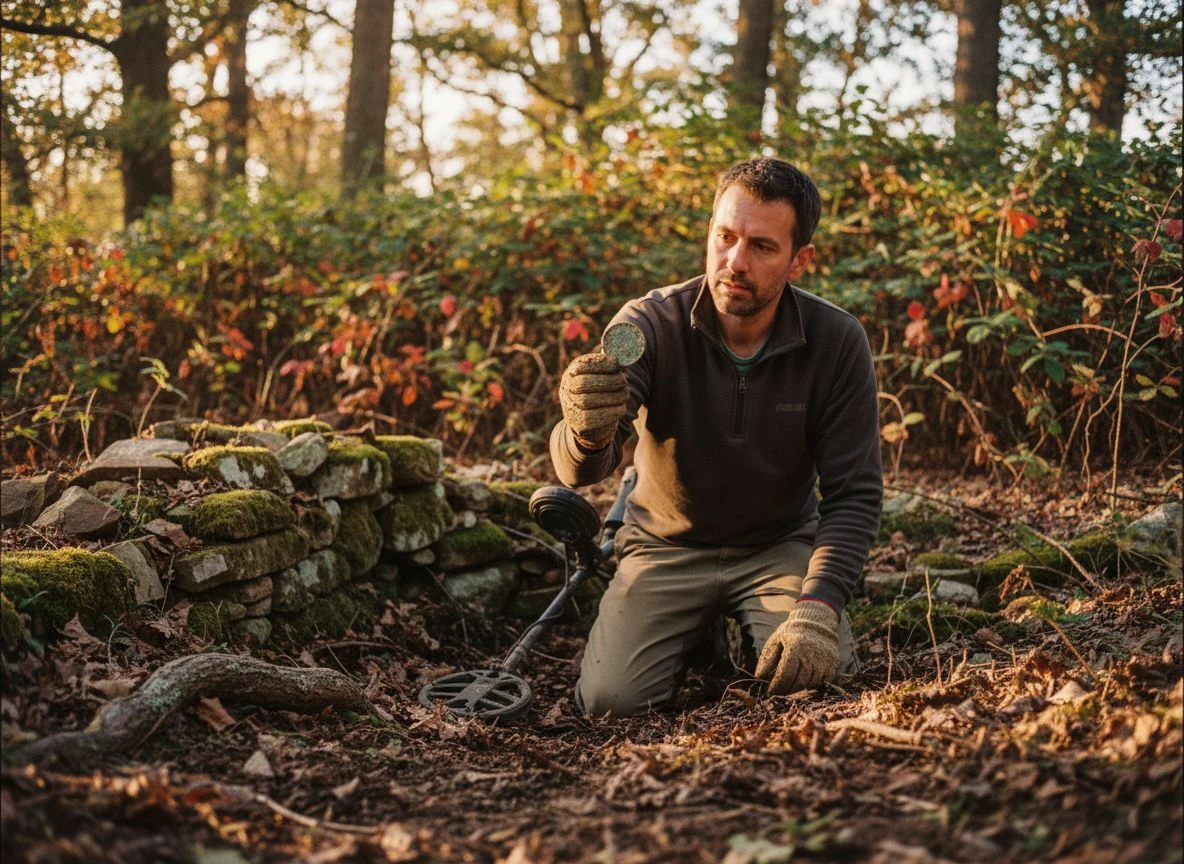
My buddy Tom called me last spring. He was frustrated because he couldn’t find the best metal detecting spots on his new land. He’d just bought five acres outside Placerville. It was a mix of oak woodland and tangled blackberry brambles, untouched for decades. “I know there’s history here,” he said. “But I can’t see a thing. It’s just brush. Where do I even start swinging?” I told him to put his detector down. We weren’t going hunting yet. We were going reading.
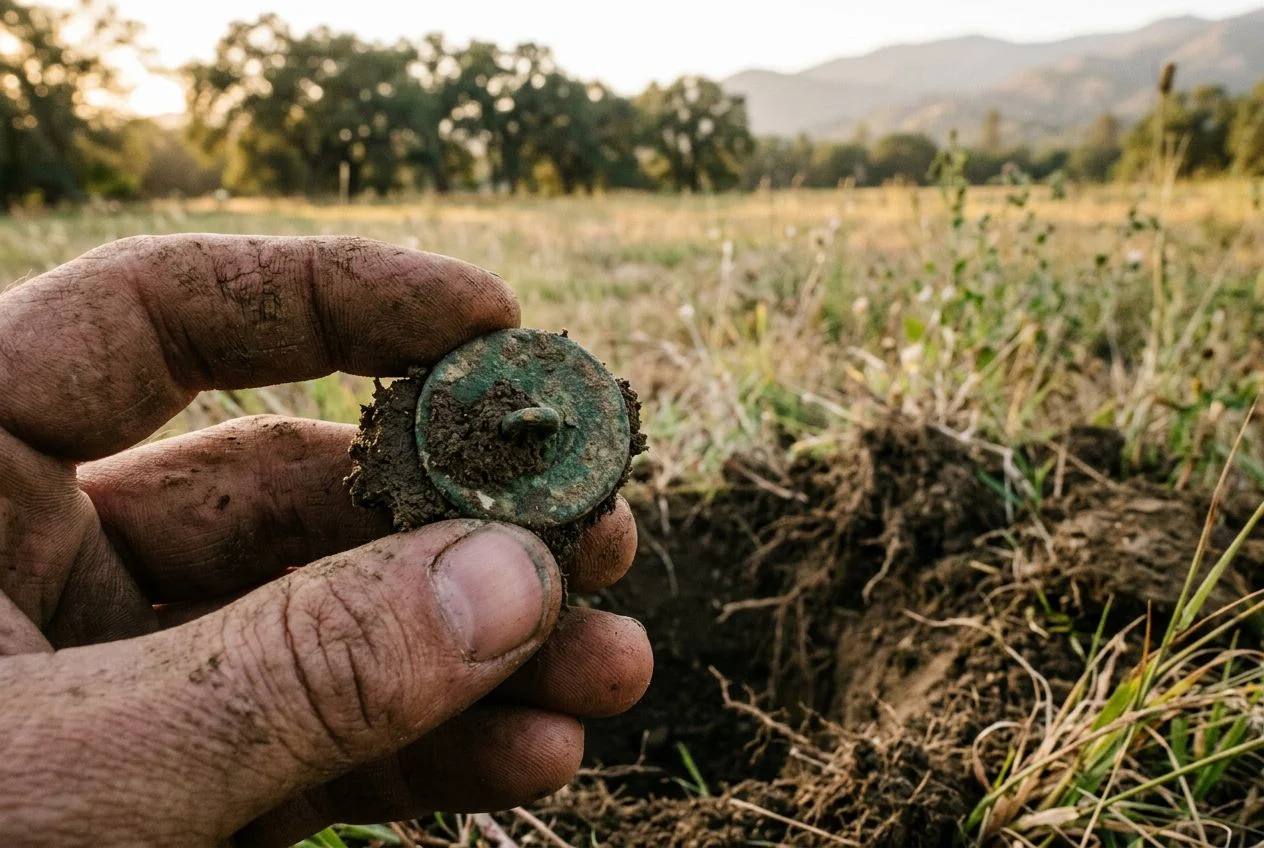
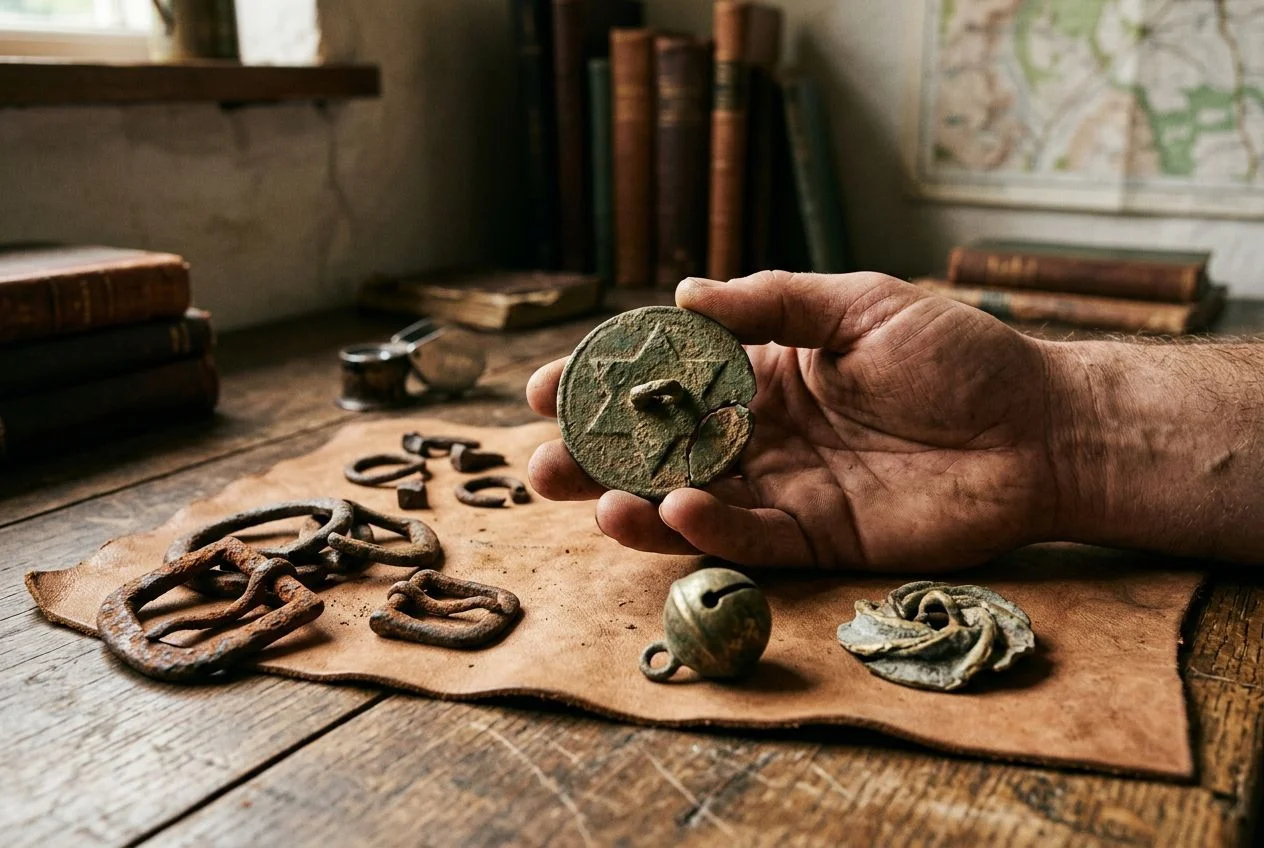
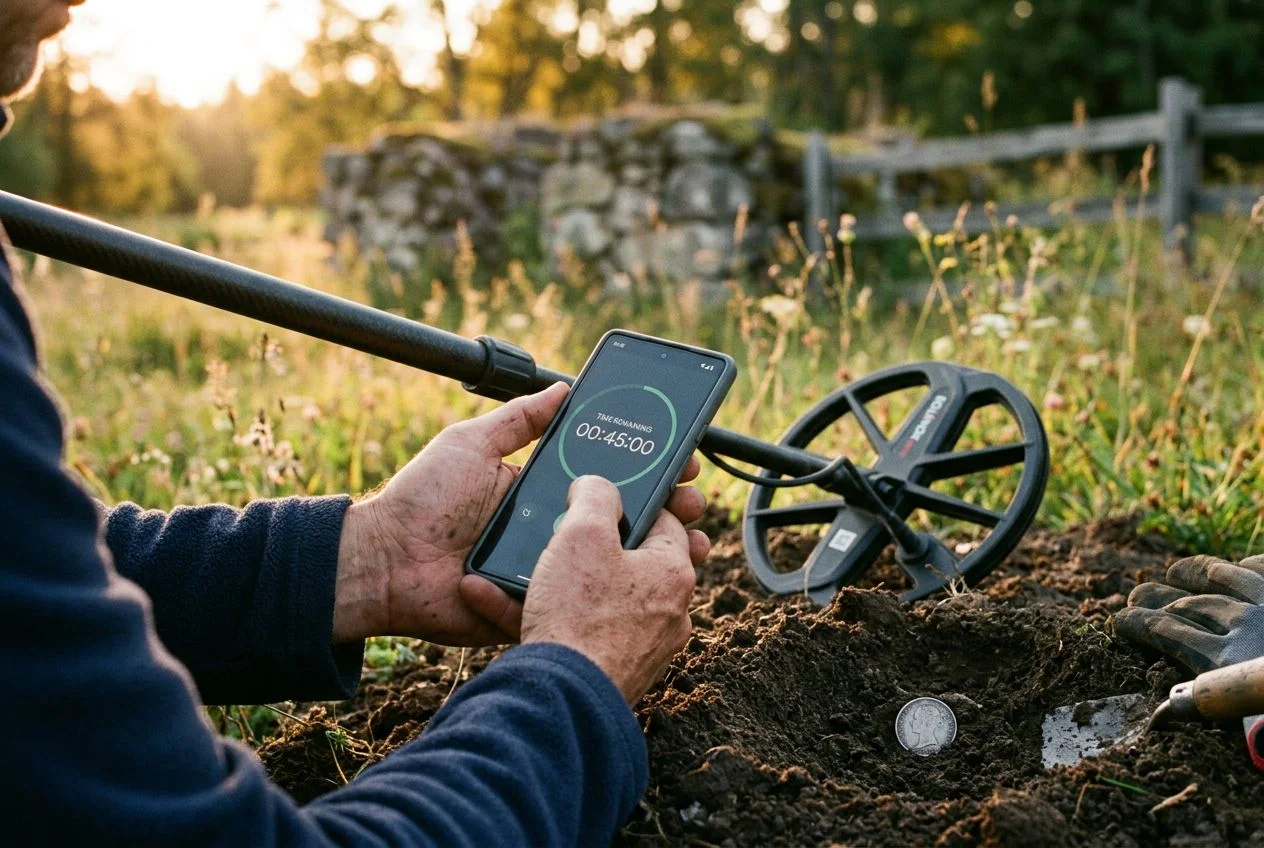
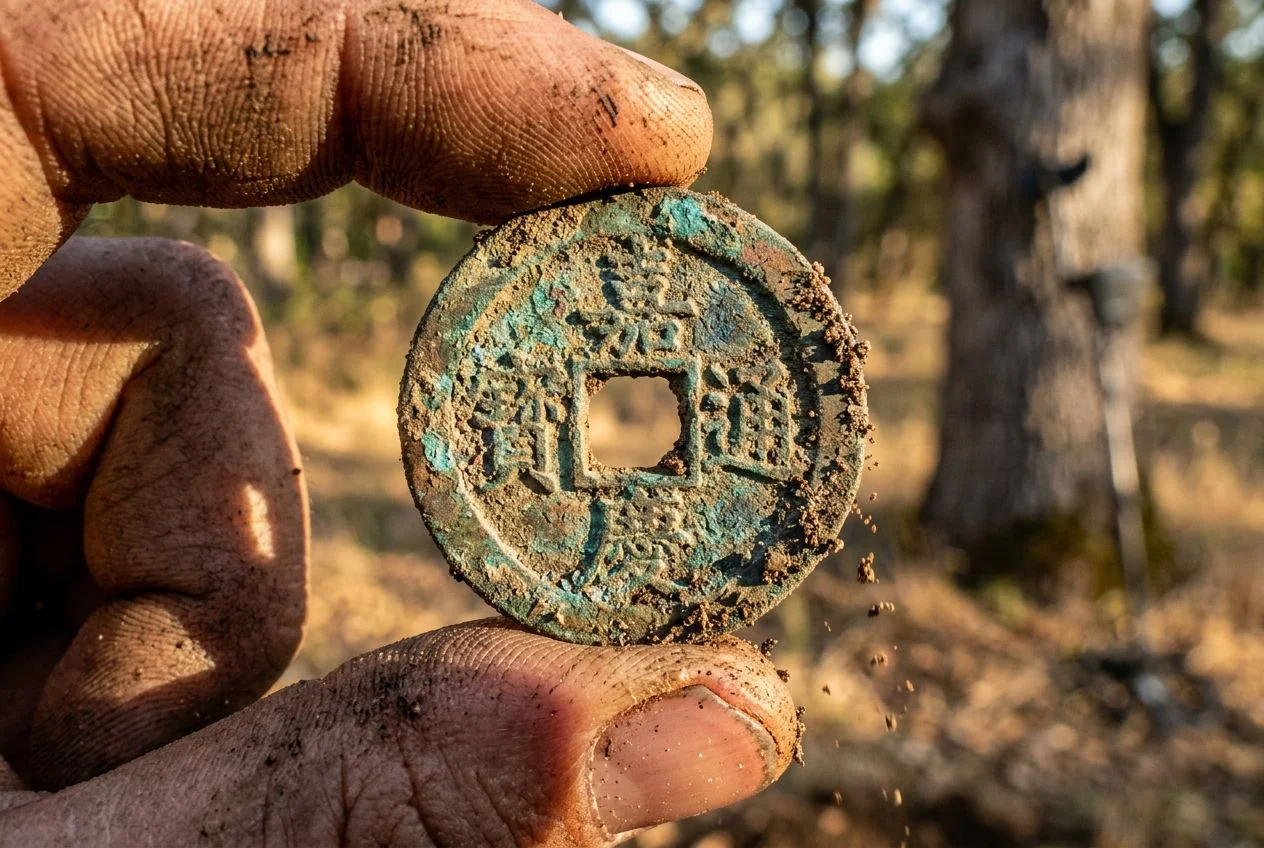
What followed was a four-hour walk. We didn’t dig a single hole. Instead, we learned to read the land’s subtle language. We looked at the tilt of an oak. We noted the type of weeds in a depression and how the ground felt underfoot. By the end, we’d marked three potential best metal detecting spots. The first gave us a handful of .22 casings. The second, nothing. The third spot gave up a beautiful, crusty 1903 Barber dime at nine inches. It was right next to a crumbled foundation stone we’d almost missed. Tom stopped calling it luck after that.
This skill—reading overgrown or changed terrain—is a huge force multiplier in this hobby. A $200 detector at a researched site will beat a $5,000 machine in a random field every time. It turns a hopeless sea of green into a map with clear, promising X’s, revealing the best metal detecting spots.
How to Read Land for Hidden Metal Detecting Spots
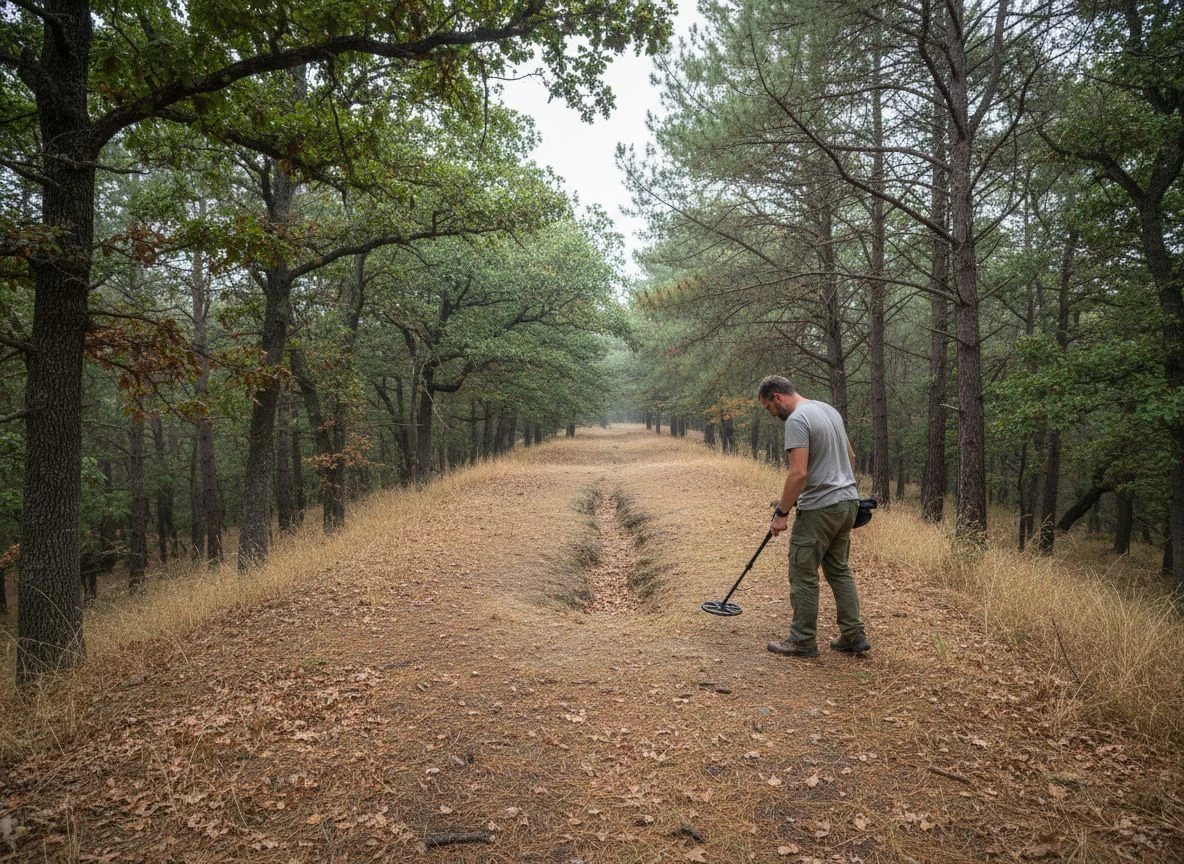
Learning to read land is key to uncovering the best metal detecting spots. The biggest mistake in thick terrain is using just your eyes. You need to engage other senses and tools. Topography is the land’s permanent skeleton. It doesn’t lie, even under a century of growth. As land assessment guides point out, the land’s shape dictates everything. It shows where water flows, where soil collects, and where people would have logically built, gathered, or traveled.
My first move in any overgrown area is to stop looking for things. I start feeling for features. I search for two main categories: Human Convenience and Natural Anomalies.
Human Convenience is about logic. People 100 years ago avoided unnecessary hardship. They built on flat ground near water, not on steep slopes. They took the easiest path between points. They placed outhouses and trash pits downwind from the house. In dense woods, I look for unnaturally flat terraces on a hillside. That’s a potential homesite. Or I look for a faint, consistent depression. This might be an old wagon trail following a contour line. These logic-based features often pinpoint the best metal detecting spots.
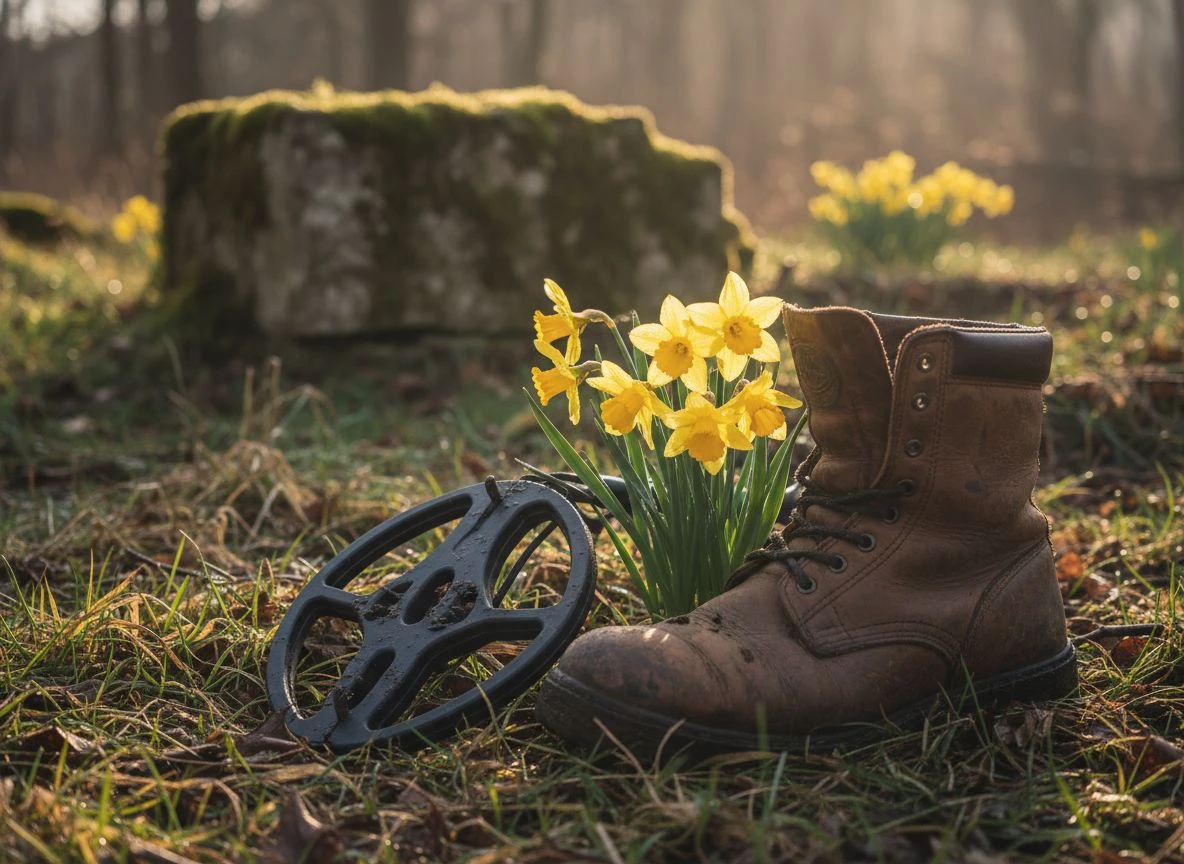
Natural Anomalies are places where the land does something unexpected. These spots often attracted people. A sudden, lush patch of certain weeds in dry scrub can signal a hidden spring or old well. A line of mature, non-native trees (like olives or walnuts) among native oaks often marks a former property line. It can also indicate a homesite. I once found a homesite because of a cluster of daffodils. They’re a classic “mother’s garden” perennial that outlives the house by generations. These anomalies frequently hide the best metal detecting spots.
What Do Weeds and Trees Reveal About Detecting Sites?
You don’t need to be a botanist. But learning a few indicator plants is like getting cheat codes for the landscape. Vegetation reacts directly to soil and water. Certain plants act as living signposts for what’s happening underground. For permaculture designers, this is a fundamental skill. For detectorists, it’s pure gold. This is especially critical when dealing with tricky ground conditions. Understanding mineralized soil can be the difference between finding treasure and chasing false signals. These signs can guide you to the best metal detecting spots.
In my area, here’s my quick cheat sheet:
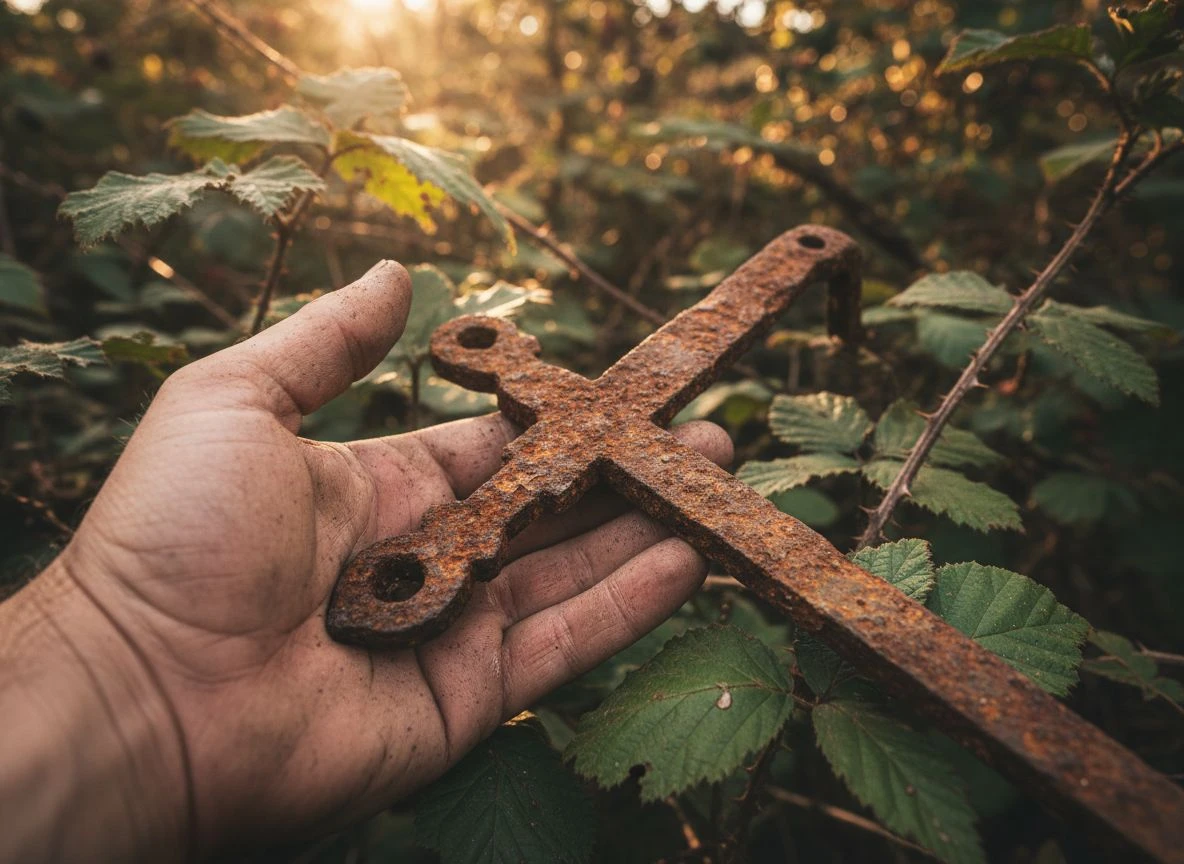
- Lush patches of nettles or blackberries: These plants love nutrient-rich soil. I’ve found them growing over old compost pits and barnyard areas. They’re painful to clear, but they’re waving a flag that says “dig here.”
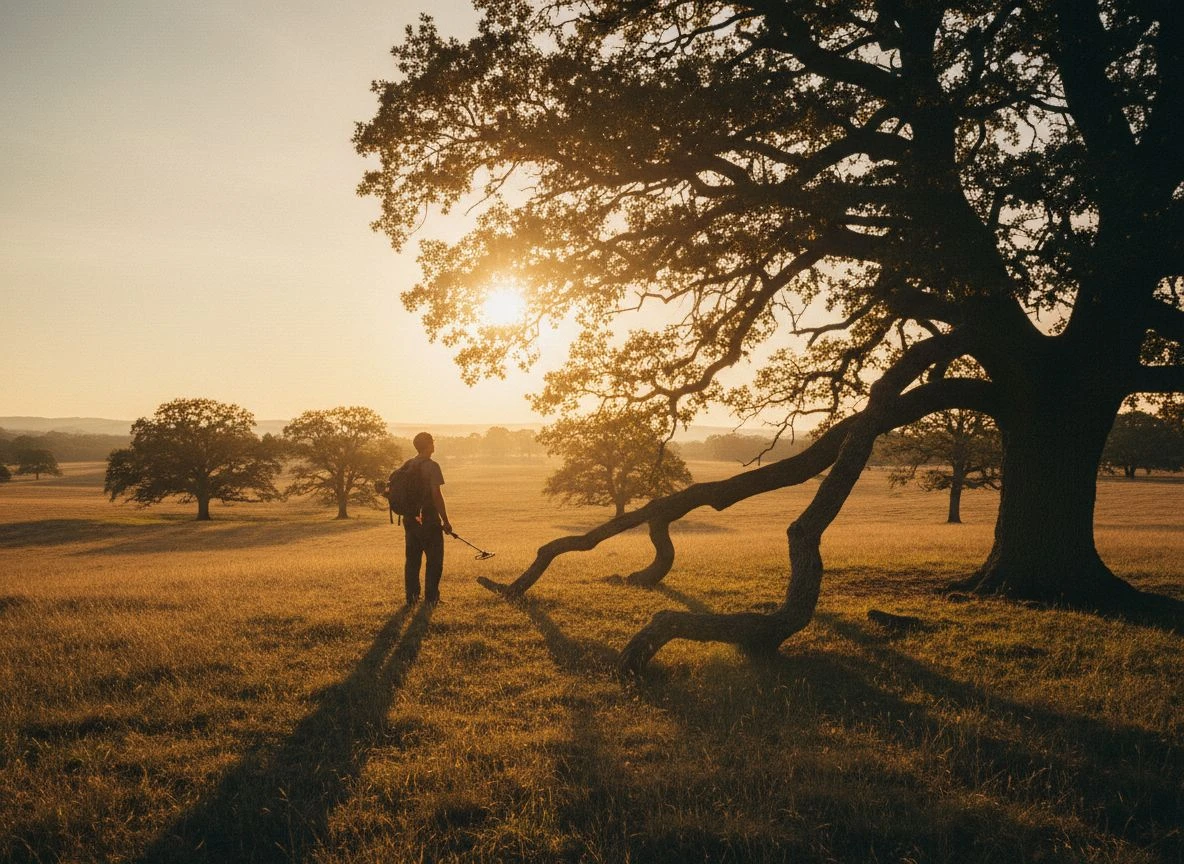
- A lone, massive oak in a field of smaller trees: This is an old “wolf tree.” It once grew in open pasture. Its presence often means you’re standing on what was once cleared land. It might be near a fence line or homestead. The ground underneath has been shaded and undisturbed for a century. That’s perfect for preserving lost items.
- Certain grasses and forbs: As one land reading guide says, plant health can signal soil history. A patch of poor, scrubby growth in otherwise good land might mean the area was heavily compacted. Think of a barn floor or a high-traffic yard.
Tom’s Barber dime site? It

My name is Paul and I am the founder of Detector For Metal, a dedicated resource for metal detecting enthusiasts seeking to uncover historical treasures and connect with the past using the latest technology. As a stay-at-home dad and family man, I’ve found metal detecting to be the perfect hobby that combines family adventure with historical learnings for the whole family.
As a father, I’m deeply committed to passing on this hobby to the next generation of detectorists, starting with my own children. I share advice on everything from metal detecting with kids to exploring the top 10 metal detecting sites you never thought about. My methodical approach to the hobby goes beyond the thrill of discovery—it’s about creating family traditions while preserving history and sharing the stories of those who came before us.