Table of Contents
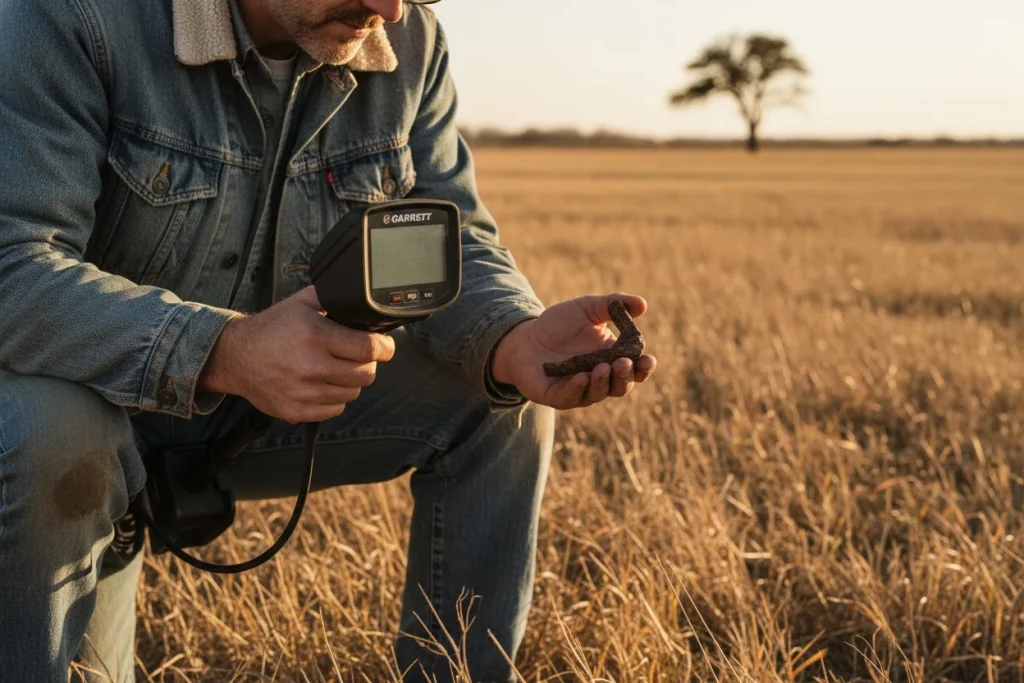
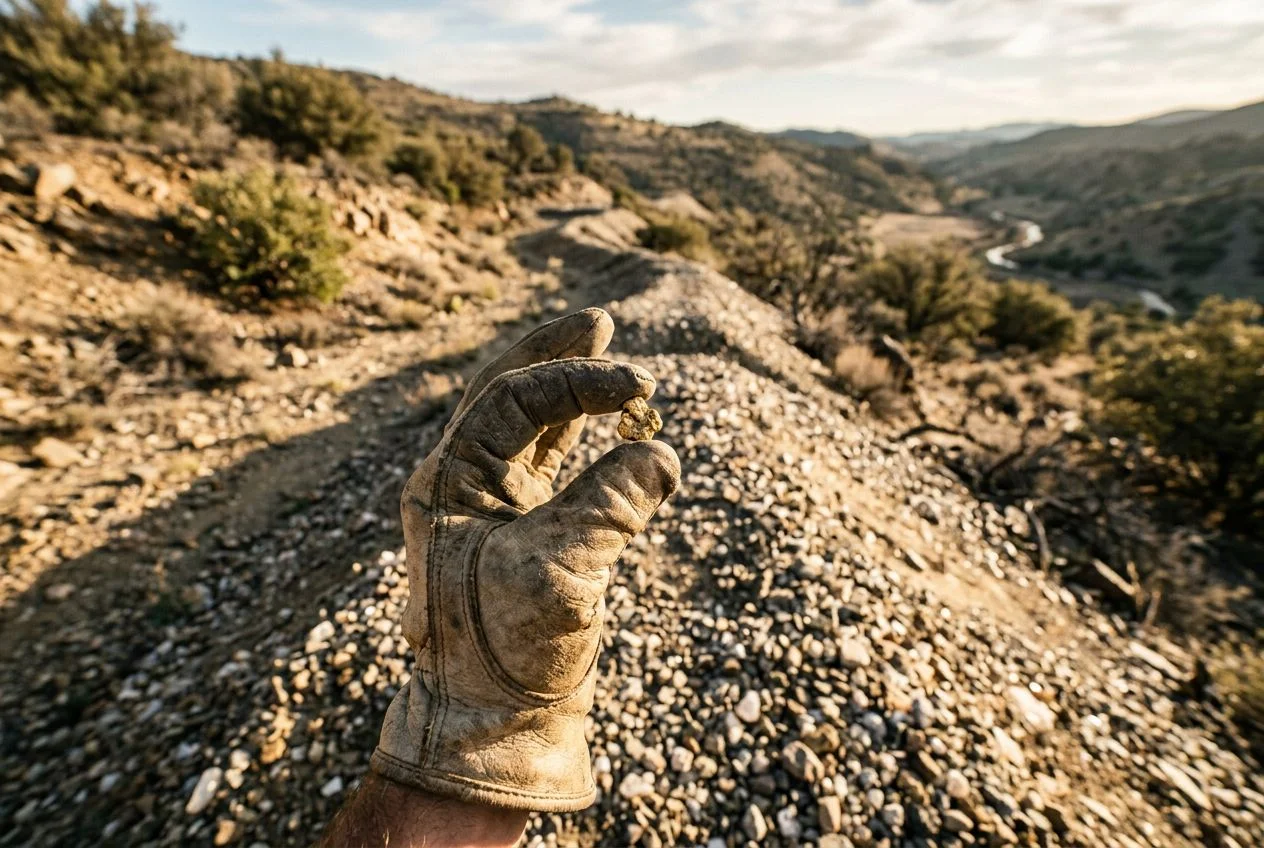
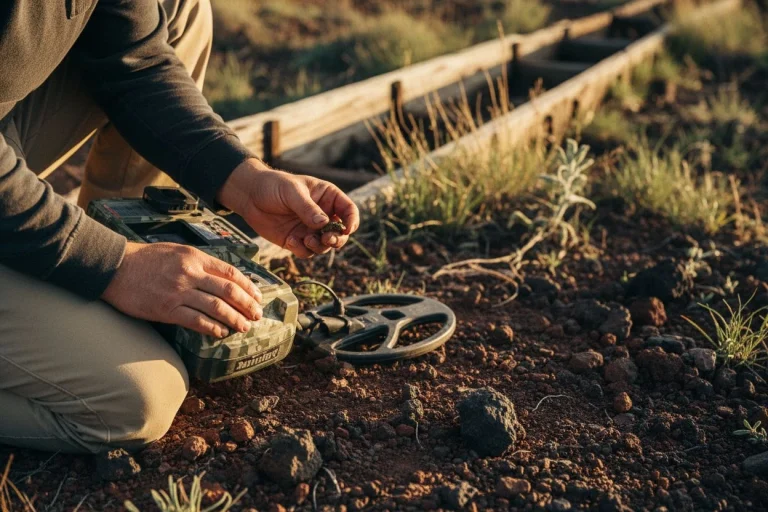
My buddy Mike still calls me “the lucky one” after that trip to the old mining camp near Auburn. I’d spent three weekends there with my trusty VLF machine, an AT Pro. All I had to show for it was a fistful of rusty square nails and some serious frustration. The ground was screaming with volcanic soil and iron-rich “hot rocks.” My detector chattered nonstop like a telegraph line in a storm. Mike showed up, saw my face, and said, “You’re doing this the hard way.” He handed me his backup machine—a chunky Minelab GPX 6000. Within an hour, I dug up a small, gnarly nugget. It wasn’t luck. It was the right tool.
That tool was a Pulse Induction (PI) metal detector. For years, I saw them as a mysterious, expensive club I couldn’t join. I thought my VLF machines could handle anything if I just tweaked the settings enough. I was wrong. There are whole worlds of detecting—goldfields, black sand beaches, relic sites with “cursed” soil—where a VLF is like trying to hear a whisper in a hurricane. A PI detector is the noise-canceling headphones for that storm.
Let’s cut through the jargon. What is pulse induction? More importantly, when and where does it make sense for someone like you or me to use one?
How Pulse Induction Technology Conquers Mineralized Ground
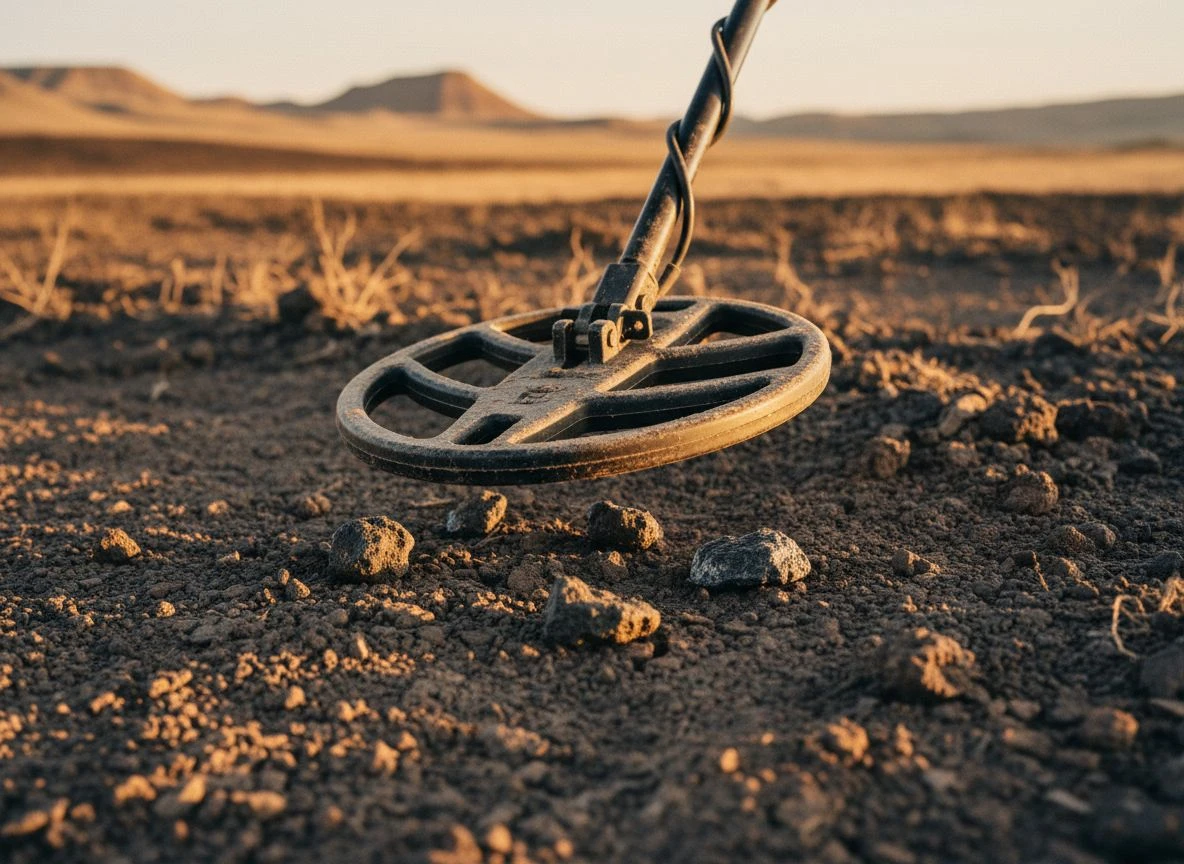
To get why you’d want one, you need to know how it wins in tough ground. A standard Very Low Frequency (VLF) detector sends out a continuous electromagnetic field. It’s great at analyzing the signal that bounces back, which helps it guess if a target is iron, nickel, or silver. But that constant signal also hears everything, including the minerals in the dirt itself. In ground with lots of minerals—like gold country, saltwater beaches, or volcanic soil—that background noise drowns out faint, deep targets. If this is your primary struggle, you need to read our guide on Mineralized Soil Secrets: How To Find More Treasure.
A Pulse Induction detector works on a different principle. Instead of a constant hum, it sends powerful, short bursts of current through its coil. This creates a quick, intense magnetic pulse. When the pulse ends, the magnetic field collapses. In the quiet moment after, the detector listens. If there’s metal nearby, tiny electrical currents called “eddy currents” form in the object. They take a tiny bit longer to fade away. The PI unit measures that delay.
Here’s the key: because it only listens between its own pulses, it’s largely immune to the constant buzz of ground mineralization that cripples a VLF. It ignores the chatter of hot rocks and salty sand. This lets it hear the faint “hello” from a target that’s been hiding for a century. As Garrett puts it, this makes PI tech the choice for stability and insane depth where VLF detectors struggle.
Where to Use a PI Detector: Gold, Beaches & Relic Sites
This isn’t just theory. There are specific places where using a PI detector isn’t just an upgrade—it’s the only way to play. For a complete breakdown of the technologies, check out our detailed comparison: VLF vs PI Detectors: Which Technology Wins?
Is a PI Detector Essential for Gold Prospecting?
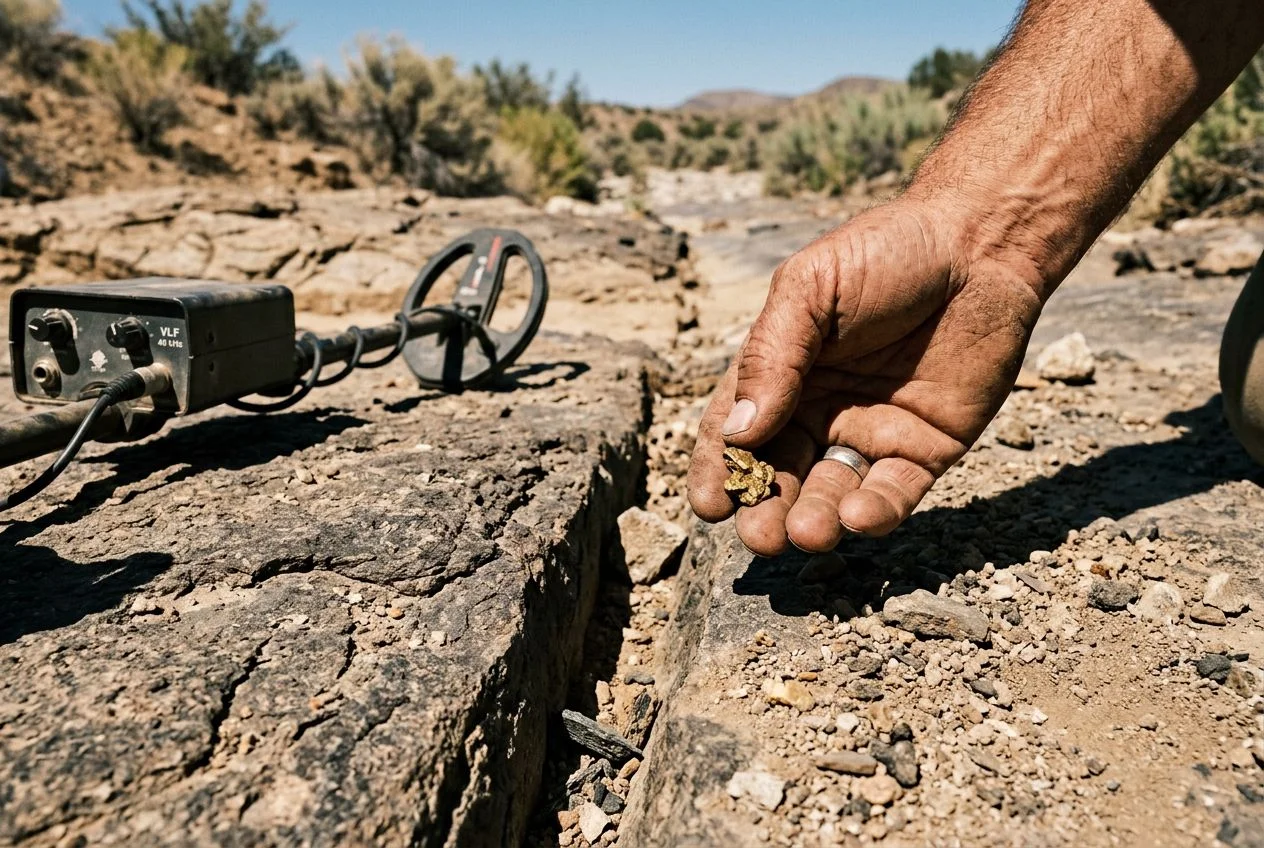
This is PI’s main event. The soils in historic gold regions are often mineralized nightmares. I learned this the hard way with my VLF, digging a thousand false signals for every piece of lead. A dedicated PI gold machine, like a Minelab GPX or SDC, doesn’t just handle this ground—it thrives in it. The technology was basically forged in the Australian goldfields. If you’re serious about nuggets, you’re shopping for a PI. Many of these sites are in dense woods; mastering your setup is crucial, as explained in Forest Metal Detecting Secrets: Ultimate Settings.
Why PI Detectors Dominate Saltwater Beach Hunting

Take your VLF into wet sand or surf, and you’ll get a wall of false signals. Saltwater is highly conductive and acts like one giant, chaotic target. A PI detector cuts right through that. Its stability in saltwater is why it’s the top choice for beach and underwater hunters. Some modern multi-frequency VLFs handle damp sand okay, but a PI is the king of the surf line and deeper water. That’s where rings and watches settle after the tide pulls them out, making Low Tide Metal Detecting: Find Beach Gold Fast a perfect strategy to pair with this technology.
Can PI Detectors Unlock ‘Cursed’ Relic Sites?
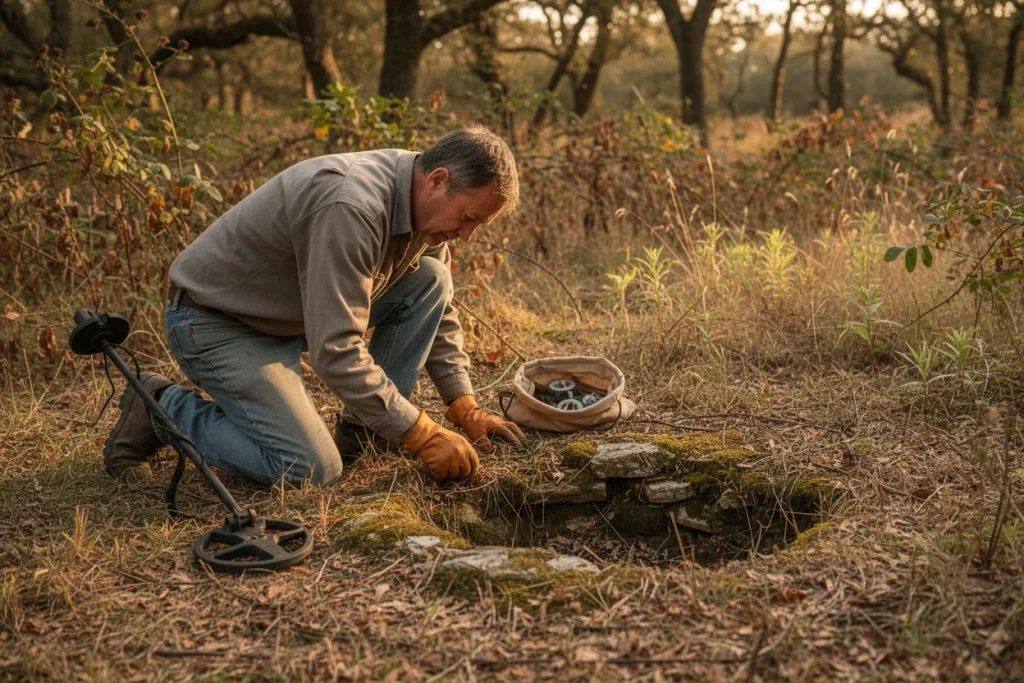
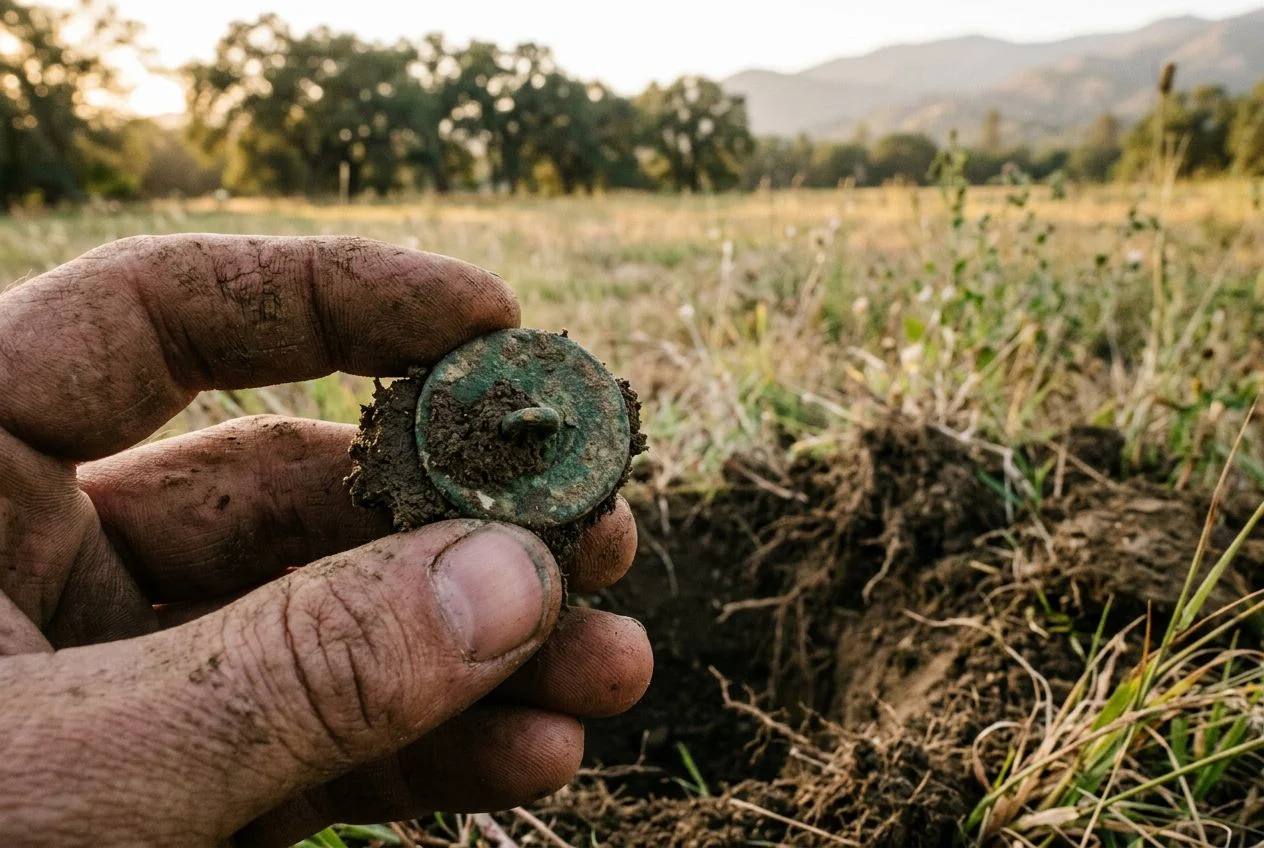
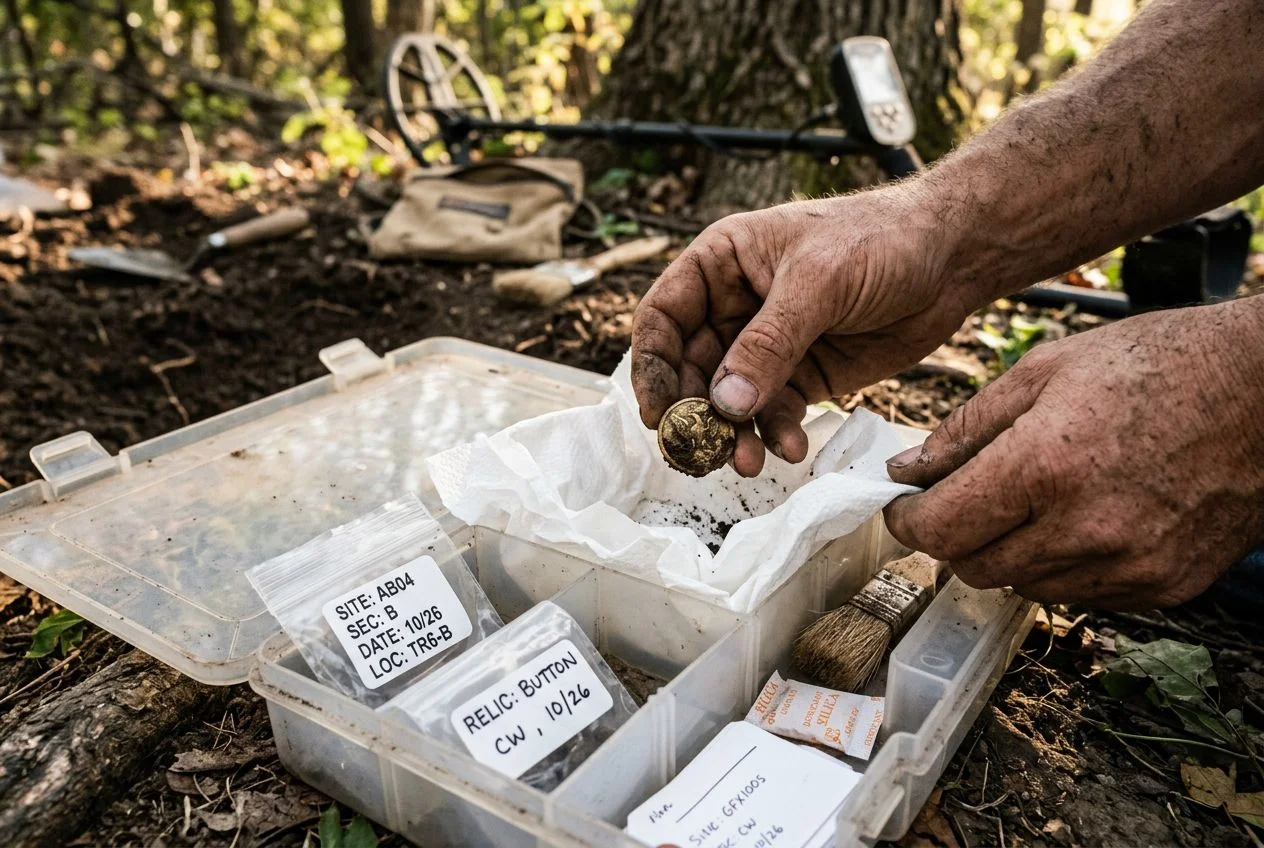
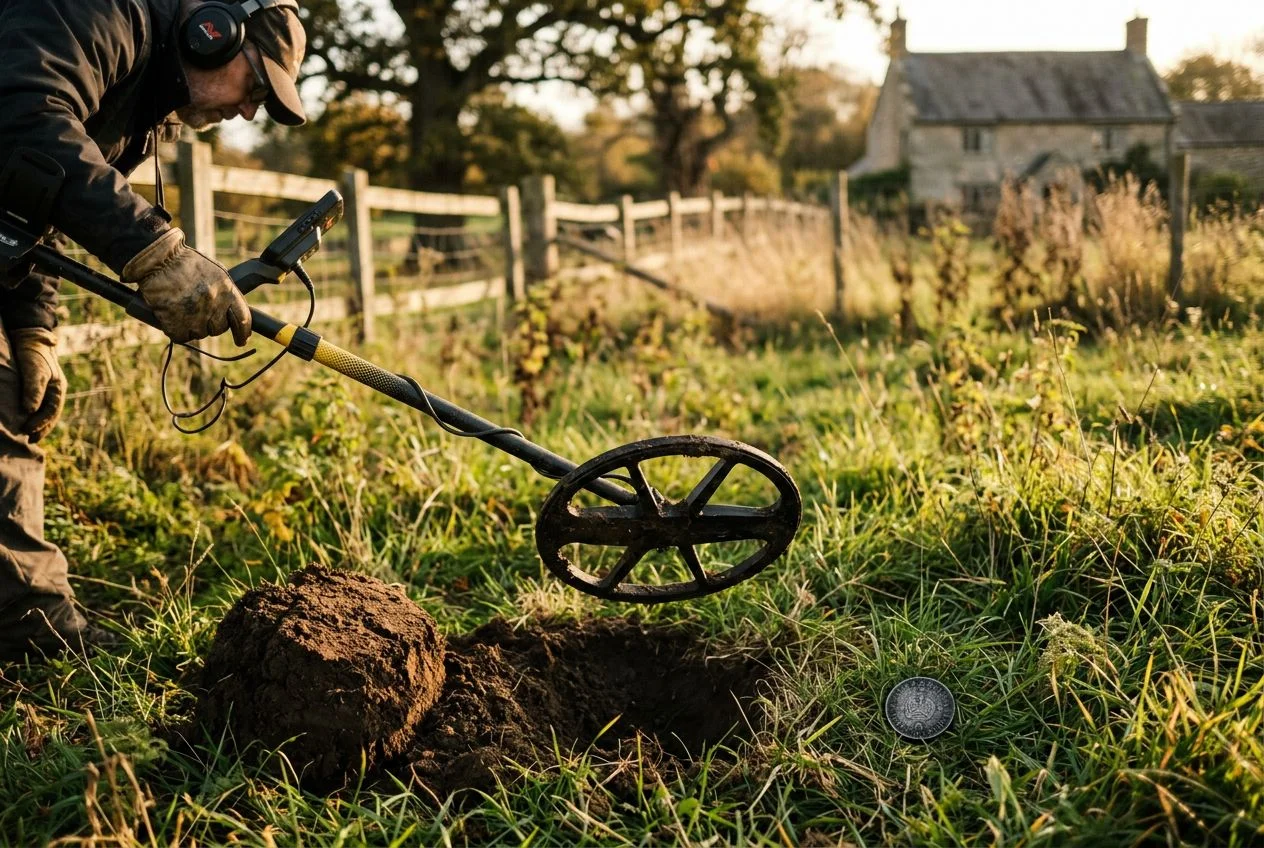
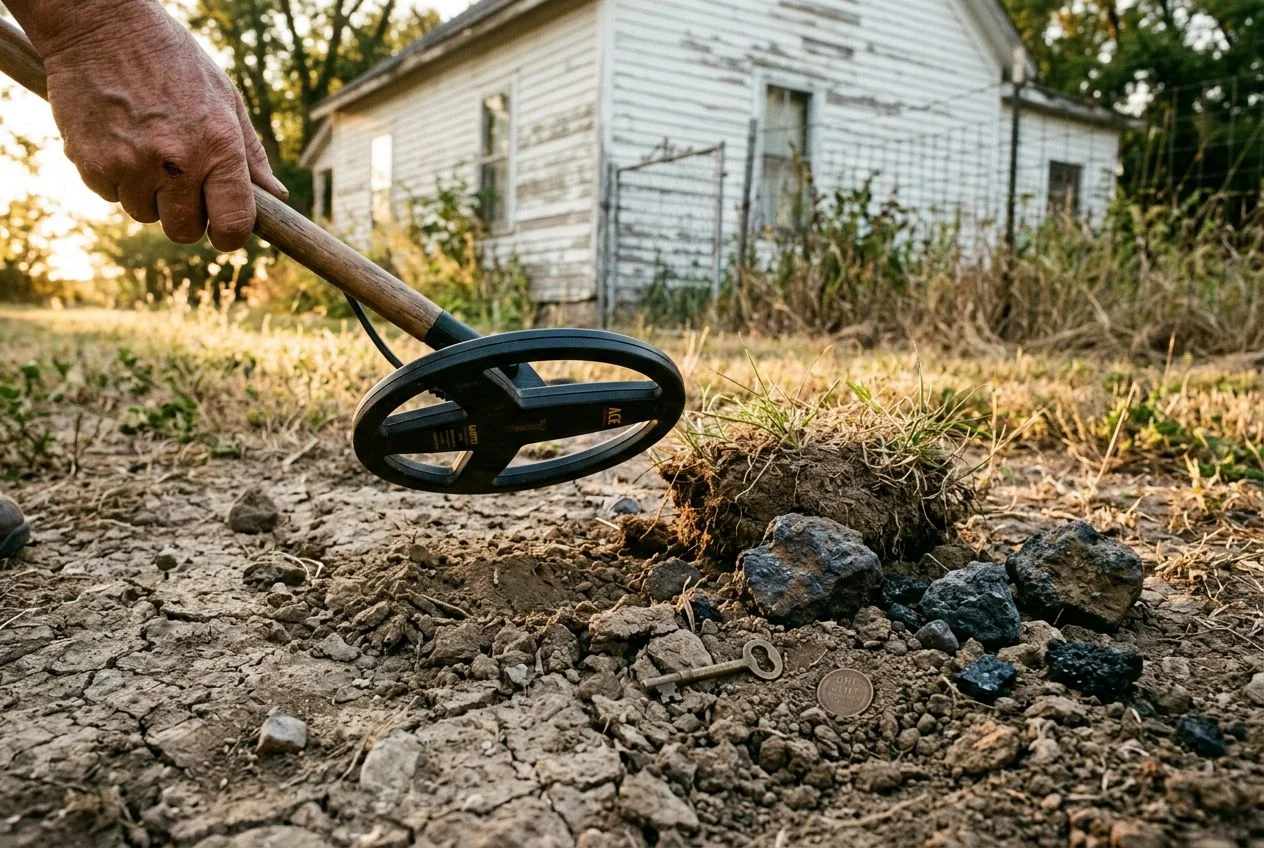
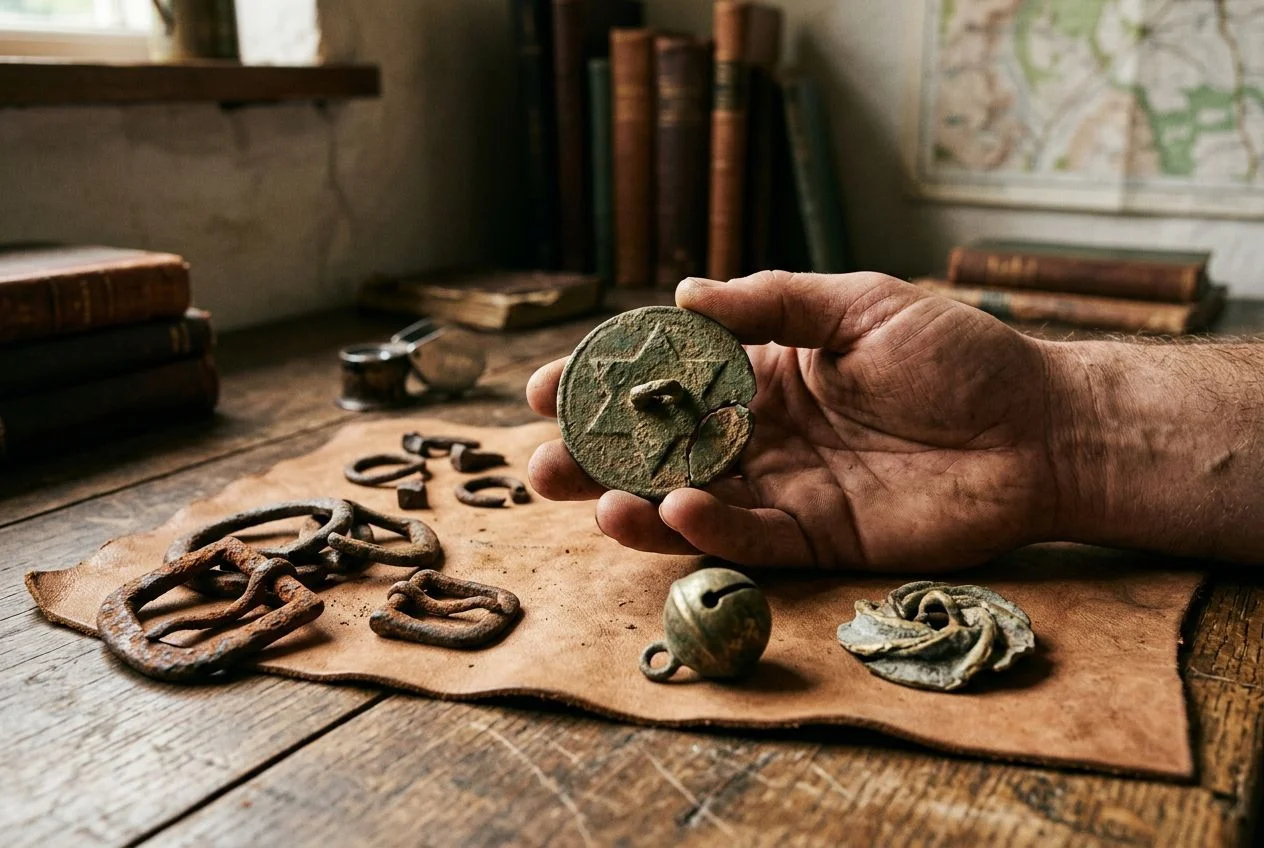
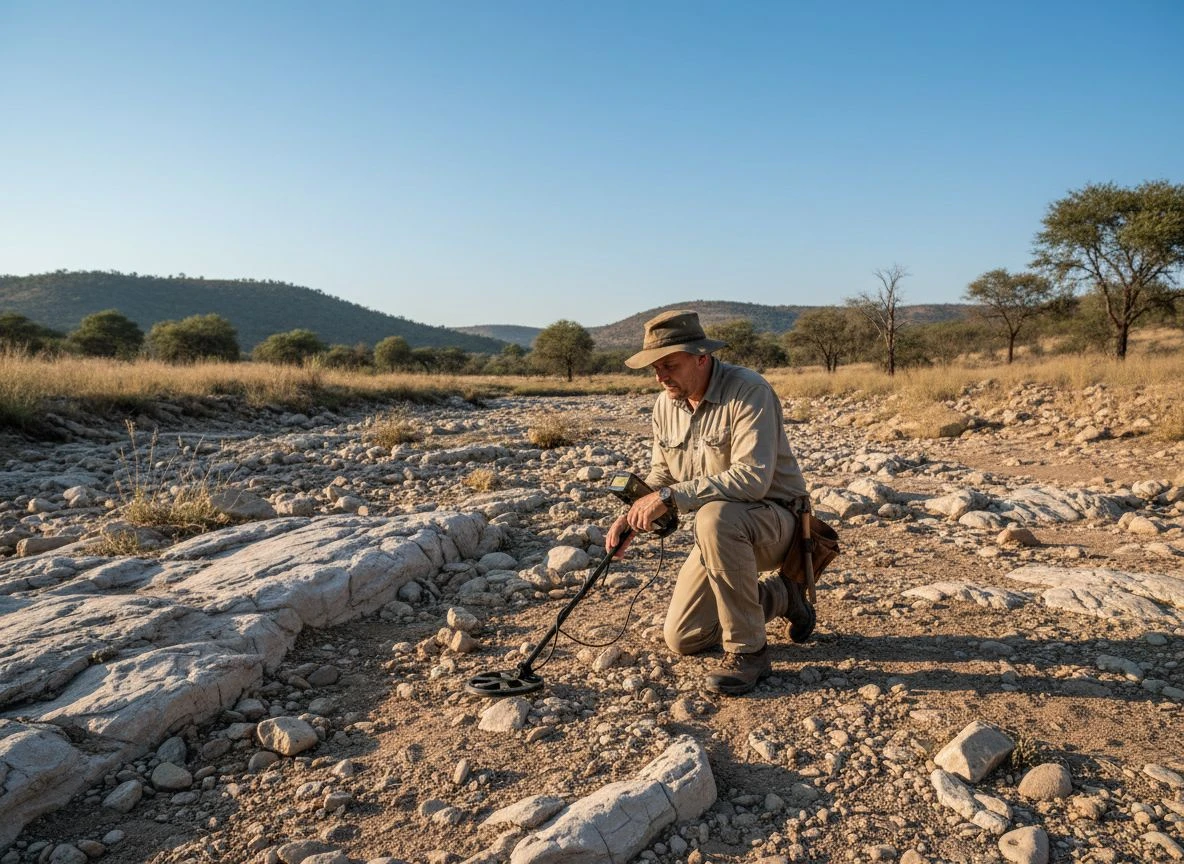
We’ve all had those sites. The old homestead that maps promise should be full of buttons and musket balls, but your detector won’t stop squawking. The iron content in the soil is probably off the charts. A PI detector lets you hunt these sites in All-Metal mode. You’ll hear every piece of iron, but also every non-ferrous target hiding in it. You trade discrimination for sheer depth and clear signals. For deep colonial sites or Civil War camps in bad ground, that’s a trade worth making.
PI Detector Drawbacks: Poor Discrimination & Weight Issues
Now, for the reality check. PI detectors are not magic wands. They come with real compromises. This is the part most product pages skip.
The Discrimination Problem: Why You’ll Dig More Trash
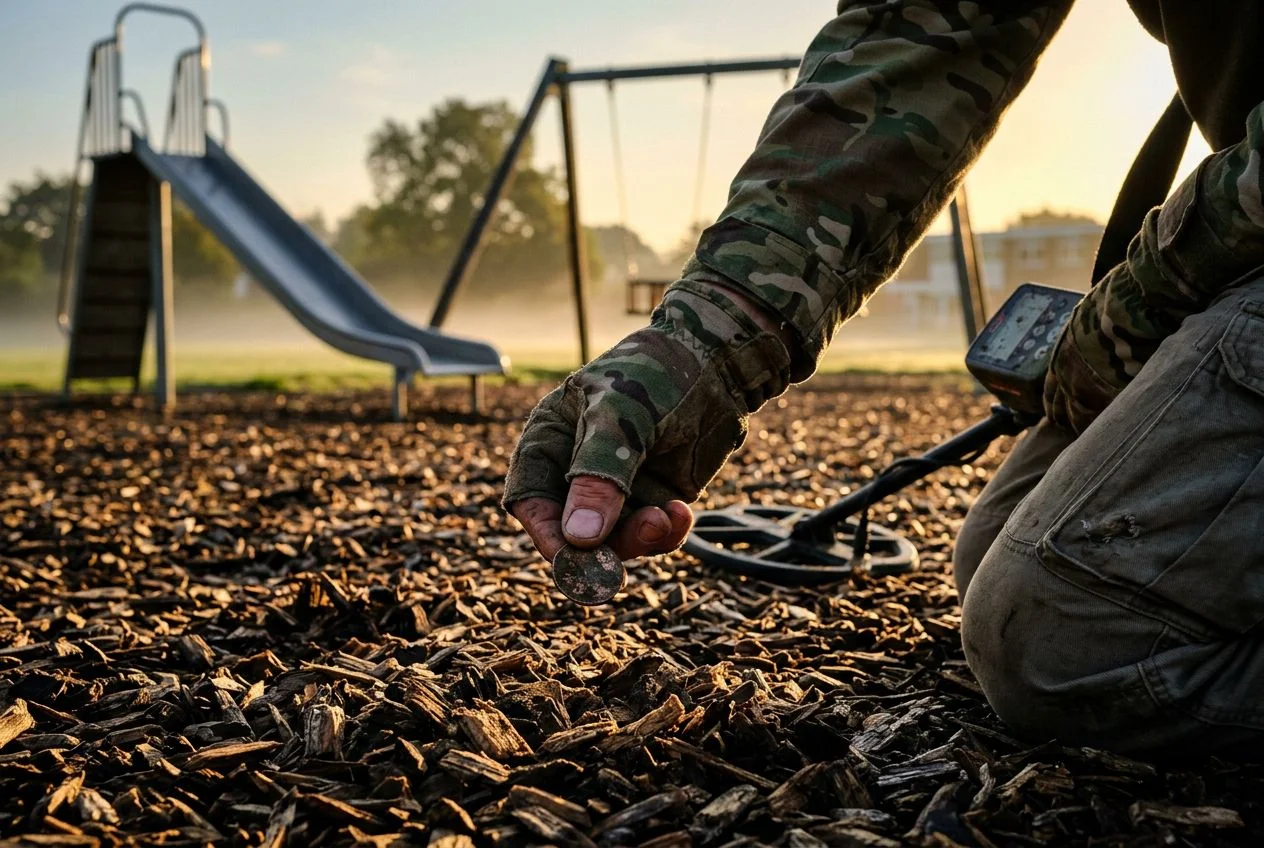
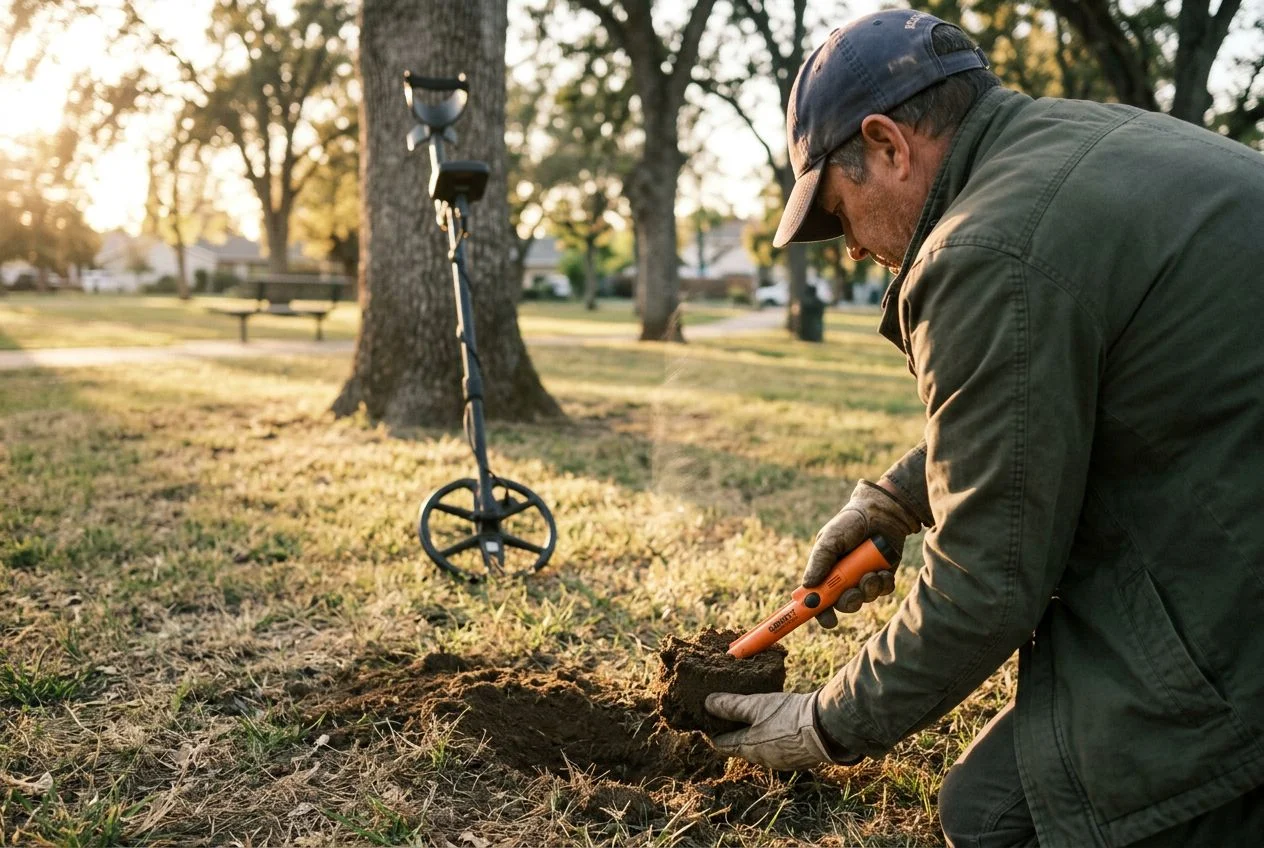
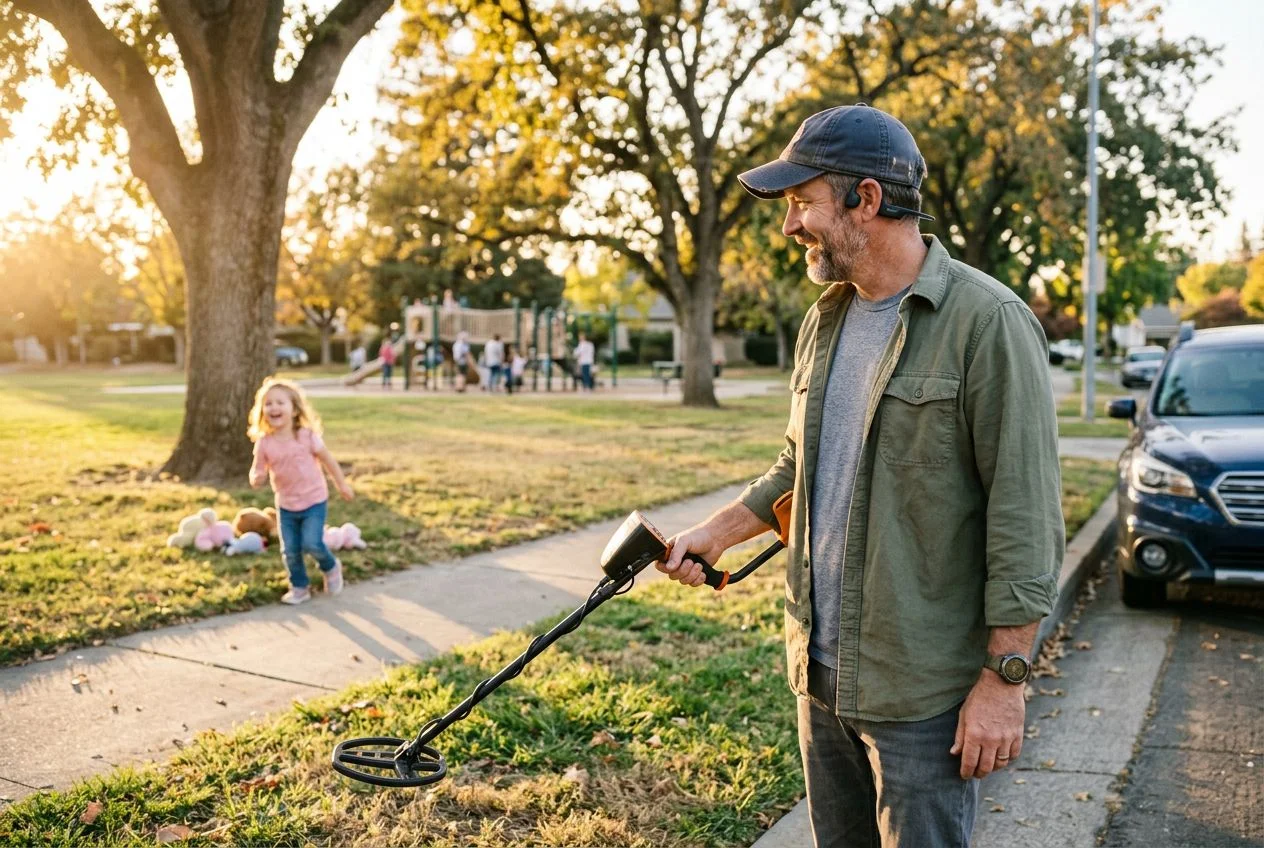
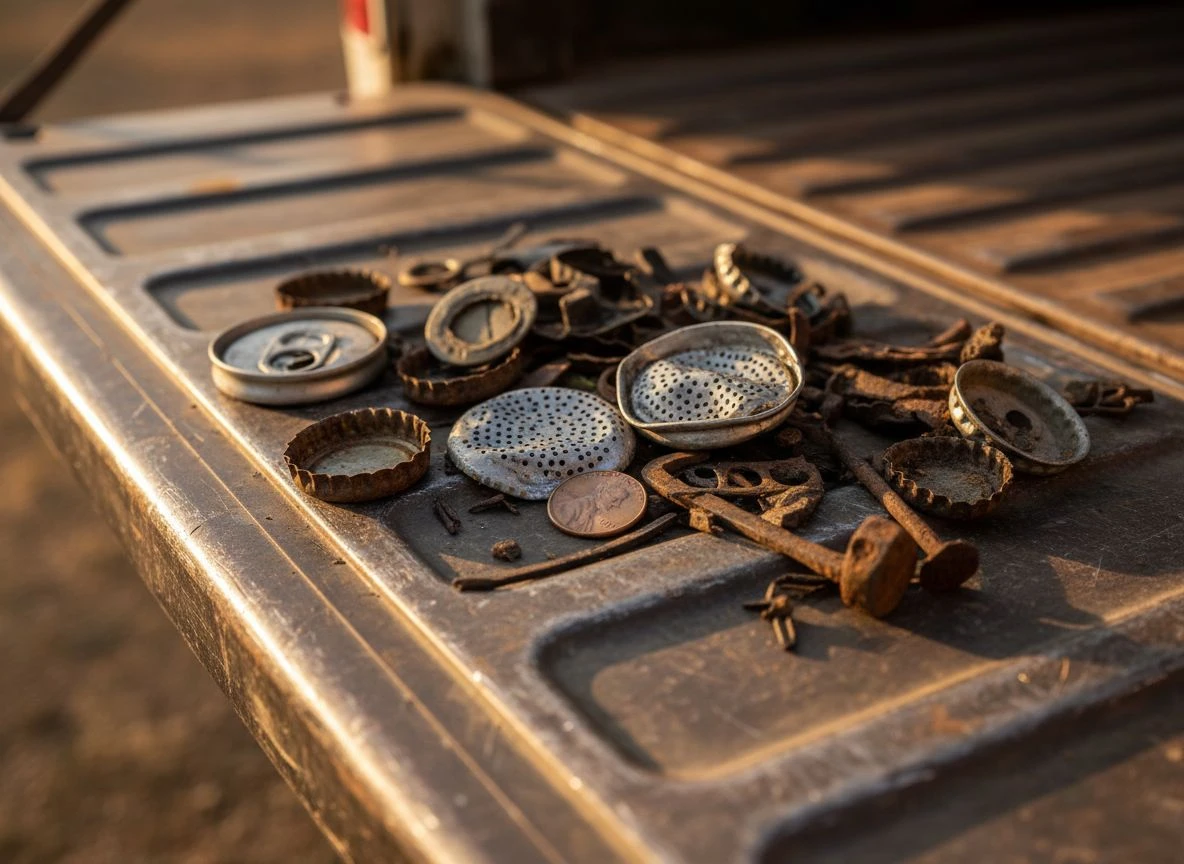
This is the biggest one. A PI detector measures the decay time of a signal, not the complex details a VLF analyzes. So it’s famously bad at telling iron from gold or aluminum from silver. Newer high-end models have features like “Iron Check,” but the core physics remain. You will dig more trash. You will dig a lot more trash. (My back still aches from a pull-tab-infested park I foolishly tried with a PI.)
Are PI Detectors Too Heavy for Long Hunts?
All that power has a cost. PI detectors, especially the powerful gold machines, are heavier. They also tend to use battery life faster than a VLF. A long day with a GPX 6000 and its battery pack is a proper workout.
Is a Pulse Induction Detector Worth the High Cost?
There are more affordable PI options now, but a true deep-seeking, gold-capable PI machine is a serious investment. You’re often looking at the cost of a used car. This isn’t a casual “let me try this hobby” purchase.
Need a PI Detector? Ask Yourself These 3 Questions
So how do you decide? Ask yourself these three questions. I wish I had before my frustrating Auburn trip.
- What’s my primary ground condition? Is it mild park soil, or is it black sand, red clay, volcanic soil, or saltwater? If it’s the latter, lean heavily toward PI.
- What’s my primary target? Is it modern jewelry and coins in trashy parks, or deep relics and gold nuggets in open, mineralized ground? For trashy areas, a VLF’s discrimination is your best friend. For deep, clean(ish) ground, PI’s depth wins.
- What’s my patience level? Are you okay with digging 50 pieces of junk for that one deep, good signal? Or do you need your machine to filter out the bottle caps? If you hate digging trash, a PI will test your sanity.
Here’s my rule of thumb, learned the expensive way: If you’re not regularly fighting highly mineralized ground or hunting saltwater, you probably don’t need a PI detector. A good VLF or a modern multi-frequency machine will be more versatile, more fun, and easier to learn.
PI technology is a specialized tool for specialized problems. It won’t replace my Equinox 900 for 90% of my hunts—the city parks, the old schoolyards, the places where telling trash from treasure is key. But for that other 10%—the gold-bearing hills, the iron-soaked relic sites, the salty coastline—it’s the only tool that works. It unlocks sites that would just whisper lies to a standard detector. Just be ready for the workout, the shorter battery, and the mountain of pull-tabs you’ll dig on the way to the good stuff.

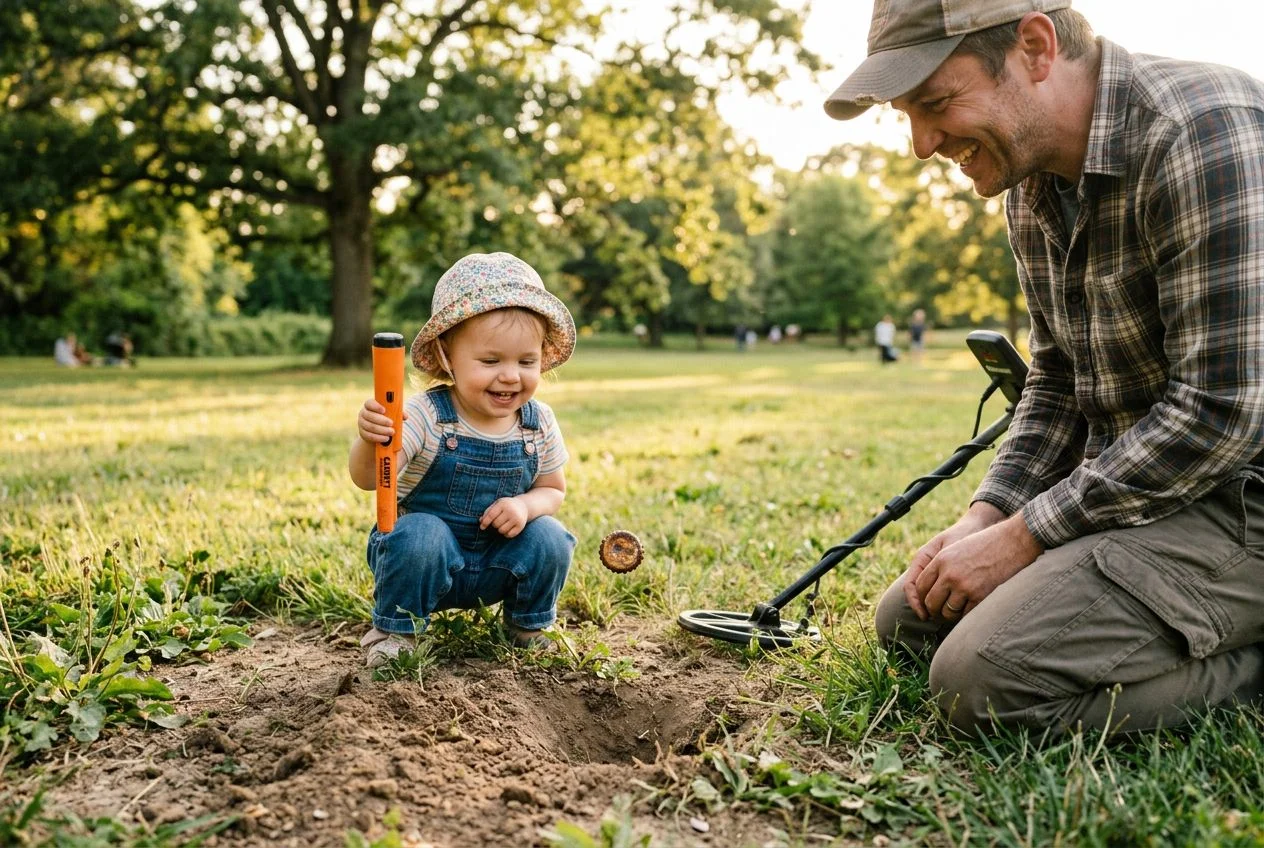
My name is Paul and I am the founder of Detector For Metal, a dedicated resource for metal detecting enthusiasts seeking to uncover historical treasures and connect with the past using the latest technology. As a stay-at-home dad and family man, I’ve found metal detecting to be the perfect hobby that combines family adventure with historical learnings for the whole family.
As a father, I’m deeply committed to passing on this hobby to the next generation of detectorists, starting with my own children. I share advice on everything from metal detecting with kids to exploring the top 10 metal detecting sites you never thought about. My methodical approach to the hobby goes beyond the thrill of discovery—it’s about creating family traditions while preserving history and sharing the stories of those who came before us.