Last September, I watched rain pound my backyard for three straight hours. Most people saw a mess. I saw my chance at the best detecting weather I’d had in months.
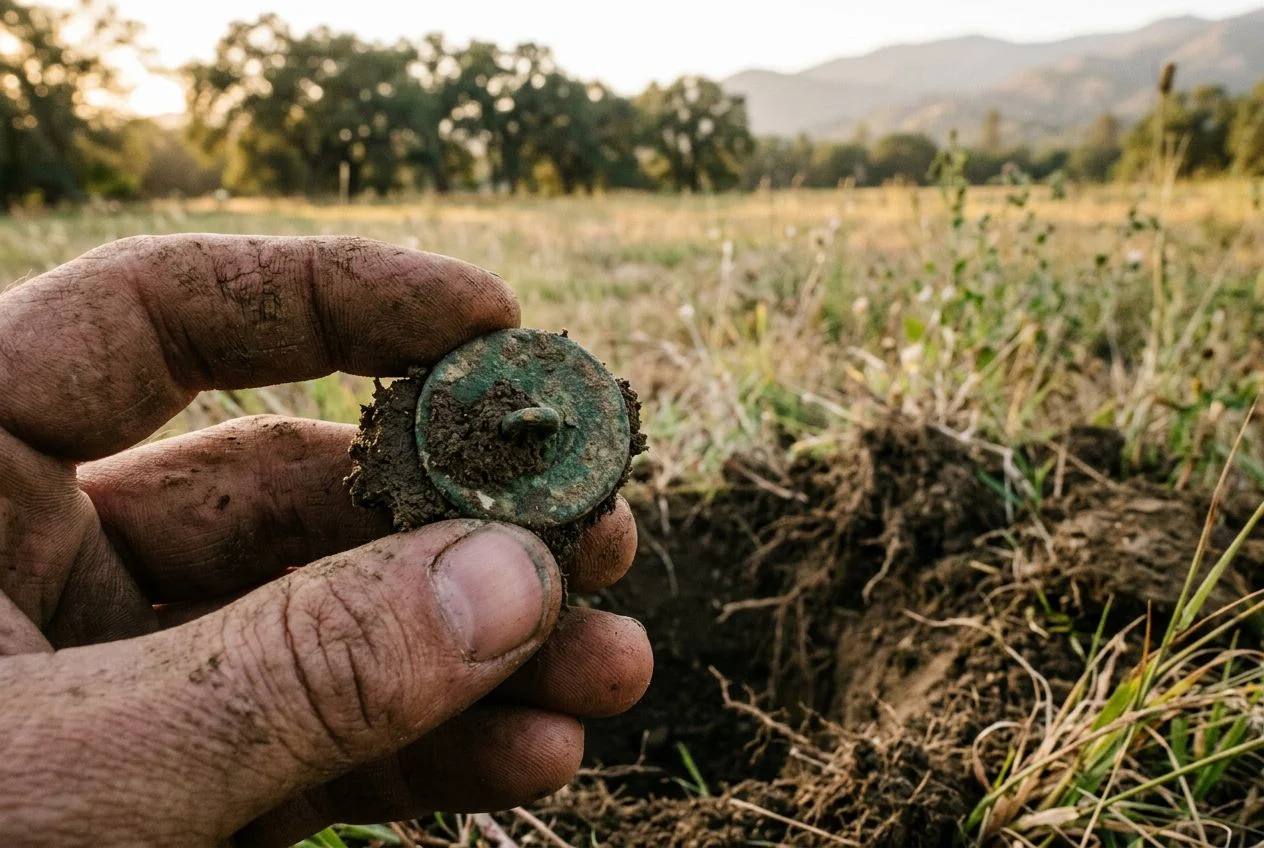
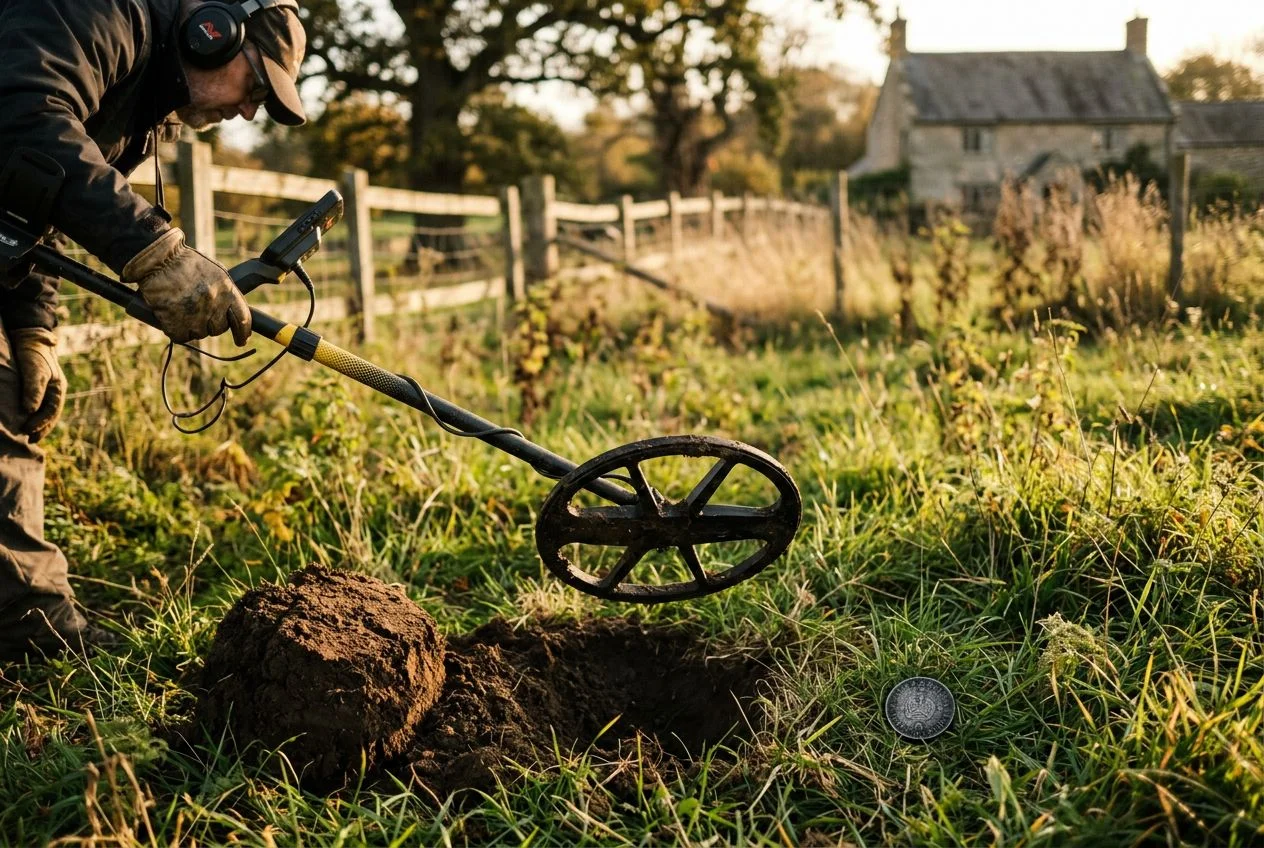
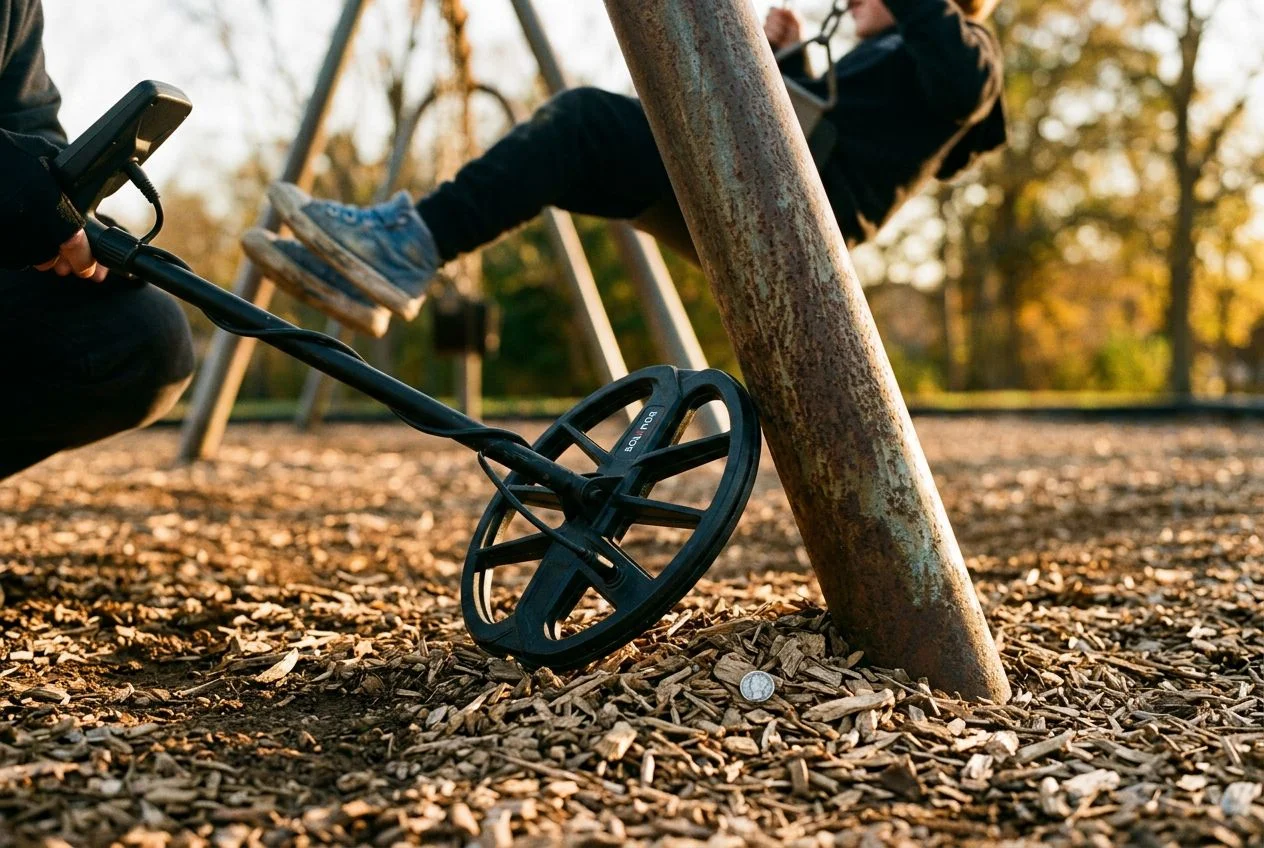
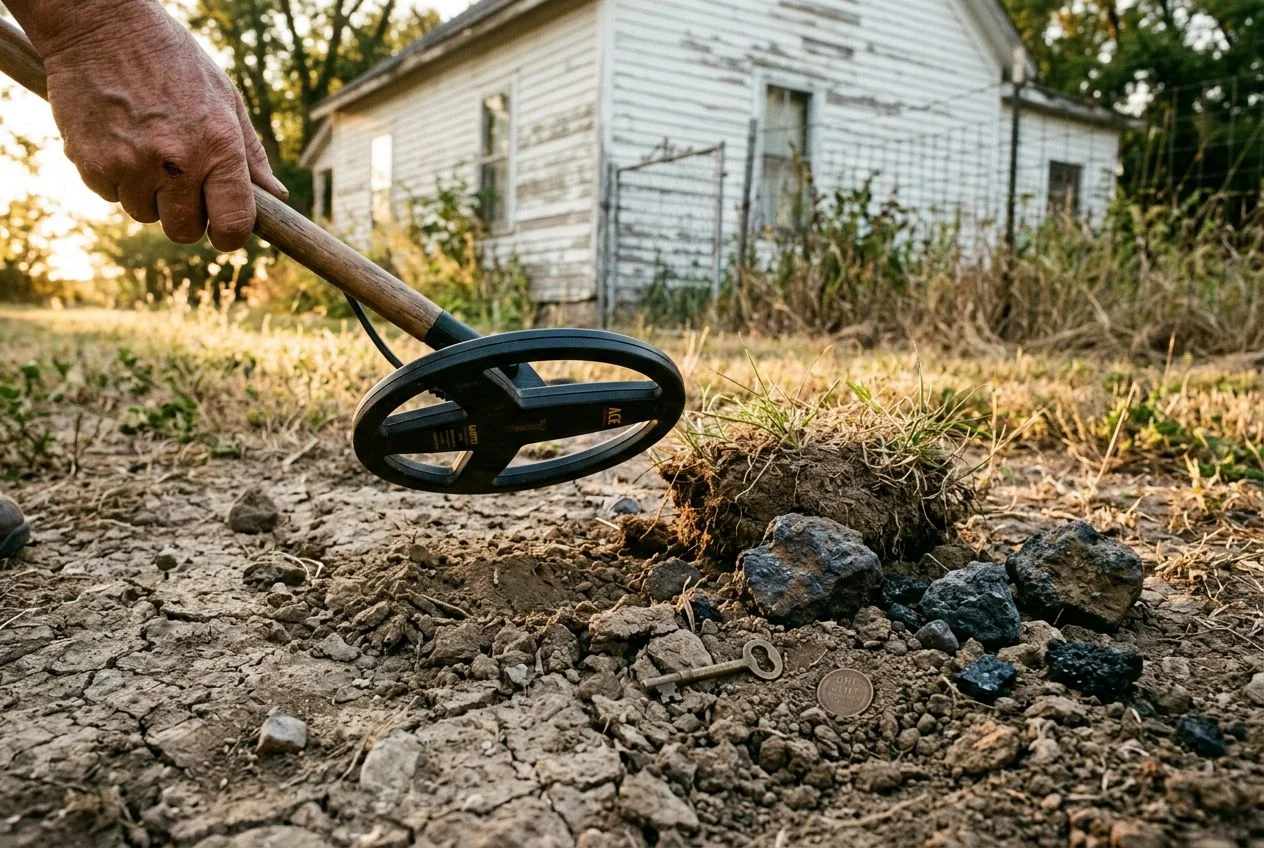
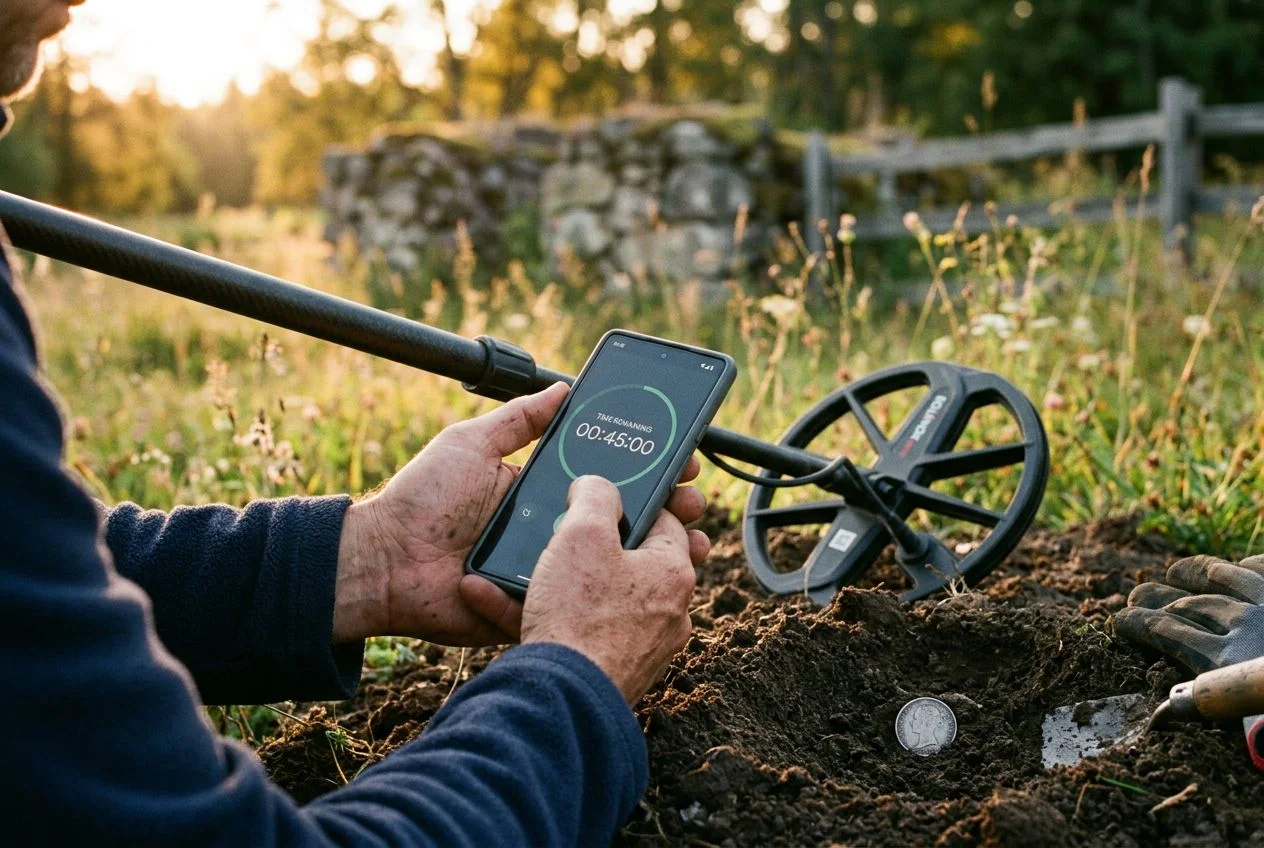
The next day, I pulled a 1943 Walking Liberty half dollar from the same park I’d hunted six times that summer. Eight inches deep. Right in a spot my detector had passed over more times than I could count. What changed? Simple. Metal detecting after rain gave me deeper targets and stronger signals.
- How Rain Improves Metal Detection: Ground Conductivity Explained
- Three Ways Metal Detecting After Rain Increases Detection Depth
- Best Time to Detect After Rainfall: Optimal Soil Moisture Timing
- How Wet Soil Affects Metal Detectors: When Conditions Work Against You
- Metal Detecting After Heavy Rain: Critical Safety Guidelines
- FAQs: Detecting in Wet Soil Conditions and Post Storm Beach Hunting
- 🔍 FAQs: Detecting in Wet Soil Conditions and Post Storm Beach Hunting
- Treasure Hunting Success: Why Metal Detect After Rainstorms
- References
How Rain Improves Metal Detection: Ground Conductivity Explained
Here’s the truth nobody shares when you start treasure hunting: your skill doesn’t matter if the ground fights you. Soil conditions beat expensive gear every single time.
Let me break down how wet soil helps your detector. Rain soaks into the ground and carries tiny bits of minerals with it. These minerals conduct electricity. The Ohio State University Extension explains that this process makes the ground way more conductive [1]. Think of dry soil like shouting through a brick wall. Detecting in wet soil? That wall just turned into a screen door.
Your detector sends out an invisible field that bounces off buried metal. In dry, hard-packed dirt, that field dies out fast. It’s like throwing a ball through thick mud. In wet, loose soil, the field travels much farther. This is why wet ground lets you find deeper targets and get clearer signals.
My buddy’s been detecting for twenty years. He can explain ground conductivity for hours using napkins as diagrams. He gets into electromagnetic fields and mineral content like it’s football stats. The tech stuff matters if you want every extra inch of depth. But here’s what it means in plain English: wet ground lets you find coins and relics that dry dirt keeps hidden.
Three Ways Metal Detecting After Rain Increases Detection Depth
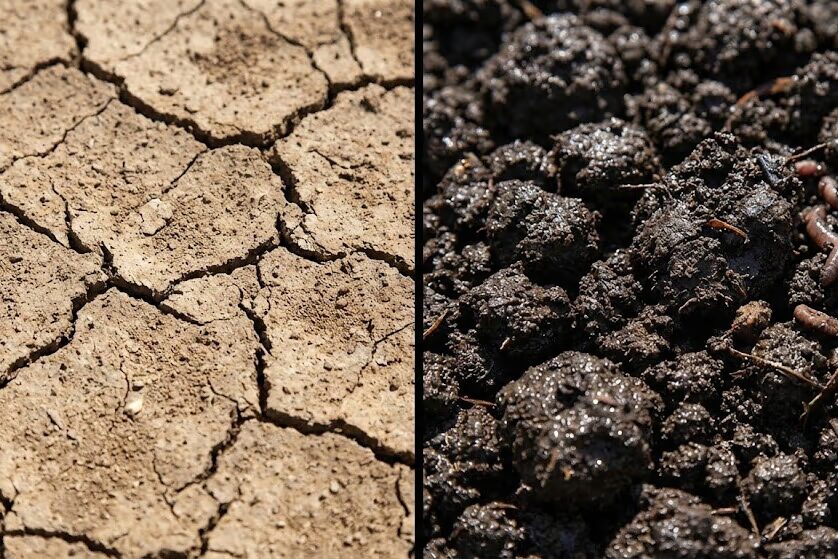
How Wet Ground Increases Detection Depth and Target Signals
The boost from metal detecting after heavy rain isn’t just talk. People document it all the time. One guy using an old 1980s detector said he hit 12 inches after rain. Same detector barely reached four inches when the ground was dry. That’s real proof of how rain gives you better signals and deeper finds.
Here’s the geeky part for those who want it. When soil gets wet and conductive, the signal from buried metal spreads out farther. Your detector sees a bigger target. That’s why coins you’ve walked over a dozen times suddenly ring out loud and clear after a good rain [2].
The best part? You don’t need a $1,500 machine to cash in. Even budget detectors see huge gains in wet dirt. You’re working with basic physics here, not fancy marketing tricks.
Rain Exposed Coins and Relics: The Halo Effect Explained
This one seems weird until you get what’s going on. Buried metal rusts and corrodes over time. Copper turns green. Iron gets crusty. Zinc breaks down. All that corrosion spreads into the dirt around the object like an invisible cloud.
Your detector picks up this whole area as one big target. Bigger target means stronger signal. Rain kicks this into high gear. The water makes those corrosion clouds conduct better. It might even speed up the rusting process. Targets you couldn’t touch before suddenly show up deep [3].
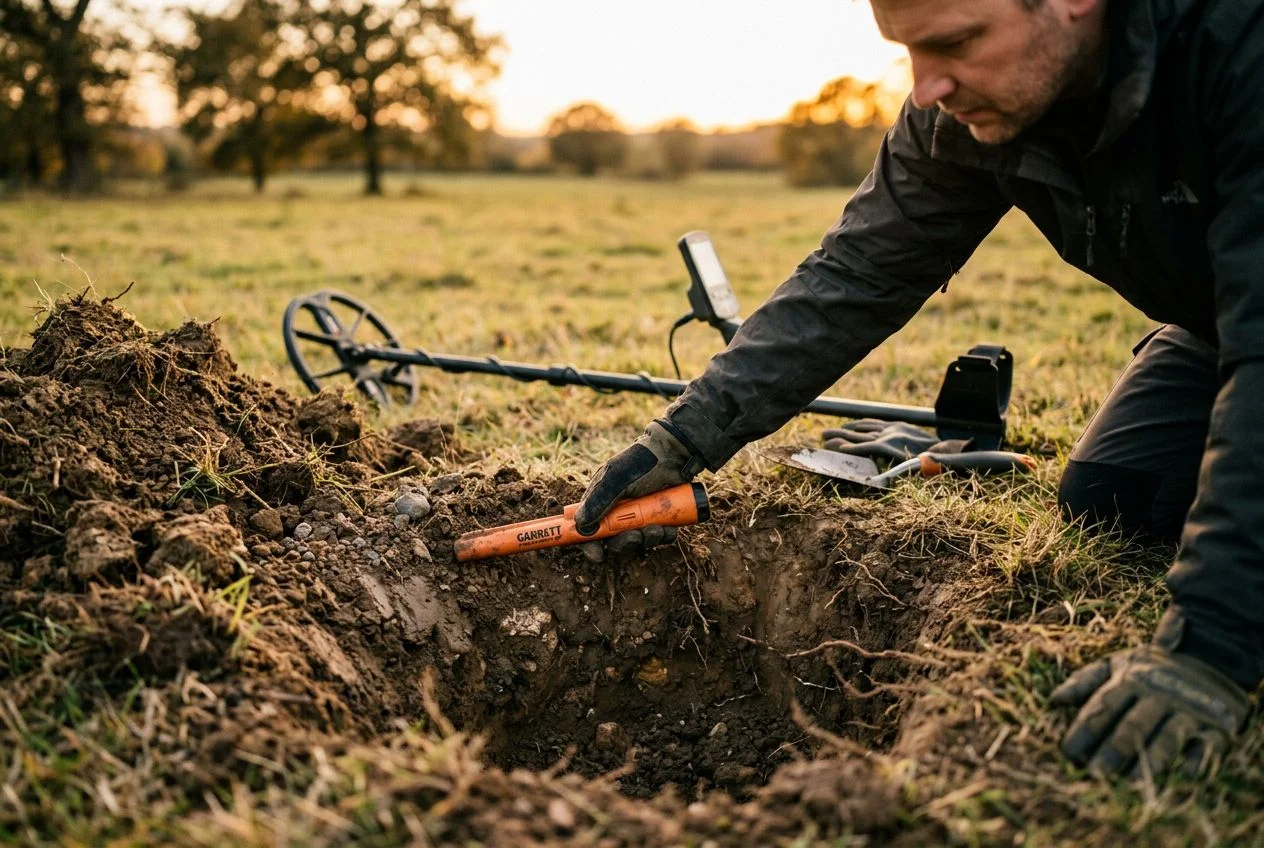
Real talk though: this doesn’t work the same for all metals. Gold and silver barely rust, so they don’t get much halo boost. Iron gets the biggest effect. Copper and zinc fall somewhere in the middle. Also worth knowing – if you dig around a target and mess up the dirt, you kill the halo. That’s why smart hunters use pinpointers instead of random digging.
Beach Storms and Storm Erosion: How Runoff Exposes Old Coins

This is where things get wild, especially at beaches. I’ve talked to Florida hunters who pulled Spanish silver after big storms peeled back fifteen feet of sand. Sand that took centuries to pile up. Waves hitting shore at certain angles do maximum damage and strip everything bare. Normal beach hunting can’t touch those depths [4].
You get similar action at regular sites, just smaller scale. Heavy rain creates little rivers that wash away light stuff and leave heavy metal in low spots. Storm runoff moves old coins right to where you can grab them. Hunters find “coin lines” all the time – a dozen coins bunched in five feet that used to be scattered everywhere.
Even light rain helps. Soft dirt shifts around. Old stuff works up toward the surface. Fresh losses get moved and then exposed. You get easy shallow targets that don’t need deep digging.
Best Time to Detect After Rainfall: Optimal Soil Moisture Timing
Not all wet ground works the same for detecting. Thousands of hunters agree: you want moist dirt, not mud soup. That’s the magic zone.
My sweet spot? Right after the ground soaks up rain but before it turns into a sticky mess. You need enough water to help signals, but not so much you’re destroying the grass. Usually that’s one or two days after the rain quits. It depends on your dirt and the weather.
Here’s how you know conditions are right for metal detecting after heavy rain:
- Your plug cuts clean without mud everywhere
- The dirt looks dark and rich but not soaked
- Your detector stays stable without going crazy
- Holes don’t fill up with water when you dig
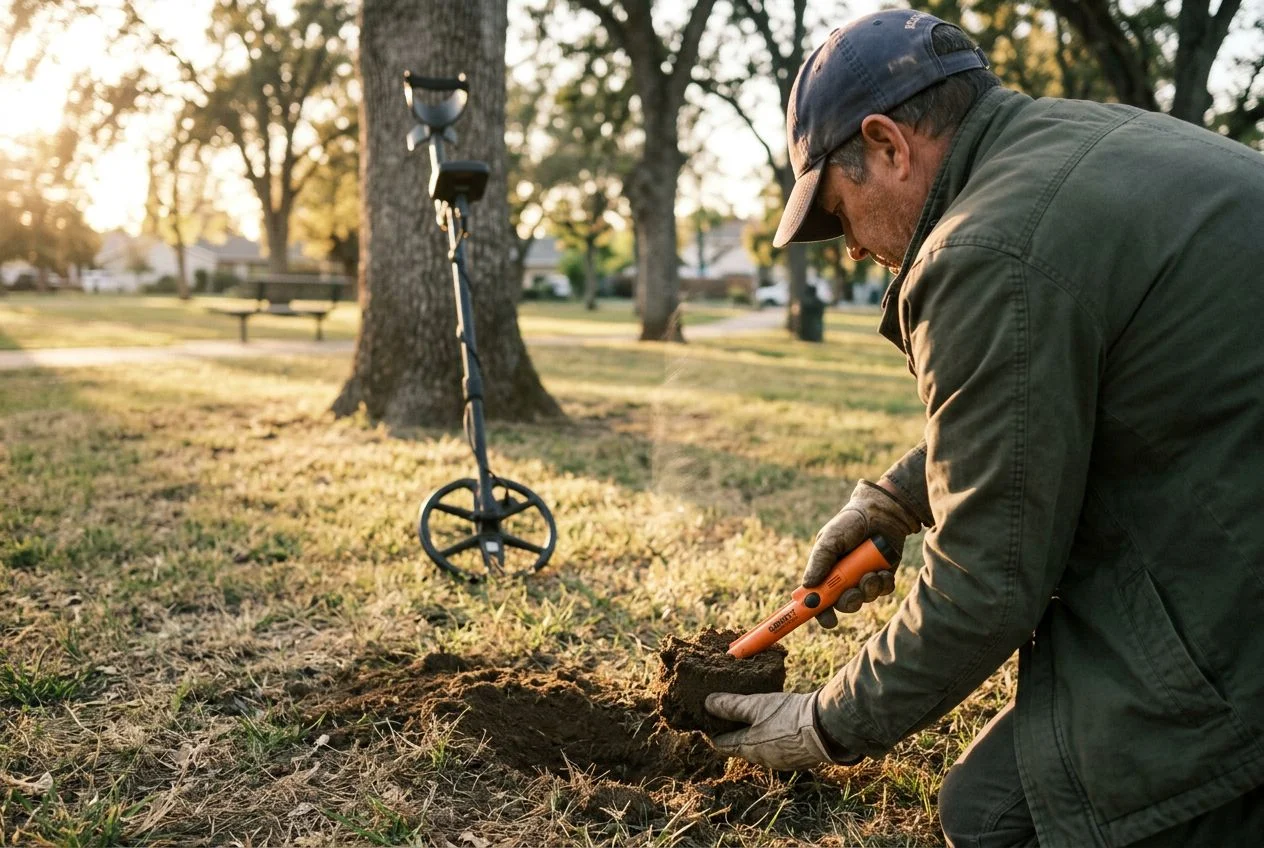
Try this trick from the forums: cut one test plug when you get there. Check how deep the rain went. You’ll see a line where wet meets dry. That tells you if you should hunt shallow or go deep.
Texas hunters love rain days since their ground stays bone dry most of the year. One old-timer said it best: “Here in Texas, I love hunting after rain. My detector works way better. We don’t get muddy much, but if it is, I wait a day.” That’s the perfect example of why knowing the best weather for detecting matters so much.
How Wet Soil Affects Metal Detectors: When Conditions Work Against You
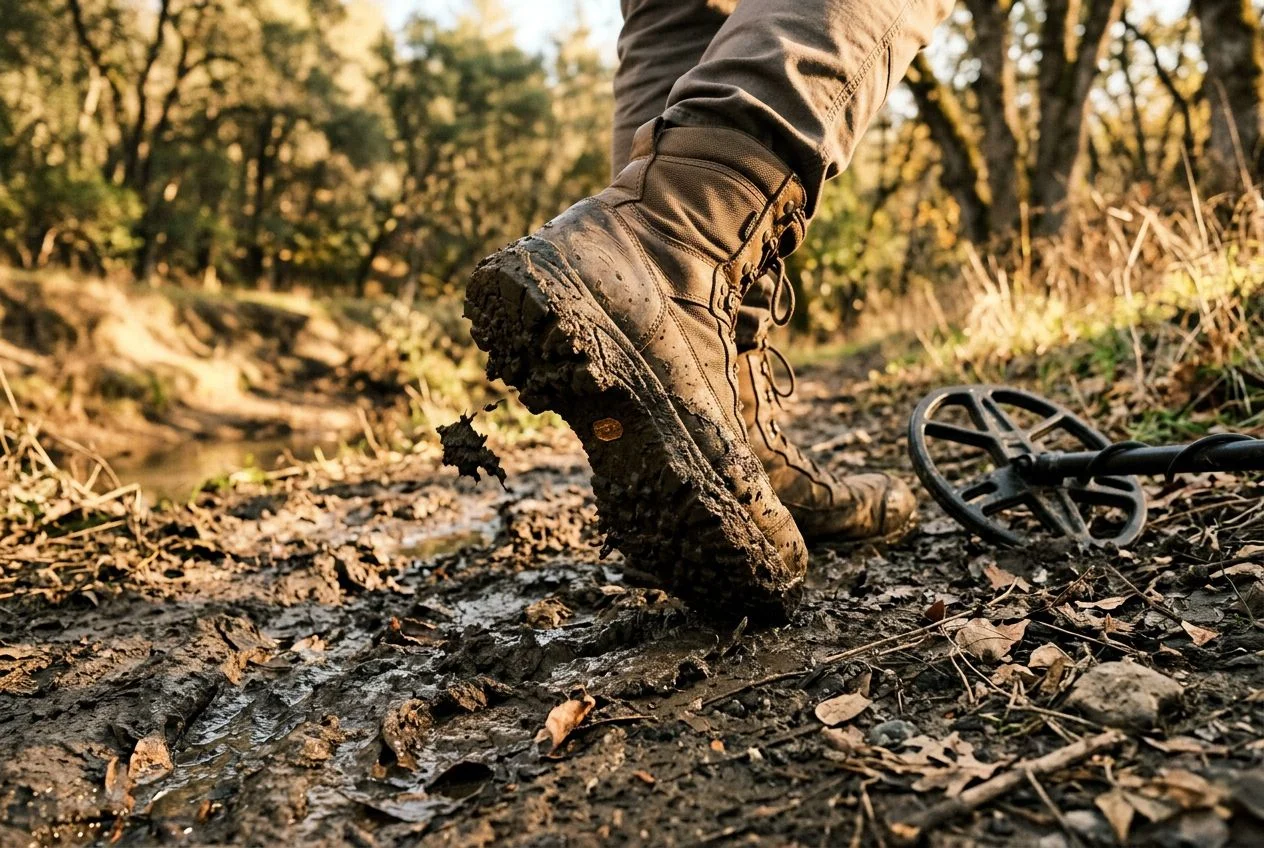
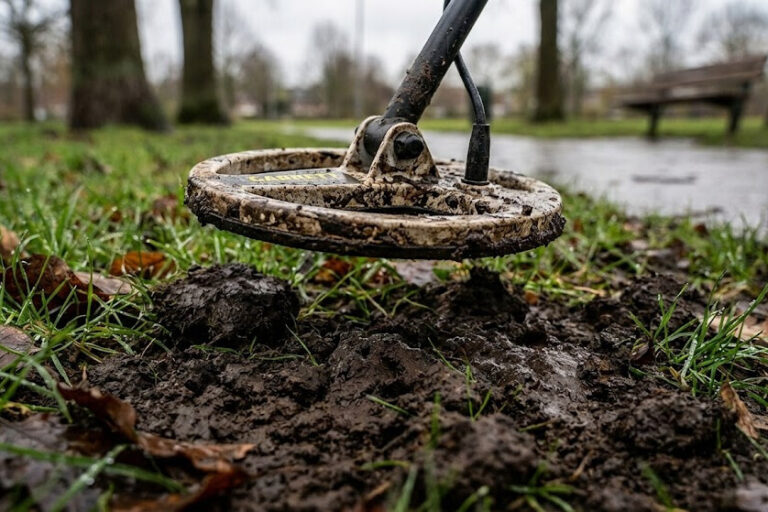
Let’s get honest for a second. Sometimes wet ground totally screws up your hunt. Sites with tons of iron junk get way worse when wet. The halo effect makes all that rusty trash scream louder and cover up good targets. Clay dirt becomes impossible when it’s soaked. You’ll fight the mud more than you’ll actually detect.
I learned this at an old home site. After heavy rain, every single signal turned into a rusty nail. The wet ground made all that iron trash go nuts. Ground balancing was a nightmare. Same exact spot when dry? Totally manageable if I stayed patient and used good settings.
You need to change your detector settings in wet dirt:
- Drop your sensitivity to cut down false signals
- Make sure your ground balance is dialed in right
- Adjust your discrimination if the ground is really mineralized
- Some detectors just handle wet dirt better than others [5]
Here’s another truth: hunting flooded areas usually sucks. Standing water doesn’t just make digging hard. It messes up that perfect moist soil you’re actually looking for. Wait until the water drains and you get that nice damp ground instead.
Metal Detecting After Heavy Rain: Critical Safety Guidelines
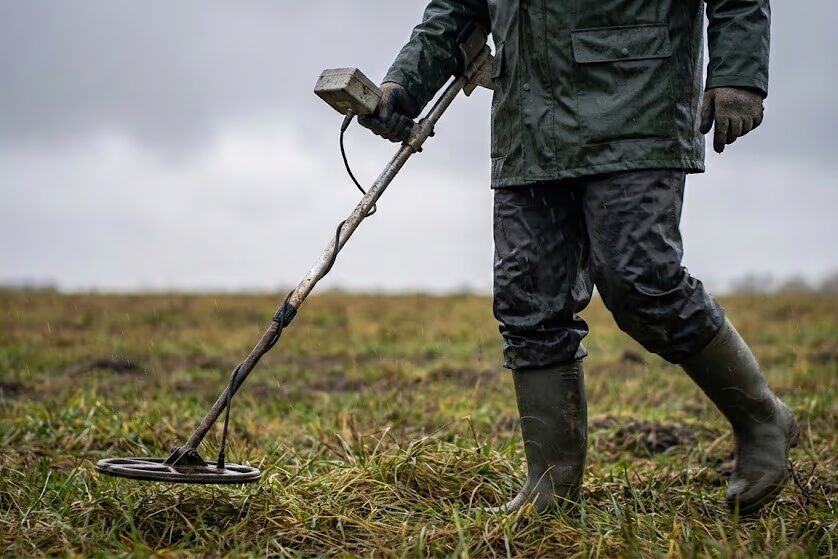
Okay, time for me to be the annoying friend who talks about safety. Lightning can kill you. You’re holding a metal stick in an open field. Think about that.
Any rumble of thunder or flash of lightning means you pack up right now. Not after one more signal. Not in five minutes. Now. The weather service doesn’t mess around with their lightning warnings, and you shouldn’t either.
Beach hunting after hurricanes needs extra care. You’ll find debris everywhere, broken structures, downed power lines, and nasty water. Wait for the all-clear from officials before you head out. I don’t care how tempting those erosion cuts look.
Keep your gear safe too:
- Cover your control box with waterproof protection
- Check battery spots for water after each hunt
- Dry out coil connections after wet grass
- Store everything somewhere dry between trips
A detector ruined by water costs way more than any coin you might find rushing out in bad conditions.
FAQs: Detecting in Wet Soil Conditions and Post Storm Beach Hunting
🔍 FAQs: Detecting in Wet Soil Conditions and Post Storm Beach Hunting
Get answers to your most common questions about metal detecting after rain
Treasure Hunting Success: Why Metal Detect After Rainstorms
That Walking Liberty from September? It paid for gas, bought lunch, and reminded me why I check the weather before planning my hunts.
Here’s the thing about rain detecting: you don’t need the fanciest gear or a degree in physics. You just need to get one simple idea. Rain makes ground conduct better. It boosts those rusty halos around old metal. Storm water strips away dirt hiding targets. Put it all together and you can find stuff that was impossible to reach before.
Smart hunters watch the weather. They show up at the right time after rain. They know how to adjust for wet dirt. That gives them a huge edge. Sites that seemed totally cleaned out start producing again. Deep targets that were out of reach come into range. Weak signals that sounded like noise suddenly make sense.
But keep it real. Not every storm creates perfect conditions. Some places work better than others when wet. And swinging your coil like a baseball bat won’t help no matter how wet the ground gets.
When it all lines up though – good rain, right timing, proper gear care, safe conditions – those hunts after storms become the stories you tell for years. The ones where everyone nods because they’ve lived it too.
So next time you see clouds rolling in, don’t complain about the weather. Start planning your trip for two days out. Get ready for some solid finds. That silver’s not getting easier to reach while the ground stays dry.
Happy hunting, and may every plug come out clean! 🔍
References
[1] Ohio State University Extension – Soil Electrical Conductivity
https://ohioline.osu.edu/factsheet/fabe-565
[2] High Plains Prospectors – How Soil Moisture Affects Metal Detecting
https://www.highplainsprospectors.com/blogs/news/how-does-soil-moisture-content-affect-metal-detecting
[3] Metal Detecting Forum – MD After Rain Discussion
https://metaldetectingforum.com/index.php?threads/md-after-rain.113164/
[4] Kellyco Metal Detectors – Metal Detecting After a Hurricane
https://kellycodetectors.com/blog/metal-detecting-after-a-hurricane-treasure-awaits/
[5] Minelab – Detecting in Mineralized Soils
https://www.minelab.com/blog/article/detecting-in-mineralized-soils

My name is Paul and I am the founder of Detector For Metal, a dedicated resource for metal detecting enthusiasts seeking to uncover historical treasures and connect with the past using the latest technology. As a stay-at-home dad and family man, I’ve found metal detecting to be the perfect hobby that combines family adventure with historical learnings for the whole family.
As a father, I’m deeply committed to passing on this hobby to the next generation of detectorists, starting with my own children. I share advice on everything from metal detecting with kids to exploring the top 10 metal detecting sites you never thought about. My methodical approach to the hobby goes beyond the thrill of discovery—it’s about creating family traditions while preserving history and sharing the stories of those who came before us.