Table of Contents

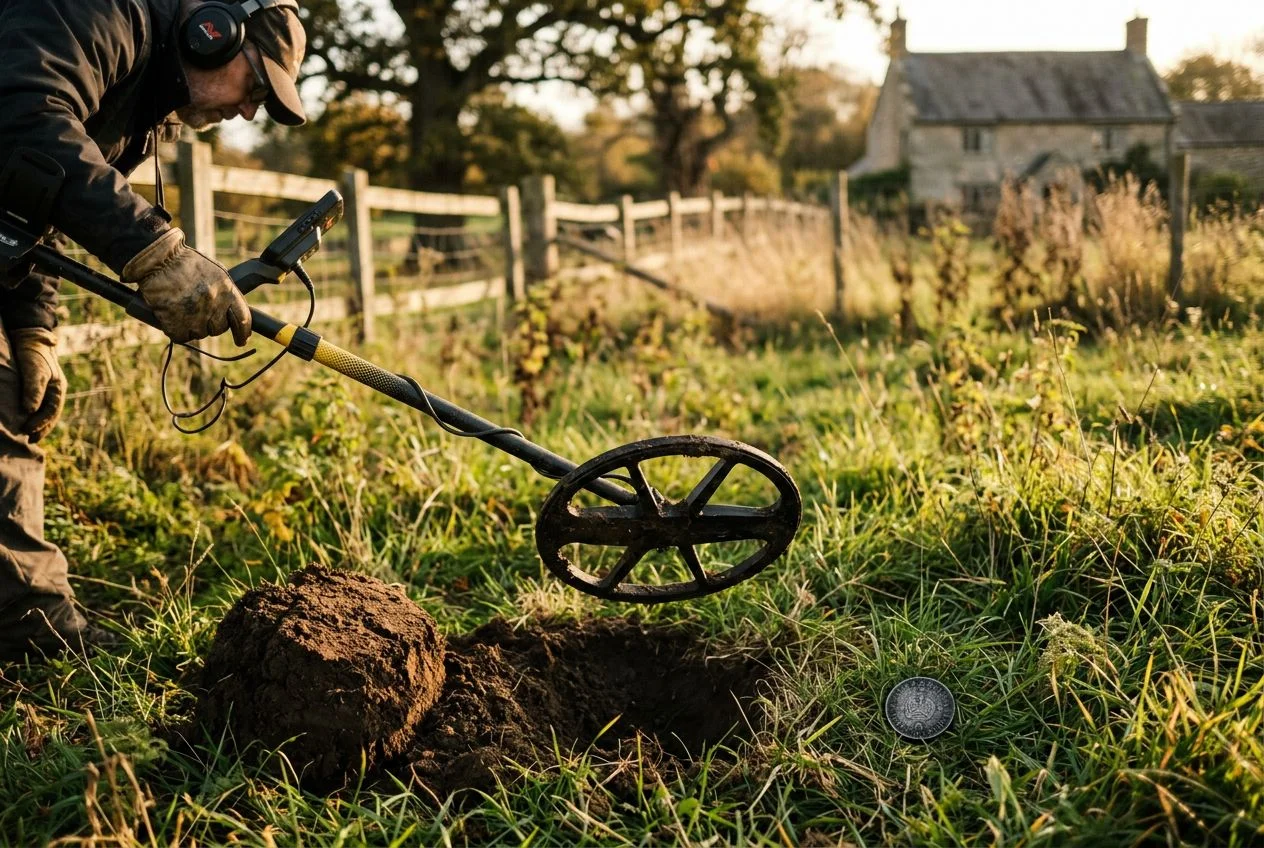
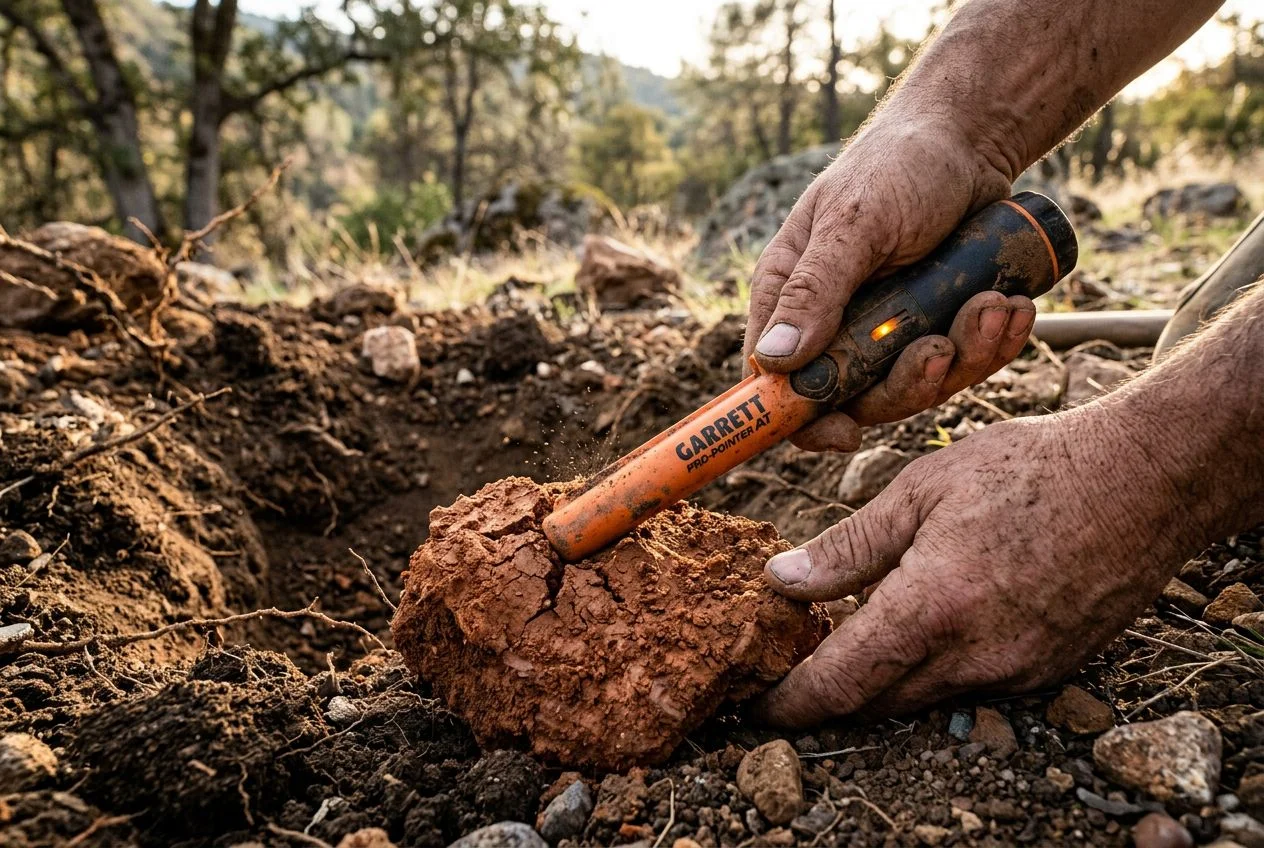
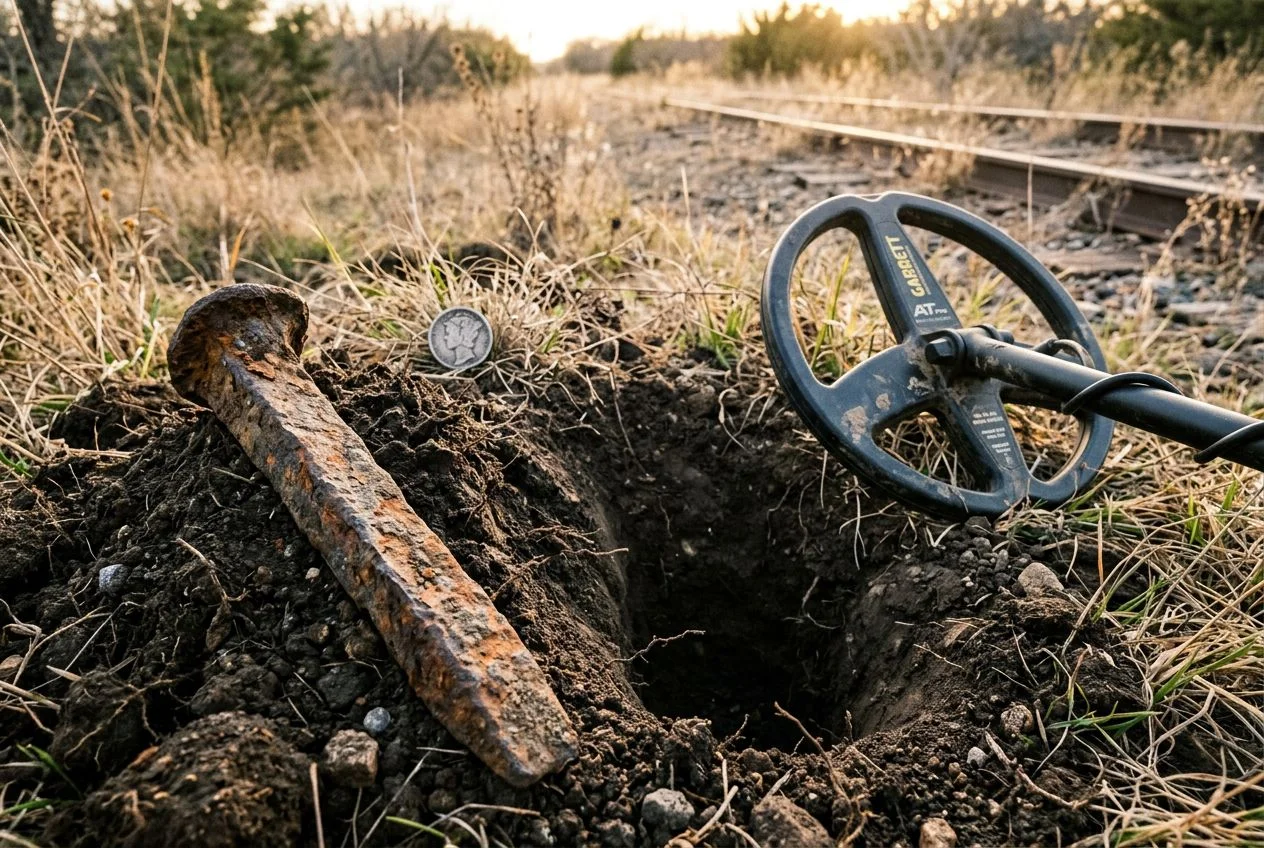
My buddy Tom calls it “The Claw.” We were at an old fairground site a few years back. I’d get a perfect, high-pitched 82 on my Garrett AT Pro. I’d dig, heart pounding, expecting a silver quarter. Instead, I’d pull out a massive, rusted piece of an antique farm implement. Again and again. Tom would just shake his head and laugh. “There goes The Claw,” he’d say. The problem wasn’t my gear; it was that I didn’t truly understand how does a metal detector work to unlock these signals. I was relying on the screen and ignoring what my ears were screaming.
I was relying on the screen and ignoring what my ears were screaming. The signal had a subtle, scratchy undertone—a faint “grunt” hiding behind that beautiful high pitch. That’s when I learned the single most important lesson in detecting. The number on the screen is a suggestion; the sound in your headphones is the truth.
Forget memorizing charts that promise a silver dime is always a “26.” Those charts are lies for anyone not using the exact same machine in the exact same dirt. Today, I want to give you the translator’s guide. I’ll help you understand the physics behind the beep so you can hear what your detector is really saying. This isn’t about cheating with a list of numbers. It’s about learning a new language.
What Do VDI Numbers Actually Measure?
First, let’s demystify the acronym. VDI stands for Visual Display Indicator. It’s a fancy term for a number. That number represents how a buried object reacts to your detector’s electromagnetic field. Crucially, it is not a direct metal identifier. Your detector doesn’t “see” silver. It measures how easily electricity moves through a target.
Here’s the simple physics. Your detector’s coil sends out a magnetic field. When that field hits a metal object, it creates tiny swirling electrical currents inside the metal. We call these eddy currents. These eddy currents create their own magnetic field, which your coil picks up. This is the fundamental principle of how a metal detector works.

The key is how long it takes for those eddy currents to form and collapse. Highly conductive metals like silver or copper are like Olympic sprinters. They create strong, fast eddy currents. Poor conductors, like iron, are sluggish. Your detector measures this time delay (the phase shift) and assigns it a number. High number = fast, strong response (good conductor). Low number = slow, weak response. To truly master this system, you need to understand VDI secrets. Every hunter must know these metal detector VDI secrets.
This is why scales aren’t universal. A Minelab Equinox uses a -9 to 40 scale. A Garrett AT Pro uses 0-99. That silver dime? It might be a solid 82 on the AT Pro, but a crisp 27 on the Equinox. They’re both measuring the same thing, just with different rulers. As the guide from Detector Power notes, these Target ID numbers represent conductivity. They are broken into rough ranges for different materials. This is how a metal detector works to give you that VDI number.
Mastering Metal Detector Audio: The Truth in Tones

To truly understand how a metal detector works, you must master the audio. If VDI is a snapshot, audio is a full movie with surround sound. Your brain is amazing at processing subtle sounds that a single-digit number can’t capture. If you want to get better, you must learn what metal detector tones mean. The audio is how a metal detector works to communicate the target’s properties. In fact, the key to finding more treasure is often hidden in these audio cues.
- Tone Pitch: This is the big one. High, clean tones = high conductors (coins, silver jewelry). Low, grunting tones = low conductors or ferrous metals (iron, foil). Mid-tones are your wild west—pull-tabs, aluminum, and crucially, gold.
- Tone Consistency: A good, solid target gives a “round,” repeatable tone from every direction. Junk or odd-shaped objects sound “spitty,” “scratchy,” or broken.
- Signal Strength & Clarity: A loud, sharp “zip” means shallow and sizable. A soft, whispery tone means deep or small. Depth indicators are guesses, but your ears give you the real-time volume knob.
This is why experienced hunters often run with the screen covered. They glance at it only after hearing a promising tone. A study of my own digging logs shows I’ve missed good targets because the VDI was jumpy. But I’ve never missed a good target because I listened to a great, clean tone and dug it anyway.
Decoding Common Signals: How Your Metal Detector Works in the Dirt
Now that you know how a metal detector works, let’s decode common signals. Let’s translate theory into the dirt. Here’s what you’re actually hearing and seeing.
Identifying Coin Signals: The Stable High-Tone Zip
What you hear: A high, musical “zip.” It’s crisp and repeats perfectly as you sweep front-to-back and side-to-side. It sounds like a tiny, perfect bell.
What you see: A stable, high VDI that doesn’t bounce. On my Equinox 900, a modern clad quarter is a rock-solid 30. On my old AT Pro, it was 85-87. The number is less important than its unwavering stability.
The Catch: Large, deep iron can “wrap around.” It masquerades with a high VDI and a decent high tone. But it almost always has a faint iron grunt on the edge of the signal—the ghost of “The Claw.” Listening for that texture is key. This is a classic example of false signals that can trick you.
Gold Detection Secrets: Unmasking Mid-Tone Targets
Gold is the ultimate trickster. Its conductivity varies wildly with its karat purity and shape. A large, 22k gold ring can read like a nickel. A small, 10k pendant can read like a foil gum wrapper. Gold is a great example of how a metal detector works because it challenges the norms.
What you hear: Almost always a mid-tone. Not as high and sweet as silver, not as low as iron. A “mellow blip.”
What you see: VDI numbers all over the damn place. I’ve dug 14k gold rings that read 12, 48, and 72 on the same machine in the same day. As detailed in the VDI secrets guide, gold jewelry can register anywhere from 8 to 72. It depends on size and purity. This is the strongest argument for digging iffy mid-tones. For more on this, see my guide on how to find gold with your machine.
The Takeaway: If you’re hunting for gold, you must dig the sketchy, non-repeatable mid-tones that most people skip. It’s a numbers game of patience.
How to Recognize and Ignore False Iron Signals
Iron is the noise you have to learn to ignore, but it’s cunning.
What you hear: A low, “grrrrunt” or a null (silence) if you have iron discrimination on. The real danger is “iron wrap.” A big, rusty object gives a high-tone “blip” in the very center of the target.
What you see: Low, negative, or jumping VDI. But that false high-tone blip might show a fleeting high number.
The Defense: Sweep from multiple angles. A true high-conductor will sound good from all sides. Iron will often “break up” or sound good only from one direction. The Metal Detector Forum’s practical tests emphasize that VDI is heavily influenced by a target’s orientation. A nail on end can fool you.
Why Does My Metal Detector Give False Signals?
Even when you know how a metal detector works, these factors can fool it. Your detector is doing complex math in real-time. These environmental variables throw wrenches into the equation.

- Depth: This is the big one. As a target gets deeper, the signal weakens. A silver dime at 8 inches might give a soft, broken tone. Its VDI might bounce between 20-28, looking for all the world like trash. This is where mastering deep metal detecting becomes critical. Research confirms that deeper targets produce weaker, less stable signals.
- Target Orientation: A coin lying flat presents its full face to the coil. A coin on edge presents a thin sliver. That sideways coin will read with a lower, less stable VDI and a fainter tone. It’s the same metal, but a harder signal for the detector to process.
- Soil Mineralization: Hot, mineralized ground creates constant background noise. Your detector spends most of its brainpower canceling this out. This can mask or distort faint target signals, making VDI jumpy and unreliable. To hunt successfully in these areas, you need mineralized soil secrets.
- Trash & “Masking”: This is the silent killer. A nail sitting on top of a nickel creates a combined signal. Your detector might average the numbers. It gives you a weird mid-tone with a nonsensical VDI. Or it might only “see” the dominant iron. You walk away, and the nickel stays lost. These are the realities of how a metal detector works in the field.
Field-Tested Tips for Accurate Target ID
So how do you use this? Stop looking for a cheat sheet. Start building a mental library. These tips will help you master how your metal detector works.
- Build a Test Garden: This is non-negotiable. Bury a penny, dime, quarter, nail, pull-tab, and a piece of aluminum foil in your yard. Bury them at 4-6 inches. Learn their sounds and their VDI ranges on your specific machine in your local soil. This is your only true reference chart. This is the best way to learn how your metal detector works in your soil. Check out my step-by-step guide for building the perfect test garden.
- Slow Your Roll: Speed kills information. A slow, controlled sweep gives your detector’s processor more time to analyze the target. You get a more accurate tone and stable VDI.
- Sweep the “Halo”: Don’t just sweep over the center of the signal. Sweep so the target is at the very edge of your coil’s detection field. Iron targets tend to “collapse” or sound drastically different off-center. Good targets remain more consistent.
- When in Doubt, Dig it Out: This is the oldest advice because it’s the best. That iffy, shallow mid-tone? Dig it. It’s a pull-tab 90% of the time. But that other 10% is why we do this. My first gold ring came from a signal so jumpy I almost walked away. Thank god I didn’t.

Back at that fairground with Tom, I finally stopped digging “The Claw.” I started listening for that pure, clean high tone behind the number. An hour later, I got a soft, whispery 26 on the Equinox. It wasn’t loud, but the tone was as clean as a piano key. Four inches down was a 1901 Barber dime. It was worn smooth but singing its century-old song perfectly. Tom stopped laughing. He just nodded and went back to sweeping, a little slower, a little more deliberately. He was listening instead of just looking. By understanding how a metal detector works—the physics of eddy currents, the language of tones, and the tricks of the soil—you can move beyond the numbers and listen to the truth in the soil.

My name is Paul and I am the founder of Detector For Metal, a dedicated resource for metal detecting enthusiasts seeking to uncover historical treasures and connect with the past using the latest technology. As a stay-at-home dad and family man, I’ve found metal detecting to be the perfect hobby that combines family adventure with historical learnings for the whole family.
As a father, I’m deeply committed to passing on this hobby to the next generation of detectorists, starting with my own children. I share advice on everything from metal detecting with kids to exploring the top 10 metal detecting sites you never thought about. My methodical approach to the hobby goes beyond the thrill of discovery—it’s about creating family traditions while preserving history and sharing the stories of those who came before us.