Table of Contents

The Gold Monster 1000 is a legend for finding gold. But for coin shooting, it’s a frustrating mismatch. Its extreme sensitivity becomes a real liability. It misses coins while screaming at trash. Here’s how I learned this the hard way.
I bought my Gold Monster 1000 during a serious bout of gold fever. The hype was everywhere—forums, YouTube, my buddy Tom just back from the Mother Lode. Everyone praised its 45 kHz frequency and “turn-on-and-go” simplicity for finding tiny nuggets. That raw sensitivity hooked me. I pictured myself pulling deep, old silver from the mild parks around Sacramento.
What a mistake.
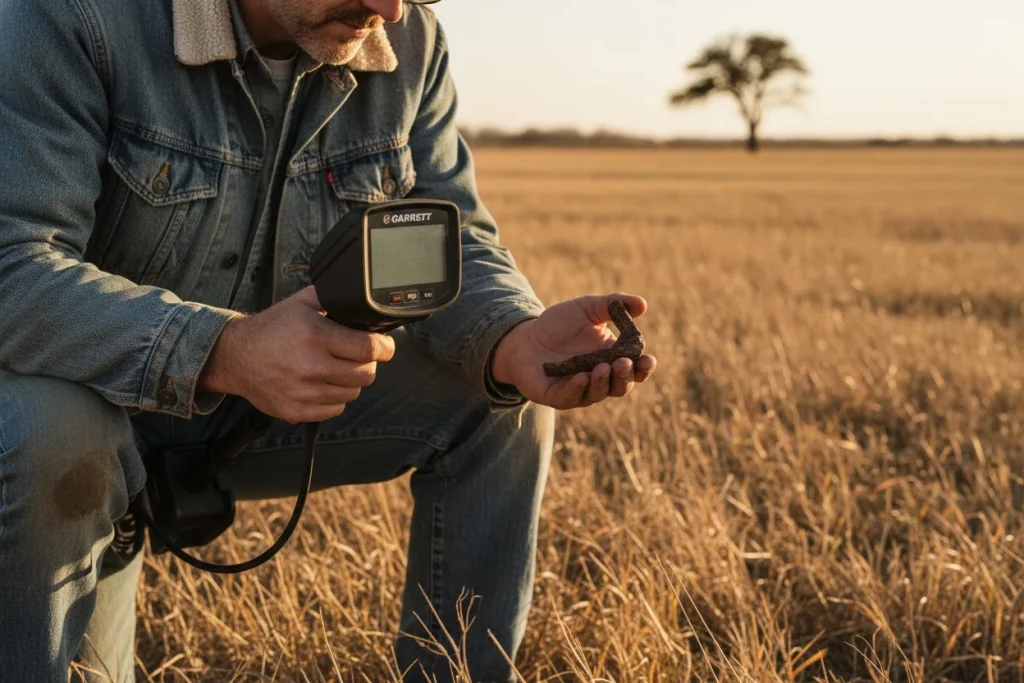
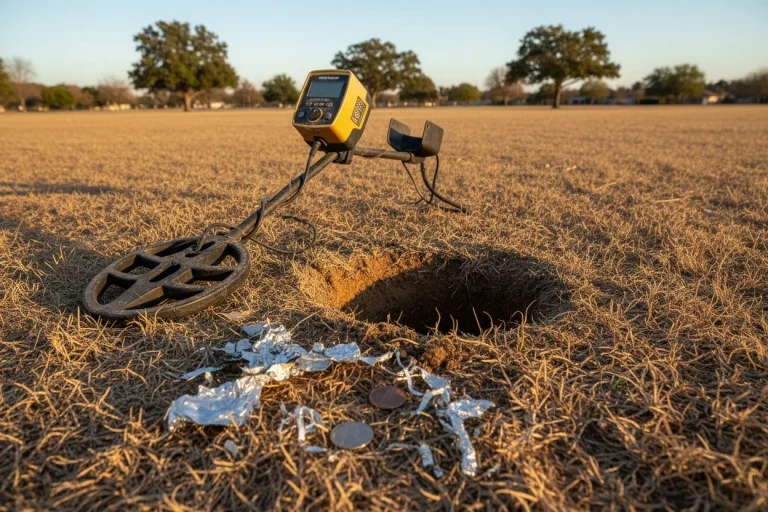
My first trip to a known 1920s park was a wake-up call. I thought I’d unlocked a new level. The threshold was quiet… until it absolutely wasn’t. Beep. Beep-beep. BEEEEP. I was digging a signal on every swing. My excitement soured after the tenth piece of foil and fifth bit of can slaw. I found just two modern pennies in an hour. No VDI numbers to guide me, just the shrieking audio of a machine obsessed with surface trash. It was exhausting.
Let me be clear: for finding tiny gold in mineralized soil, the Gold Monster 1000 is fantastic. But for hunting coins in mild dirt, it’s a miserable choice. It lacks the target ID, stable discrimination, and frequency profile that make coin shooting productive and fun.
Before you make my expensive error, let’s break down what this tool is really built for. You’ll see why it leaves you digging trash while buddies with the right machines fill their pouches with silver.
Unpacking the Gold Monster 1000’s True Purpose
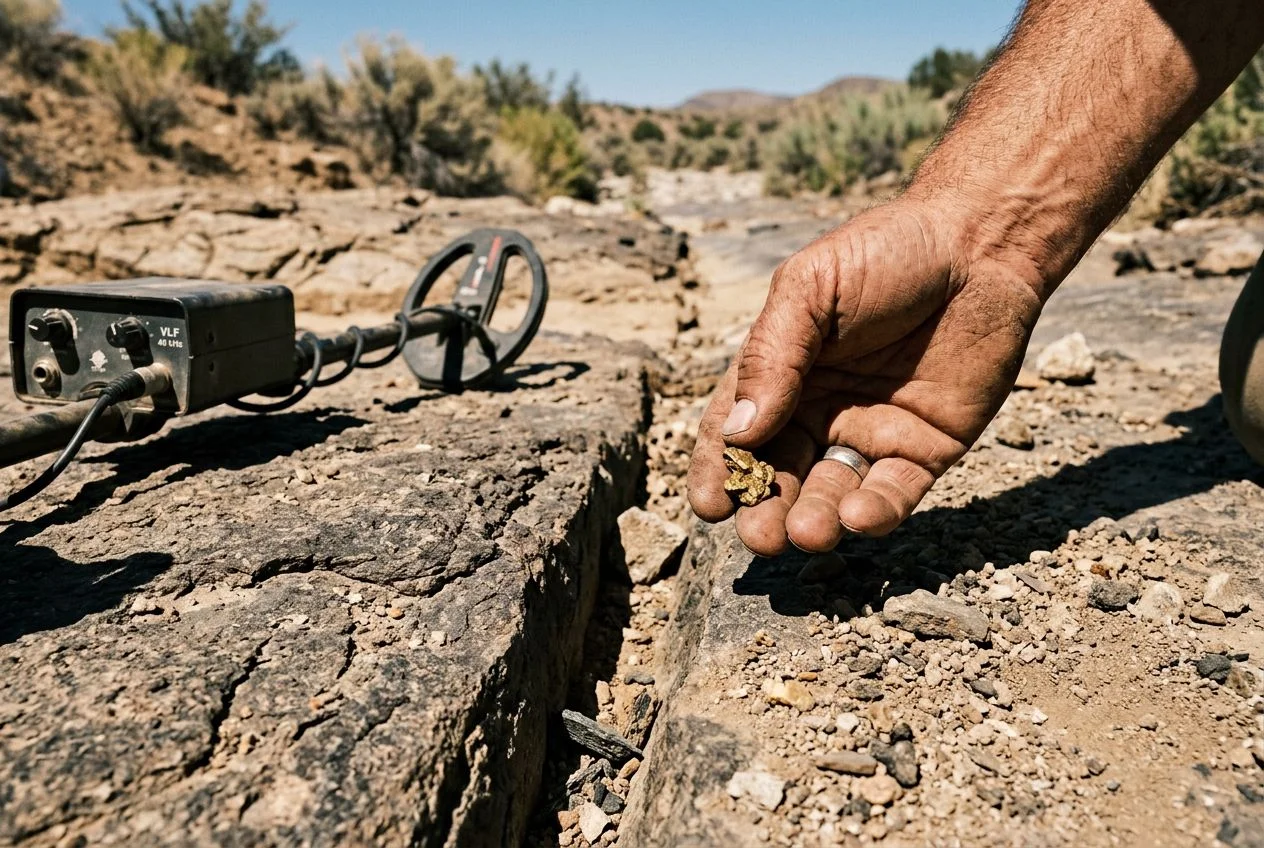
In a nutshell: The Gold Monster 1000 is a specialist. Its mission is finding incredibly small, shallow gold nuggets in mineralized soils. It excels at that one task. For general coin and relic hunting, it’s not just overkill—it’s the wrong tool.
You have to look at its DNA. Its heart is a powerful 45 kHz Very Low Frequency (VLF) signal. That high frequency is the key. As the Gold Prospectors Association of America details, this high kHz range, plus a 24-bit processor, creates amazing sensitivity to tiny, low-conductivity targets. That’s the exact profile of small, natural gold. It’s tuned to find pieces most other detectors would miss.
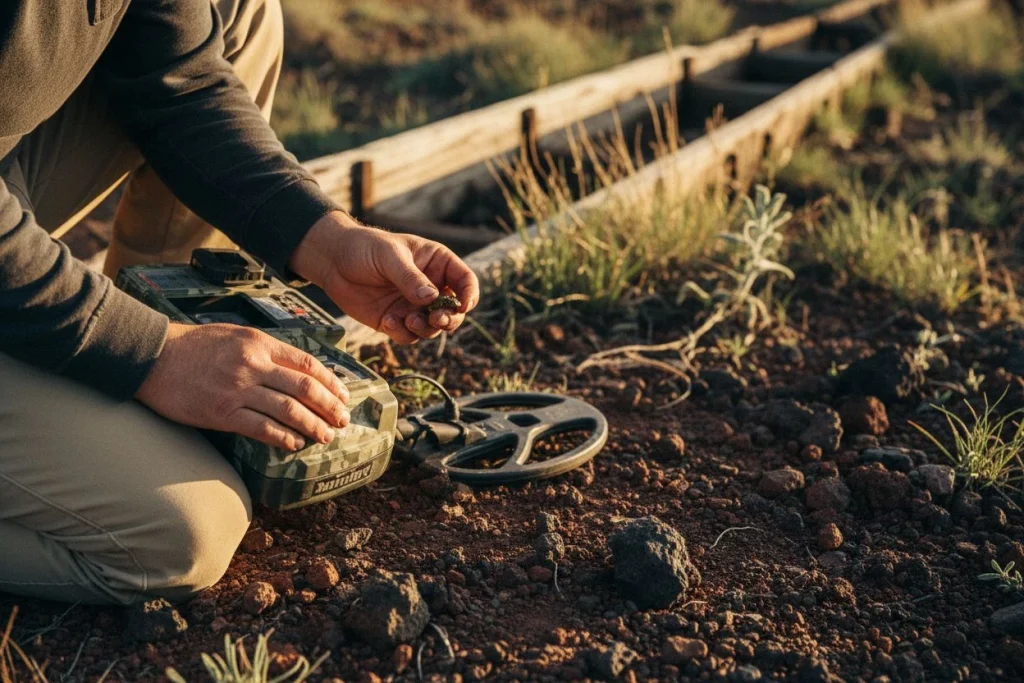
Every feature supports this niche. The “Easy-Trak” automatic ground balance handles chattery, mineralized ground. It locks onto a threshold so you hear the faintest whisper of a target. It even has a “Gold Chance Indicator.” In my field time, that simple light system guessed if a target was non-ferrous about 80% of the time. It’s a surprisingly handy tool when you’re digging every possible gold signal.
This brings us to “low-mineralization.” These are mild soils—typical parks and farm fields without high levels of disruptive minerals. The Gold Monster is built for the opposite: “hot,” mineralized ground where gold lives. In mild dirt, its extreme sensitivity has nothing to fight except every piece of tiny, modern trash. Its design brilliance for gold becomes its greatest flaw for coins.
Must-Have Gear for Modern Coin Shooting
For coin shooting, you need a digital translator (Visual Target ID), a reliable trash filter, and a stable, deep-seeking signal. The Gold Monster 1000 provides none of these. It’s a brilliant gold sniffer, but for coins, it leaves you deaf and digging blind.
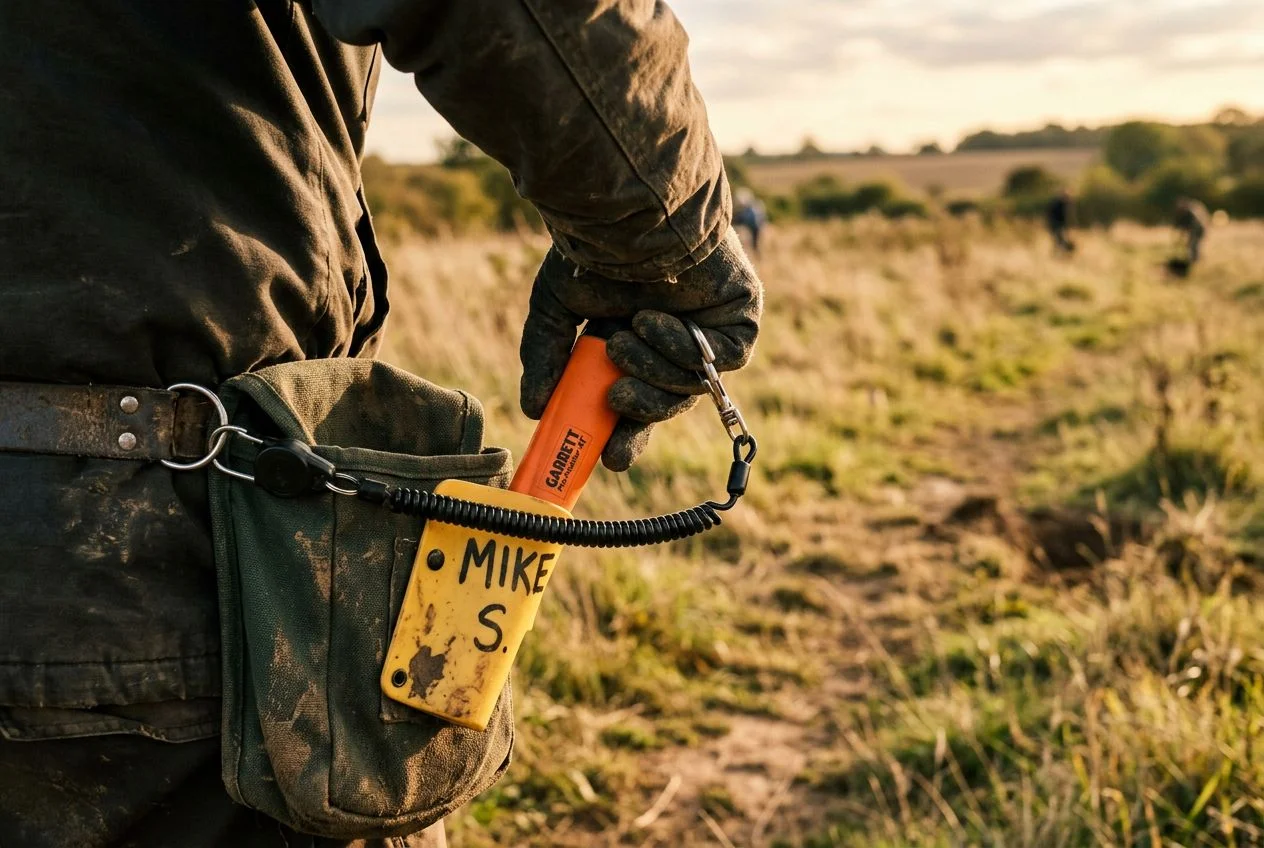
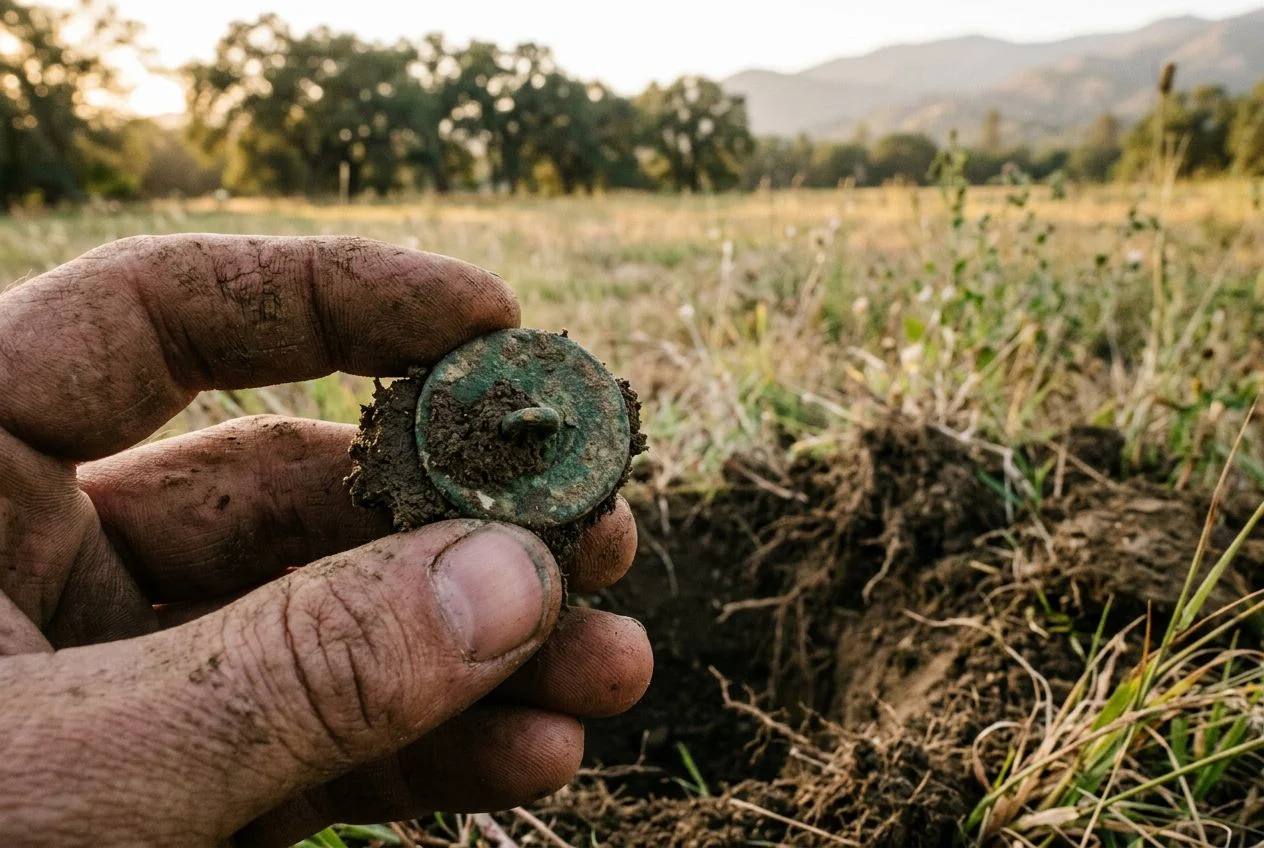
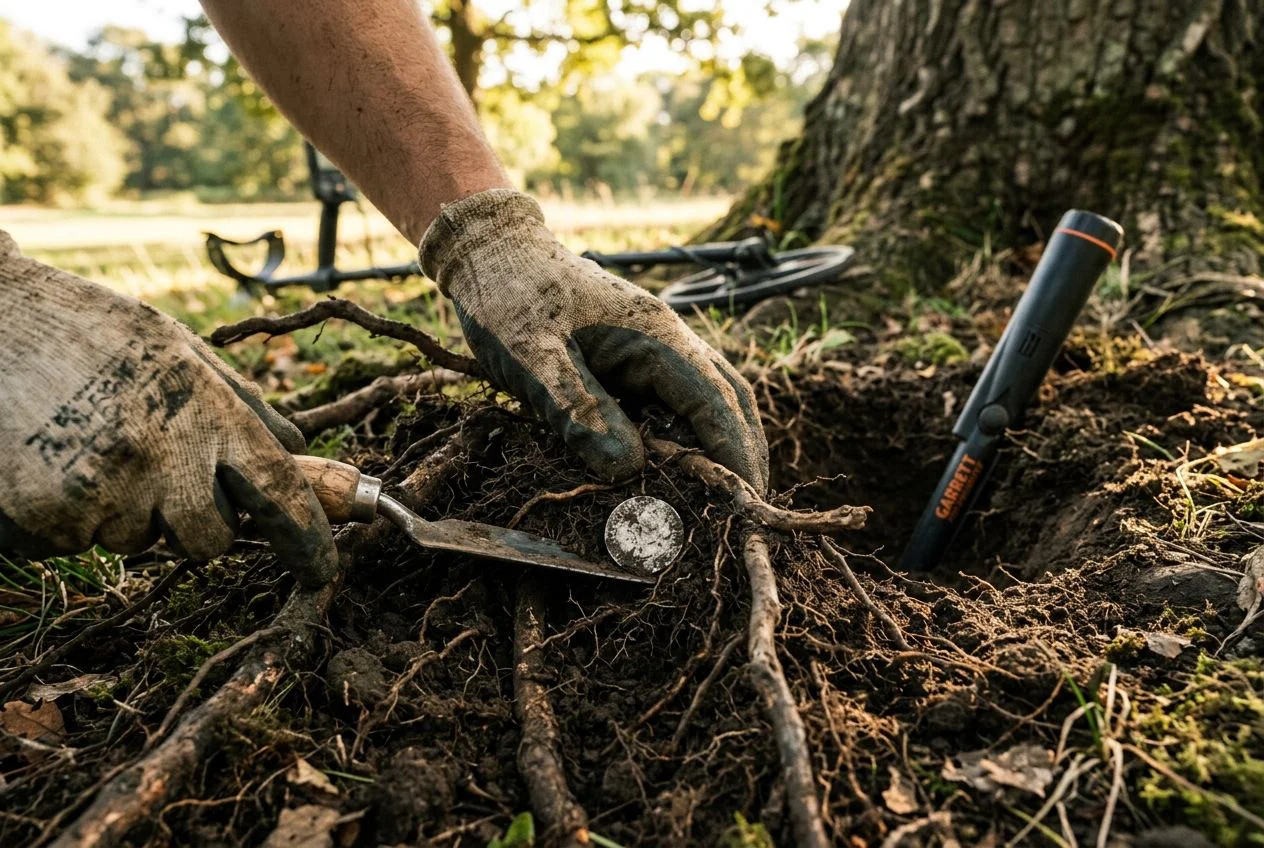
My buddy Mike showed me the gap. While I wrestled with the Gold Monster’s screaming fits at a 1950s park, he scanned with his Minelab Equinox 900. I heard his detector chirp a few times—he ignored it—then give a solid, high tone. One dig later, he pulled a crisp 1954 silver Roosevelt dime from seven inches down. He’d been silently rejecting pull-tabs and foil. That’s the coin shooter’s toolkit in action.
How Visual Target ID Translates Your Finds
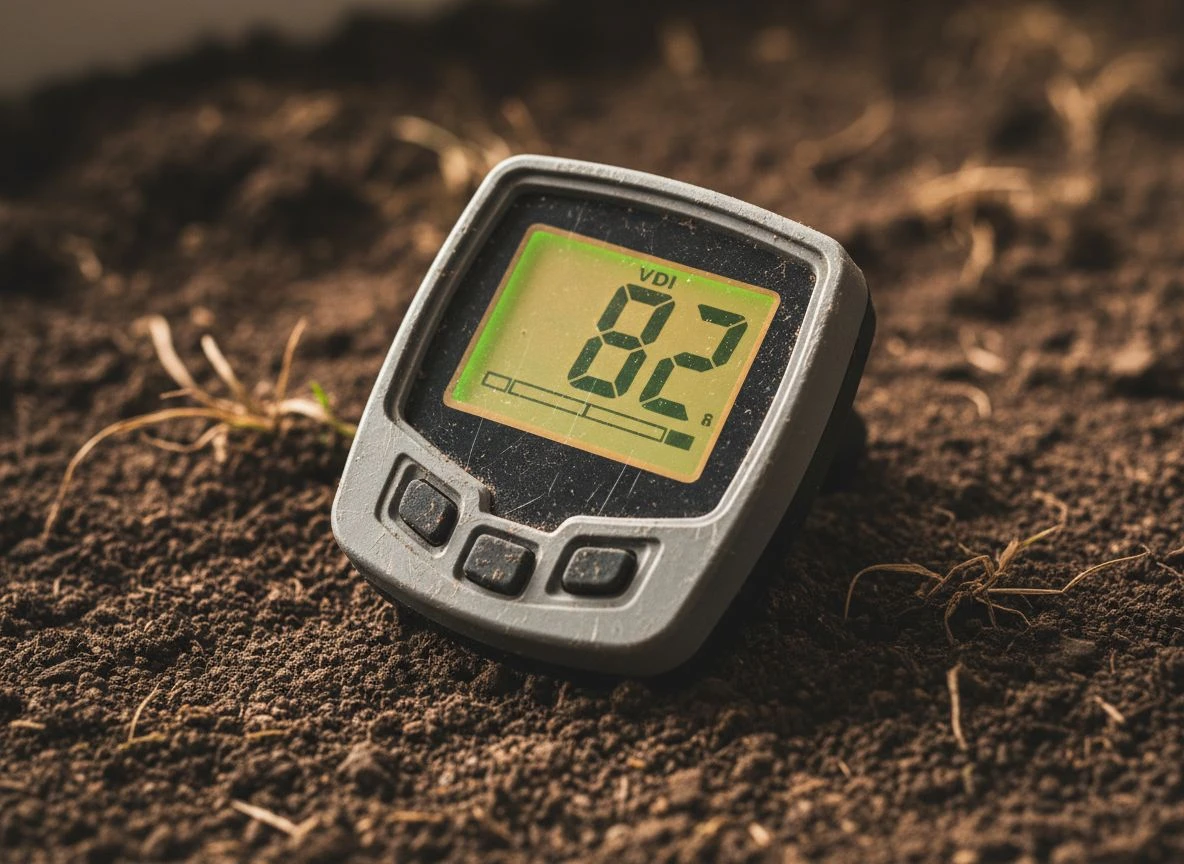
This is the biggest thing you give up with the Gold Monster. A numeric VDI on a screen is your first clue. On most machines, a modern penny might be 78-82, a nickel 12-14, and a silver dime in the 80s. It’s not perfect, but it narrows the guesswork massively. As I’ve learned decoding signals in the field, this translation lets you decide before you dig. The Gold Monster’s “Gold Chance” light is a neat trick for prospecting, but it tells you almost nothing about a coin’s identity or depth.
Master Discrimination to Skip Common Trash
This is about not hearing certain signals. In a trashy park, you want to block out iron and maybe notch out common pull-tabs. Mike’s Equinox 900 lets him do that precisely. The Gold Monster has basic two-tone discrimination, but it’s crude. In my experience, it still wails on small aluminum. Its iron rejection is less refined. You end up hearing—and digging—everything. That’s exhausting and inefficient for coin hunting.
Depth Showdown: Multi vs. Single Frequency Tech
Here’s the technical heart of the mismatch. The Gold Monster runs on a single, high 45 kHz frequency, optimized for tiny gold. As the Detector Warehouse comparison notes, a machine like the Equinox 900 uses multi-frequency technology. It transmits multiple frequencies at once. Why does this matter for coins? Multi-frequency gives better depth on coin-sized targets, more stable IDs in different soils, and superior rejection of ground noise and tiny trash. The Gold Monster’s single high frequency gets easily agitated by shallow junk. It often misses deeper, conductive coins that a multi-frequency machine would hit solidly.
The right tools let you work smarter, not harder. For coin shooting, that means a detector that speaks your language, helps you avoid trash, and reaches the good stuff. The Gold Monster, for all its power, simply doesn’t speak coin.
Is the Gold Monster 1000 Overkill for Coin Hunting?
“Overkill” suggests too much power. With the Gold Monster 1000, the problem isn’t excessive power—it’s precision tuned for the wrong target. Its legendary 45 kHz sensitivity, perfect for a half-gram gold flake, becomes a relentless liability in a trashy park. It will deafen you with chatter from foil and shallow junk. Meanwhile, its single-frequency signal often lacks the stability to punch through and ID a deeper coin cleanly.
That’s the paradox. The extreme sensitivity is the machine’s reason for being. Yet, in the mild soil of a typical coin-shooting site, there’s no challenging ground to “absorb” that sensitivity. Instead, it reacts to every micron of modern trash. As noted in a forum discussion highlighted by Serious Detecting, the GM1000 is “notoriously noisy” because of this. In goldfields, that noise is the cost of finding tiny gold. In a city park, that noise is just… noise.
The machine isn’t finding deeper coins because it’s busy announcing a gum wrapper at two inches. Lower frequency or multi-frequency machines send signals that penetrate better for coins and tend to be quieter on surface trash. The Gold Monster’s 45 kHz signal is brilliant at exciting small, near-surface targets and poor at ignoring them. For coin shooting, it’s not too powerful; it’s perfectly calibrated for a job you’re not doing.
A Real-World Coin Hunt with a Gold Detector

Here’s what a coin shoot with a Gold Monster 1000 actually looks like. You’ll dig incessantly, have zero clue what’s below, and end your day with a pouch full of trash and one disappointing wheat penny. It’s a masterclass in frustration.
I learned this at a 1920s picnic grove I’d researched. The spot had perfect low-mineralization soil. I thought, “Perfect for the Monster.” A GPAA field test said it was “dead quiet until it encounters a target.” That sounds great, but on this site, it meant I had zero information until I was committed to digging.
My process was brutally simple. Swing. Hear a sharp zip. Look at the control pod. The “Gold Chance” LED might be lit. Might not. That was it. My entire data packet. No tone hint, no depth gauge, certainly no VDI number suggesting “dime.”
So, I dug. Every. Single. Signal.
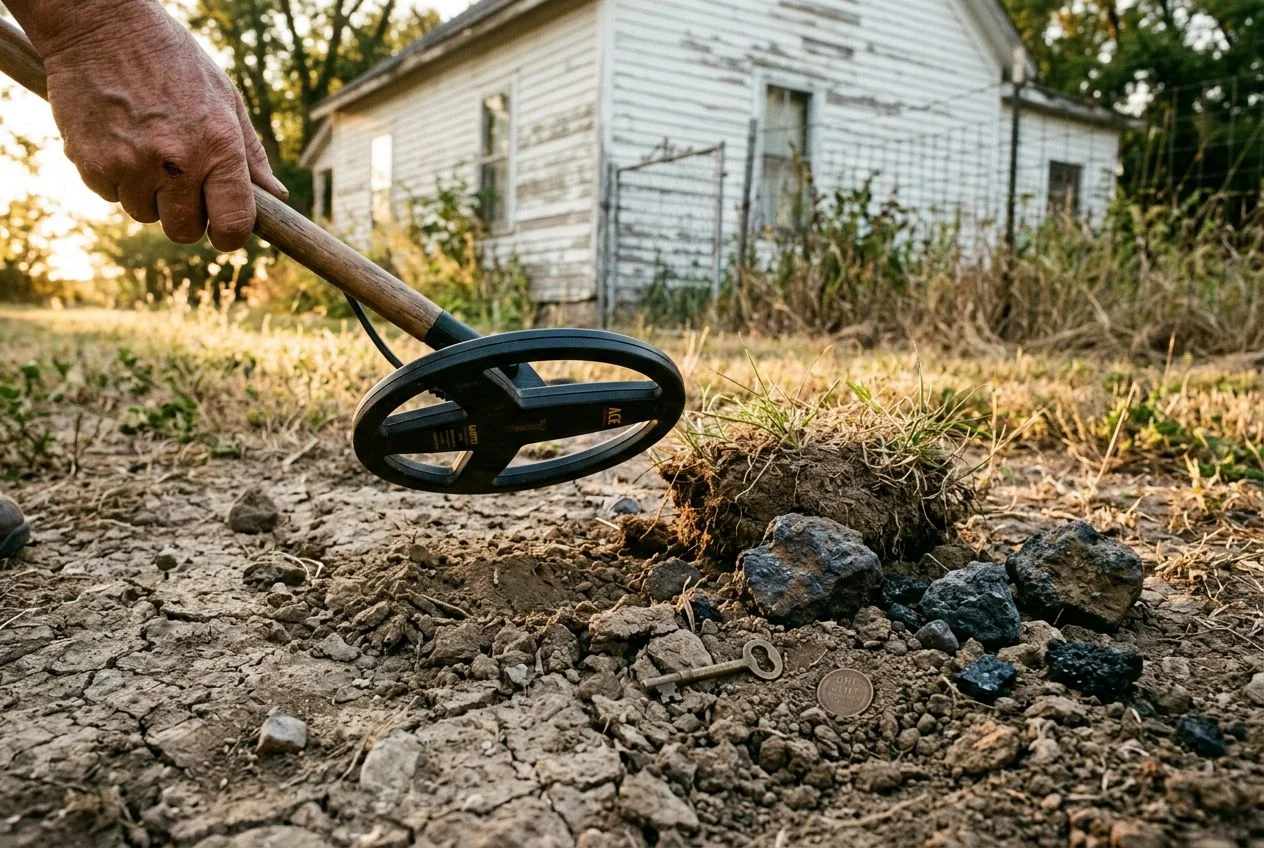
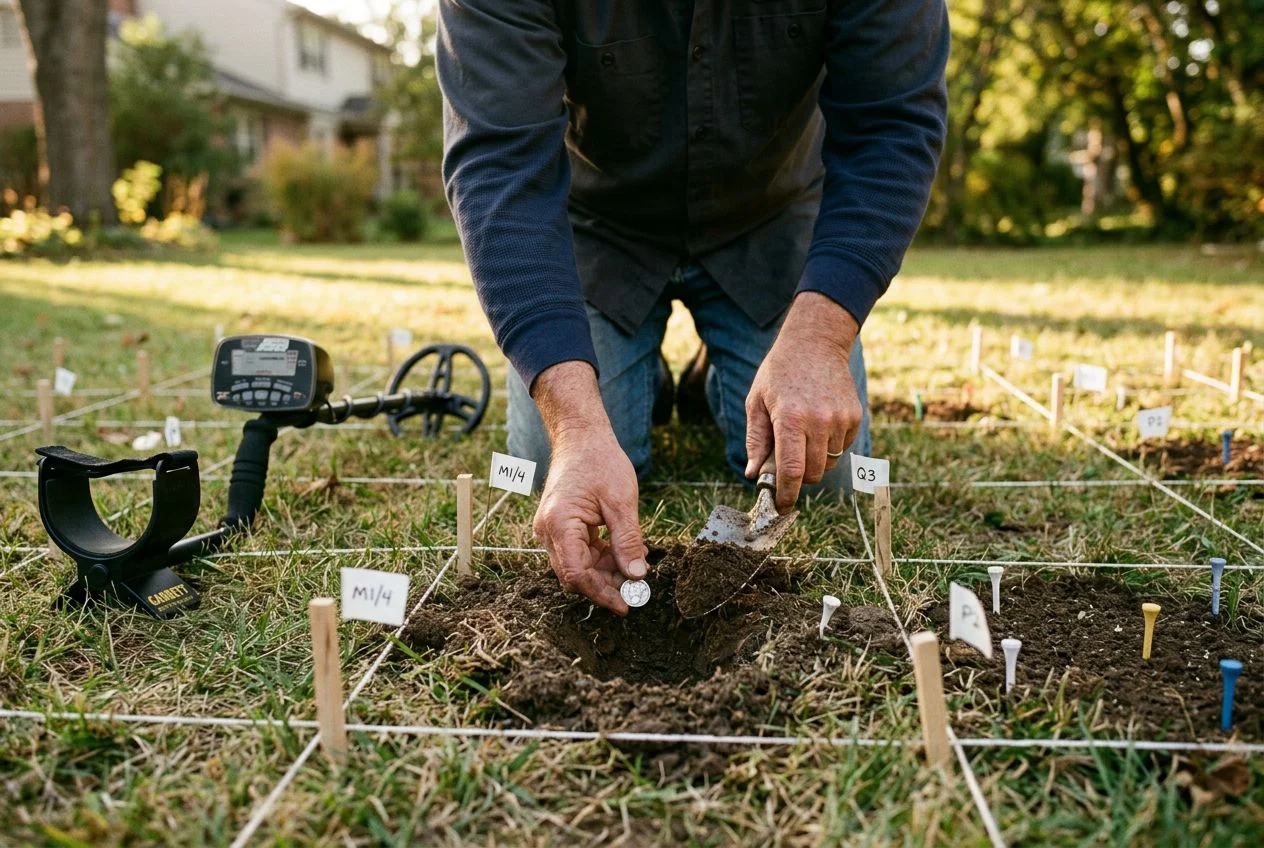
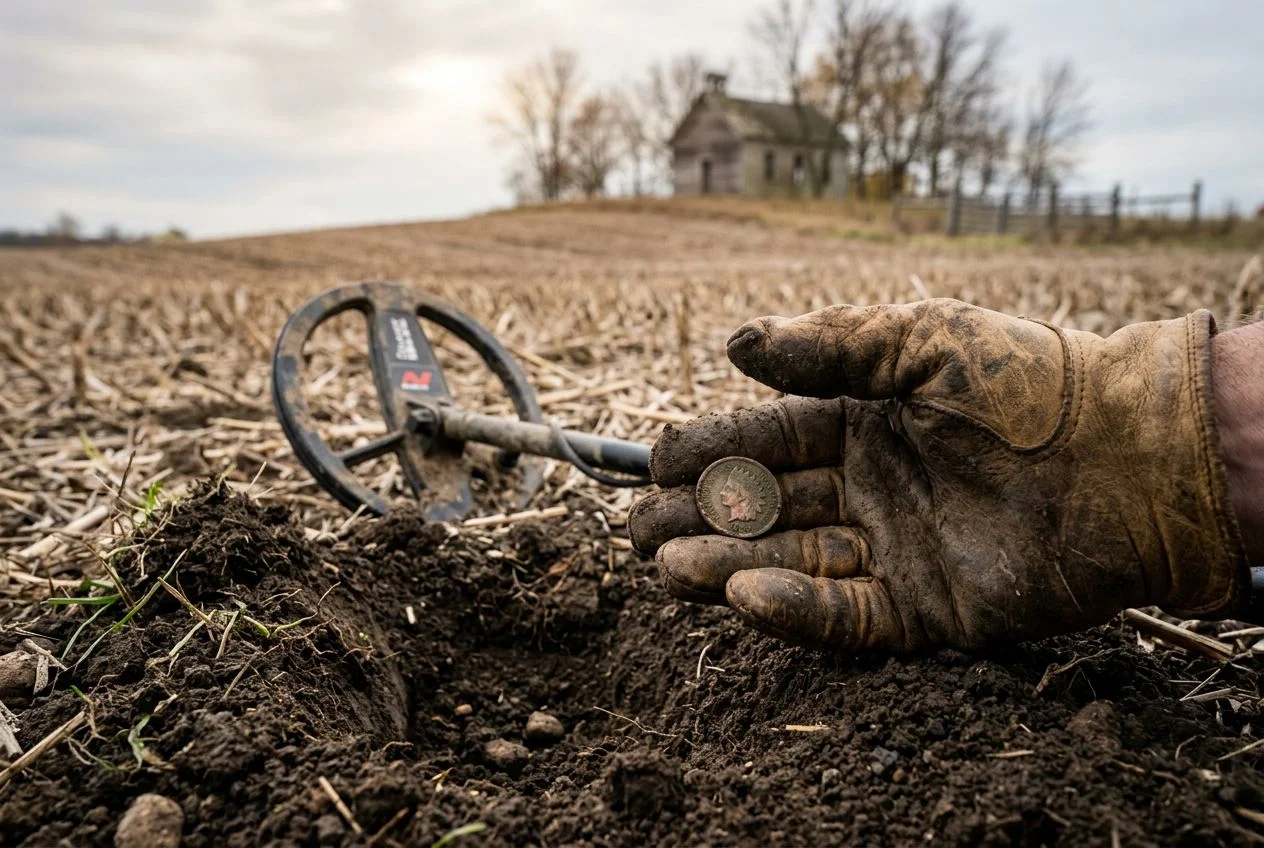
Three hours later, my finds pouch held: 27 pull-tabs, 14 foil pieces, 5 modern bottle caps, 3 clad dimes, 2 zinc pennies, and one badly corroded 1946 Wheat cent. My buddy Tom, hunting the same field with his Nokta Legend, had two Mercury dimes and a silver Washington quarter by lunch. He’d heard a dozen low tones and grunts he simply ignored.
That’s the brutal workflow. The Gold Monster turns every hunt into an excavation of modern litter. You become a trash removal service, not a coin shooter. If you’re tired of digging blind, our guide to understanding VDI explains exactly what you’re missing.
Does Low-Mineral Soil Fix the Problem?
Short answer: yes, it changes the operation, but no, it doesn’t change the fundamental mismatch for coin shooting. In mild soil, the Gold Monster’s automatic ground balance works perfectly, as the Serious Detecting analysis confirms. The machine runs smoothly, with less chatter. But that just removes one layer of frustration to reveal the core problem more clearly.
Think of it this way: you’ve taken a race car off a bumpy road and put it on a smooth highway. It’s a nicer ride. But you’re still trying to deliver furniture with a Formula 1 car—the wrong tool. The smooth operation eliminates ground noise. So you’re left with the pure signal of every piece of metal in the top 6 inches of earth. Without Target ID or meaningful tone differences, you have no way to filter any of it out.
In mineralized ground, the machine’s sensitivity is partially absorbed, muting its reaction to tiny trash. In your quiet city park soil, there’s nothing to absorb it. That legendary 45 kHz sensitivity is now free to scream at every sliver of foil and torn pull-tab. You will hear them all, and you will dig them all, because the “Gold Chance” light gives no actionable data. You’re just digging blind, very efficiently.
So, mild soil makes the Gold Monster operationally better, but it makes your experience worse for coin shooting. You’re no longer fighting the machine. You’re perfectly synchronized with it as it guides you to one piece of trash after another. The equation hasn’t changed. You’ve just removed the static to hear the bad news more clearly.
Final Verdict on the Gold Monster 1000 for Coins
Here’s the bottom line from someone who’s made the mistake: the Gold Monster 1000 is a specialized gold prospecting tool, full stop. Buy one only if: 1) Your main goal is hunting small, shallow gold nuggets. 2) You’re a beginner prospector who values simplicity over information. For every other goal—coins, relics, jewelry, beaches—it’s not just overkill; it’s the wrong tool.
As our review and Detector Warehouse’s comparison state, this machine is “optimized for gold only.” Its brilliant sensitivity is a superpower for sub-gram flakes but a curse in a trashy park. You’re paying for extreme performance in a very narrow lane.
So, should you buy it? If you’re saving for a trip to known goldfields and dream of nuggets, then yes—it’s a fantastic, purpose-built machine. If you’re a beginner looking for your first coin shooter for local parks, save yourself the headache. Check out our guide to the best detectors for any budget. Your finds pouch and sanity will thank you.
Finding Your Perfect Metal Detector Model
What’s the final takeaway? The Gold Monster 1000 isn’t overkill for coin shooting; it’s misapplied. It’s a brilliant specialist forced into a generalist’s role. Your job isn’t to force a tool to fit a job it wasn’t built for.
Your first step is brutally honest: define your primary target. If your weekends are in city parks and old homesteads, you need a translator—a machine with a Target ID screen and discrimination. A used Minelab Equinox 600 or a new Nokta Simplex Ultra will serve you infinitely better than a gold specialist ever could. Your success is built on skipping trash to find history, not on digging every piece of it.
This is our core philosophy here: the best detector helps you connect with the history you’re after. Research your sites first, and let that guide your gear. My buddy Mike didn’t find that seated dime because he had a fancier machine. He found it because he knew where to look and had a tool that helped him listen for the right signals. That’s the real treasure.

My name is Paul and I am the founder of Detector For Metal, a dedicated resource for metal detecting enthusiasts seeking to uncover historical treasures and connect with the past using the latest technology. As a stay-at-home dad and family man, I’ve found metal detecting to be the perfect hobby that combines family adventure with historical learnings for the whole family.
As a father, I’m deeply committed to passing on this hobby to the next generation of detectorists, starting with my own children. I share advice on everything from metal detecting with kids to exploring the top 10 metal detecting sites you never thought about. My methodical approach to the hobby goes beyond the thrill of discovery—it’s about creating family traditions while preserving history and sharing the stories of those who came before us.