Table of Contents
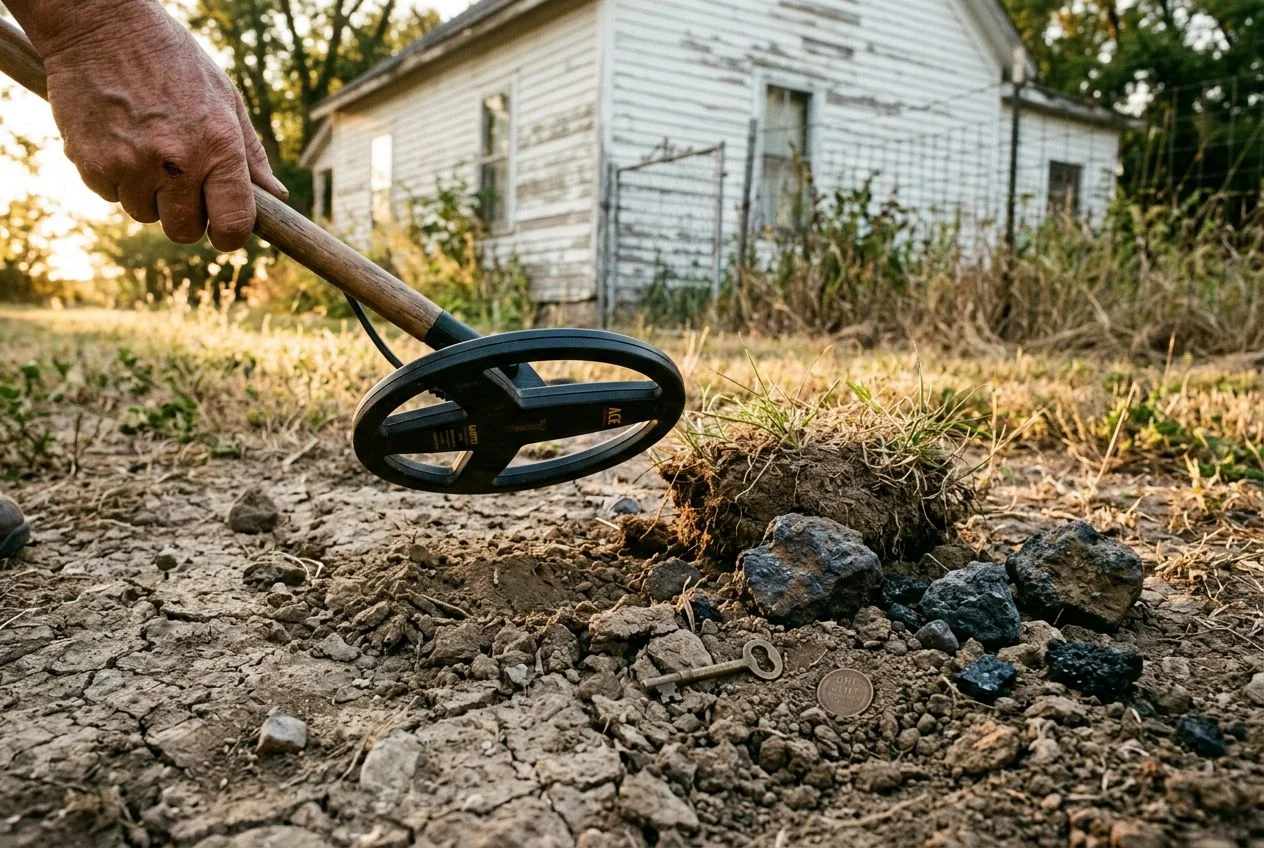
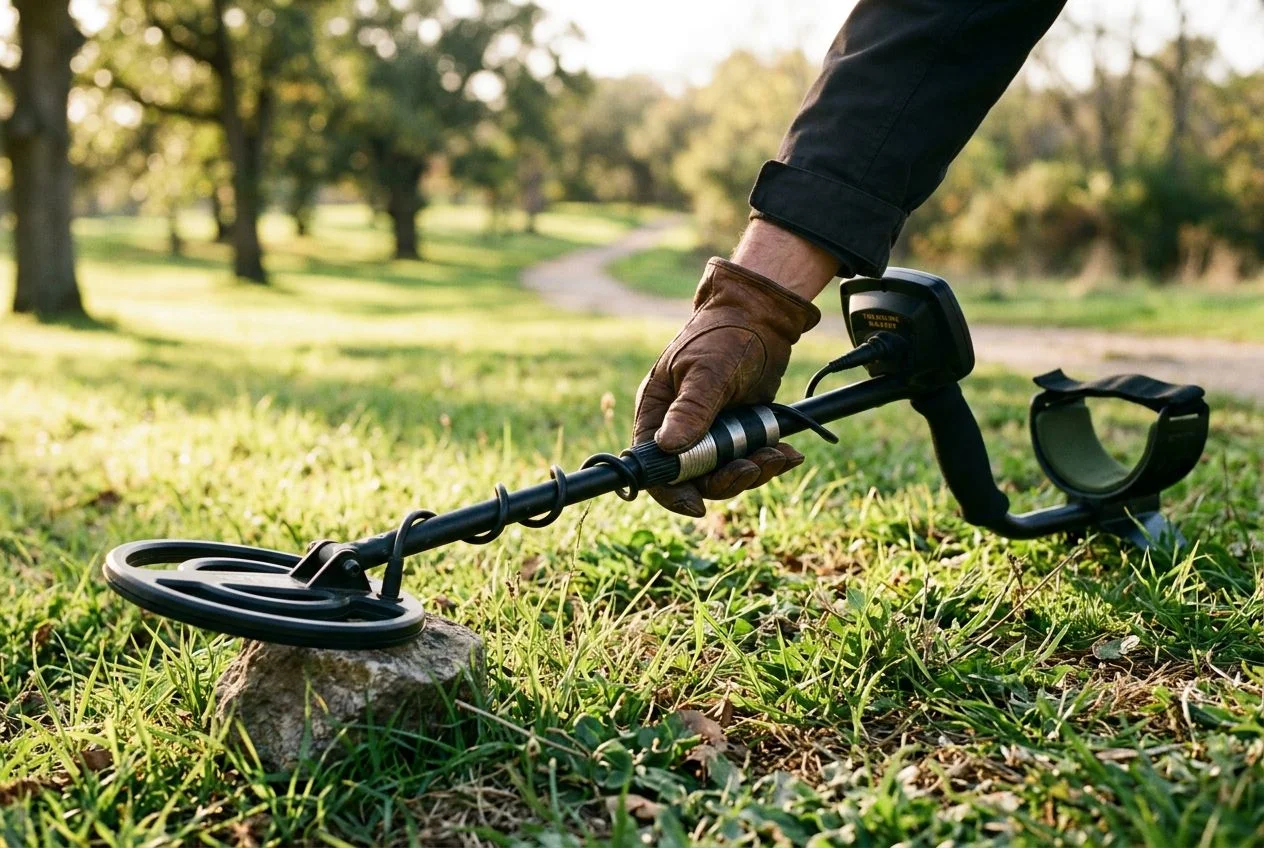
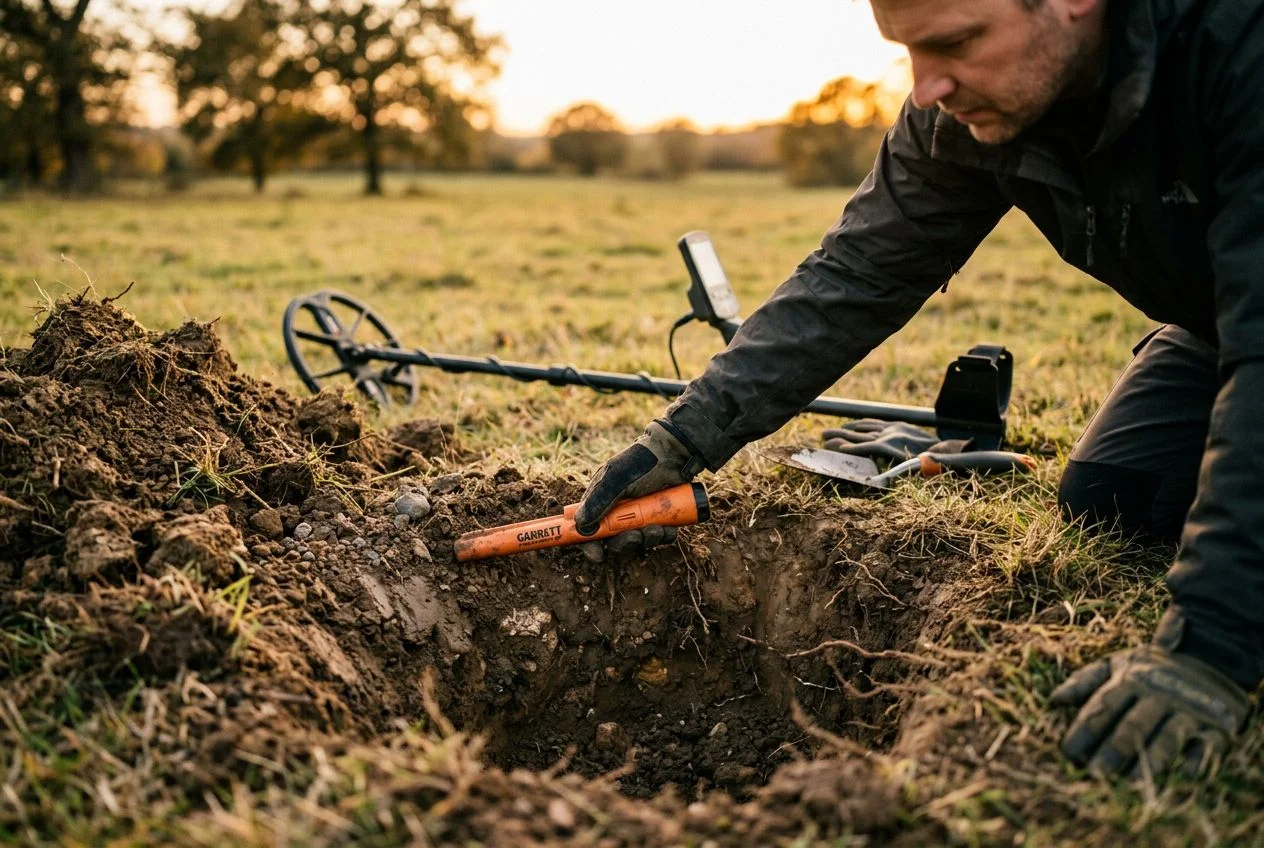
I’ve been metal detecting for over 15 years. And if one thing still drives me crazy, it’s the guessing game. You get a solid signal — numbers lock in, tone sounds promising — and you dig. Could be a seated Liberty dime. Could be a rusty washer. Could be a pull-tab that’s been underground so long it reads like silver on your display (don’t get me started on those).
My buddy Tom calls it the “black box problem.” We swing a coil over the ground, hear a beep, and have to guess everything about what’s down there based on a number and a pitch. We’ve gotten good at reading those signals over the years. But let’s be honest — we’re still guessing.
Augmented reality is here to change that. And I don’t mean some far-off future tech. I mean systems you can buy right now that let you see buried objects on your smartphone screen before you break ground.
What Augmented Reality Adds to Metal Detecting
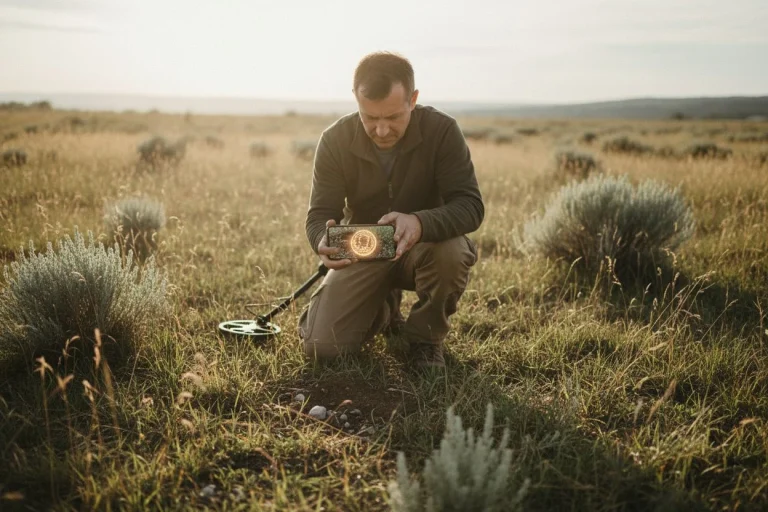
Here’s the thing about AR that most people don’t realize right away. It’s not just a fancy display. Modern AR detecting systems pull together multiple data streams at once. Electromagnetic signals, depth calculations, conductivity readings, and GPS positioning. All that info gets combined into a visual overlay that shows you what’s underground in real time.
Instead of staring at a two-digit VDI number and trying to imagine what’s 8 inches down, you look at your phone or tablet and see a 3D representation of the target. Its approximate size. Its depth. Its shape. Its position relative to other objects around it.
When I first tested a system like the GoldenEye+, I spent the first twenty minutes just sweeping it over things I knew were buried. A pipe in my yard. An old iron gate I’d hit a hundred times with my Equinox 900. Seeing that pipe appear on my screen as a 3D shape, right where it sat underground, felt like cheating. I know I’m probably way more excited about that than any normal person should be. But honestly, it changes the whole workflow.
How AR Technology Works for Detectorists
The technology is more straightforward than you’d think. A modern AR-ready detector like the GoldHunter uses VLF (very low frequency) detection as its core sensing mechanism, same as most hobbyist detectors. The difference is what happens to that data after it’s collected.
The detector measures the target’s conductivity. It estimates depth based on signal strength and phase shift. Then it logs that info along with GPS coordinates. That data gets sent over Bluetooth 4.0 to your smartphone, where an app turns it into a visual. The AR part starts when your phone’s camera sees the real world. The app overlays the target’s position and shape right onto the camera feed.
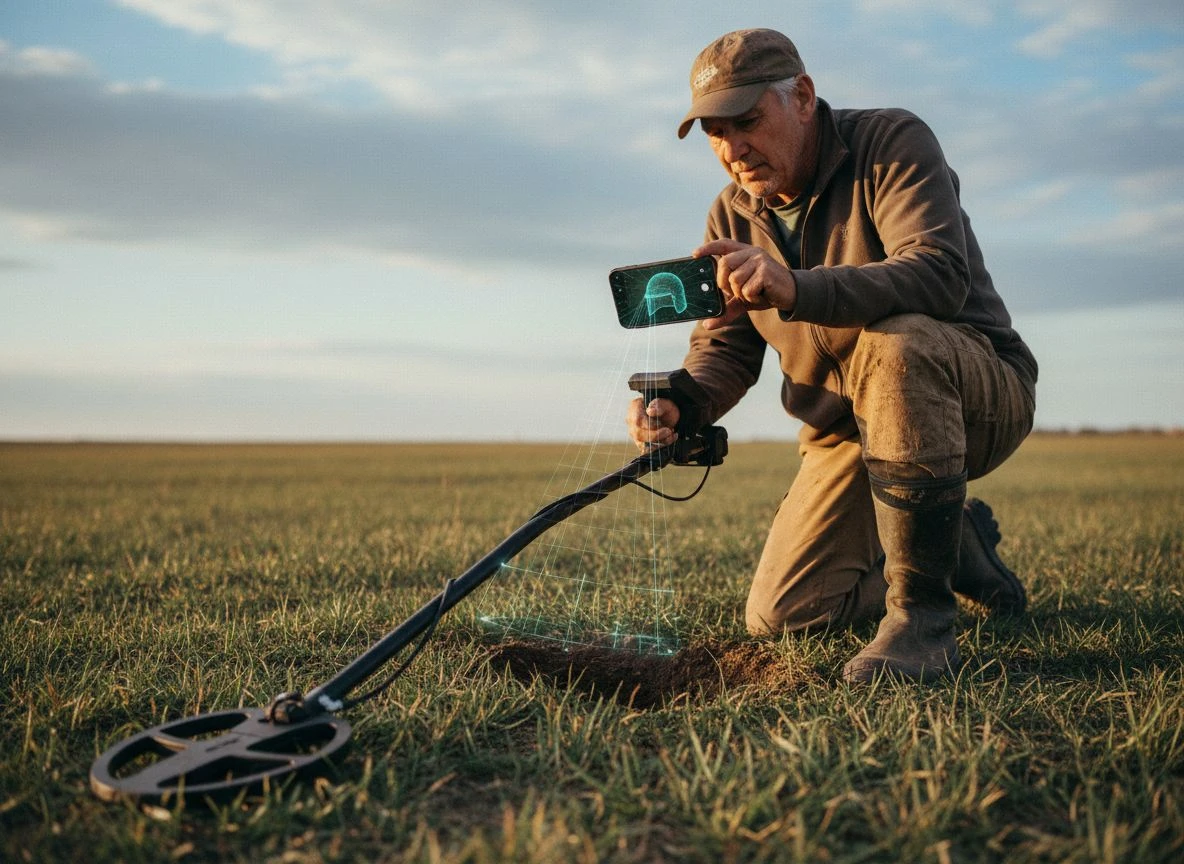
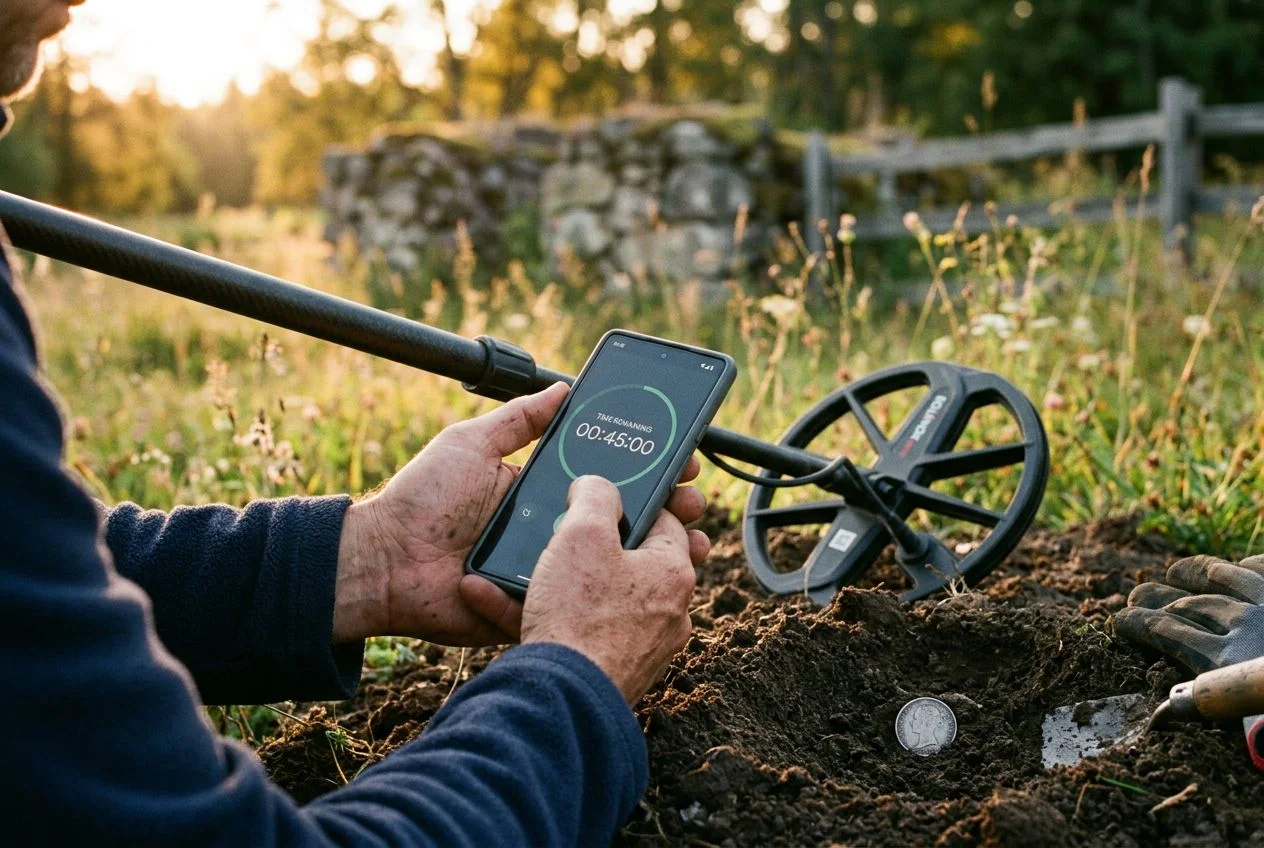
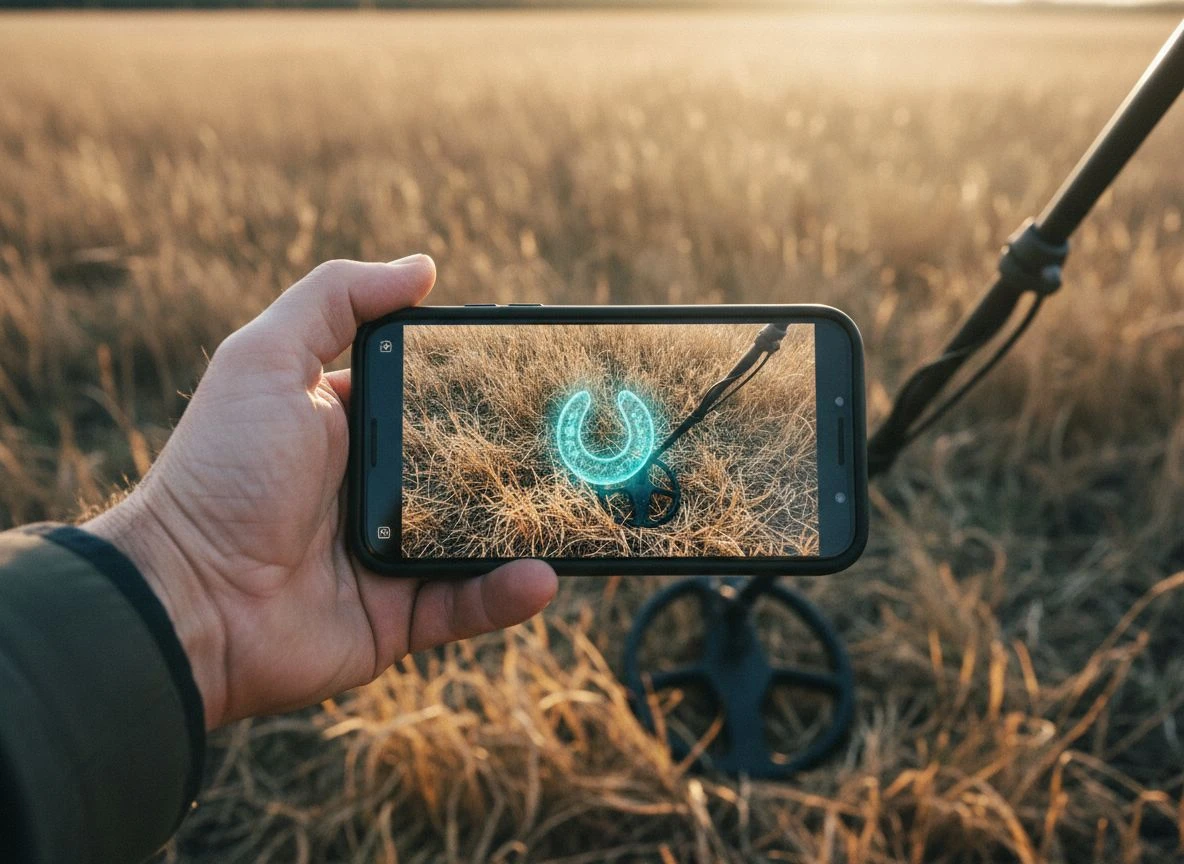
In practice, it means you point your phone at the ground where your detector just hit, and you see a ghosted 3D shape floating beneath the surface. You can walk around it, view it from different angles, estimate its dimensions. Before you dig a single shovel.
Real World Uses Beyond Treasure Hunting
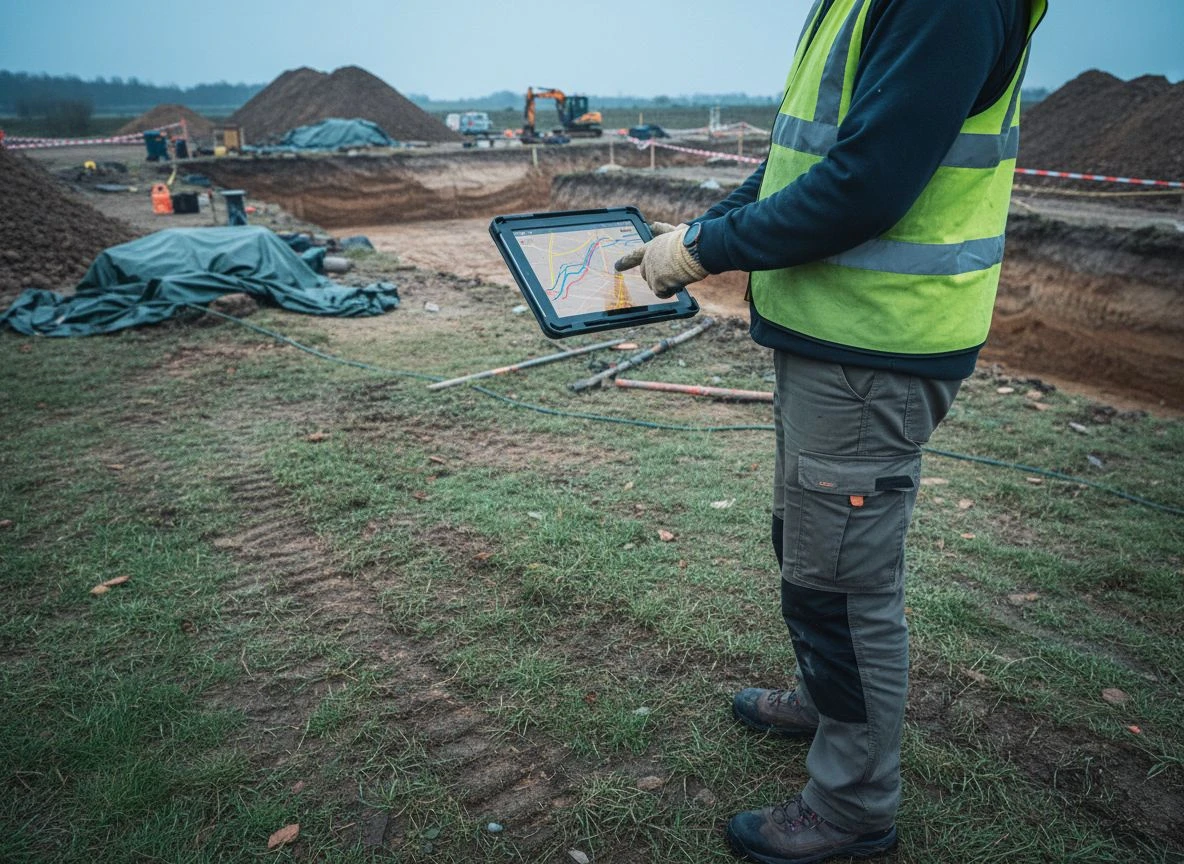
This isn’t just for treasure hunters, though that’s obviously where my interest lies. Some of the most impressive AR detecting work happening right now is in utility location and archaeology.
For utility companies, AR is saving serious money and preventing accidents. In the UK alone, there are about 66,000 accidental strikes on underground utilities every year. Gas lines, power cables, water mains — they cost an estimated £2.4 billion annually and cause an average of 70 life-changing injuries since 2015. AR systems that let field workers see pipes and cables on their tablet screens before digging? They’re directly preventing those incidents.
The LRTK system from Lefixea takes this to a practical level. A small RTK-GNSS receiver attached to your smartphone, combined with a dedicated app, delivers centimeter-level positioning accuracy. Point your phone at the ground, and color-coded lines appear showing exactly where gas pipes, water lines, and electrical conduits run. No old drawings to squint at. No guesswork.
In archaeology, these same capabilities are proving really useful. Especially for urban sites where centuries of development have created overlapping historical layers. Those layers are nearly impossible to understand without digging. (Side note: can you imagine scanning a city lot and seeing the foundations of three different buildings from three different centuries stacked on top of each other? Before you even put a trowel in the ground? That’s where we’re heading.)
What Augmented Reality Can and Can’t Do Yet
I’ll level with you — AR detecting isn’t perfect. At least not yet.
The AR overlay is only as good as the sensor fusion underneath. That means you need solid GPS reception — RTK-level is ideal. You need a clear camera view — bright sunlight can wash out the display. And you need stable ground conditions. Heavily mineralized soil can throw off depth estimates. Dense vegetation makes the camera overlay less useful. And if you’re hunting under heavy tree cover where GPS accuracy drops, the visual can drift a few feet from the real target.
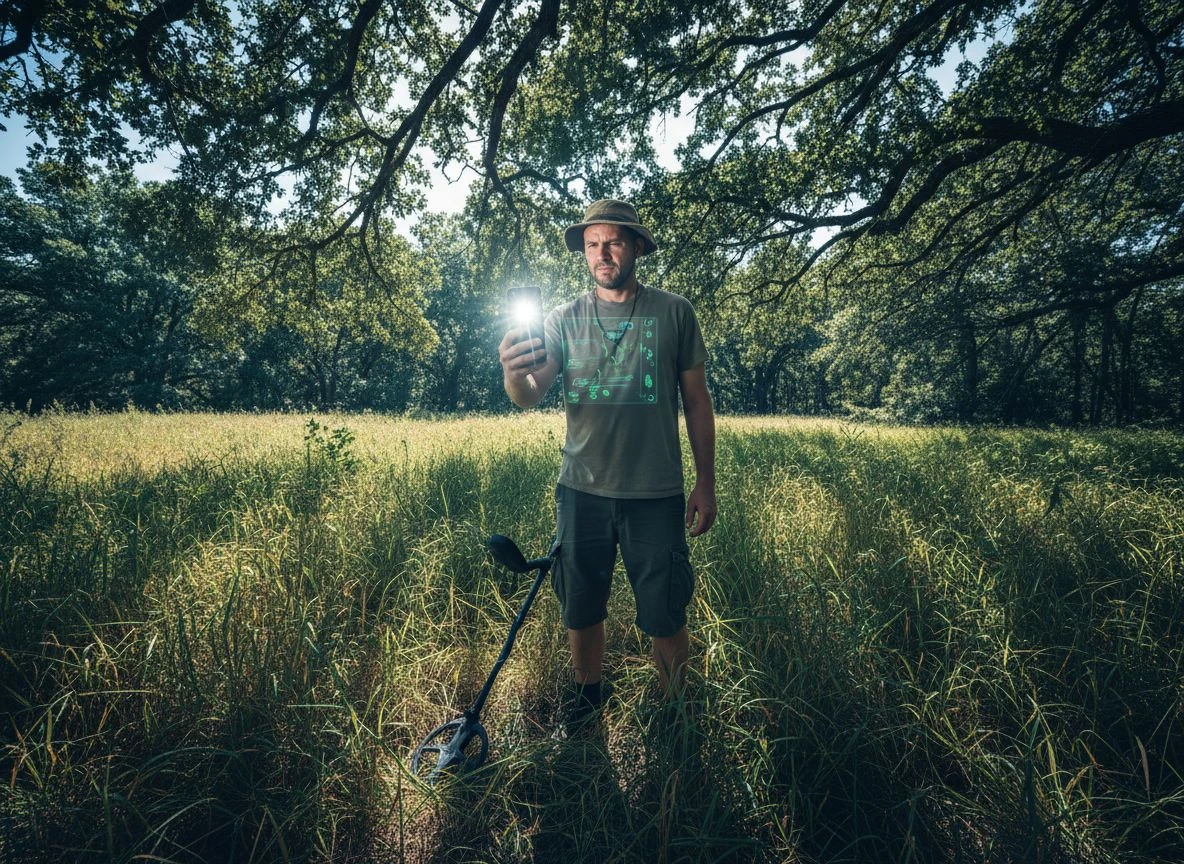
The good news is that multi-sensor systems like Groundtech’s GR-3 Plus are already addressing some of these limitations. Dual-sensor capability, geo-electric analysis, and cavity detection modes give you multiple ways to verify what the AR overlay is showing. If both sensors agree on a target’s position and depth, you can dig with significantly more confidence.
Is There a Learning Curve for AR Detecting?
One of the under-discussed benefits of AR in detecting is how much it shortens the learning curve for new detectorists. Think about what it takes to get good with a traditional detector. Hundreds of hours learning audio tones. Thousands of digs to build a mental map of what targets sound like. Countless mistakes digging deep iron signals you were sure were silver.
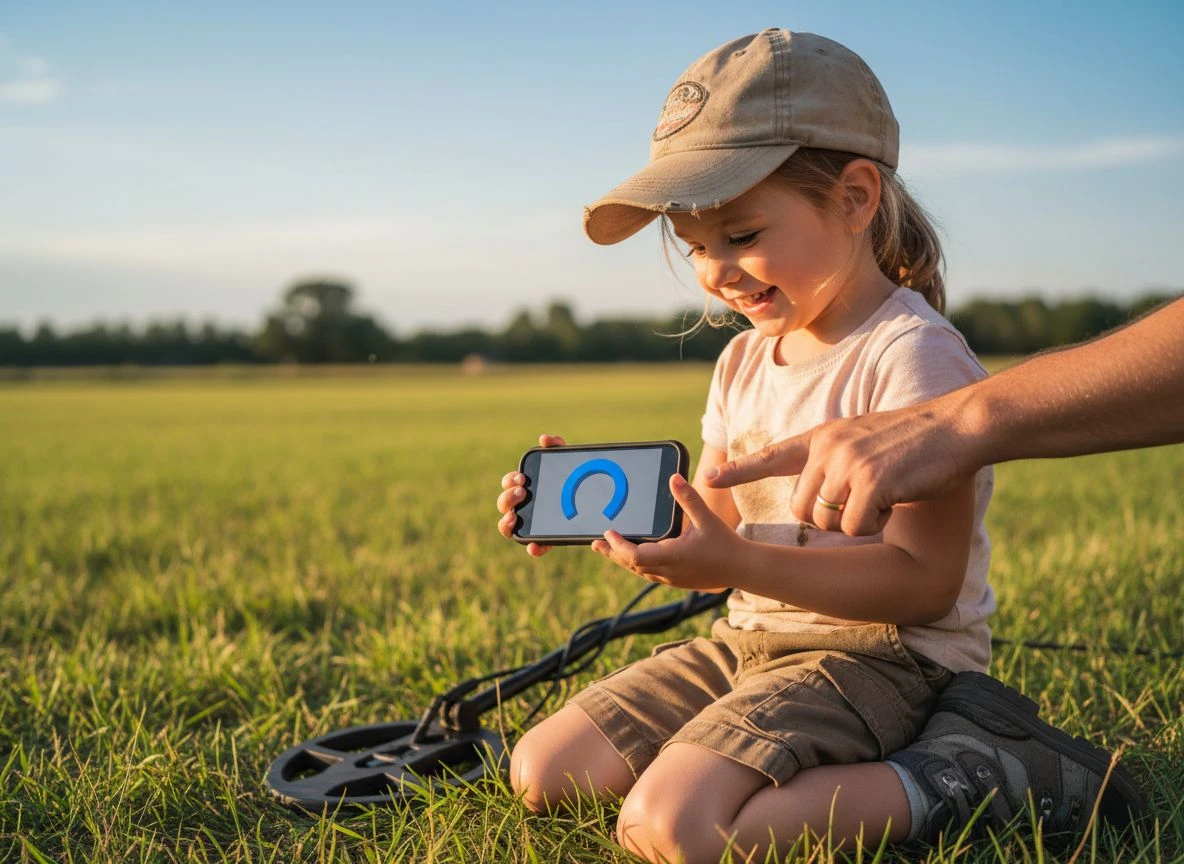
AR systems change that equation dramatically. When a newcomer can see a 3D view of a target before digging, they build that mental map much faster. They instantly connect what the detector is telling them with what’s actually in the ground. Research on AR in field training shows that visual feedback helps beginners understand detector responses intuitively. No months of trial and error needed.
My six-year-old daughter came out detecting with me last weekend. I let her hold the phone while I swept the GoldHunter over a test target I’d buried — an old horseshoe at about 10 inches. She watched the shape appear on the screen and said, “Daddy, it looks like a rainbow.” Close enough. She understood, immediately, that there was something specific down there, at a specific depth, in a specific shape. That’s a learning experience that would have taken me months of audio-only interpretation.
Where Augmented Reality Detecting Is Headed
The next few years are going to be interesting. We’re already seeing AR integration in drone-based scanning systems like the DroneRover, which lets you survey large areas from the air and see underground anomalies mapped in real time on your tablet. For site reconnaissance — finding promising areas before you ever set foot on the ground — this is a game-changer.
The real leap will come when AR moves beyond smartphones and into dedicated smart glasses. Imagine a pair of lightweight glasses that overlay detection data right into your field of view. Hands-free. No phone to juggle. Apple Glass and similar AR wearables are already being talked about in the industry. When that hardware matures — and when it works seamlessly with detecting systems — the days of staring at a tiny LCD screen while trying not to trip over roots will feel like ancient history.
The core principle stays the same, though. Research still beats expensive gear. The best detector in the world won’t find anything if you’re hunting the wrong ground. AR just gives you one more powerful tool for understanding what’s under your feet before you commit to a hole.
I still dig plenty of trash. Always will. But these days, when I get a promising signal, I pull out my phone, look at the screen, and see exactly what I’m about to dig before my shovel touches the dirt. That’s not luck. That’s the next generation of the hobby we all love.

My name is Paul and I am the founder of Detector For Metal, a dedicated resource for metal detecting enthusiasts seeking to uncover historical treasures and connect with the past using the latest technology. As a stay-at-home dad and family man, I’ve found metal detecting to be the perfect hobby that combines family adventure with historical learnings for the whole family.
As a father, I’m deeply committed to passing on this hobby to the next generation of detectorists, starting with my own children. I share advice on everything from metal detecting with kids to exploring the top 10 metal detecting sites you never thought about. My methodical approach to the hobby goes beyond the thrill of discovery—it’s about creating family traditions while preserving history and sharing the stories of those who came before us.