Table of Contents
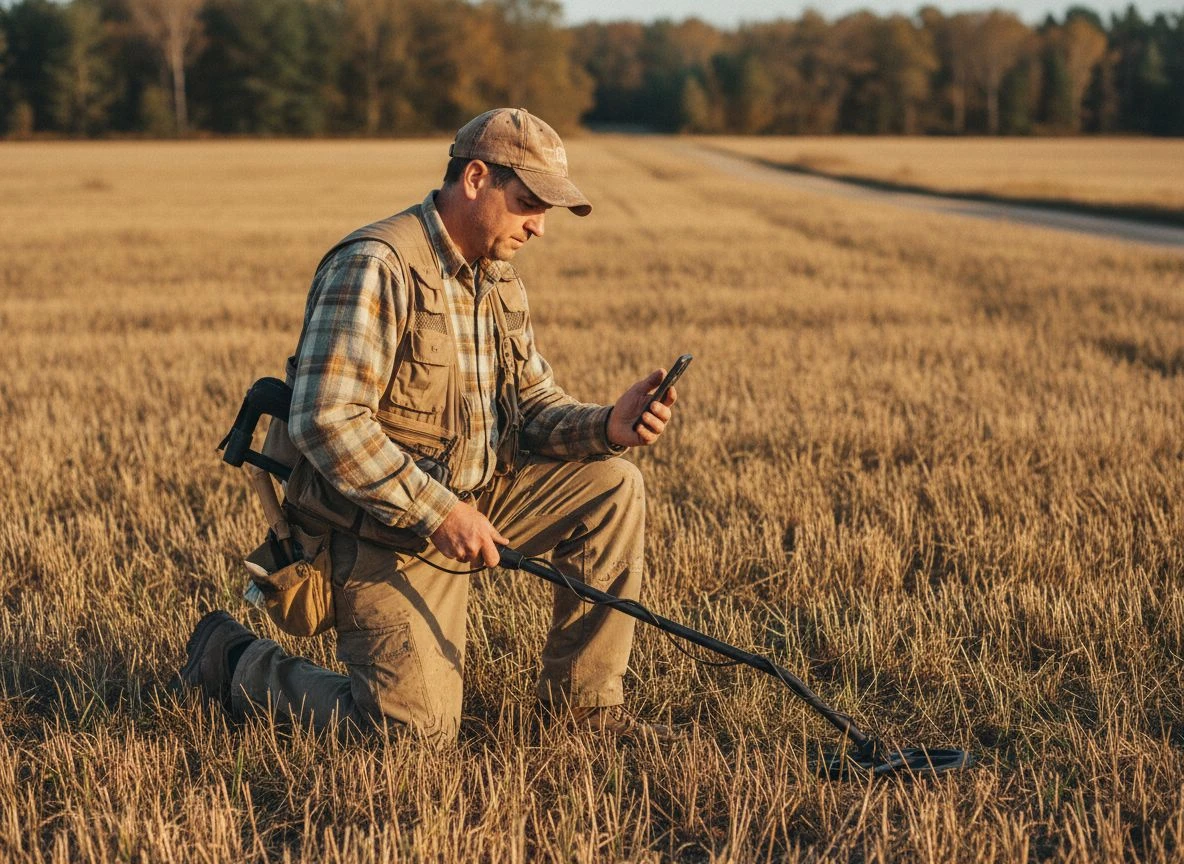
Federal and state metal detecting laws aren’t just red tape. They carry real, expensive consequences. Ignore them, and you could face thousands in fines, lose your equipment, or end up with a criminal record. Knowing the rules isn’t optional. It’s how you keep the hobby alive and yourself out of trouble.
We all know that feeling—the sharp, steady tone that says something good is under your coil. Your heart pounds. Your mind races. All you want to do is dig. I’ve been there plenty of times. But I’ve also watched my buddy Mike go pale as a BLM ranger walked up to him on a stretch of high desert he’d been hunting for years. Mike had his detector slung over his shoulder and a handful of old cartridges in his pouch. He wasn’t trying to break rules. He honestly thought he was on open BLM land where casual detecting was fine. The ranger explained that he was on a section managed by the Forest Service under a special designation. His “recreational” detecting suddenly fell into a gray zone. Mike got off with a warning that day, but the ranger made it clear: next time, it could mean a citation, forfeiture of his gear, and—under the Archaeological Resources Protection Act (ARPA)—fines up to $20,000. That knot in your stomach? I don’t want you to ever feel it.
So here’s my promise: by the end of this article, you’ll have a repeatable framework for checking land status and rules before you ever dig a plug. You won’t need to rely on outdated forum posts or guesswork. We’ll cover the four faces of federal land, a step-by-step research method, what to do when you stumble on an artifact, and even the tricky world of waterways. Each section gives you a concrete takeaway to keep your detecting legal and ethical. Plus, if you’re hunting California specifically, check out our guide on Hidden Tools for Metal Detecting in California Public Land Success for state-specific resources. Let’s dig in—safely.
How Federal Land Types Affect Metal Detecting Laws
Here’s the truth that tripped me up for years: “public land” isn’t one entity with one set of rules. It’s a patchwork of agencies. Each has its own mission, regulations, and tolerance for a guy with a detector. Treating BLM terrain like National Forest land—or worse, like a National Park—is a fast track to a very uncomfortable conversation with a ranger.
| Agency | Key Distinction | Detecting Status |
|---|---|---|
| Bureau of Land Management (BLM) | Multiple-use mandate; generally permissive | Recreational detecting usually allowed, but check for supplemental rules and cultural site closures |
| National Park Service (NPS) | Preservation-first mission; ARPA applies strictly | Off-limits. Period. No casual detecting. |
| U.S. Forest Service (USFS) | Four-category framework for detecting | Recreational coin/jewelry hunting OK without permit; historical artifacts require immediate cessation |
| Army Corps of Engineers | Recreation permit often required | Varies by project; many require a separate permit beyond standard land-use approval |
I learned this the hard way on a crisp morning in the Sierra foothills. I’d been hunting a promising BLM parcel—wide open, no signs, friendly ranger at the district office who’d said “go ahead.” I pulled a nice 1940s wheat cent, some clad, and was feeling good. Next weekend, a buddy suggested a spot that looked identical on the map: same terrain, same elevation, same promising history. But it was National Forest System land, and I’d wandered into a section the Forest Service had flagged for potential archaeological resources. No signs. No fence. Just a different agency with a different set of rules. I got a friendly but firm talking-to from a ranger, and I wasted a whole morning driving back to my BLM honey hole. The land looked the same. The rules didn’t.
That’s the core takeaway: before you load your gear, figure out which agency owns the dirt. BLM and USFS may share similar open-land vibes, but the USFS four-category framework—treasure trove (permit needed), prospecting (mining laws), historical artifacts (stop and report), and recreational (no permit)—is more layered than BLM’s general permissiveness. And if you think you can swing on NPS land? Don’t. The Archaeological Resources Protection Act (ARPA) makes that a felony-grade mistake. Army Corps land adds another wrinkle: many of their projects require a separate recreation permit, even for casual detecting.
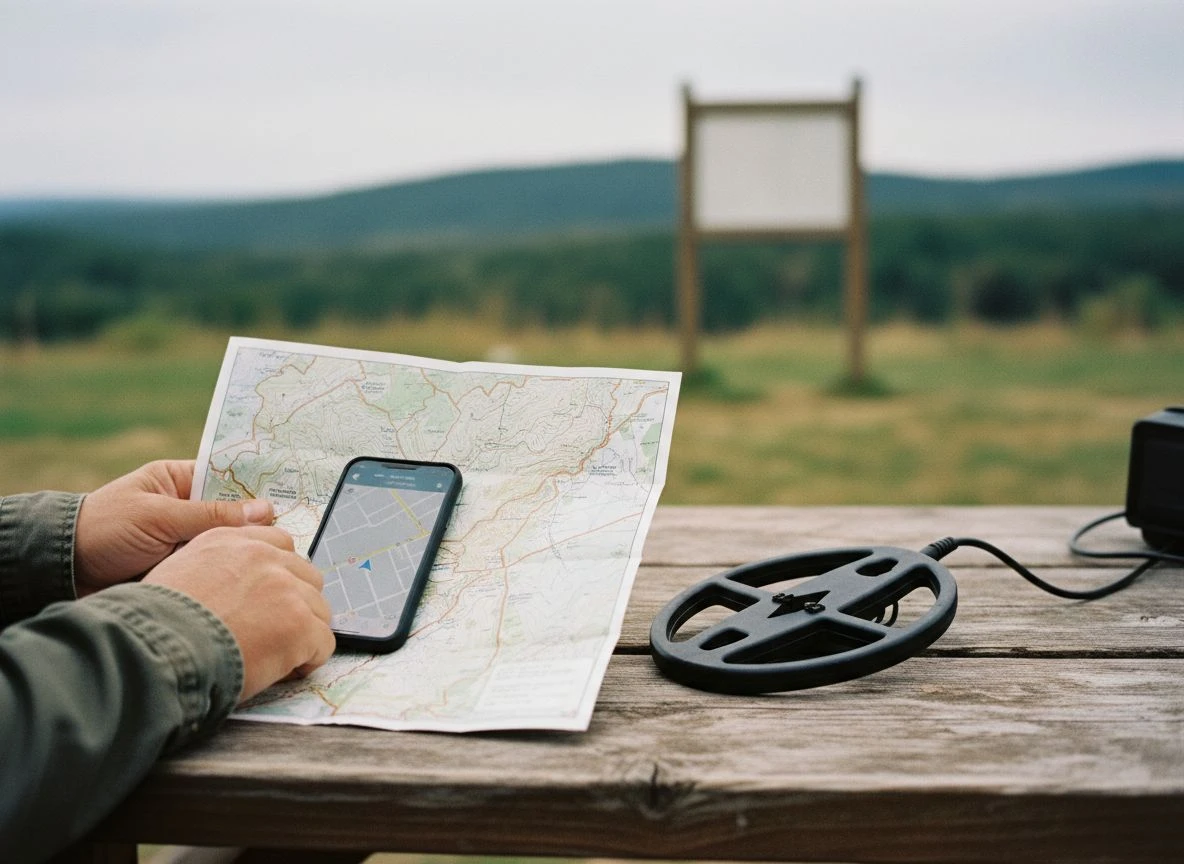
Bottom line: one day of research on the right agency’s website beats a month of guessing in the field. And if you do stumble on something old—stop, document, and call the ranger. Knowing how to document your find properly can keep you legal and preserve the history for everyone.
Due Diligence Framework for Metal Detecting
Every time I step onto a new piece of public land, I run the same four-step research process. It takes about 30 minutes. It’s saved me from walking into closed areas, archaeological zones, or—worst case—a conversation with a ranger that starts with “Did you get permission for that?” Here’s my repeatable framework.
Step 1: Identify Land Ownership for Metal Detecting
Before you even think about turning on your detector, you need to know who owns the dirt. Most land isn’t neatly labeled on Google Maps. Use OnX Hunt (a GPS app designed for hunters, but perfect for detectorists) to see property boundaries and federal land designations in real time. The BLM Land Status Maps available through the National Operations Center are also free. Overlay your planned hunt area, and note the managing agency. I’ve been hunting a spot near Auburn for years, but I still pull up OnX before every trip—boundaries shift, and one wrong step can put you on a neighboring restricted parcel.
Which Agency Manages Your Metal Detecting Site?
Once you know who manages the land, you know the general rules. BLM? Usually permissive for recreational detecting. Forest Service? Use the four-category framework I covered above. National Park? Don’t even pull the detector out of the car. The agency is your starting point, but it’s not the final word. State park rules, for instance, vary wildly—some allow detecting in developed areas, others ban it outright. I once spent an afternoon at a state park in the Sierra foothills only to find out later that detecting required a special use permit. The rule book was posted at the ranger station, but I hadn’t checked.
Find Supplementary Rules for Metal Detecting
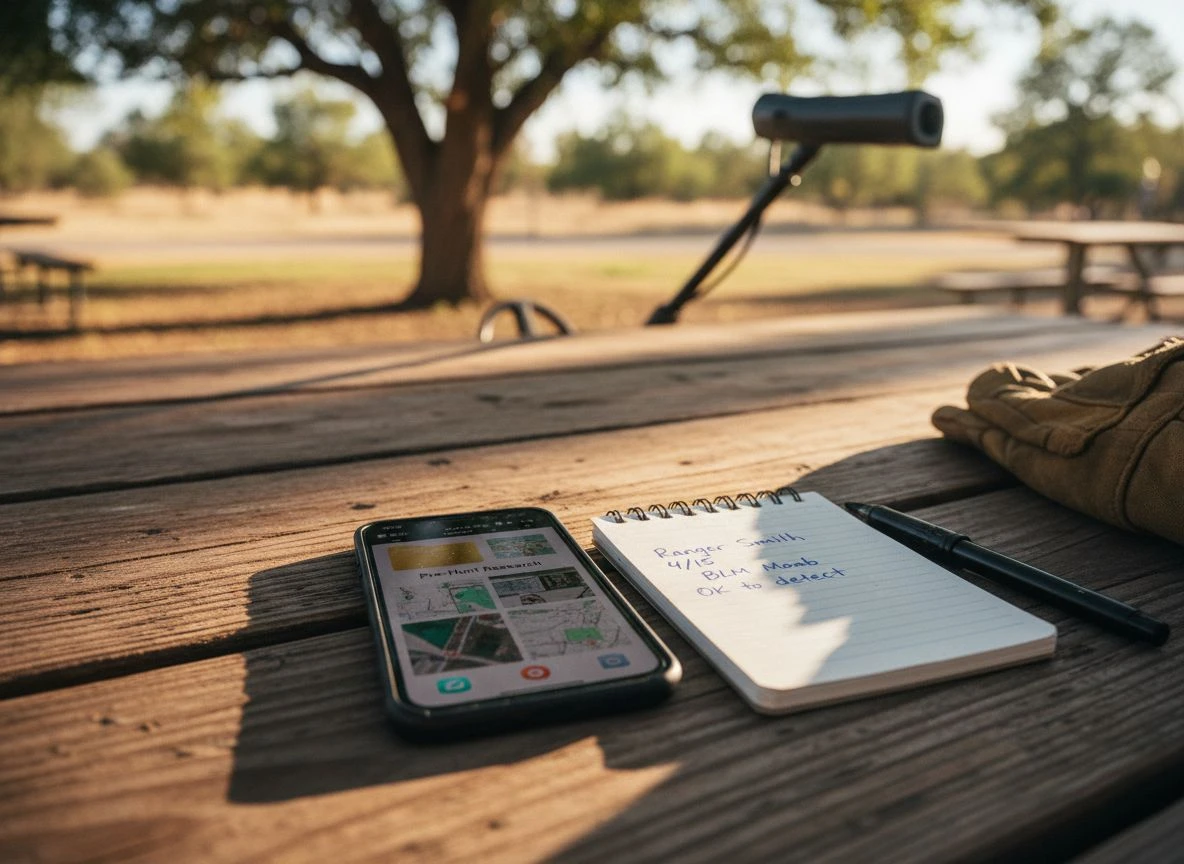
Here’s where most people slip. Even on permissive BLM or Forest Service land, there can be supplemental rules—seasonal closures, cultural area designations, or specific prohibitions on digging near structures. I call the local ranger district office. Use this exact script: “Hi, I’m a hobby metal detectorist. I’m looking at [Map Unit] on [Date]. Can you tell me if recreational detecting is allowed and if there are any supplemental rules or closures?” Write down the ranger’s name, the date, and what they said. I learned this from a retired archaeologist I met at a club meeting. It takes five minutes and covers your butt.
Document Your Metal Detecting Permission Requests
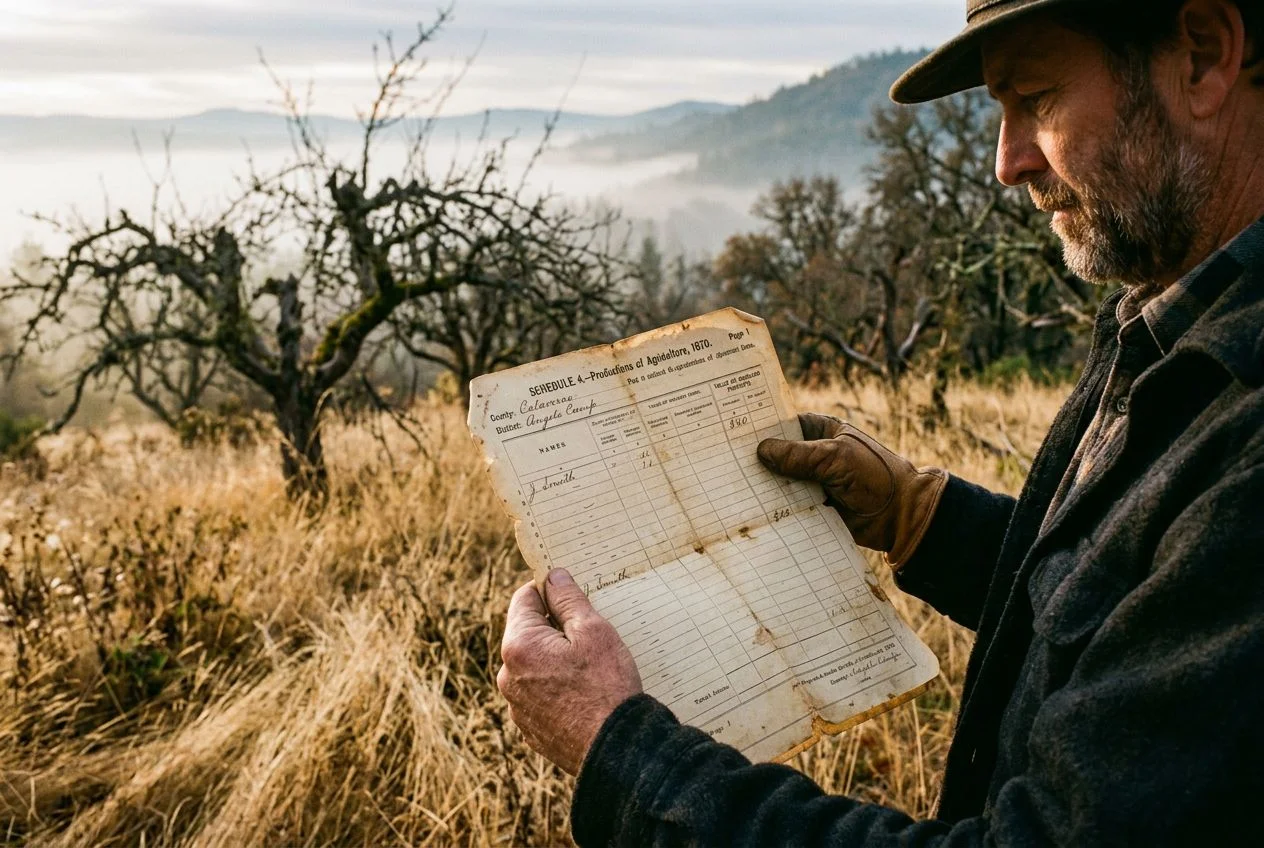
Digital tools are your best friend here. Screenshot the OnX boundary. Save the BLM status map PDF. Note the date and ranger’s response. I keep a folder on my phone called “Pre-Hunt Research” for each site. It’s saved me twice—once when a ranger asked where I was hunting, and I could pull up my documentation within seconds. This same research process pairs perfectly with historical site discovery: Using Sanborn Maps for Metal Detecting and Your Ultimate Metal Detecting Weapon Is Researching Metal Detecting Sites in a Library help you find spots worth researching in the first place.
Metal Detecting Pre-Hunt Research Checklist
- [ ] Identify land ownership using OnX Hunt or BLM Land Status Maps
- [ ] Determine the managing agency (BLM, USFS, NPS, state park)
- [ ] Call the local ranger district office using the template script
- [ ] Document all information (screenshots, notes, ranger’s name)
- [ ] Check for supplemental rules or seasonal closures
- [ ] If on state land, verify additional state park regulations
I’ve built a one-page printable version of this checklist that I keep in my detecting bag. If you want a copy, let me know in the comments—or better yet, start your research with the Find Hidden Detecting Sites guide to find your next legally accessible honey hole.
What Is the Metal Detecting Discovery Protocol?
If your detector screams over something that looks old or man-made, stop digging. The right response—document, flag, and report—can turn a potential violation into a research partnership with land managers. Here’s the exact protocol.
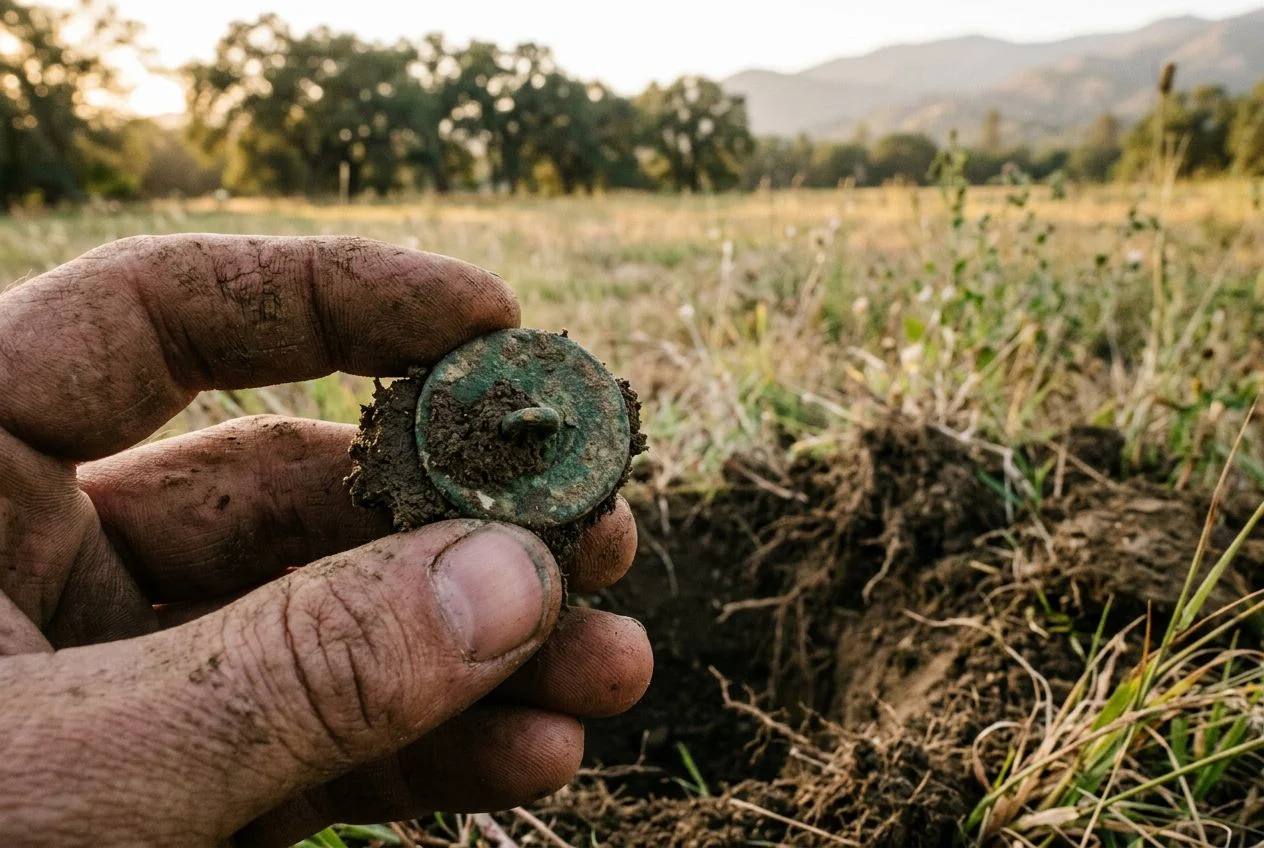
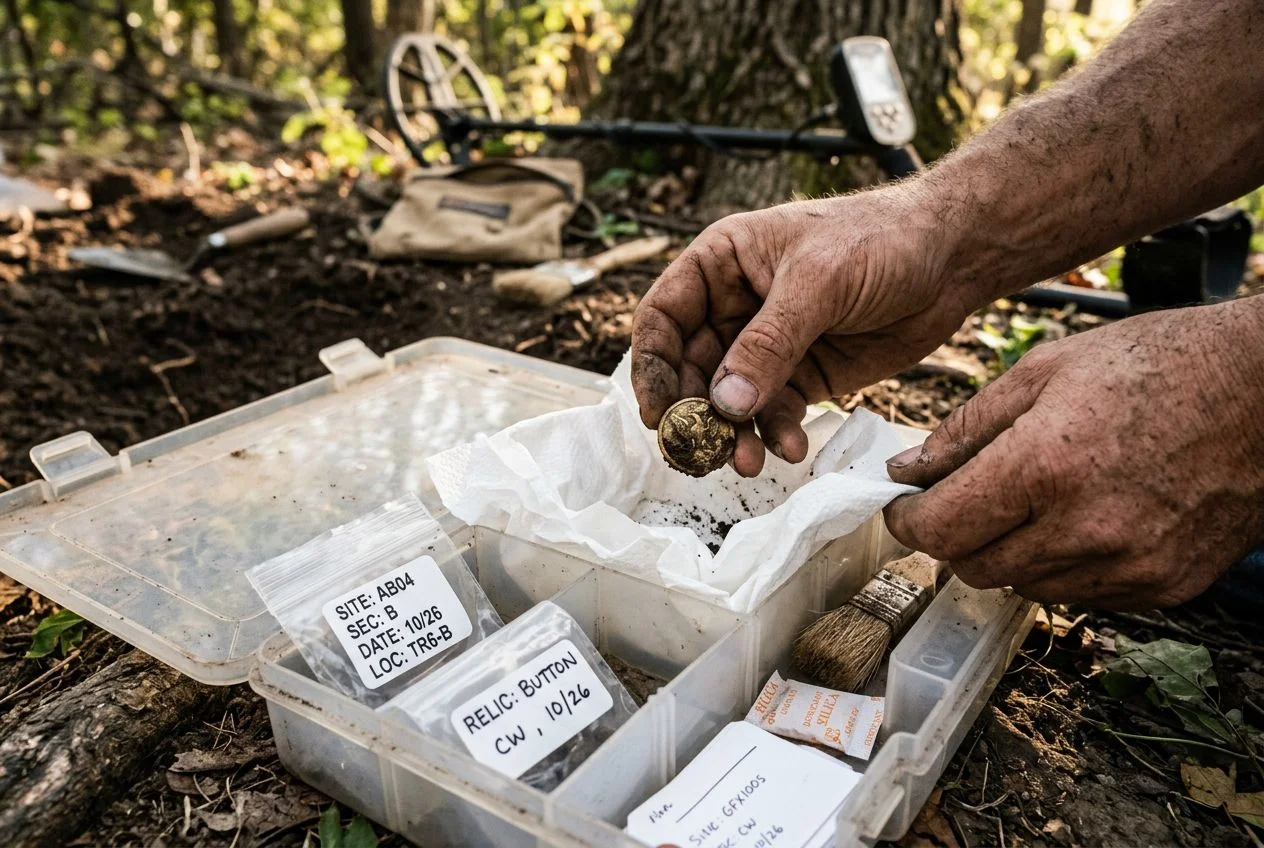
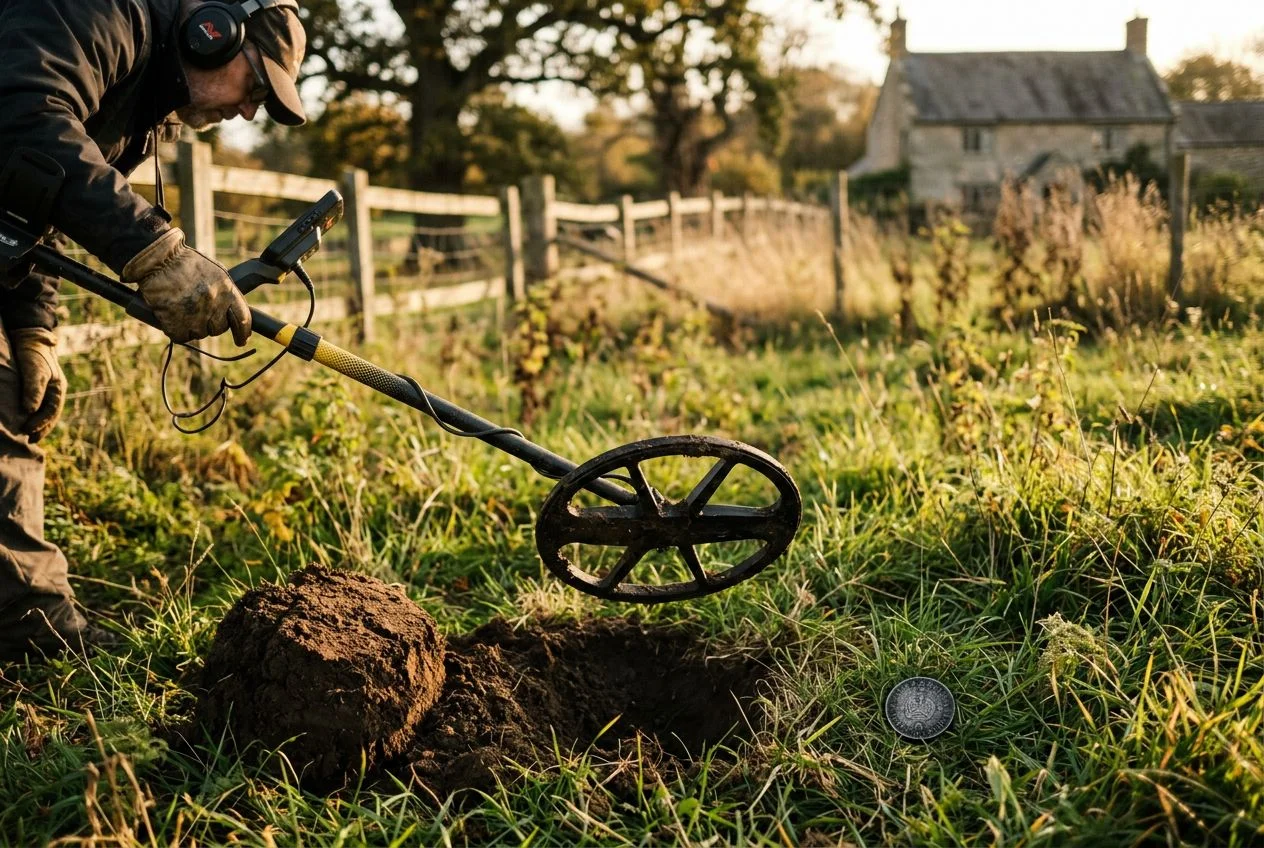
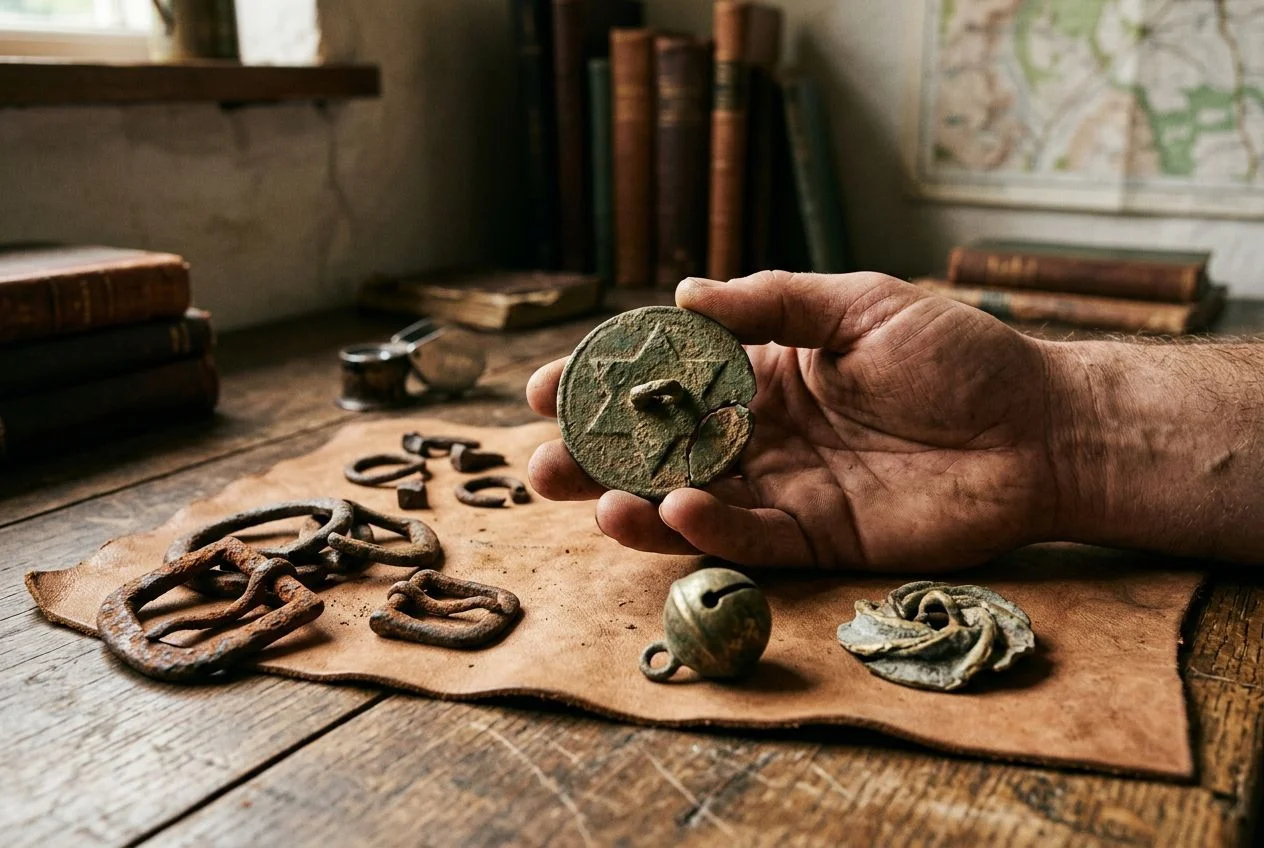
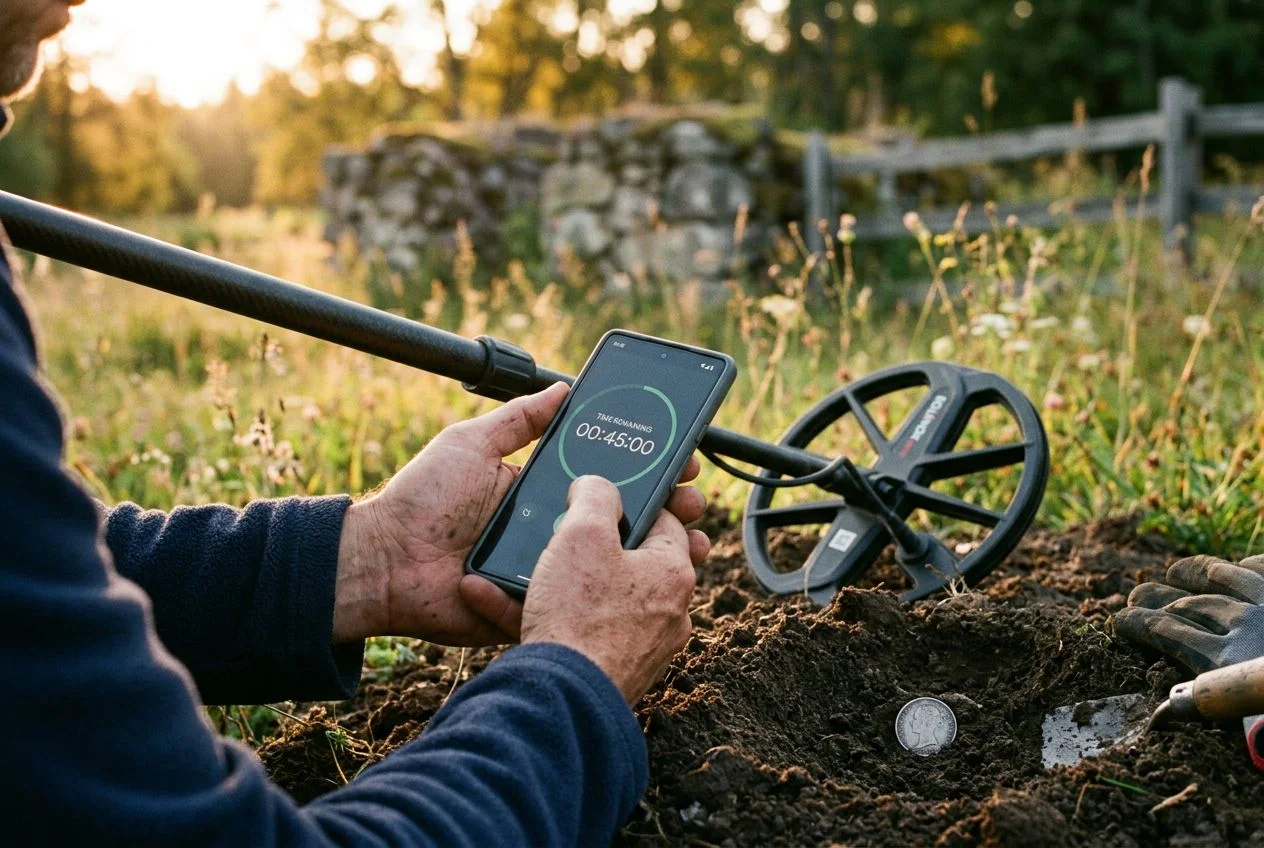
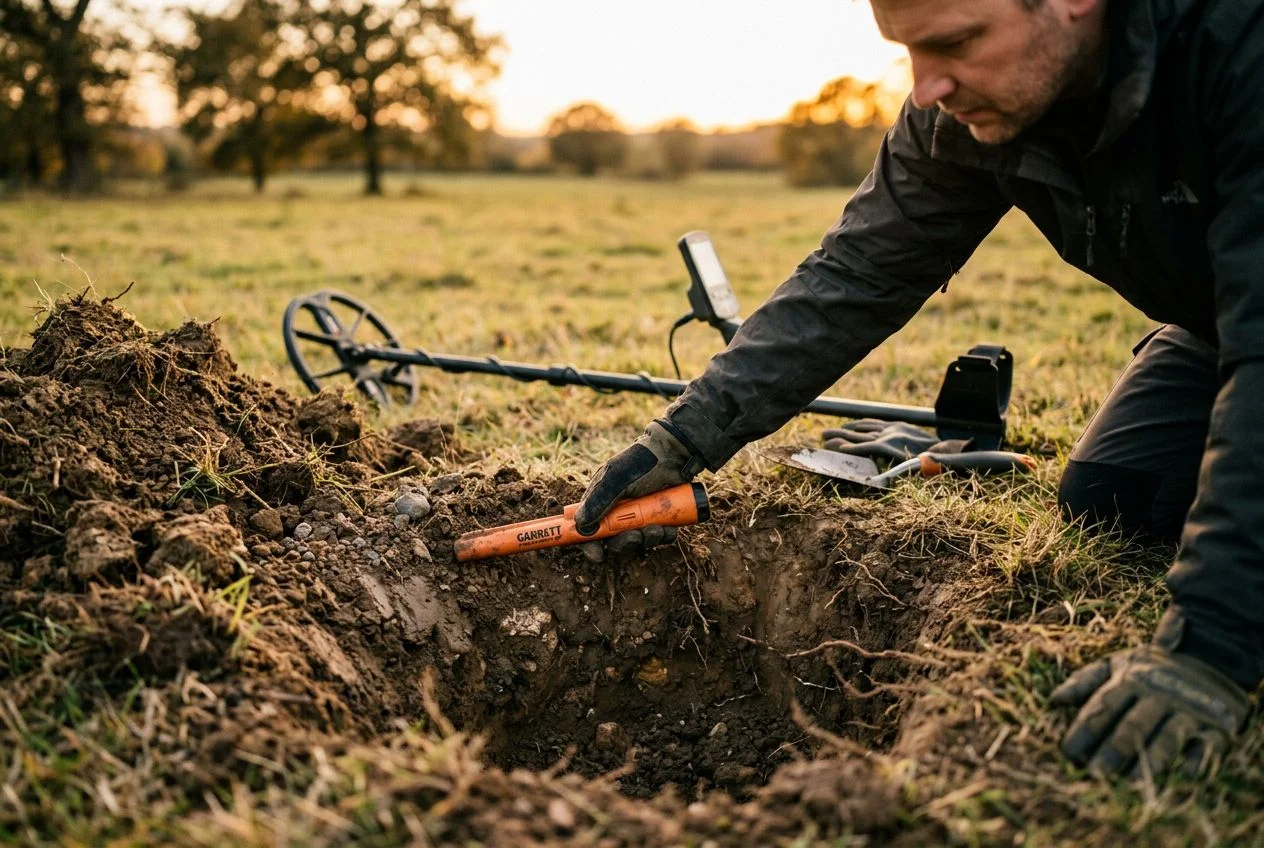
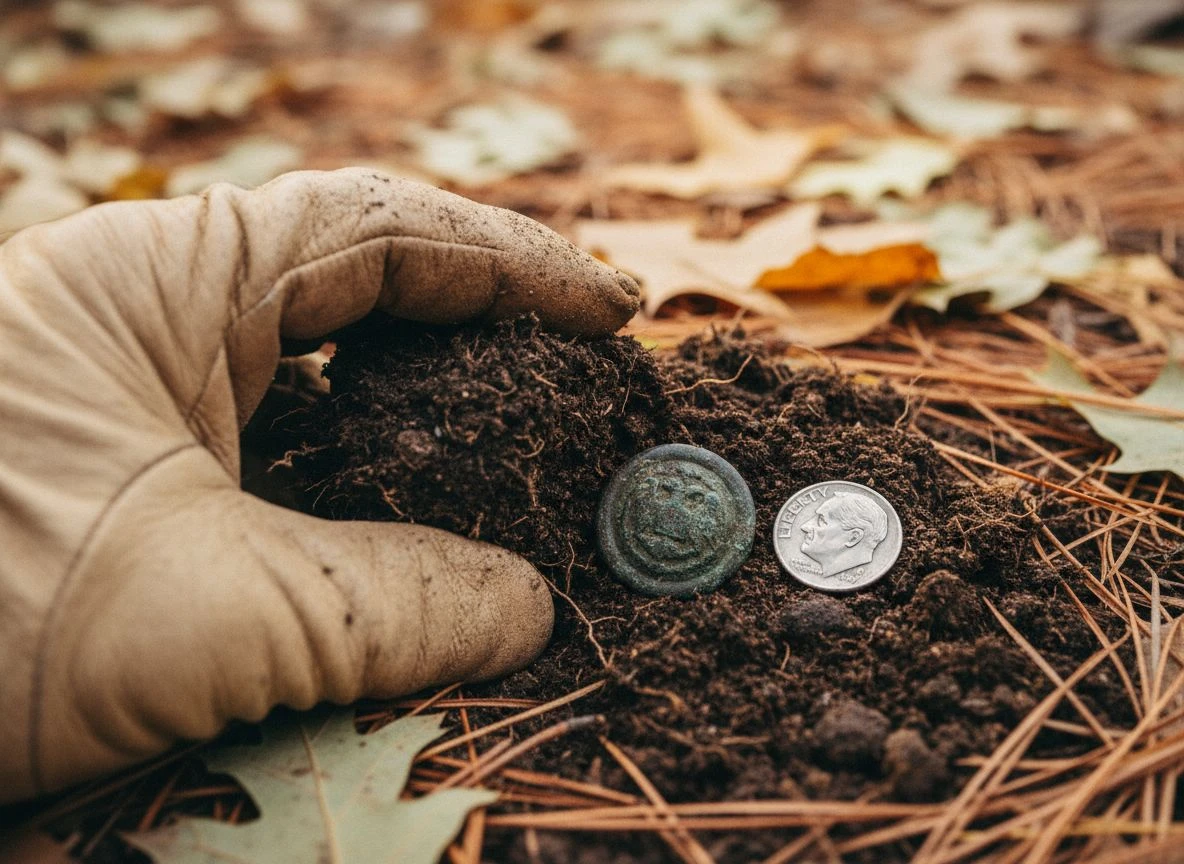
My buddy Tom proved this on a National Forest hunt a few summers ago. He was working a ridgeline near an old logging camp when his Minelab Equinox 900 locked onto a clean 78 VDI at six inches. He popped the plug and saw a dark, rounded disc—a 19th-century military button, likely off a Union greatcoat. Tom knew the rule: the Forest Service requires you to “immediately cease activity and notify the Forest Service if you encounter potential archaeological resources.” So he did exactly that. He photographed the button in situ with a coin for scale. He dropped a pin in his GPS. He flagged the spot with survey tape. He filled the hole. Then he called the district archaeologist’s office.
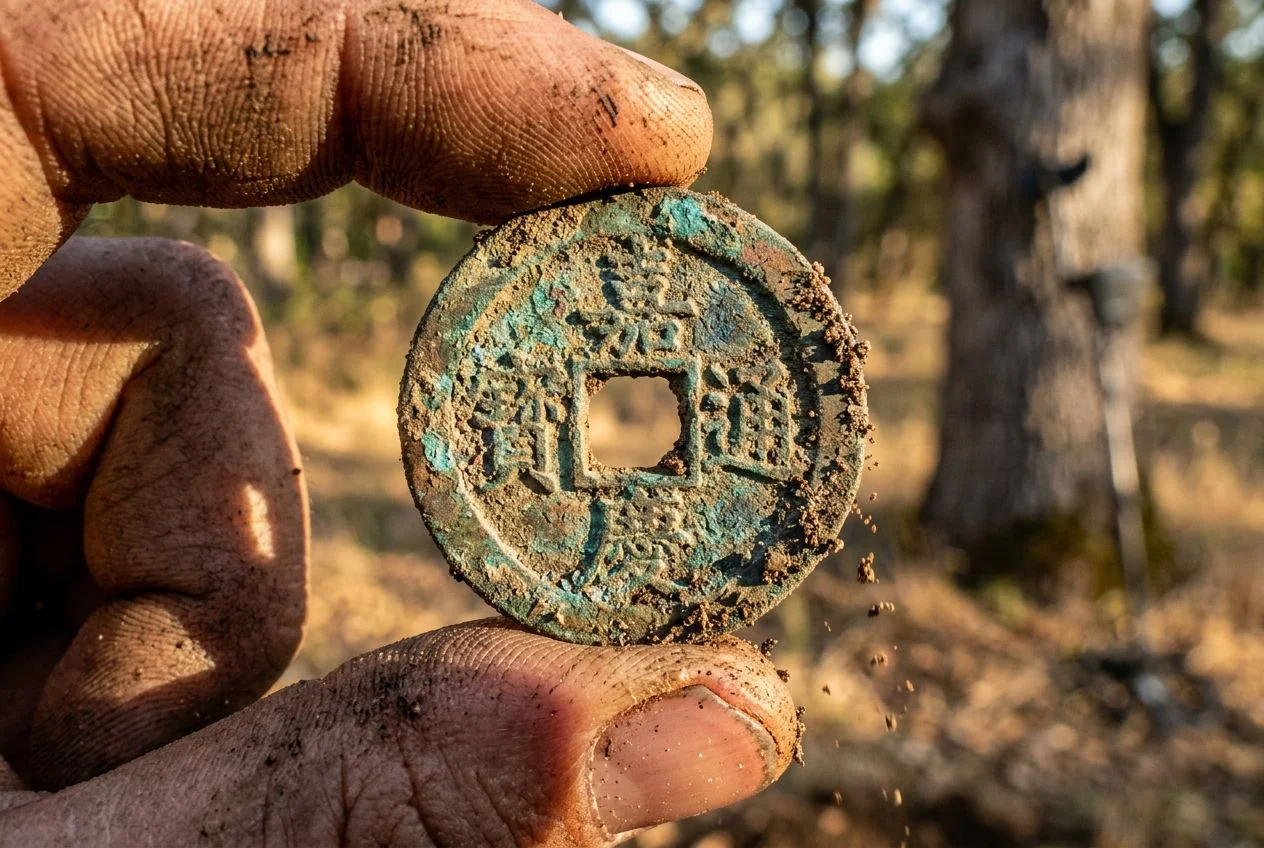
Result? The archaeologist asked Tom to send the photos and coordinates via email. The button was documented, entered into the site inventory, and left in place. But—and here’s the part most detectorists don’t know—Tom also asked if he could continue detecting the surrounding area. The archaeologist said yes, and even flagged a few likely spots on a map based on historic photos. Reporting didn’t mean confiscation or a lecture. It opened the door to a research partnership.
Here’s the simple checklist I now follow on any public land where finds of potential age are possible:
- STOP – Do not lift the item or disturb the soil further.
- Photograph with scale – Use a coin or ruler in the frame.
- GPS coordinates – Record the location in your phone or device.
- Flag – Mark the spot with a small stake or tape.
- Call the district office – Ask for the archaeologist or resource officer.
- Wait for instructions – Fill the hole, leave the artifact, and follow up.
If you’re new to documenting finds, bookmark our The Hidden Historian Mindset: Documenting Metal Detecting Finds guide for a deeper walkthrough. Knowing when to walk away and call it in doesn’t kill a hunt—it sometimes opens up a whole new one.
How the Public Trust Doctrine Affects Metal Detecting
You might be standing on a public beach, but who owns the sand below the tide line? That question has tripped up more detectorists than almost any other land status issue I know. Here’s a scenario: I’m hunting a gravel bar along a popular California river, thinking I’m on public waterway. Turns out, the landowner’s property extends to the high-water mark, and I’m technically trespassing on private riverbed. The Public Trust Doctrine isn’t the free pass many assume it is.
Here’s where it gets messy—the Public Trust Doctrine varies wildly by state. In coastal areas, Source 5 notes that while many states permit detecting on public beaches, some impose restrictions or require permits for specific zones. But submerged lands under navigable waterways are often state-owned. That means you need separate permits to dig below the ordinary high-water line. That gravel bar I was on? State-owned submerged land. That permit I didn’t have? A problem waiting to happen.
The lesson: never assume water equals public access. Before you wade in, look up your state’s specific laws on navigable waterways and submerged lands. I now check state fish and game regulations alongside historic waterway designations before any river hunt—and I pack a printed copy of the relevant rules. Underwater Metal Detecting: Essential Wading Safety and Gear Guide covers the practical side, but the legal side can save you a citation. Always check your state’s specific laws before you wade in.
Prospecting vs Relic Hunting for Metal Detecting
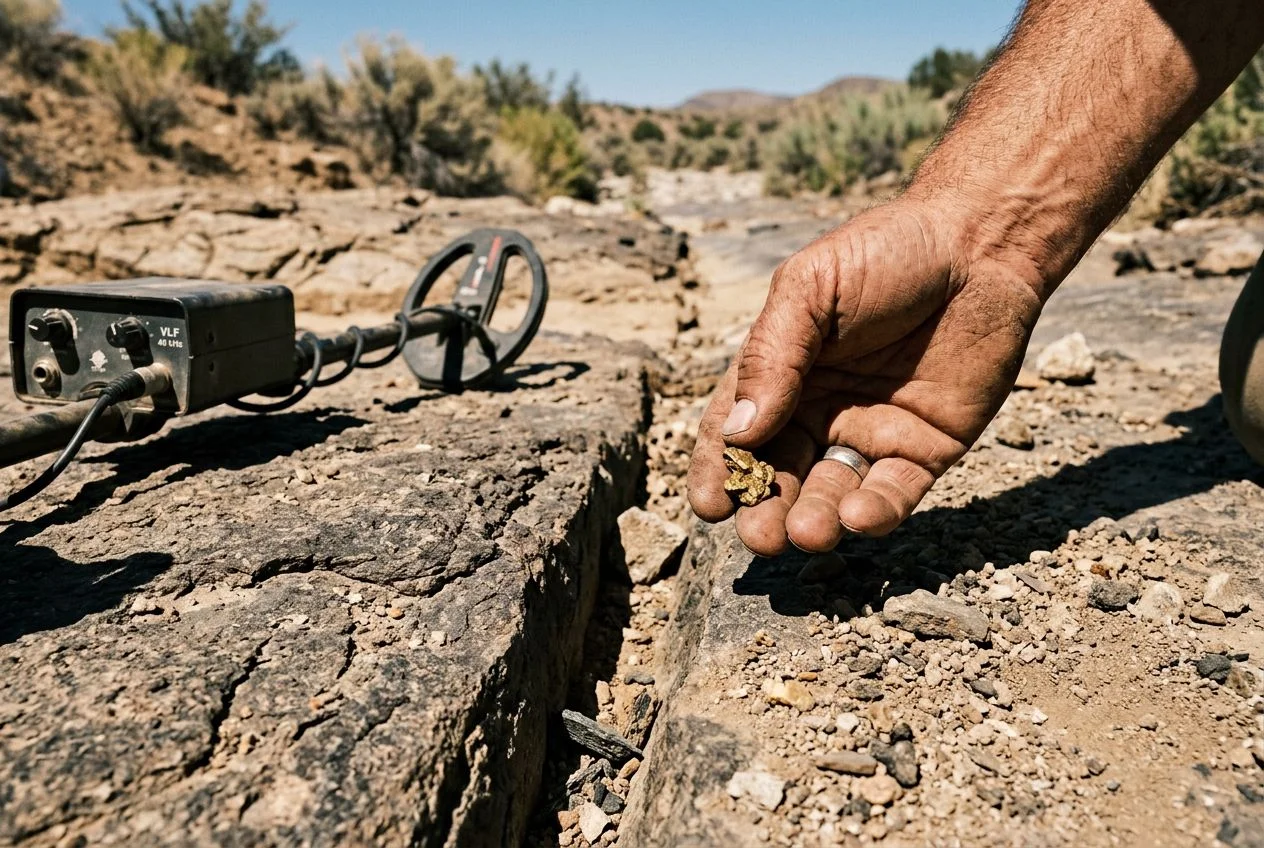
The law draws a hard line between hunting for gold or gems (treasure trove) and hunting for historic or prehistoric artifacts. Prospecting falls under the General Mining Law of 1872 and requires a Notice of Intent under 36 CFR 228 A. Relic hunting is governed by the Archaeological Resources Protection Act (ARPA) and typically needs a permit reserved for scientific research. Mix these up and you’re in for a nasty surprise.
My buddy Mike—the race guy who hunts old drag strips—learned this the hard way. He’d found an abandoned mining claim on BLM land and figured his “mineral prospecting” permit let him dig for anything he found. On his second trip, he recovered an old miner’s tin cup and a set of hand-forged horseshoes. A ranger spotted him, and within minutes Mike was staring down a citation. “That permit covers gold and precious metals,” the ranger explained. “Man-made objects over 100 years old are historical artifacts. Different law, different rules.”
| Activity | Applicable Law | Permit Required |
|---|---|---|
| Treasure trove (gold, gems, precious metals) | General Mining Law of 1872 | Notice of Intent (36 CFR 228 A) |
| Prospecting for minerals | General Mining Law / 36 CFR 228 A | Notice of Intent + potential mining plan |
| Historic/prehistoric artifacts | ARPA (1979) + Antiquities Act (1906) | Scientific research permit only |
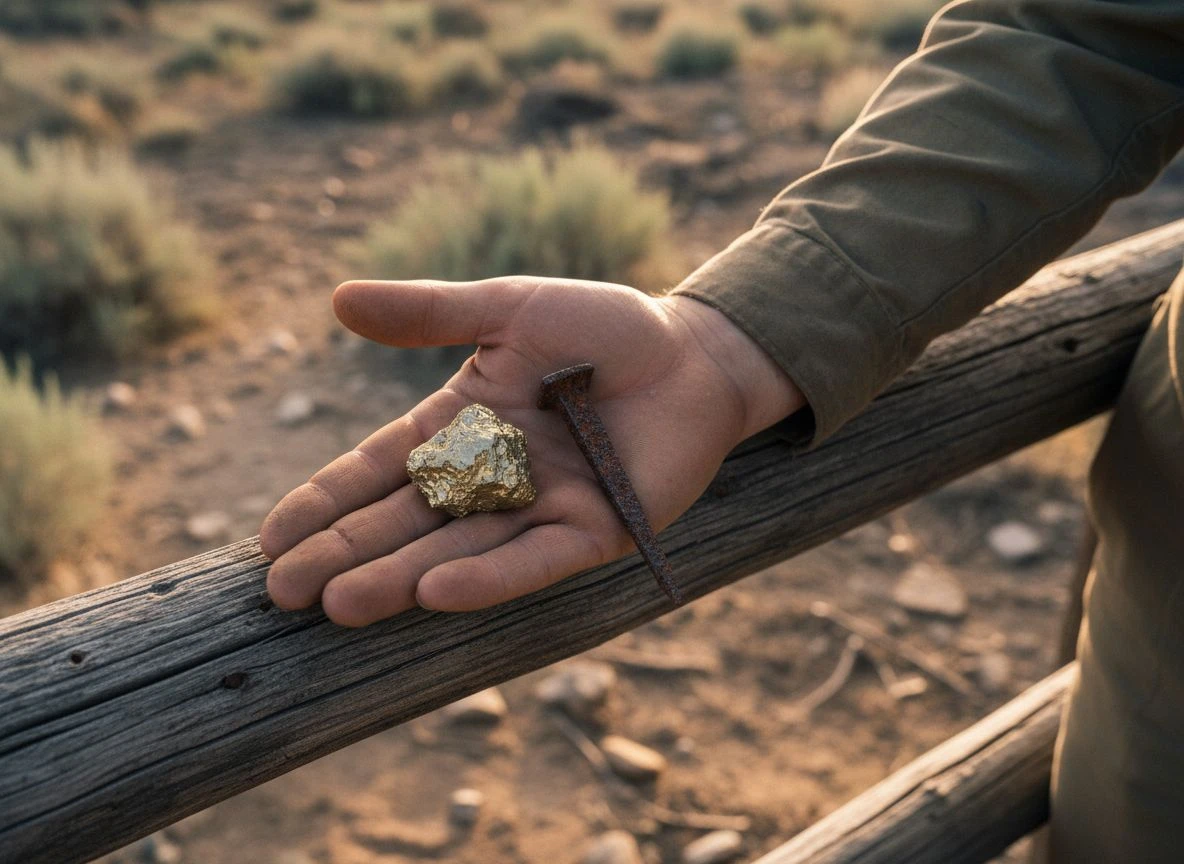
It’s a clean split: a gold nugget is mineral wealth. That same miner’s tin cup is cultural heritage. Know which you’re after before you swing. Gold Detector’s Coin Shooting Revelation reinforces how the right tool matters, but the right legal category matters more.
How to Apply for Metal Detecting Permits
Getting a permit for metal detecting on federal land sounds intimidating. But it’s surprisingly straightforward once you know which office to call and what to put in your application. The trick is matching your request to the right permit type.
Here’s the key distinction most detectorists miss: ARPA permits are reserved for scientific research—you won’t get one as a hobbyist. But many National Forest districts do issue “special use permits” for organized club hunts or even individual detecting in areas with archaeological sensitivity. I’ve used them twice for club outings. The process was easier than I expected once I had the right paperwork.
What a good permit application includes:
- A research plan explaining where you want to hunt and why that location—reference historical maps like Sanborn fire insurance maps if you’ve used them to define boundaries (here’s Using Sanborn Maps for Metal Detecting if you need help with that).
- A clear methodology: how you’ll dig (plug cutting vs. loose soil recovery), what targets you’re after (modern coins/relics vs. anything historic), and how you’ll restore the site.
- A written commitment to report any significant finds to the District Archaeologist within 30 days.
Sample email template – I’ve used this exact format:
Subject: Inquiry about Special Use Permit for Metal Detecting – [Map Unit]
Dear [District Ranger / Recipient Name],
I’m writing to request information about obtaining a special use permit for recreational metal detecting on [Map Unit / specific area] during [dates]. Our group of [number] participants plans to search for modern coins and lost jewelry using hand tools only. We will avoid any areas with known cultural resources and will immediately report any accidental discoveries of historic artifacts.
I’ve attached a brief research plan and site map. Please let me know what additional documentation is required.
Thank you,
[Your Name]
Before hitting send, make sure you have your site boundaries defined—Master Legal Metal Detecting Historic Site Documentation covers how to document your application package so it gets approved the first time.
Metal Detecting Ethics and Your Legacy
You can memorize every federal statute and state park regulation. But what ultimately determines this hobby’s future is what you do when nobody’s watching. Every plug you cut. Every signal you dig. Every target you pocket—or leave in place. It all adds up to a reputation that outlasts any single find. The trowel you leave behind isn’t a tool. It’s the mark you make on the hobby itself.
Run the Checklist: Before you load your gear for tomorrow’s hunt, take three minutes. (1) Did you verify land ownership? (2) Did you check the supplementary rules—state park additions, special Forest Service closures, seasonal beach restrictions? (3) Did you pack a notebook for the discovery protocol? That third step is the one most detectorists skip, and it’s the one that separates a responsible hobbyist from someone who damages the hobby for everyone. If you’re serious about finding new spots the right way, start with Find Hidden Detecting Sites. And when you do pull something worth documenting, The Hidden Historian Mindset: Documenting Metal Detecting Finds will keep you out of trouble while preserving the story.
“The actions of individual hobbyists reflect on the entire community.” That line from the code of ethics isn’t abstract. It’s the ranger who remembers the detectorist who filled every hole. It’s the landowner who lets the next guy hunt because you left the site cleaner than you found it. It’s the club that keeps its access because a member reported a significant artifact instead of pocketing it.
See you out there—with your permits in order and your holes filled.

My name is Paul and I am the founder of Detector For Metal, a dedicated resource for metal detecting enthusiasts seeking to uncover historical treasures and connect with the past using the latest technology. As a stay-at-home dad and family man, I’ve found metal detecting to be the perfect hobby that combines family adventure with historical learnings for the whole family.
As a father, I’m deeply committed to passing on this hobby to the next generation of detectorists, starting with my own children. I share advice on everything from metal detecting with kids to exploring the top 10 metal detecting sites you never thought about. My methodical approach to the hobby goes beyond the thrill of discovery—it’s about creating family traditions while preserving history and sharing the stories of those who came before us.