Table of Contents
You’re getting a “no” because you’re asking a busy stranger to take on risk for your hobby. California has about 50 million acres of private land. The access is there. Your approach—probably a vague “Can I hunt here?”—hits a landowner’s biggest fear: a lawsuit. This guide changes you from a liability into a low-risk asset. It’s your blueprint for successful metal detecting permission in California.
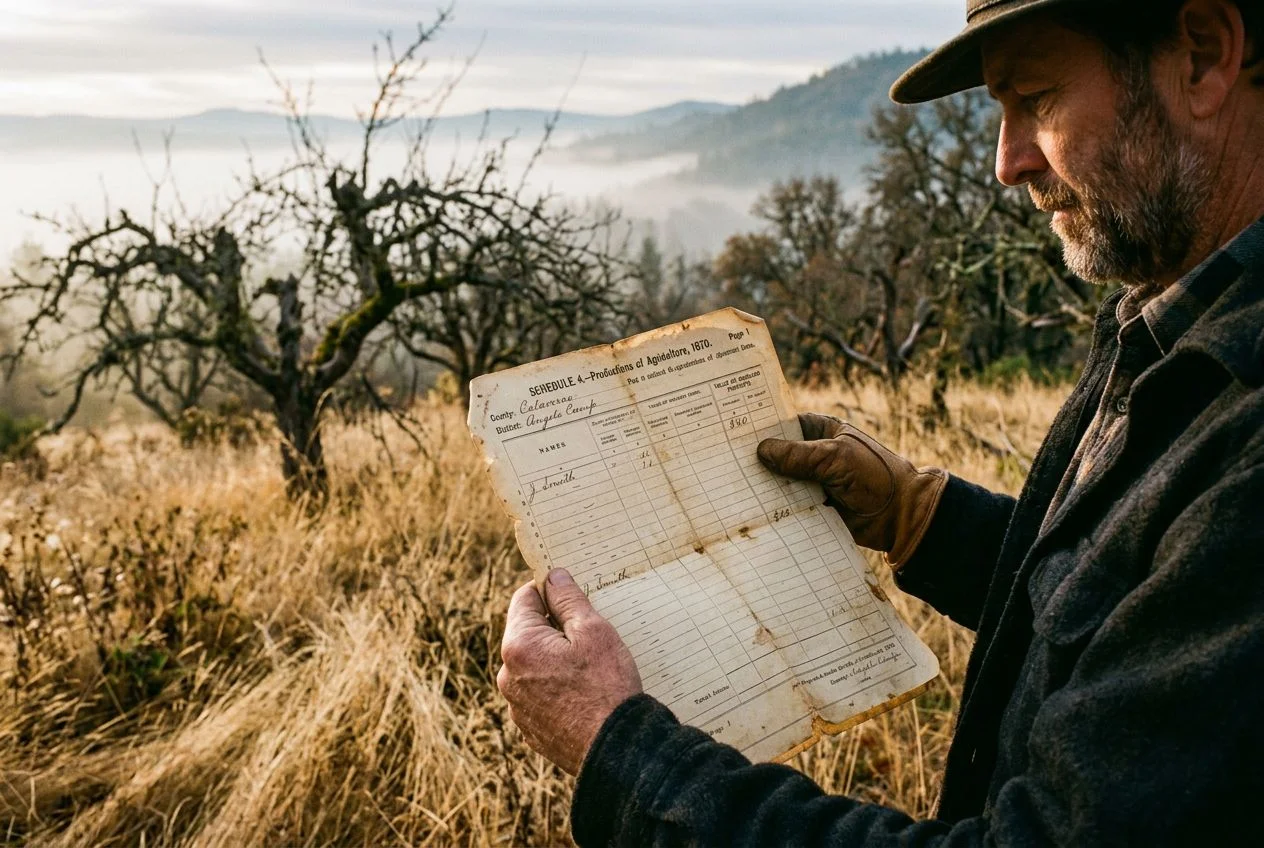
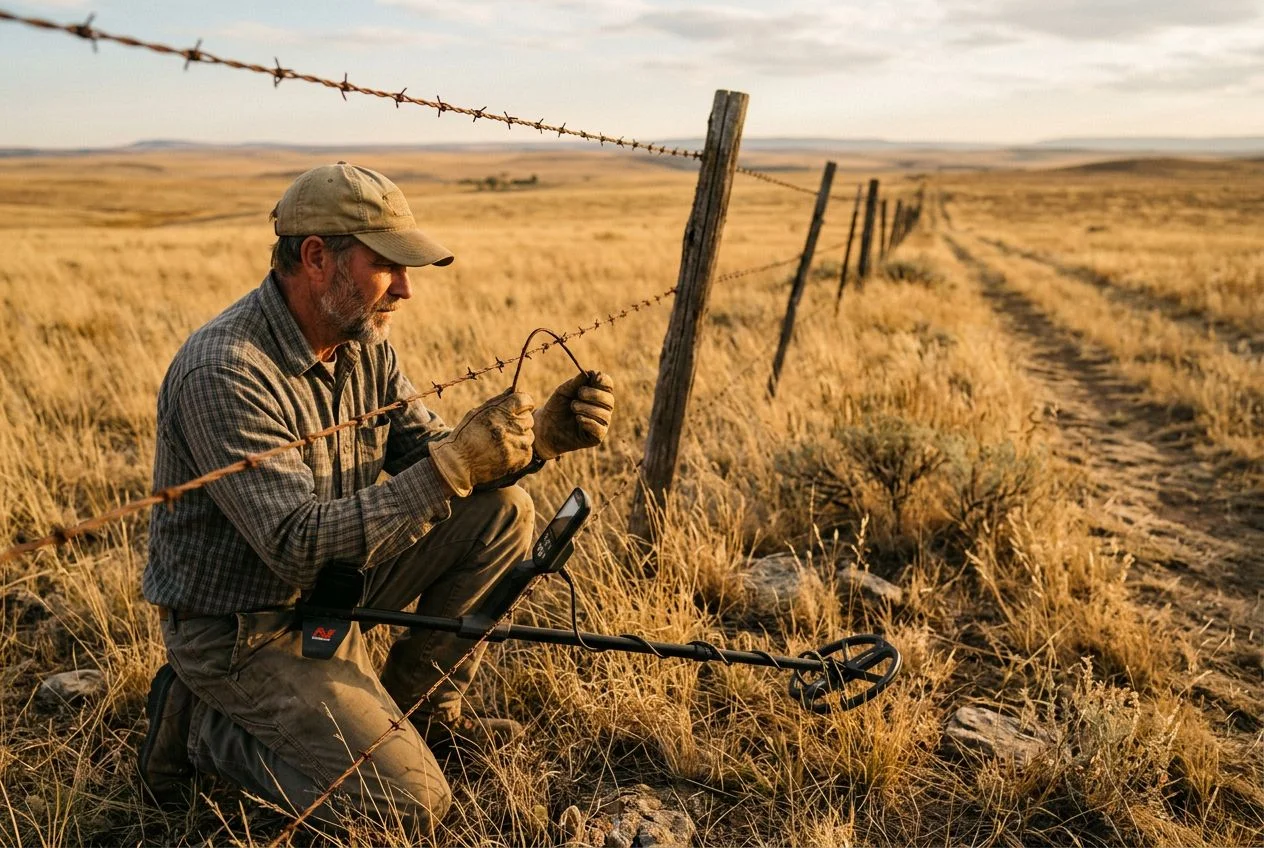
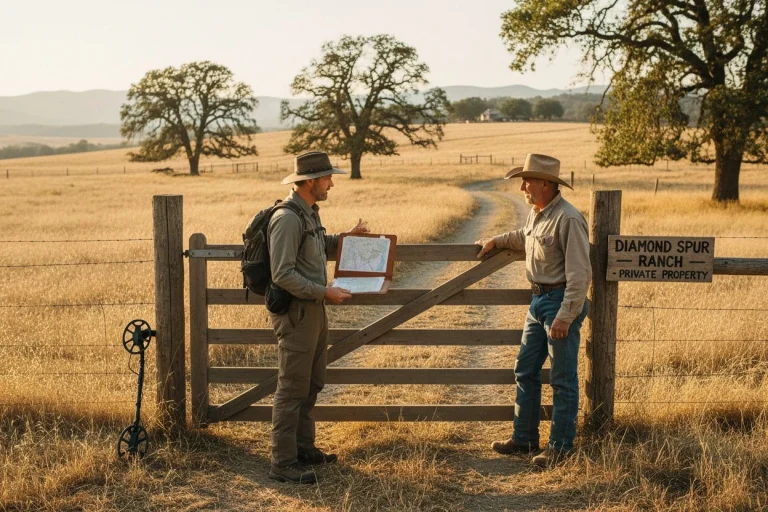
I remember standing at a gate in the Sierra foothills. I had printouts of 1910 maps in my truck and my detector ready. I’d done the “research” we all talk about. I’d found the old homestead and the overgrown orchard. My knock was confident. The landowner listened, then slowly shook his head. “I just can’t risk it,” he said. It wasn’t about trespassing. It wasn’t personal. It was pure liability.
That moment changed my strategy for good. We spend so much on gear, maps, and time. But we treat the most important part—getting permission—as an afterthought. We show up at the wrong time. We make a request that sounds, honestly, like a hassle.
Here’s the real question: What if the problem isn’t the landowner, but your script?
In California, “no” is often the default. This guide isn’t about begging. It’s about professionalizing your approach. We’ll move from being seen as a risk to being a respectful, predictable guest. We’ll cover how to research the right person. We’ll use a California-specific script. We’ll handle the legal paperwork (like the state’s FG994 form). We’ll build a partnership that lasts. Let’s get you past the gate.
Master Pre-Approval Preparation for Detecting
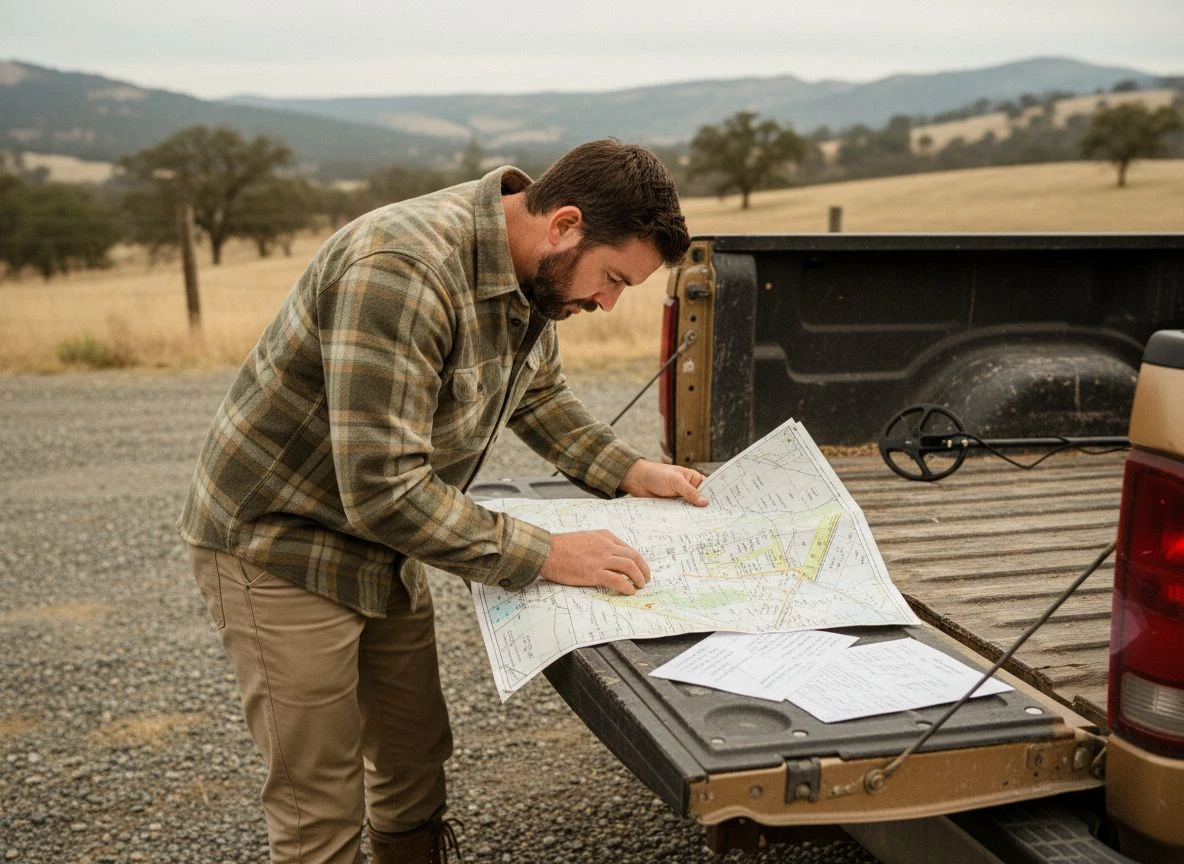
Your first move isn’t knocking. It’s shifting your mindset. You’re not a poacher hoping for a handout. You’re a professional making a respectful request. This turns a nervous cold call into a confident chat. It’s like my best metal detecting sites: they came from deed research and old maps, not random doors. For land access, the research is just more current.
Essential Research Beyond Mapping Apps
OnX is a start, not the finish. You need to know more than the map shows. Check the county assessor’s online portal for the official owner. It might be a family trust or an LLC, not a person. This tells you who to address. Then, do a casual drive-by. Is the land farmed? Are there animals? Is the house kept up? This isn’t scouting for game. It’s scouting for context. It shows you’re observant and respectful. A landowner’s guard drops when you notice details. You can say, “I saw the new fence along the south property.” This proves you did your homework.
What to Bring When You Ask for Permission
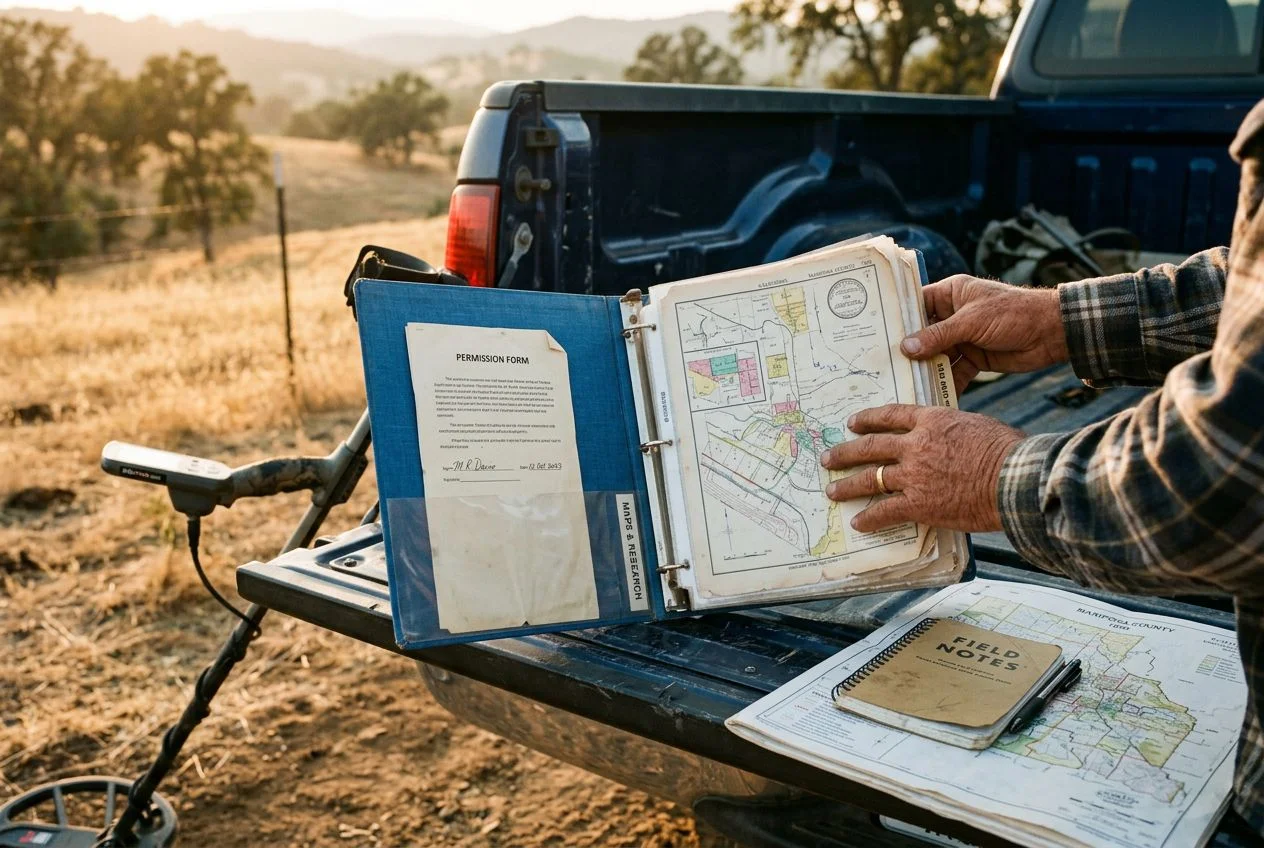
When you make contact, you must look the part. As Gun Dog Magazine says, leave the camo at home. Wear clean, normal clothes—like what you’d wear to a casual meeting. Carry a slim folder with:
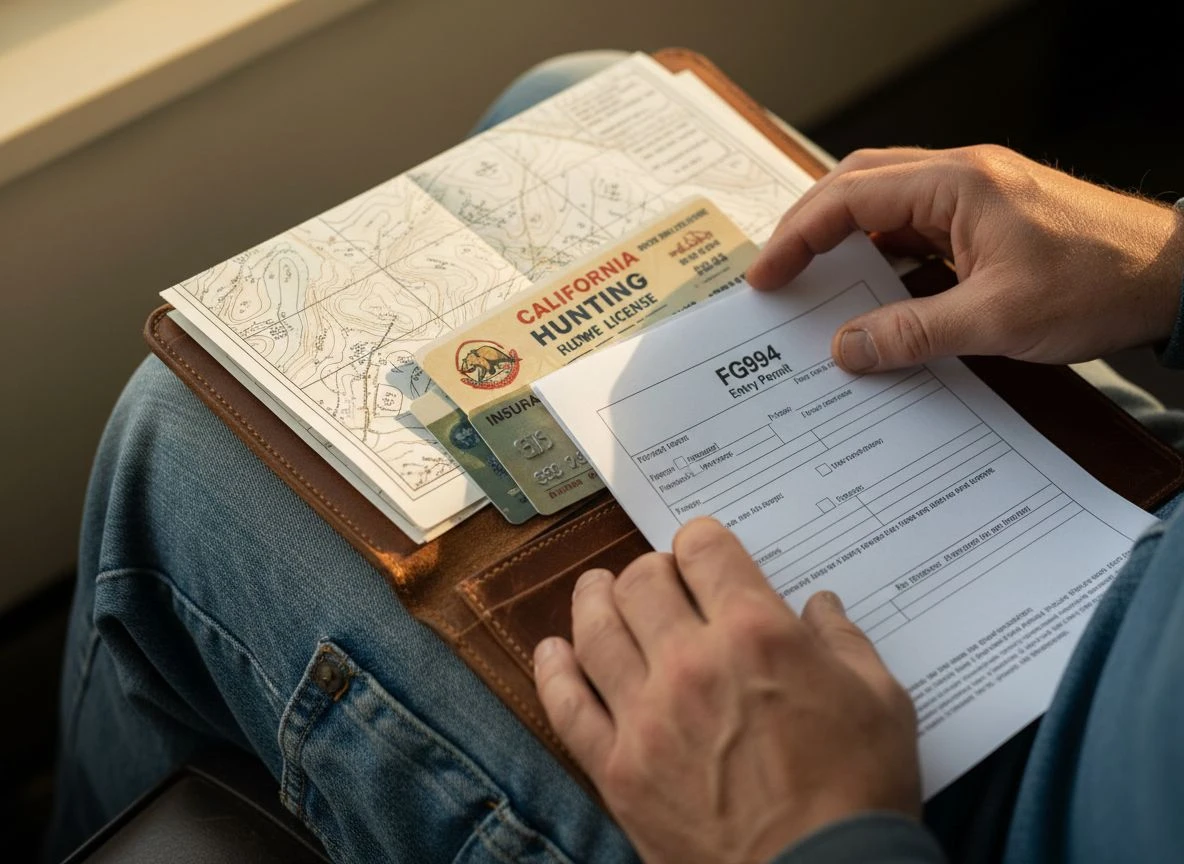
- A printout of the parcel from the assessor’s site,
- A copy of your hunting license and insurance, and
- A blank FG994 Entry Permit.
This visual proof of organization is disarming. Critically, understand your hunting license is not a ticket. The CA Department of Fish and Wildlife is clear: a license does NOT grant you entry to private property. Your prepared packet shows you know this law. It separates you from the entitled folks they’ve met before. It signals you understand liability is their starting point.
How to Identify the True Property Decision-Maker
Your research isn’t done with just a parcel number. The name on the assessor’s site is often a start, not the end. Your real goal is the human decision-maker. This takes some old-fashioned detective work. The state’s SHARE program has over 1.2 million acres through its PLM partners. This proves cooperative owners exist. You just have to find the ones not in a program.
Start with the county assessor’s portal for the official owner. But be ready: it often lists a trust, an LLC, or an out-of-state address. This is a clue, not a dead end. A trust means you need the trustee. An LLC means you need the managing member. For this, you go offline. Talk to the local feed store owner, a rural mail carrier, or retired farmers at a diner. They’re living databases. A casual, respectful chat—”I’m trying to reach the family that owns the old Johnson place off Route 12”—often gets you the right phone number. You might learn that “old man Johnson’s granddaughter in Sacramento makes all the calls now.”
You’re not being sneaky. You’re being thorough. The heir who lives three states away is your true target. Finding that right person is half the battle. It turns an automatic “no” into a real conversation.
The California Landowner Permission Script
The moment of contact is where most fail. They lead with a “me, me, me” request. Your goal is to flip the script. You’re not just asking to take something. You’re offering a value proposition for a California landowner. I frame it as a short, respectful business inquiry.
I learned this the hard way. Years ago, I wanted to detect an old ranch. I didn’t lead with “Can I look for coins?” I called the owner. I mentioned I’d seen the historic property was getting overgrown. I asked if he’d like a map of any buried debris (old wire, nails). I could make it while clearing some brush for him. The “yes” was immediate. I got my permission, and he got a service.
Here’s how to structure that successful ask.
Effective Phone Script for Initial Contact
Use this when you have a name and number. Call mid-week, mid-morning. Lead with clarity, not apology.
You:
“Hi, Mr./Ms. [Last Name]. My name is [Your Name]. I’m a local hunter/detectorist. I’m calling because I’ve been researching properties in the [Town/Area] for their history and wildlife. I have a copy of the county parcel map here for [their address/APN]. Could I speak with you for two minutes about a possibility?”
(Pause. If they say yes, continue. If they sound busy, immediately offer to call back at a specific time.)
You:
“Thank you. I understand your land is private, and I respect that completely. I specialize in [mention a relevant value: ‘wild pig pressure,’ ‘turkey monitoring,’ or ‘mapping historic features’]. I was wondering if you’d ever consider allowing insured access to one person—me—to help with that. In exchange, I could pursue my hobby. I can provide references, my license, and I always use the state’s official entry permit for clarity.”
This script works. It leads with research. It offers a benefit tied to a common issue (like pest control). It addresses liability with “insured” and “official permit.”
What to Say When Meeting a Landowner in Person
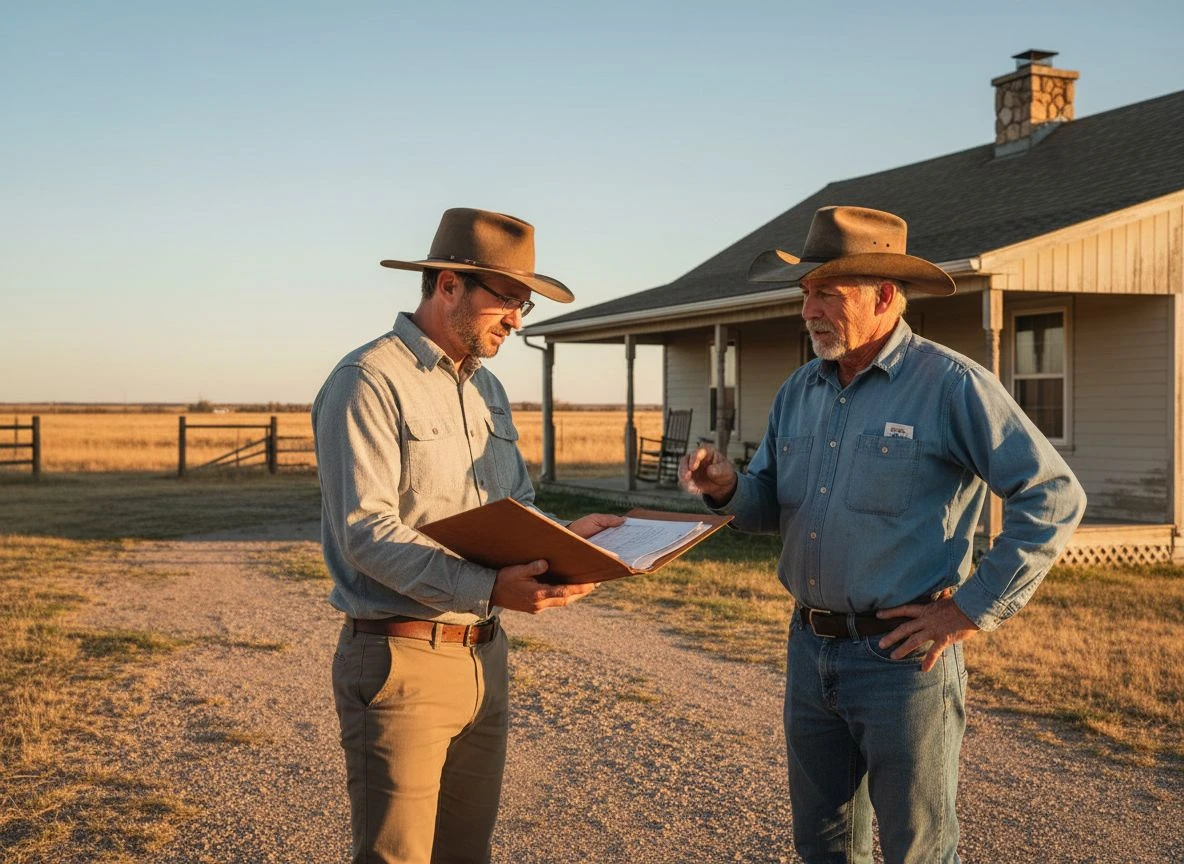
If the phone call gets a “maybe” or “tell me more,” schedule a time. Arrive exactly on time, dressed well. Bring your folder.
You:
“Mr./Ms. [Name], thank you for your time. I really appreciate it. As I mentioned, I’ve done my homework. I noticed [one specific observation: ‘the old orchard,’ ‘the creek that floods,’ ‘the open ridge’]. I wouldn’t touch those areas without your okay. My thought was, if it worked for you, I could start in [a specific, low-risk zone: ‘the back firebreak,’ ‘the northeast corner’]. I’d check in and out each visit and leave no trace. Here’s my insurance, license, and a blank copy of the state’s permission form so you can see what it says.”
The power is in the specifics. You’re not asking for “the whole place.” You’re proposing a small pilot project. This lowers their perceived risk. Offering the blank form upfront proves you’re transparent. The best time for this chat? Late winter or early spring—the off-season. You’re thinking about long-term care, not a quick trophy.
Navigate California’s Metal Detecting Liability Laws
Here’s the truth: the paperwork isn’t a hassle. It’s your best tool for getting a “yes.” In California, a landowner’s top fear is liability. Your job is to remove that fear with documentation.
Understand California Civil Code 846, the “recreational use immunity” law. It says a landowner who allows free recreational use isn’t usually liable for injuries. The exception is if they fail to warn of a hidden danger on purpose. When you mention this, you show you get their world. You can say, “I understand your concerns. California law actually provides protection for landowners who allow access. I’m happy to put our agreement in writing.”
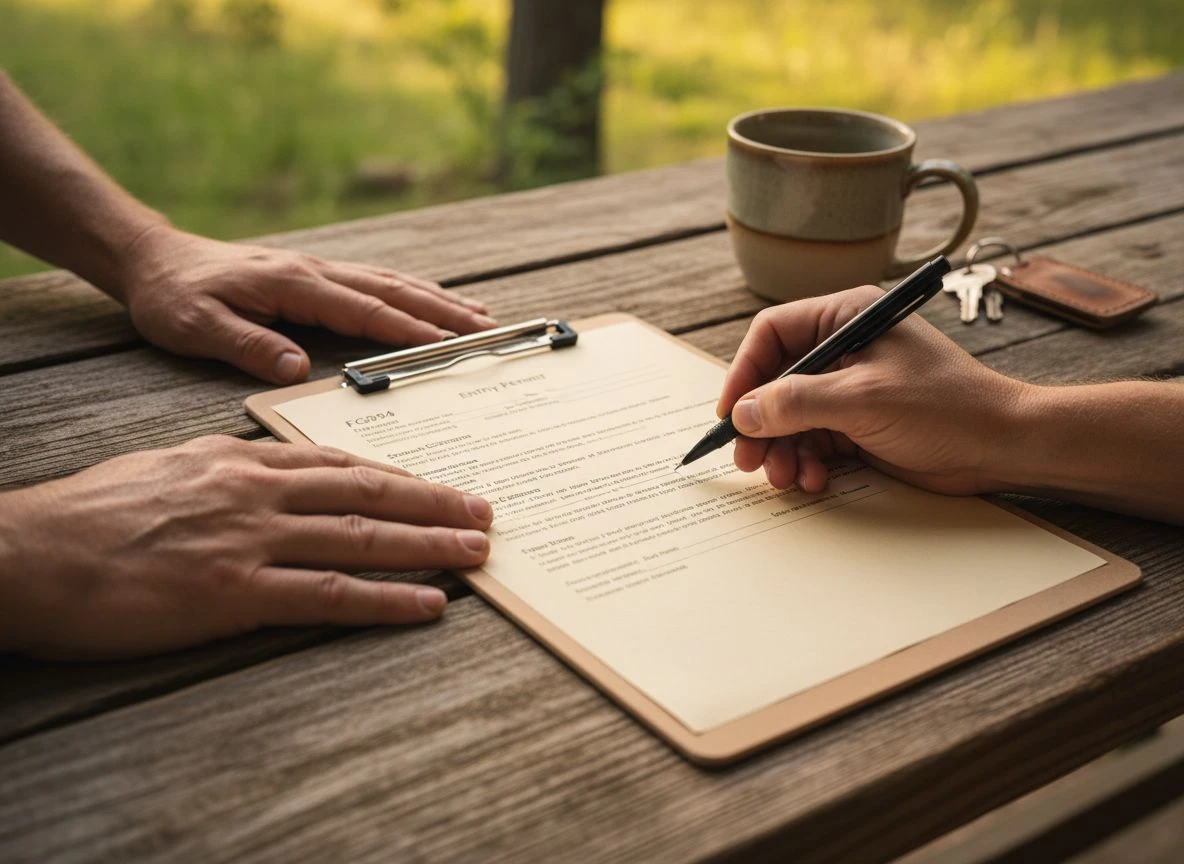
This leads to the official tool: the California Fish and Game Code Entry Permit (FG994). Don’t let the name fool you—it’s great for detectorists, too. This is the “get it in writing” part, made easy. You can download the official form directly from the CDFW here.
Print it and go over it with the owner. Key sections are simple: property location, permitted activities (write “metal detecting”), and dates. The magic is in the “Special Conditions” box. This is where you address their specific worries. My own permits have included: “Access via south gate only,” “Check in/out by text,” and “All holes filled.”
Filling out this form together changes a verbal maybe into a professional agreement. It shows you’re serious. I keep a blank copy on my phone and some printed in my truck. Presenting it isn’t pushing a contract. It’s offering peace of mind. It turns their biggest risk into a shared understanding. That’s the final key to unlocking the gate. This is crucial for metal detecting permission in California.
How to Become a Landowner’s Favorite Detectorist
Getting a “yes” is just the start. The real goal is to become the hunter or detectorist the landowner calls the good one. This isn’t about big gestures. It’s about consistent, quiet care. It proves their trust was right.
My buddy Tom is the master of this. He got permission to hunt an old orchard. Every spring, without being asked, he fixes a section of the boundary fence. That simple act has secured his access for over ten years. For that landowner, it’s not about the finds. It’s about Tom being a net positive for the property.
Protocol for Your First Detecting Visit
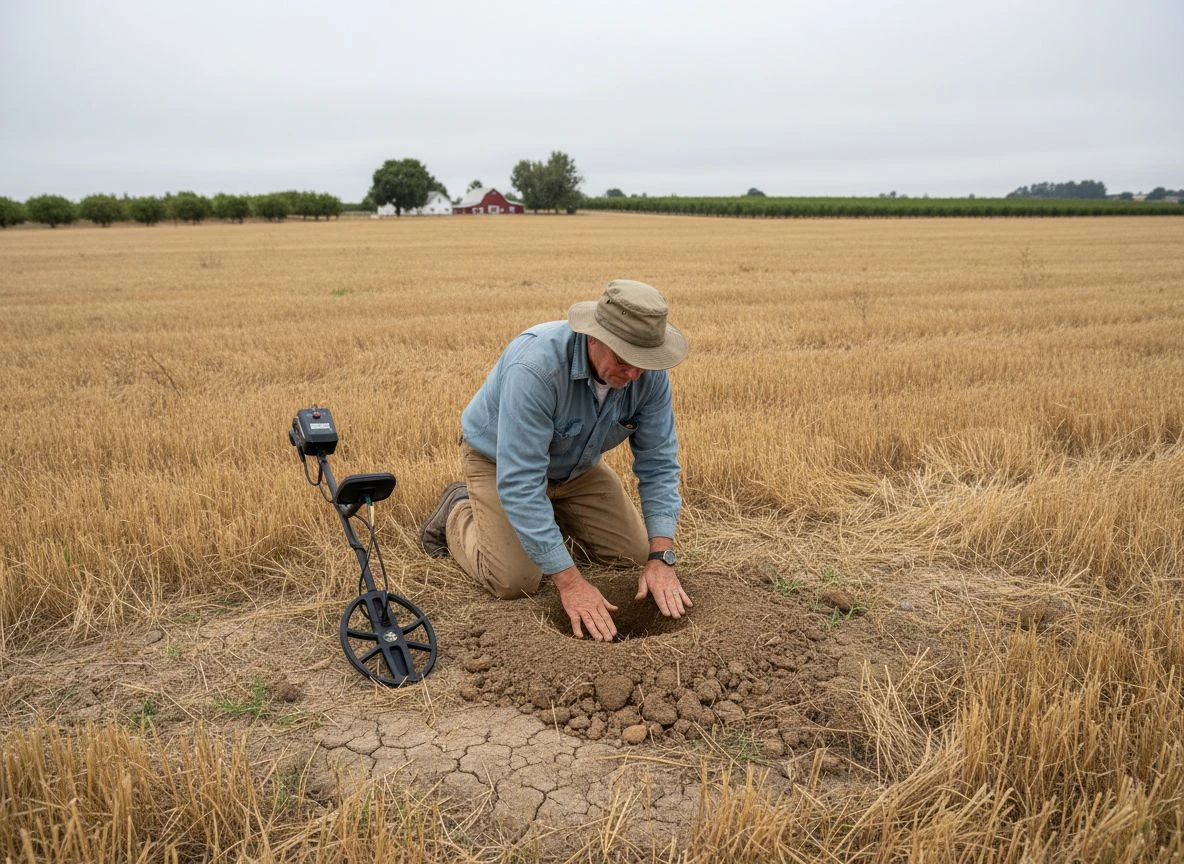
Your first hunt sets the tone. I follow a strict “in-and-out” ritual. I text when I arrive (exactly as agreed on the FG994 form). I text again when I leave. This is non-negotiable. As Source 6 notes, this check-out confirms you’re safe and off the land. It relieves the landowner’s mind. Leave the ground untouched. Every plug of grass, every rock—put it back. Make it look like you were never there.
Maintaining Good Relations During the Off-Season
Don’t let the relationship go dormant. A check-in during the off-season is powerful. “Hi Mr. Johnson, just thinking about the property. Saw that big storm is coming—everything looking good up there?” Or, offer a small service: “I’m headed out your way next month. Want me to clear that fallen limb from the road?” This shows you’re a caretaker, not just a visitor.
Appropriate Thank You Gifts for California Landowners
Skip expensive gifts. In my experience, transparency is the best thank-you. A simple photo text of a find works. “Got this 1920s wheat penny today! Thanks again for letting me explore the history.” It reinforces the shared purpose. At season’s end, a handwritten note means more than a gift card. For truly great access, a gift certificate to the local feed store is thoughtful. A native oak sapling is a great California-appropriate gesture.
Turn your permission into a partnership. Be the person who reduces worries. That’s how you get invited back, year after year.
Public Land Options When Private Permission Fails
Sometimes, even with your best effort, you hit a wall. That’s okay. California has two official backup plans. Think of these not as a consolation prize, but as a strategic part of your access portfolio.
The SHARE program (Shared Habitat Alliance for Recreational Enhancement) is a random-draw system. You apply for a chance to access a specific property on a set date. The application fee is $14.86 (non-refundable). It’s a great option for good land. The state has already resolved liability there. It just lacks the flexibility of a personal permission.
For more consistent access, see the Private Lands Management (PLM) program. This is a network of 120 properties across 26 counties. Landowners manage habitat for wildlife. In return, they can offer expanded seasons or tags. You get access directly from the landowner under the program’s rules, often for a fee. It’s a more established, long-term partnership.
The key difference? SHARE is a one-time ticket. PLM is an invitation into a managed system. Both prove California landowners are open to access. Sometimes you just need the official channel instead of the front porch. Having these in your back pocket means you’re never truly out of options. They are part of a broader strategy for metal detecting permission in California.
Adopting a Sustainable Permission Mindset
Stop seeing “Private Property” as a barrier. See it as an invitation to talk. With over 50 million private acres in California, the opportunity isn’t scarce. The right approach is. This process flips the script. You’re not a taker asking for a favor. You’re a partner offering a solution. You’re a responsible steward. You understand liability. You respect boundaries. You provide clear value.
The land is out there. So are the good landowners. You just have to build the bridge between them. Use respect, preparation, and a clear offer. Mastering metal detecting permission in California is a skill. Now go make the ask.

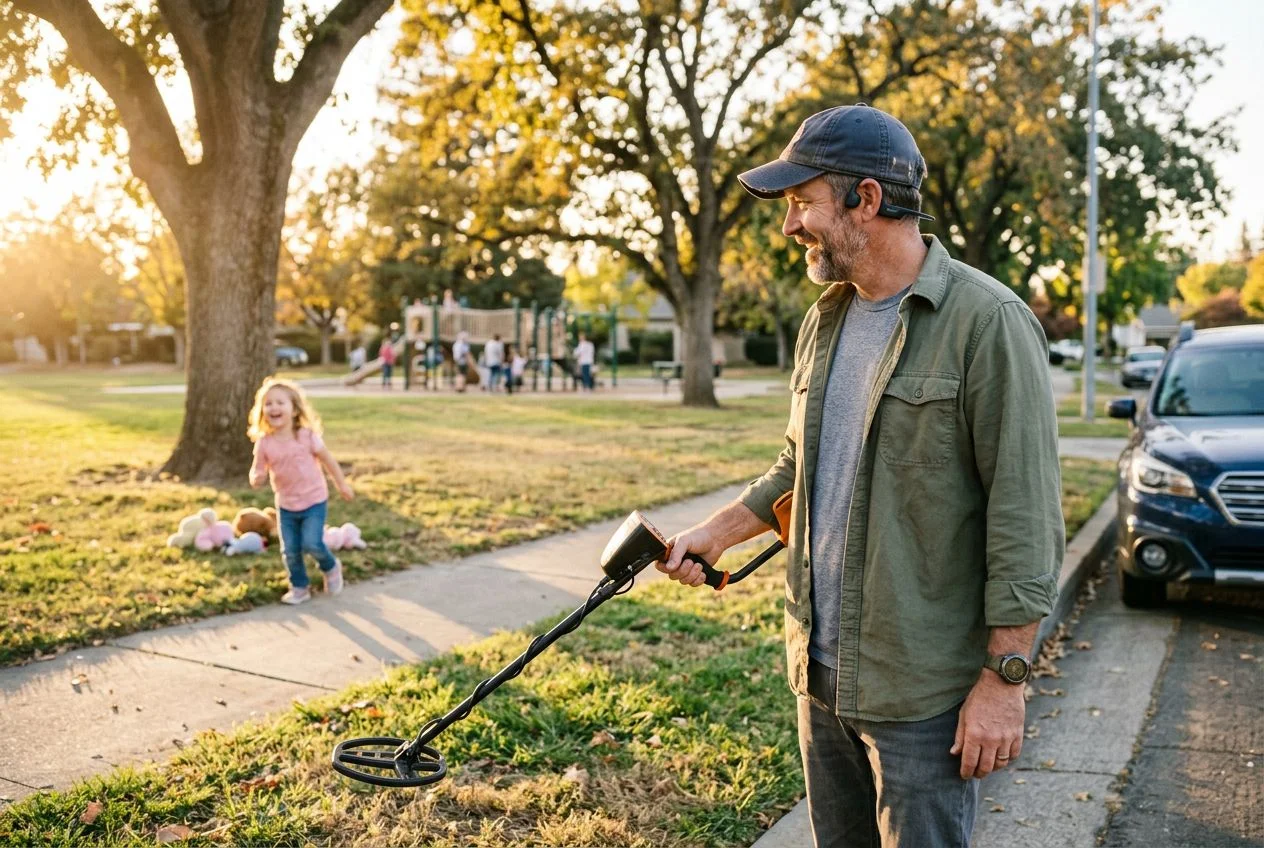
My name is Paul and I am the founder of Detector For Metal, a dedicated resource for metal detecting enthusiasts seeking to uncover historical treasures and connect with the past using the latest technology. As a stay-at-home dad and family man, I’ve found metal detecting to be the perfect hobby that combines family adventure with historical learnings for the whole family.
As a father, I’m deeply committed to passing on this hobby to the next generation of detectorists, starting with my own children. I share advice on everything from metal detecting with kids to exploring the top 10 metal detecting sites you never thought about. My methodical approach to the hobby goes beyond the thrill of discovery—it’s about creating family traditions while preserving history and sharing the stories of those who came before us.