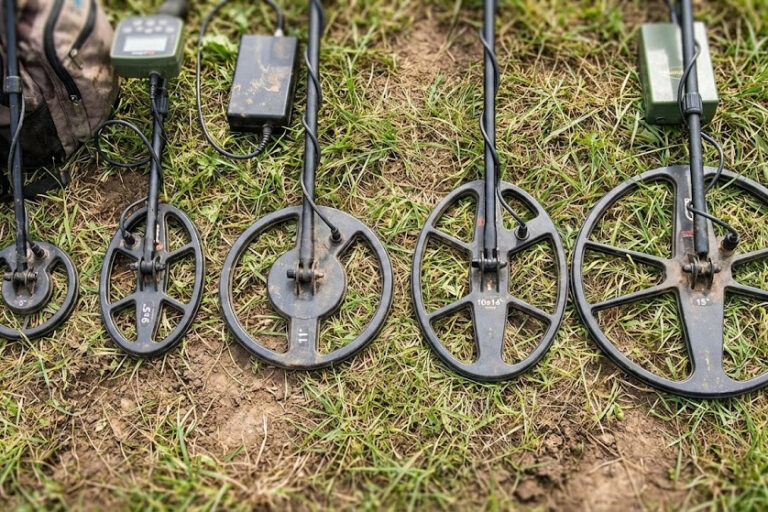
When I was about three years into this hobby, I finally learned the hard truth: your detector coil matters just as much as your detector.
I’d dropped serious cash on a mid-range machine, spent months mastering the settings, and was finding… aluminum can tabs. Meanwhile, my buddy Rick ran a detector half the price of mine with an aftermarket metal detector coil and was digging silver quarters from the same park.
The searchcoil is the only detector accessory that actually talks to the ground. Everything else just processes what the coil finds. Get it wrong, and you’re leaving targets for guys like Rick to find.
Choosing the right metal detector coil transforms a good detector into a great one. This metal detector coil guide covers DD vs concentric coil designs, how to choose metal detector coil size for specific hunting environments, and understanding what size coil for metal detecting delivers the best results. Whether you’re considering a coil upgrade or trying to understand metal detector coil types explained, these factors determine whether you’re digging treasure or trash.
- Understanding Metal Detector Coil Depth: Why Coil Size Really Matters
- DD Coils vs Concentric: Why DD is the Best All-Around Detector Coil
- Concentric Coil Guide: When This Coil Type Makes Sense
- How to Choose Metal Detector Coil Size: Small vs Large Detector Coil Explained
- Best Coil for Beach Detecting and Gold Prospecting: Specialized Applications
- Aftermarket Metal Detector Coils: The Smart Coil Upgrade Strategy
- Building Your Searchcoil Arsenal: What Size Coil for Metal Detecting Do You Really Need?
- Metal Detector Coil Types Explained: Your Most Common Questions Answered
- Metal Detector Coil Comparison: Making the Right Choice for Your Hunting Style
- References
Understanding Metal Detector Coil Depth: Why Coil Size Really Matters
The searchcoil generates the electromagnetic field that penetrates the ground. When that field hits a conductive object, it induces eddy currents that create a secondary magnetic field your detector picks up.
Understanding metal detector coil depth is crucial: detection depth for coin-sized objects roughly equals coil diameter – an 8-inch detector coil typically detects quarters at approximately 8 inches. But soil mineralization can cut these depths by 50% or more. I learned this during my first Arizona gold prospecting trip. My 11-inch coil should’ve hit 11 inches. In mineralized soil? Six inches, tops.
The biggest mistake when choosing coil size: assuming bigger is always better. The small vs large detector coil debate isn’t about raw depth – it’s about matching your hunting environment. Large coils cover more ground but “see” multiple targets simultaneously. In trashy parks, a 15-inch coil becomes useless – it’s processing a dozen aluminum signals at once, masking good targets.
DD coils reject approximately 70% more ground mineral interference than concentric coil designs, letting you run higher sensitivity for more depth. Terrain dictates your metal detector coil comparison more than anything else.
DD Coils vs Concentric: Why DD is the Best All-Around Detector Coil
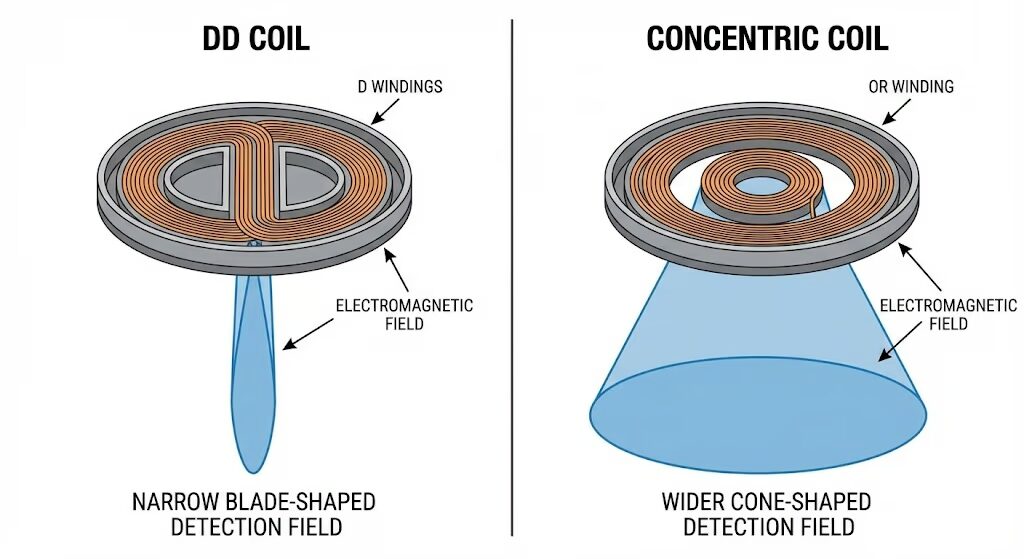
Walk into any detector shop and you’ll notice: most mid-range and advanced detectors ship with DD coils. When comparing DD vs concentric coil performance, this is physics, not marketing.
The DD coil features two overlapping D-shaped windings creating a blade-shaped detection field versus the cone-shaped coil shape from concentric designs. Ground mineralization affects DD coils far less because overlapping windings cancel soil interference.
I saw this at an old homestead in New Mexico. The mineralized soil had my buddy’s concentric coil chattering constantly. My DD coil? Running smooth at 80% sensitivity, pulling targets he walked over.
Key DD coil advantages for upgrading metal detector coil performance:
- Superior ground mineralization handling
- Better target separation in trash (making it the best metal detector coil for trashy areas)
- Only 30% sweep overlap needed vs. 50-60% for concentric
- Iron rejection capabilities
Honest drawbacks: Pinpointing takes practice. Bottle caps sometimes mimic good targets. Shallow targets may cause signal stutter.
Popular DD coil options include Minelab EQX 11, Garrett Viper/Raider, XP Deus X35/FMF, and Nokta Legend lineup.
Concentric Coil Guide: When This Coil Type Makes Sense
Concentric coils feature two circular windings creating a cone-shaped detection pattern with maximum strength directly under center.
That cone shape provides genuine pinpointing advantages. In non-mineralized soil, concentric coils achieve greater theoretical depth than same-sized DD coils. But this advantage disappears in mineralized ground.
Modern manufacturers reserve concentric coils for entry-level machines: Garrett ACE 200/250/300, Fisher F22, Bounty Hunter models. These target beginners hunting clean parks.
How to Choose Metal Detector Coil Size: Small vs Large Detector Coil Explained
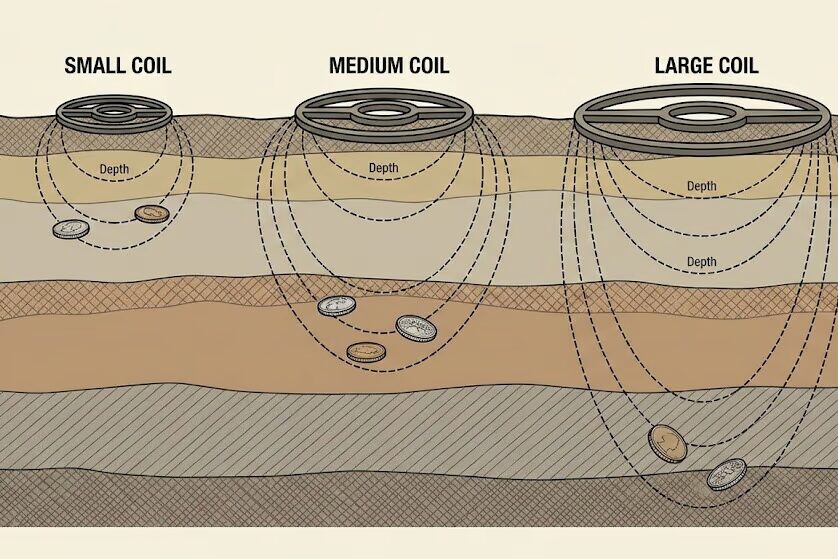
When determining the best metal detector coil size, understanding coil shape and diameter trade-offs is essential.
Small Coils (4-8″): Best Metal Detector Coil for Trashy Areas
Small coils concentrate electromagnetic fields into tight volumes, enhancing sensitivity to micro-targets and superior target separation. These lightweight metal detector coil options are perfect for trashy urban parks, gold prospecting, and reducing arm fatigue.
Downside? Reduced depth on large objects and slower coverage. Last weekend I spent four hours covering a 50×50 area with my 5-inch sniper. But I pulled seven wheat pennies from pounded spots that bigger coils couldn’t separate from trash.
Popular options: Garrett 4.5″ Super Sniper, NEL Snake (5×4″), NEL Sharpshooter (5×8″), Minelab EQX 06.
Medium Coils (9-11″): Best Coil Size for Coin Shooting and General Detecting
The sweet spot balancing depth, sensitivity, separation, and coverage without excessive weight. Most detectors ship in this range – the best all-around detector coil compromise for 80% of scenarios. This coil size for coin shooting delivers consistent results across varied conditions.
Large Coils (12-17″): Deep Seeking Metal Detector Coil Performance
Generate larger fields for greater depth and wider coverage, but reduced sensitivity to small targets near surface. These deep seeking metal detector coil options excel in open areas.
I use my 15-inch for open farm fields and beaches. But at playgrounds? The weight wears you out and it can’t separate targets.
Real-world depth improvements: 15-35% over mid-size coils. A 15-inch might detect coins at 12-14 inches versus 10-11 inches for an 11-inch. The primary advantage is ground coverage efficiency.
Elliptical vs Round Coil: Understanding Coil Shape Performance
Round provides maximum depth for size. Elliptical offers maneuverability. Depth correlates with the narrower dimension – a 5×10″ elliptical detects like a 6″ round.
Best Coil for Beach Detecting and Gold Prospecting: Specialized Applications
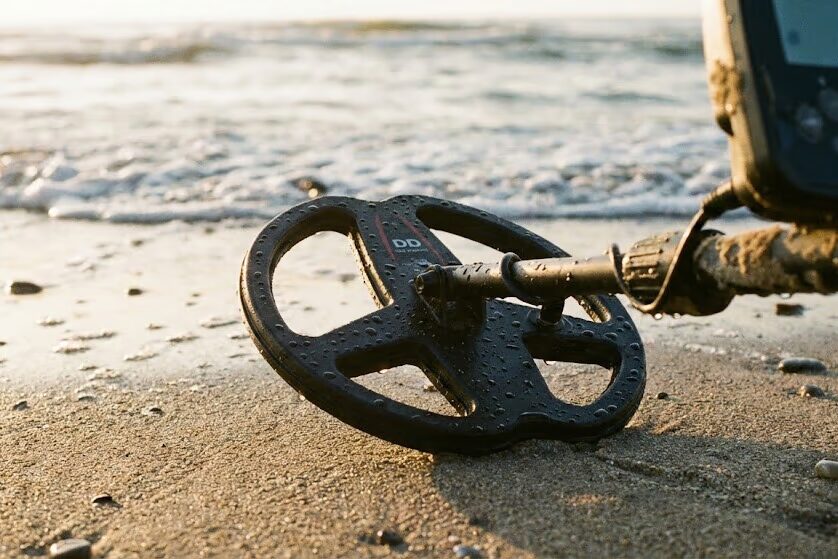
Waterproof Metal Detector Coil: Choosing the Best Beach Coil
DD coils are mandatory for the best coil for beach detecting – concentric coil designs become unstable in salt mineralization. When choosing a waterproof metal detector coil, multi-frequency VLF or pulse induction detectors perform best. Check waterproof ratings carefully – not all beach coil options can handle submersion.
Best Coil for Gold Prospecting: Aftermarket Options That Outperform OEM
Gold prospecting requires specialized high-frequency equipment. Entry-level: Fisher Gold Bug Pro or Nokta Gold Kruzer. Serious prospectors: Minelab GPX 6000/GPZ 7000 with aftermarket coils. Small monoloop coils (8-11″) target fine gold, larger coils (14-17″) cover more ground.
Aftermarket metal detector coils often outperform OEM for gold prospecting. Coiltek Elite and Nuggetfinder Evolution series offer “much more sensitivity to small gold while at the same time having better depth.” Nuggetfinder’s Z-Search coils are the only aftermarket option sanctioned by Minelab for GPZ 7000.
Relic Hunting: Large DD coils (12-15″) for maximum depth in open fields. Coiltek 14″ Elite, NEL Thunder, and Detech 13″ Ultimate have strong reputations as deep seeking detector coils.
Aftermarket Metal Detector Coils: The Smart Coil Upgrade Strategy
Here’s a secret: aftermarket metal detector coils from established manufacturers often match OEM performance at 20-40% savings. When considering a coil upgrade, third-party options deliver serious value.
Quality NEL, Detech, CORS, and Coiltek coils deliver comparable performance. I’ve run a NEL Tornado on my Garrett AT Pro for two years – paid $180 versus $300 for OEM, can’t tell the difference in the field.
Popular manufacturers for upgrading metal detector coil performance:
- NEL Coils: Tornado (12×13″), Thunder (14.5×10.5″), Sharpshooter (5×8″), Snake (5×4″)
- Detech: SEF technology, Ultimate series
- Coiltek: Elite series for gold prospecting
Warranty concerns? Generally no, if installed correctly. Minelab specifically approves Coiltek and Nuggetfinder for certain models. XP Deus remains the only major platform without aftermarket alternatives due to proprietary wireless technology.
Building Your Searchcoil Arsenal: What Size Coil for Metal Detecting Do You Really Need?
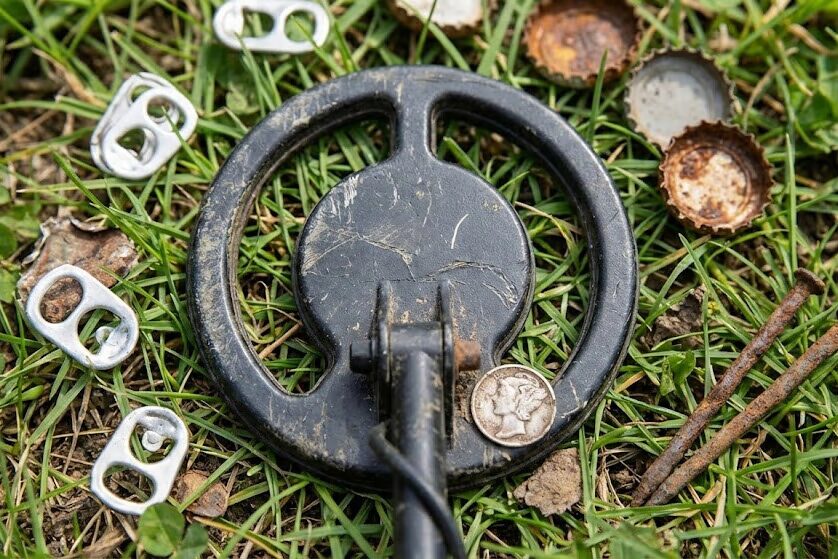
Most serious detectorists own multiple coils. Here’s my recommended progression for upgrading metal detector coil inventory:
Stage 1: Master Your Stock Detector Coil
Learn it inside and out before considering any coil upgrade. I wasted money on my first aftermarket metal detector coil because I didn’t understand what my stock coil could do.
Stage 2: Add a Small Sniper Coil (5-8″)
This single addition transforms your detector’s versatility for trashy areas. Think of it as adding a specialized tool to your detector accessory collection.
Stage 3: Consider a Large Coil (13-15″)
If you regularly hunt open areas, beaches, or relic sites, upgrading to a deep seeking metal detector coil makes sense.
This three-coil approach covers virtually any scenario when you’re figuring out how to choose metal detector coil options. Budget-conscious recommendations:
- NEL Snake or Sharpshooter ($150-180)
- Stock mid-size (comes with detector)
- NEL Tornado or Thunder ($250-300)
Metal Detector Coil Types Explained: Your Most Common Questions Answered
Does metal detector coil size affect depth? Yes – metal detector coil depth roughly equals diameter, but mineralization can reduce this by 50%+.
Small vs large detector coil – which is better? Neither. They serve different purposes. Small coils offer better target separation and lightweight handling. Large coils provide deeper detection and faster coverage. Choose based on your hunting environment.
How to choose metal detector coil based on DD vs concentric coil design? DD for most scenarios. They handle mineralized ground better and provide superior target separation. Choose concentric only for clean soil where you prefer manual pinpointing.
Will aftermarket metal detector coils void warranty? Generally no if compatible and installed correctly. Use compatibility charts and authorized dealers.
What’s the best coil for beach detecting? Waterproof metal detector coil designs with DD configuration are essential – concentric becomes unstable in salt. Fully submersible beach coil construction required.
What size coil for metal detecting delivers the best results? Depends on hunting conditions. The best metal detector coil size for trashy areas is 4-8 inches. For general detecting and coin shooting, 9-11 inches works best. For maximum depth in open areas, 12-17 inches.
Metal Detector Coil Comparison: Making the Right Choice for Your Hunting Style
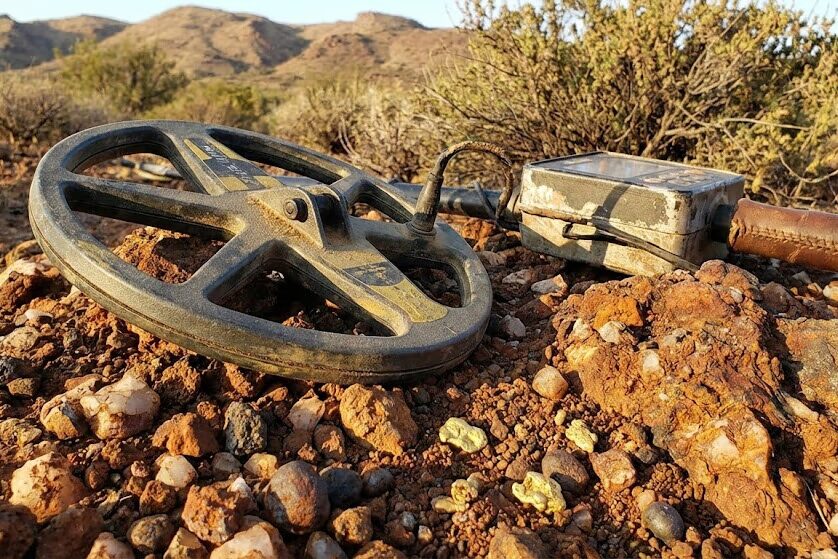
After three years and probably too much money spent on various searchcoil options, here’s what matters: the optimal metal detector coil depends entirely on where you hunt. No single detector coil excels everywhere.
DD coil configurations dominate for good reason – superior mineralization handling, better target separation, ground coverage efficiency. When comparing DD vs concentric coil performance, DD wins for most real-world scenarios.
Understanding what size coil for metal detecting works best follows predictable patterns:
- 4-8″ coils for trashy sites and gold prospecting (best metal detector coil for trashy areas)
- 9-11″ coils for 80% of common scenarios (best all-around detector coil)
- 12-17″ coils for maximum depth in open areas (deep seeking metal detector coil applications)
Aftermarket metal detector coils from established manufacturers (Coiltek, NEL, Detech) frequently match OEM performance at substantial savings when you’re upgrading metal detector coil inventory.
The investment in appropriate searchcoil options delivers substantial returns in finds per hour. A well-chosen coil upgrade transforms a capable detector into an exceptional performer. This metal detector coil guide should help you make informed decisions about detector accessory purchases.
Understanding the metal detector coil types explained here – along with the physics and practical trade-offs – enables informed decisions rather than marketing-driven purchases. That’s what separates consistent finders from those complaining their detector doesn’t work while using the wrong coil size for their hunting conditions.
Now get out there and dig some targets. And maybe invest in that sniper coil – your next silver coin might be hiding in a spot you’ve already hunted a dozen times. ⛏️
References
- Phase Technical, “Gold Detector Coils Explained,” https://phasetechnical.com.au/blog/gold-detector-coils-explained/
- Gold Prospecting WA, “Metal Detector Coils Get Them Right For The Ground Conditions,” https://www.gold-prospecting-wa.com/metal-detector-coils.html
- Minelab, “Understanding Minelab Coils: A Comprehensive Guide,” https://www.minelab.com/blog/article/a-crash-course-in-everything-coils
- Friendly Metal Detecting Forum, “3 coils / depth comparison,” https://metaldetectingforum.com/index.php?threads/3-coils-depth-comparison.302983/
- Rob’s Detector Sales Community Forums, “Nugget Finder 12-inch Round ‘Evolution’ Mono Searchcoils Now in Stock!,” https://forums.robsdetectors.com/topic/11757-nugget-finder-12-inch-round-evolution-mono-searchcoils-now-in-stock/

My name is Paul and I am the founder of Detector For Metal, a dedicated resource for metal detecting enthusiasts seeking to uncover historical treasures and connect with the past using the latest technology. As a stay-at-home dad and family man, I’ve found metal detecting to be the perfect hobby that combines family adventure with historical learnings for the whole family.
As a father, I’m deeply committed to passing on this hobby to the next generation of detectorists, starting with my own children. I share advice on everything from metal detecting with kids to exploring the top 10 metal detecting sites you never thought about. My methodical approach to the hobby goes beyond the thrill of discovery—it’s about creating family traditions while preserving history and sharing the stories of those who came before us.