Table of Contents
My buddy Tom called me a few months back with that tone he gets when he’s found something on the internet that’s either genius or insane. “Paul, you’re not gonna believe this thing. It’s a walking stick that can see 114 feet into the ground. Through augmented reality. On your phone.”
I laughed. Then I looked it up. Then I spent the next three weeks reading everything I could find about the TreasureHunter3D GoldenEye Plus, because I’m the type of person who gets obsessed with gear claims that sound too good to be true. My wife says I collect obscure facts like some people collect stamps.
Here’s what I found after digging through the specs, the marketing, the documentation, and the forums.
Is the GoldenEye Plus a True 3D Detector?
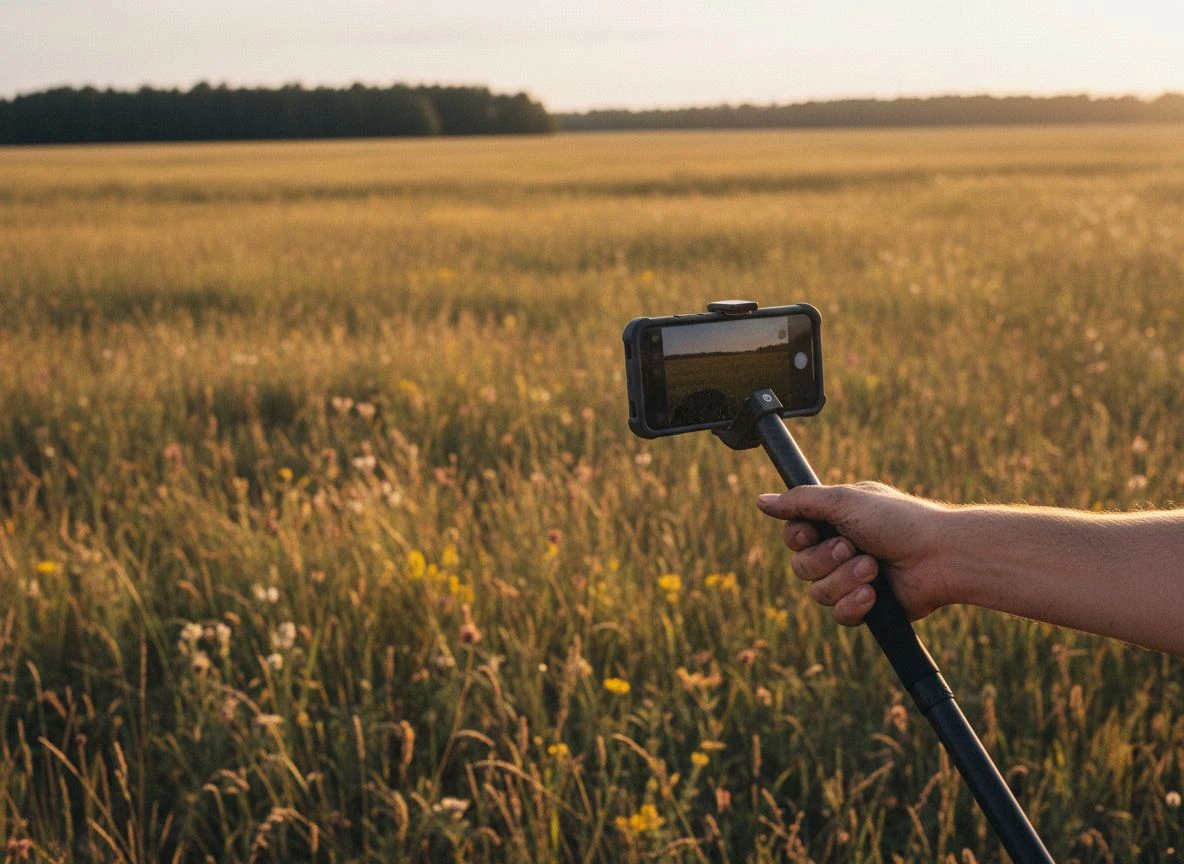
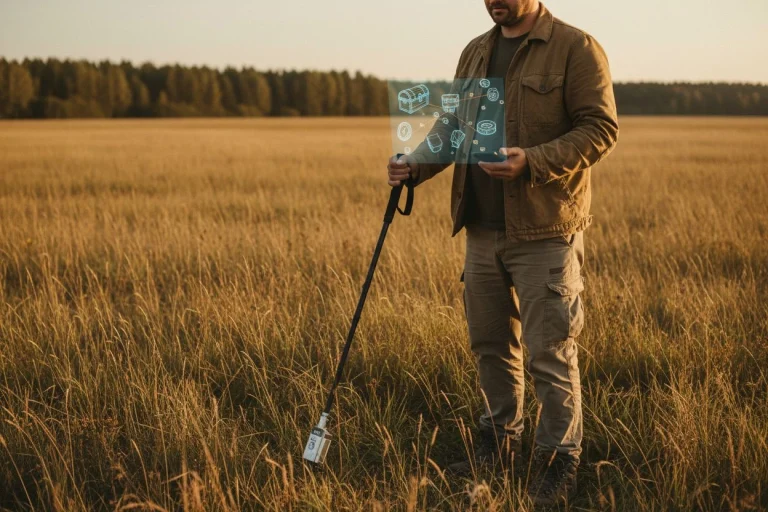
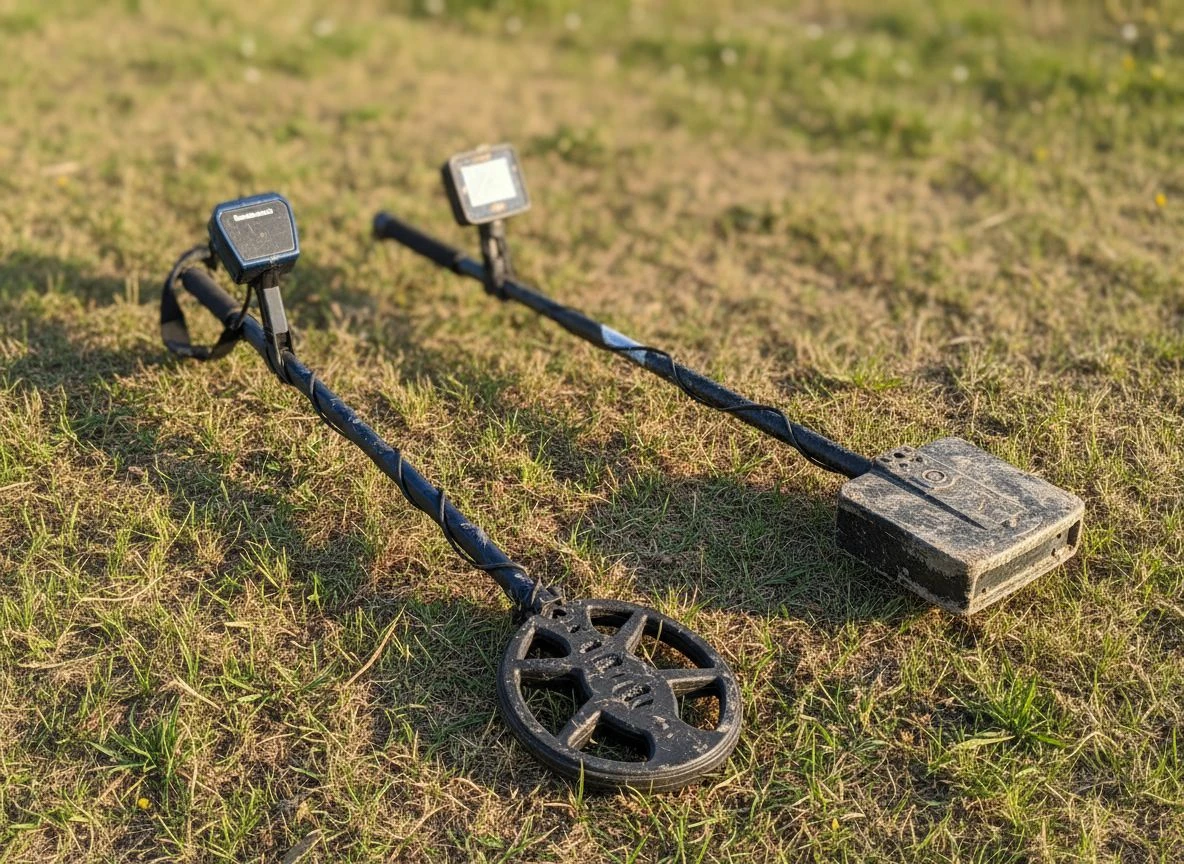
Let’s start with what this thing actually is, because it’s not your grandfather’s metal detector. The GoldenEye Plus is a 3D ground scanning system built into a carbon fiber hiking stick. It weighs less than 200 grams — lighter than most water bottles — and connects wirelessly via Bluetooth to your smartphone or tablet. According to TreasureHunter3D’s product page, it’s designed for “professional treasure hunters, serious explorers, and field researchers.”
The headline feature is the augmented reality live-scan. As you sweep the device over the ground, a 3D visualization of what’s underground appears on your phone screen in real time. You can see the position, shape, and estimated depth of buried objects before you ever pick up a shovel.
It also claims a scan resolution 160 times better than older models and a maximum detection depth of roughly 35 meters (114 feet) under optimal conditions.
That 35-meter figure is what caught my attention — and what I want to talk about honestly.
How Deep Can the GoldenEye Plus Detect?
Here’s where things get complicated, and I’ll level with you. I spent a good chunk of time trying to reconcile two conflicting numbers from TreasureHunter3D’s own materials.
The marketing materials — the product page, the blog posts, the reseller listings — all trumpet that 35-meter (114-foot) detection depth. A company blog post from December 2023 calls it “the deepest gold detector on the market” and claims it can reach “35 meters (114 feet) or more for massive objects.”
But the official technical documentation tells a different story. Buried in the performance notes for Professional 3D mode, it states: “3-4 meters under optimal conditions.”
That’s a massive gap. And it’s not a typo.
The honest reading is this: the 35-meter figure applies to extremely large targets — think buried vaults, large caches, substantial underground structures. The 3-4 meter figure is what you can realistically expect for the kinds of targets most detectorists actually hunt: chests, caches, relics, and metal objects.
This is the kind of distinction that gets lost in marketing copy but matters enormously when you’re standing in a field with $4,299 on the line.
GoldenEye Plus Real-World Target Examples
Let’s talk about what the GoldenEye Plus is actually good at, because despite the marketing hype, it’s a genuinely impressive piece of technology.
The device detects “underground anomalies associated with ferromagnetic materials” — a technical way of saying it finds metal objects and the disturbed soil around them. According to the documentation, specific targets include:
- Gold and precious metals in ferromagnetic containers
- Buried boxes, chests, and caches
- Underground structures and foundations
- Caves, tunnels, and voids
- Graves and archaeological features
- Coins, rings, jewelry, and relics
The key phrase there is “associated with ferromagnetic materials.” This isn’t a standard metal detector that beeps when you sweep over a coin. It’s a magnetometer-based system that maps magnetic field disturbances in the soil. That means it can detect patterns — the outline of a buried foundation, the shape of a tunnel, the boundaries of a filled-in cellar hole.
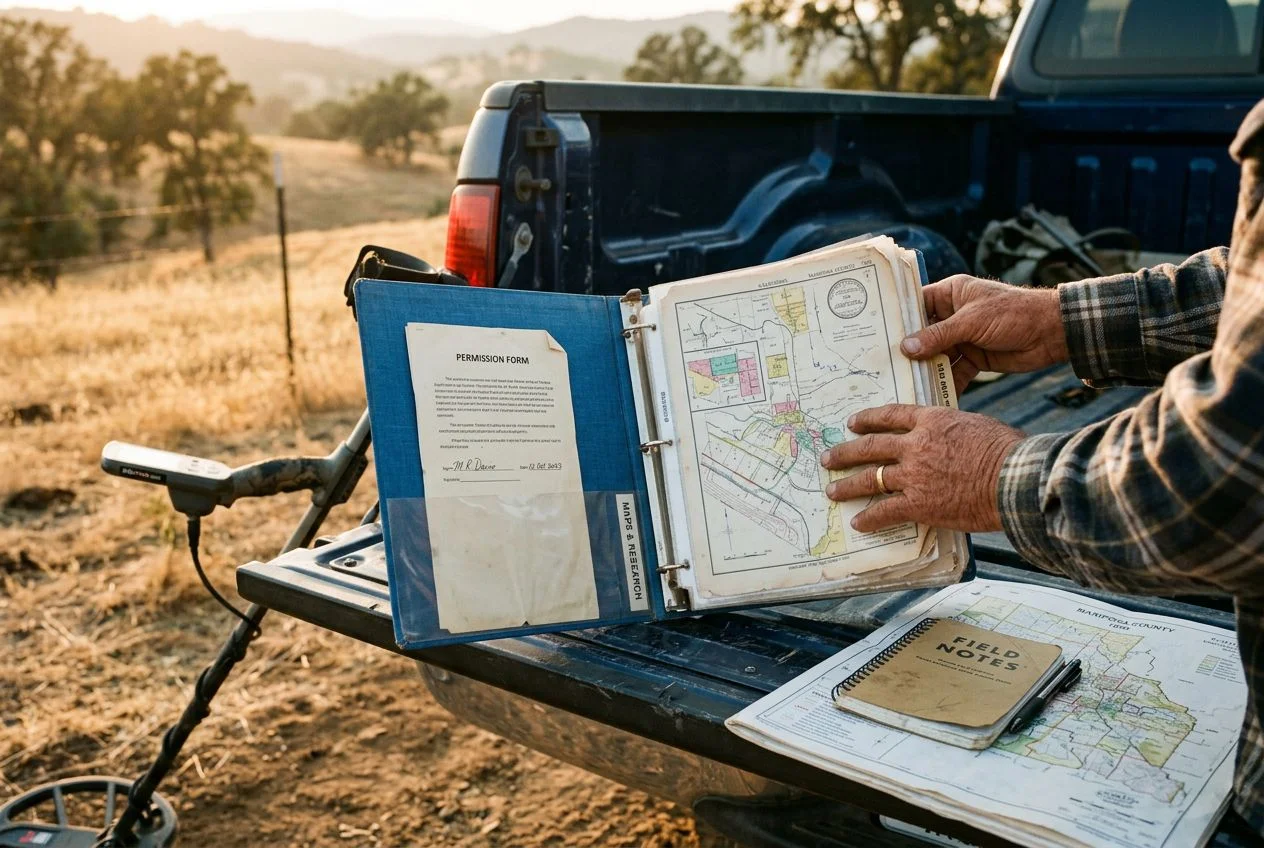
For historical site research, that’s incredibly powerful. I’ve spent years overlaying old Sanborn maps on modern satellite imagery, trying to guess where structures used to stand. The GoldenEye Plus could theoretically show you.
GoldenEye Plus AR Mode Field Experience
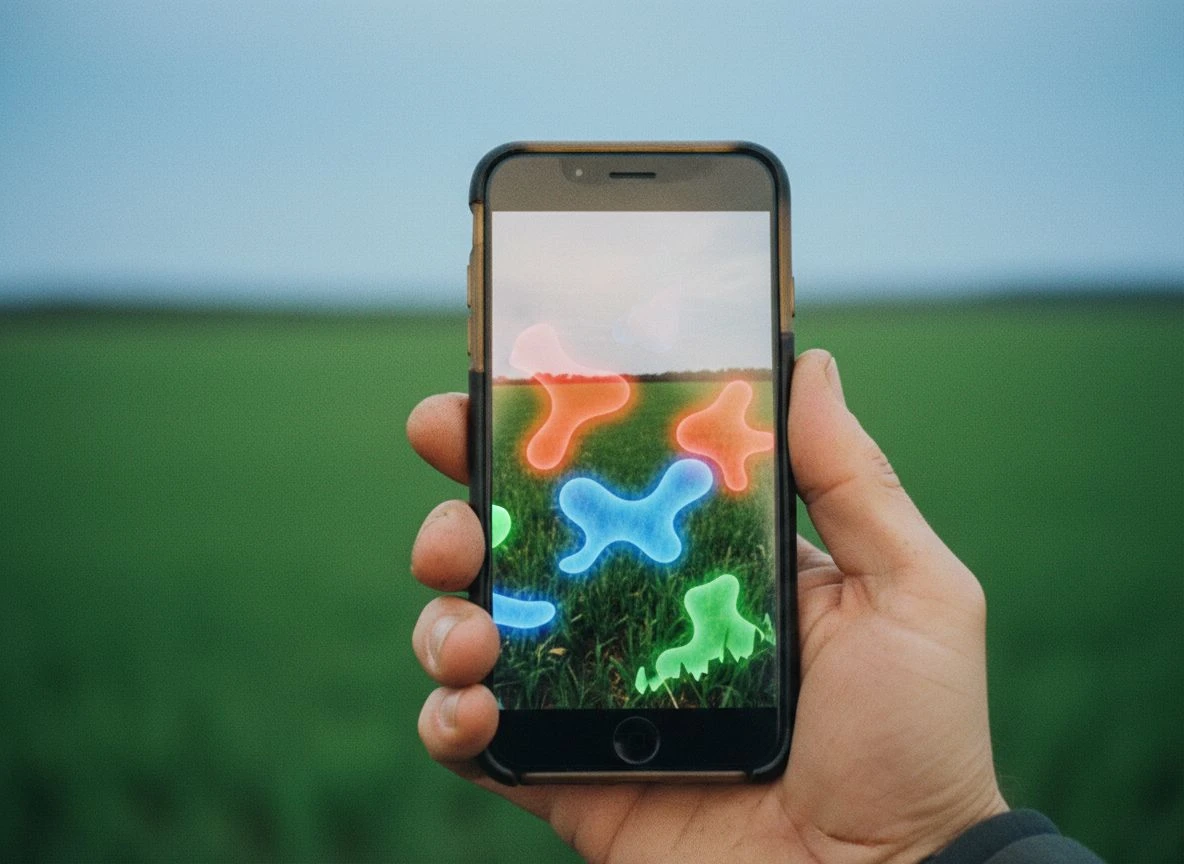
The augmented reality component is where this device separates itself from anything else on the market. You pair it with the free TreasureHunter3D Visualizer app (iOS or Android), and as you scan, the app builds a color-coded 3D map of what’s underground.
Red areas indicate the highest-probability targets. Blue areas suggest voids or cavities. The whole thing renders in real time on your screen, overlaid on the camera view of your actual surroundings.
I’ll be honest: I haven’t gotten my hands on one yet — at $4,299, this isn’t an impulse buy — but I’ve talked to a few people who have used it. The feedback is mixed in the way you’d expect for a niche, expensive tool. The Reddit thread on deep scanners has users saying it requires serious training and isn’t something you can just pick up and use effectively on day one.
One commenter mentioned using the DroneRover — TreasureHunter3D’s aerial scanning sensor — to survey a large area from the air, then coming back with the GoldenEye Plus to pinpoint targets on the ground. That workflow makes a lot of sense: use the drone for broad coverage, then the handheld for precise identification.
GoldenEye Plus Limitations You Should Know
This is the part most reviews don’t tell you, so I will.
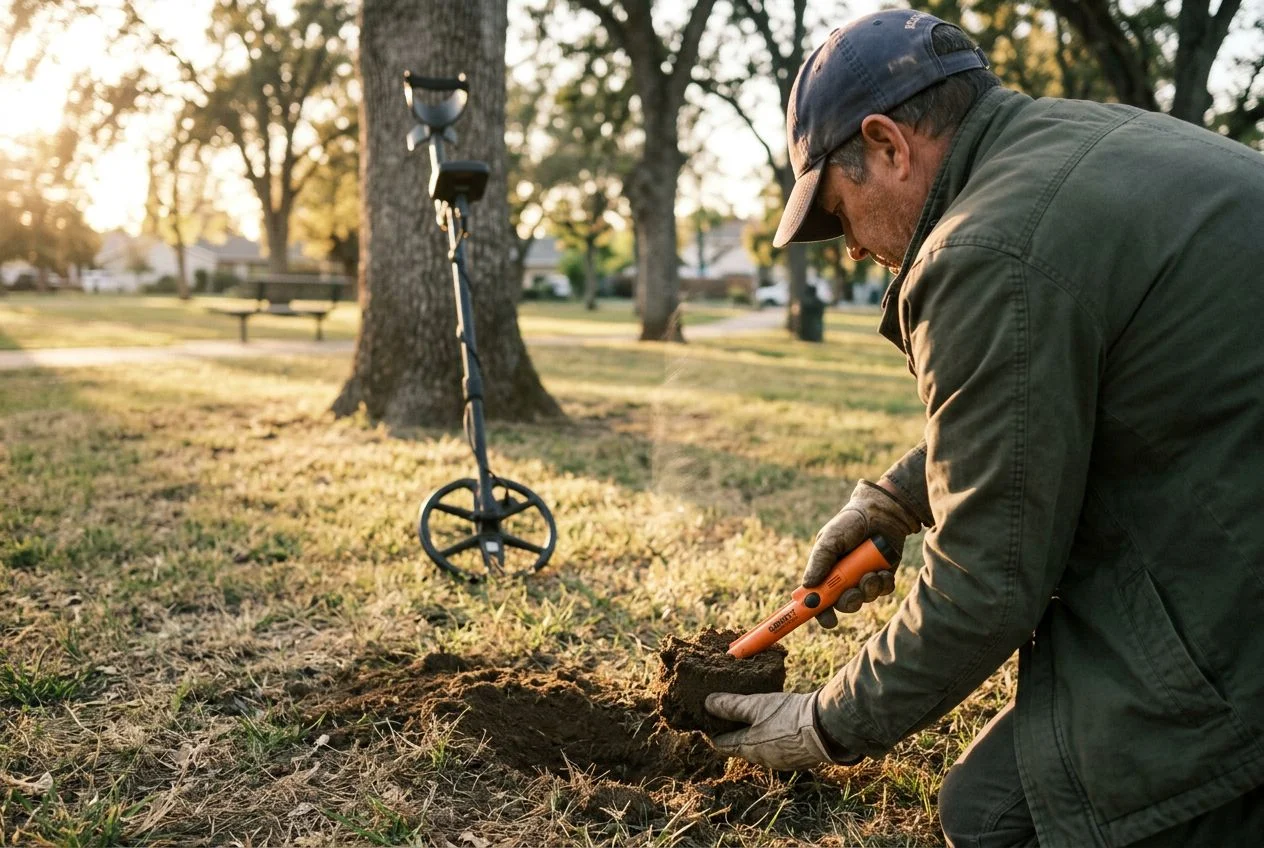
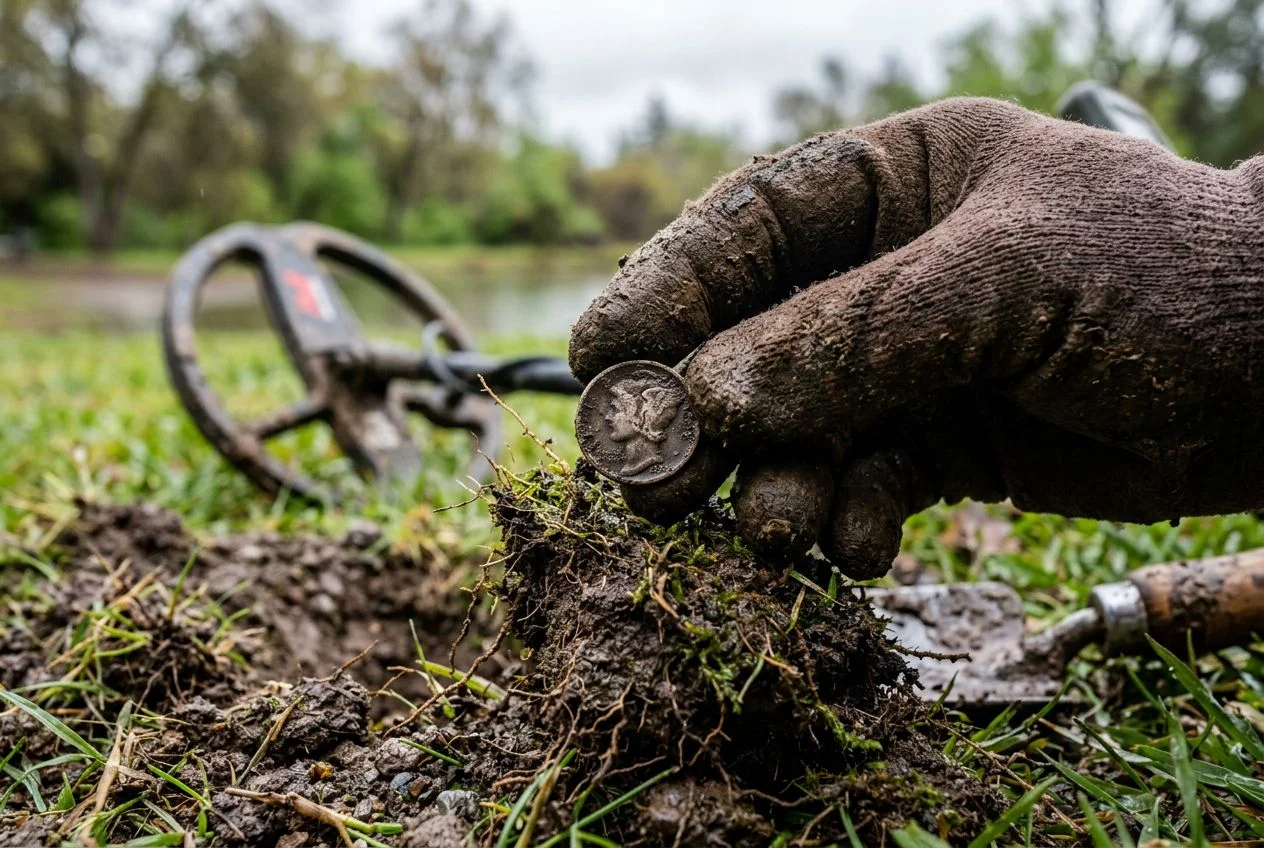
The GoldenEye Plus is not a replacement for your everyday metal detector. If you’re hunting for coins at the local park or searching for rings on the beach, this is the wrong tool. It’s designed for deep, large-scale targets — buried caches, underground structures, archaeological features. It’s not going to help you find a Mercury dime at 6 inches.
It also requires a smartphone to function at full capability. The app handles the AR visualization, the 3D mapping, the data export. Without it, you’re essentially using a very expensive walking stick with basic audio detection. The documentation confirms it works with iPhone 6S or later running iOS 11+, and Android devices with Bluetooth 4.0.
And then there’s the learning curve. This isn’t a turn-on-and-go device. Understanding how to interpret the scan data, distinguish real targets from false positives, and optimize your scanning technique takes practice. The Reddit users I found were honest about this: proper training and understanding of the device’s quirks are essential.
GoldenEye Plus vs Other TreasureHunter3D Models
TreasureHunter3D makes a full range of 3D scanning detectors, and the GoldenEye Plus sits at the top. Here’s how the specs stack up:
| Model | Max Depth | Resolution | Price |
|---|---|---|---|
| TreasureLight | ~15m / 50ft | Basic 3D | Lower |
| TreasureHunter | ~25m / 80ft | Standard 3D | Mid |
| GoldenEye | ~30m / 100ft | 40x better | Higher |
| GoldenEye Plus | ~35m / 114ft | 160x better | $4,299 |
GoldenEye Plus Pros, Cons, and Verdict
Is the GoldenEye Plus the “world’s most powerful 3D treasure detector”?
Technically, yes — within its specific domain. For detecting deep, large-scale ferromagnetic anomalies and underground structures, nothing on the consumer market matches its combination of depth, resolution, and real-time AR visualization.

But “most powerful” doesn’t mean “best for everyone.” This is a specialized tool for a specific kind of detecting: historical site research, large cache hunting, archaeological survey work, and deep target identification. If you’re a casual detectorist who hunts parks and beaches on weekends, spend $1,000 on a Minelab Equinox 900 and you’ll find more in the first month than you would with a GoldenEye Plus in a year.
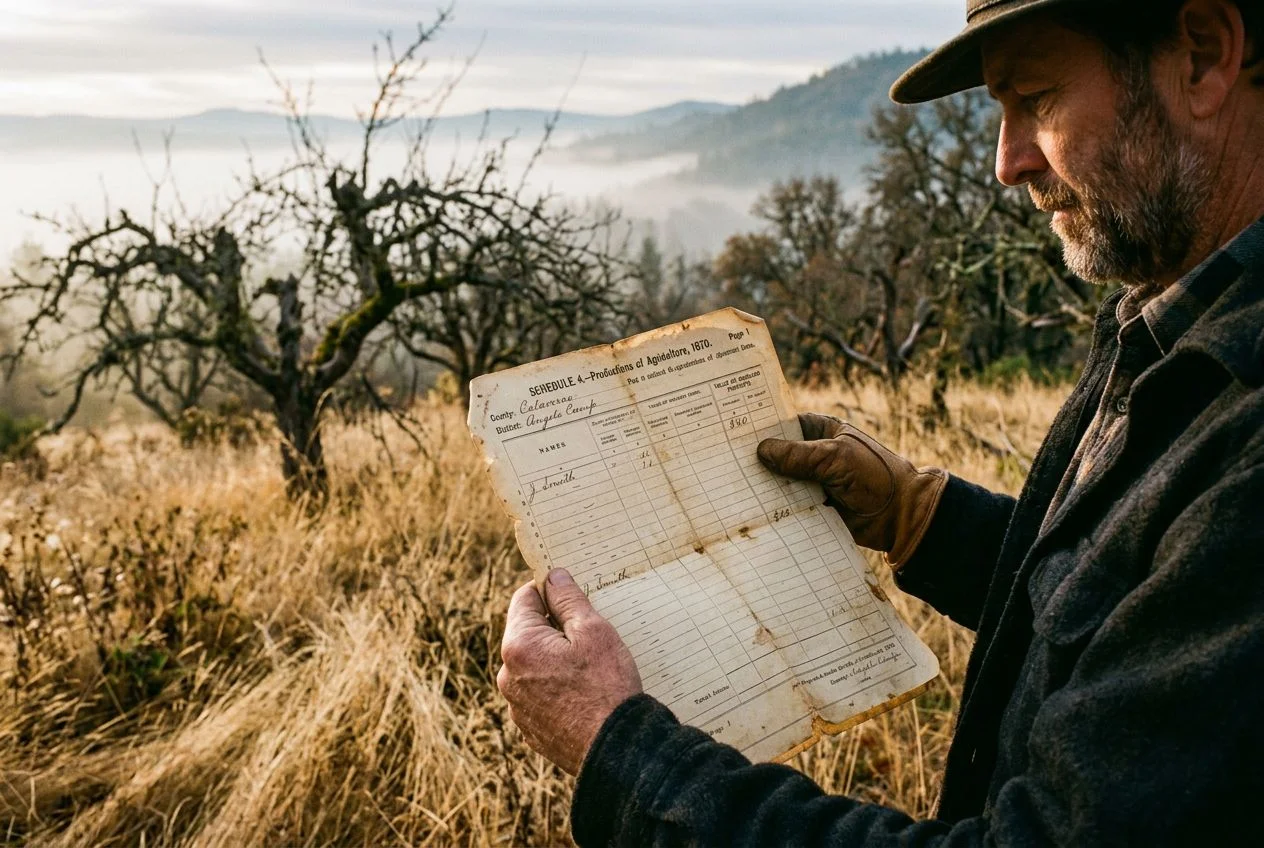
If you’re the kind of detectorist who spends weekends in historical archives, who drives hours to research old homestead sites, who dreams of finding a buried cache that’s been underground for a century — then the GoldenEye Plus might be the tool that changes everything. Just be realistic about what “35 meters” actually means for the targets you’re hunting, and budget for the time it takes to learn the system.
My buddy Tom is still trying to decide if he’s going to pull the trigger. I told him the same thing I’ll tell you: it’s a remarkable piece of technology, but no detector finds anything on its own. The research, the patience, the willingness to dig a hundred holes for one good find — that’s still on you.

My name is Paul and I am the founder of Detector For Metal, a dedicated resource for metal detecting enthusiasts seeking to uncover historical treasures and connect with the past using the latest technology. As a stay-at-home dad and family man, I’ve found metal detecting to be the perfect hobby that combines family adventure with historical learnings for the whole family.
As a father, I’m deeply committed to passing on this hobby to the next generation of detectorists, starting with my own children. I share advice on everything from metal detecting with kids to exploring the top 10 metal detecting sites you never thought about. My methodical approach to the hobby goes beyond the thrill of discovery—it’s about creating family traditions while preserving history and sharing the stories of those who came before us.