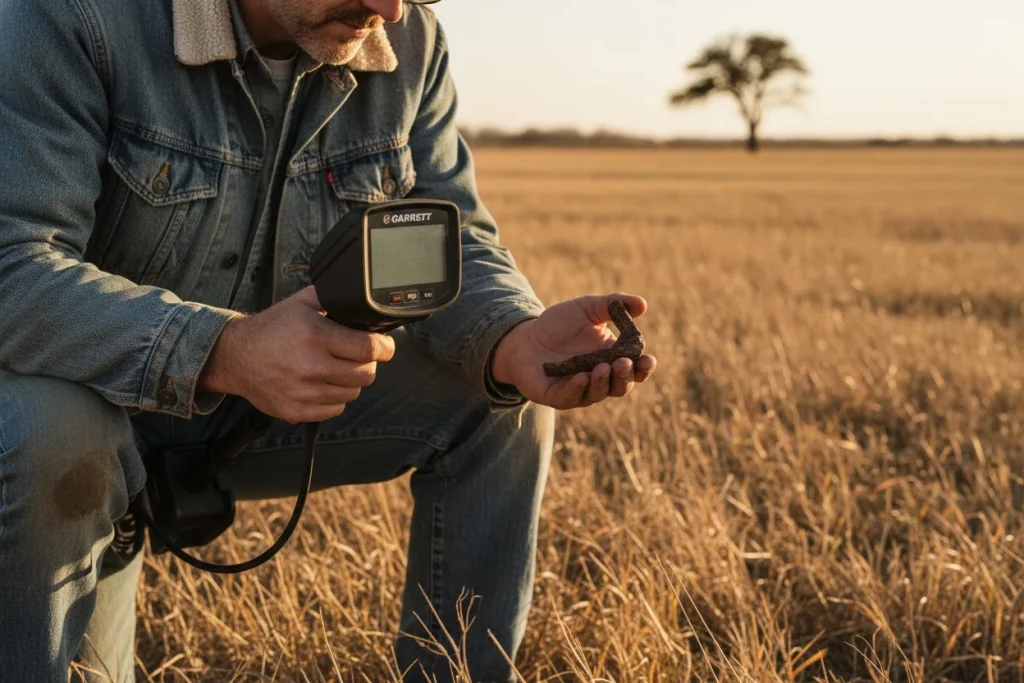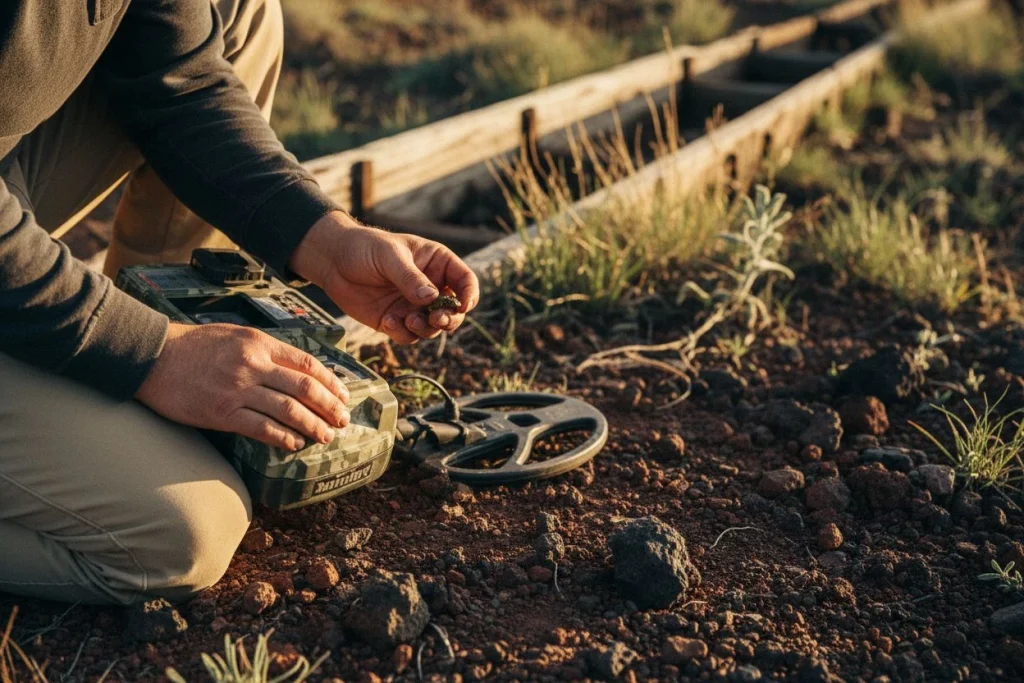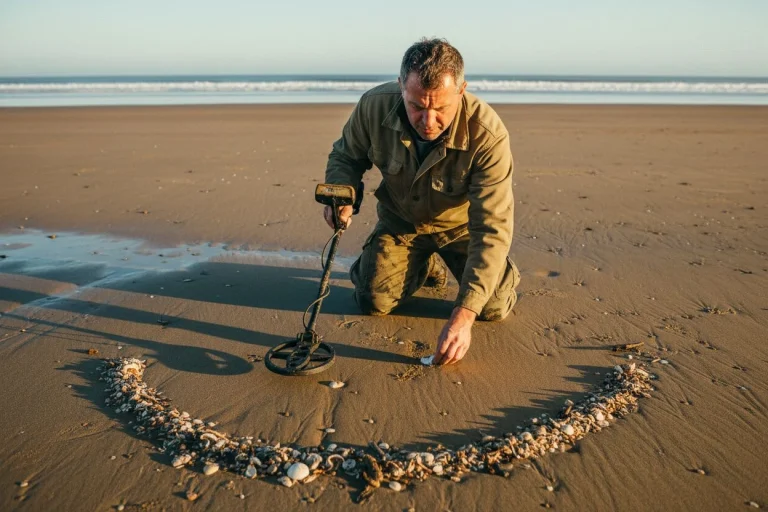
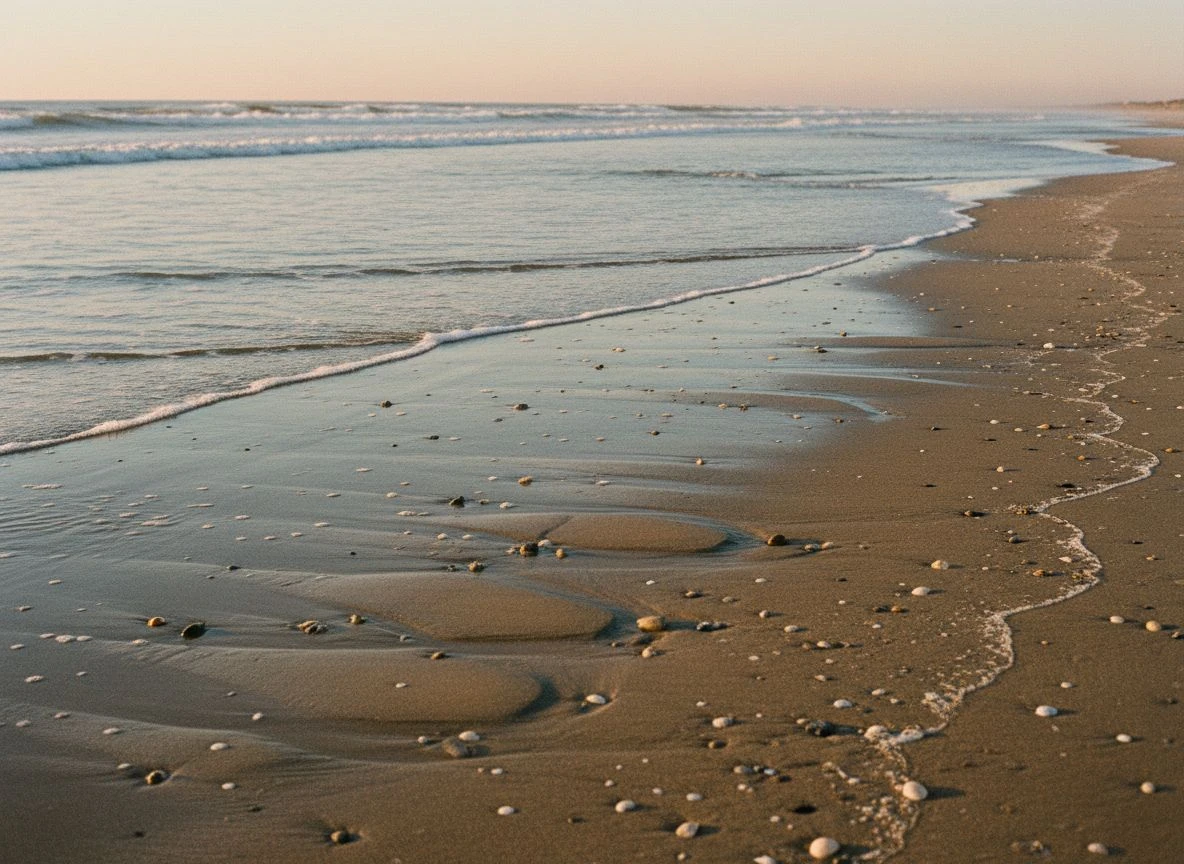
Forget the idea of a static beach waiting to be scanned. Your success depends on seeing it as a living document. It’s constantly being erased and rewritten by tides, wind, and waves. Your job isn’t just to swing a coil. It’s to learn how to read the latest page.
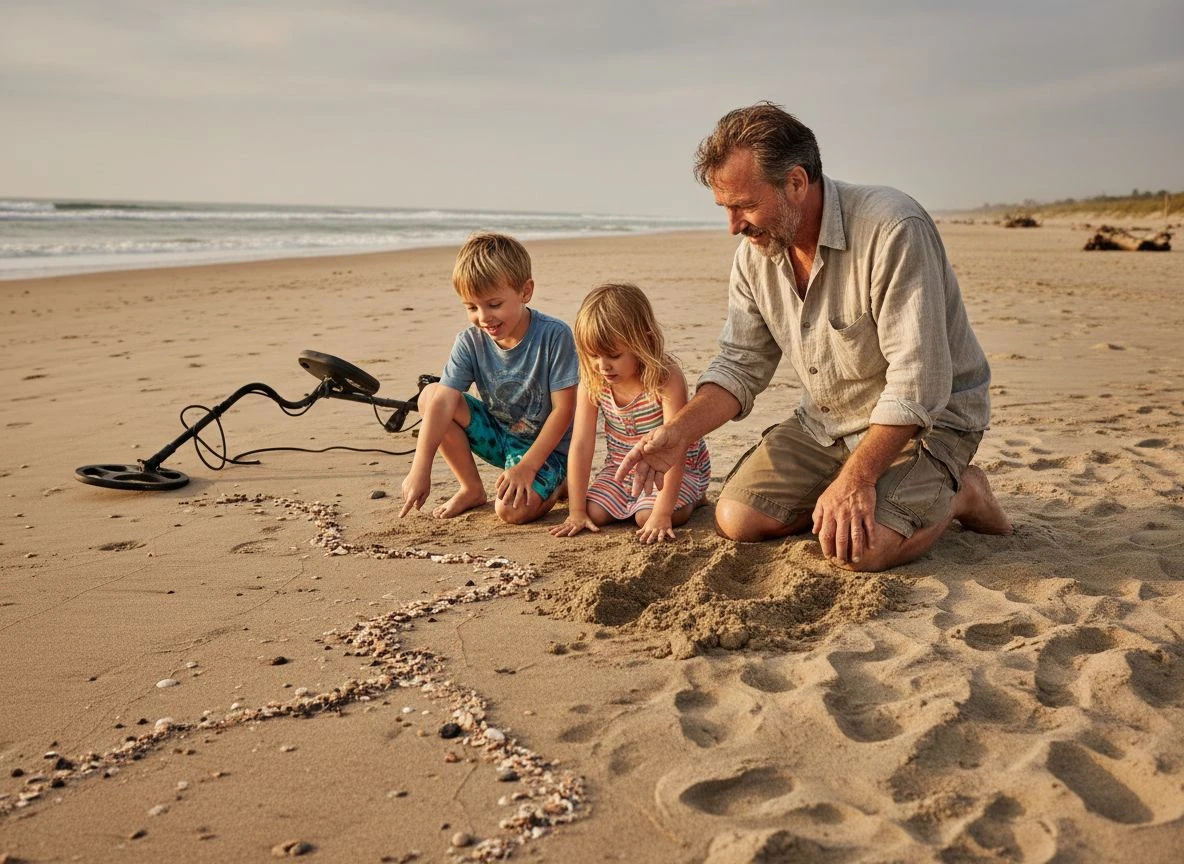
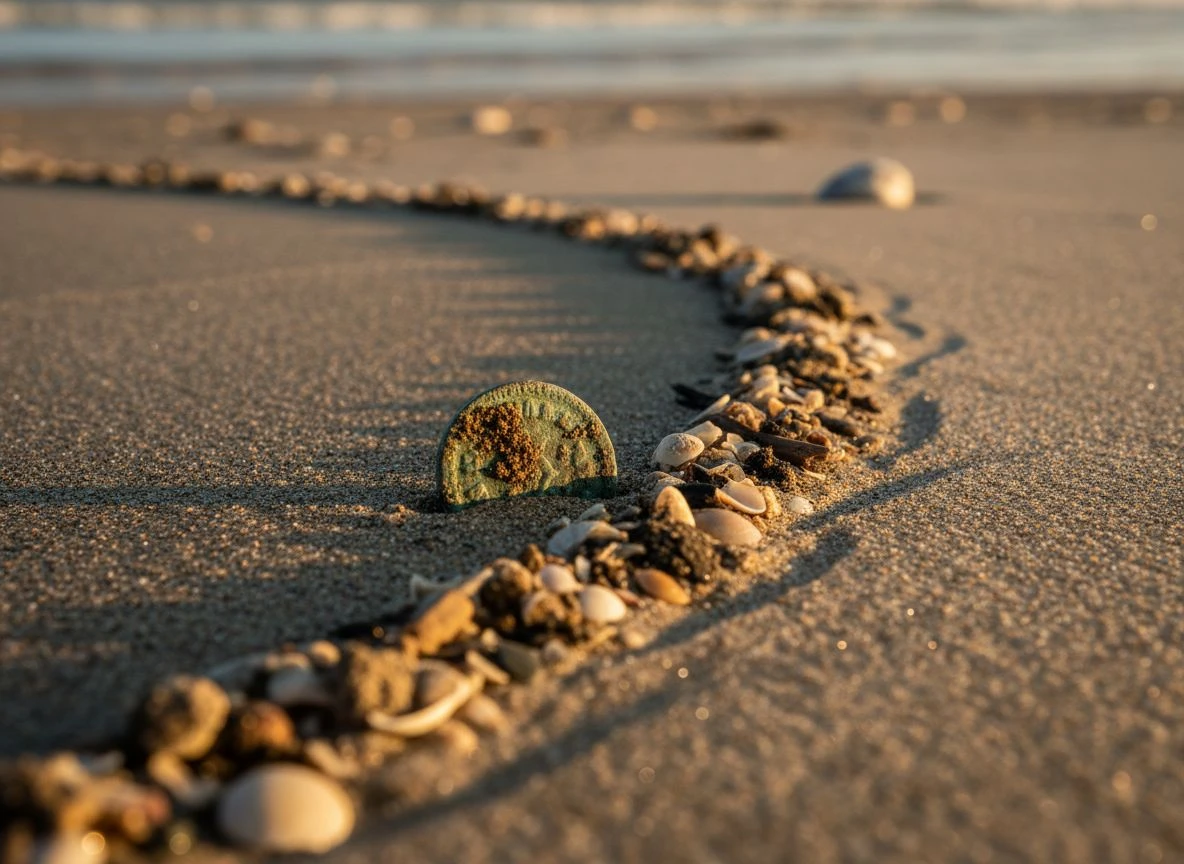
I’ve even made a game of it with my kids. I call it “beach forensics.” We walk the shoreline, and I challenge them to find the shell line or point out where the sand looks different and harder. It turns a hunt into a puzzle. More importantly, it teaches the core lesson: the beach is a constantly changing environment. What’s buried today might be in your scoop tomorrow. But only if you’re there to see the window open.
So here’s my challenge for you. On your next trip, don’t just go.
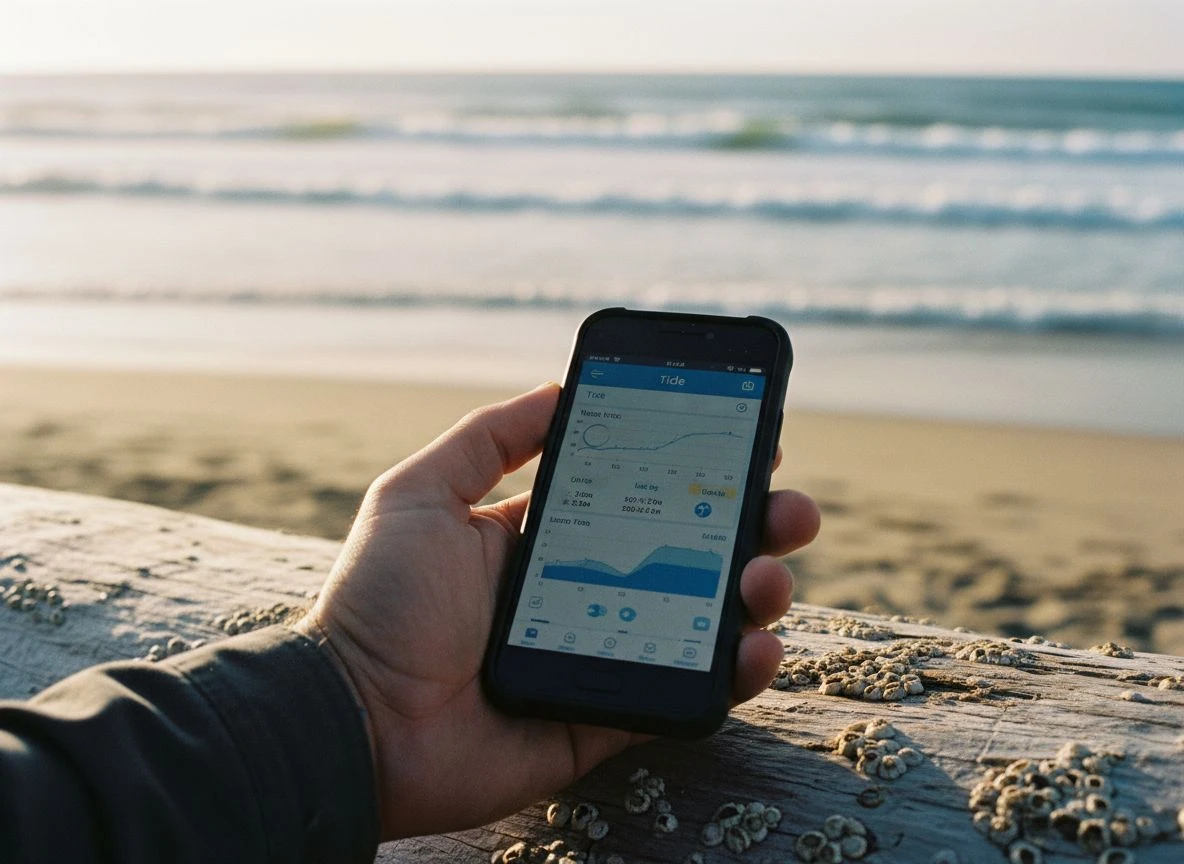
Pick one concept from this guide. Maybe it’s checking the spring tide chart, or studying a satellite timeline of the coast, or spending your first ten minutes just looking at the sand.
Apply it. Test the theory yourself. That’s how the real learning happens. A great detector helps, for sure. But your knowledge of the sand’s story is the most powerful piece of gear you’ll ever own.

My name is Paul and I am the founder of Detector For Metal, a dedicated resource for metal detecting enthusiasts seeking to uncover historical treasures and connect with the past using the latest technology. As a stay-at-home dad and family man, I’ve found metal detecting to be the perfect hobby that combines family adventure with historical learnings for the whole family.
As a father, I’m deeply committed to passing on this hobby to the next generation of detectorists, starting with my own children. I share advice on everything from metal detecting with kids to exploring the top 10 metal detecting sites you never thought about. My methodical approach to the hobby goes beyond the thrill of discovery—it’s about creating family traditions while preserving history and sharing the stories of those who came before us.