Table of Contents
Choosing between Pulse Induction (PI) and VLF metal detectors isn’t about which one is ‘better.’ It’s about listening to your ground. Get this choice wrong, and you might as well be swinging a broomstick. This pulse induction metal detecting guide breaks down the core difference in how they operate. A VLF sends a continuous wave to read a target’s conductivity. A PI fires a short, powerful pulse and listens for the echo. That echo method makes it immune to ground minerals.
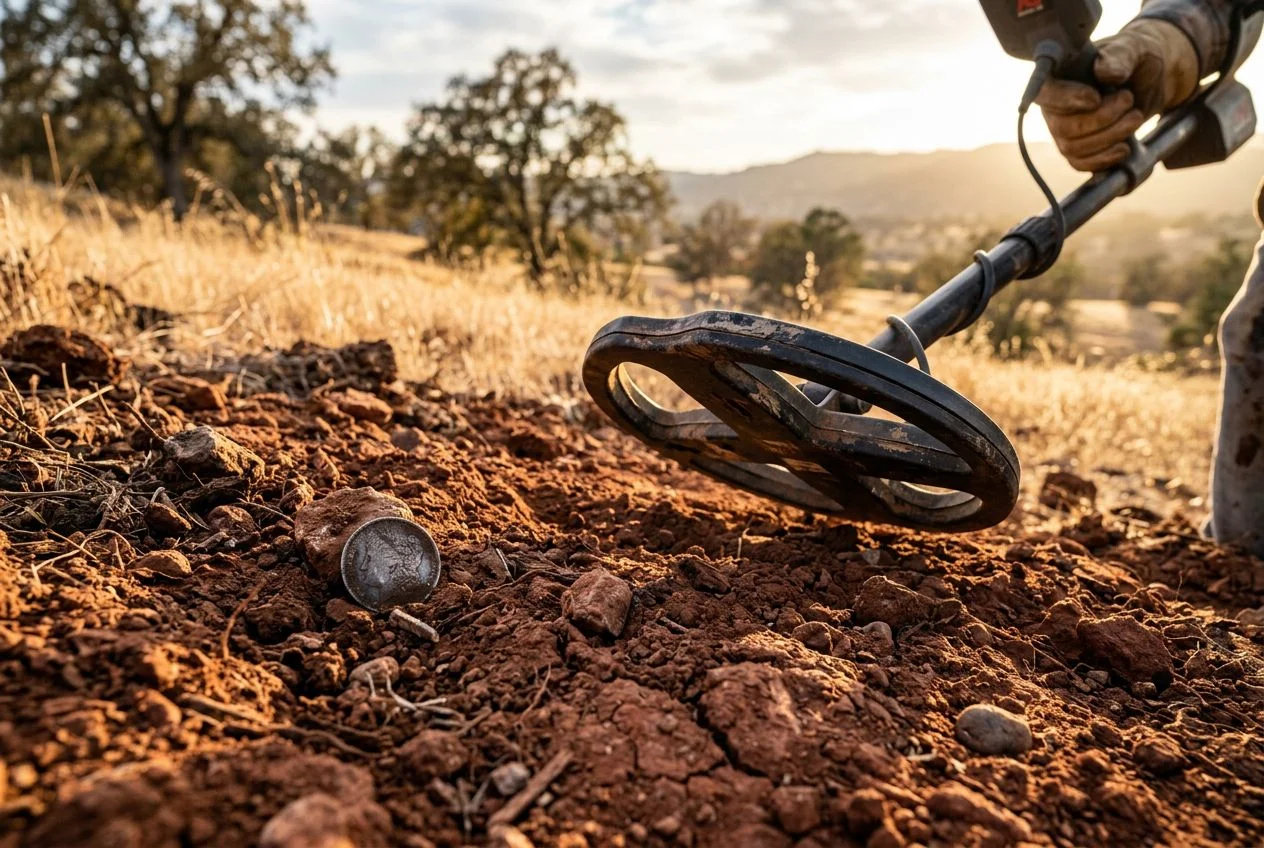
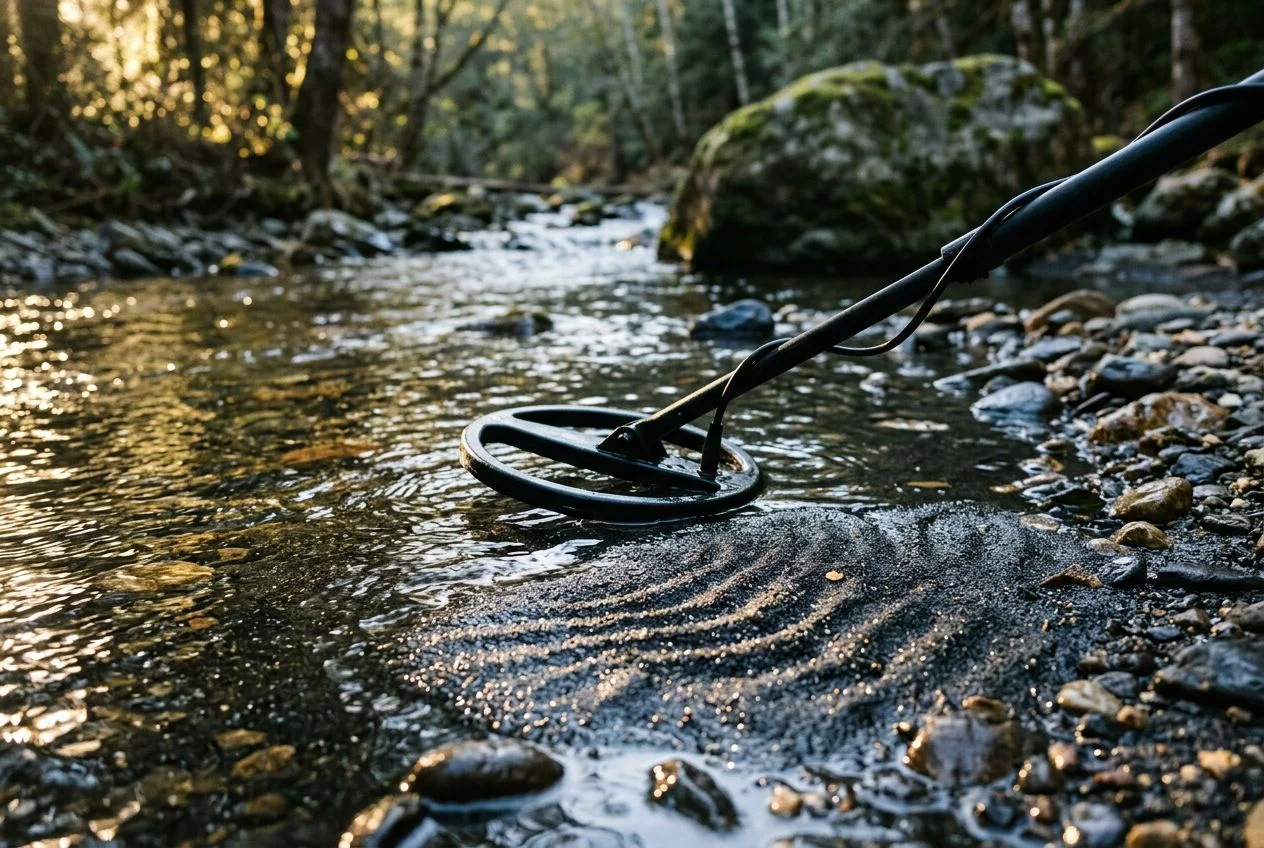
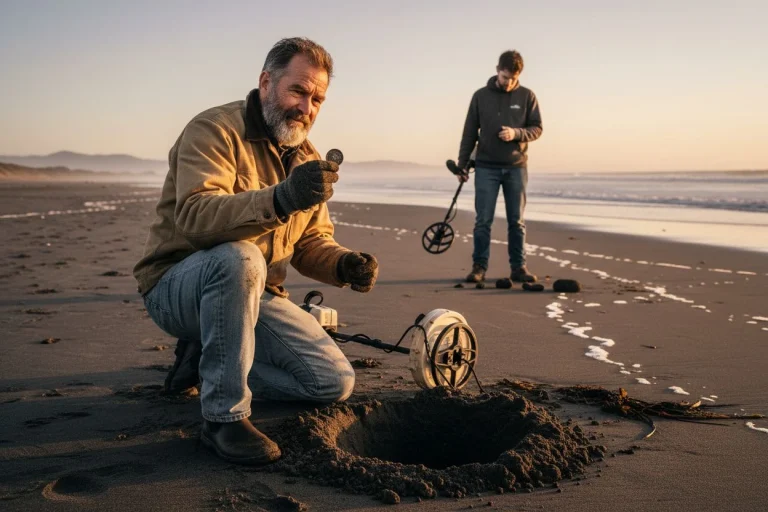
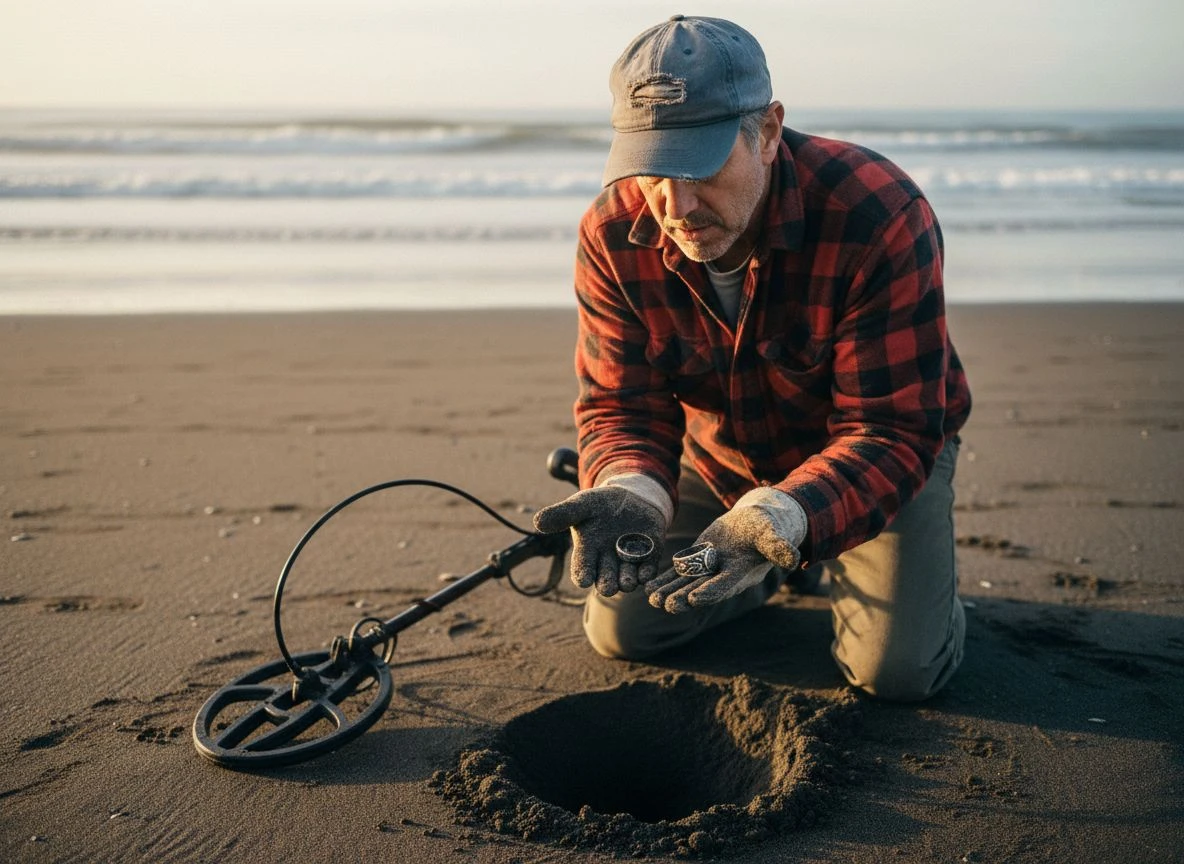
I learned this the hard way. I was on a Northern California beach famous for its black sand. My trusted VLF was screaming—the bad kind of scream. It was a constant chatter from the intense mineralization. I was just digging hot rocks. Then I saw a guy 50 yards down the beach. He was working a slow grid with a bulky PI machine. Beep… pause… dig. A deep, blackened silver dime. Beep… pause… dig. A heavy silver ring. He wasn’t fighting the ground. He was ignoring it, listening only for the deep echoes of real treasure.
That day gave me the perfect mental model. Think of a VLF as a flashlight and a PI as sonar.
A flashlight (VLF) is great for seeing details. It can tell you if something’s a coin, nail, or pull-tab before you dig. But shine it into murky, mineralized water (or soil), and the beam scatters. You only see fog. That’s your VLF chattering on iron-rich ground or salt.
Sonar (PI) doesn’t care about the murk. It sends out a powerful ping and listens for the return off a solid object. It won’t tell you if that object is a soda can or a gold coin, but it will tell you it’s there, buried deeper than any flashlight could see.
I know the specs are confusing. I’ve been there, sweating on that beach. This pulse induction metal detecting guide cuts through the noise. We’ll move past dry tech sheets. We’ll break this down by the only two things that matter: the ground you hunt and the targets you seek. Stick with me, and you’ll know which ‘language’ your next detector needs to speak.
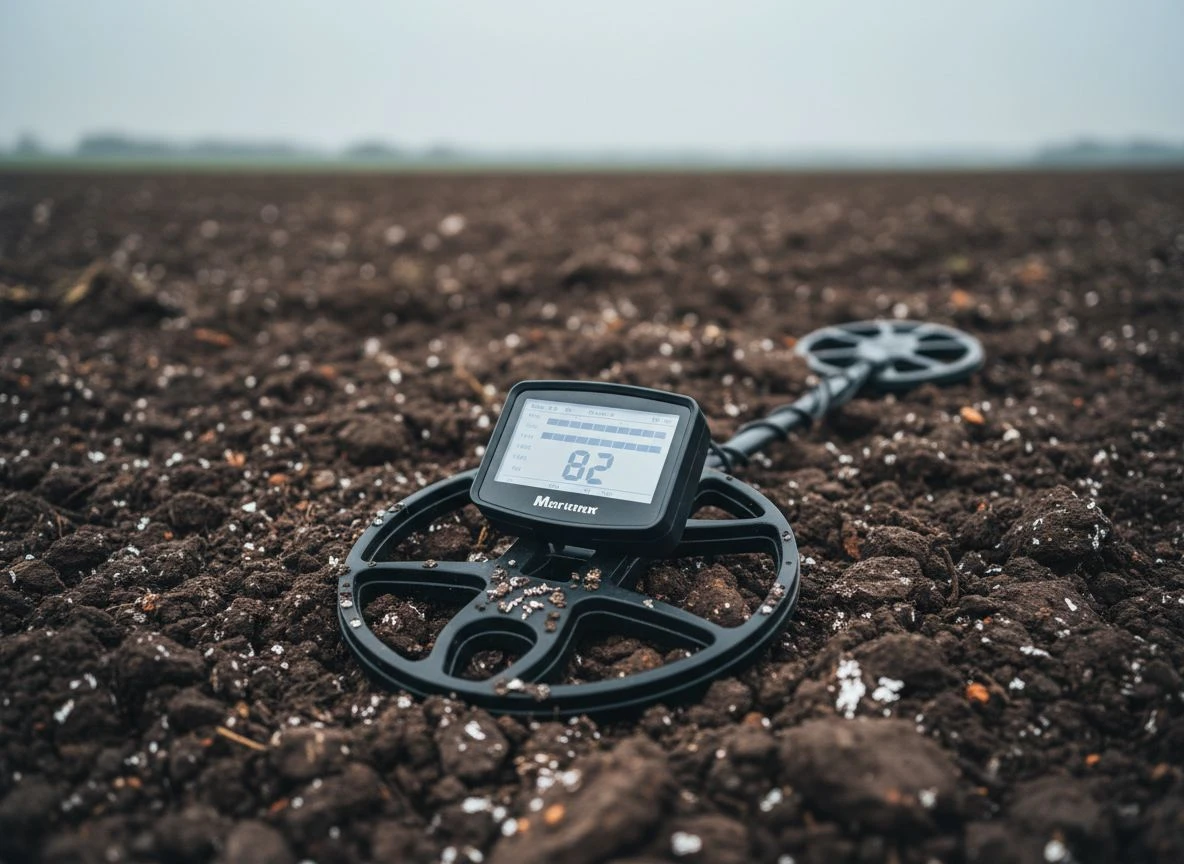
Core Principles in This Pulse Induction Metal Detecting Guide
To choose your tool, you need to know how it works. A VLF detector has a constant, whispered conversation with the ground. A PI detector shouts into the void and listens for a distinct echo.
How VLF Detectors Work Like a Flashlight
Imagine your VLF is trying to have a quiet chat with a buried object. It uses two coils in the search head. The outer transmitter coil constantly sends a low-frequency wave into the ground. It’s like a steady musical note.
When this wave hits metal, it creates a tiny magnetic field around that target. The inner receiver coil listens for this response. The magic is in the timing, or phase shift, between the sent wave and the signal it gets back.
Different metals distort the wave in unique ways. Silver pulls it one way; iron pushes it another. Your detector’s brain analyzes this shift. It gives you a Target ID number or tone. That’s how you can tell a dime from a nail before digging.
The flaw is noise. That constant transmission and sensitive listening make it prone to interference. Mineralized soil is full of iron or salt. It creates its own magnetic field. This drowns out the target’s faint whisper with chaotic static. This is the “chatter.” Your detector is trying to whisper in a roaring, crowded room.
How Pulse Induction Detectors Work Like Sonar
A Pulse Induction detector uses brute force. It uses one coil for a rapid, two-step cycle: Pulse and Listen.
First, it sends a powerful, ultra-short burst of current through the coil. This creates a strong magnetic field that shoots into the ground. It hits soil, rocks, and any metals. Then, the circuit shuts off instantly.
In the microsecond of silence that follows, the magnetic field collapses. This is the Listen phase. The coil now acts as a receiver. Eddy currents in any conductive object will keep the field alive a tiny bit longer. The detector measures this decay time.
Here’s the key. The field in ground minerals collapses almost instantly. The field from a good metal target lasts a fraction longer. The PI machine is tuned to ignore the fast collapse of ground noise. It only signals on the slower decay of metal.
This is the “shout and listen for the echo” method. By not transmitting continuously, it isn’t listening to the room’s noise. It only hears the distinct echo of a metal object. That’s why PI laughs at severe mineralization and salt. It’s built to ignore the very thing that scrambles a VLF’s conversation.
Key Differences in Your Pulse Induction Metal Detecting Guide
My buddy Mike calls me “lucky.” When I pulled a tarnished silver barber half from a depth my VLF couldn’t even sense, he just shook his head. But it wasn’t luck. It was choosing a PI detector for a battlefield where my VLF was blind. Your choice depends on which of these five core battlegrounds you’re on.
Why PI Detectors Win in Mineralized Soil
This is PI’s home turf. If your ground is a roaring crowd of magnetic iron or conductive salt, a VLF is trying to whisper in a stadium. The PI doesn’t care. It shouts its pulse and ignores the chaotic ground. It only listens for the clean echo of metal. That’s why PI is king for goldfields, black sand beaches, and saltwater wet sand. A modern multi-frequency VLF can handle mild salt. But in severe ground, PI operates on a different, quieter plane.
Can VLF Detectors Discriminate Between Targets?
Need to tell a dime from a nail before you dig? You want a VLF. By analyzing the “phase shift,” a VLF gives you that critical Target ID. Old PI tech treated all metals the same: a loud yes. But here’s the new info: modern PI detectors have much better iron-masking. They won’t give you a precise ID number. But they can be tuned to ignore certain ferrous junk. That’s a game-changer for relic sites.
Comparing PI and VLF Detector Depth
For pure depth on large targets, PI holds the edge, especially in bad ground. Its powerful pulse energizes targets a VLF’s signal can’t reach. That barber half I found? Over a foot down in iron-rich soil. My VLF would have chattered over the ground itself. The PI cut through the noise and rang clear.
VLF vs PI Detector Weight and Ergonomics
Let’s be honest: PI detectors are heavier. They have bulkier electronics and coils. A high-end VLF like a Minelab Equinox weighs about 2.9 lbs. A flagship PI like a Minelab GPX 6000 is closer to 5 lbs. That difference matters after a 6-hour hunt. VLF wins for comfort and all-day swinging. PI demands more from your arm and stamina.
The True Cost of PI and VLF Metal Detectors
This is the practical barrier. As industry comparisons show, you can get a great beginner VLF for $300-$500. A superb high-end multi-frequency model costs $1,000-$1,700. Serious PI technology starts around $3,000-$4,000. You’re paying for specialized performance. It’s not a “first detector.” It’s a strategic investment for a specific hunt.
So, which battlefield is yours? The silent, mineralized depths where only a PI’s echo works? Or the trashy park where a VLF’s whispered chat saves your back? Let’s map your specific terrain.
Best Detector for Saltwater Beach Hunting
Why do seasoned beach hunters often have two detectors? One is for searching, the other for finding. Your multi-frequency VLF is the workhorse for dry sand and towel lines. But for the wet, mineralized sand where deep, heavy stuff settles, nothing beats a Pulse Induction machine.
I learned this years ago. I watched a guy with a PI unit work the wet surf on a Sonoma Coast beach. My single-frequency VLF chirped and falsed with every wave. He dug a signal 14 inches down and pulled out a heavy men’s gold wedding band. My detector heard only salt. A PI ignores the conductive saltwater layer. It sends its pulse and doesn’t care about the “chatter.” This gives it stunning depth in hard-packed sand.
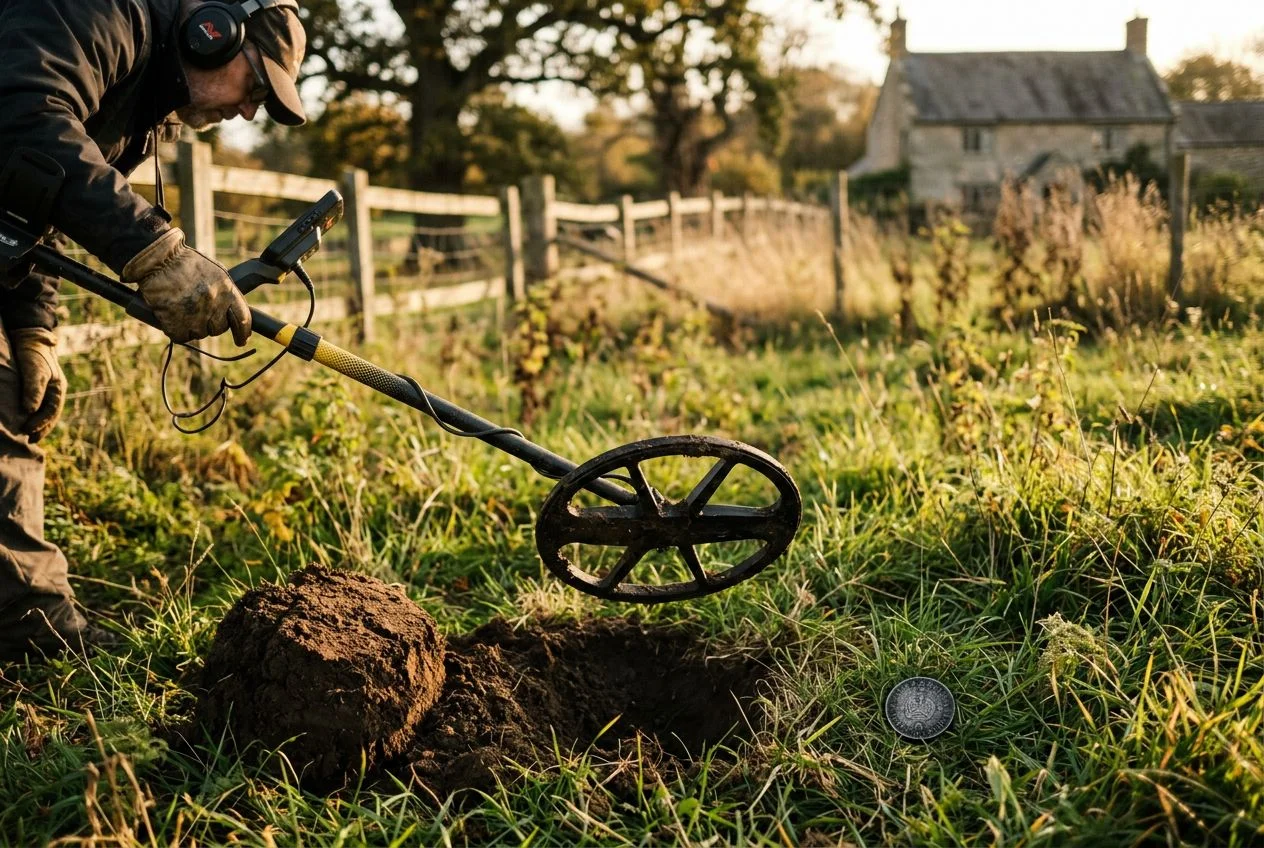
Now, a modern multi-frequency VLF like a Minelab Equinox is a phenomenal beach tool—it’s what I use 90% of the time. As Modern Metal Detectors notes, these detectors are versatile. They’re stable in mild salt and offer crucial discrimination. But for pure depth on a storm-stripped wet sand beach, PI is still king. My rule? The multi-frequency handles the broad search. When a big winter storm scours the sand and reveals the ancient, hard-packed layer, I go get the PI. That’s where the history is buried. For more on this, see our complete guide to beach metal detecting.
Choosing a Detector for Gold Prospecting
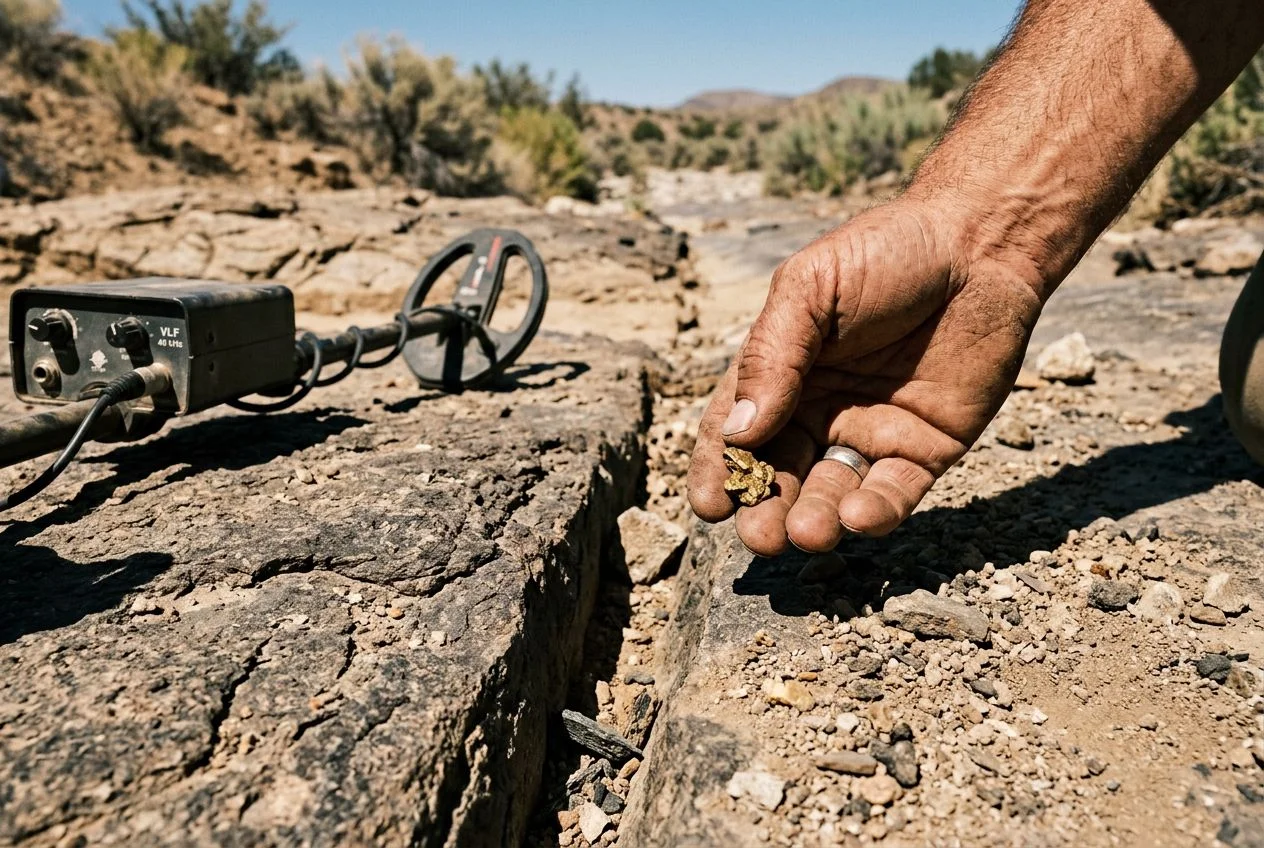
For hunting tiny, deep gold nuggets in the West’s iron-stained soils, Pulse Induction isn’t an upgrade—it’s the only tool that works. Its ability to ignore brutal mineralization is why PI detectors are often called “gold detectors” by prospectors. The trade-off? A steep price, heavy weight, and a patience-testing learning curve.
I learned this on a loaner unit in the Mother Lode country. The ground there is angry. My VLF would have screamed non-stop. The PI was quiet… too quiet. For two hours, I dug signal after signal. I found only lead shot and tiny bits of wire at shocking depths. My back ached. I was ready to quit.
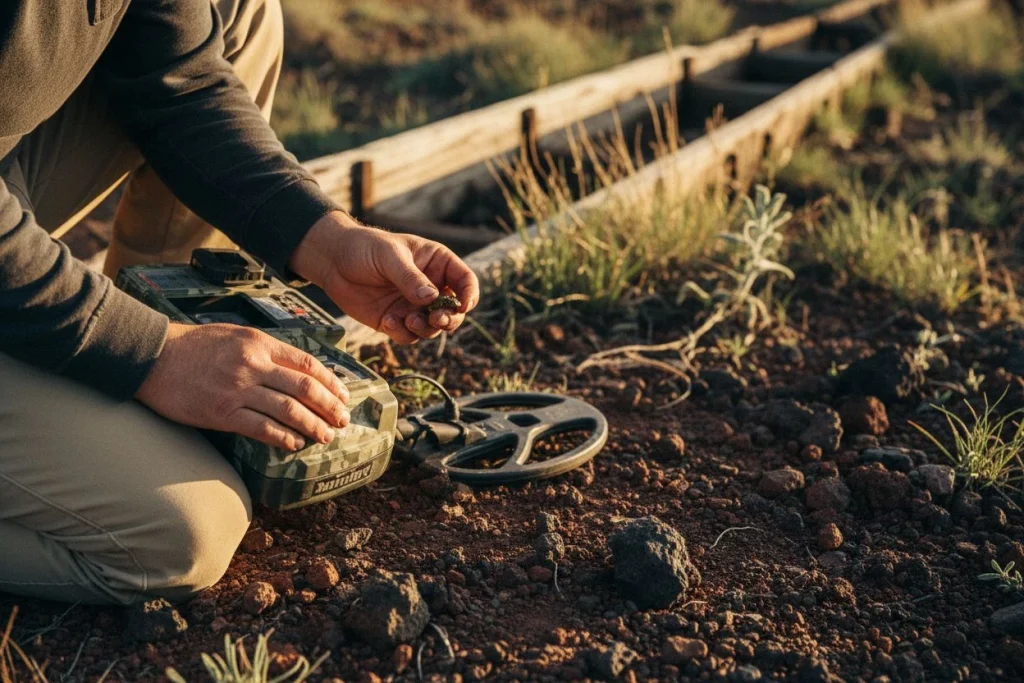
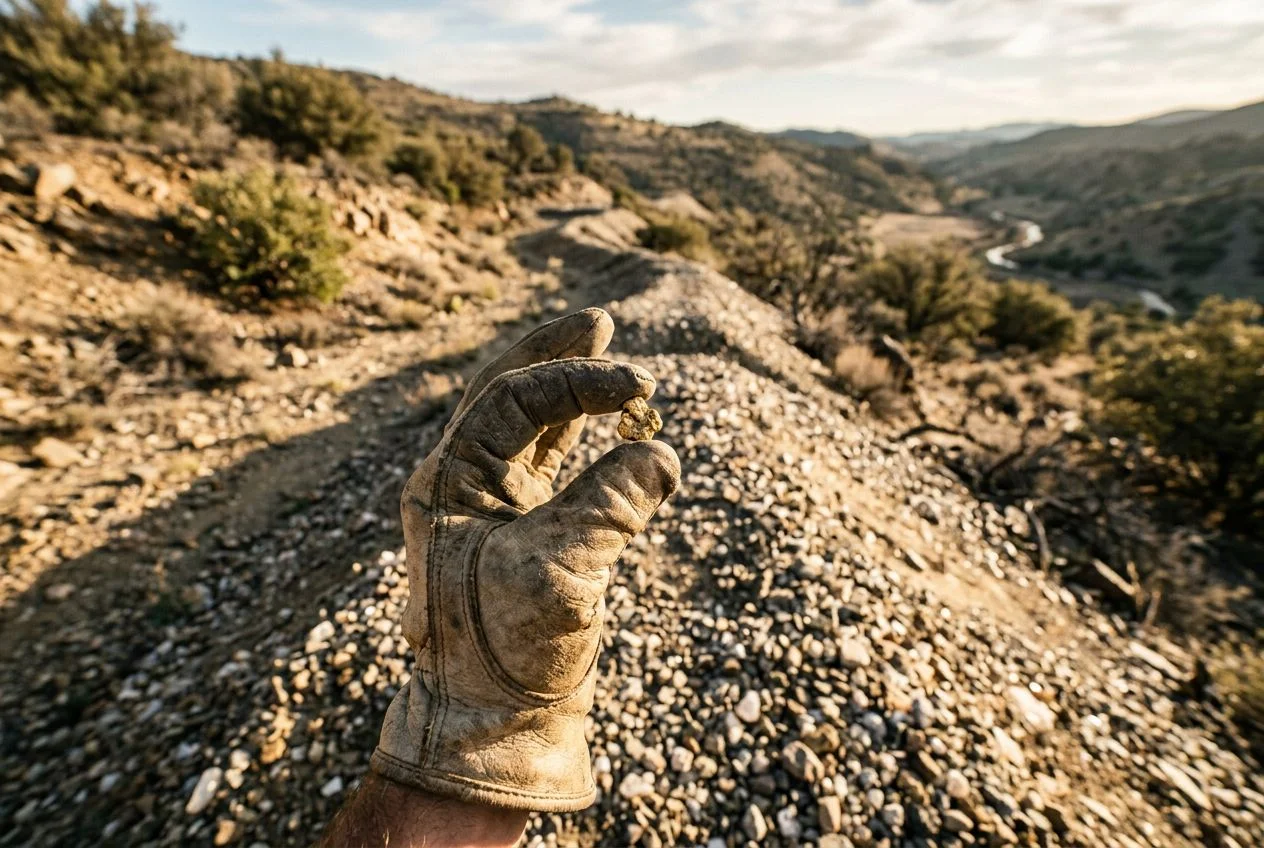
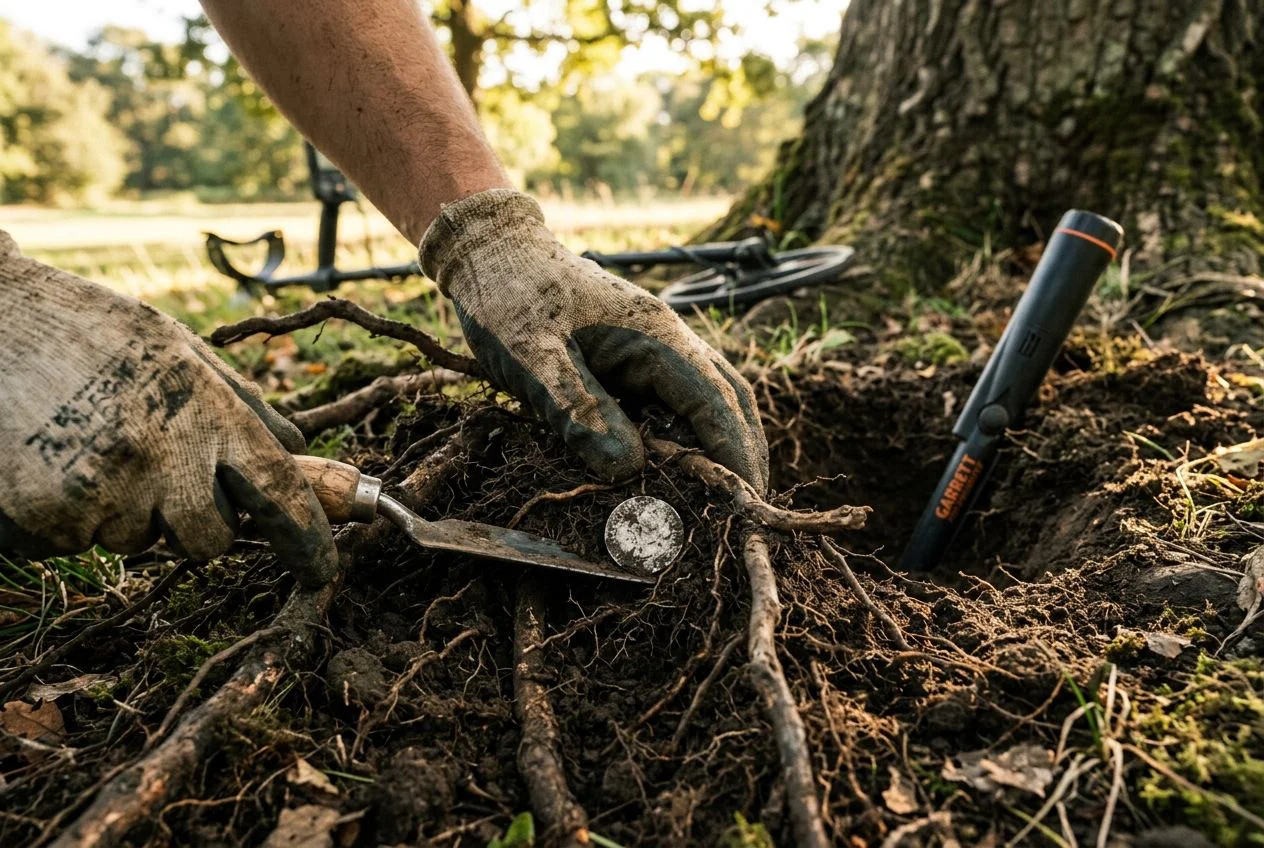
Then, a faint, scratchy signal. Eight inches down in rust-red clay was a dull pebble. I rinsed it. A yellow gleam. A 0.3-gram gold nugget. It was smaller than a match head and worth less than lunch, but the thrill was seismic. That tiny piece of metal validated the entire brutal process. In that dirt, a VLF was blind.
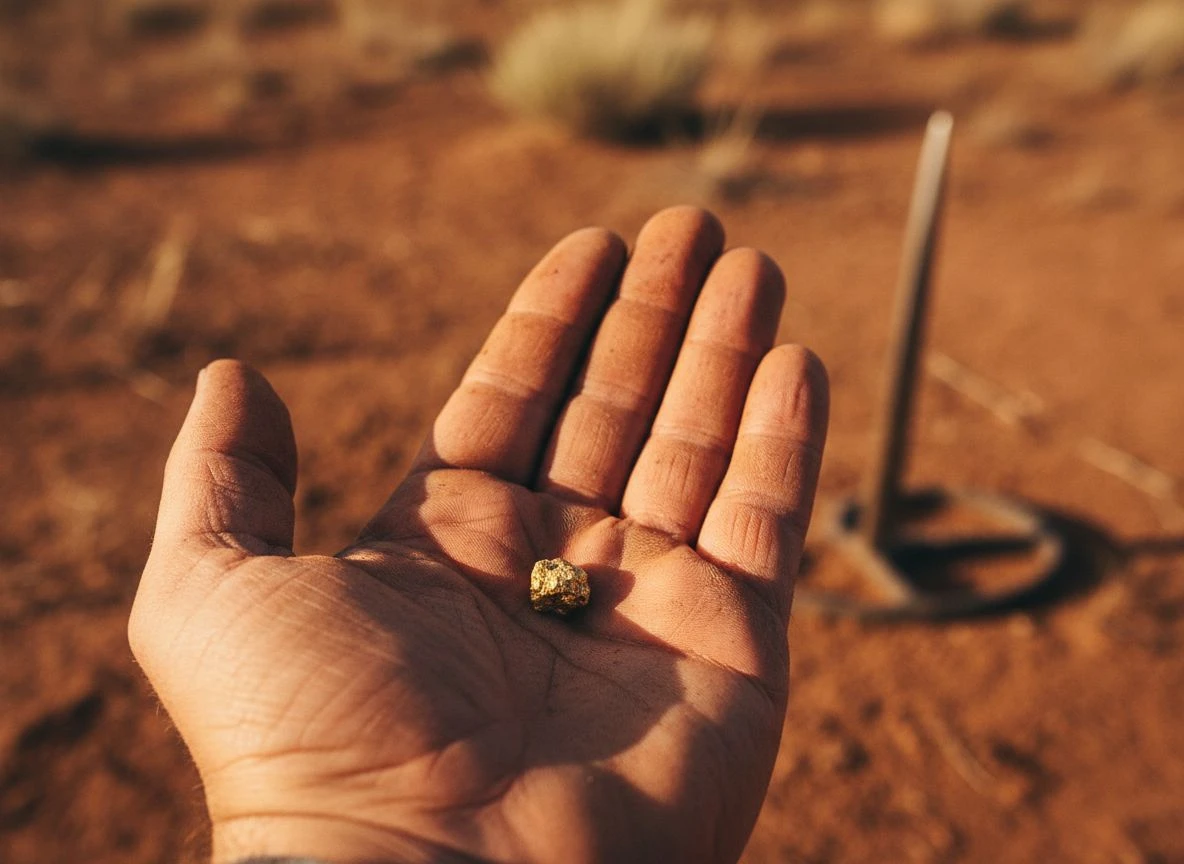
This is the “necessary evil.” Machines like the Minelab GPX 6000 are investments. They’re heavier and start over $3,000. But in highly mineralized goldfields, there is no substitute. It’s the hill I’ll die on: if you’re serious about nuggets, you save for a PI. You accept the weight. You dig the lead. And you find the gold. If you’re new to the hobby, start with our guide on choosing your first metal detector.
Ideal Detectors for Relic and Coin Hunting
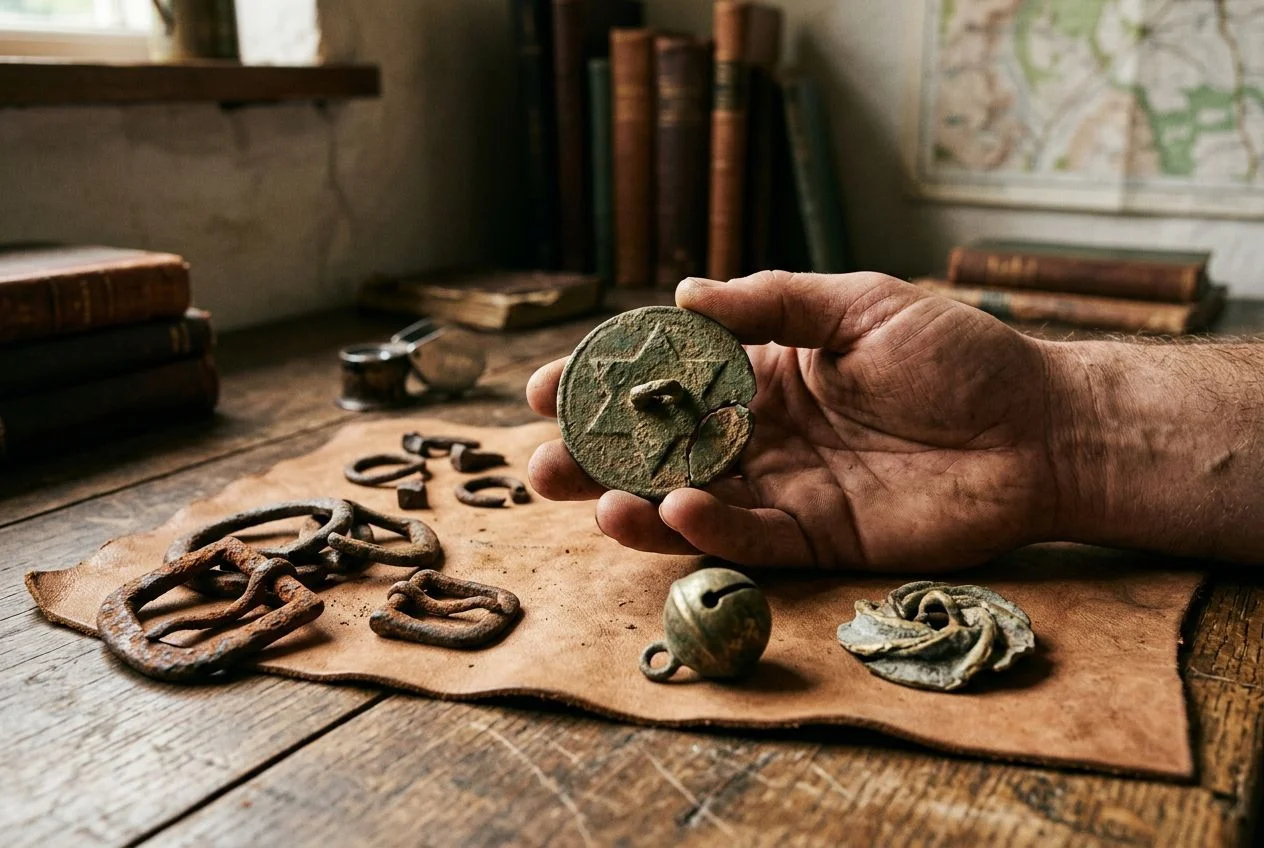
For the historian at a Civil War camp or the weekend warrior in a park, the choice is simple: a VLF detector is your tool. Its ability to discriminate—to filter out iron nails and bottle caps—is more valuable than raw depth. In these spots, not digging junk is the superpower.
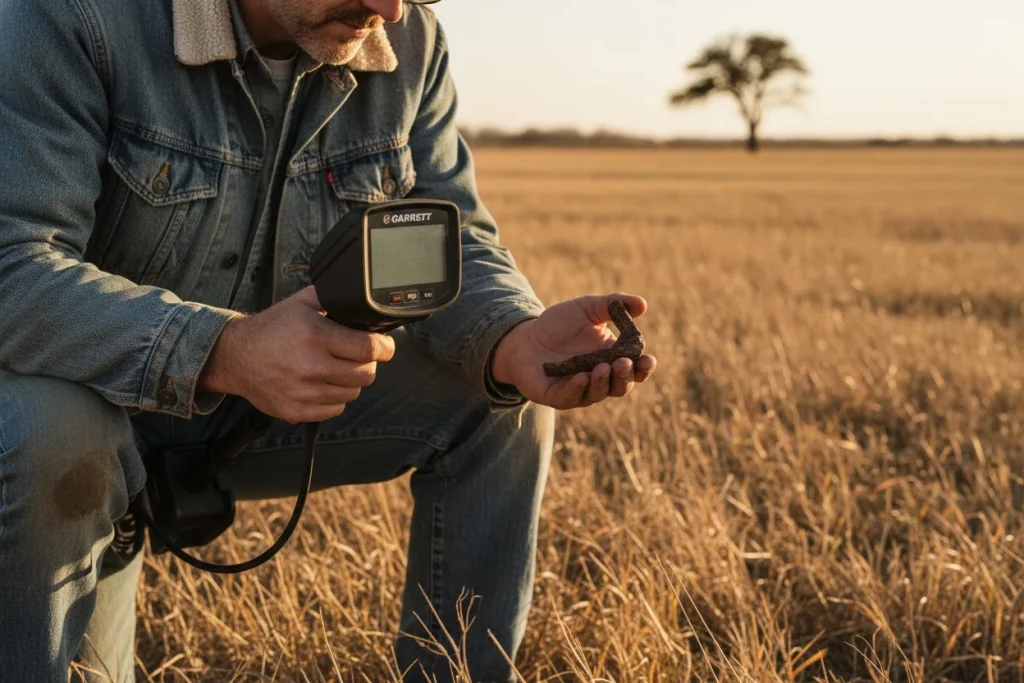
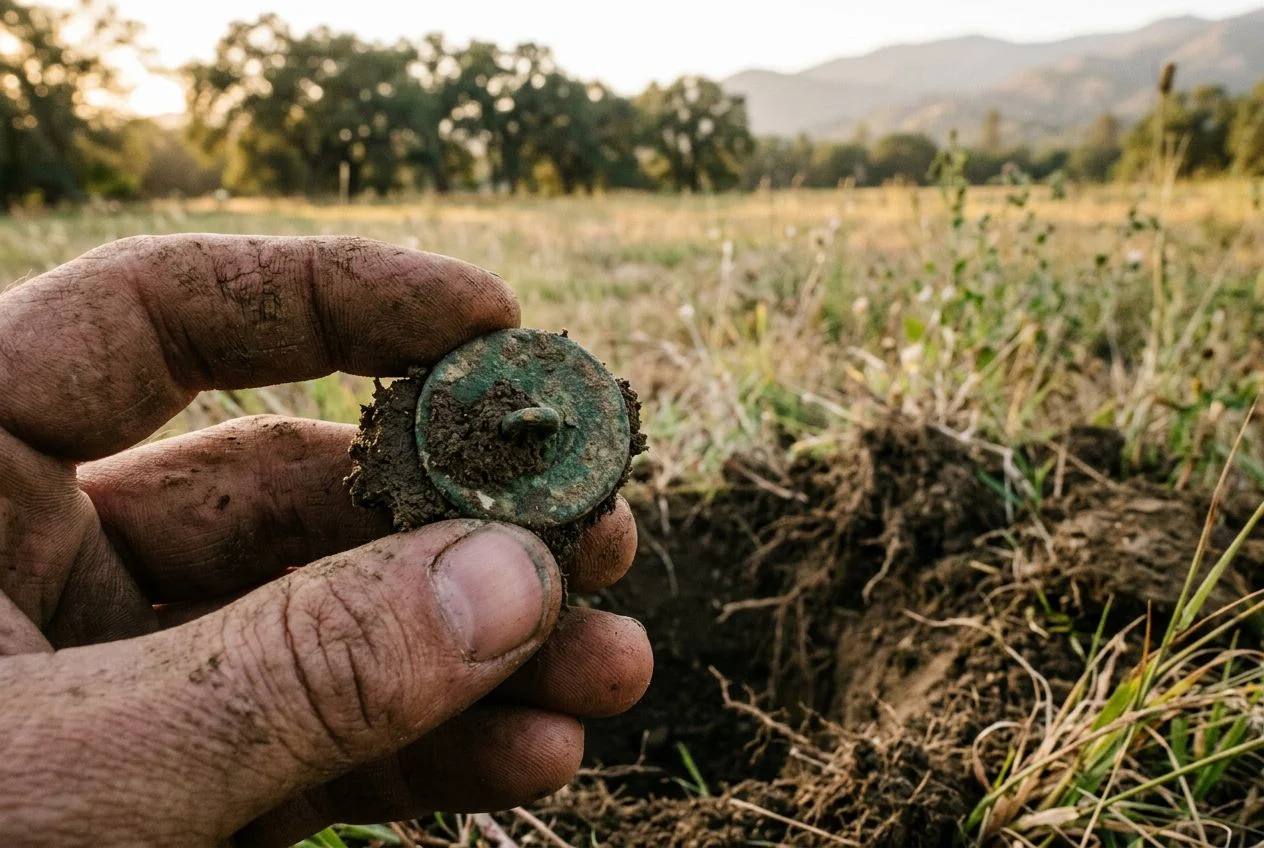
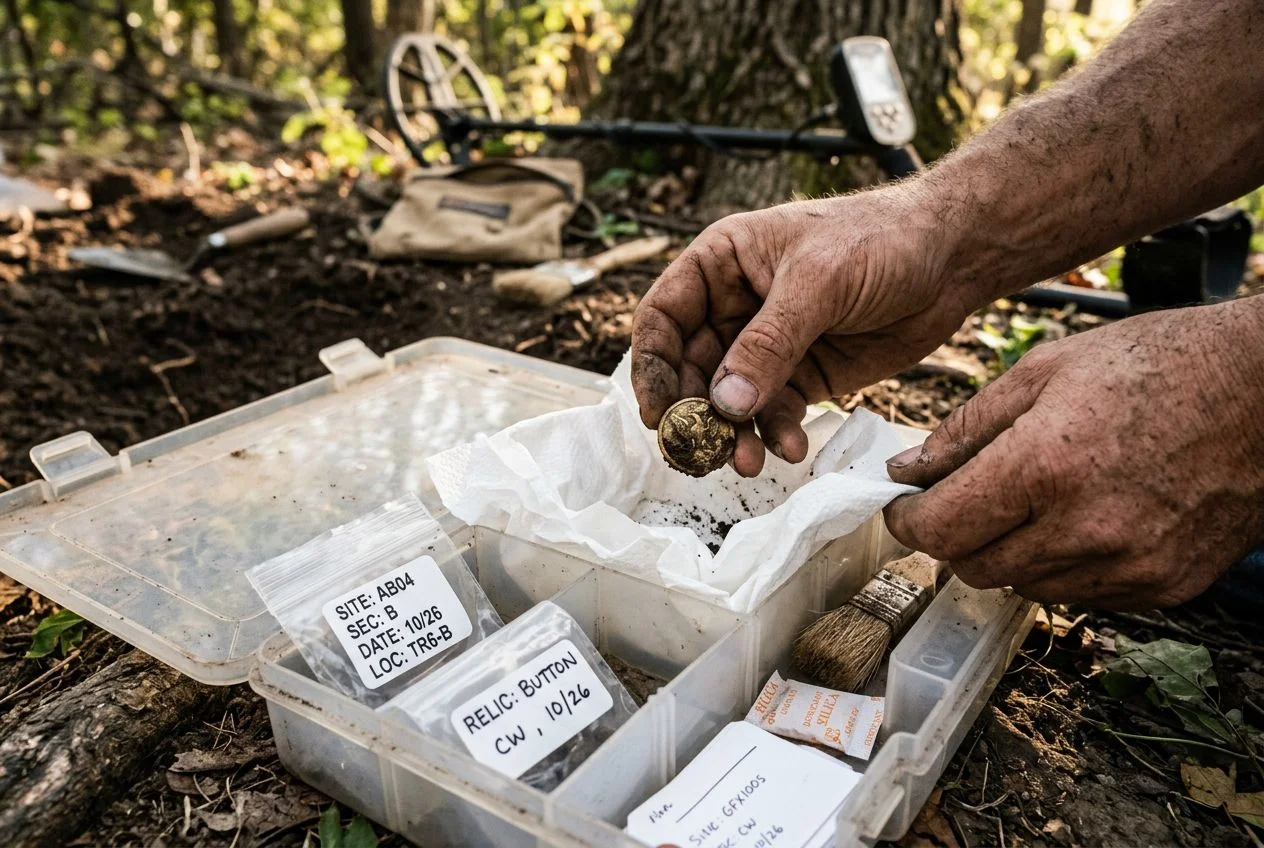
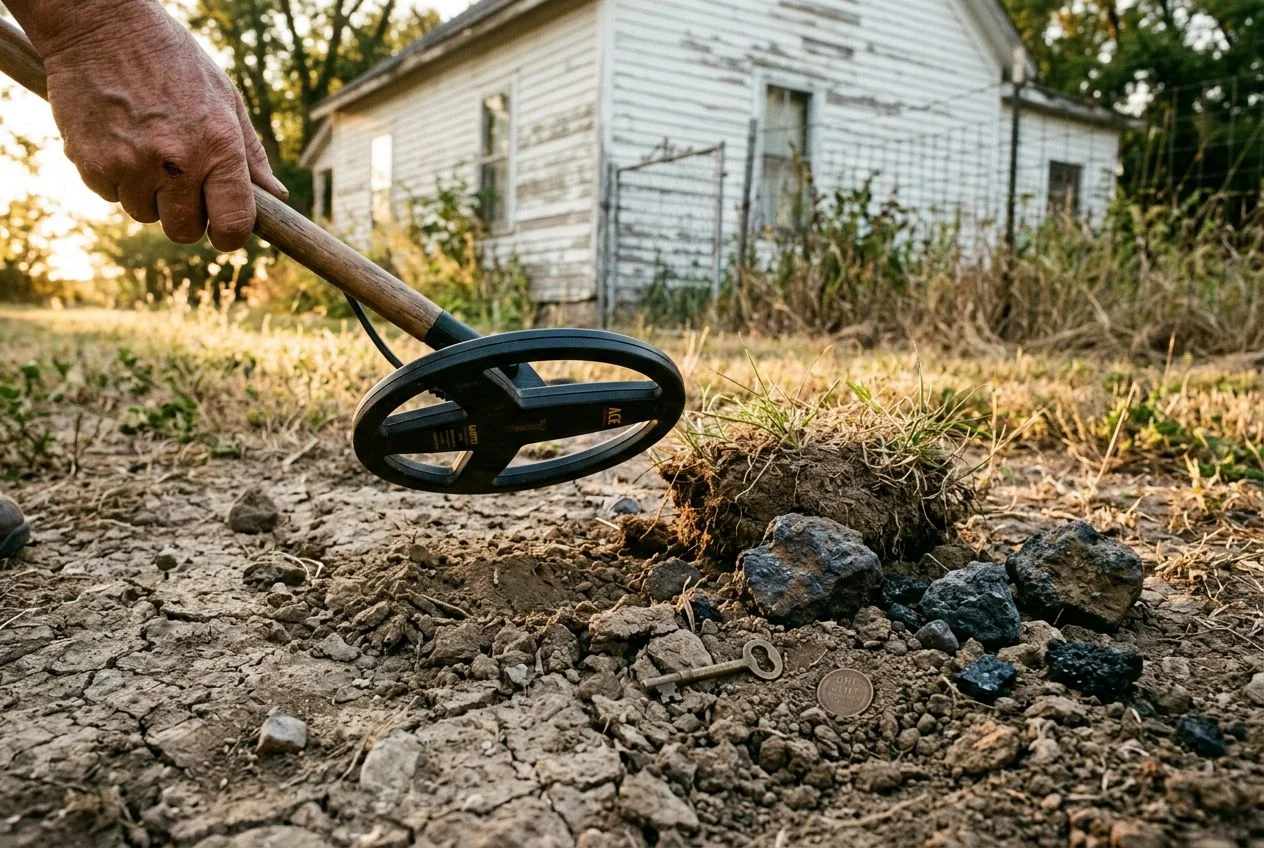
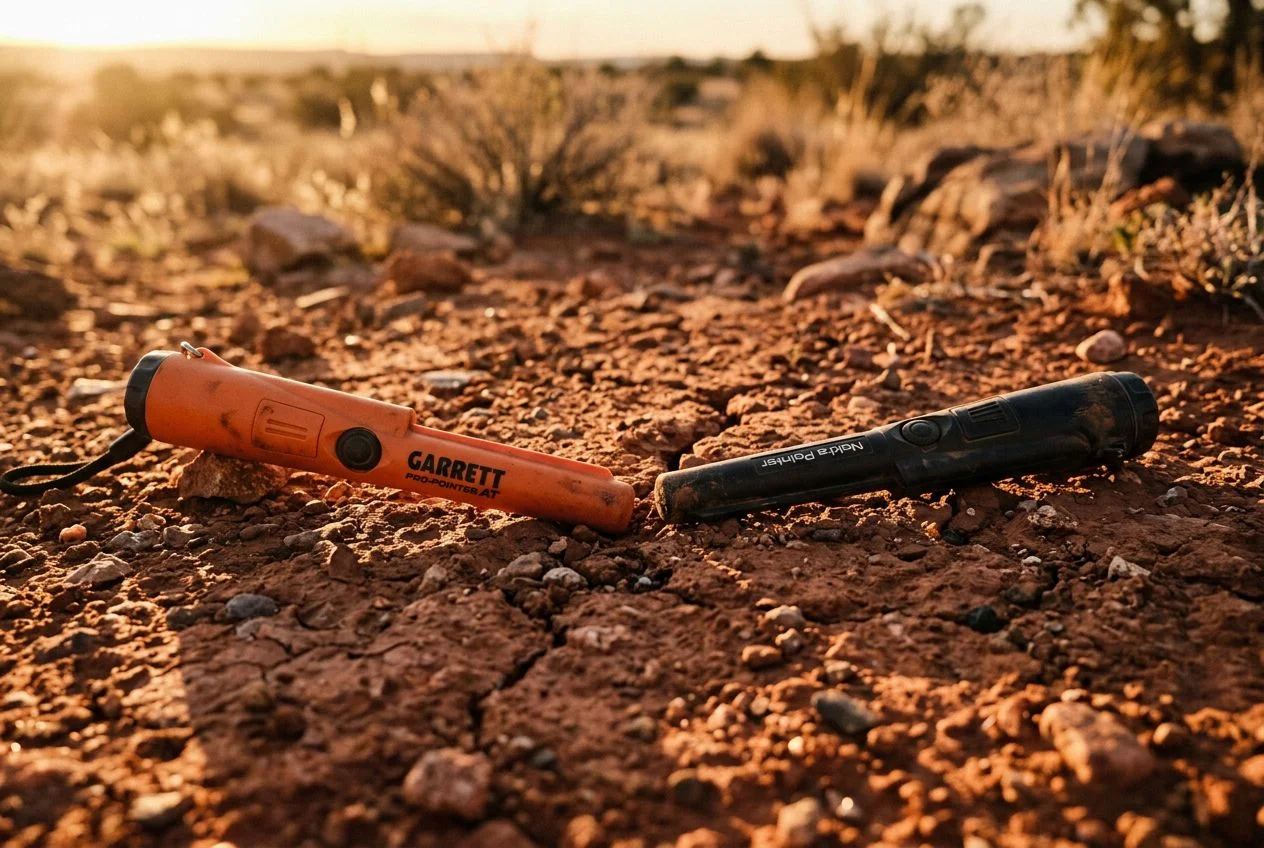
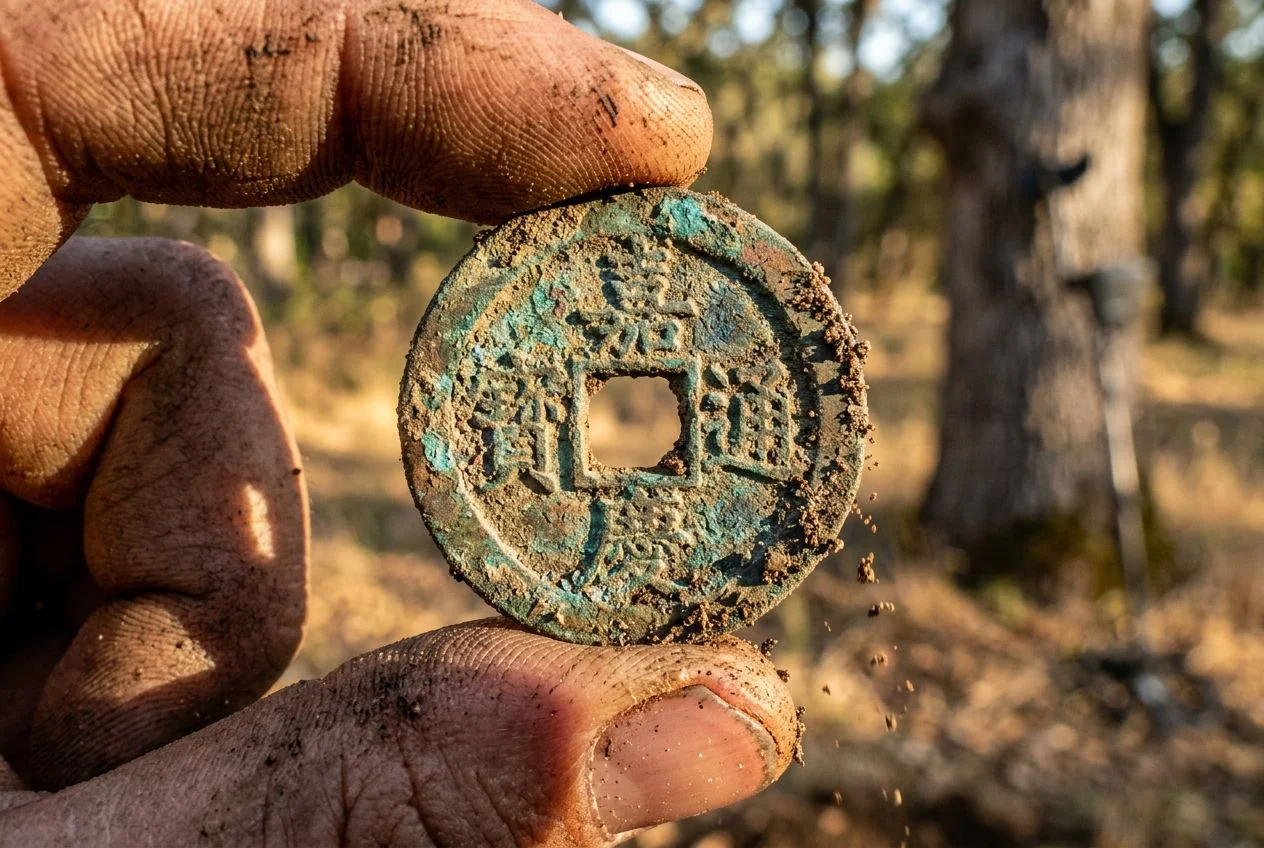
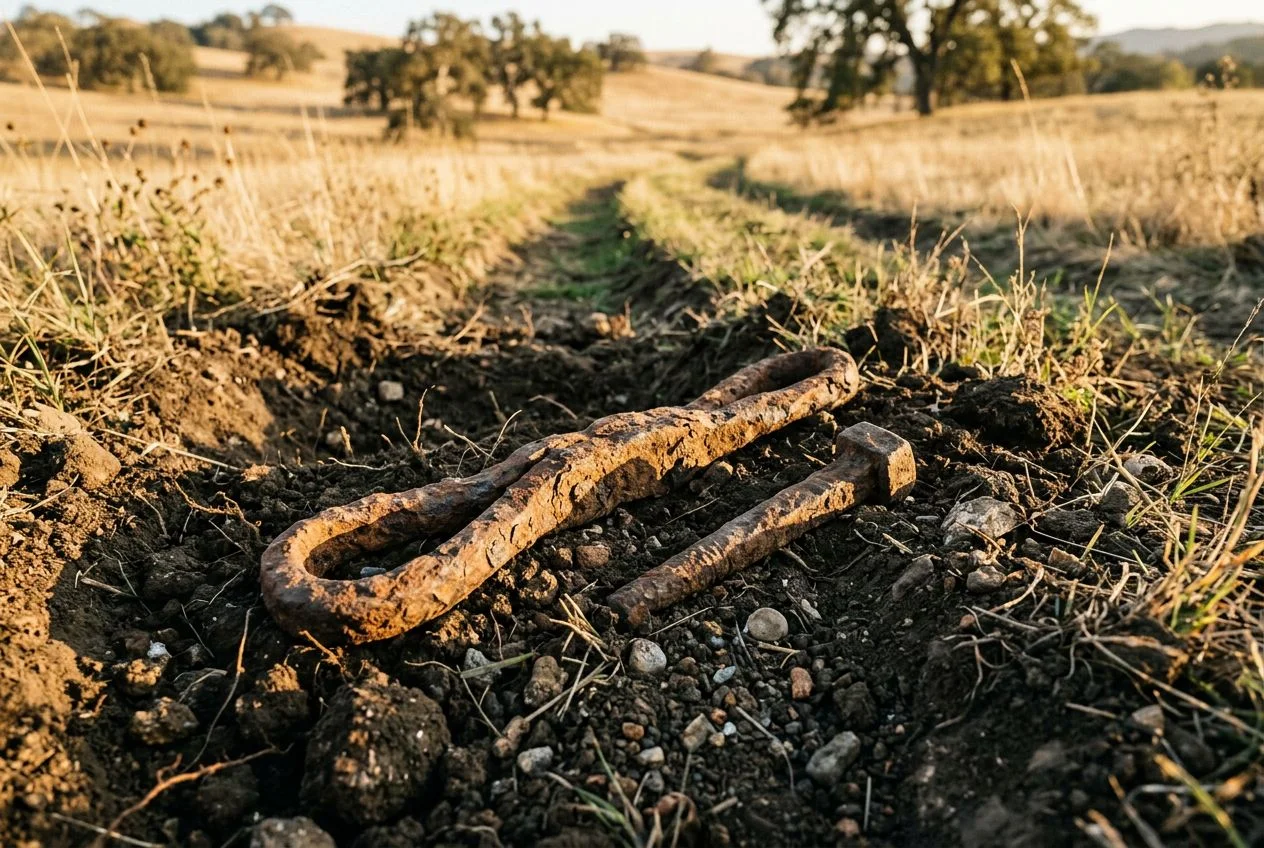
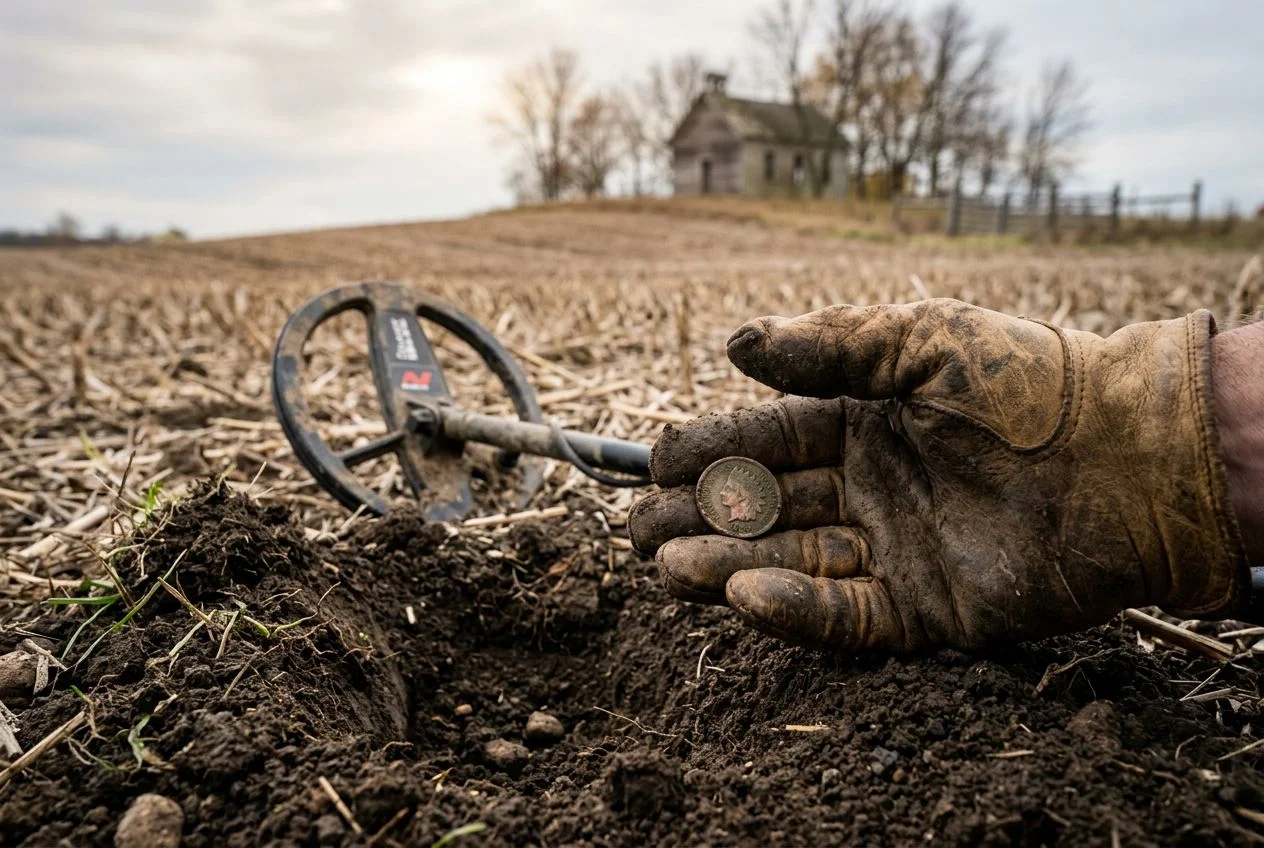
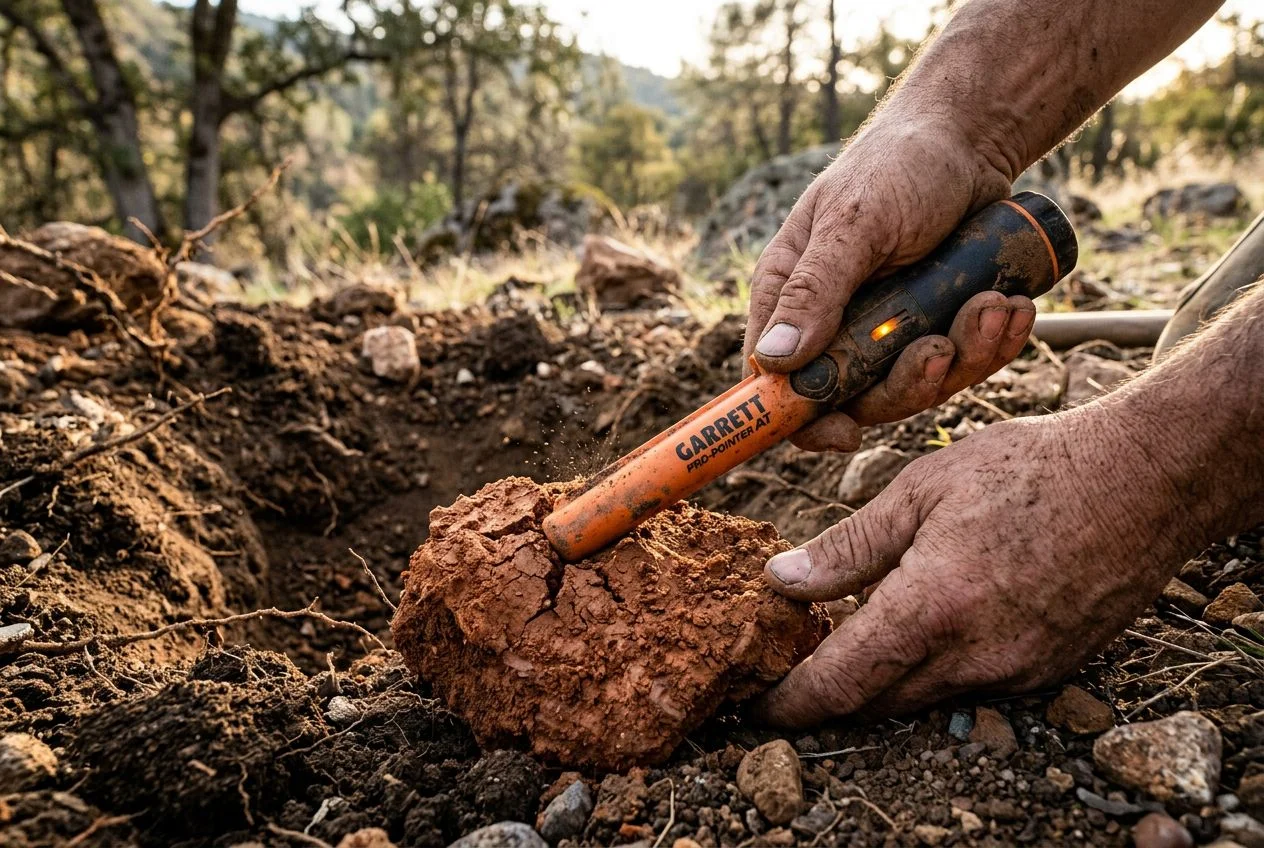
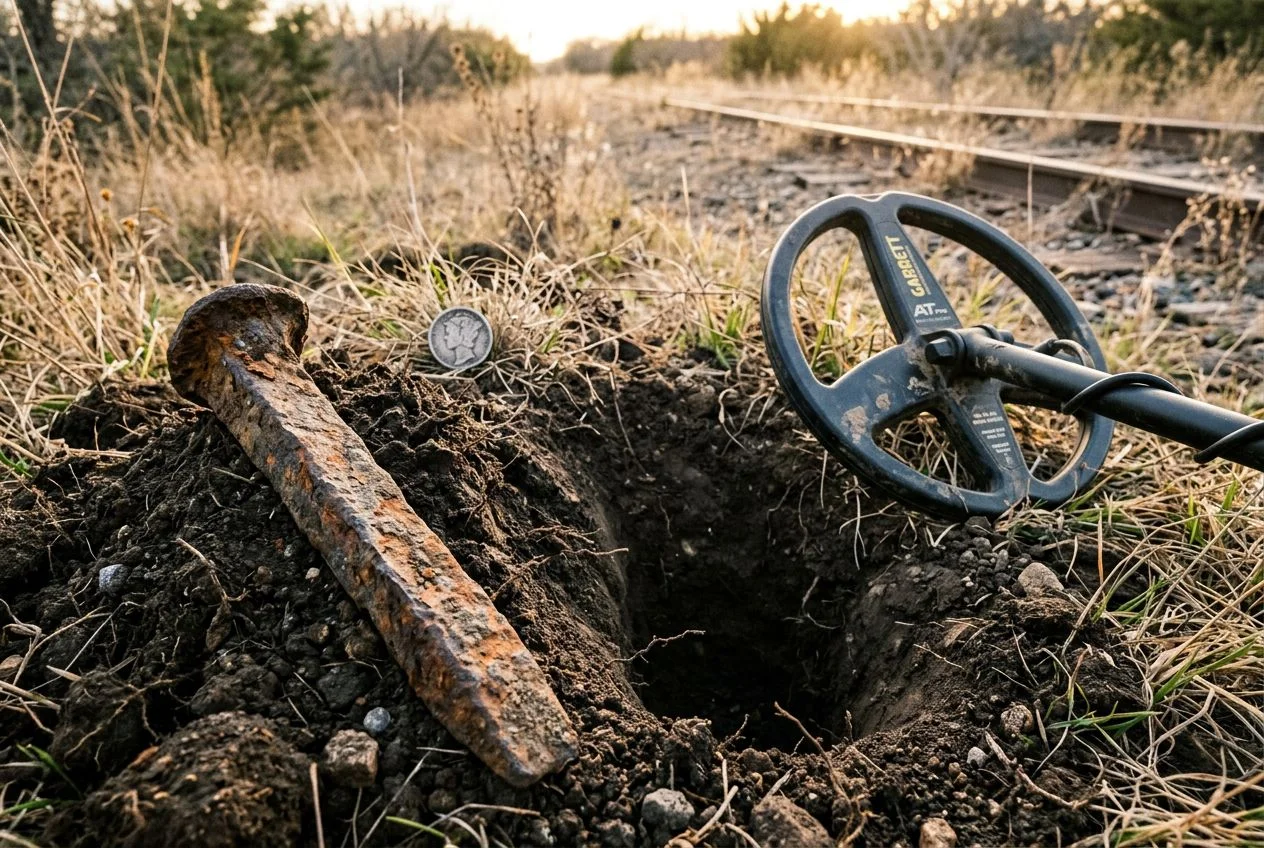
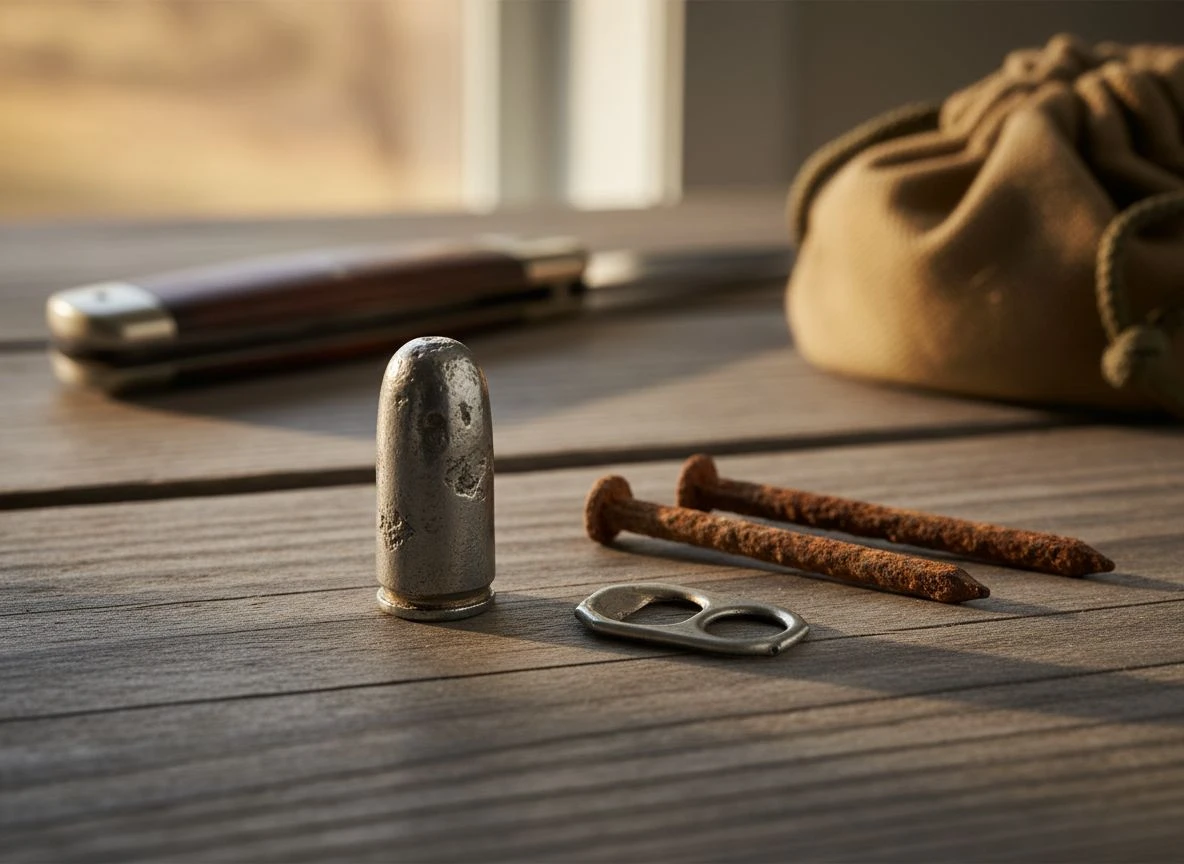
I learned this at a homestead site. My first signal with my Garrett AT Pro was a crisp, high tone. Four inches down: a .69 caliber bullet. The next was an iron grunt. I could reject it and move on. A PI would have screamed at both, forcing me to dig every horseshoe nail on the property. Life’s too short. As detector guides note, VLF’s discrimination is ideal for filtering iron in relic sites and junk in parks.
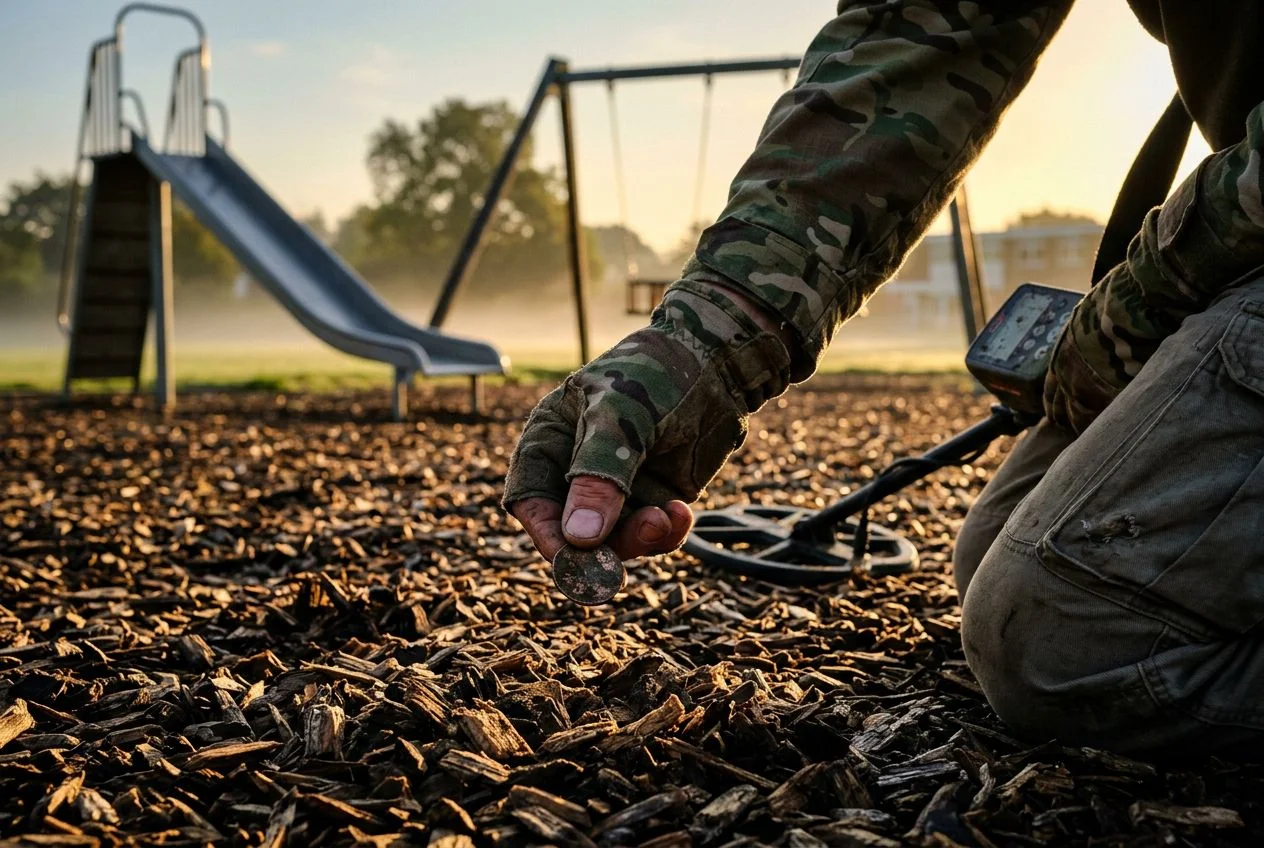
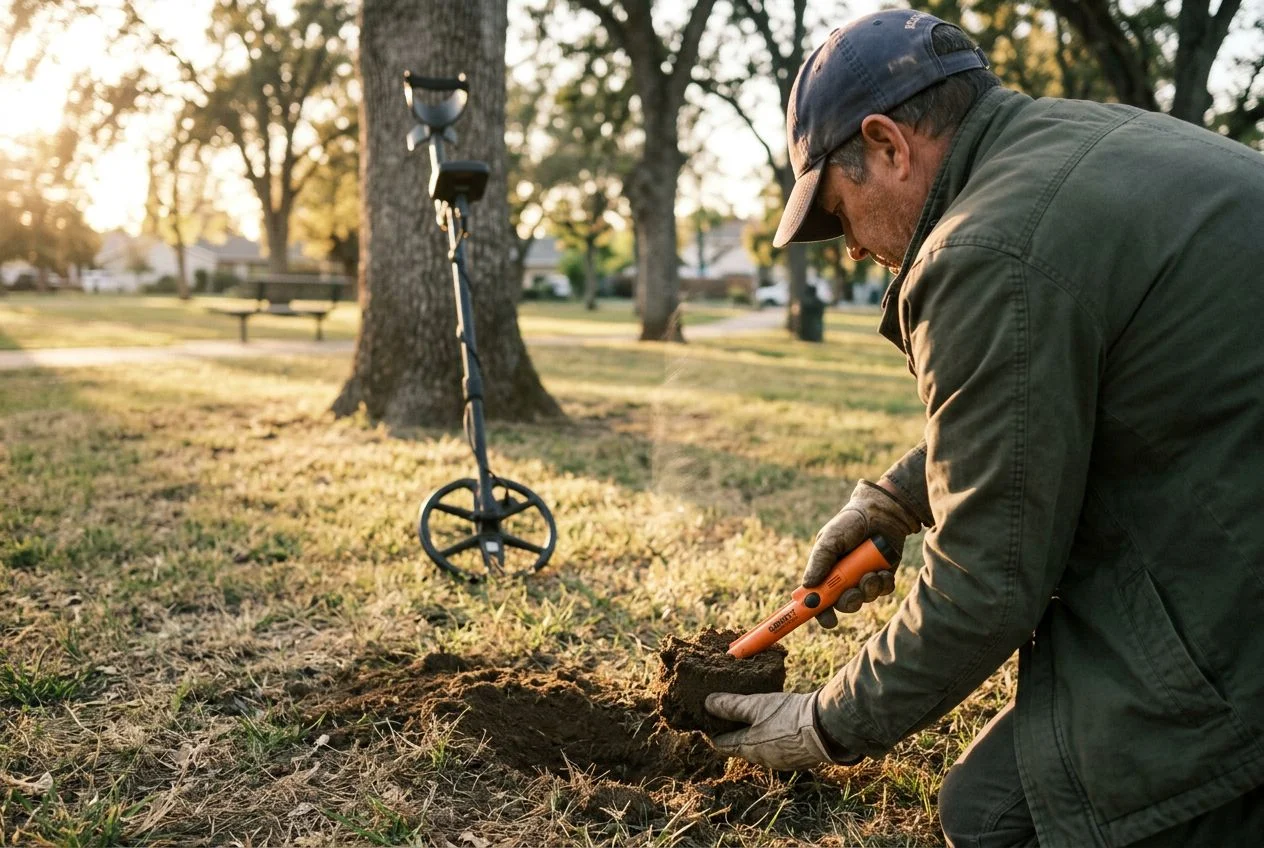
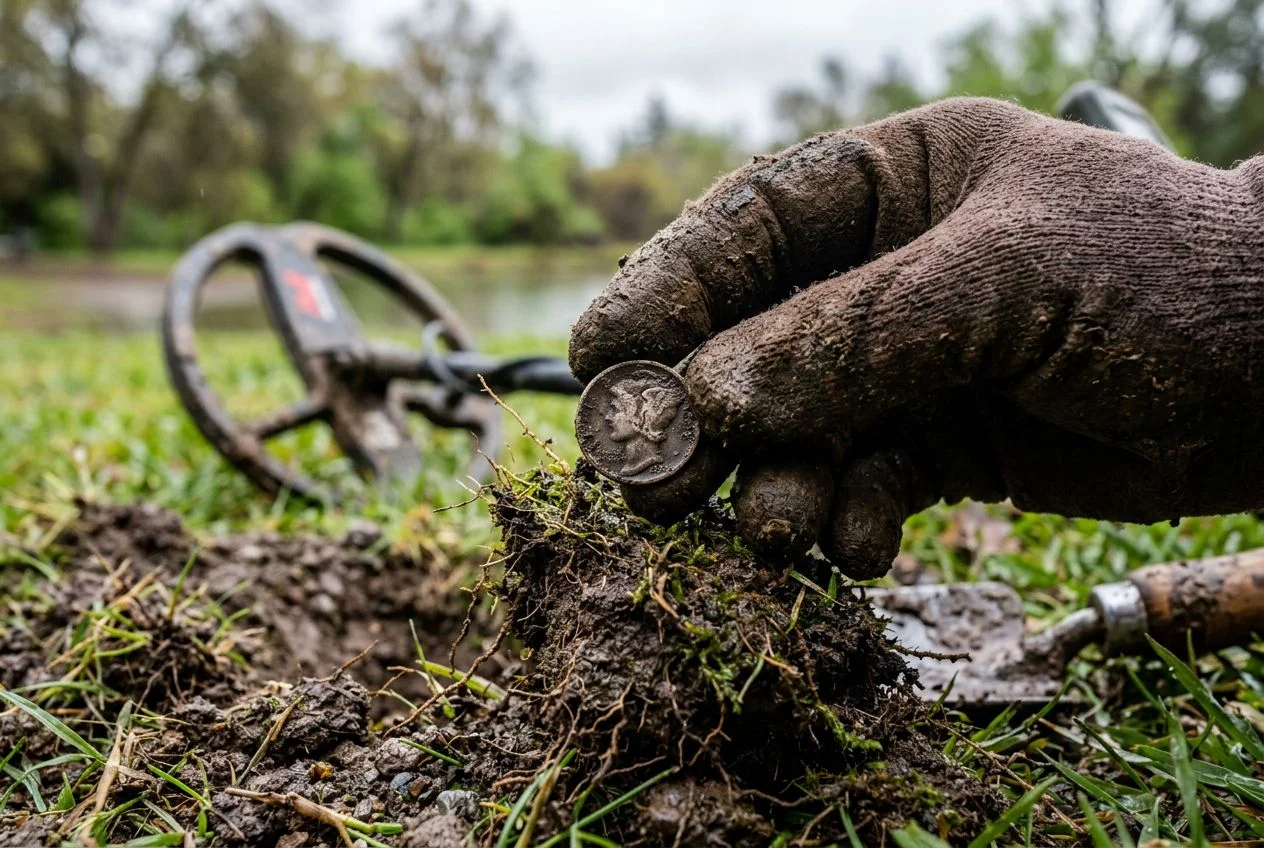
The same goes for coin shooting. Your targets—modern coins, jewelry—are often shallow, lying in a carpet of pull-tabs. A VLF’s sensitivity to small, shallow targets lets you cherry-pick the good signals. My buddy Mike hunts a 1920s park with his Minelab Equinox. He pulls silver dimes from 6-8 inches while ignoring the trash above them. A PI would just give him chaos.
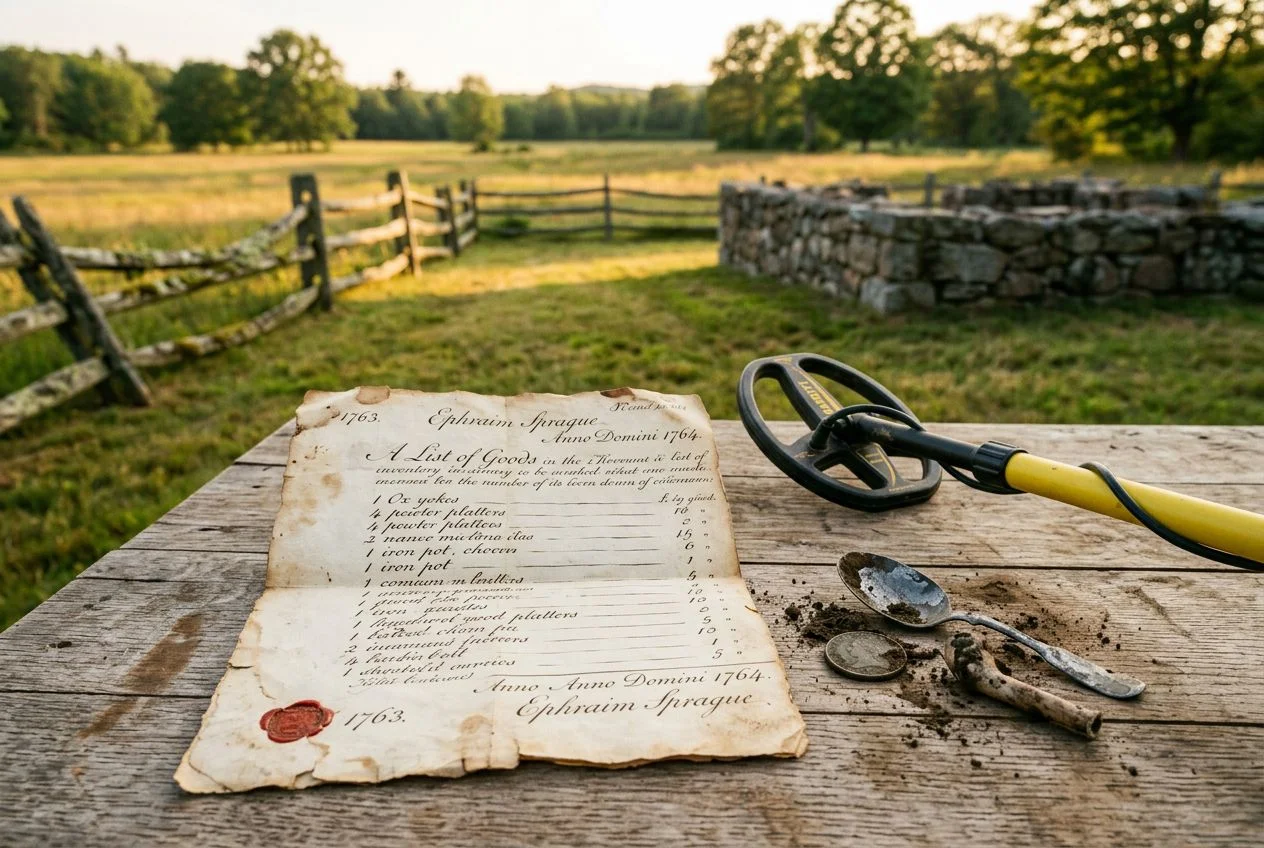
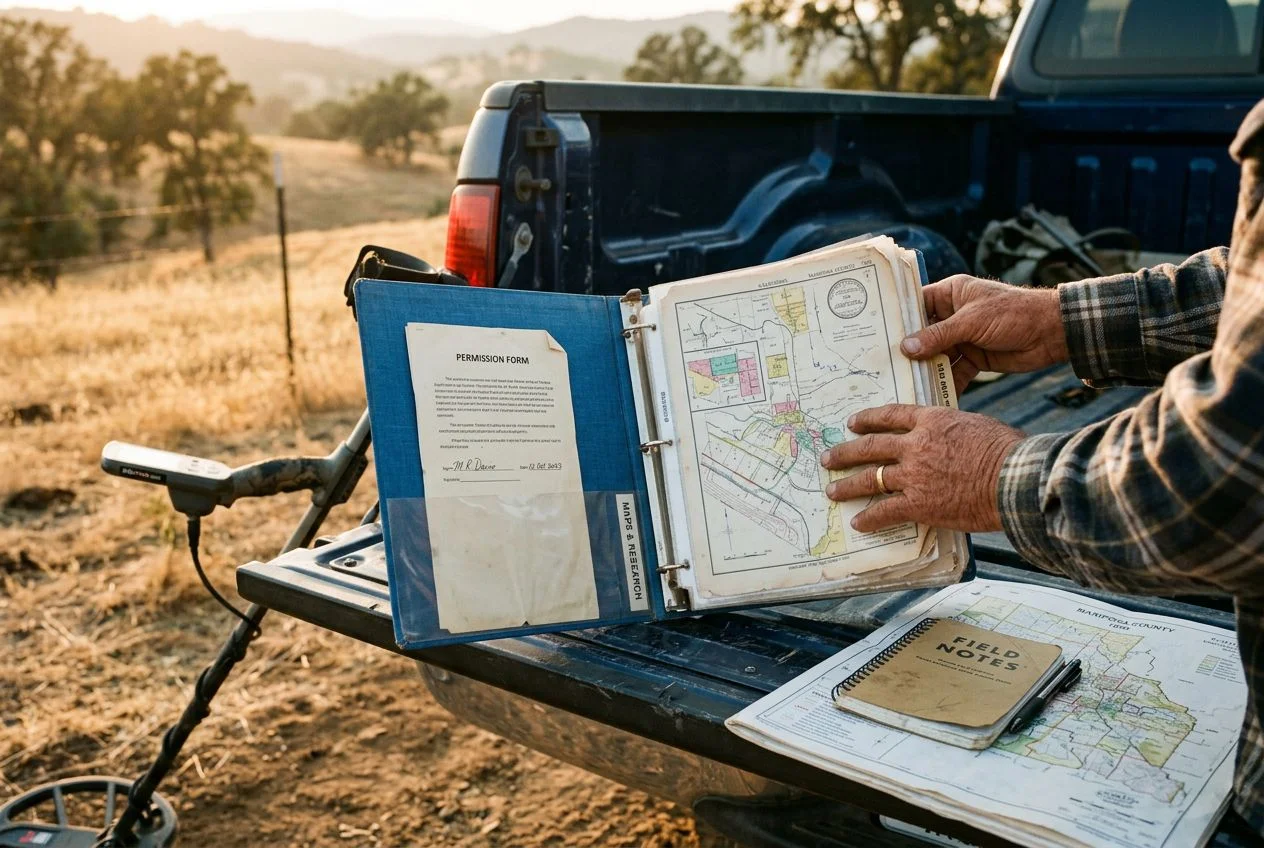
The Verdict: Grab your VLF. For 99% of relic and coin shooting, listening to the right signals beats hearing all signals. This is where knowing your site—through maps and history—trumps raw tech every time. For tips on researching sites, check out our article on how to find old places to metal detect.
How Multi-Frequency VLF Changes the Game
The old PI vs. VLF debate is outdated. For years, the rule was simple. Saltwater or gold meant PI. Everything else meant VLF. Modern multi-frequency VLF detectors blew that apart. Machines like the Minelab Manticore send and analyze multiple frequencies at once. This gives them great stability in saltwater—a PI stronghold—while keeping the target ID a true PI can’t match. It’s a “best of both worlds” for 80% of hunters.
My first eye-opener was on a Monterey Bay beach. I struggled with my single-frequency VLF in the wet sand. A guy nearby with an Equinox pulled deep coins with stable signals. He wasn’t using a PI, but he was in its domain. Multi-frequency filters out mineral noise electronically. As guides note, modern multi-frequency VLF offers stability in saltwater and improved depth.
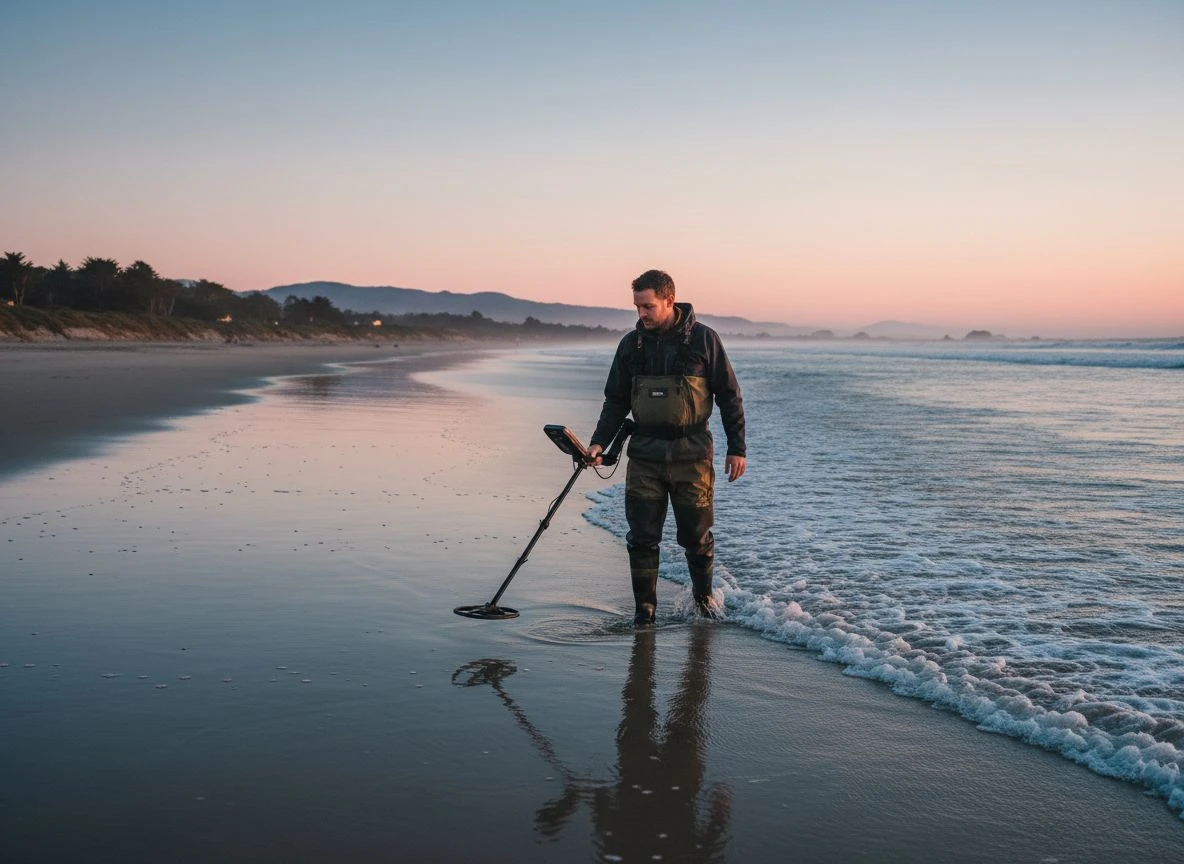
Does this make a dedicated PI obsolete? Not for that final 20%. If your mission is exclusively sub-gram gold nuggets in ferocious soil or extreme depth for large relics, a dedicated PI still reigns. But for the beachcomber or all-terrain hunter who wants one versatile tool, a top-tier multi-frequency VLF is the modern answer. It’s the bridge that lets most of us stop worrying about the old divide and just go detecting.
Step-by-Step Guide to Choosing Your Detector
Forget the tech specs. Choosing your detector is about answering a few questions. This flow chart is the practical essence of everything we’ve covered. Bookmark it. It’s the core of any good pulse induction metal detecting guide.
Start Here:
- What is your PRIMARY hunting environment?
- A. Saltwater Beach (Wet Sand & Surf): Go to 2.
- B. Highly Mineralized Goldfields/Volcanic Soil: Your answer is Pulse Induction (PI). You need a dedicated PI machine.
- C. Parks, Relic Sites, Dry Sand, Farm Fields: Your answer is VLF or Multi-Frequency. Go to 3.
- For Beach Hunters: Is your focus on the wet salt sand and surf zone?
- Yes, exclusively. A Pulse Induction (PI) detector gives you the deepest, most stable performance for large, deep targets in tough saltwater.
- No, I hunt the dry sand too, or want to discriminate pull-tabs. A Multi-Frequency VLF is your best all-around tool. It handles wet sand and gives you target ID.
- For Inland Hunters: What are you after?
- A. Coin Shooting & Jewelry (Modern Parks, Schools): VLF/Multi-Frequency. You need discrimination to filter trash.
- B. Relic Hunting (Old Homesites, Camps): VLF/Multi-Frequency. Discriminating iron from good finds is non-negotiable.
- C. Deep, Large Relics/Caches in Mild Soil: Go to 4.
- Final Considerations:
- Soil: If your ground is severely mineralized, lean PI for depth. For moderate soil, a powerful VLF is enough.
- Budget & Back: PI detectors are a big investment (often $3k+) and are heavier. A top Multi-Frequency VLF offers more versatility for less cost and weight.
When in doubt, a high-quality Multi-Frequency VLF is the most practical single detector for most hunters. It makes the old war mostly irrelevant—unless your mission is hyper-specific. This decision tree is a key part of this pulse induction metal detecting guide.
Frequently Asked Questions on PI vs VLF
In a nutshell: PI is a powerful, specialized tool for extreme conditions. For most hunters, a VLF (or modern multi-frequency) is the versatile, user-friendly workhorse. Don’t buy a PI to solve a VLF problem.
Is PI really that hard to learn?
Yes, be ready to dig a lot. Modern PIs are friendlier, but the core challenge remains: they find everything conductive. You’ll dig deep iron and tiny foil. Mastery comes from learning the subtle language of signals, not from a screen. It’s a commitment.
Can I afford a good PI detector?
You can, but see it as a serious investment. A decent beginner VLF starts around $300. A capable new PI like a Minelab GPX 6000 starts over $5,000. This isn’t casual hobby money. You buy a PI because your specific ground demands it.
Is a used PI a good idea?
Be careful. A used PI from a good brand can be a great value. But older models lack modern iron-discrimination. Factor in possibly replacing a worn battery or coil. My rule: only buy used if you can test it in person with a known target.
Should my first detector be a PI?
Absolutely not. Start with a VLF. This is my non-negotiable advice. A PI’s lack of discrimination, high cost, and learning curve will frustrate you into quitting. Learn the basics on an affordable VLF like a Nokta Simplex. If, after a year, you’re always battling black sand or hunting nuggets, then consider the PI leap.
Match Your Detector to Your Local Soil Type
In a nutshell: There’s no “best” technology, only the best tool for your ground. Choose VLF for discrimination and versatility in parks and mild soils. Choose PI for raw power in extreme mineralization, goldfields, and wet salt sand. Your hunting environment calls the shots.
I’ve always said it: the most expensive detector is useless if it speaks the wrong language for your dirt. This debate isn’t about gear. It’s about matching a tool’s strengths to the battlefield you choose through research.
Remember the flashlight versus sonar? Your VLF is the precise flashlight for clear ground. Your PI is the penetrating sonar for the deep murk. One isn’t better—they’re different tools for different jobs.
So the final question isn’t “PI or VLF?” It’s: What story is my soil telling me? Is it whispering for a VLF, or shouting for a PI? Your research into where to hunt will always matter more than the tech you swing. The right detector just lets you execute that research.
Now, go listen to what your ground has been trying to tell you.
What’s your primary hunting ground like? Share your dirt type and target goals in the comments below. Let’s discuss the perfect tool for your patch of earth.

My name is Paul and I am the founder of Detector For Metal, a dedicated resource for metal detecting enthusiasts seeking to uncover historical treasures and connect with the past using the latest technology. As a stay-at-home dad and family man, I’ve found metal detecting to be the perfect hobby that combines family adventure with historical learnings for the whole family.
As a father, I’m deeply committed to passing on this hobby to the next generation of detectorists, starting with my own children. I share advice on everything from metal detecting with kids to exploring the top 10 metal detecting sites you never thought about. My methodical approach to the hobby goes beyond the thrill of discovery—it’s about creating family traditions while preserving history and sharing the stories of those who came before us.