Table of Contents
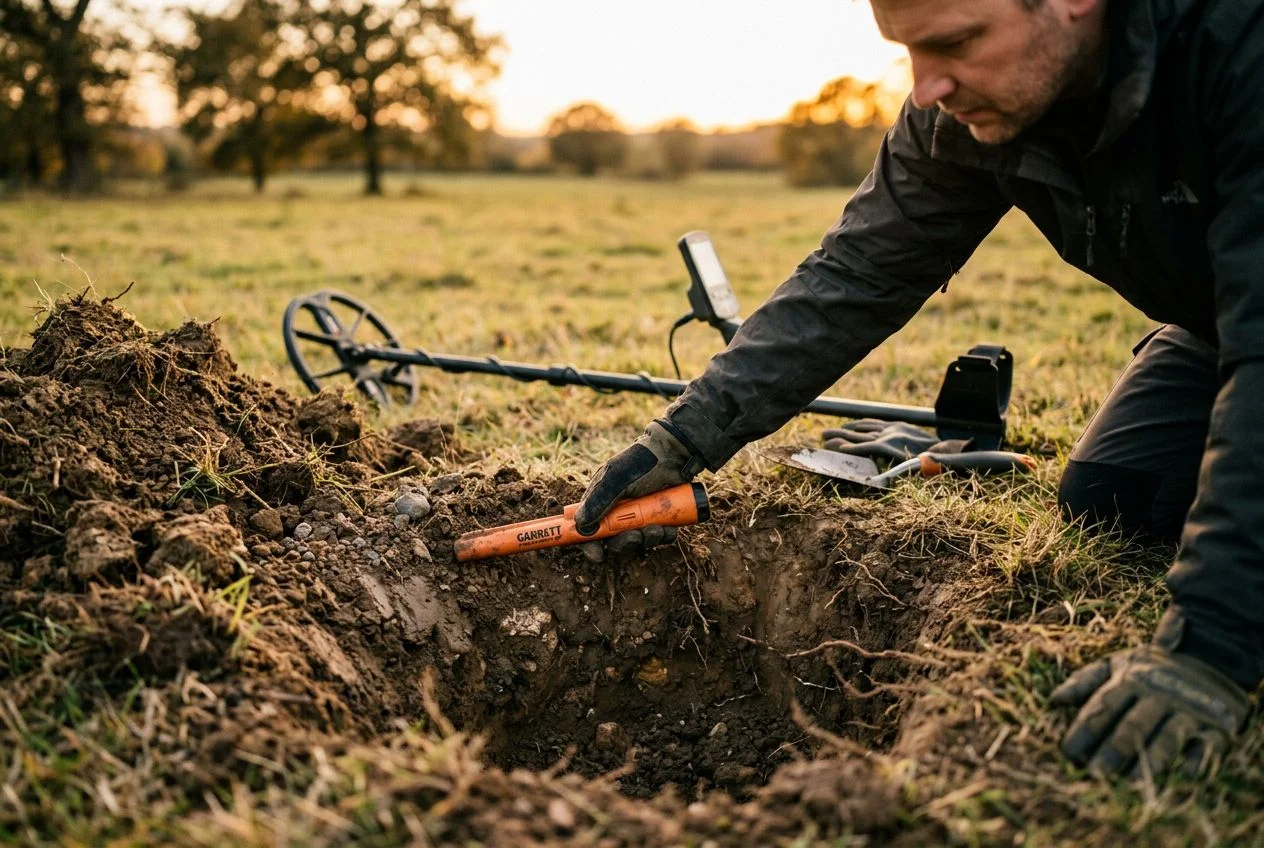
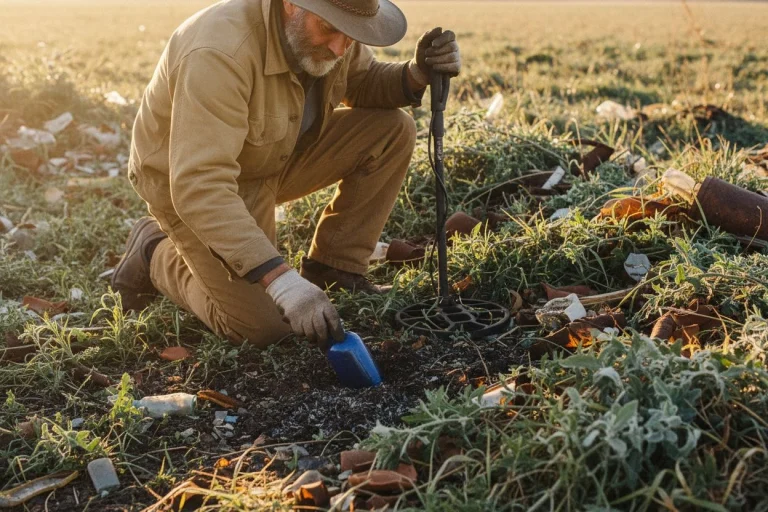
My buddy Mike still gives me grief about that day I spent five hours digging through what looked like someone’s forgotten backyard burn pile. “You’re going through trash for fun now?” he asked, watching me pull shards of cobalt blue glass from a pit I’d spent the morning opening. I just held up a complete pontil-scarred medicine bottle and grinned.
Mike doesn’t get it. He’s the kind of detectorist who hunts the same ballfields every weekend and wonders why his best find of the year is a 1970s quarter. Meanwhile, I’ve pulled more history out of old trash piles than from any well-manicured park. The secret isn’t luck. It’s understanding that where people threw their garbage tells us more about how they lived than almost anything else.
Today I want to walk you through what I’ve learned about researching, finding, and ethically hunting historical dump sites from the 19th and early 20th centuries. These aren’t glamorous spots. But they’re time capsules, and they’re sitting out there waiting for someone who knows how to look.
Are Old Dumps Hidden Treasure for Detectorists?
Here’s the thing about historical trash deposits that most people miss: they’re not just piles of junk. They’re archaeological resources that show us what everyday life was really like — stuff written records rarely capture. Administrative records like town ordinances tell you what the town council said about waste management. They don’t tell you what people actually threw away.
Before the 1950s, waste disposal was mostly unregulated. People dumped stuff wherever it was convenient — the back corner of the property, the nearest ravine, the edge of the river. The Maryland Historic Landfill Initiative identified hundreds of these sites by reviewing regulatory records and environmental context. But most were never officially recorded in the first place.
That’s where the opportunity is for detectorists. These forgotten dumps contain everything from broken dishes and medicine bottles to lost coins, jewelry, and tools. I’ve pulled an 1890s silver spoon from a farm dump that had been sitting undiscovered since the Eisenhower administration. The patina was incredible.
Types of Old Dump Sites Every Detectorist Must Know
Not all trash deposits are the same. Over the years I’ve learned to recognize a few different types, and knowing which one you’re hunting changes everything about your approach.
How to Hunt Town Dumps for Old Relics
Municipal waste sites started popping up in the 1870s when towns began passing laws about waste disposal. These are often the most productive sites — high-volume household refuse deposits that can yield dozens of intact bottles, ceramic pieces, and metal objects in a single session. Town dumps were typically on the outskirts of development, often in ravines or along waterways.
Finding Treasures in Privy Pits
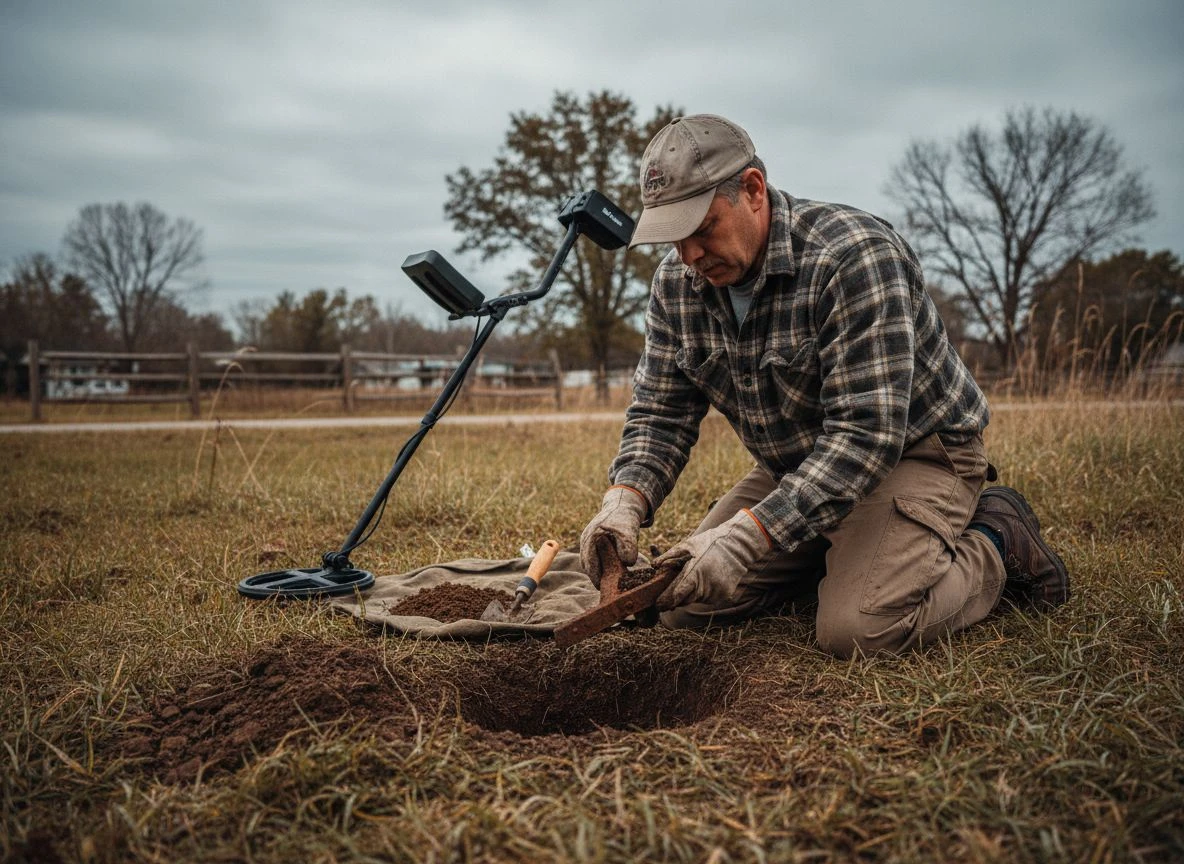
This is where it gets interesting. Privy pits — old outhouse holes — were basically household garbage disposal units. Everything from broken glass to lost pocket knives ended up down the hole. I’ve found more coins in privy pits than in some parks. The key is that these holes were dug deep (6–8 feet was common) and then filled in when the privy was abandoned. You’re hunting that fill material.
The depressions are subtle. You’re looking for rectangular or circular dips in the ground near where an old house foundation used to be. Professional archaeologists use test pits to confirm these deposits, and I’ve adopted the same technique. A quick probe with a steel rod tells you when you hit the soft, dark soil of a filled privy.
Detecting Farm Dumps for Vintage Bottles and Relics
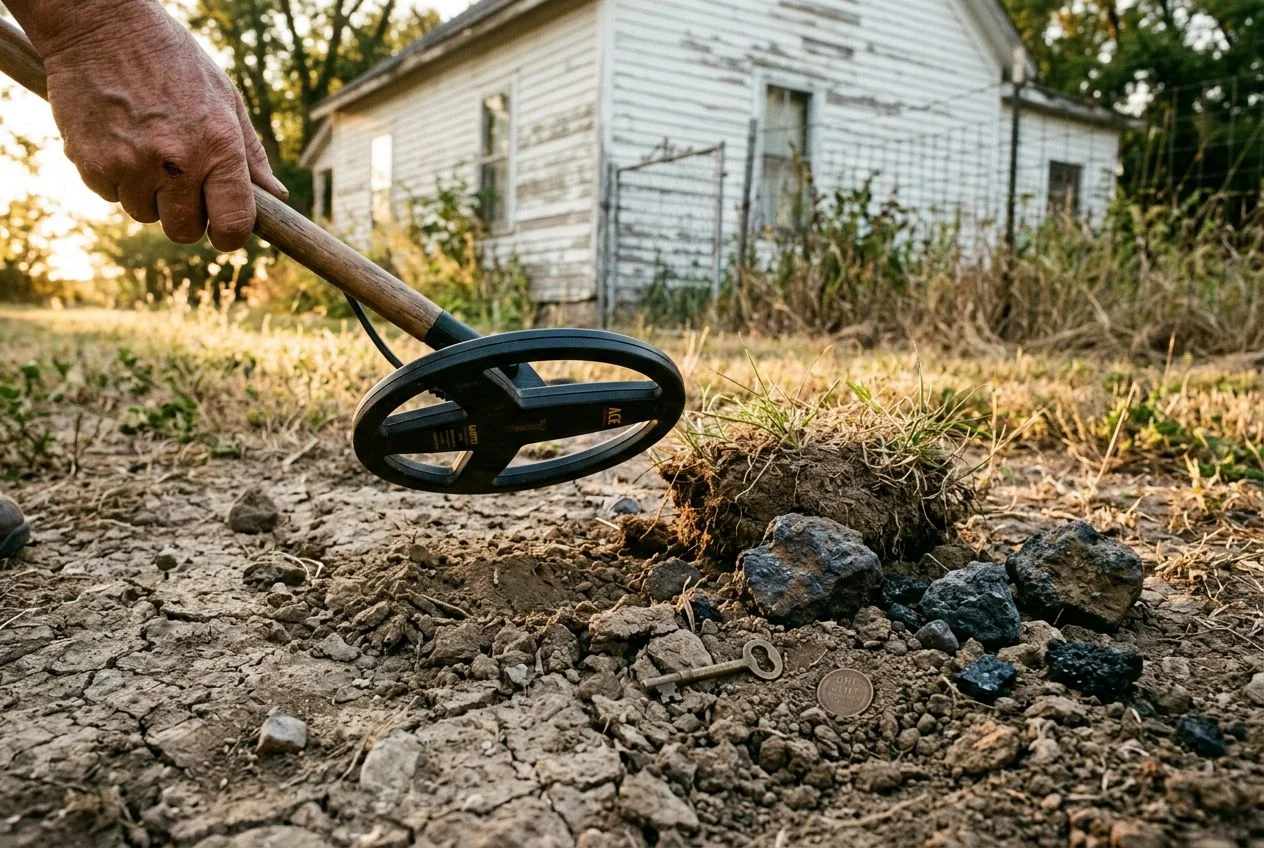
Every farm had one. Usually in the back forty, near a creek, or at the edge of a treeline. These are smaller than town dumps but often better preserved because later development didn’t disturb them. Farm dumps are my personal favorite. They tend to have a wider time range — I’ve found items from the 1880s right up through the 1940s in the same pit.
How to Hunt Railway Dumps for Railroad Relics
Railroad workers and passengers threw things out the windows. Period. Railway dumps can follow old rail lines for miles, and they’re often completely overlooked by modern detectorists who focus on stations and yards. I found a complete 1920s-era pocket watch in a rail dump near an old whistle stop outside Auburn. The watch was smashed, but the case and mechanism were intact.
What Research Do You Need Before Digging Old Dumps?
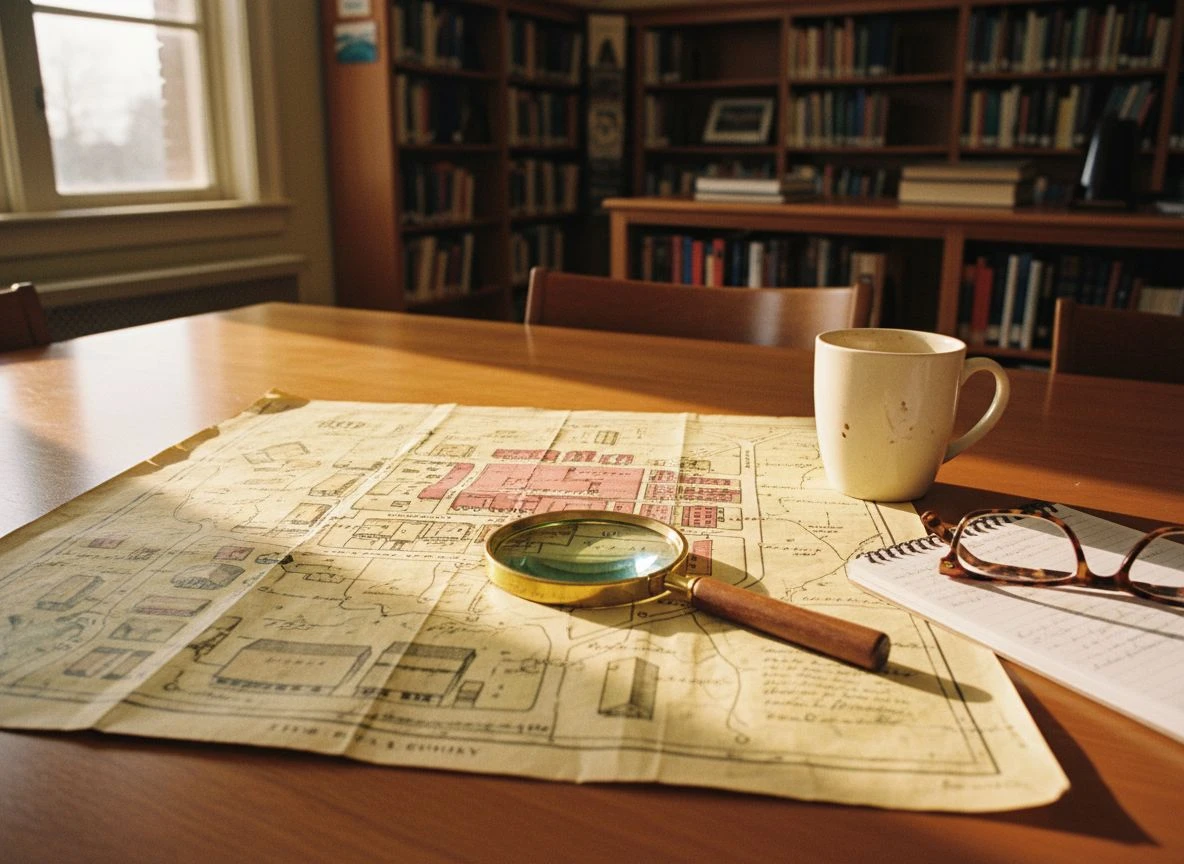
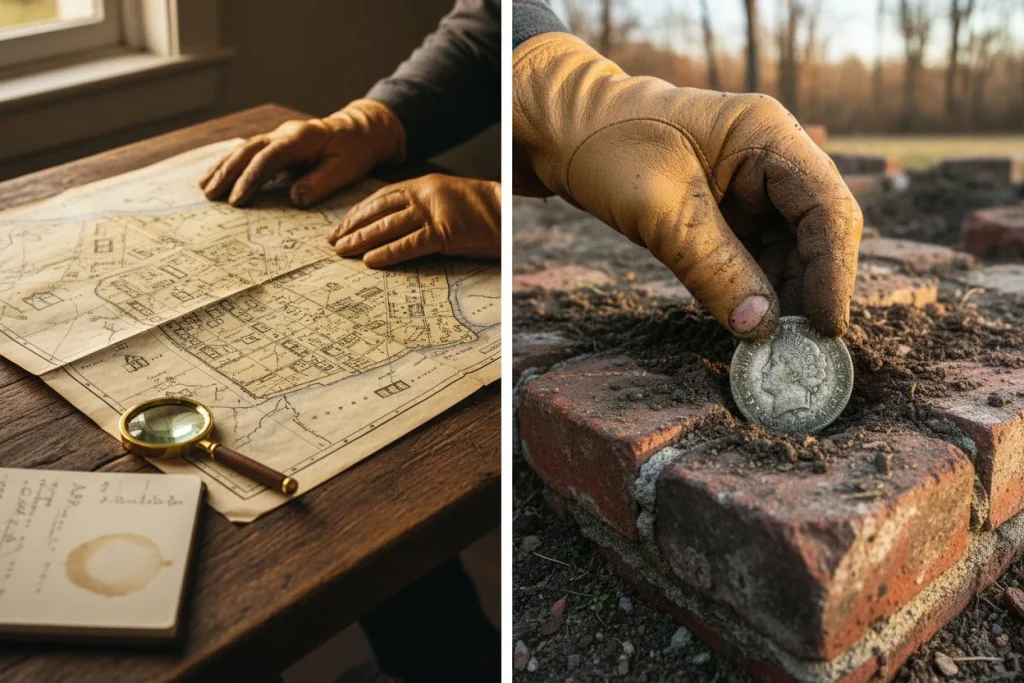
I’ll level with you — the best research happens before you ever step into the field. Historical maps found at local libraries are your single most valuable resource. Dump sites were rarely labeled directly. But they show up as “undeveloped” or “empty” land on the outskirts of town, especially on old Sanborn Fire Insurance maps and county atlases.
Here’s my process:
Step 1: Go to the county historical society or library archives. I spent three Saturdays at the Placer County Historical Society going through their map collection. Old-timers working there are worth their weight in gold. The 87-year-old former conductor who tipped me off to that Auburn train stop? He was just sitting at a table, drinking bad coffee, and happy to talk.
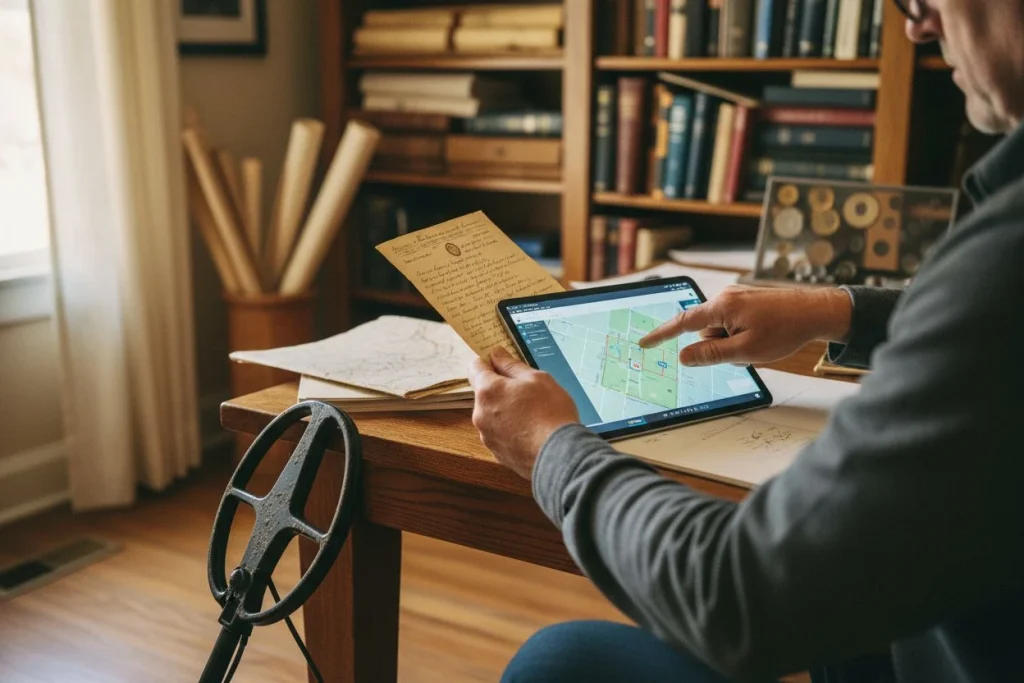
Step 2: Use Google Earth strategically. Look for unusual depressions, color changes in vegetation, or surface debris in wooded areas. Scanning aerial imagery for signs of debris or unusual land features has led me to half a dozen productive sites I would have walked right past.
Step 3: Cross-reference with historical newspapers. Local newspaper archives are gold. Ads for medicine, liquor, and household goods from 1880 to 1920 tell you exactly what people were buying and tossing. And obituaries sometimes mention when a family sold their property and “cleaned out the back lot.”
Step 4: Talk to old-timers. I cannot emphasize this enough. The elderly resident who grew up on the property, the retired mail carrier, the guy whose grandfather owned the general store — these people hold knowledge that will never appear on a map. Archival research combined with oral history is how professional archaeologists find sites, and it works just as well for detectorists.
How to Read the Landscape for Old Dump Sites
Once you’ve done your research, it’s time to actually walk the sites. You’re looking for specific physical indicators.
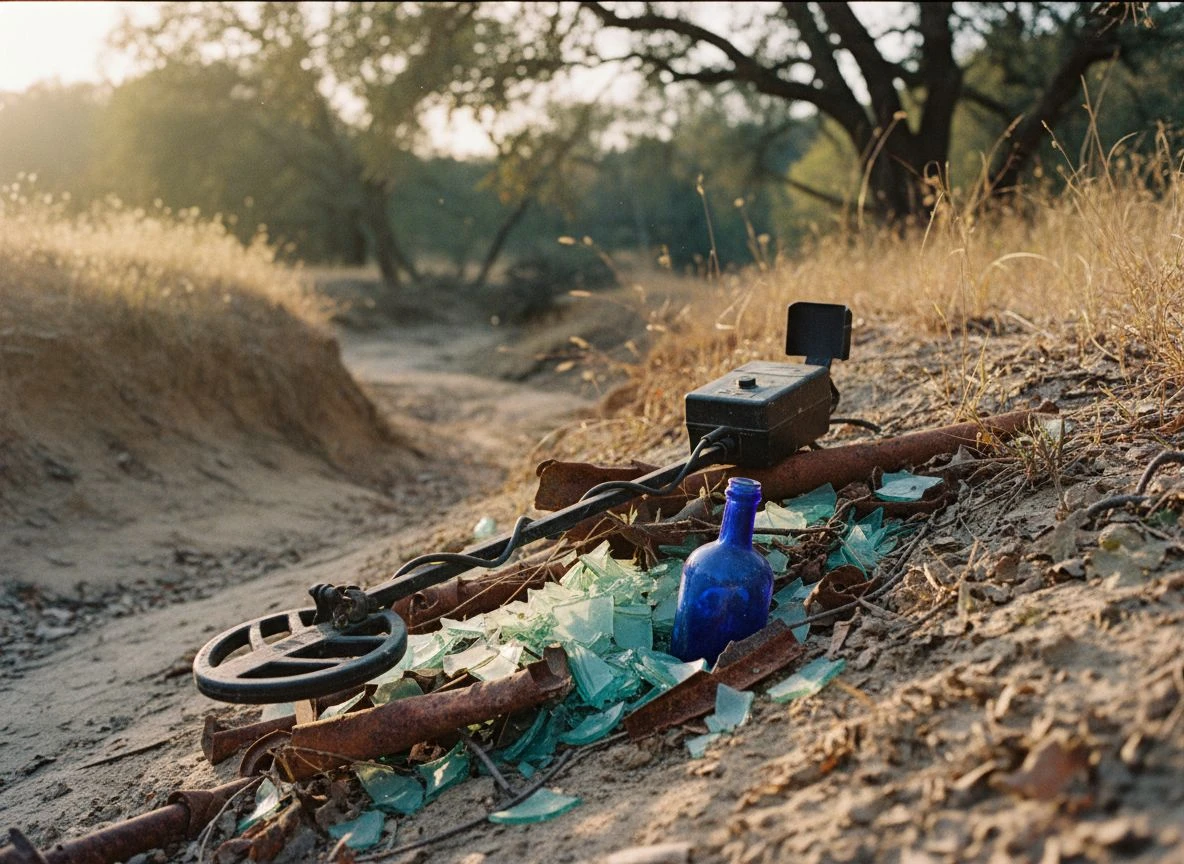
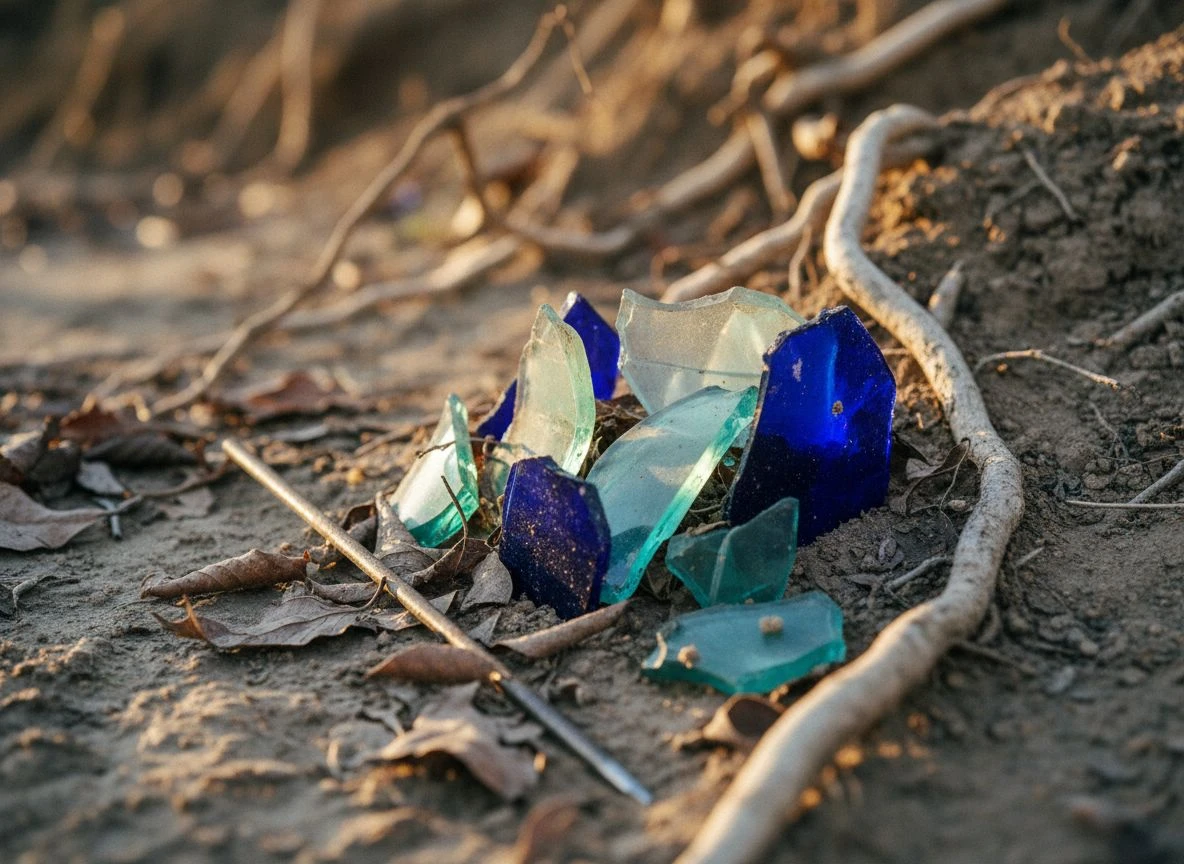
First, broken glass protruding from riverbanks or eroding slopes is the most obvious sign. But it’s not just about spotting glass — it’s about reading the type of glass. Clear, aqua, and cobalt blue fragments tell you nothing individually. A concentration of pontil-scarred bottle bases (those rough spots on the bottom of hand-blown bottles) tells you you’re in an 1850s–1870s deposit.
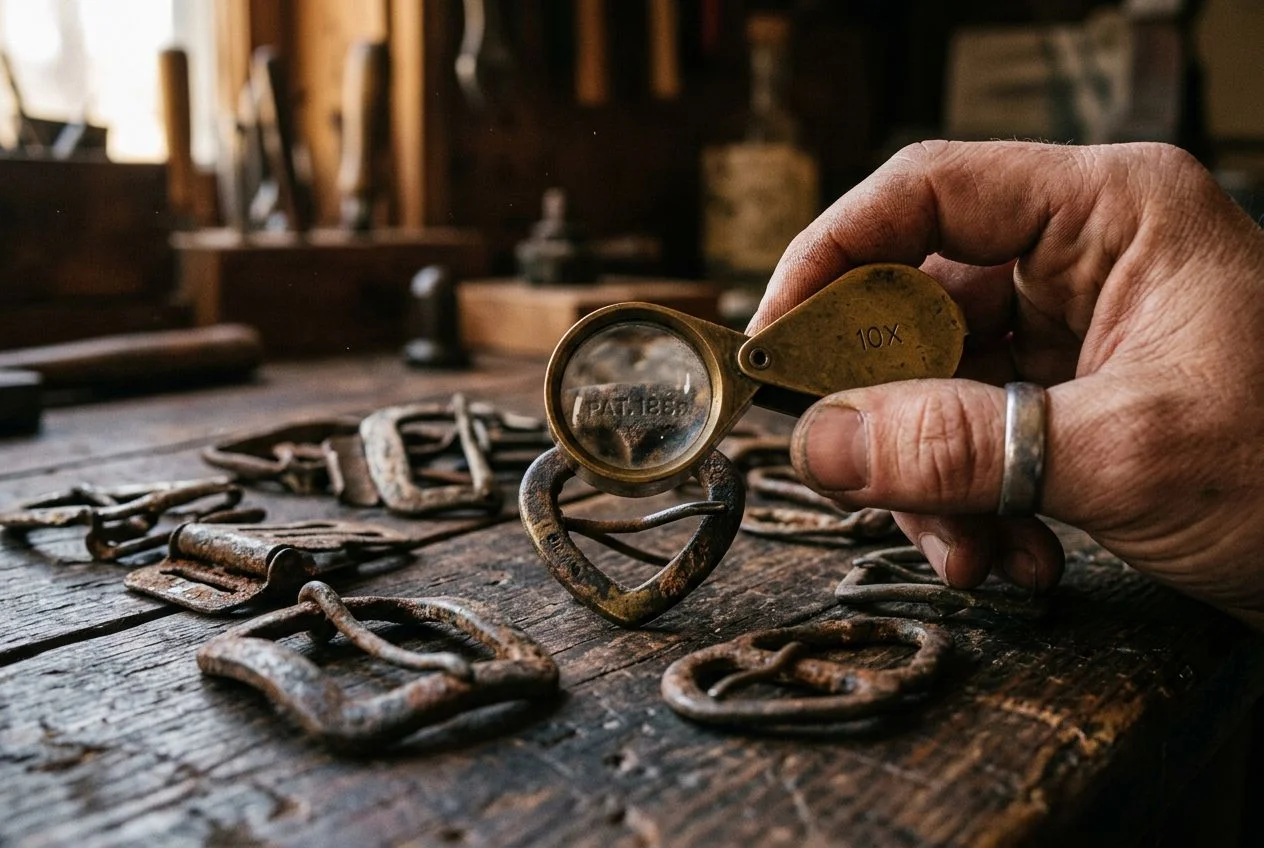
Second, look for rusty metal. Old barrels, bed frames, and appliances often mark the surface of a larger deposit below. The Society for Historical Archaeology’s bottle identification guides are indispensable here. I’ve used them more times than I can count to date a site based on the glass manufacturing marks I’m finding.
Third, pay attention to the ground itself. Trash deposits often leave physical traces — unnatural mounds, depressions, or areas where the vegetation looks noticeably different from the surrounding landscape. I’ve walked through the same patch of woods a dozen times before noticing the slight rectangular depression that marked an old privy pit.
(Pro tip: probe the ground with a steel rod. When you hit a soft spot that’s noticeably different from the surrounding soil, mark it. Come back with a shovel.)
Tools You Need for Old Dump Digging
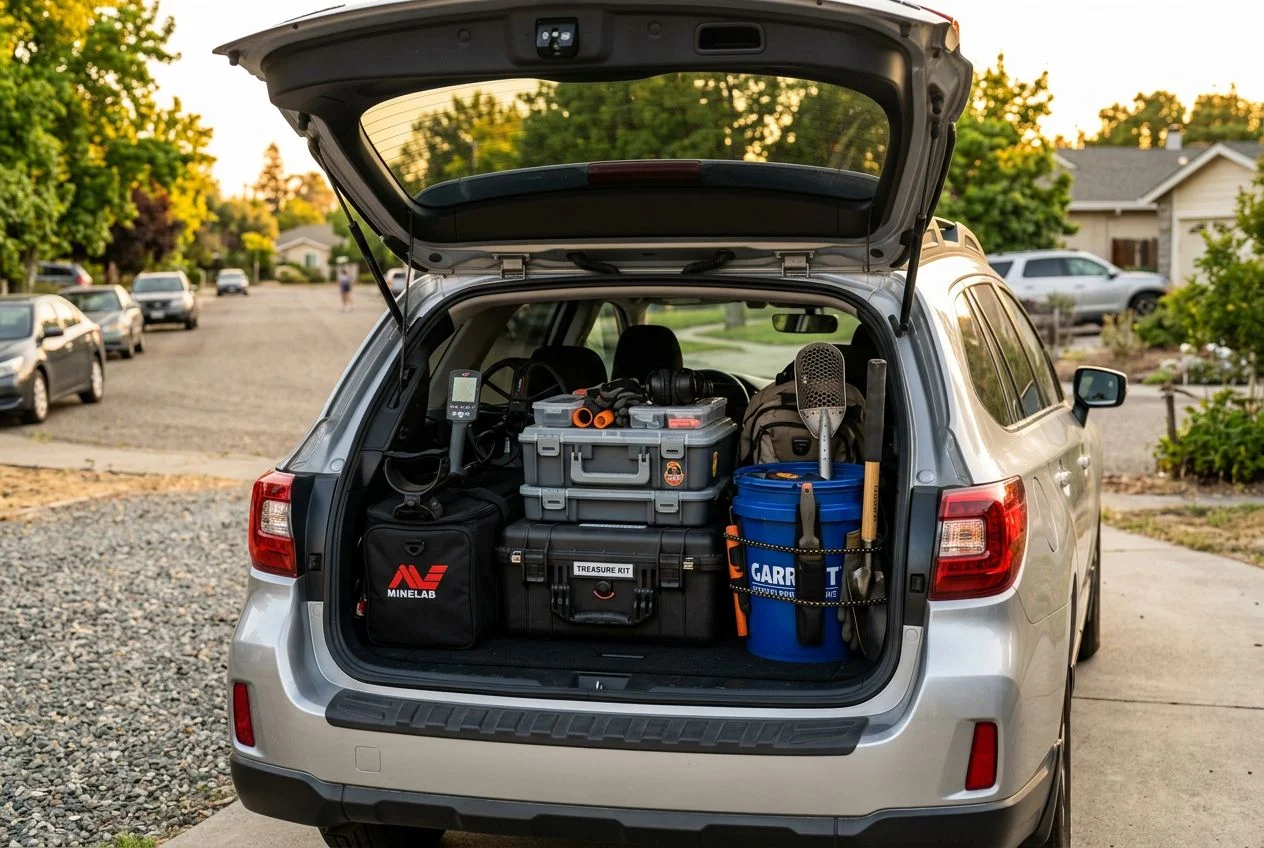
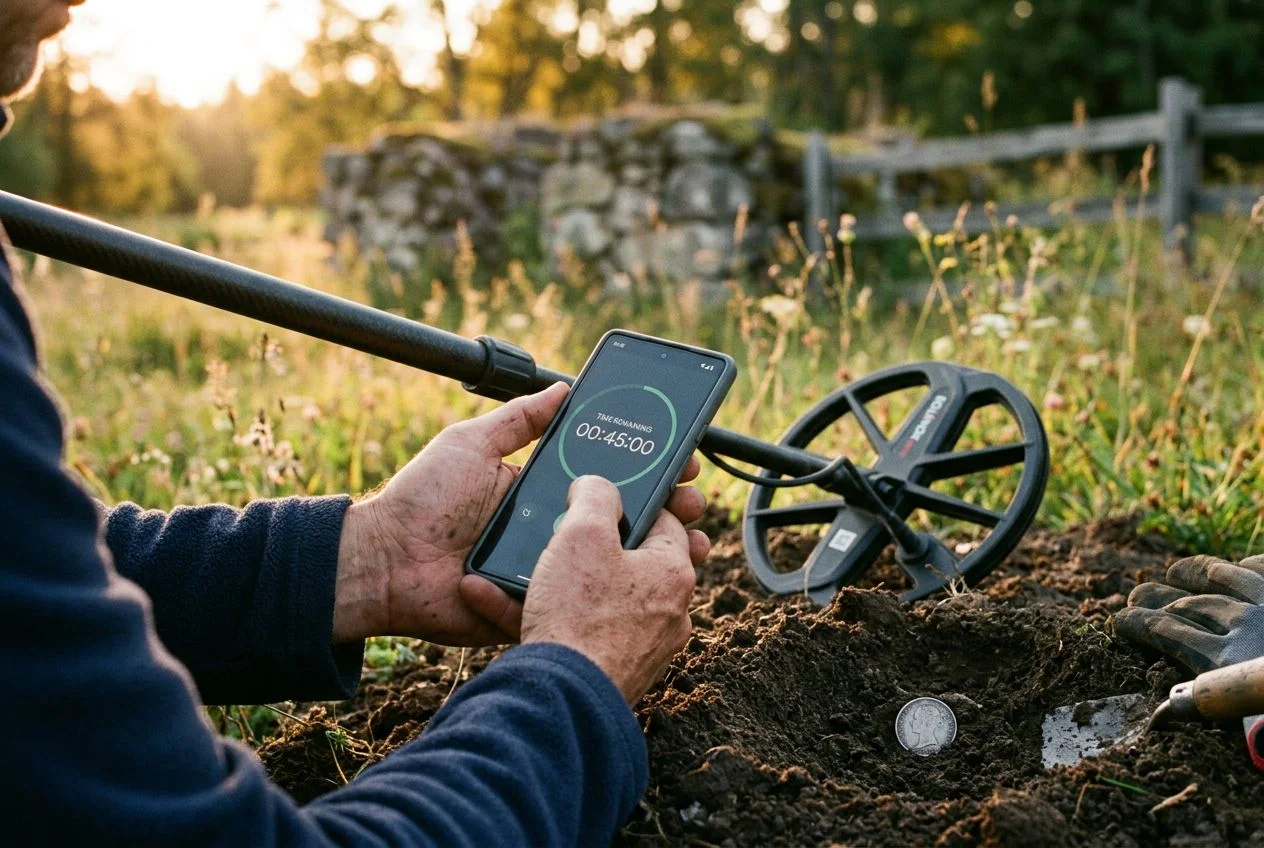
You don’t need a different detector for this kind of hunting, but you do need the right approach. I use my trusty Minelab Equinox 900 with the stock coil for most dump sites. The multi-frequency capability helps separate targets in the high-iron environments you’ll find in old trash deposits.
Here’s what I’ve learned the hard way:
Smaller coils are better in dense debris. I switch to my 6-inch coil when I’m working a concentrated deposit. The stock coil hits deeper, but the small coil lets me pick out individual targets in a sea of iron signals.
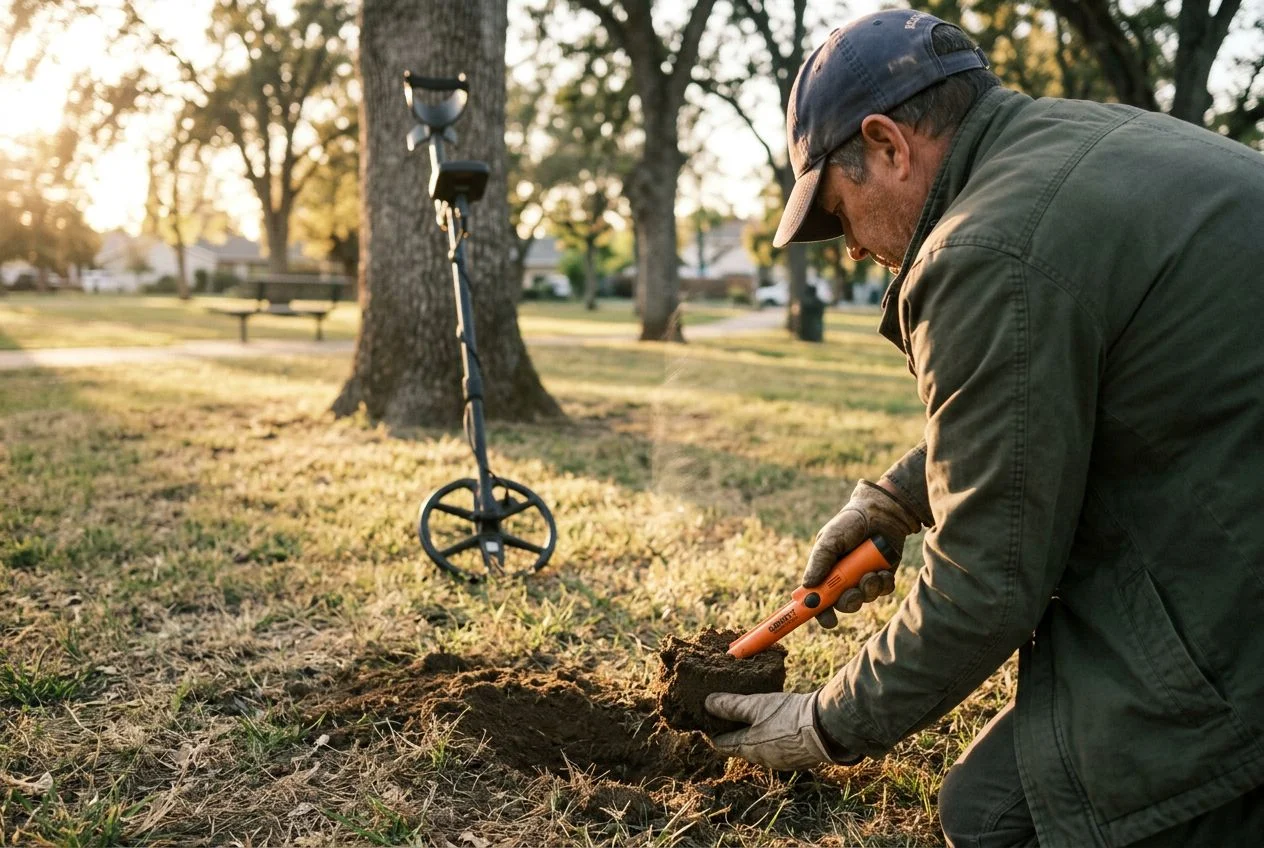
Bring a good shovel — not a trowel, a proper digging shovel. I use a Predator Tools Raptor. You’ll be digging through compacted soil, broken glass, and rusted metal. A flimsy tool will break, and you’ll be stuck scraping at the edges of a pit with a hand trowel (ask me how I know).
Wear heavy gloves. I’m not joking. Old dumps contain broken glass, rusted metal, and occasionally medical waste. I’ve gotten cuts that took weeks to heal because I was too stubborn to glove up. Safety protocols for historical dumps include hazmat awareness. You don’t want to find out there was an old industrial dump the hard way.
Safety and Ethics Every Dump Digger Must Follow
Let me get serious for a minute. Old dumps can contain genuinely hazardous material. Industrial waste, medical waste, unstable soil conditions — these are real concerns. Prior to the modern era of lined sanitary landfills, open burning dumps and industrial fill areas were common. You might encounter lead, arsenic, or other contaminants.
I use a simple rule: if something looks like it could be hazardous, I stop digging and leave it alone. Your health is worth more than any bottle or coin.
Legal considerations are non-negotiable. Amateur archaeology is generally permissible on private property provided you have explicit permission from the landowner. I always get written permission. Always. And I make it clear to landowners what I’m doing — describing it as “historical research” rather than “treasure hunting” gets a much better response.
Ethical considerations matter too. Historical trash deposits are vital archaeological resources that offer insights into the lives of people overlooked by traditional written histories. If I find something historically significant — and I mean significant, not just old — I contact the local historical society. I’ve donated several items over the years. The story they tell is more important than the shelf they sit on.
Final Tips for Finding Old Dump Treasures
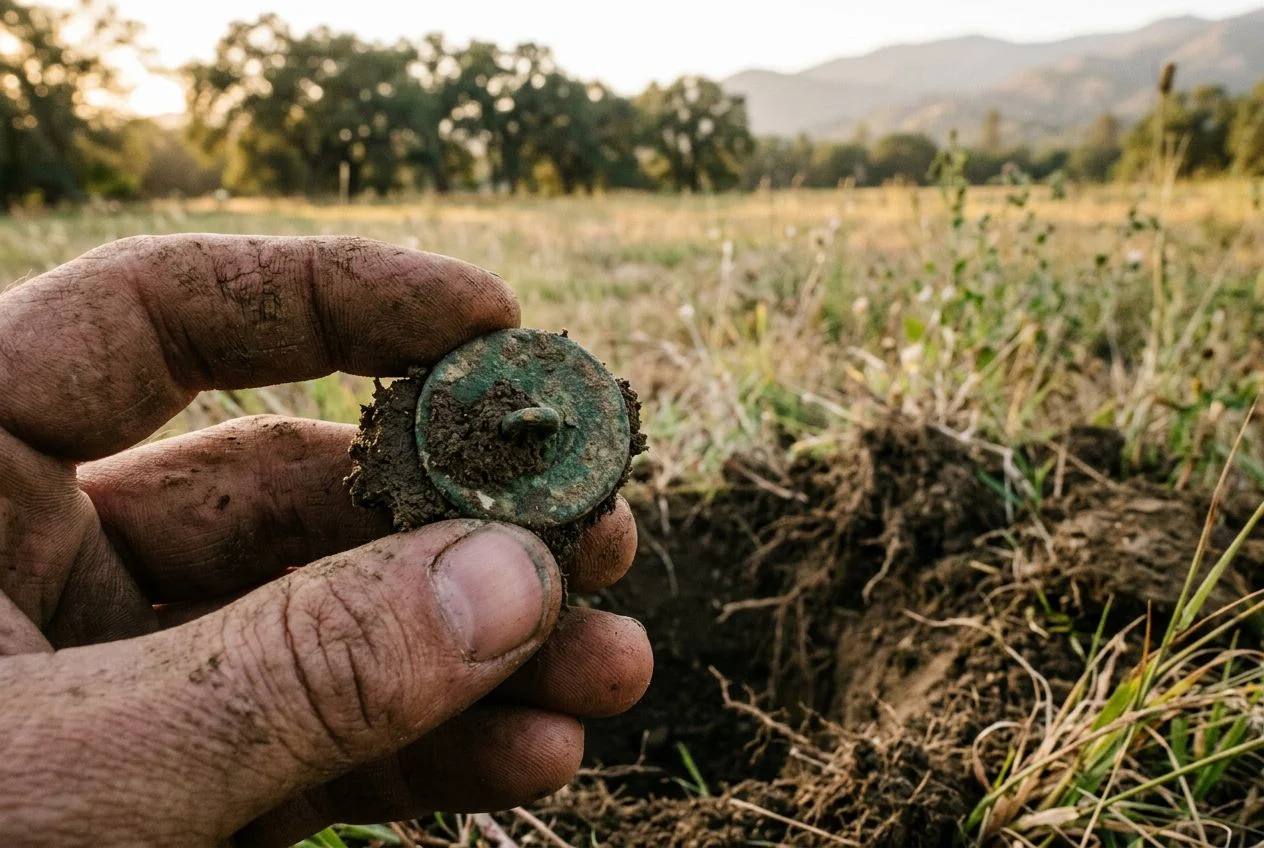
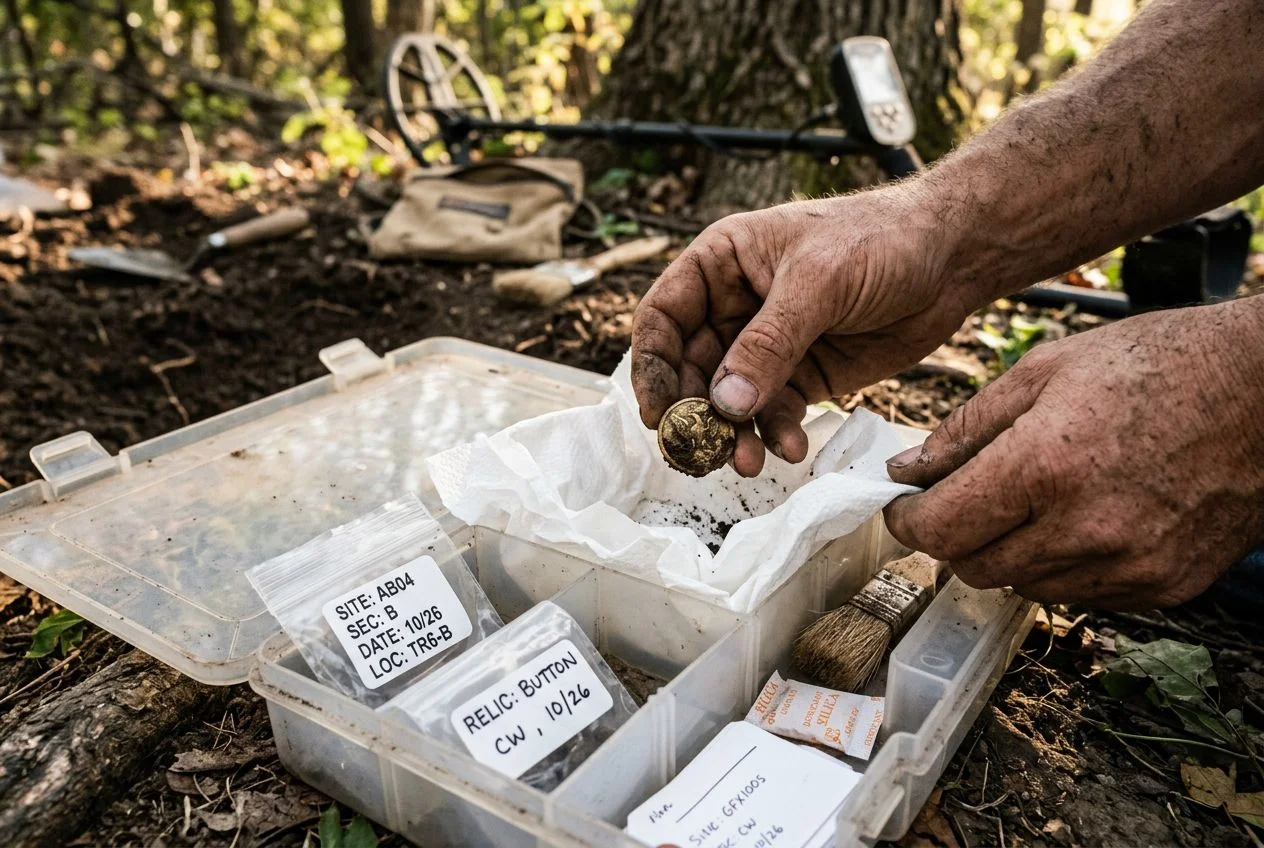
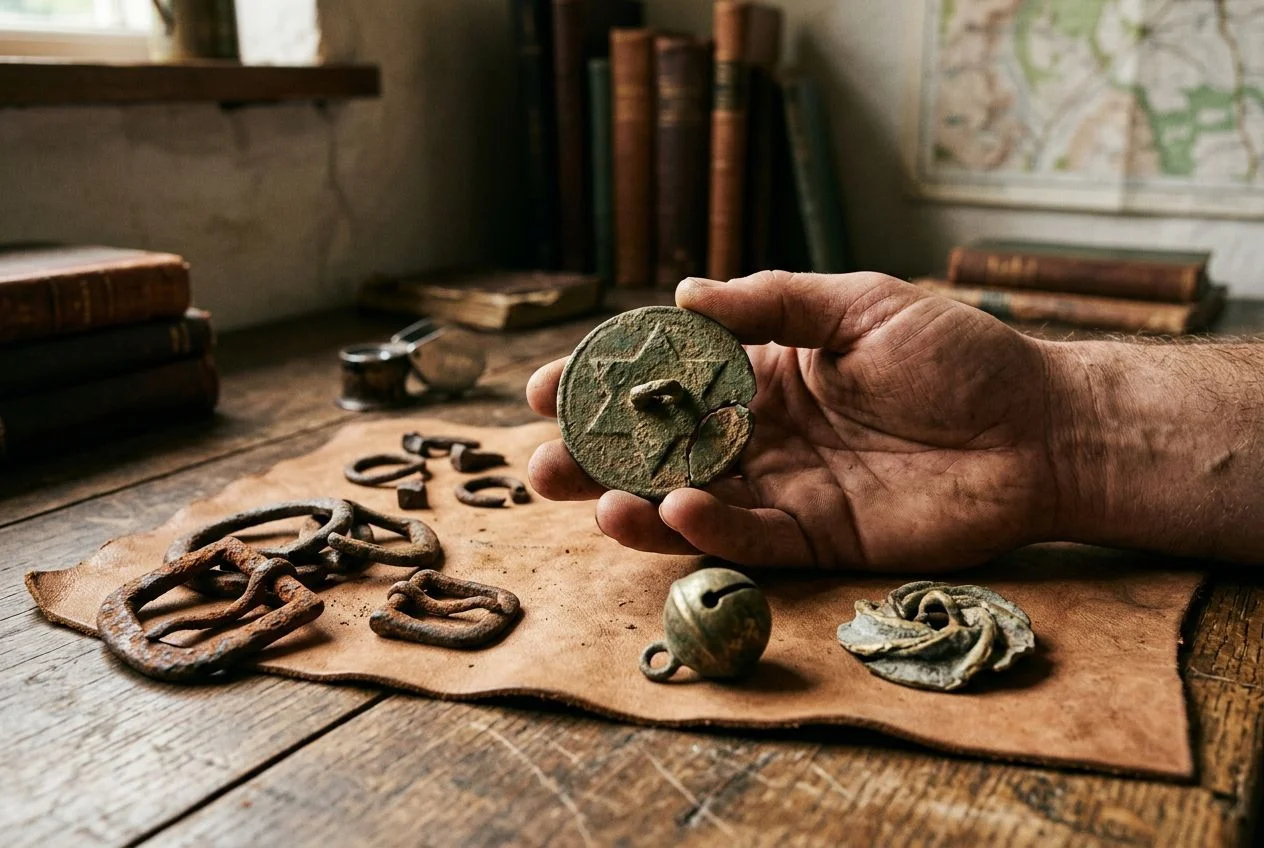
I found my first old dump site completely by accident. I was hiking the edge of a creek on private property (with permission) and noticed a glass shard catching the afternoon light. Two hours later, I’d pulled an 1880s Hutchinson soda bottle, three clay pipe stems, and a corroded brass button from the bank.
That find changed how I approach detecting. It taught me that the best sites aren’t the ones everyone knows about — they’re the ones nobody has thought to look at.
Mike still thinks I’m crazy for spending weekends digging through old trash. But when I showed him that silver spoon — the one with the ornate handle, the one that cleaned up to reveal a maker’s mark from an 1890s Sacramento silversmith — he didn’t say a word. He just nodded.
Some people see a dump. I see a story waiting to be pulled out of the ground.

My name is Paul and I am the founder of Detector For Metal, a dedicated resource for metal detecting enthusiasts seeking to uncover historical treasures and connect with the past using the latest technology. As a stay-at-home dad and family man, I’ve found metal detecting to be the perfect hobby that combines family adventure with historical learnings for the whole family.
As a father, I’m deeply committed to passing on this hobby to the next generation of detectorists, starting with my own children. I share advice on everything from metal detecting with kids to exploring the top 10 metal detecting sites you never thought about. My methodical approach to the hobby goes beyond the thrill of discovery—it’s about creating family traditions while preserving history and sharing the stories of those who came before us.