Table of Contents
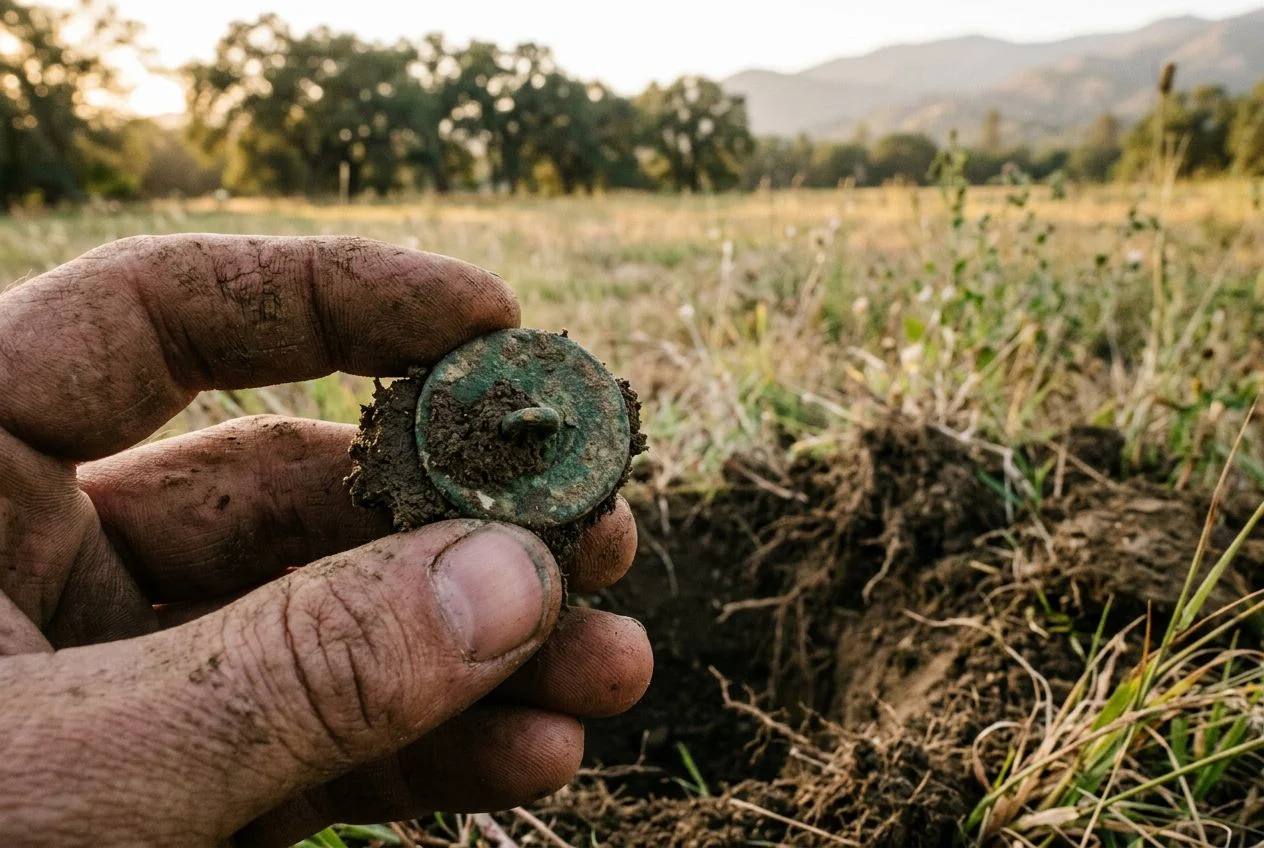
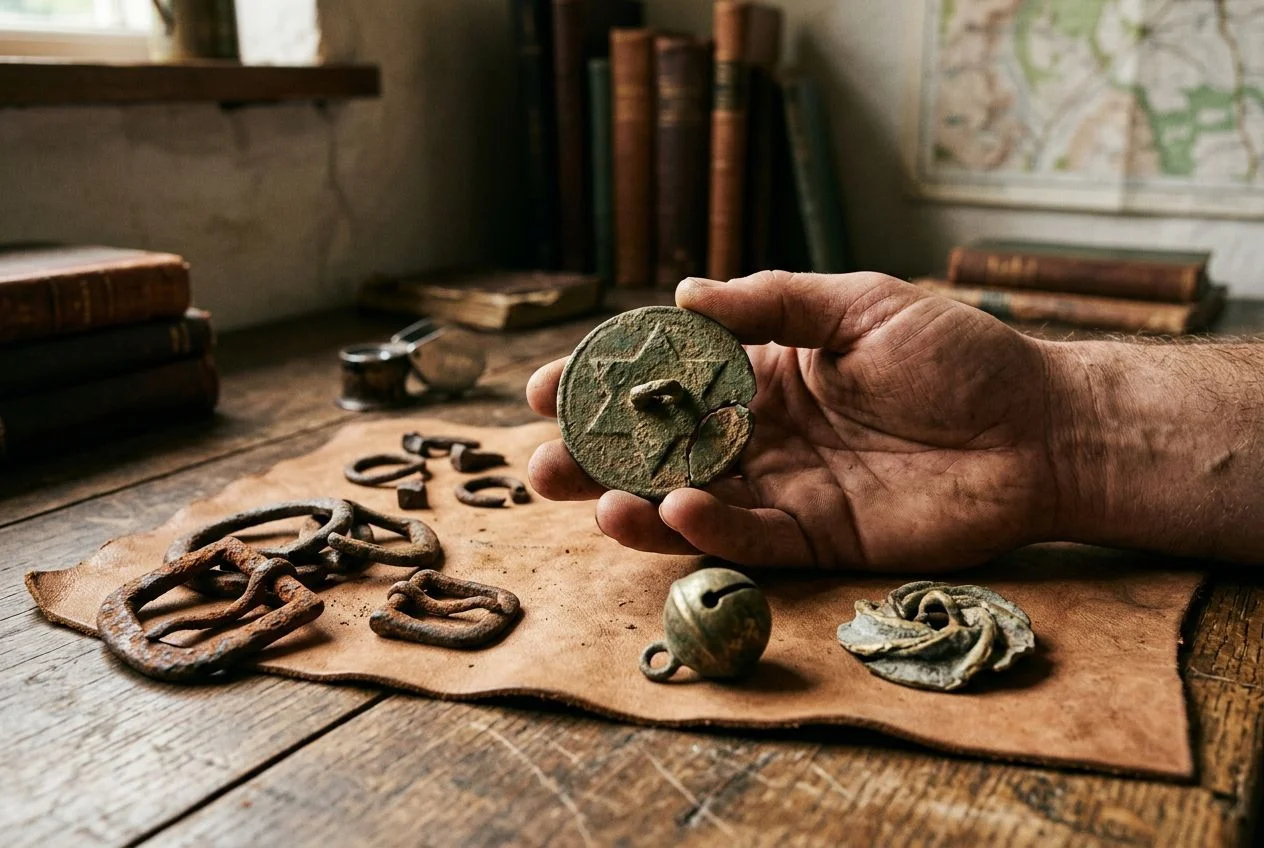
The most valuable thing you’ll ever dig up isn’t made of silver or gold. It’s the story buried with it. I learned this the hard way. I was holding a tarnished Civil War button in my palm, and I felt hollow. It was a stark lesson in why proper metal detecting recovery techniques matter.
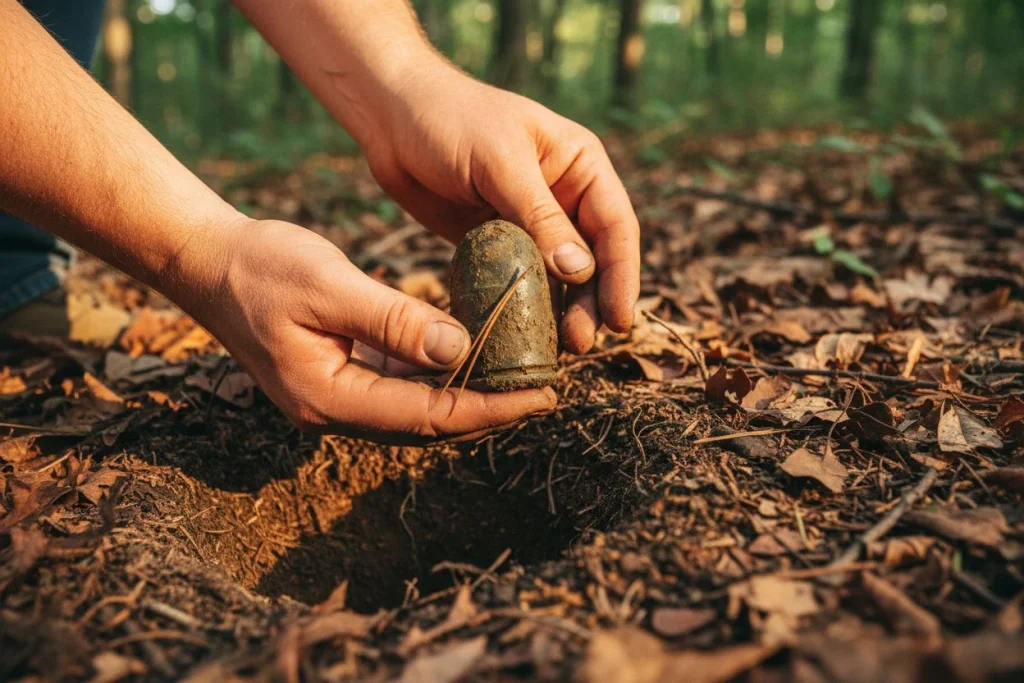
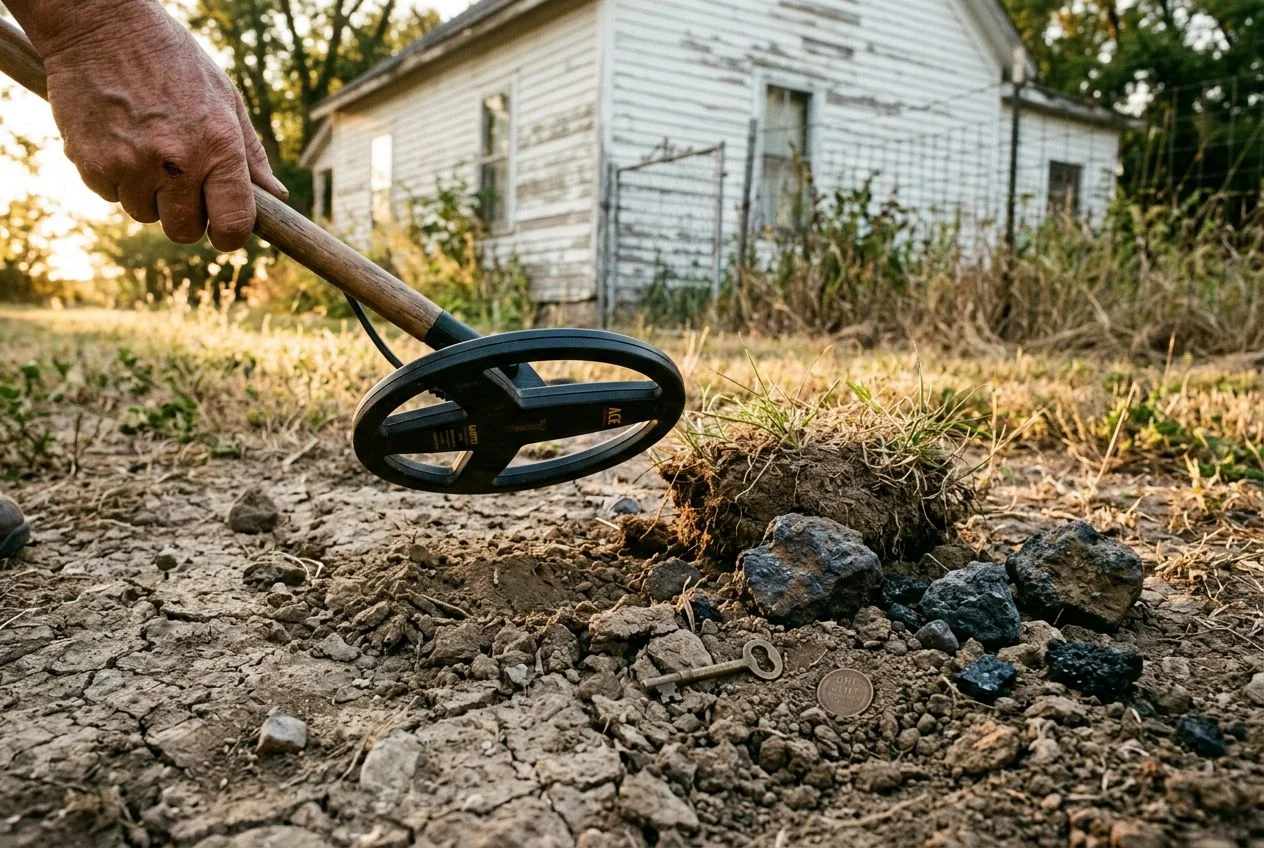
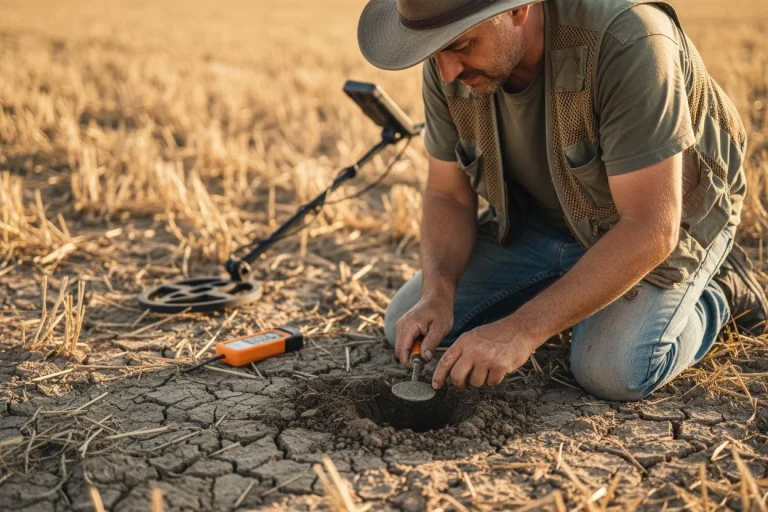
Years ago, I had permission to hunt a field east of Fredericksburg. My AT Pro screamed over a deep, faint signal. Eight inches down, my trowel scraped against a brass general service button. The eagle was facing left. My heart jumped—my first confirmed Civil War relic! But as the adrenaline faded, I looked at the neat hole I’d made. Then I looked at the button in my dirty hand. Questions hit me: Where, exactly, was it? Was it alone? What was it doing here? By just plucking it out, I answered the “what.” But I permanently erased the “why.” The button was cool, but its story was gone. I had a piece of history and a nagging sense that I’d failed it.
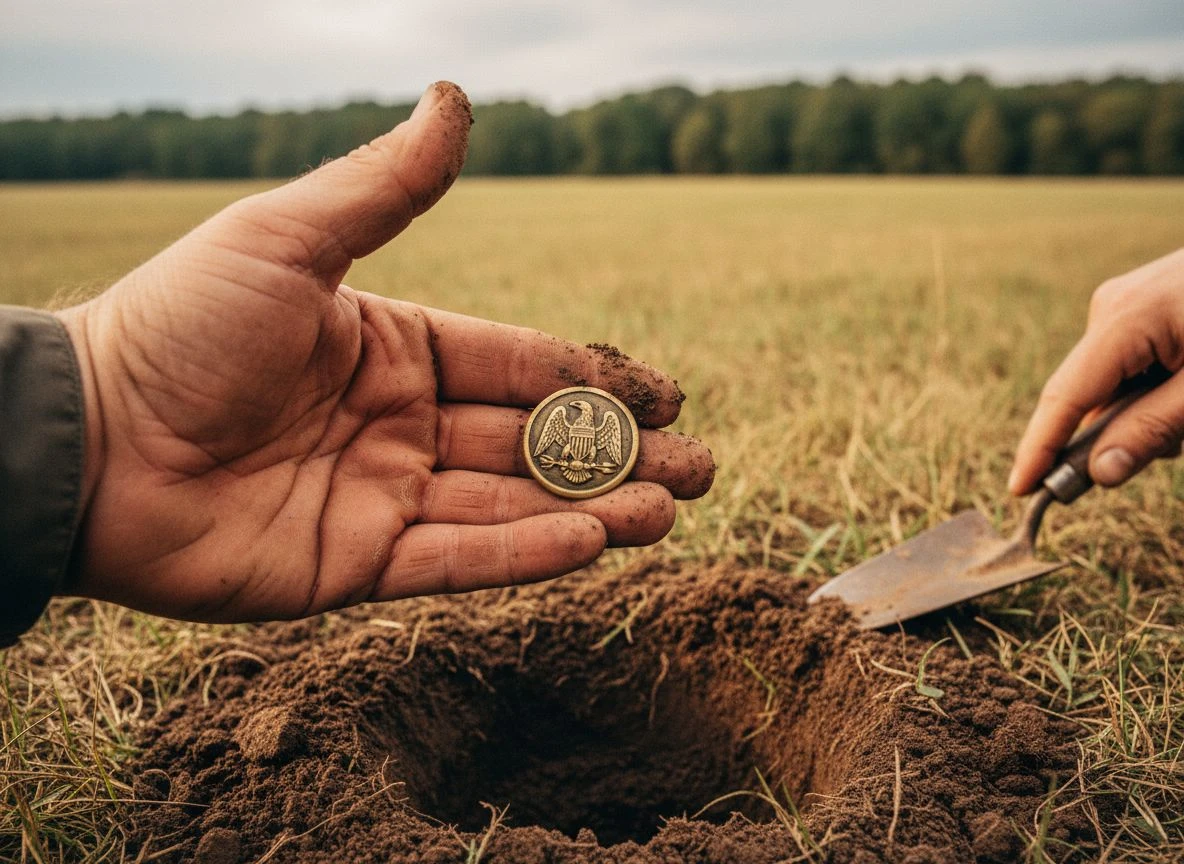
That moment changed my detecting for good. It showed me a truth I later saw from archaeologists. They put it bluntly: “Excavated objects have a story. Looted objects have a price tag.” I wasn’t a looter—I had permission—but without context, my prized button felt like a trinket. It wasn’t a historical document.
This article isn’t a lecture. It’s the toolkit I wish I’d had. We’ll go beyond simple “fill your holes” ethics. We’ll talk about how you can become a true steward of history. I’ll break down what “context” really means. It’s not as scary as it sounds. We’ll discuss why every dig is a one-way street. And most importantly, we’ll cover the modern, practical practices that let you recover the information, not just the metal.
Master the 3 Layers of Context for Proper Recovery
Think of your next target not as buried treasure. Think of it as a single piece of evidence in a cold case that’s been closed for a century. The archaeology books are blunt: excavation is inherently destructive. Once a site is dug, it cannot be replaced. When your shovel breaks ground, you are the only witness to a historical moment. If you don’t record what you see, it’s like destroying the evidence.
This isn’t an exaggeration. Every good signal has three layers of context. This context is the whole reason professionals care.
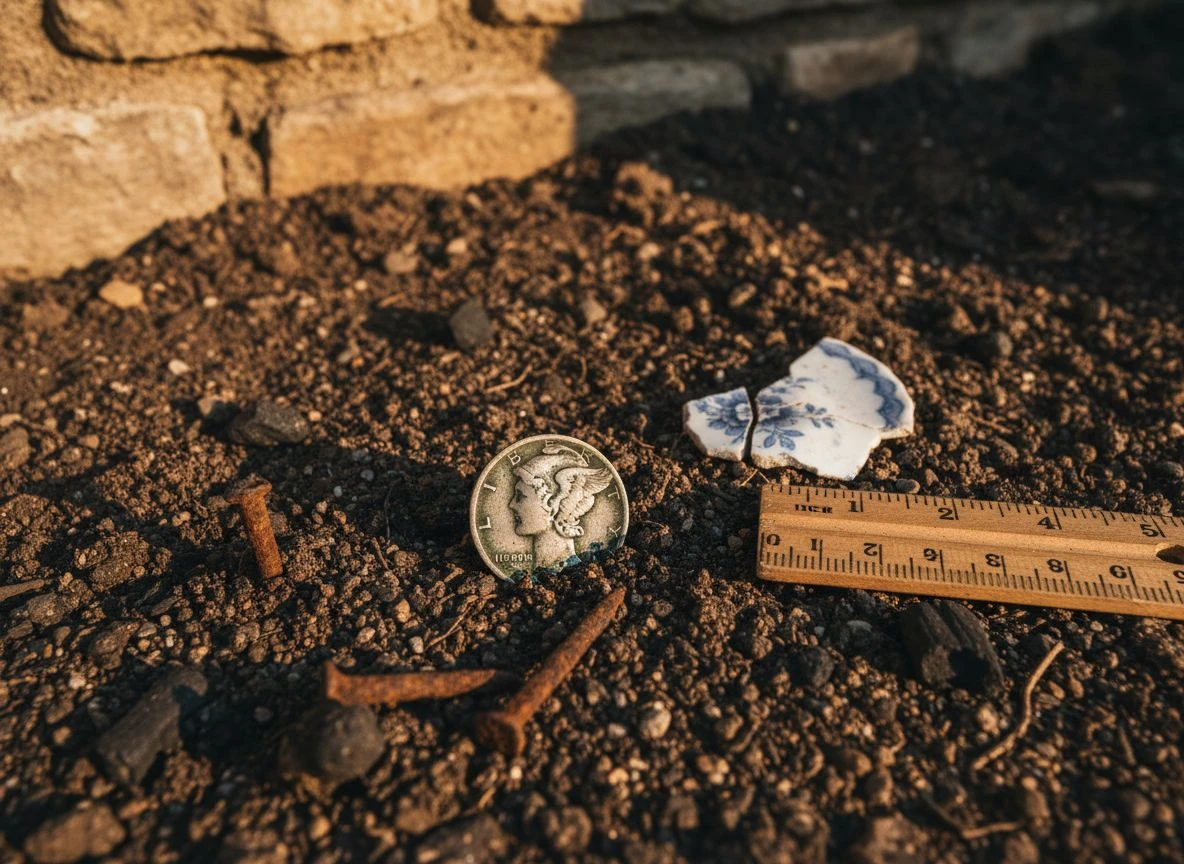
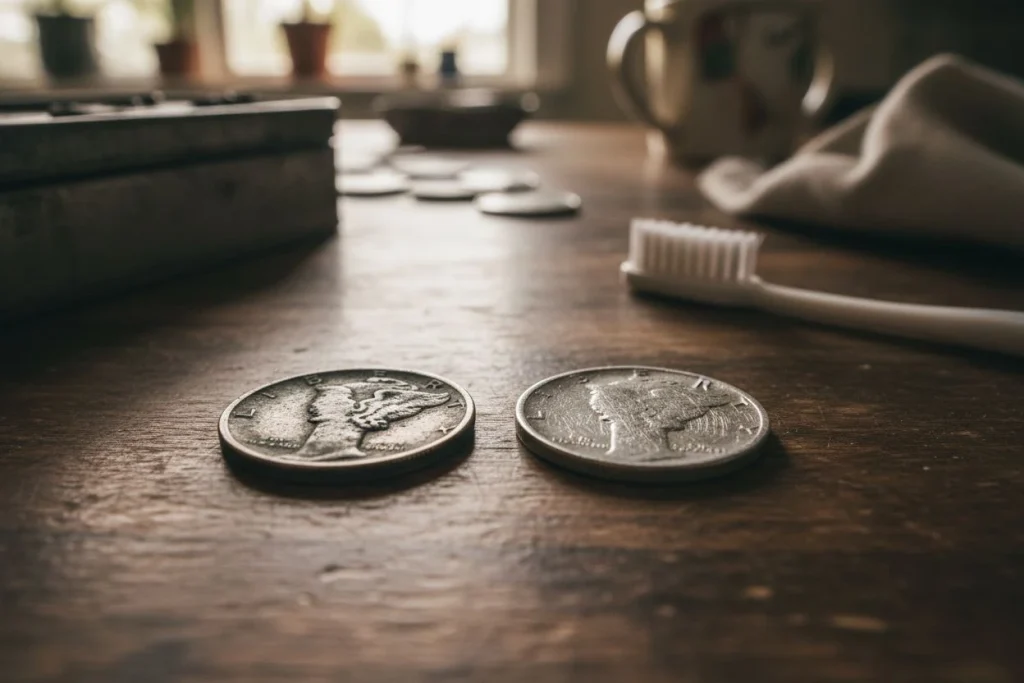
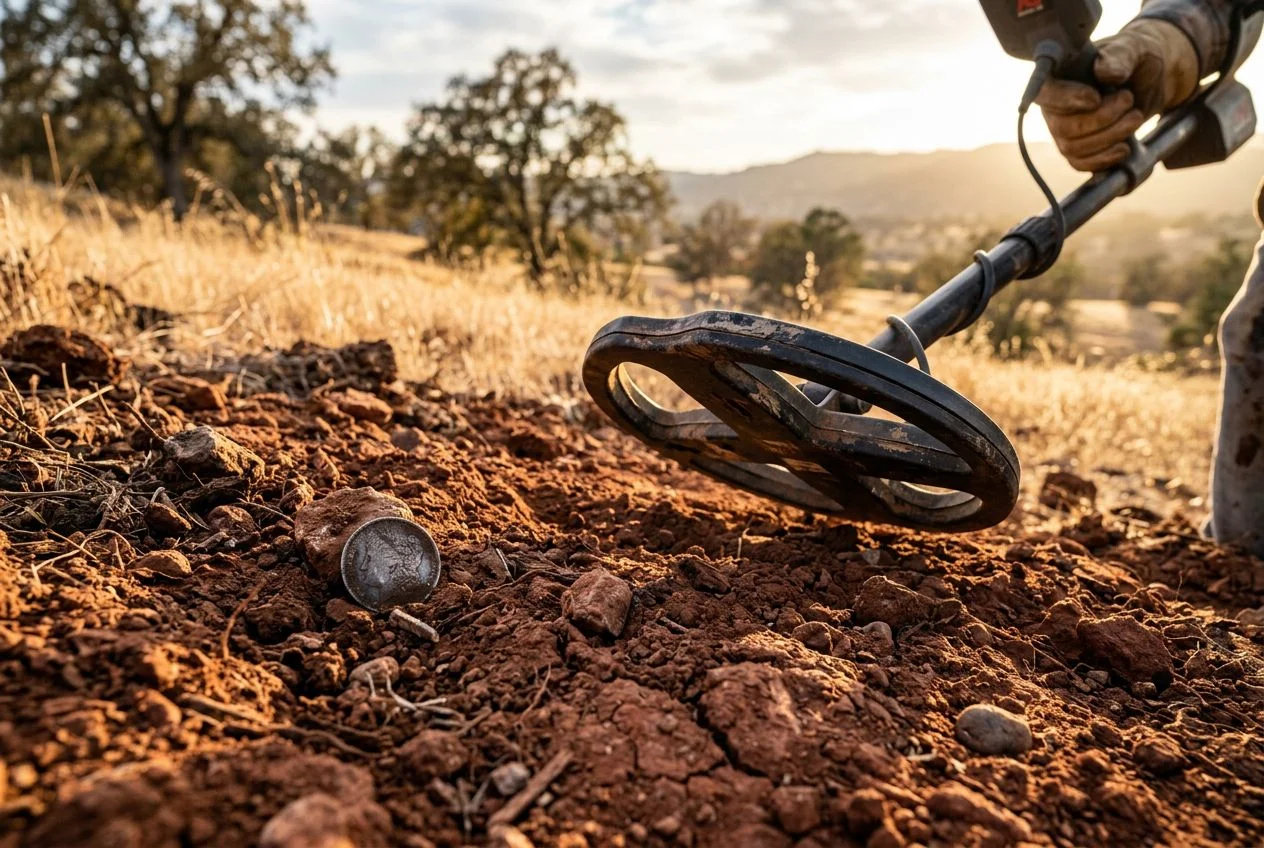
- Provenience: the exact spot, both side-to-side and deep down. Was that Mercury dime 3 inches down among the roots? Or was it 10 inches down in a darker soil layer? That depth can tell you if it was lost last week or in 1942.
- Matrix: the soil itself around the find. Was it found in ashy fill from an old burn pile? Was it in sandy riverbank soil? Or was it in hard-packed clay? The matrix is an environmental snapshot.
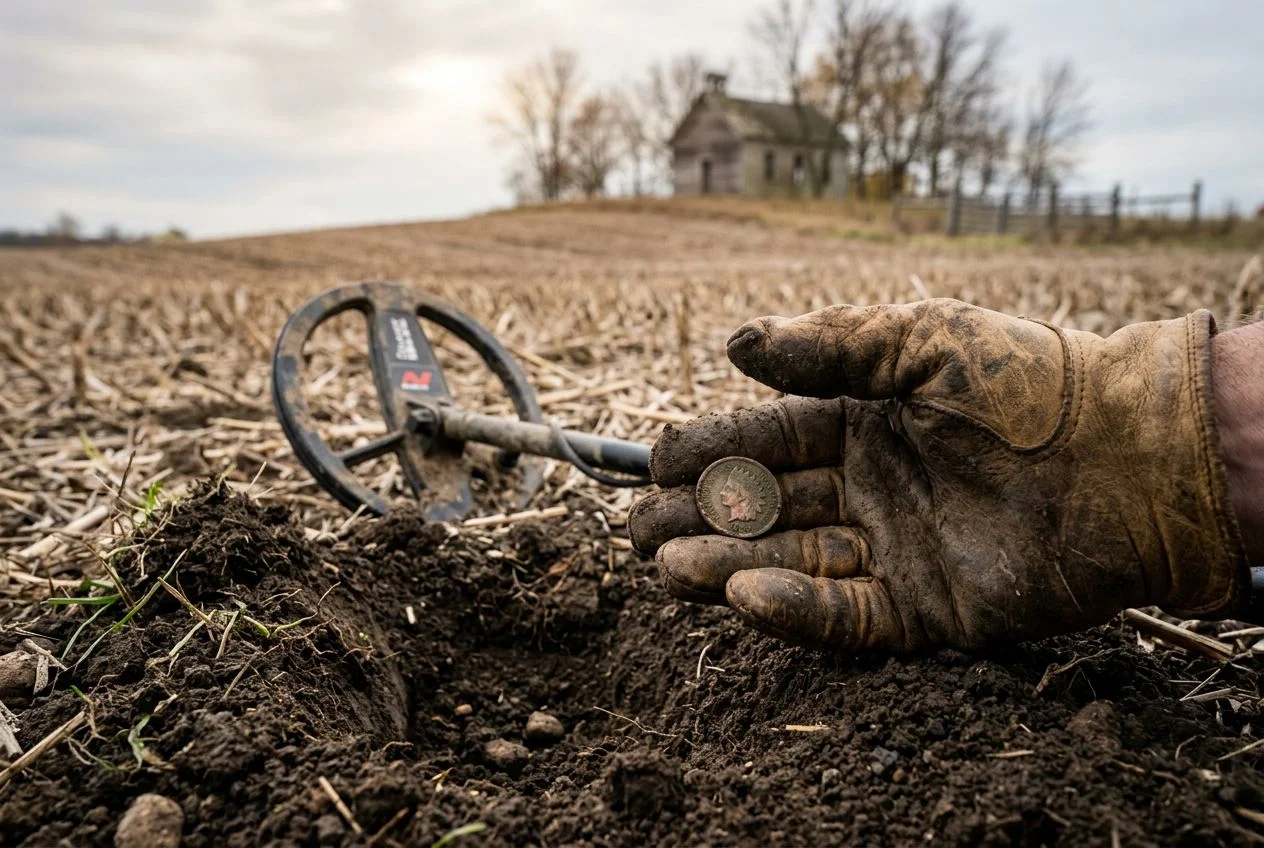
- Association: what else was with it? A single 1880s Indian Head cent is a cool find. That same cent found within a foot of a harmonica reed, a period button, and charcoal tells you someone was there. Maybe they were resting. Maybe they lived there.
Here’s a pro analogy I love: If I just handed you my trowel later, you’d have no idea where to look for my other tools. But if I said, “I left it next to the red cooler by the big oak,” you’d have a map. Our finds are the same. Pulling a relic without noting its “red cooler and big oak” strips it of its power. It can no longer tell a bigger story.
When we dig, we are the crime scene investigators. The only question is, will we take the notes?
Archaeology Reveals History’s Blueprint
The brutal difference isn’t in the object. It’s in what’s taken from the ground. A looter removes the artifact. They leave the story behind. A scientist—or a careful detectorist—documents the context. They take the site’s blueprint. One leaves a hole. The other leaves a dataset that can reconstruct a moment in time.
I’ve seen both sides. A guy I used to know (we don’t talk anymore) once proudly showed me an 1800s Spanish real. He’d “rescued” it from a visibly disturbed hearth site on public land. It was a beautiful coin, worth a couple hundred bucks. To him, it was a trophy. To history, it was a dead end. Was it lost by a traveler? Was it traded at a homestead? Its resting place, maybe beside specific tools, could have answered that. Now it’s just a pretty thing in a case.
This is exactly what the pros mean. They contrast two projectile points. One, found loose on the surface, is just a “pretty rock” for a collection. The other, excavated with notes on its soil layer and nearby charcoal flakes, tells a story of tool-making. It can even be radiocarbon dated. Context turns an object into data.
My approach now is to be a data collector. Last fall, I got permission for a crumbled 1880s homestead. My first good signal was a 1917 Mercury dime. I didn’t just pop it out. I noted: 8 inches down. Found in a scatter of square nails and white china fragments. It was 3 feet west of the main foundation stone. That dime wasn’t just silver. Its depth and link to household debris below the collapse layer suggested it was lost inside the structure before it fell. It helped date the homestead’s abandonment to sometime after 1917. That’s a biography.
The looter’s Spanish real has a price. My documented Mercury dime has a story. Which would you rather hold?
What’s Your Find’s True Value: Price or Story?
Here’s an uncomfortable truth the hobby rarely talks about. The financial value of a find and its historical value are often opposites. A looted artifact with a high price tag has lost nearly all its real worth. Research shows looting focuses on ‘market value.’ It destroys the ‘scientifically worthless’ context to feed a supply chain. That chain trades our shared history for private cash.
Think of it like this. A museum curator and an eBay seller might look at the same Roman coin. The seller sees a price based on rarity, metal, and condition. The curator sees a question. Was this coin lost by a soldier on campaign? Or did it circulate for centuries before being dropped in a medieval market? The first value is fixed and finite. The second is a doorway. It only exists if we know where the coin was found and what was around it.
This is why my hill to die on is that history preservation matters more than monetary value. A corroded, common Union button found in place at a verified camp location teaches us more than a mint-condition seated Liberty dime of unknown origin. The button can tell us about troop movement or camp layout. The dime, stripped of its story, is just a pretty piece of silver. It’s a trophy, not a teacher.
The “treasure hunting” mentality often misses this. It frames success by an item’s auction value. But true detecting success should be measured by the story unlocked and preserved. That story is the non-renewable resource. Once the context is dug away for a quick sale, that story is bankrupted—permanently. The artifact becomes a financial asset, but a historical ghost.
(Now, I’m not saying collecting is wrong. I’m saying that ethical collecting demands provenance—a documented story of its own. Without it, you’re just curating beautiful dead ends.)
The pros aren’t obsessed with pretty objects. They’re obsessed with data points. Your careful recovery and notes transform a find from a commodity into a data point for history. That’s the real economy we should be investing in.
The Step-by-Step Guide to Proper Metal Detecting Recovery Techniques
When your coil signals on something historically significant, your role changes instantly. You go from hunter to historian. Your main goal is no longer retrieval—it’s preserving information. This is the heart of proper metal detecting recovery techniques. Stop, document thoroughly, and report. This protocol protects the story in the ground.
Here is your simple, 3-step field guide for a responsible recovery:
- Step 1: Stop Digging.
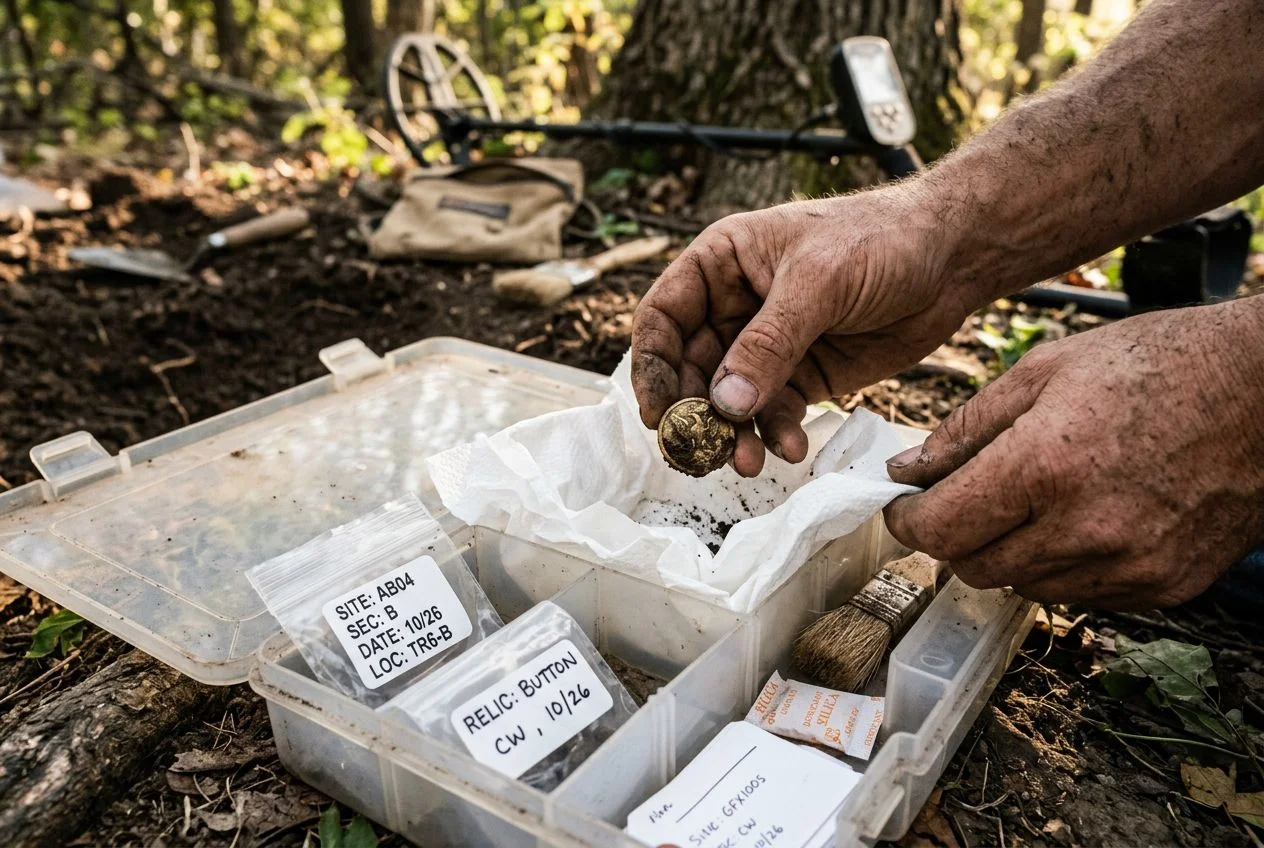
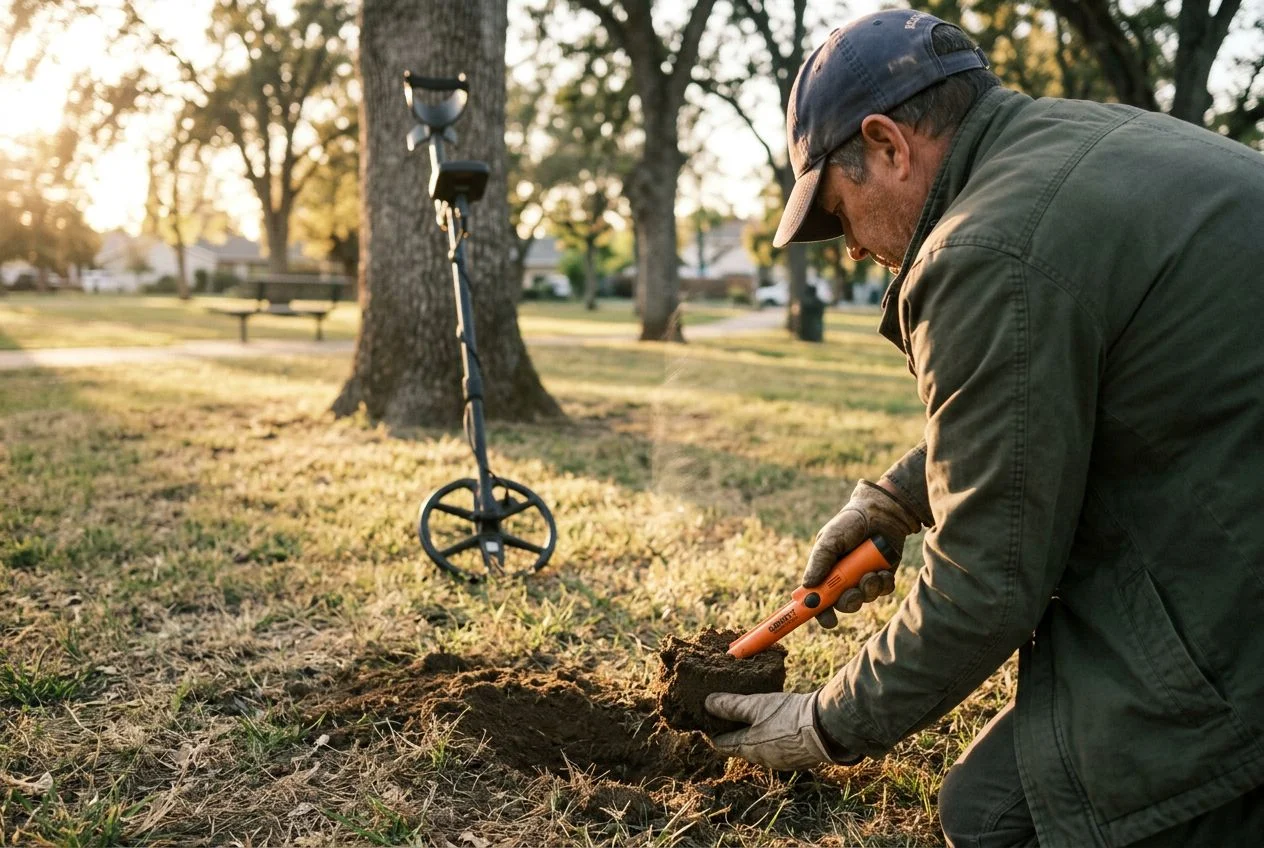
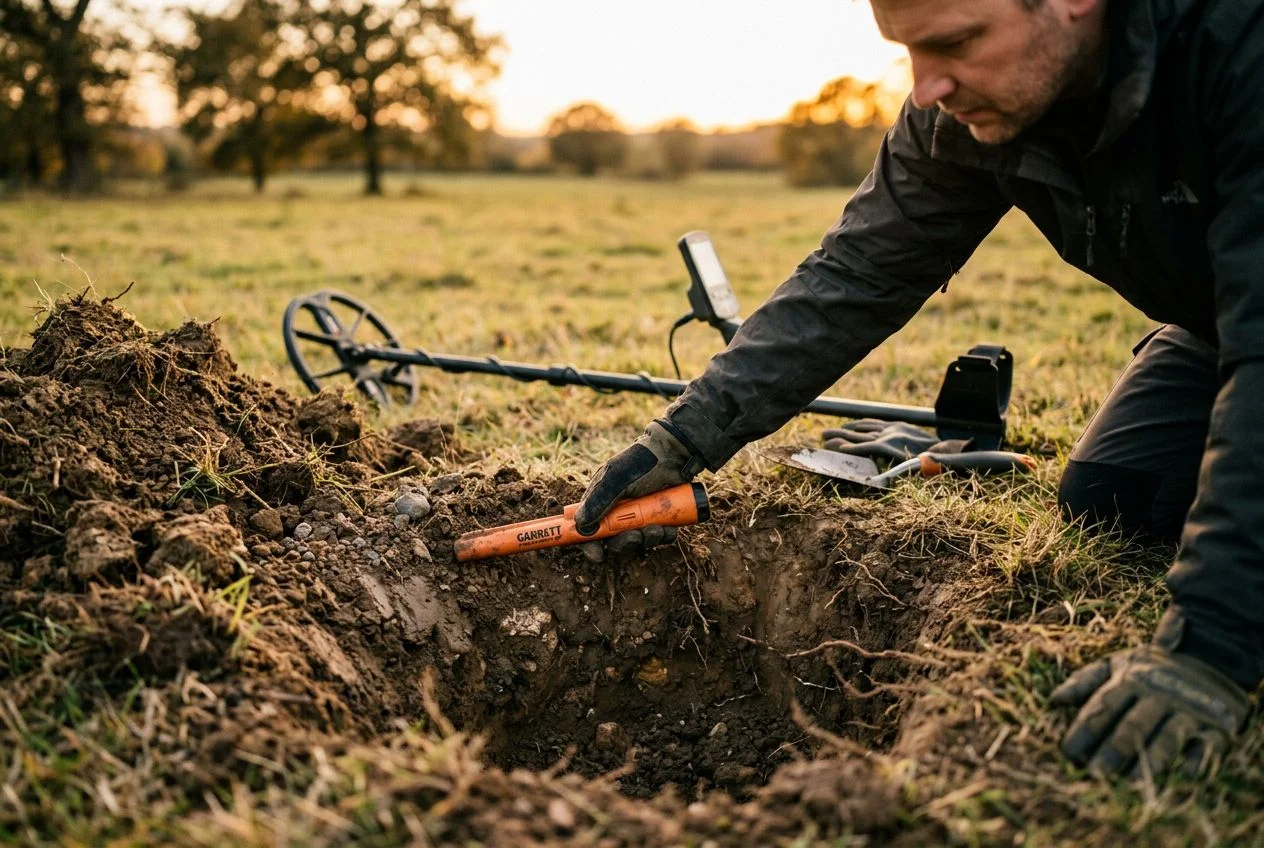
The moment you suspect an artifact (like a decorated button, a carved relic, or a coin cluster), stop. Do not widen the hole or rummage around. You are standing at a unique, one-time-only historical event. Treat it like a scene you must photograph before anything is moved. The exact position, depth, and orientation of the item are the first pieces of data to save. - Step 2: Document Everything.
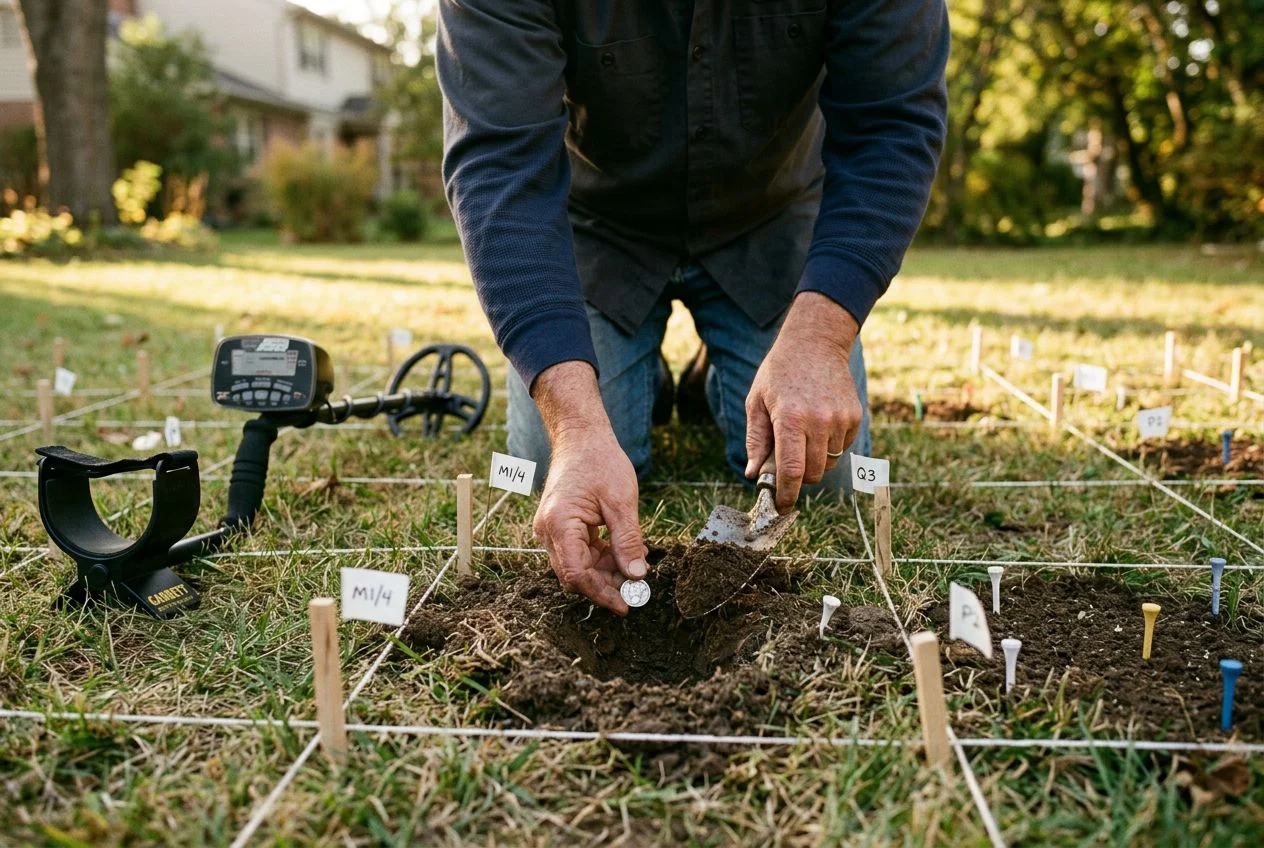
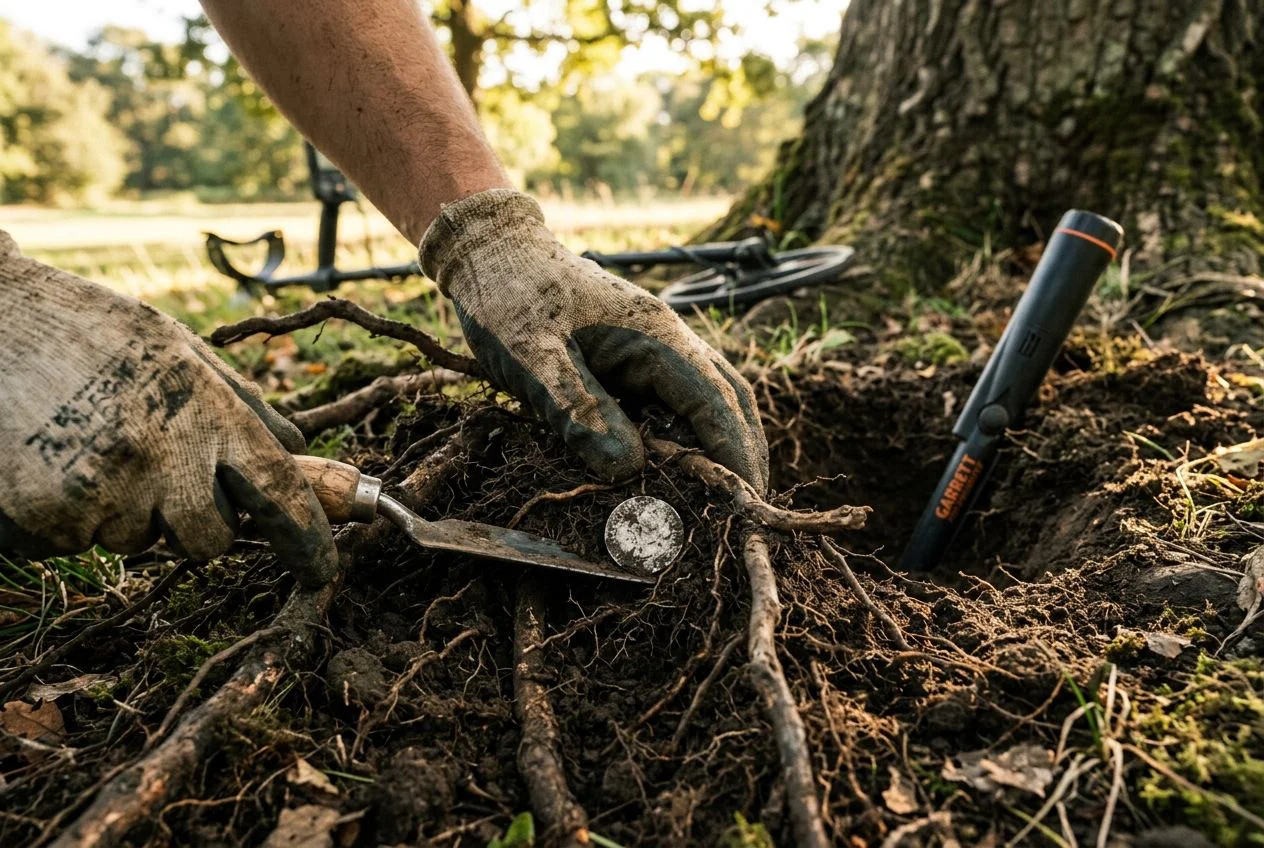
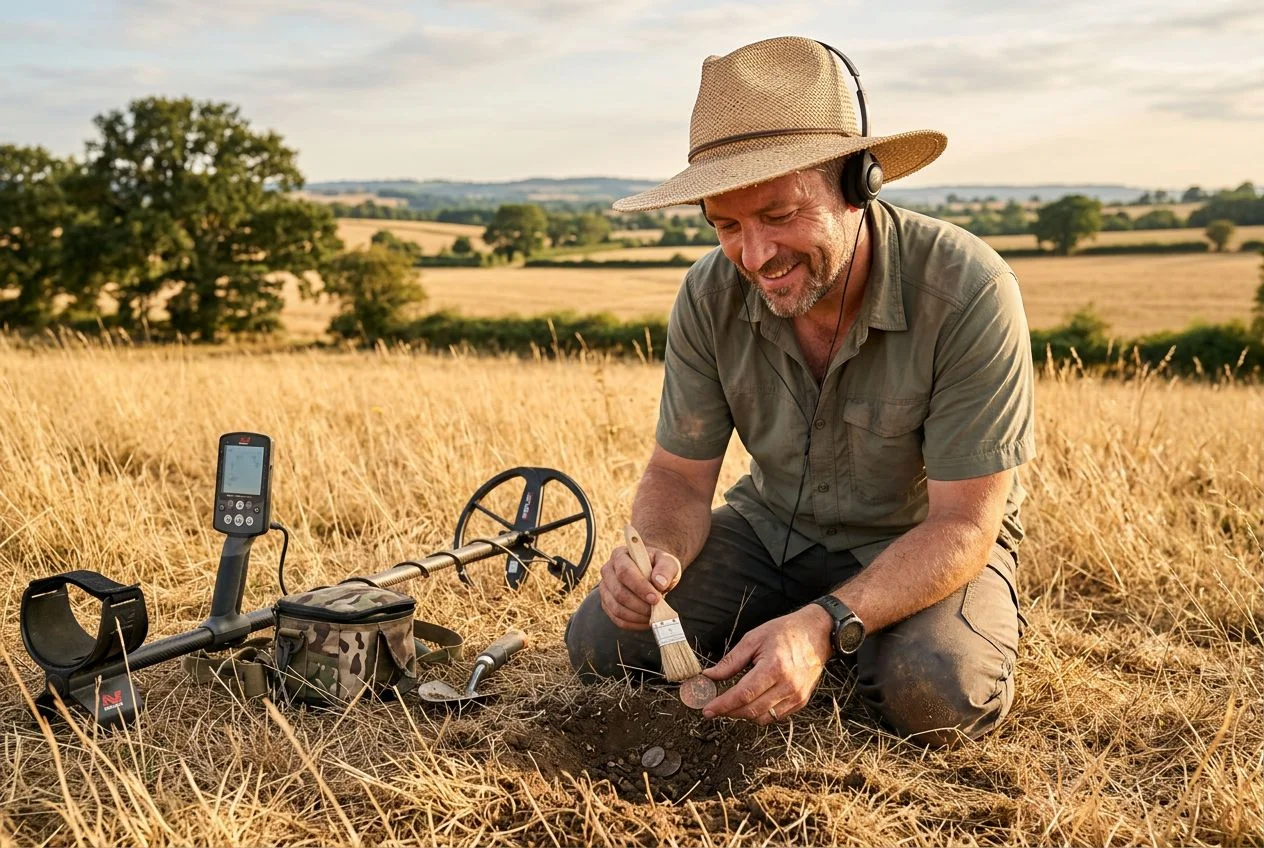
This is where you capture the “blueprint.” Before you lift a single item, use your phone.- Photograph the target in place from multiple angles. Put a ruler or coin in the shot for scale.
- Note the exact depth and soil conditions. Is it in dark organic matter? Sand? Clay?
- Record the precise location. Use your phone’s GPS to mark coordinates. Or take a wide photo showing permanent landmarks (a specific tree, fencepost, corner of a foundation).
- Sketch a quick, simple map in a field notebook. Draw the hole and the item’s position in it. Note any other materials right there—are there charcoal flakes, oyster shells, or specific nails nearby?
- Step 3: Report the Find.
This is the final, critical act of sharing data. For significant historical items, contact your state’s historic preservation office or a local archaeological society. For isolated finds on private land (with permission), reporting to a local museum adds to their community map. This isn’t about surrendering your find. It’s about giving context to experts who can interpret its full story. As the research states, this responsible sharing ensures the record is preserved for future generations.
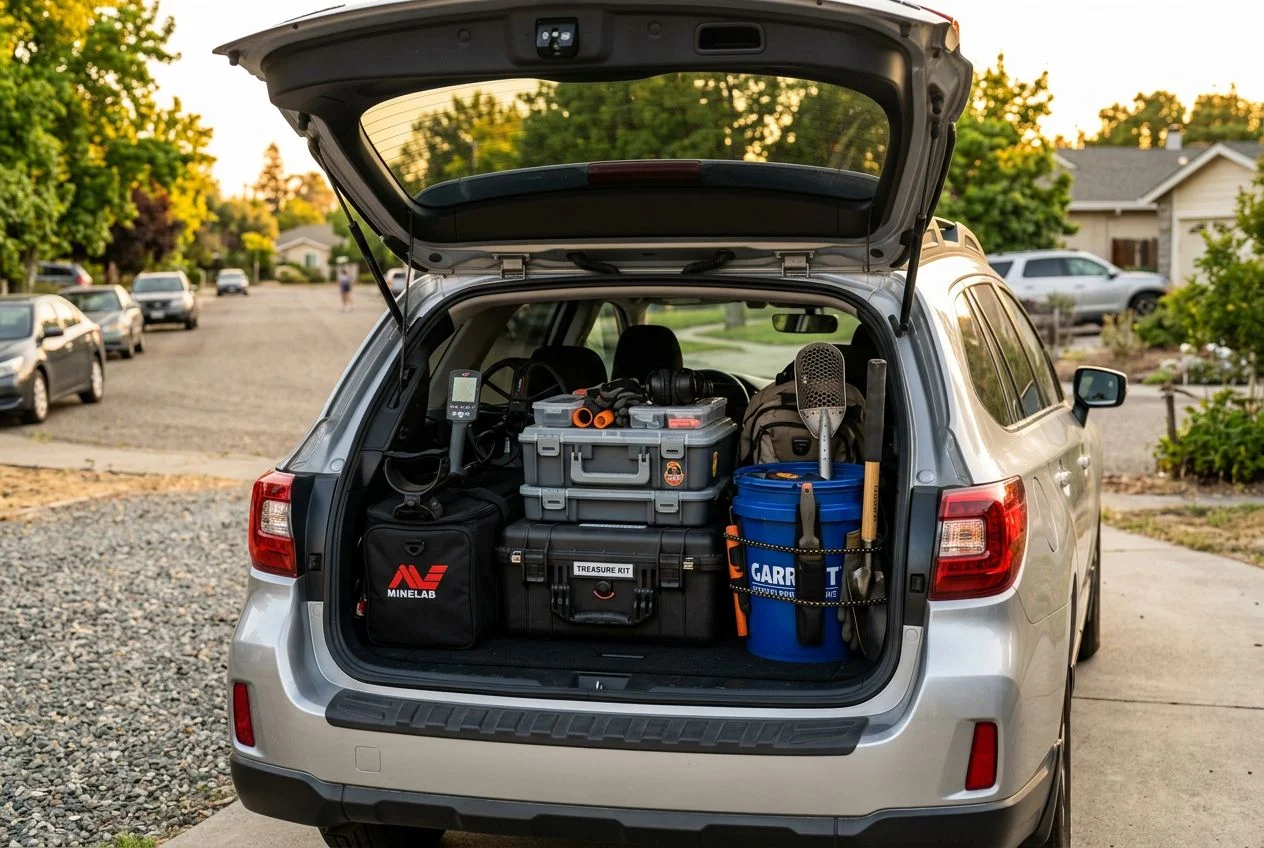
Your Field Kit Addition: Keep a small bag in your pack. Put in a 6-inch ruler, a small compass for noting direction, a notepad, and a permanent marker. It turns a moment of discovery into a lasting contribution. For more on essential gear, check out our guide on choosing the best metal detector.
Transform Your Phone Into an Archaeology Tool
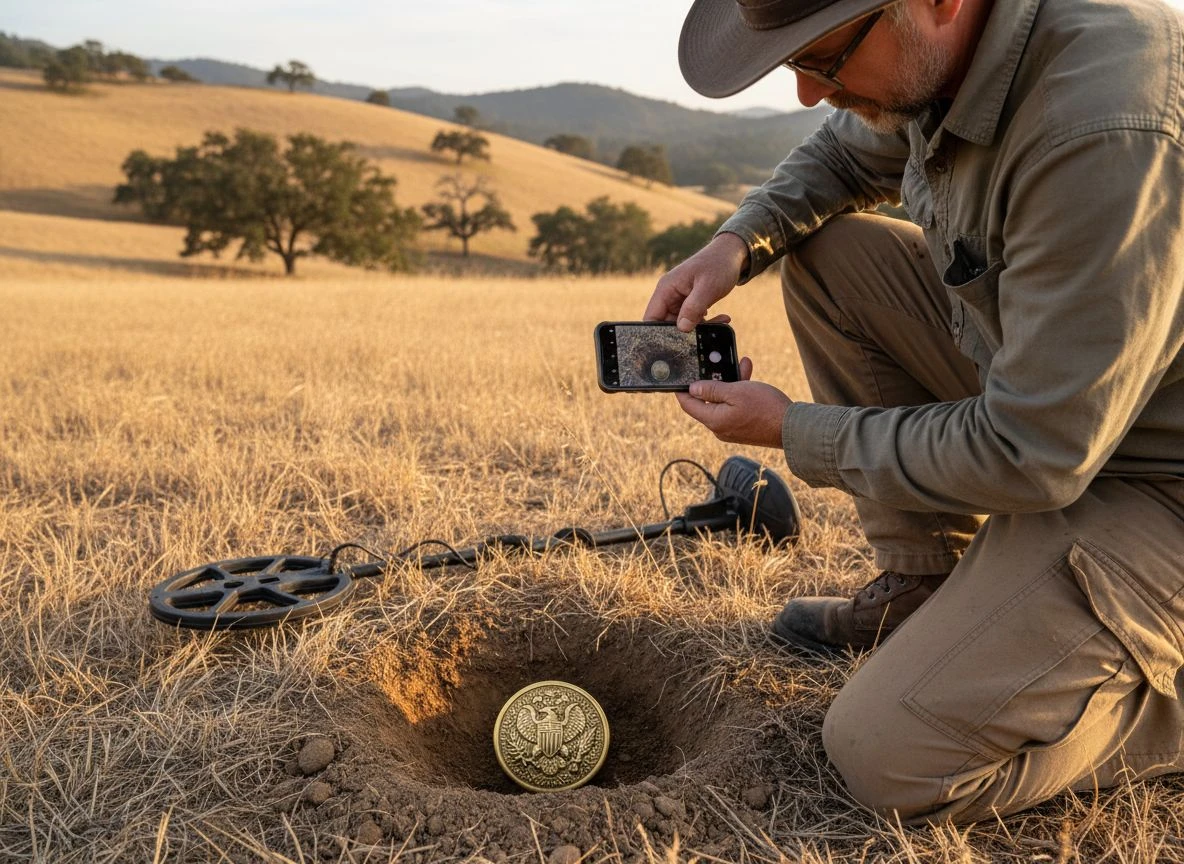
Forget the idea that ethical practice means carrying a professional surveyor’s kit. The most powerful archaeology tool you own is already in your pocket. Modern smartphone tech has completely changed the game. Now anyone can record context with professional-grade precision. This isn’t just convenient; it’s revolutionary for hobbyists who want to do right by history.
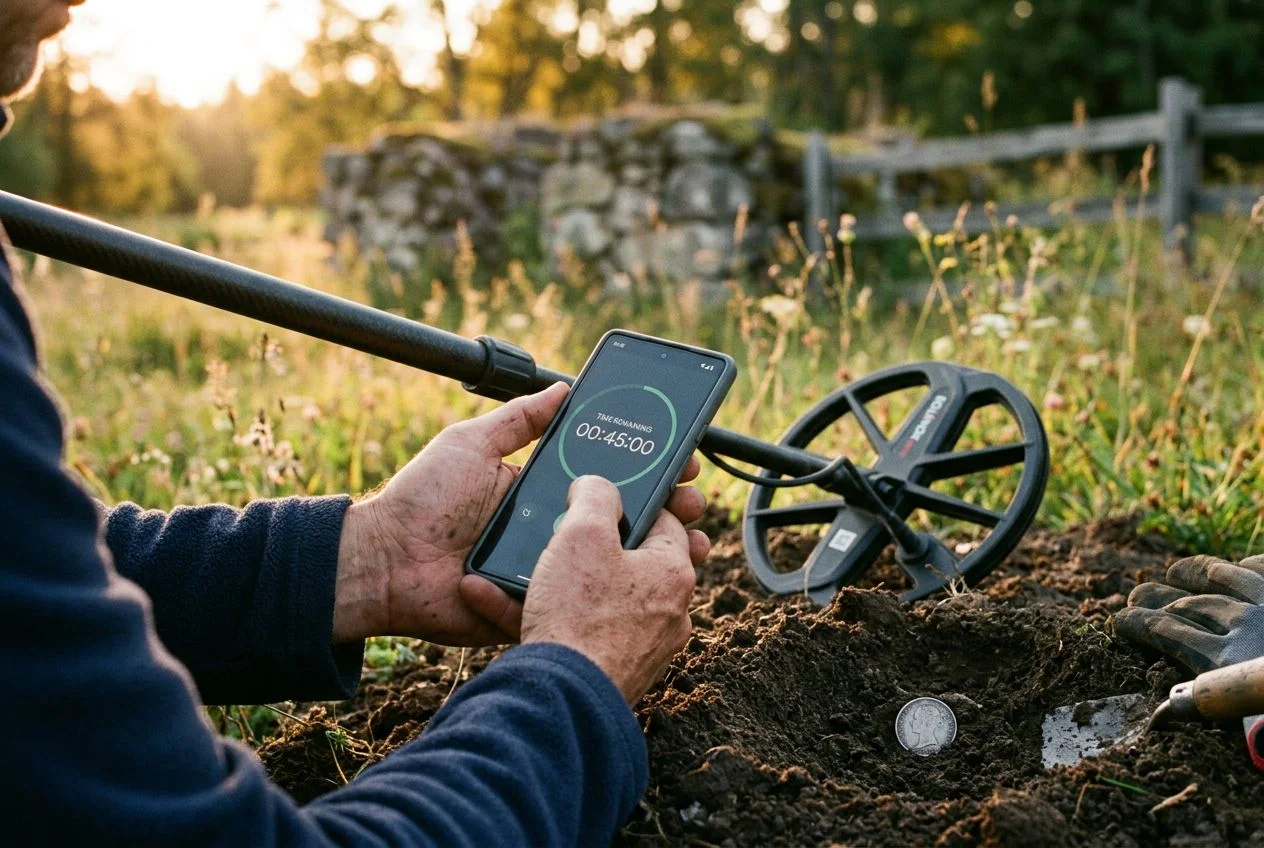
Your phone’s native camera and GPS are the starters. A simple photo with a coin for scale, taken before an item is moved, captures its orientation and the soil around it. The GPS pin you drop is a precise, digital location marker. But we can go further. Free apps like Polycam let you create 3D models of your find in place. With a quick 360-degree video, you make a rotatable, digital twin of the artifact in its hole. The context is preserved forever, even after you take the item out.
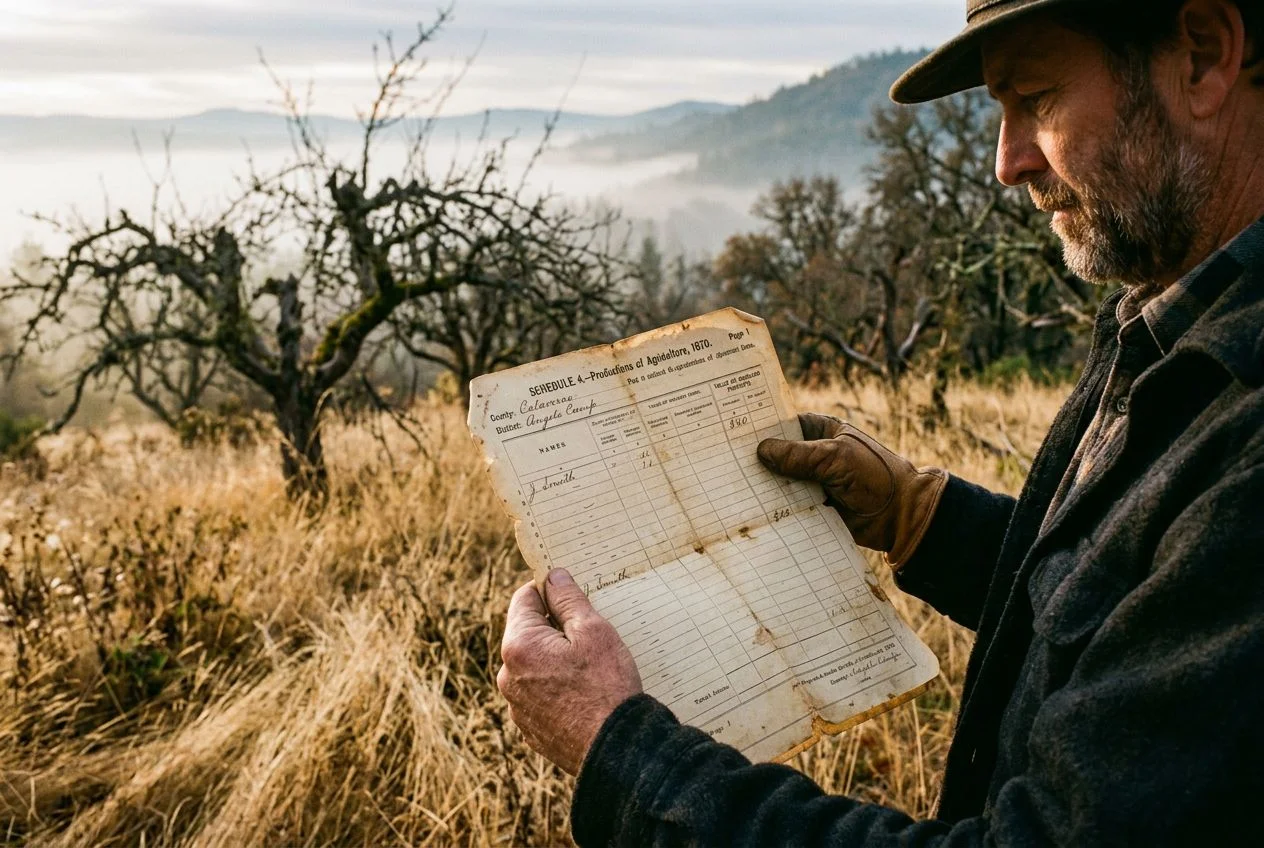
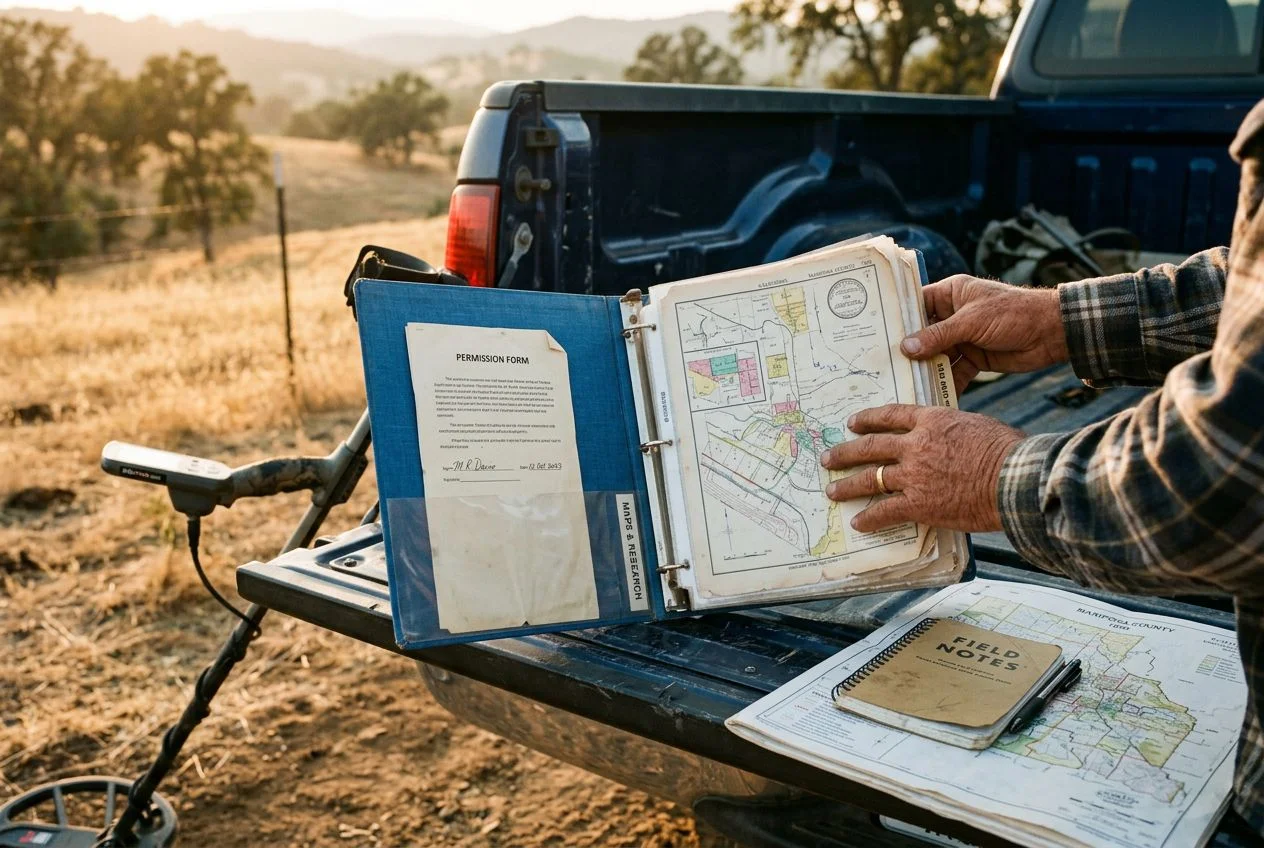
For landscape context, your phone unlocks historical layers. Use an app like HistoryGeo to overlay a georeferenced 1870s map on a modern satellite view in Google Earth. This pinpoints the exact foundation corner you’re standing on. For deeper analysis, public LiDAR data viewers can strip away vegetation. They reveal ghost fences, old roads, and building footprints you can’t see with your eyes. This guides your searches to culturally significant spots, not random digging.
This tech shifts your role. You go from simple finder to data curator. You’re not just taking a souvenir photo. You’re building a multimedia site file—geo-tagged photos, 3D models, map overlays. It preserves the “story” digitally. It makes proper metal detecting recovery techniques not just possible, but straightforward and even fun. The barrier to ethical practice isn’t cost or training anymore. It’s just choosing to use the powerful recorder we all carry.
Why Every Hole You Dig Leaves a Legacy
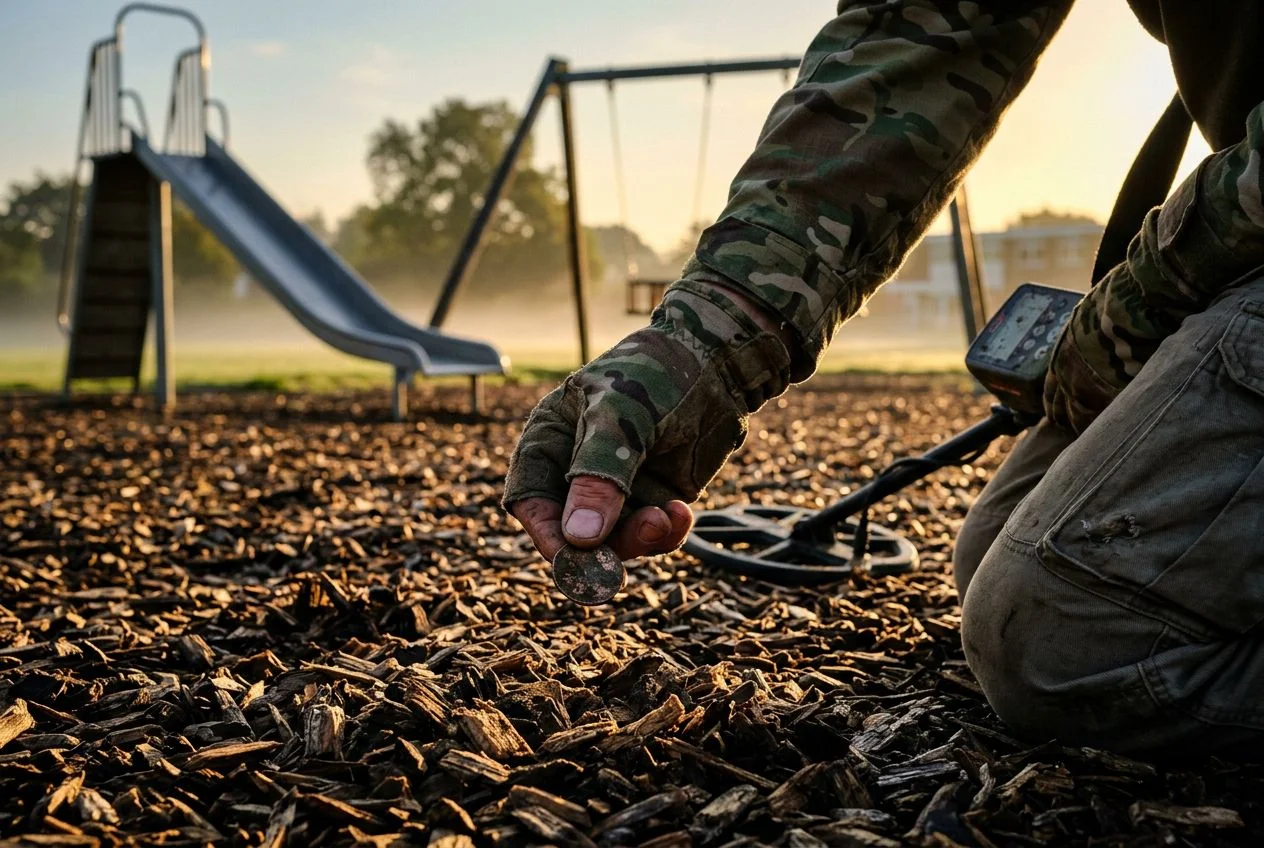
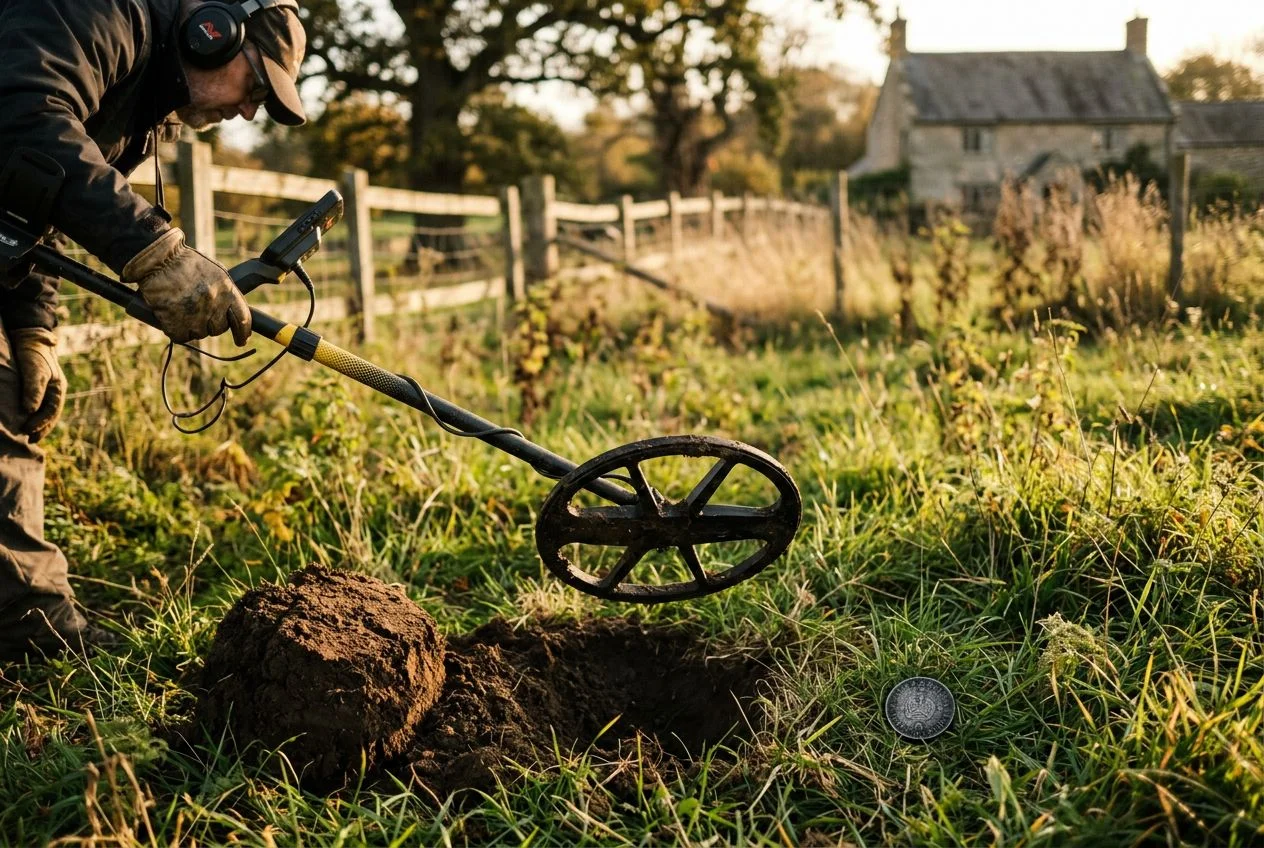
Think of it this way: every unfilled hole isn’t just a scar on the land. It’s a tiny vote against the entire hobby. I learned this the hard way a few years back. I was exploring a rumored stagecoach stop outside Placerville. The site was heartbreaking—a field littered with craters, like the moon. Someone had clearly “hammered” it. They yanked every detectable target and left the history gutted. There was no story left to tell, just a vandalized puzzle with most pieces stolen. That field now has a ‘NO TRESPASSING’ sign.
Now, contrast that with a project my club did. We got permission to survey a homestead where the owner found a few old coins. We didn’t just hunt. We mapped, photographed, and recorded everything. We shared a simple report with the local historical society. That site didn’t get posted. It got a small, official marker explaining its past. Why? Because we treated it as a non-renewable resource to be managed, not consumed.
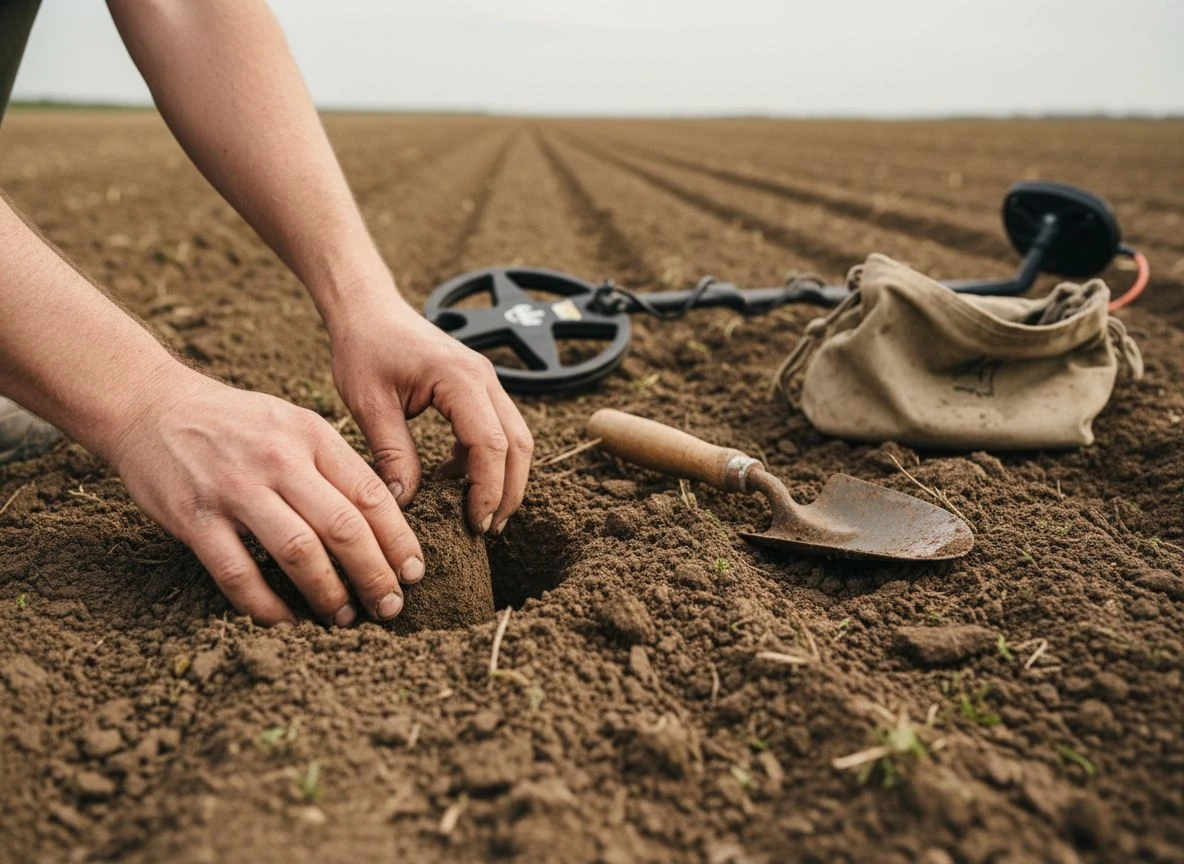
This is the real stewardship we’re talking about. It’s not abstract ethics. It’s the practical act of holding history in public trust. Every responsible recovery, every reported find, every neatly filled plug builds a tiny deposit of goodwill. For tips on getting permissions that build this trust, see our guide on how to get permission to metal detect.
Every looted pit does the opposite. It hurts our community’s reputation and leads directly to more “NO METAL DETECTING” signs. Our future access depends on the sum of every single dig. We’re not just finding history; we’re deciding if we’ll be welcomed back to search for more of it tomorrow.
Become a Guardian of the Past, Not a Looter
In the end, it boils down to a simple choice. The primary goal is to understand human behavior and history, not merely to collect artifacts. We can be consumers who extract objects. Or we can be stewards who recover stories. Every beep is a question. How we answer it defines our legacy in this hobby.
So let’s reframe that “thrill of the find.” The real adrenaline rush isn’t the beep. It’s the moment of connection. It’s when your photo, GPS point, and careful notes help a historian pinpoint a forgotten homestead on a map. It’s handing that data to a museum and seeing the curator’s eyes light up. You preserved the context that makes your find mean something.
The artifact itself will eventually sit in a drawer or even crumble. The information you preserve—the location, the association, the story—becomes part of the permanent record. That’s the only find that lasts forever. To learn more about preserving your own finds, read about how to clean and preserve metal detecting finds.
My call to you is this: be the detectorist who leaves a story, not just a hole. On your very next hunt, challenge yourself. Adopt one new ethical practice from this guide. Pin that find location. Take that in-situ photo. Fill that plug perfectly. Report that significant find. These proper metal detecting recovery techniques protect not just history, but the future of our hobby.

My name is Paul and I am the founder of Detector For Metal, a dedicated resource for metal detecting enthusiasts seeking to uncover historical treasures and connect with the past using the latest technology. As a stay-at-home dad and family man, I’ve found metal detecting to be the perfect hobby that combines family adventure with historical learnings for the whole family.
As a father, I’m deeply committed to passing on this hobby to the next generation of detectorists, starting with my own children. I share advice on everything from metal detecting with kids to exploring the top 10 metal detecting sites you never thought about. My methodical approach to the hobby goes beyond the thrill of discovery—it’s about creating family traditions while preserving history and sharing the stories of those who came before us.