Table of Contents

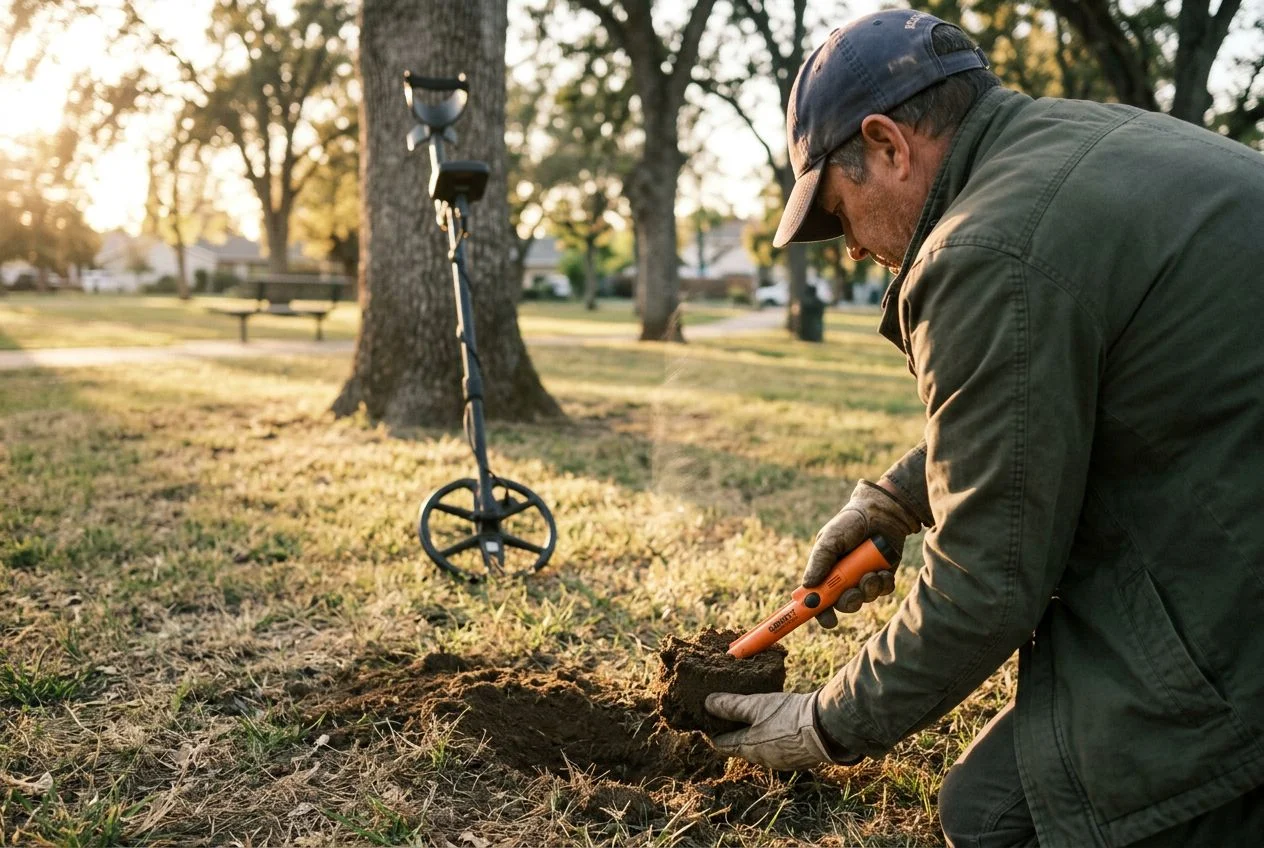
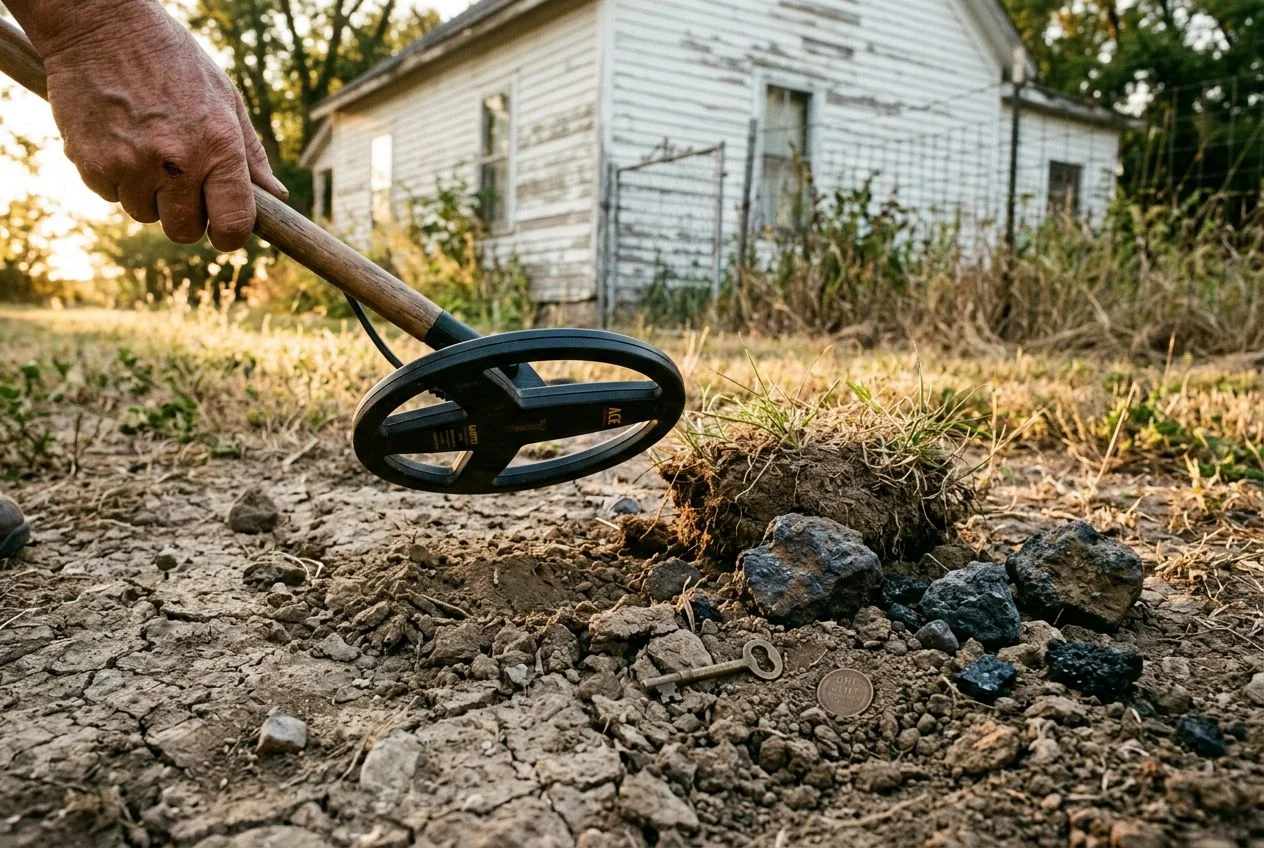
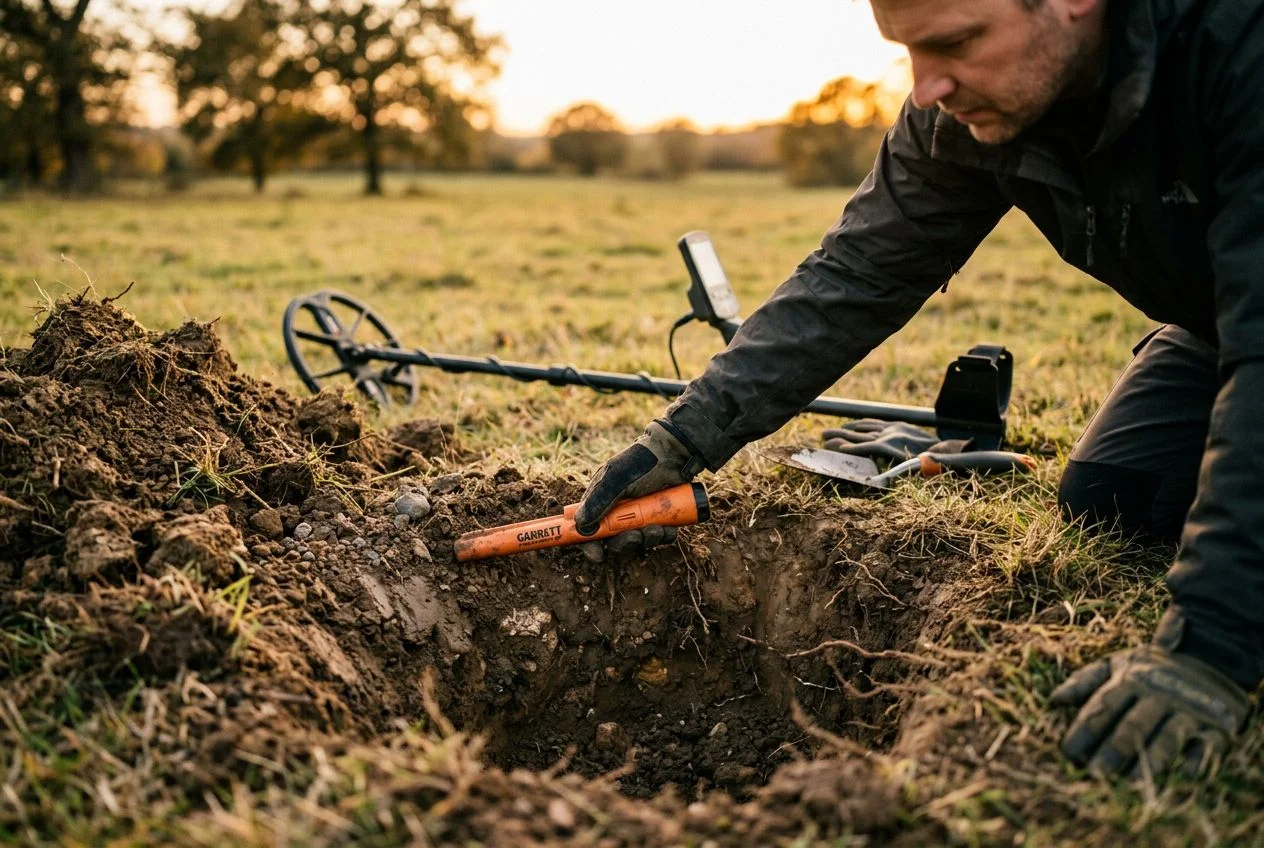
My detecting buddy Tom called me last weekend, frustrated. He’d been hunting an old homestead site in the Sierra foothills — the kind of place that should be loaded with targets — and kept digging signals. Shallow ones. Finally, he got a deep hit. Six inches down, his detector was screaming. He spent twenty minutes excavating a careful plug, only to pull up a piece of rusted barbed wire.
“That’s it,” he told me over the phone. “I’m getting a bigger coil. I need to go deeper.”
I’ve had that same conversation with myself more times than I can count. Every detectorist hits a point where they wonder: how deep can this thing actually go? And more importantly — is deeper always better?
The answer, as with most things in this hobby, is more complicated than the detector forums make it sound.
How Coil Size and Technology Affect Detection Depth
Let’s start with what most people focus on: the coil. Modern metal detectors typically find objects between 10 to 16 inches deep. But that number jumps around based on what you’re swinging and where you’re swinging it. A larger coil does send its electromagnetic field deeper — that’s physics, plain and simple. A 12-inch coil can detect the same quarter at 12 inches that a 4-inch coil might only pick up at 4 inches.
But here’s where the conversation gets interesting. Beyond that coin-sized target depth, going bigger doesn’t give you proportional gains. You don’t get 18 inches of depth from an 18-inch coil on a dime. That larger coil is designed for bigger targets — cache hunting, deep relics, items the size of a dinner plate or larger.
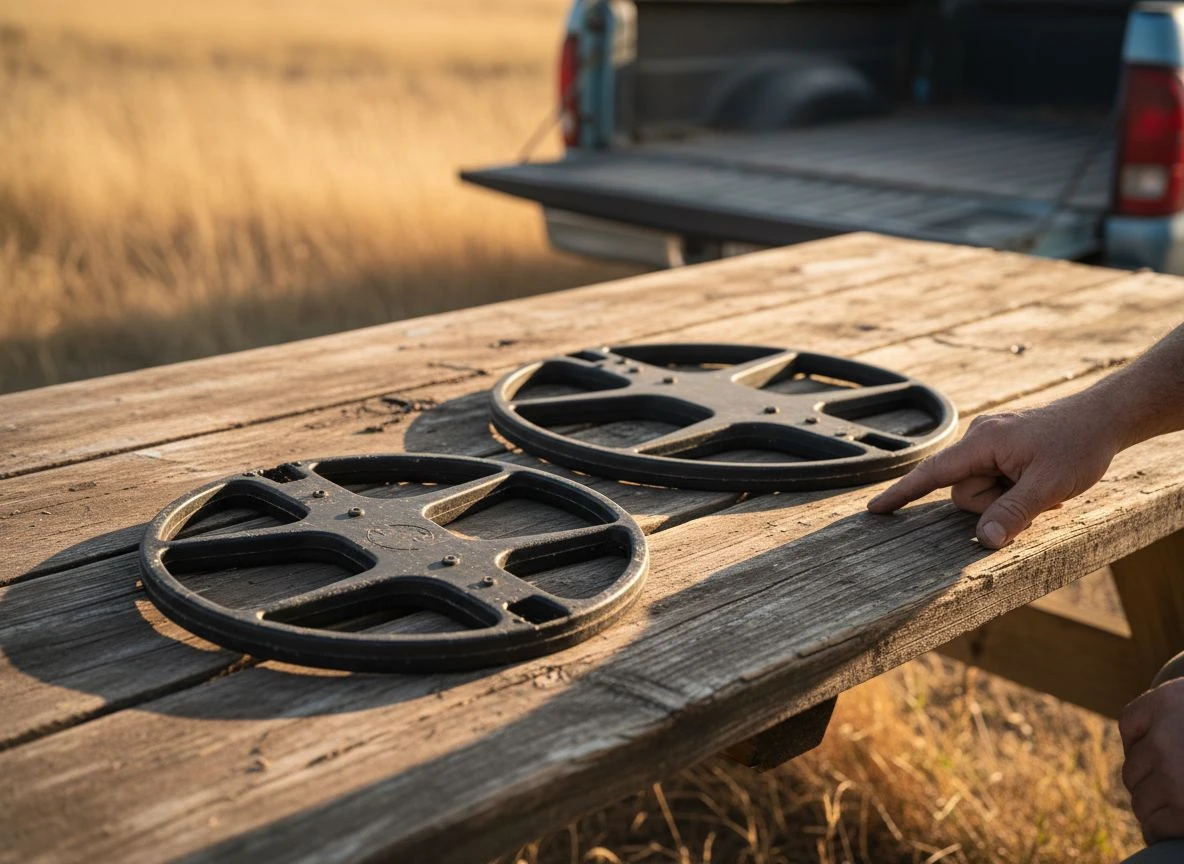
I learned this the hard way my first year detecting. I bought a used 15-inch coil thinking I’d suddenly start finding buried treasure at two feet. Instead, I spent a weekend digging enormous holes in mineralized soil, pulling up deep iron junk that my machine could barely identify. My smaller stock coil had been finding more quality targets at reasonable depths because I wasn’t fighting ground noise and poor target separation.
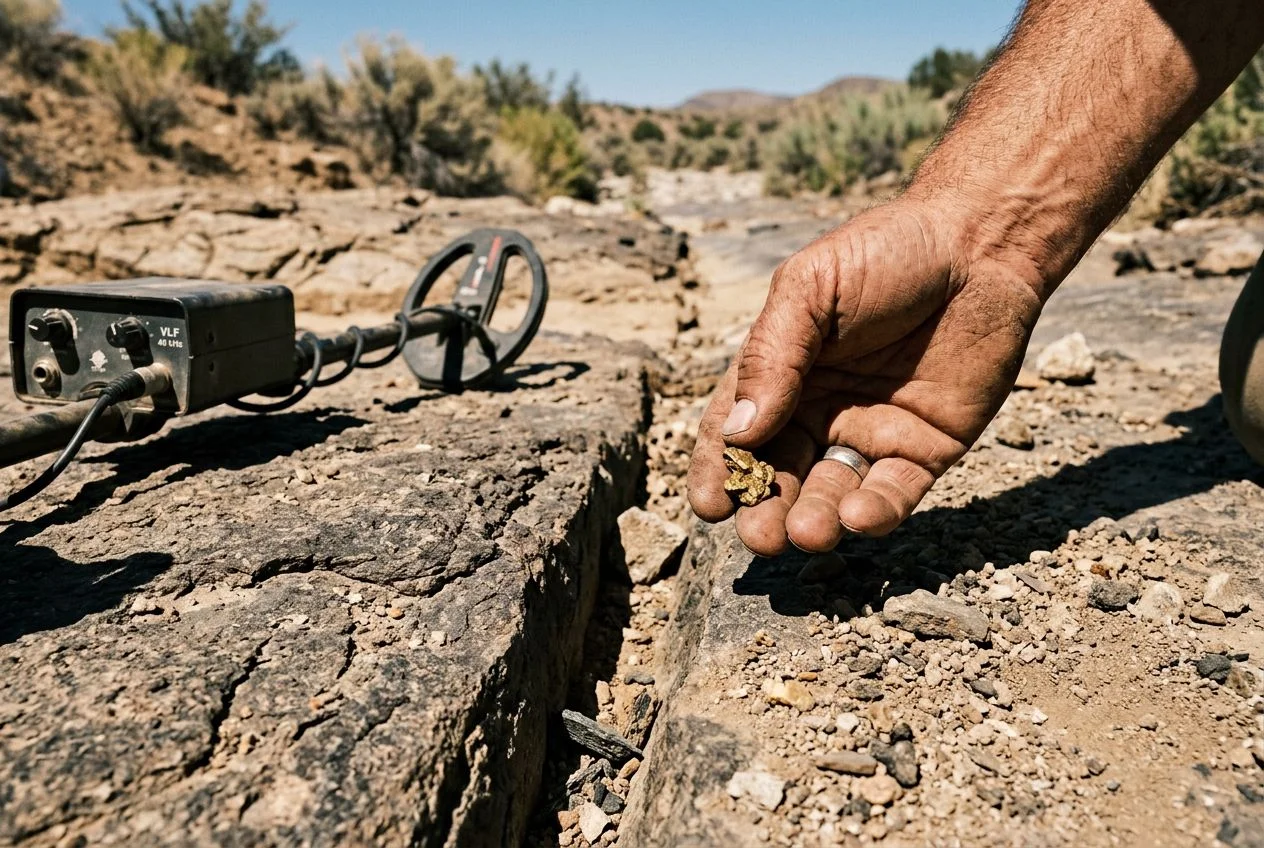
The technology underneath matters too. Very Low Frequency detectors still hold about 46% of the market, and for good reason — they’re sensitive, relatively affordable, and work great in most conditions. But they have limits in highly mineralized ground. Pulse Induction detectors, which account for about 34% of the market, maintain their depth even in extreme mineralization. That’s why prospectors in the desert swear by them.
Does Ground Mineralization Reduce Detection Depth?

Here’s the factor that most beginners underestimate: the dirt itself.
Ground mineralization from conductive or magnetic minerals like iron oxides creates false signals and reduces detection depth. I’ve hunted in California’s red clay, and I can tell you — it’s like throwing a wet blanket over your coil. The ground noise masks the faint signals coming from deep targets. Your machine spends half its processing power trying to filter out the earth itself.
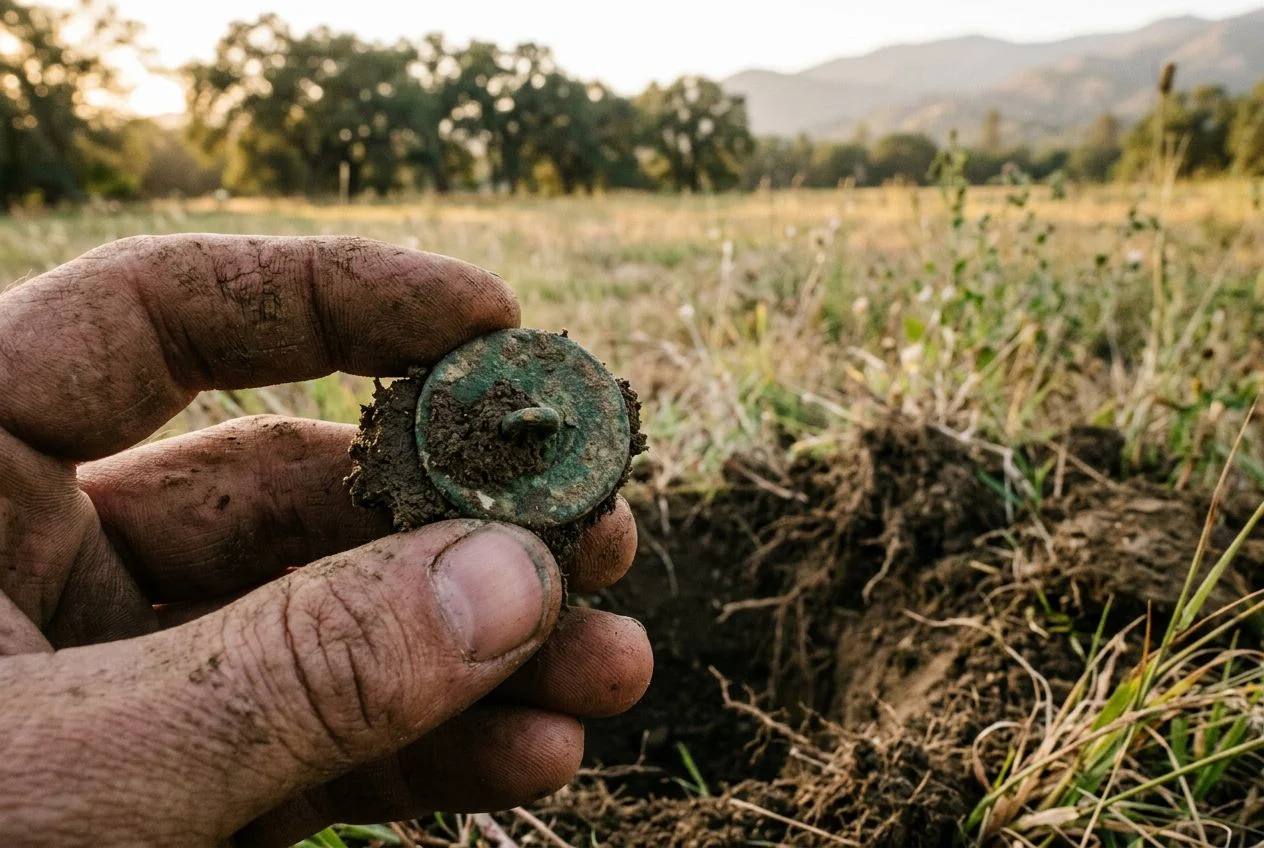
I remember hunting an old swimming hole in the Sierra Nevada range. The soil looked innocent enough — a mix of decomposed granite and forest duff. But five minutes in, my detector was chattering constantly. I’d cranked sensitivity to what I thought was reasonable, but the ground was mineralized just enough to create a constant background hum. I narrowed my search area and dropped sensitivity by three bars, and suddenly I could hear the whispers I’d been missing. Pulled a 1917 mercury dime from about seven inches deep.
That counterintuitive lesson stuck with me: less sensitivity can mean more depth when noise is your real enemy. Adjusting ground balance — either manually or automatically — is essential for accurate detecting in mineralized ground. An unbalanced detector struggles to differentiate between ground and target responses, compromising signal quality and depth. Take the extra thirty seconds to ground balance properly before every hunt. I promise it’s worth it.
How Operator Skill Affects Metal Detector Depth
Here’s something the spec sheets won’t tell you: the detectorist matters more than the detector.
I’ve watched guys swing $2,500 machines and walk right over targets that someone with a $400 detector and patience would find. Why? Because depth isn’t just about coil size and frequency. It’s about technique.
Moist soil improves conductivity and detection depth, which is why I hunt the same fields after a good rain and find targets I missed weeks earlier. Wet ground carries the signal better. But that’s only true if you’re swinging slow enough, keeping your coil parallel to the ground, and overlapping your sweeps consistently.
My buddy Mike always jokes that he’s “not a patient guy” after he misses a deep target I found at the same spot the week before. But it’s not luck — I was swinging slower. Deep signals are faint signals. You’re not going to hear a whisper if you’re rushing.
Multi-frequency detectors improve detection depth and versatility, especially in challenging environments. The Minelab Manticore and Equinox 900 represent where the technology has gone — simultaneous multi-frequency processing that handles mineralized ground better than single-frequency machines. About 66% of manufacturers are now integrating multi-frequency detection systems, improving accuracy by 41%. That’s a real stat, not marketing fluff.
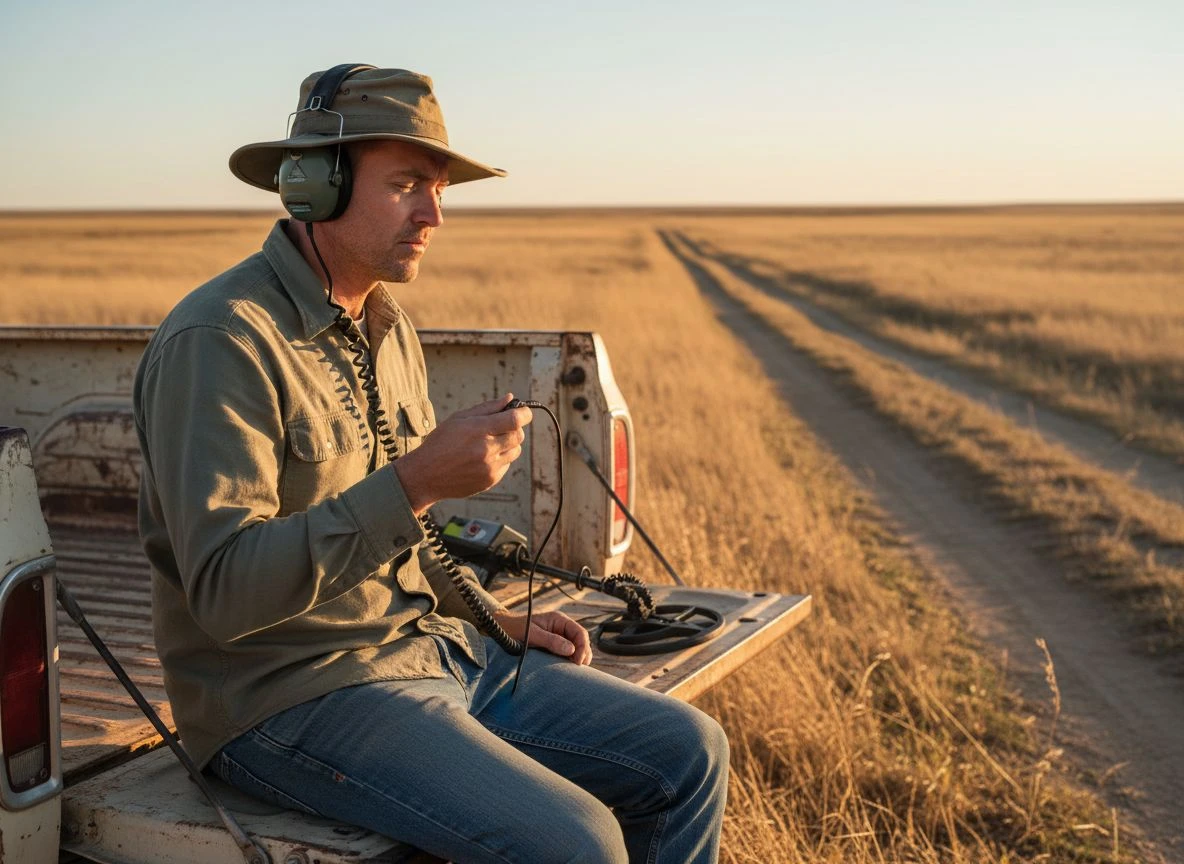
But even the best multi-frequency machine won’t find a deep target if you’re not listening critically. I hunt with headphones more often than not, especially when I’m after deep targets. The subtle audio cues — a slight warble in the tone, a hesitation in the threshold — are the difference between “another rusty nail” and “that’s a silver dime at nine inches.”
What Enables Extreme Detection Depth in Metal Detectors?
Occasionally someone asks about the 3D ground scanners and GPR systems that claim detection depths of 30 meters or more. Those are real — devices like the GoldenEye+ can scan deep into the ground and provide 3D visualizations of buried targets. The DroneRover system can survey large areas from the air and detect anomalies at significant depths.
But here’s the honest conversation that most reviews won’t have with you: these are specialized tools for specialized applications. They’re for archaeological surveys, serious cache hunting, and professional exploration. They’re not what you want for a Saturday morning spent looking for old coins at the county fairgrounds. The learning curve, the cost, and the fact that they don’t discriminate targets the way a quality VLF or PI detector does — it’s a different game entirely.
For the hobbyist, the deep end of practical detection is rarely more than 12 to 18 inches for coin-sized targets under ideal conditions. That’s not a limitation of your detector. That’s physics. The earth absorbs and scatters electromagnetic energy.
Practical Advice for Better Detection Depth
If you’re new enough that you’re still wondering about depth, here’s what I’d tell you:
Your current detector is probably capable of finding things deeper than you think. The question isn’t “can my detector see ten inches down” — it can. The question is whether you’re giving it the conditions and technique to do it.
Slow down. Ground balance properly. Lower your sensitivity when noise is the problem, not when you think you need more power. Hunt when the ground is moist. And for the love of all that is holy — don’t assume a bigger coil will solve your problems. It solves some problems and creates others.
The deep targets are out there. They’ve been waiting for decades. The technology to reach them exists. But the final variable — the one that separates the detectorists who find silver at ten inches from the ones who dig nothing but foil — is technique.
(Deeper-than-expected silence, punctuated by a faint whisper of a signal that might be something good.)

My name is Paul and I am the founder of Detector For Metal, a dedicated resource for metal detecting enthusiasts seeking to uncover historical treasures and connect with the past using the latest technology. As a stay-at-home dad and family man, I’ve found metal detecting to be the perfect hobby that combines family adventure with historical learnings for the whole family.
As a father, I’m deeply committed to passing on this hobby to the next generation of detectorists, starting with my own children. I share advice on everything from metal detecting with kids to exploring the top 10 metal detecting sites you never thought about. My methodical approach to the hobby goes beyond the thrill of discovery—it’s about creating family traditions while preserving history and sharing the stories of those who came before us.