Table of Contents
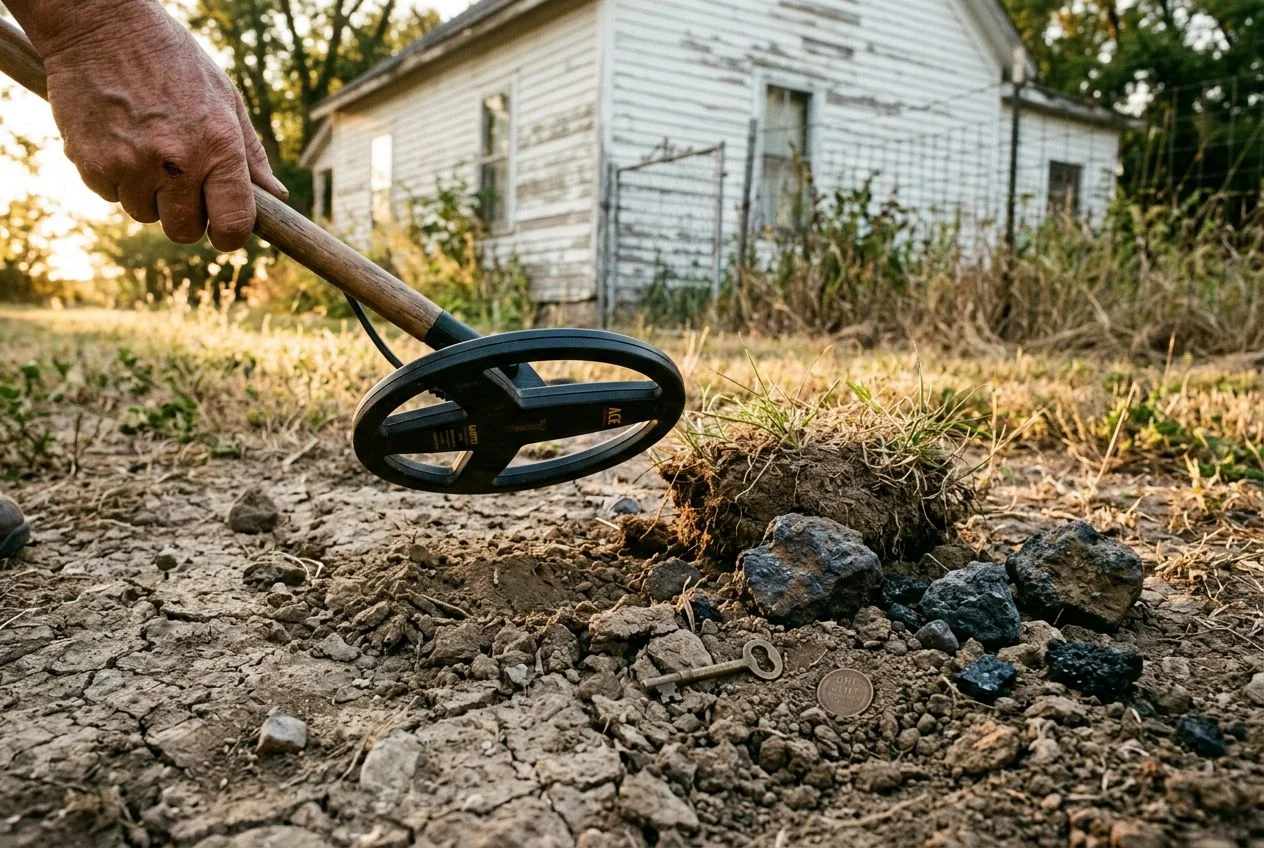
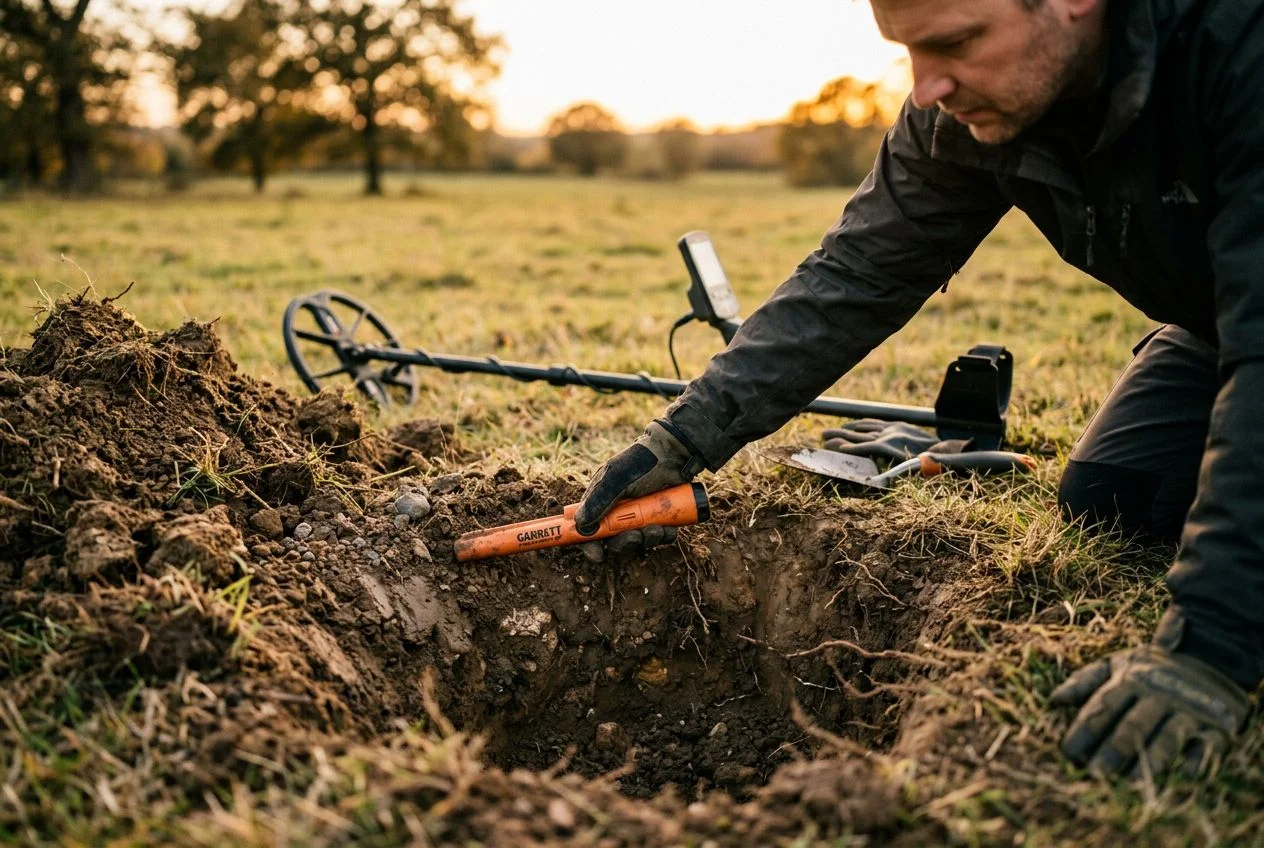
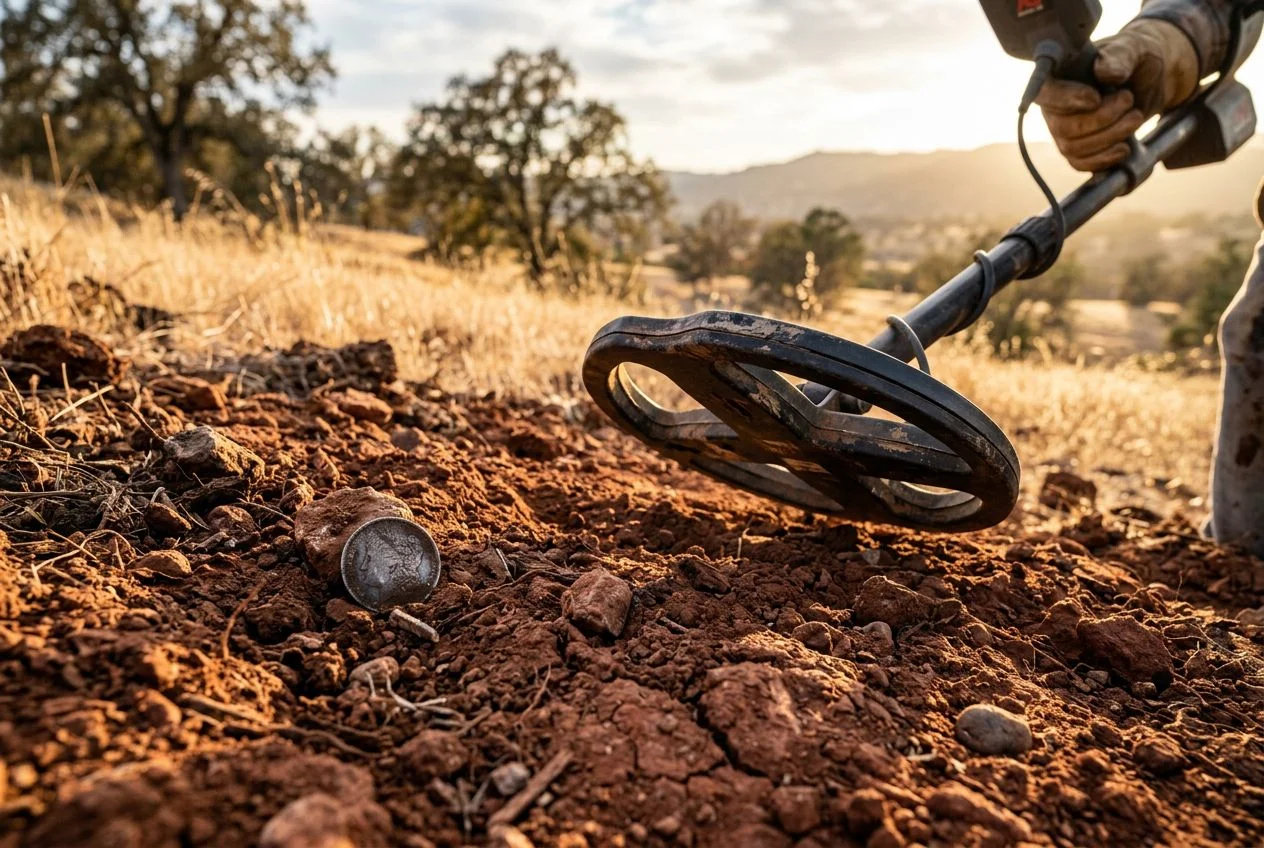
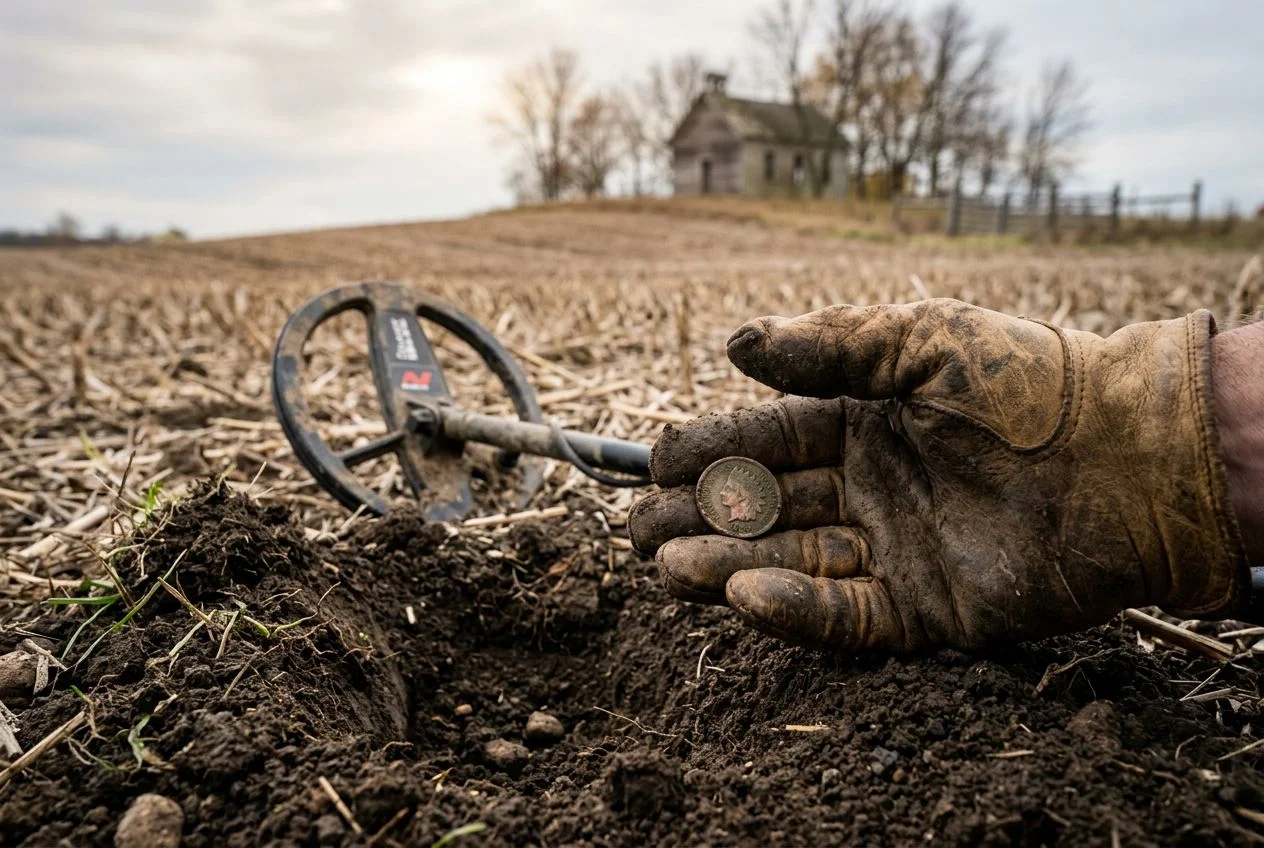
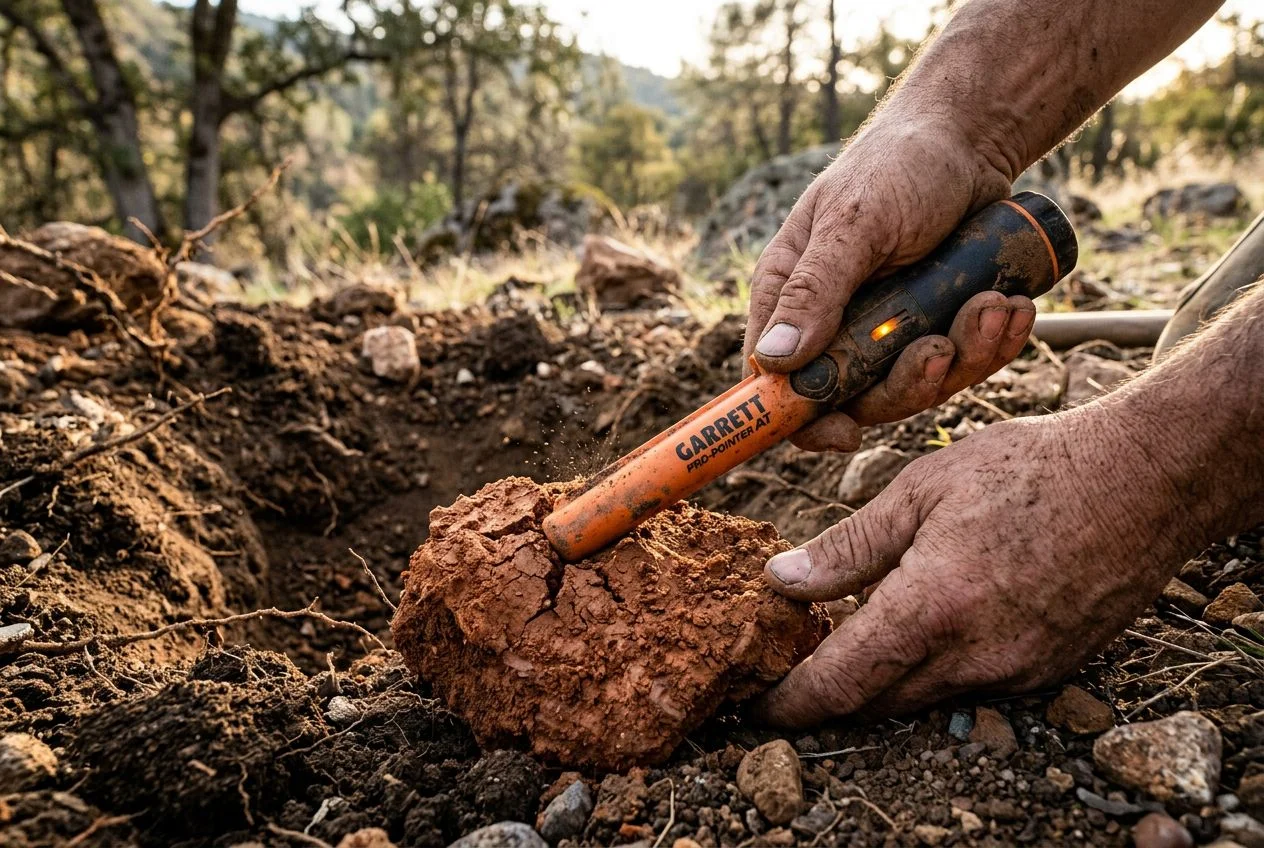
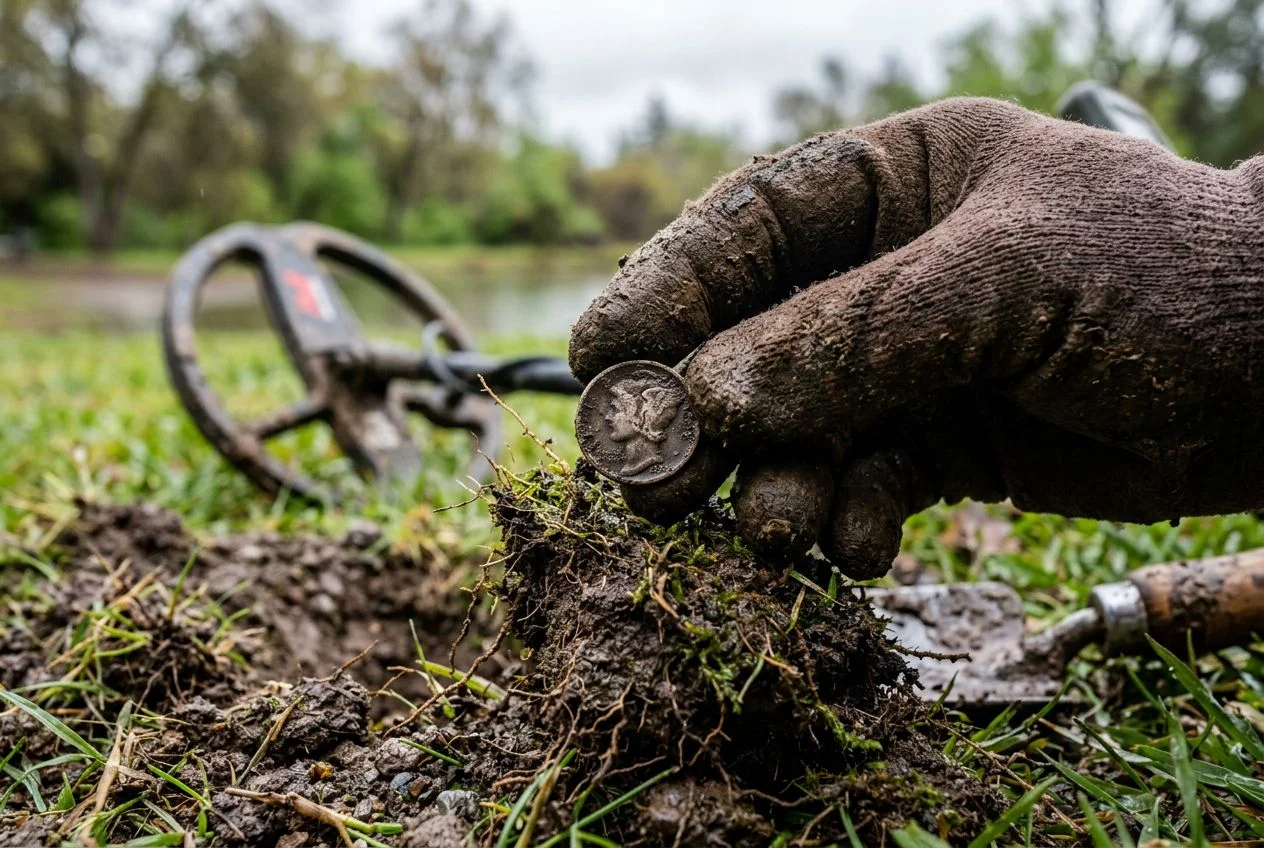
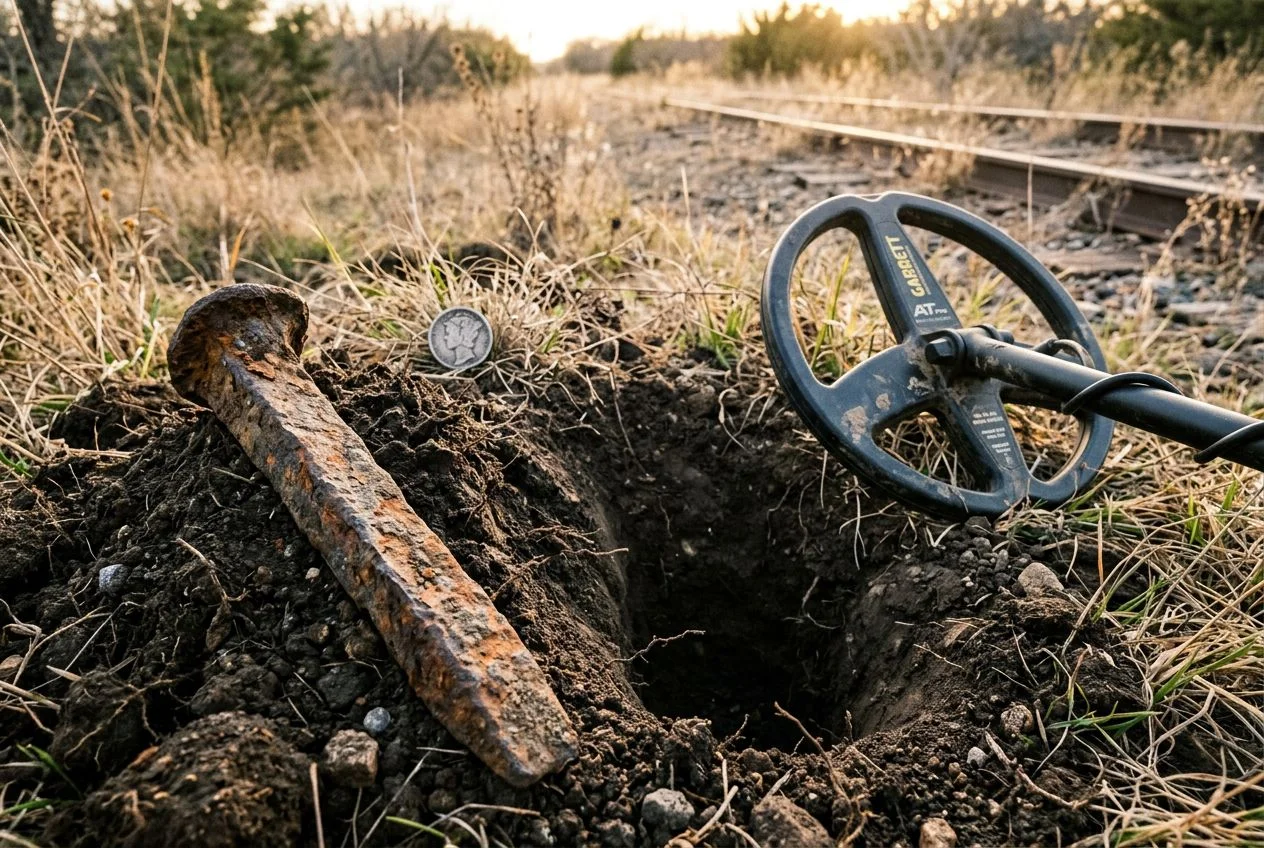
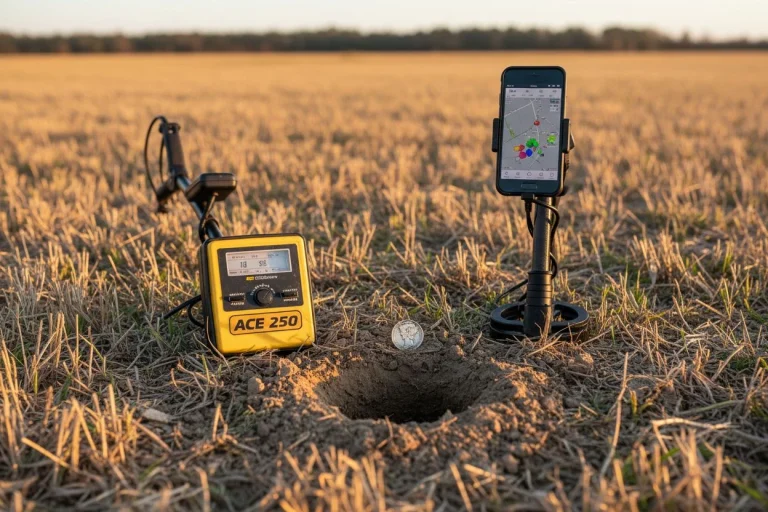
I still remember the first time I pulled a Mercury dime out of the ground with my old Garrett ACE 250. It was just a single, simple tone — a beep that told me “there’s metal here” and nothing more. No depth reading. No target ID. No clue whether I was digging a silver coin or a rusted-out soup can until I was elbow-deep in dirt.
That was about twelve years ago. Back then, that single beep felt like magic.
These days? My detecting buddies and I are walking around with equipment that generates real-time 3D maps of what’s underground, displays them on our smartphones, and even overlays augmented reality visualizations on the actual ground we’re standing on. We’ve gone from “beep and hope” to “see and know” in the span of a single detecting career.
Let me walk you through how we got here.
The Beep Era of Early Metal Detectors
The concept of detecting buried metal has been around longer than you might think. The story starts in the mid-1800s, not long after electricity itself became a practical reality. But the first real attempt at building a metal detector came from an unlikely source — Alexander Graham Bell.
I know, right? The telephone guy.
According to the historical record, Bell built an early metal detector in 1881, trying to locate a bullet lodged in President James Garfield. It failed — the bed’s metal springs threw off the readings — but it proved the concept worked. A prototype was born, even if the application fell short.
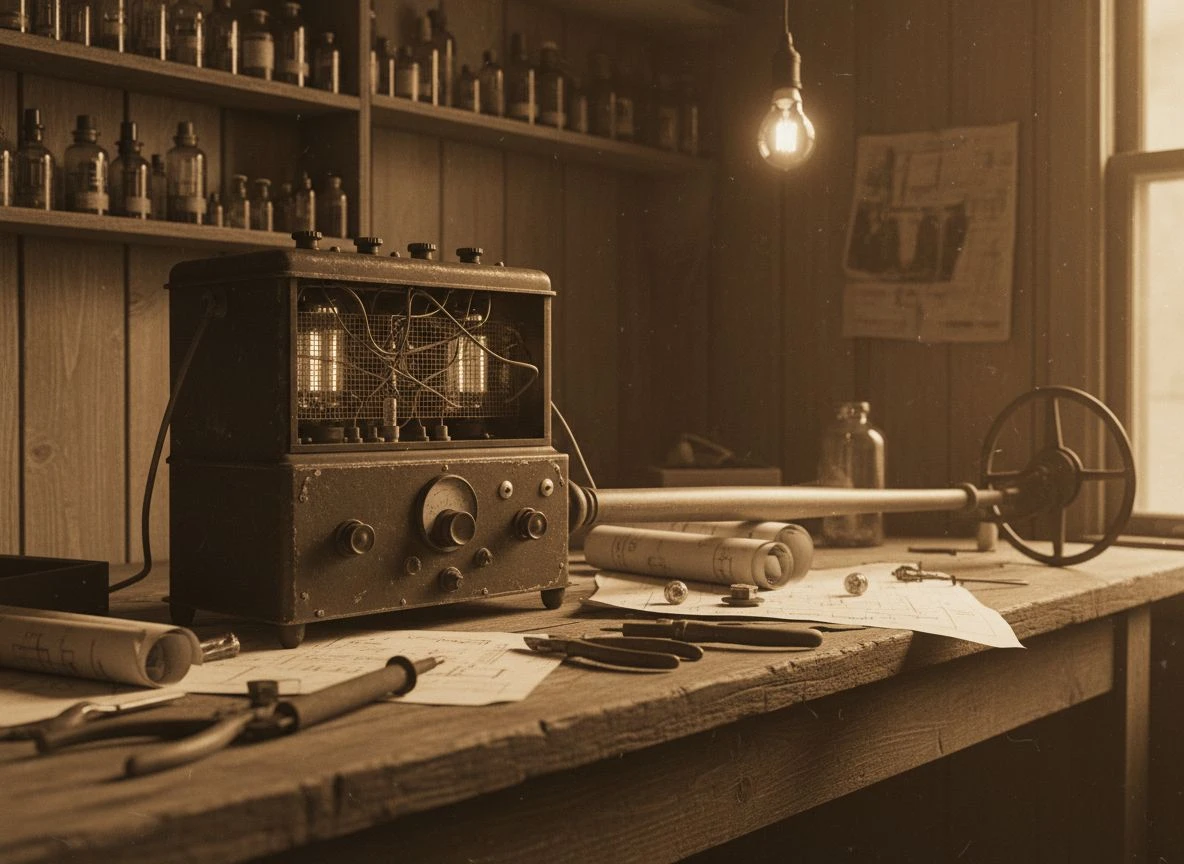
Then in 1925, Gerhard Fisher — the founder of Fisher Metal Detectors (a name every detectorist knows) — made a key discovery while working on navigational systems. He noticed that radio beams distorted near ore-bearing rocks, and realized that same principle could be used to find metal objects. Fisher was granted the first patent for a portable metal detector that same year and sold his first machine in 1931.
Those early machines were absolute beasts. Vacuum-tube-based, heavy, power-hungry things primarily used for clearing landmines after World Wars I and II. You wouldn’t have wanted to swing one of those all weekend. (Side note: I complain about the 4.6-pound weight of my Equinox 900. Detectorists from the 1930s would have laughed at me.)
How Transistors Made Metal Detectors Portable
The single biggest leap in metal detector history happened in 1947, when John Bardeen, Walter Brattain, and William Shockley invented the transistor at Bell Labs. That tiny piece of technology — which earned them a Nobel Prize — completely transformed what a metal detector could be.
Suddenly, all those bulky vacuum tubes could be replaced with small, efficient components. Detectors got lighter, more portable, and — finally — affordable enough for hobbyists to buy. The 1960s and 1970s saw an explosion of recreational metal detecting as the technology became accessible to regular people, not just military engineers and scientists.
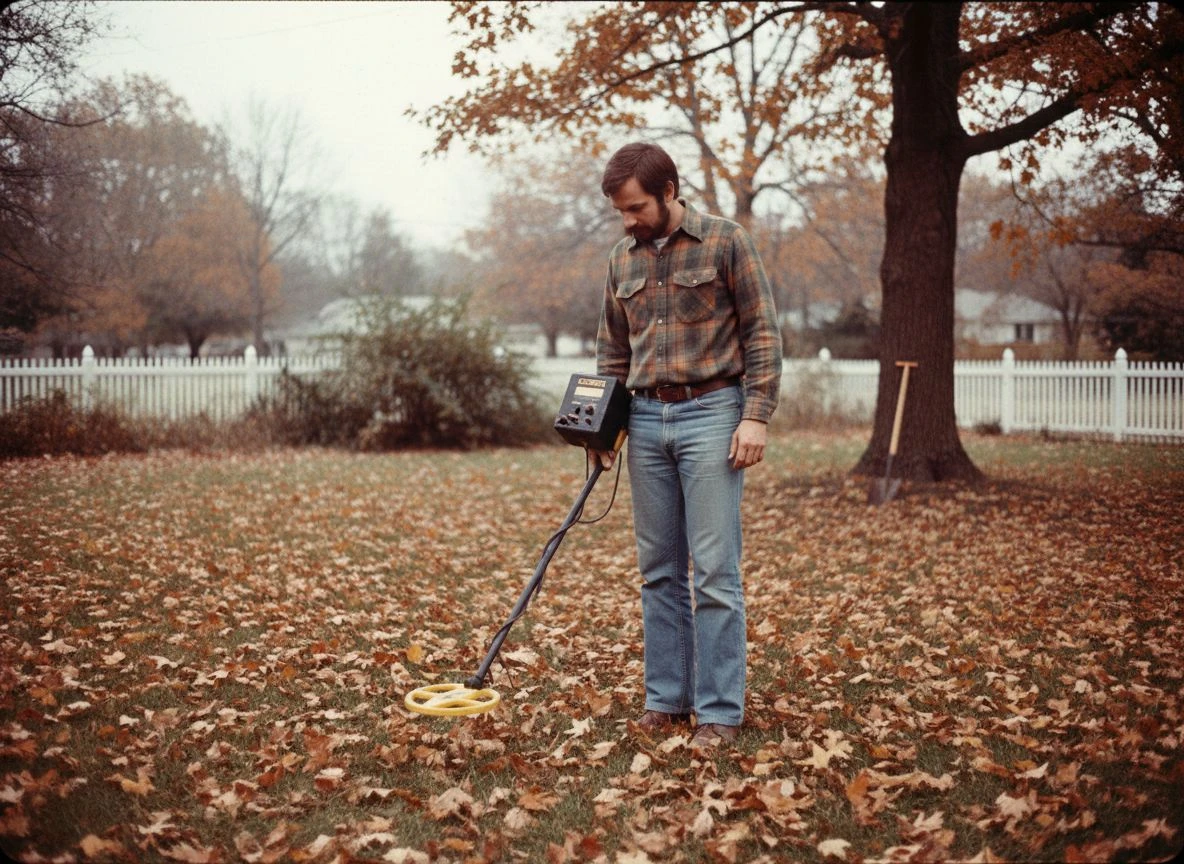
Charles Garrett — founder of Garrett Metal Detectors — was the guy who really moved the needle during this era. According to the same historical sources, Garrett eliminated oscillator drift (a huge problem with early detectors) and patented new search coil designs that dramatically improved performance. The Garrett brand became synonymous with detecting for a generation, and honestly, I owe my start in this hobby to that legacy.
Digital Discrimination Ended Random Digging
The 1980s and 1990s brought microprocessors into metal detectors, and that changed everything. Suddenly, your detector could do more than just beep — it could think.
Very Low Frequency (VLF) technology became dominant during this period. Instead of blasting a single frequency and listening for a response, VLF detectors transmitted specific frequencies and analyzed the phase shift of the returning signal. This allowed for something detectorists had only dreamed of: discrimination.
I’ll never forget upgrading from my ACE 250 to my first AT Pro. The first time I got a target ID number on my screen, I felt like I’d time-traveled into the future. Instead of digging every single signal, I could actually guess what was down there before I picked up my shovel. Not perfectly, mind you — I still dug plenty of pull-tabs. But it was a huge leap forward.
Pulse Induction (PI) technology also matured during this period, offering detectors that could punch through highly mineralized soil and detect deeper targets. As recent articles explain, PI technology became especially valuable for beach detecting and gold prospecting, where mineralization is often severe enough to confound VLF machines.
The trade-off? PI detectors historically couldn’t discriminate worth a damn. Everything was a target. But for dedicated beach hunters and gold prospectors, that depth penetration was worth the extra digging.
Multi-Frequency Metal Detector Technology
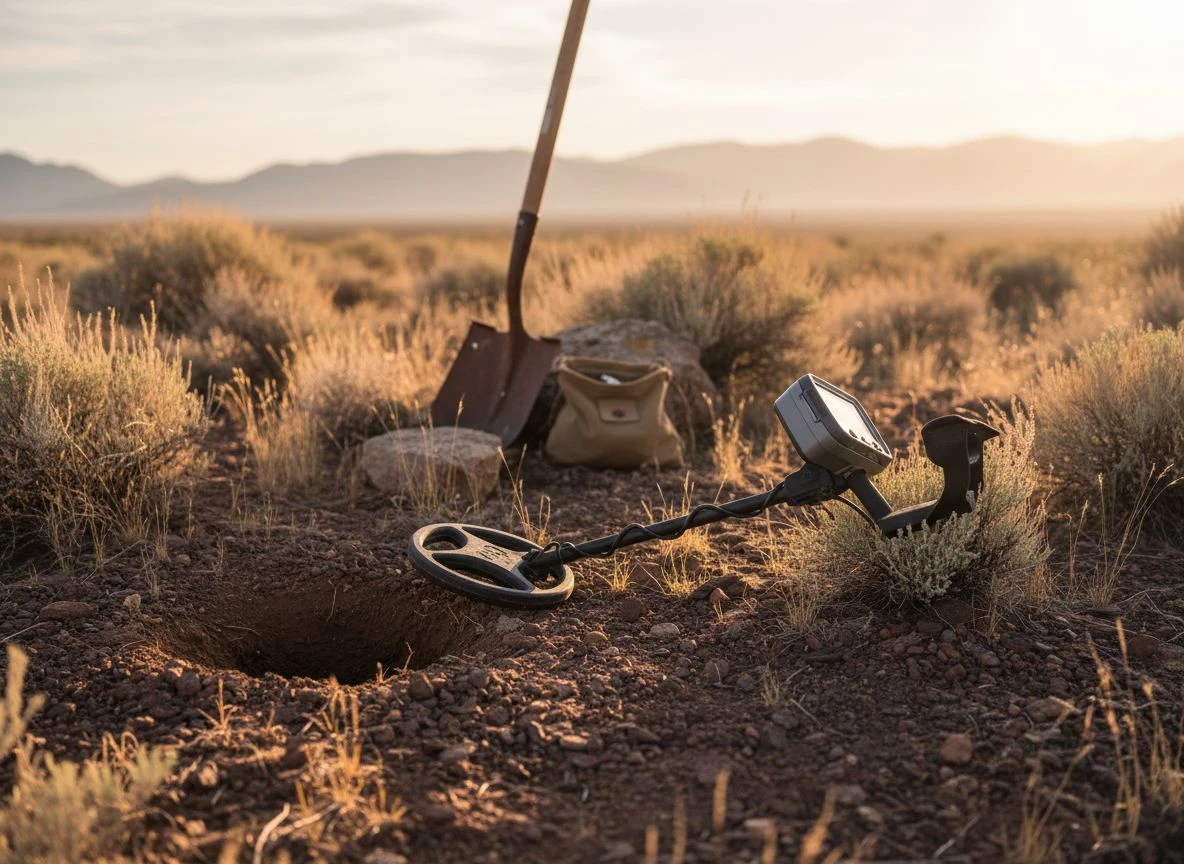
For decades, detectorists had to choose: high frequency for sensitivity to small gold and tiny targets, or low frequency for depth penetration on larger objects. That trade-off was baked into the technology. If you wanted to hunt for coins AND small gold nuggets, you bought two different detectors.
Then came multi-frequency technology, and the game changed completely.
Modern detectors — like the Minelab Equinox 800 and its successor the Equinox 900 — use what Minelab calls Multi-IQ technology. Instead of running a single frequency, they transmit multiple frequencies simultaneously, processing all of them in real time. The result? You get the depth of low frequencies AND the sensitivity of high frequencies in a single sweep.
As this detailed technology overview notes, the ability to operate at multiple frequencies simultaneously has dramatically improved detection across varied ground conditions. A detector that handles both mineralized desert soil and mild park dirt? That wasn’t possible twenty years ago.
The Minelab Manticore takes this even further with Multi-IQ+, offering 50% more detection power than the already-impressive Equinox series. I got to try one at a detecting club meetup last spring, and I’m not exaggerating — it picked up targets in ground that my Equinox 900 had just swept clean. My buddy Tom watched me re-scan his own backyard and find a copper penny he’d missed for two years. He wasn’t happy. I was fascinated.
When Metal Detectors Show You 3D Maps
This is where things get genuinely mind-blowing.
Remember when I said we went from “beep and hope” to “see and know”? The rise of 3D mapping technology in metal detecting is the biggest paradigm shift since the transistor. And based on search data, the public is catching on — according to industry analysis, Google searches for “3D treasure metal detector” spiked dramatically in August 2025.
So what does a 3D metal detector actually do?
Instead of giving you an audio tone and a number on a screen, these devices use ground-penetrating radar (GPR), electromagnetic sensors, and photogrammetry to create detailed visual maps of what’s underground. You can see the shape, size, estimated depth, and approximate composition of buried objects — all on your smartphone or tablet, in real time.
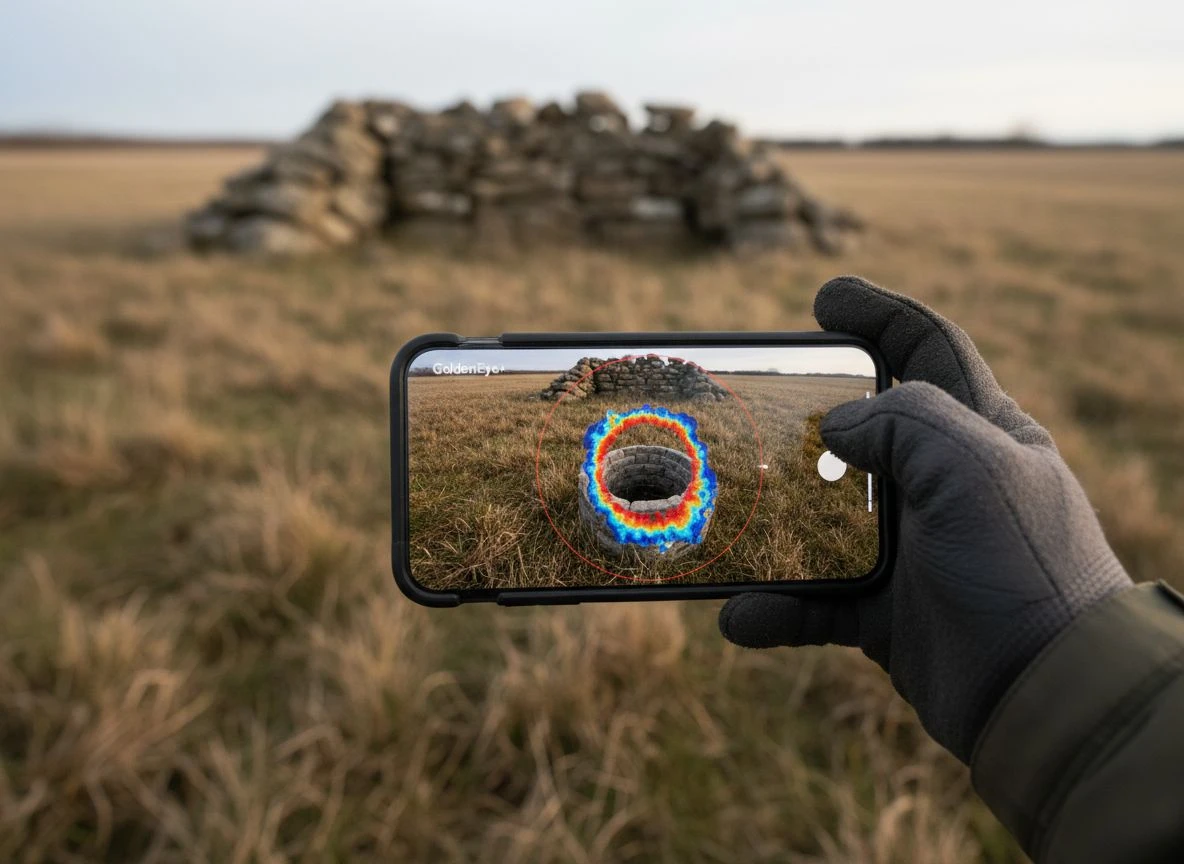
The GoldenEye+ system takes this even further with augmented reality visualization. Imagine walking across a field, sweeping your detector, and seeing 3D scan results overlaid on the actual ground in front of you through your phone’s camera. That’s not science fiction. That’s happening right now.
For serious prospectors, devices like the GoldHunter combine VLF detection technology with real-time smartphone visualization, creating 3D images of buried gold and metallic objects up to about three feet deep. And for the truly ambitious, the DroneRover attaches to a drone, letting you scan large or inaccessible areas from the air.
I took a demo of a 3D imaging detector out to an old farm site last fall. The property owner had told me about an old well that had been filled in sometime in the 1940s. I walked the area with the 3D scanner and watched, in real time, as the shape of a filled-in circular shaft appeared on my phone screen. I didn’t dig a single test hole to find it. I just saw it.
My detecting buddy Mike watched over my shoulder and said, “Well, that’s just cheating.”
It’s not cheating. It’s the future.
Machine Learning in Modern Metal Detectors
The other massive shift happening right now is the integration of artificial intelligence into metal detector algorithms.
Traditional detectors use fixed algorithms to interpret signals. AI-powered detectors, by contrast, use machine learning models that improve over time. They can recognize patterns in ground noise, filter out common trash targets more accurately, and even adapt to site-specific conditions as you hunt.
According to industry analysis on recent innovations, AI integration is optimizing detection algorithms to create smarter systems with fewer false alarms and faster detection speeds. These systems can even provide real-time analysis and learn from their own mistakes.
The practical result? You spend less time digging rusty nails and more time pulling keeper targets. And for gold prospectors working in heavily mineralized ground — where traditional discrimination often fails — AI-powered filtering can mean the difference between a productive day and a frustrating one.
Does Technology Replace Research in Metal Detecting
Here’s the thing about all this incredible technology — and I’ll climb up on my soapbox for a minute.
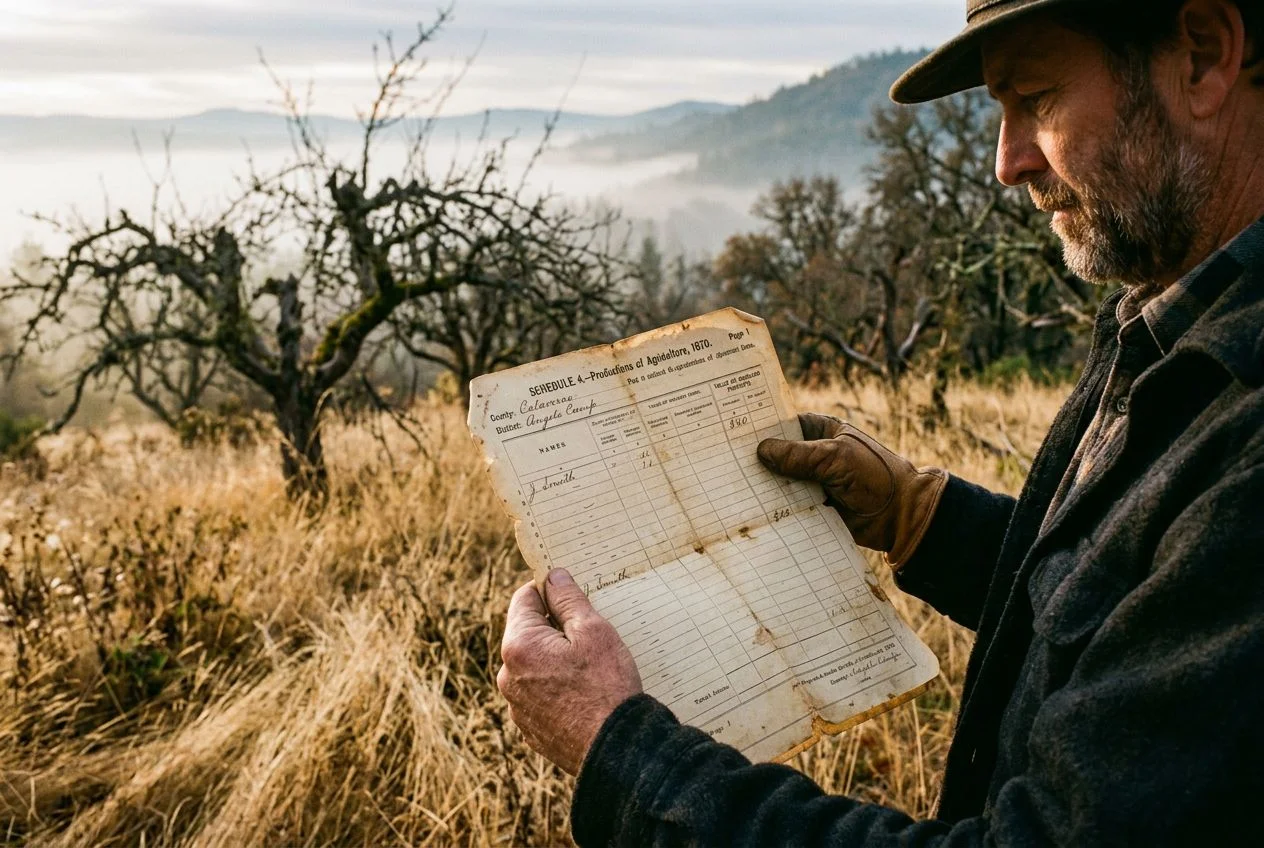
None of it replaces research.
I’ve watched guys with $5,000 detectors walk empty-handed out of parks that my buddy Tom cleared out two years ago, all because they didn’t know where to swing. Meanwhile, Tom hunts old drag strip sites he found by chatting with car enthusiasts at auto shows, using a mid-range detector that costs a fraction of what those high-end machines run.
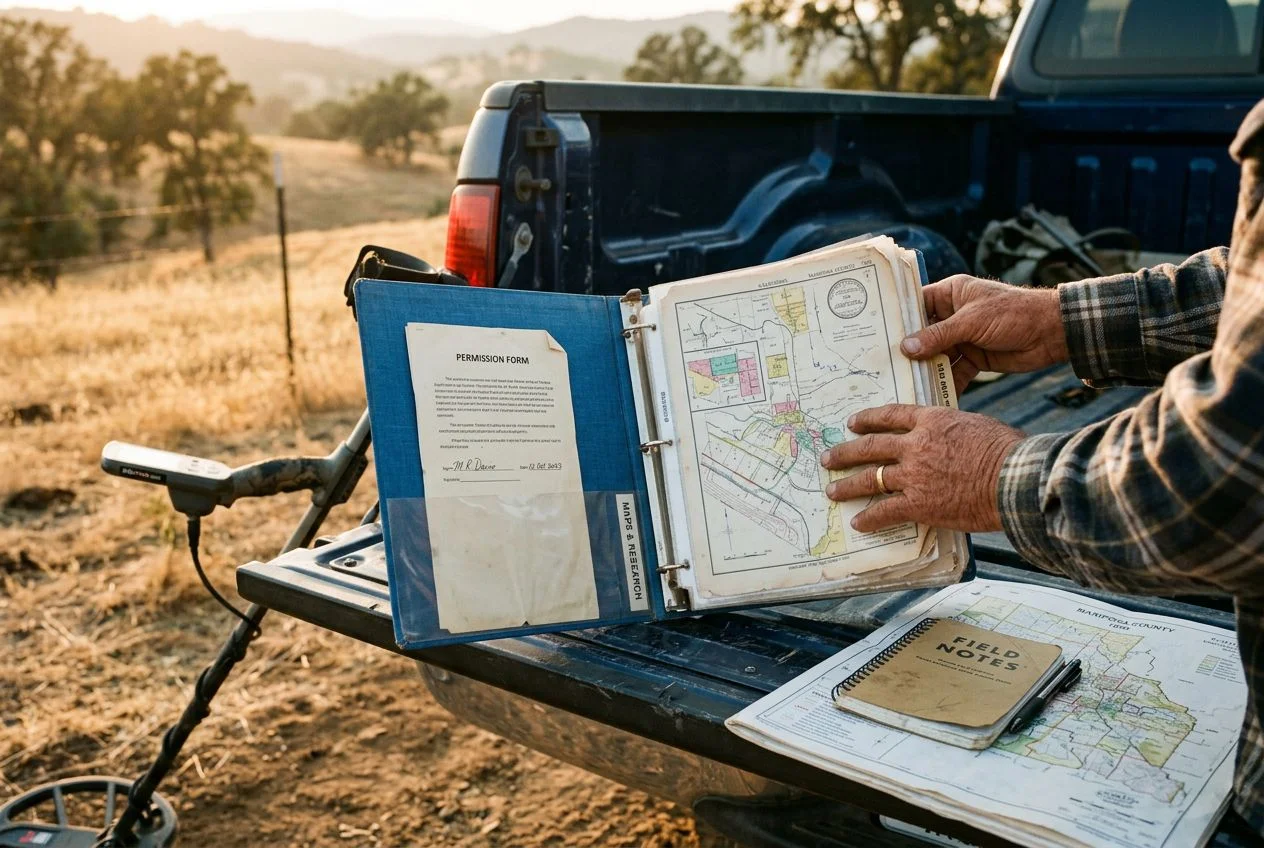
Technology tells you what is underground. Research tells you where to look and why something might be there. The 3D maps and AI discrimination are incredible tools, but they’re tools for executing on a strategy, not the strategy itself.
Every time I write about the newest tech — whether it’s multi-frequency advancements or future trends like quantum sensing — I remind myself that the best detector in the world can’t make up for not doing your homework.
Future of Metal Detector Technology
The evolution isn’t slowing down. Looking at current trends, here’s what I expect to see in the next five to ten years:
- Drone-mounted detection is going to become more common. The DroneRover is just the beginning — imagine scanning an entire hillside in thirty minutes instead of three weekends.
- Cloud-based data sharing will let detectorists collaborate on mapping projects, sharing scan data and research to build collective knowledge about detecting sites. I’ve already seen club members swapping GPS coordinates and soil analysis data.
- Quantum sensing is on the horizon. While it’s still experimental, quantum sensors could theoretically detect objects at far greater depths than any current technology. We’re talking 50+ meters under ideal conditions.
- And the eco-friendly design trend is worth watching — manufacturers are starting to use sustainable materials and more energy-efficient components. My Equinox 900 runs for 20+ hours on a charge. Ten years ago, I was burning through 9-volt batteries like they were going out of style.
From Beeps to Knowledge in Detecting
I still love the sound of a good target signal. There’s something primal about it — that moment of anticipation before you dig, wondering what’s down there. That hasn’t changed in twelve years, and it won’t change if I’m still doing this at 80.
But I’ll be honest: I also love being able to see what’s down there before I start digging. The evolution from simple beeps to 3D maps hasn’t taken the magic out of detecting. It’s just made the magic more accessible.
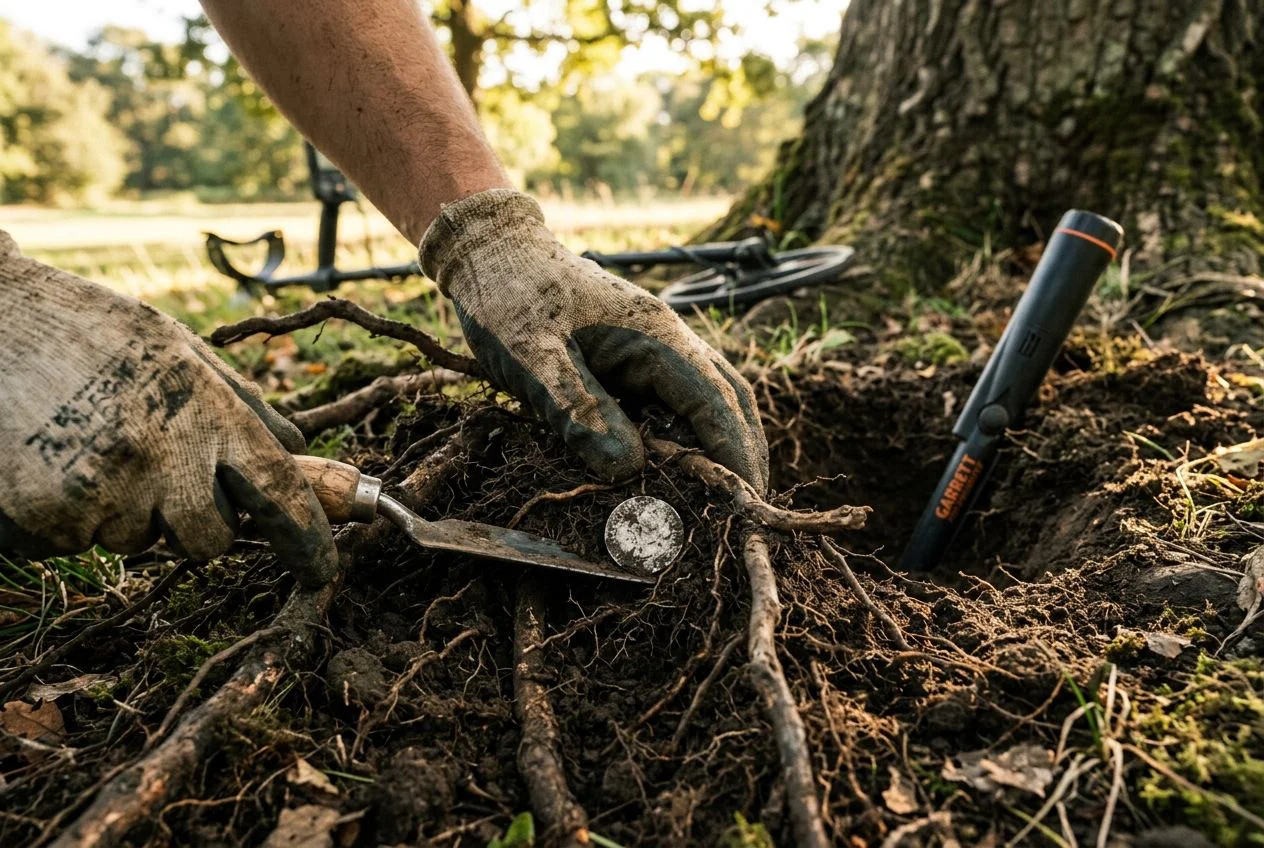
That Mercury dime I found with my ACE 250? I’d still dig it today with the same excitement. But now I’d know it was silver before I broke ground. And I’d have a 3D scan of the surrounding area showing me exactly where to look for the next one.
Progress isn’t about replacing the old ways. It’s about building on them.
Now if you’ll excuse me, I’ve got a filled-in well shaft to investigate. My phone’s already showing me what’s down there.

My name is Paul and I am the founder of Detector For Metal, a dedicated resource for metal detecting enthusiasts seeking to uncover historical treasures and connect with the past using the latest technology. As a stay-at-home dad and family man, I’ve found metal detecting to be the perfect hobby that combines family adventure with historical learnings for the whole family.
As a father, I’m deeply committed to passing on this hobby to the next generation of detectorists, starting with my own children. I share advice on everything from metal detecting with kids to exploring the top 10 metal detecting sites you never thought about. My methodical approach to the hobby goes beyond the thrill of discovery—it’s about creating family traditions while preserving history and sharing the stories of those who came before us.