Table of Contents
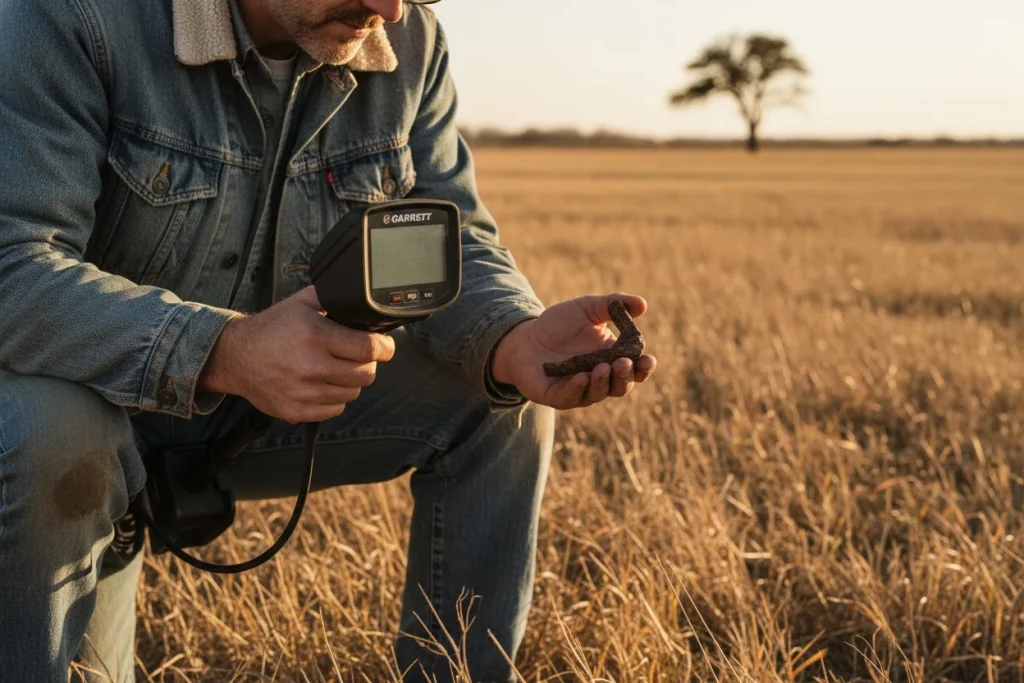
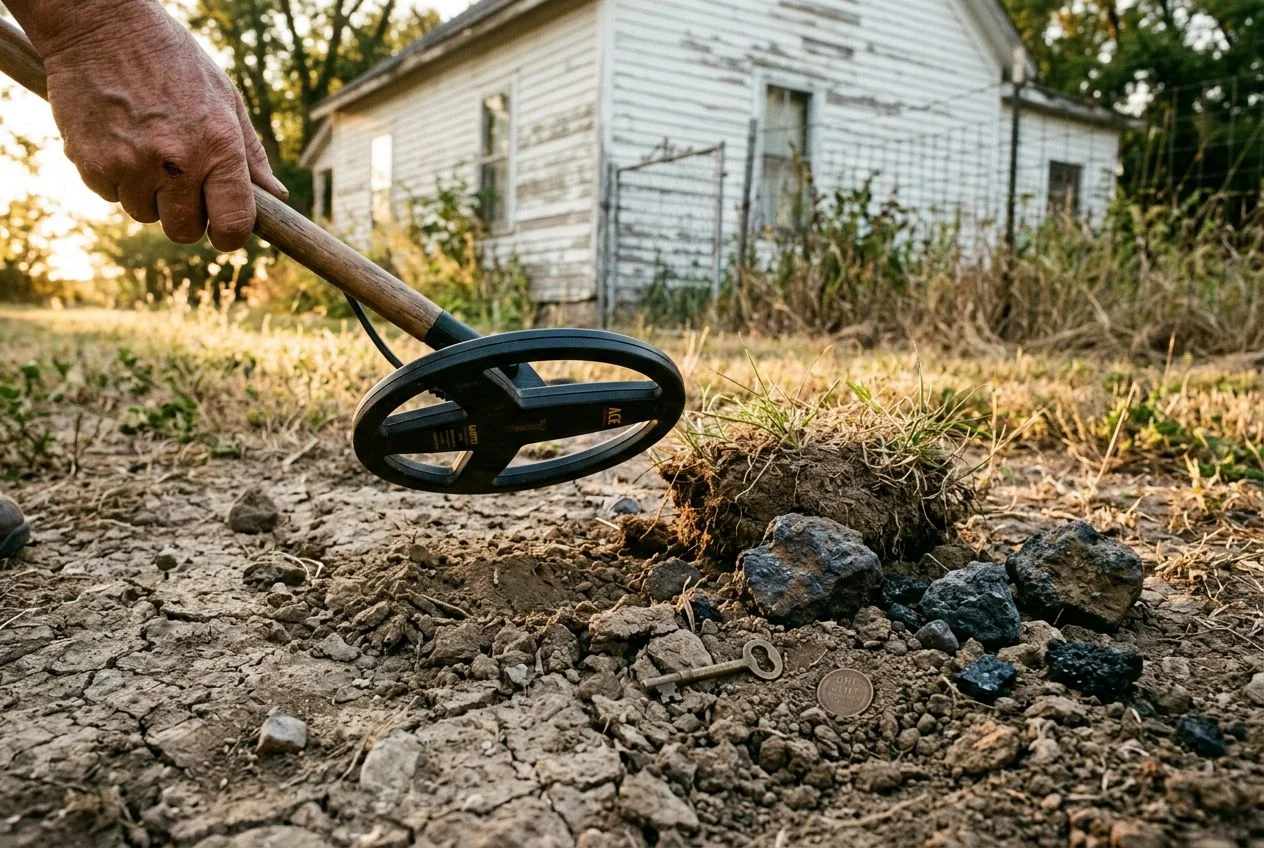
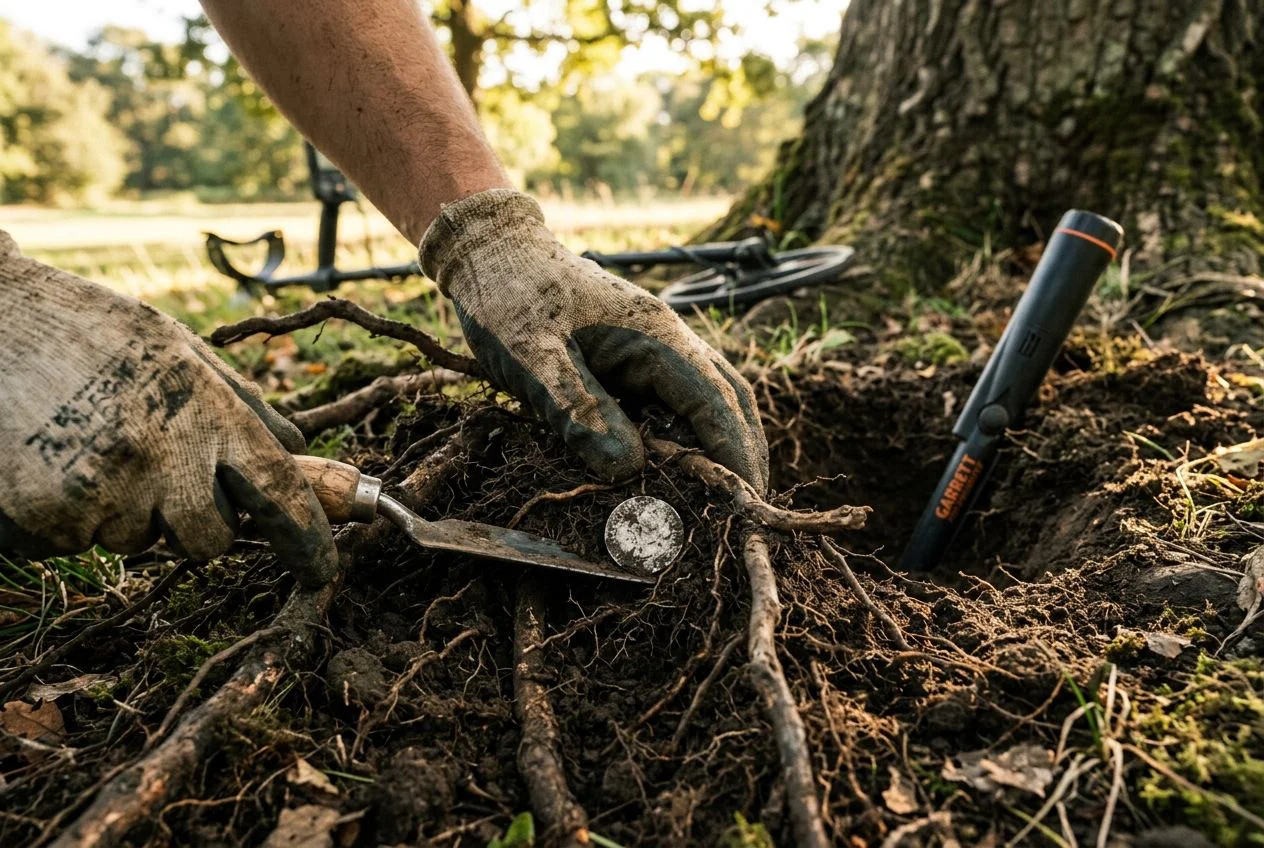
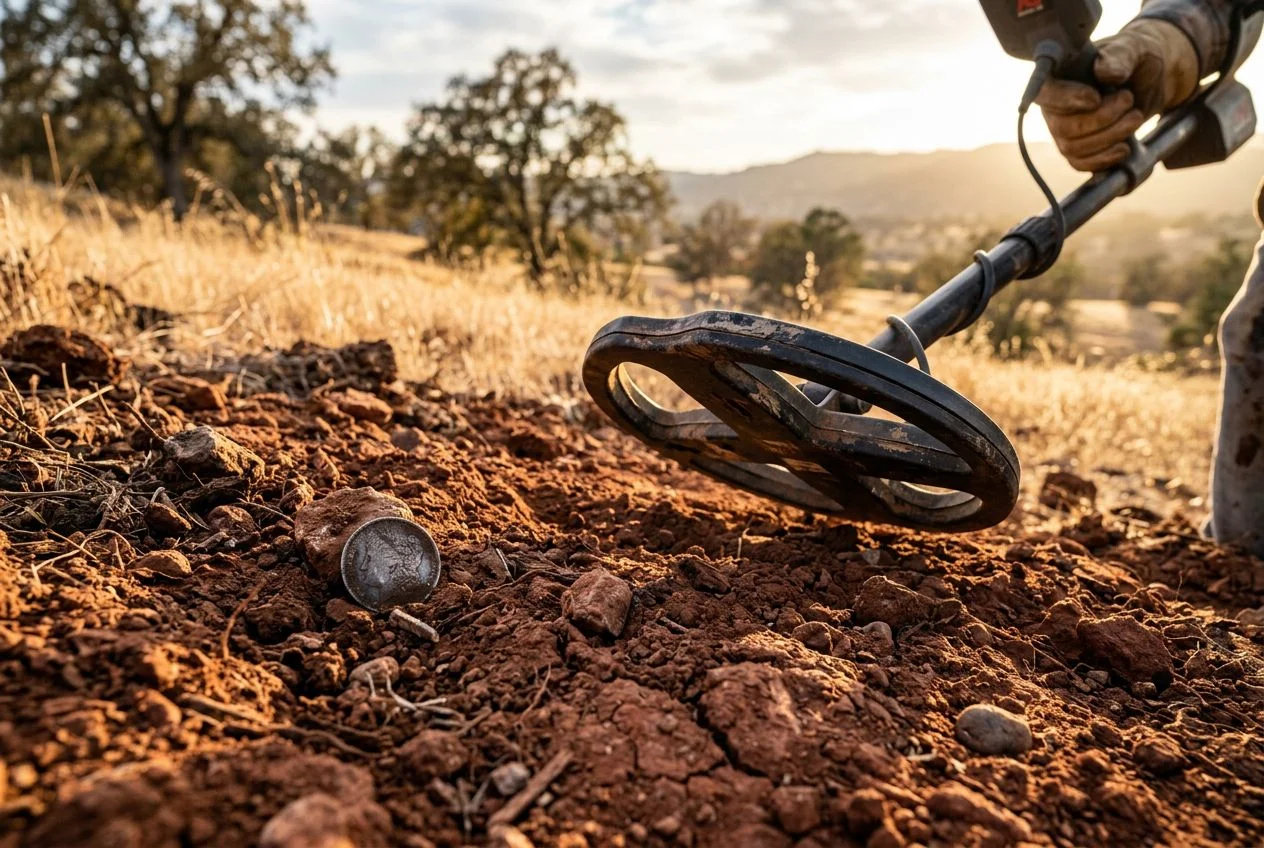
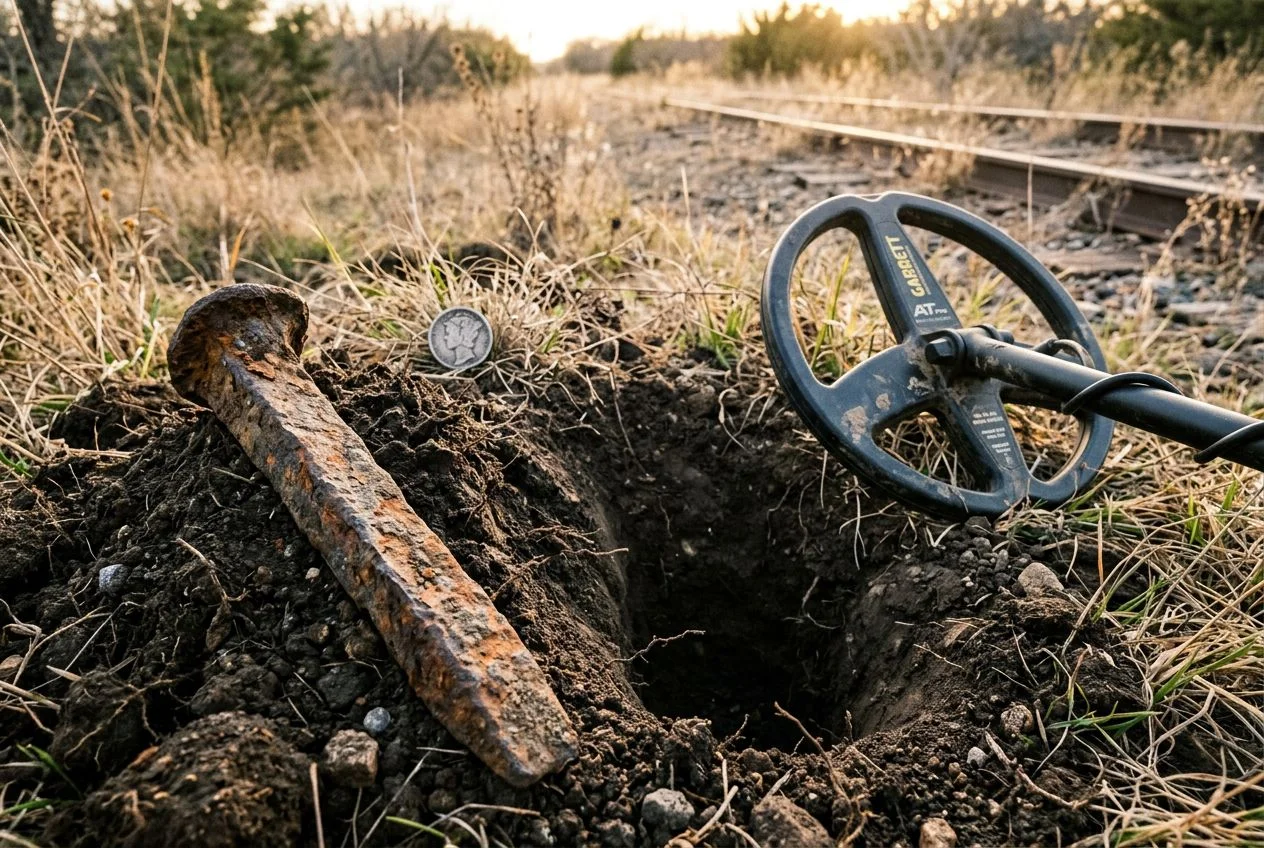
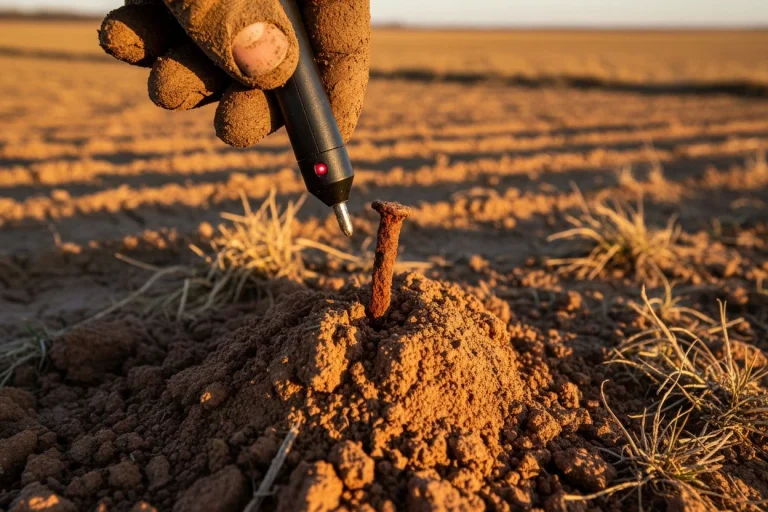
You know that feeling. Your machine screams with a perfect, high-toned 85 VDI. It’s screaming “large silver dollar.” You dig carefully. Your heart pounds. You find a tiny, corroded iron nail at the bottom. You re-scan the hole. The signal is gone. That vanishing act is the classic detectorist’s halo effect. A target seems bigger and clearer than it is. It’s why you can’t trust a single beautiful signal. You must understand the ground beneath it. To master it, you must understand the halo effect soil types create.
This happened to me last fall in a hard-packed clay field outside Woodland. My Minelab Equinox 900 sang a consistent, high-conductivity tune. I was so convinced I’d found a Morgan dollar. I texted my buddy Tom a blurry photo of the untouched plug. Pulling out that rotten nail was a physical disappointment. But it sparked a months-long obsession. I kept hearing “halo effect” used to explain everything. The problem? Nobody agreed on what it actually was. Was it just rust? Soil chemistry? My detectorist forums talked about one thing. Research papers talked about another.
So let’s agree: the term is a confusing mess. It leads to false confidence and missed targets. I want to cut through the jargon. In this article, I’ll clearly define the three different “halo effects” that matter to us. I’ll explain the science in plain English. Most importantly, I’ll show you how your local soil type changes everything. Is it thick clay, loose sand, or rich loam? We’ll end with a practical field test. You can diagnose your own ground. You can start interpreting signals with more accuracy. You’ll have a lot less heartbreak.
What Is the Halo Effect in Metal Detecting?
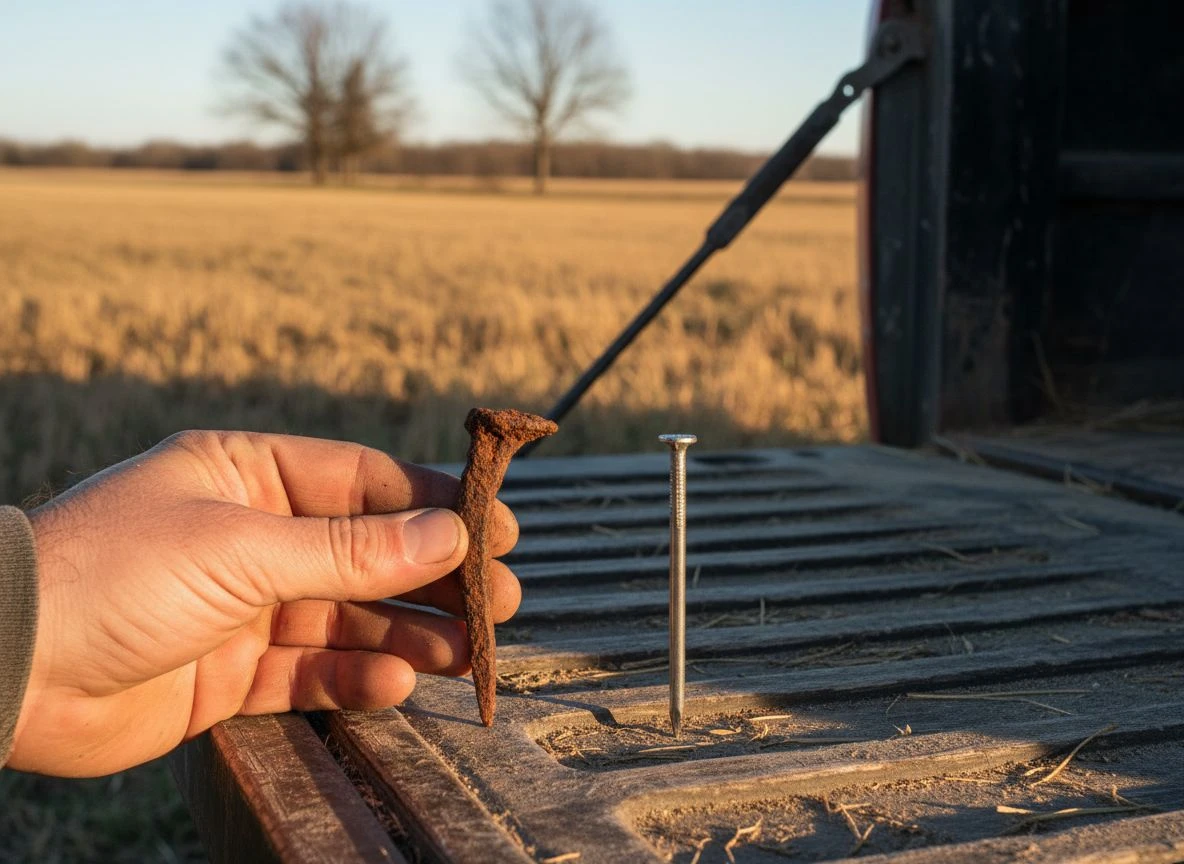
Let’s get our terms straight. My buddy Tom and I argued about this for an hour. We drank bad coffee. In our world, “halo effect” usually means a false signal. Rust spreading from a target makes it read bigger. But that’s only one piece. If you’re only thinking about metal, you’re missing 2/3 of the story. The term is used in three different scientific contexts. Understanding all of them can lead you to better sites.
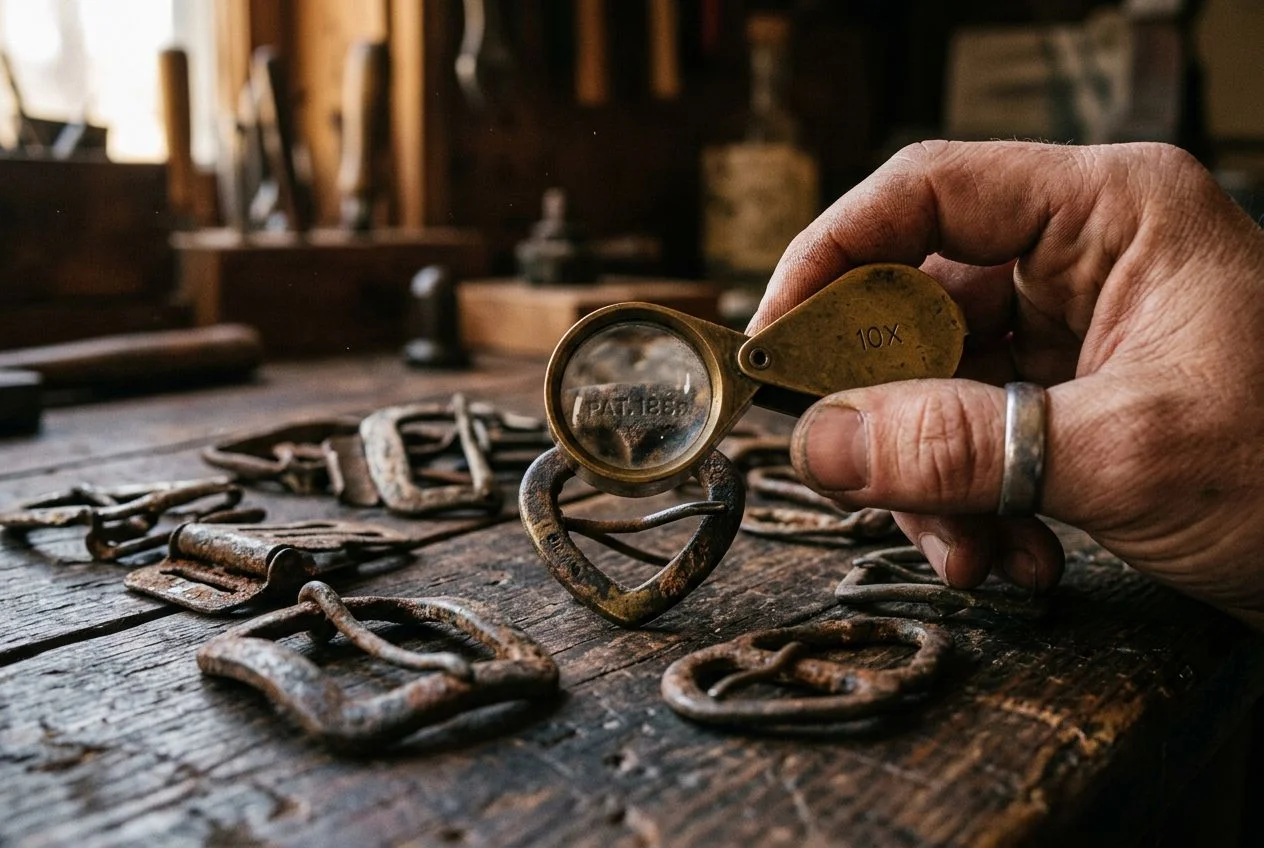
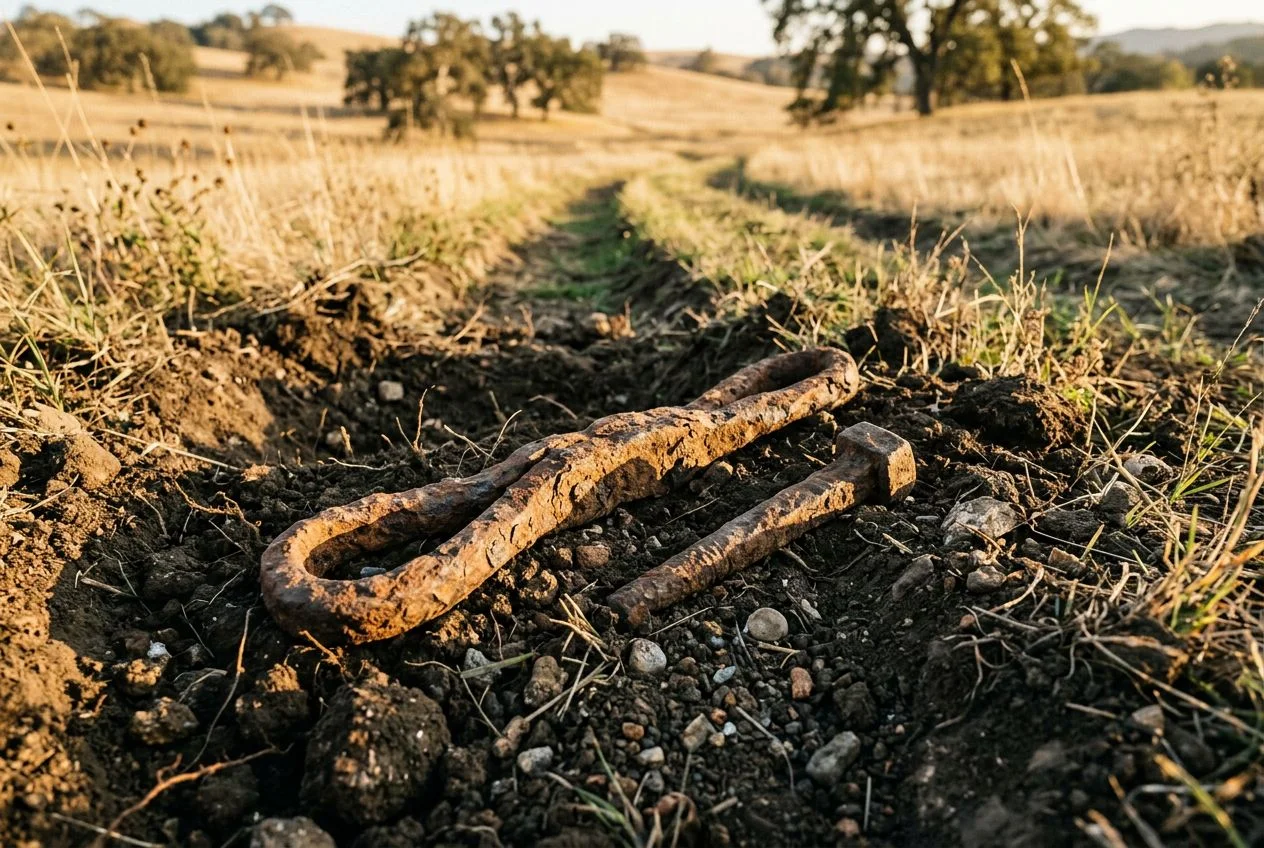
First, the one we know: The Metal Oxidation Halo. This is our daily reality. A rusty nail or corroded button leaches minerals into the soil. It creates a conductive shell. That shell tricks your machine. The target seems larger. It gives a smoother, higher VDI. The signal often vanishes once you dig it up. You break that halo. It’s why a tiny piece of iron can scream “silver dollar.”
Second, the Agricultural Chemical Halo. I found this one digging into soil science. Researchers like those at Iowa State use “halo effect” differently. They describe plant injury from seed treatments. A study on soybean seedlings showed a fungicide could cause a yellow “halo” on leaves. Why does this matter? It proves chemicals move in soil. They create a visible zone around a source. It’s a fingerprint of something interacting with the earth. It’s not just sitting in it.
Third, the Ecological “Yield Halo.” This one blew my mind. Labs like The ABC Lab study “messy” natural areas at field edges. These areas can boost crop yields for dozens of meters into the field. That’s a beneficial “halo.” It’s about soil biology, moisture, and bug life spilling over. For us, it’s a blueprint. Areas of past human activity create long-term soil changes. Think old homesteads, barns, or gathering spots. The land remembers.
So, we have three halos. A rust halo (metal). A chemical halo (activity). A biological halo (history). One tricks your machine. The other two can guide you to where the good targets are buried.
How Rust Creates False Metal Detector Signals
The classic halo effect is a simple chemistry problem. It has a deceptive result. When iron or certain metals corrode, they don’t just turn orange. They leach conductive minerals into the surrounding soil. Minerals like iron oxides. This creates a conductive “shell.” That shell is often larger than the original object. Your machine reads this entire shell as the target.
The Science Behind a Rust Halo
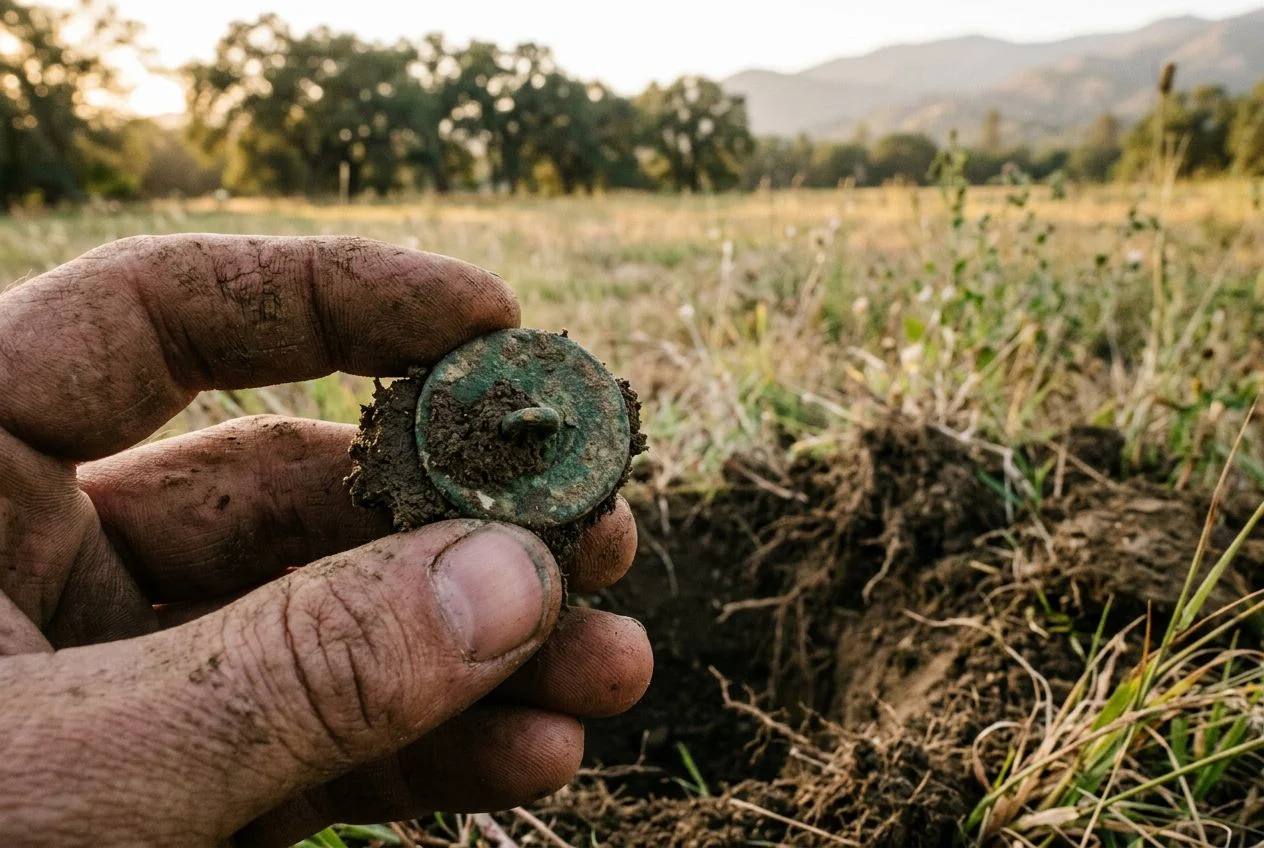
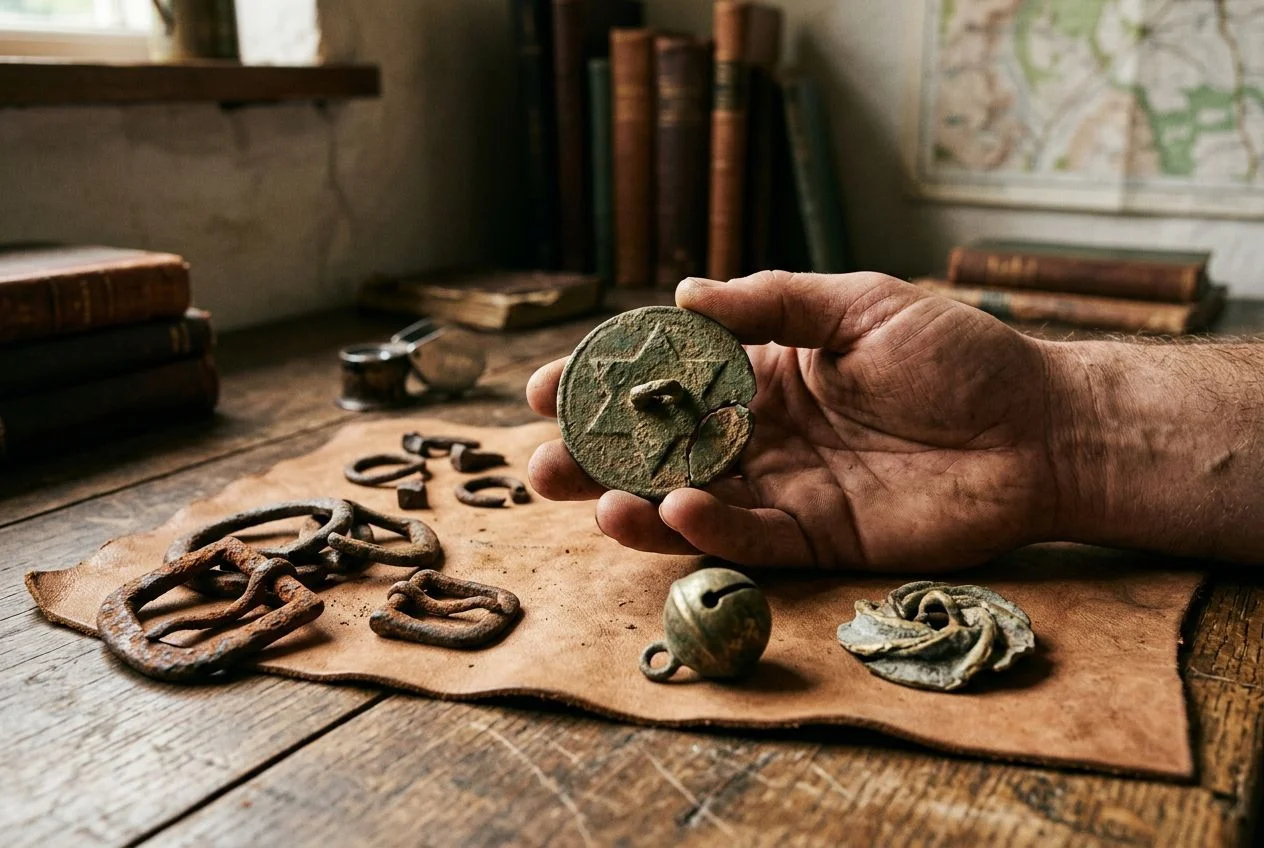
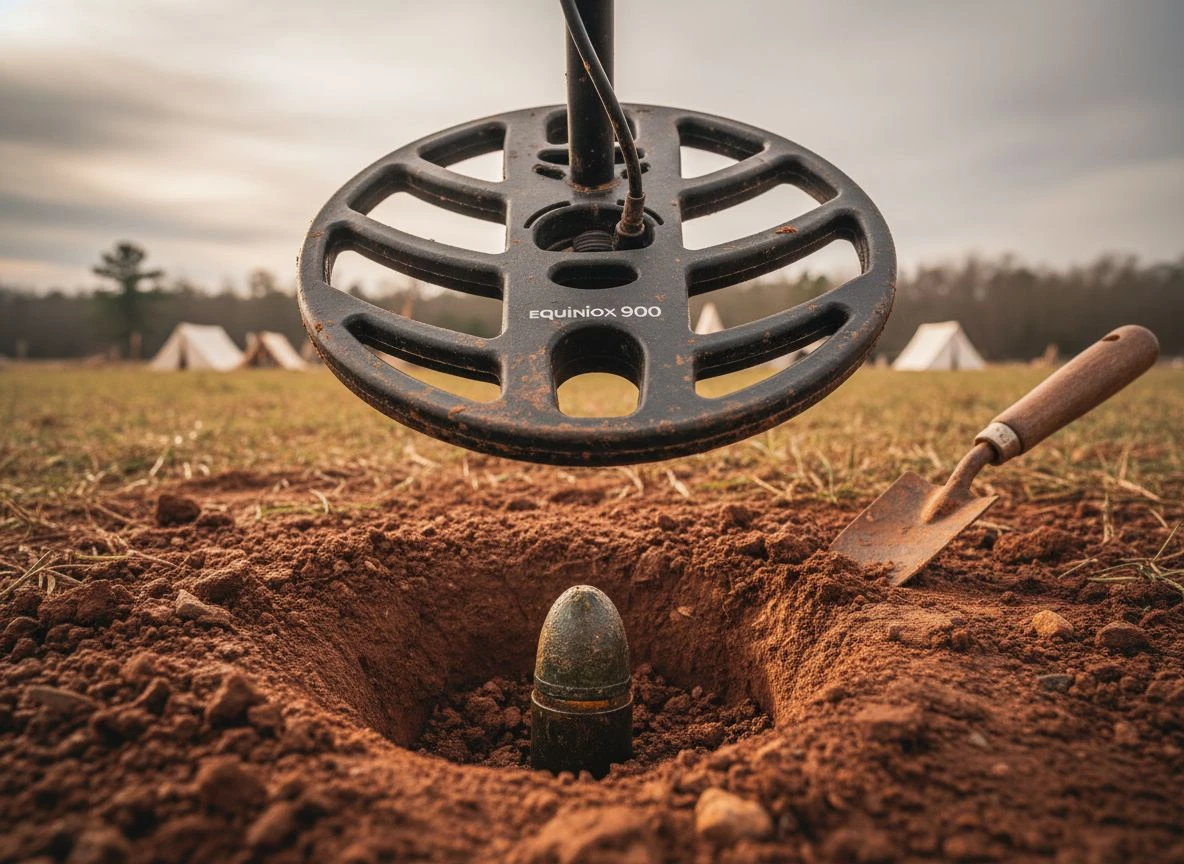
I saw this clearly a few years back. I was near a Civil War camp in Virginia. My Equinox 900 gave a booming, high-toned 78-82 VDI. It felt like a large button or a big copper. What I dug out of the red clay was a .58 caliber three-ring Minie ball. It was encased in a thick crust of corrosion. It rang like a dinner bell. Later, a club buddy let me scan an identical bullet. It was pristine from his display case. That clean lead? A faint whisper in the high 30s. The rust was doing 80% of the talking.
This oxidation is an electrochemical reaction. It needs moisture and an electrolyte. That means dissolved salts in the soil. The target acts like a tiny battery. The ions it sheds create that conductive halo. This can happen around non-ferrous metals like copper, too. It’s not just “rust.” It’s a broader category of corrosion byproducts.
Why Your Detector Shows the Wrong VDI Number
Your detector isn’t broken. It’s faithfully reporting the conductive mass it sees. That “large silver dollar” VDI from a rusty nail is accurate. It’s accurate for the nail plus its mineral halo. The lie isn’t in the signal. It’s in our interpretation. We assume the signal is one solid object.
The magic happens when you dig. You break the soil. You disrupt the conductive shell. You remove the source. Rescan the hole. The beautiful signal is gone. You’ve destroyed the phenomenon you were detecting. This is the hallmark of a strong oxidation halo.
Critically, this process is not uniform. The size and strength of that halo depend entirely on the stage. That’s your local soil. Your dirt’s chemistry directs the whole play. Think pH, moisture, and mineral content. A nail in wet, acidic clay builds a massive halo quickly. That same nail in dry, alkaline beach sand might only form a faint whisper over decades. This variability is key. Understanding your halo effect soil types is the key. It tells you what your machine is really saying.
How Soil Types Change Detector Signals and Create Halo Effects
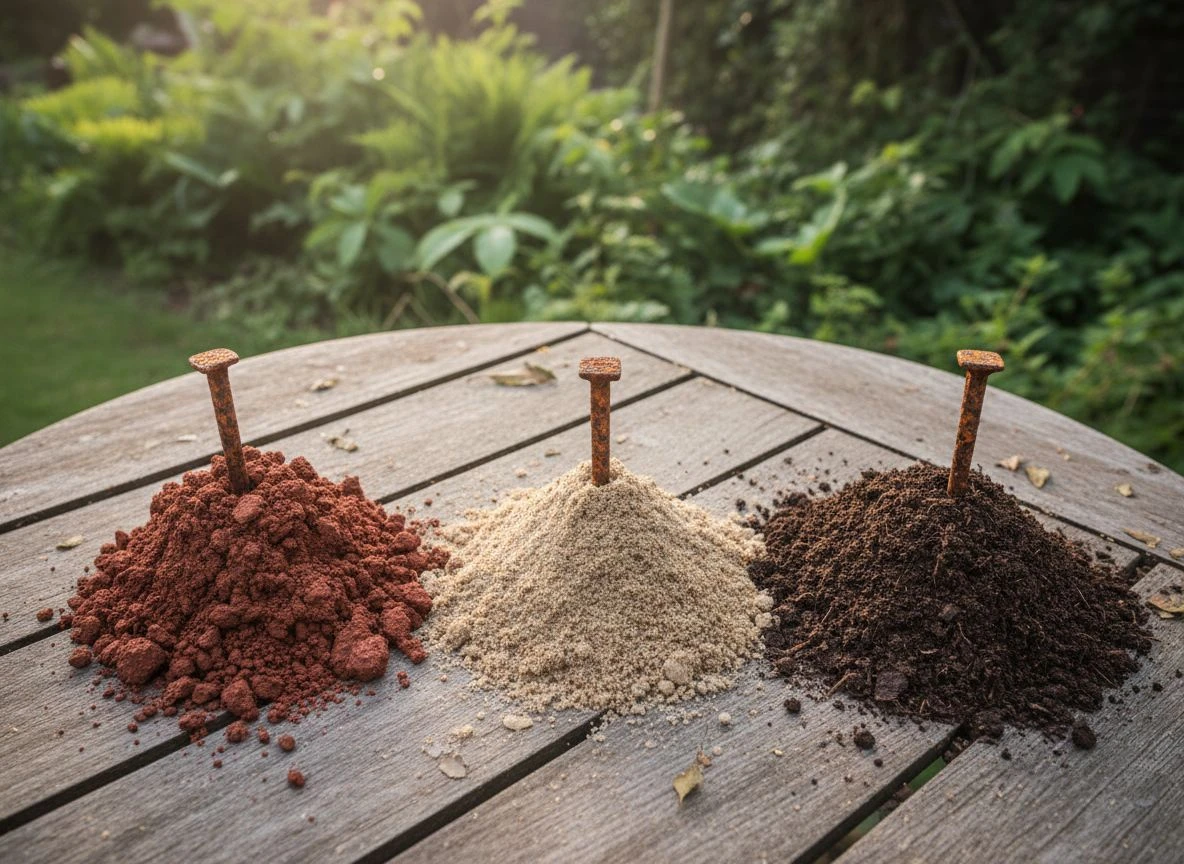
Think of your soil as the active stage director of the halo effect. It controls the speed, size, and volume. Here’s the scene. You get a faint, broken signal in dry beach sand. Two days later, in wet riverbank clay, that same object screams with a solid hit. Why? The soil’s texture dictates everything. Its balance of sand, silt, and clay controls how a halo forms and signals.
How Clay Soil Amplifies Signals and Halos
Clay soil is the overbearing director. It won’t let anyone leave. Its tiny, plate-like particles have a massive surface area. They have a high Cation Exchange Capacity (CEC). That’s a chemistry term. It means clay is a sponge for holding onto ions and water. This is the critical trait.
When a target corrodes here, the metallic ions get trapped right around it. The soil stays wet longer. This fuels the reaction. The result is a dense, conductive halo. It forms slowly. But it is incredibly potent and stable. Your machine reads this thick, ion-rich shell perfectly. It gives you a louder, more consistent signal. The downside? That same water retention can mask deeper targets. It can cause general ground mineralization. If an area is too wet and airless, corrosion might barely happen. Clay is like sticky paste. It holds the halo close. It amplifies its voice. It’s a primary halo effect soil type. It creates strong deception.
Why Sand Makes Signals and Halos Disappear Faster
Sand is the opposite: a laissez-faire director. Its large particles create big pores. Water and dissolved ions drain away fast. Sand has a very low CEC. It can’t hold onto nutrients or ions. This is why nutrients leach straight through sandy soils. An ICL article on fertilizer notes this.
For a halo, this means a fast-forming but fleeting effect. In damp sand, a halo can establish quickly. Think of a wet beach. But let that spot dry out. Or have one good rain. The ions flush away. The halo collapses. Your signal becomes faint, broken, or disappears. Finds in sand often signal “truer” to their actual size. The halo is weak or transient. It’s a quick, bright performance. It doesn’t stick around.
Finding the Perfect Soil with Loam for Stable Halos
Loam is the balanced, genius director. It’s a mix of sand, silt, and clay. It offers the drainage of sand. It has the nutrient-holding capacity of clay. This balance creates ideal halo conditions. There’s enough moisture and CEC to foster strong corrosion. There’s also enough porosity. It lets oxygen reach the target.
In my experience, loamy soils produce the most reliable halos. The signals are strong and stable. They are not as amplified as in heavy clay. You get a better shot at accurate target ID. The halo develops well. But it isn’t locked in place forever. Hunting loam feels clear. Your machine is communicating with clarity. It’s not shouting through a fog. It’s not whispering in a windstorm. You get signal stability you can actually trust. It’s the most predictable of the halo effect soil types.
How to Test the Halo Effect Yourself
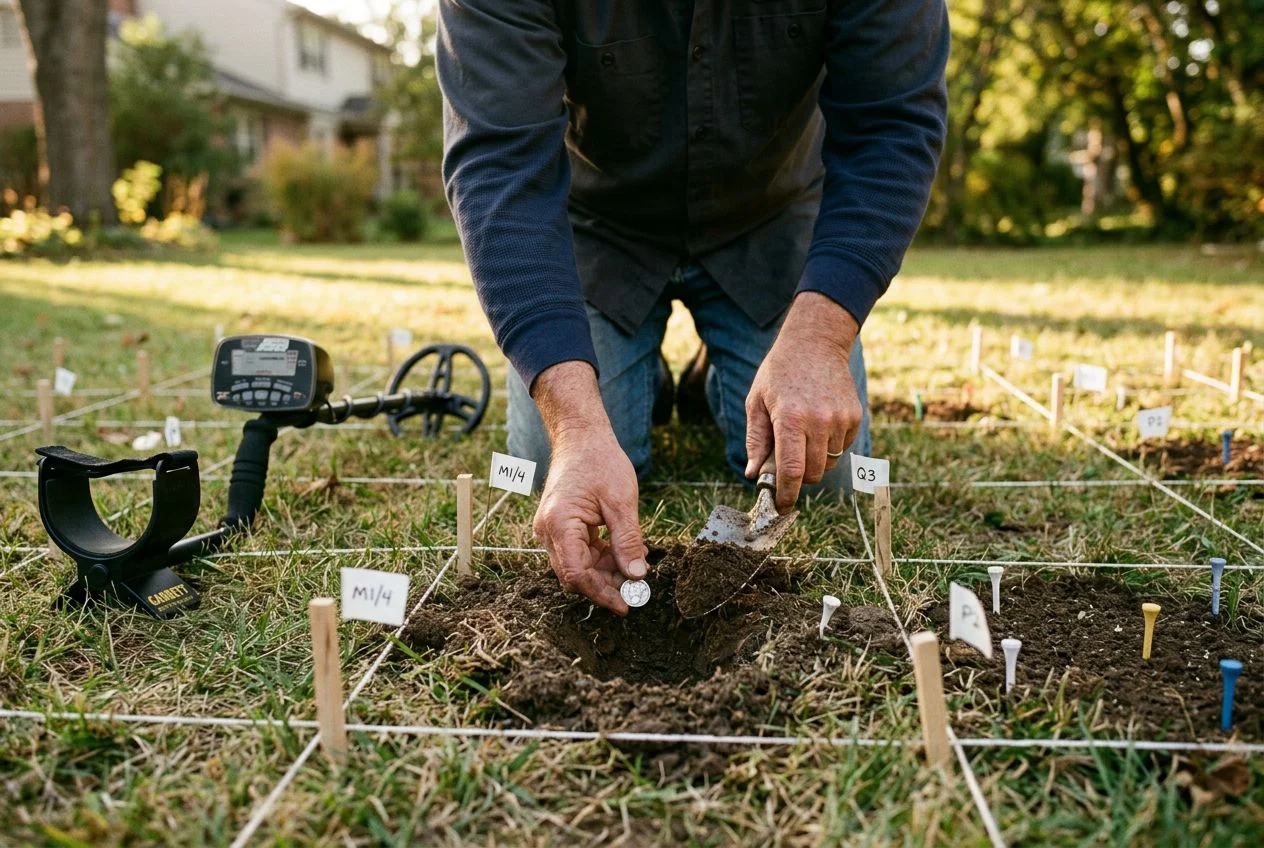
Let’s stop talking and start doing. Here’s how to set up the ultimate halo effect test hunt. The goal is to create three identical, controlled plots. Use clay, sand, and loam. We’ll measure how the same targets age and signal over time. We’re inspired by meticulous plot work. A study like the Aspergillus biocontrol study shows the method. We’re bringing real science to the field.
Finding the Right Test Targets
You need two sets of targets. Use modern replicas and genuine relics. For the modern set, get identical new iron nails. Get identical brass or copper pennies. Post-1982 zinc pennies work, but solid copper is better. These are your “time zero” controls. For the relic set, hit a local “junk” site. Dig up heavily corroded square nails and crusty old coppers. The key is matched pairs. You need a clean item and its corroded twin. This tests a fresh halo against a mature one.
Setting Up Different Soil Test Beds
Find three distinct, clean sites. They should typify each soil. A riverbank for clay (it’ll stick). A freshwater beach for sand. A healthy garden for loam. Mark a one-meter square plot at each spot. This small size is manageable. It gives room to space out targets.
The Right Way to Bury Test Targets
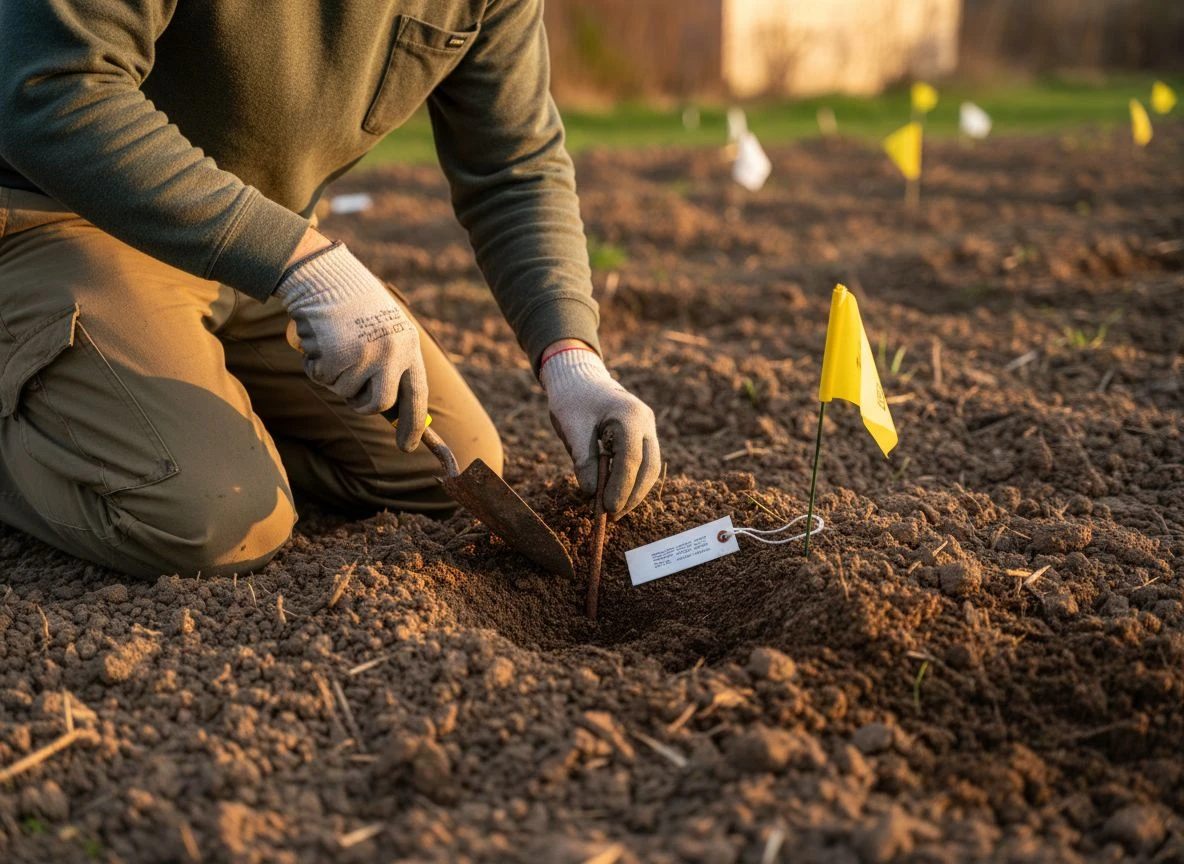
Consistency is everything. At each plot, bury your target pairs at the same depth. Try 6 inches. Use a hand trowel. Lay the target flat. Crucially, note the exact orientation. Write “nail, head pointing north” on a waterproof tag. Bury the tag an inch above the target. This lets you find it later without guesswork. It ensures your coil passes over it the same way each time. Fill the hole with native soil. Tamp it gently. Mark the surface with a discreet, non-metallic flag.
When to Check Your Buried Targets
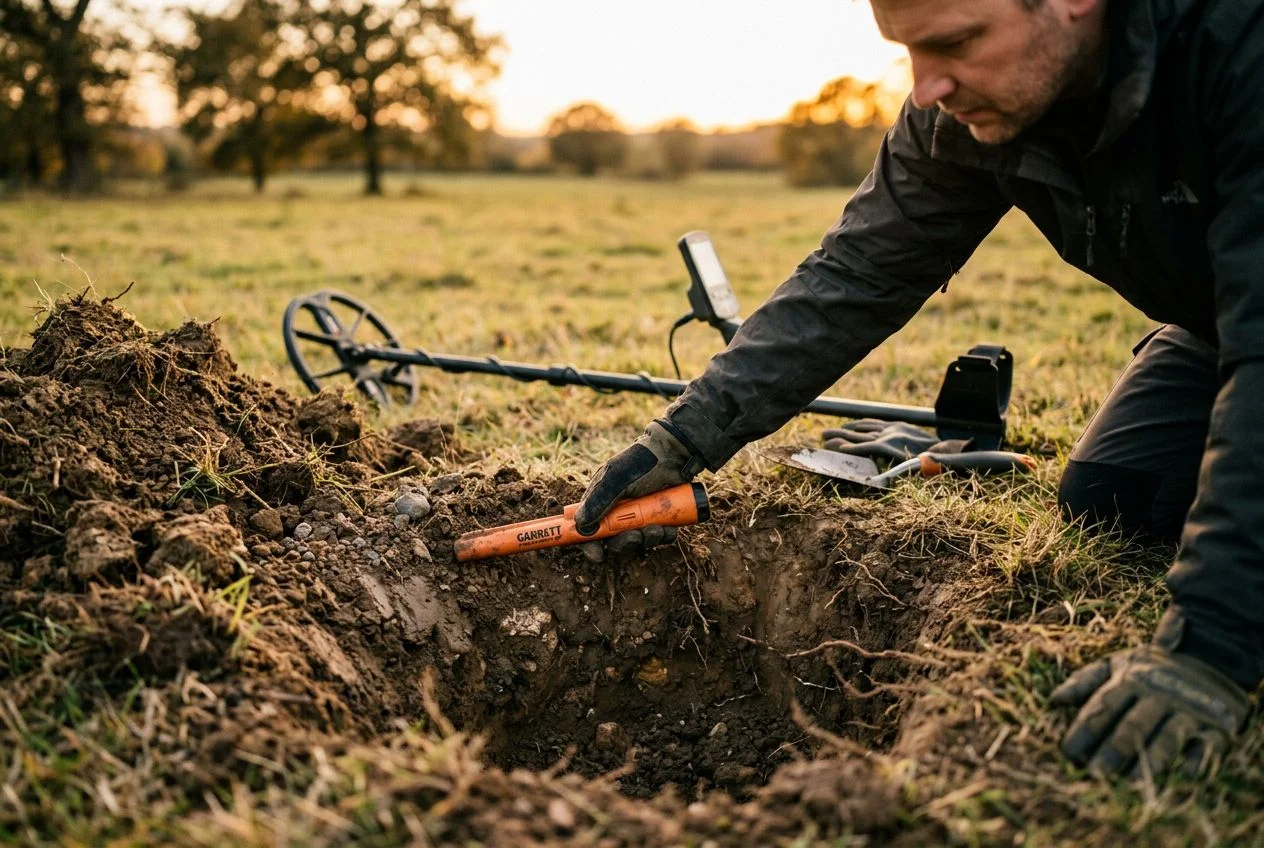
The waiting game begins. Test each plot at 1 week, 1 month, and 3 months. At each interval, visit all three stations. Use the same detector and settings. I’d use my Equinox 900 in Park 1, zero discrimination. Sweep over each marked target. Record the VDI number and signal strength. Does the new nail in sand whisper a higher tone after rain? Does the rusty nail in clay scream unchanging? This is where the story reveals itself.
The hardest part is patience. (My buddy Tom tried this. He dug up his “one-month” sand targets after three days. Some of us are eager.) But let time and soil chemistry work. You’ll generate your own priceless data. You’ll finally see your own meter readings. You’ll see how your local dirt directs the show. You’ll see the true impact of halo effect soil types.
What a Real Halo Effect Test Would Reveal
Based on soil science, here’s what I predict we’d find after a year. Bookmark this and prove me right. Clay builds the strongest, most deceptive halos. Sand is frustratingly inconsistent. Loam is the goldilocks zone. This isn’t guesswork. It’s applying science to our coils. Think Cation Exchange Capacity (CEC), moisture retention, and ion mobility.
My field journal predictions:
| Soil Type | Predicted Halo Strength | Predicted Speed of Formation | Implication for Your Hunt |
|---|---|---|---|
| Clay | Very Strong | Slow to Moderate | Biggest signal boost, greatest “lie.” That high CEC and moisture traps corrosion ions. Expect a dense halo that makes tiny targets scream. The signal is loud and stable, but you’ll dig more rust than treasure. Perfect for finding small iron relics. |
| Sand | Weak & Unstable | Fast initial, then stalls | Faint, fading, and frustrating. Water and ions drain away fast. A halo might form after a rain but vanish just as quickly. Signals are faint and broken. They depend on recent weather. Deep, older targets may stay silent. Great for finding exactly what’s there. |
| Loam | Moderate & Reliable | Steady and consistent | The most honest partner. Balanced drainage and retention allow a steady halo. Signals reliably represent target size and conductivity. Your detector’s TID will be most accurate here. The ideal soil for learning your machine’s language. |
The takeaway? Your soil type is a filter on reality. In clay, assume every great signal is smaller than it sounds. In sand, trust a faint whisper—it might be the truth. In loam, you can start to believe the screen. This is why that geological survey needed soil correction factors. The background “noise” of the soil changes everything. To find the truth, you first have to understand the stage it’s playing on. The behavior of these halo effect soil types is predictable.
Other Important Halo Effects for Detectorists
What does a soybean disease have to do with finding a 1900s picnic site? More than you think. For a detectorist, these other “halos” aren’t about false signals. They’re about finding the right field to swing in. They are pure, actionable research clues. The agricultural “yield halo” is documented by researchers. The ABC Lab shows crop productivity can increase 10 to 75 meters from a messy field edge. That’s your target zone.
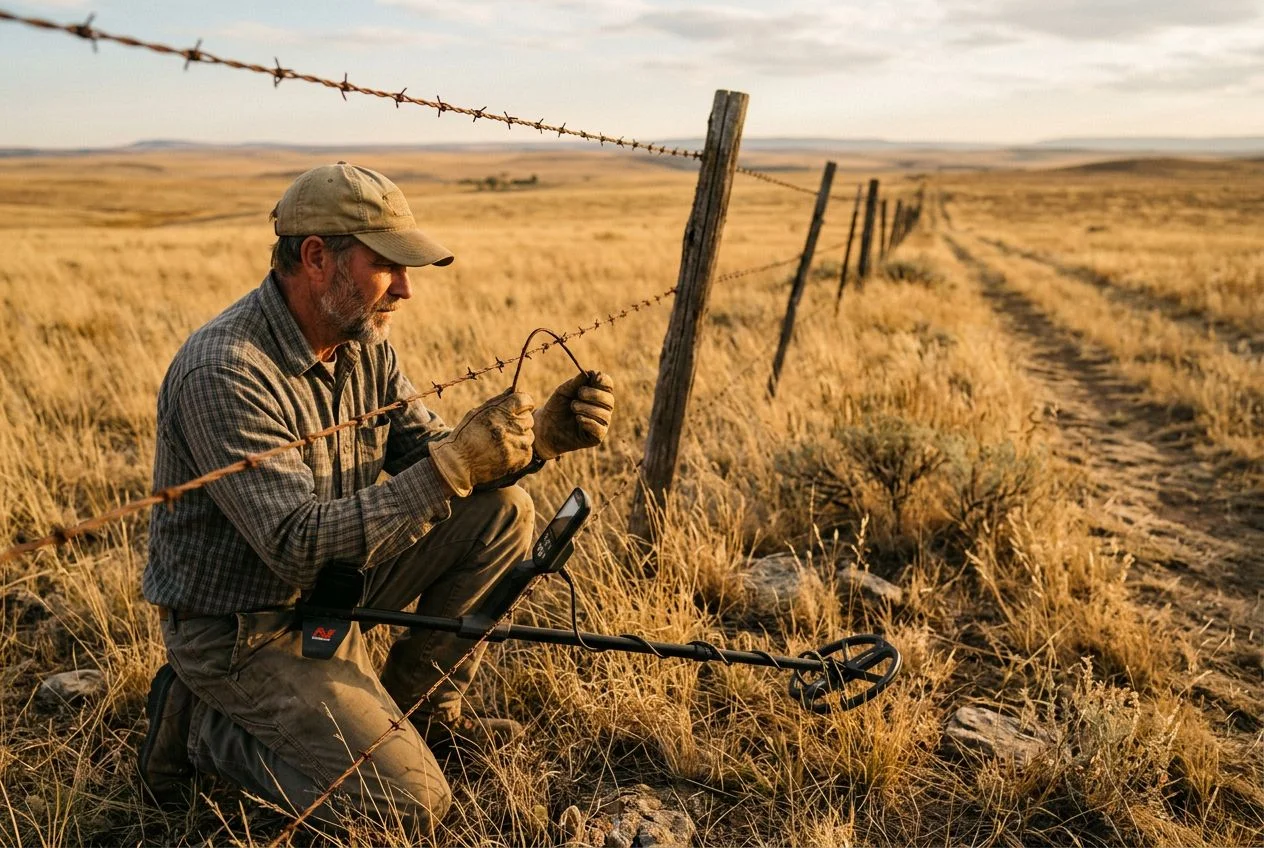
My buddy Tom is our club’s “farm field guy.” He taught me this. He doesn’t just hunt the center of an old homestead. He walks the property’s forgotten margins. Think the scrubby tree line or the old fence row. Why? Because that’s where the farmer a century ago would have paused. He’d lean on the fence. He’d pull out a pipe. He might lose a coin. The “halo” of better land use created a halo of human activity. Therefore, it created lost items.
The soybean seedling halo is the cautionary flip side. It reminds us that soil conditions directly affect interactions. How materials interact with the earth changes. If a fungicide behaves differently in clay versus sand, so does the corrosion on a brass button. One halo tells you where to look. The other reminds you why the target might sound the way it does. It’s all connected to the halo effect soil types.
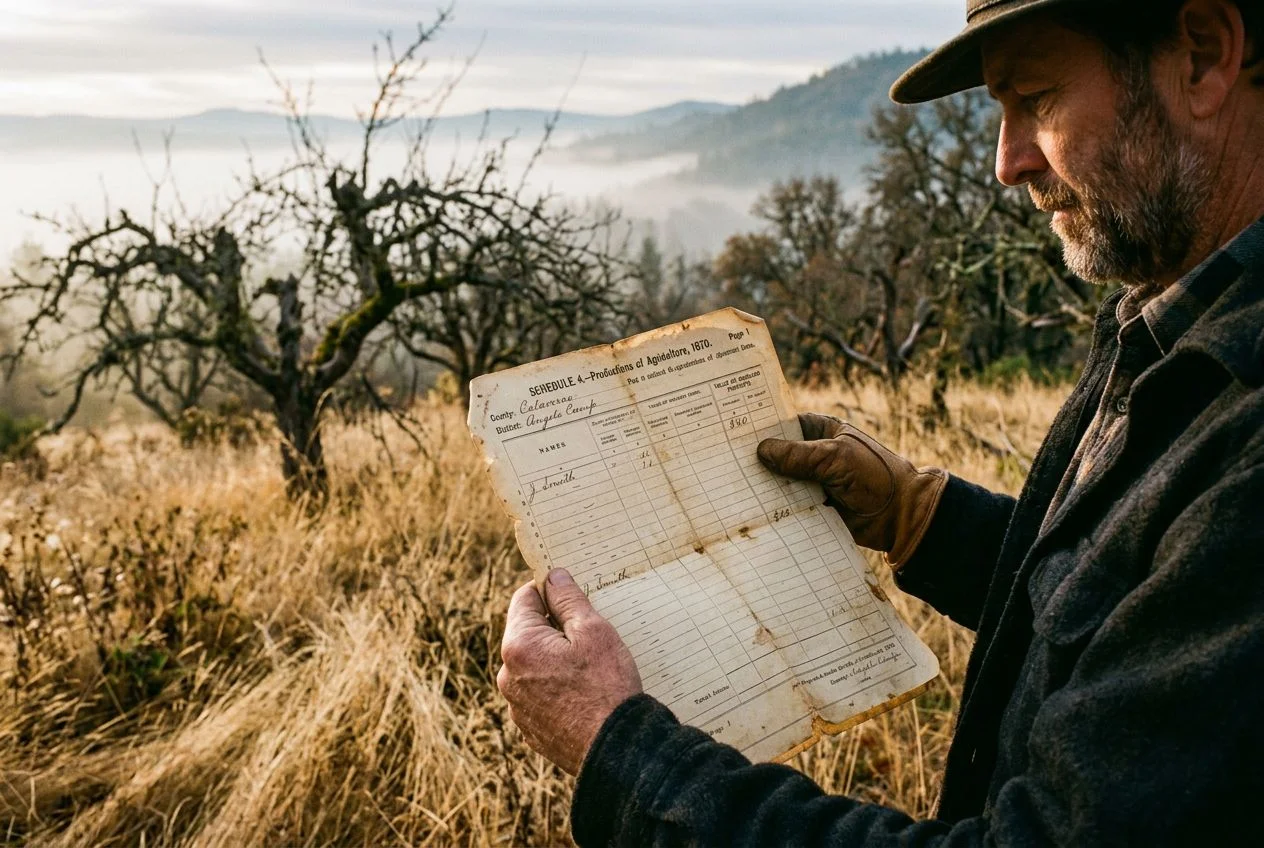
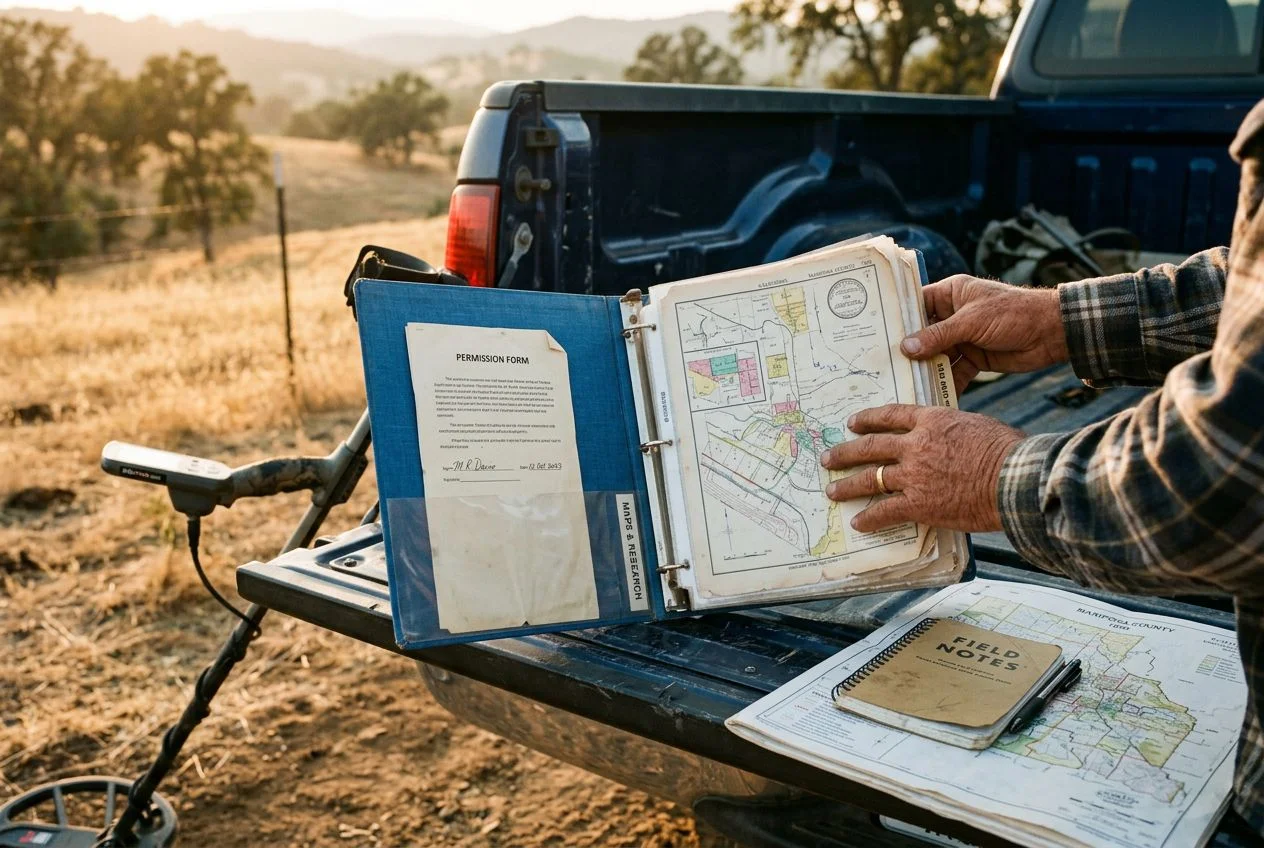
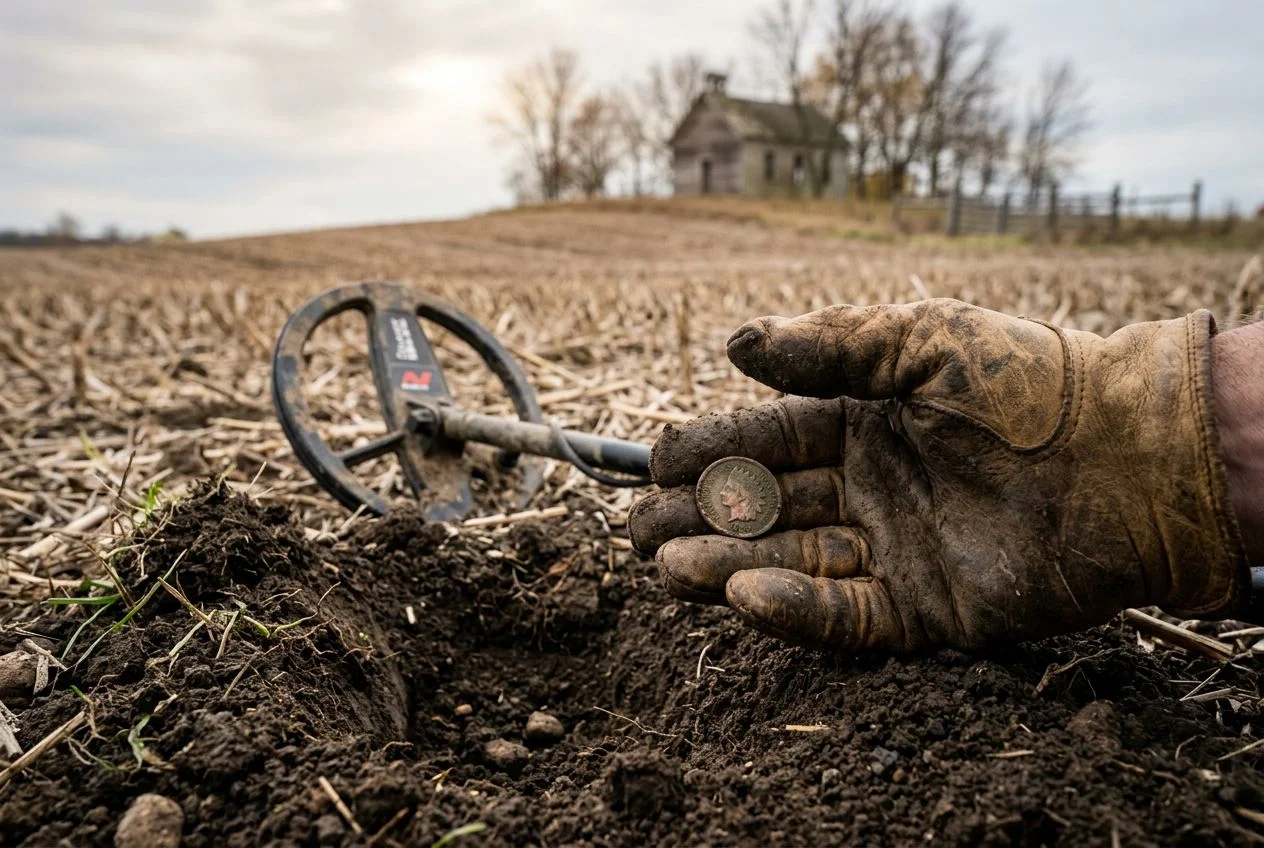
So when I’m researching a site, I look for that “messy margin” on old maps. Where did the cultivated edge meet the wild? That transition zone is a productivity halo on an ag report. To me, it’s a drop zone. It’s where I found my 1902 Barber dime. It was at the overgrown corner of a gone orchard. The land was better there, so people spent time there. And where people spent time, they lost things. Your best research sometimes comes from a soil science paper. It’s not from a treasure magazine.
Make a Halo Effect Strategy for Your Soil
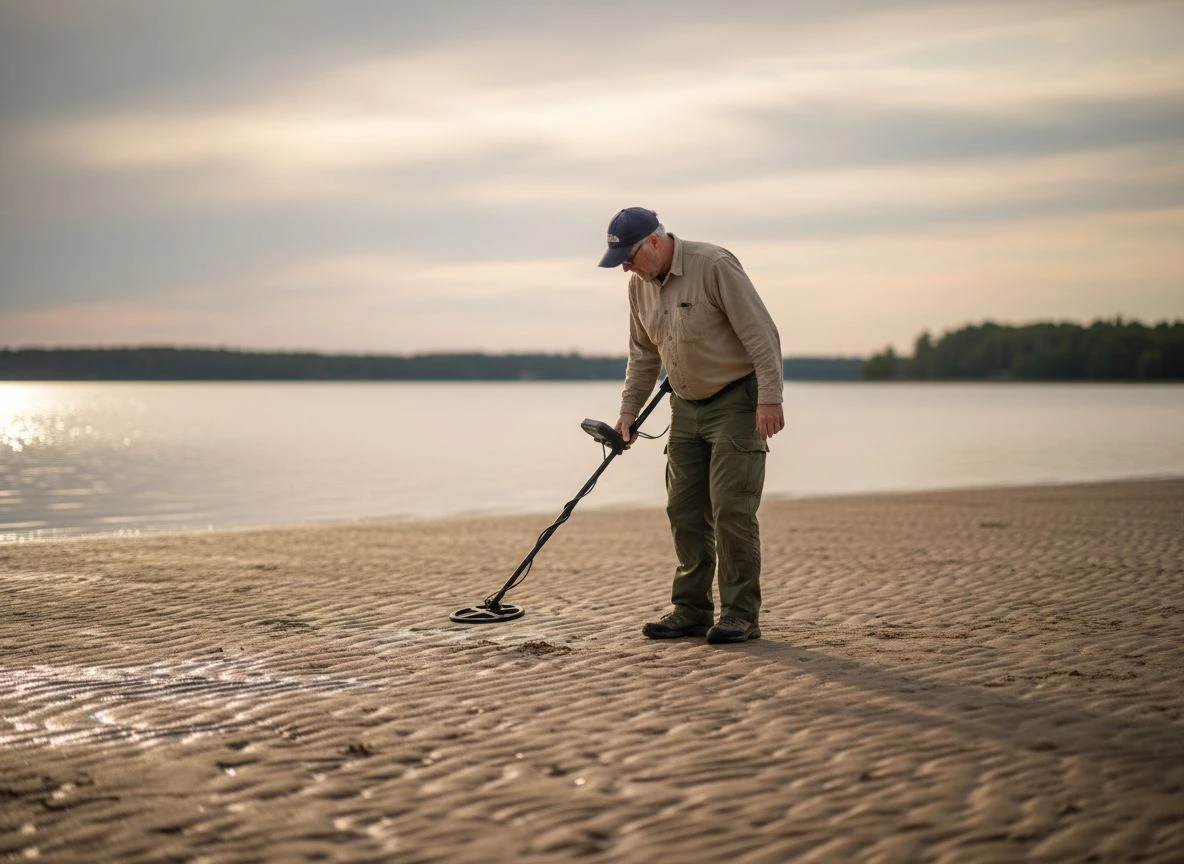
Knowing how soil creates the halo effect is academic. Knowing how to hunt because of it fills your pouch. Your strategy must change with the ground under your boots. This isn’t a minor tweak. It’s the difference between walking over deep silver and finally hearing it.
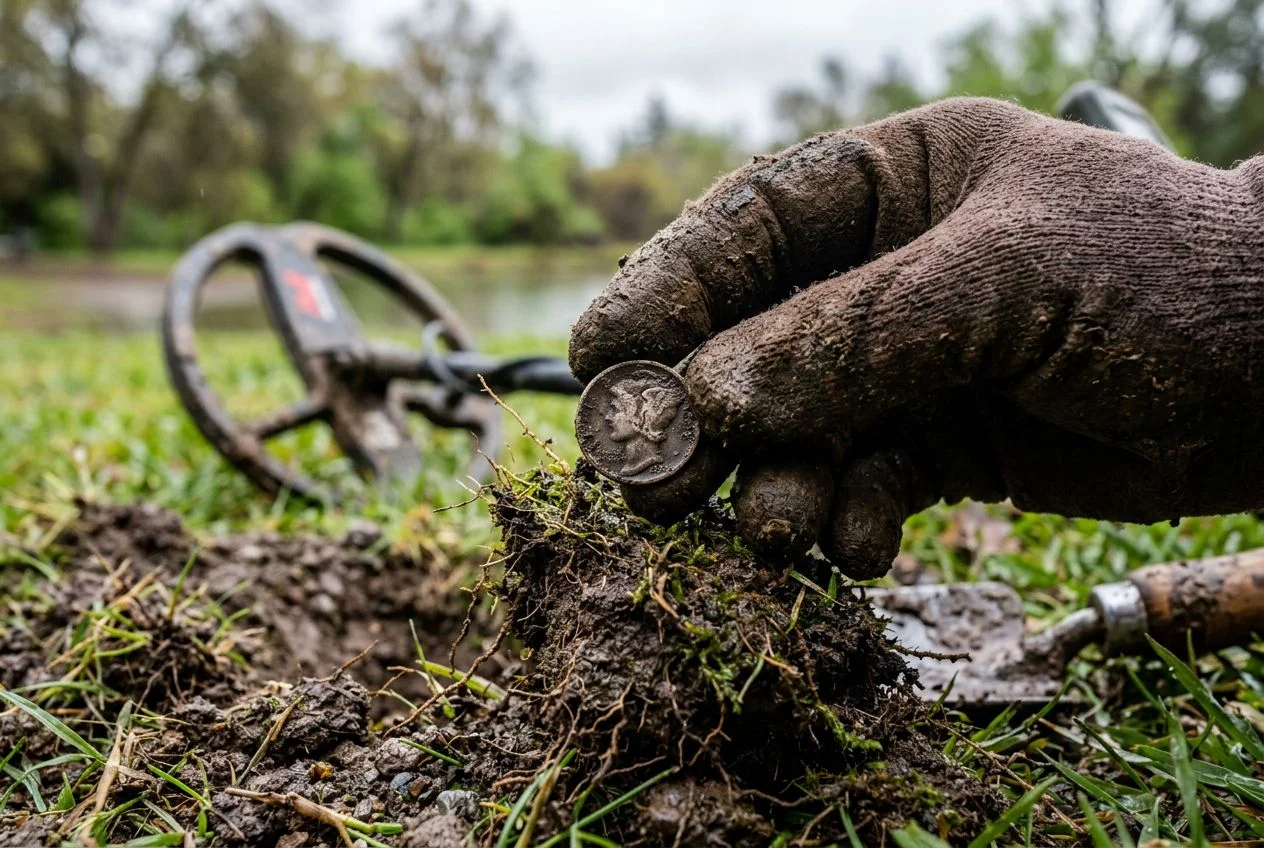
I learned this the hard way at a sand-based park. I’d written it off as “hunted out.” Every signal was a chattery mess. After a heavy rain, I went back with a new plan. I dropped my sensitivity two notches. I slowed my sweep to a crawl. On a slope, I got a whisper. Just a 78-79 VDI that came and went. In sand, that’s your cue. I dug down nine inches. I pulled out a crusty 1944 Mercury dime. The halo had mostly drained away. It left the true, deep target whispering. My machine had been shouting about the false halos of shallow trash all along.
Here’s how to build your own soil-specific playbook.
Best Practices for Hunting in Clay Soil
Clay builds the biggest, most conductive halos. Your machine will lie with confidence.
- Strategy: Dig the faint, iffy signals. That high tone for a “quarter” might be a tiny brass button. That faint chirp could be a deep coin. It could be masked by its own huge halo. You will dig more iron. But you’ll also rescue deep relics others miss.
- Settings Tip: Run higher sensitivity. This helps you hear those deep, halo-inflated whispers. Use slower, overlapping sweeps. A smaller coil can help. It isolates targets from the conductivity soup.
Tips for Metal Detecting in Sandy Soil
Sand is a leaky bucket. Halos form when wet but vanish fast.
- Strategy: Speed is your friend. When you get a decent, repeatable signal, dig it now. Don’t assume it’ll be there tomorrow. Trust your first VDI number. It’s closer to the truth. Be ruthless with discrimination.
- Settings Tip: Lower your sensitivity. This was my breakthrough. Reducing gain cuts through the chatter. It stops unstable halos around shallow trash. It lets deeper, stable targets speak. Use a faster recovery speed.
How to Hunt Successfully in Loam Soil
Loam is your detector’s truth-teller. Halos develop steadily.
- Strategy: This is where you learn your machine’s real language. The VDI is accurate. The tone is honest. If you get a jumpy signal here, it’s likely multiple targets. Or it’s odd-shaped iron. It’s not soil deception.
- Settings Tip: You can run your machine hot. High sensitivity gives great depth. It doesn’t cause as much false chatter. This is the perfect environment. Test new modes or fine-tune discrimination here. What you learn here translates everywhere.
FAQs on Soil and the Halo Effect
Think of the halo effect as your soil’s personality. Clay is a dramatic storyteller. Sand is a minimalist. Your job is to learn the dialect.
Will I find more halos in loam since it’s “ideal” soil? Paradoxically, you might notice them less. Loam’s balance allows for corrosion. But it doesn’t create extreme, misleading shells. A target’s signal in loam is often more “honest” to its actual size. When I hunt a loamy pasture, I trust my VDI numbers more. I trust them more than in heavy clay.
Does this mean I’ve been walking over deep coins because of halos? Possibly, but not how you might think. The main risk isn’t the halo itself. It’s how you react. In sand, a deep coin’s faint signal can be dismissed as chatter. Its halo drained. In clay, a halo can make deep iron sound so good. You dig it. You waste time. You miss a fainter, real target nearby. It’s about misinterpretation.
How do I know what soil type I’m actually hunting in? The free “ribbon test” is your best friend. Grab a moist handful of soil. Try to roll it into a long, flexible ribbon. If you can, it’s clay-rich. If it falls apart immediately and feels gritty, it’s sandy. If it holds a short ribbon before breaking, it’s loam. It should feel crumbly yet smooth. Do this when you first get to a site. It takes 30 seconds. It dictates your whole strategy. It identifies your halo effect soil type.
Is the agricultural “yield halo” from earlier just a metaphor, or a real clue? It’s a literal, physical clue. That 10- to 75-meter zone of better productivity is real. It’s near a field’s old edge. That’s a zone of slightly better soil. It had more human foot traffic over a century. My 1902 Barber dime came from exactly that transition. It’s not a metaphor; it’s a map.
***
Still confused? Drop your soil type in the comments, and I’ll give you a specific tip.
Mastering the Halo Effect for Better Finds
Your soil type isn’t just the stage. It’s the director, scriptwriter, and special effects crew for every signal. In clay, it builds a big, deceptive halo. That halo lies with confidence. In sand, it lets that halo drain away. It leaves a faint whisper. In loam, it plays it straight. It gives you a fighting chance. Knowing this isn’t academic. It’s the difference between walking over a deep coin and finally hearing it.
It brings me back to that opening hunt. I was sweating over a perfect “silver dollar” signal. It vanished. That was heavy clay, doing what it does best. I walked away frustrated. Now, I’d recognize the soil’s signature in that false signal. I’d slow down. I’d dig the iffy tones. I’d know exactly why my machine was tricking me.
So here’s your ground truth: Research beats expensive gear. Understanding the halo effect soil types in your local dirt is powerful. It’s one of the most powerful, free pieces of research you can do. It starts by looking down. Do the ribbon test. Choose your strategy before you even turn your machine on.
Your Turn: Go test it. Hit a spot with known soil. Listen, and dig to confirm the story your dirt is telling. Then, I want to hear it. Head over to the Detector For Metal community. Tell me: what’s the biggest lie or the quietest truth your soil has ever told you?

My name is Paul and I am the founder of Detector For Metal, a dedicated resource for metal detecting enthusiasts seeking to uncover historical treasures and connect with the past using the latest technology. As a stay-at-home dad and family man, I’ve found metal detecting to be the perfect hobby that combines family adventure with historical learnings for the whole family.
As a father, I’m deeply committed to passing on this hobby to the next generation of detectorists, starting with my own children. I share advice on everything from metal detecting with kids to exploring the top 10 metal detecting sites you never thought about. My methodical approach to the hobby goes beyond the thrill of discovery—it’s about creating family traditions while preserving history and sharing the stories of those who came before us.