- The Day My Detector Found Something From Mars
- Why Metal Detectors Find Meteorites: The Science Behind Space Rock Detection 🧲🪨
- Best Metal Detector for Meteorite Hunting: VLF vs PI Equipment Guide ⚙️🔍
- How to Find Meteorites with Metal Detector: Field Techniques That Work 🎯🔬
- Common Meteorite Hunting Questions Answered 💬
- Your Meteorite Hunting Journey Starts Now 🌟
The Day My Detector Found Something From Mars
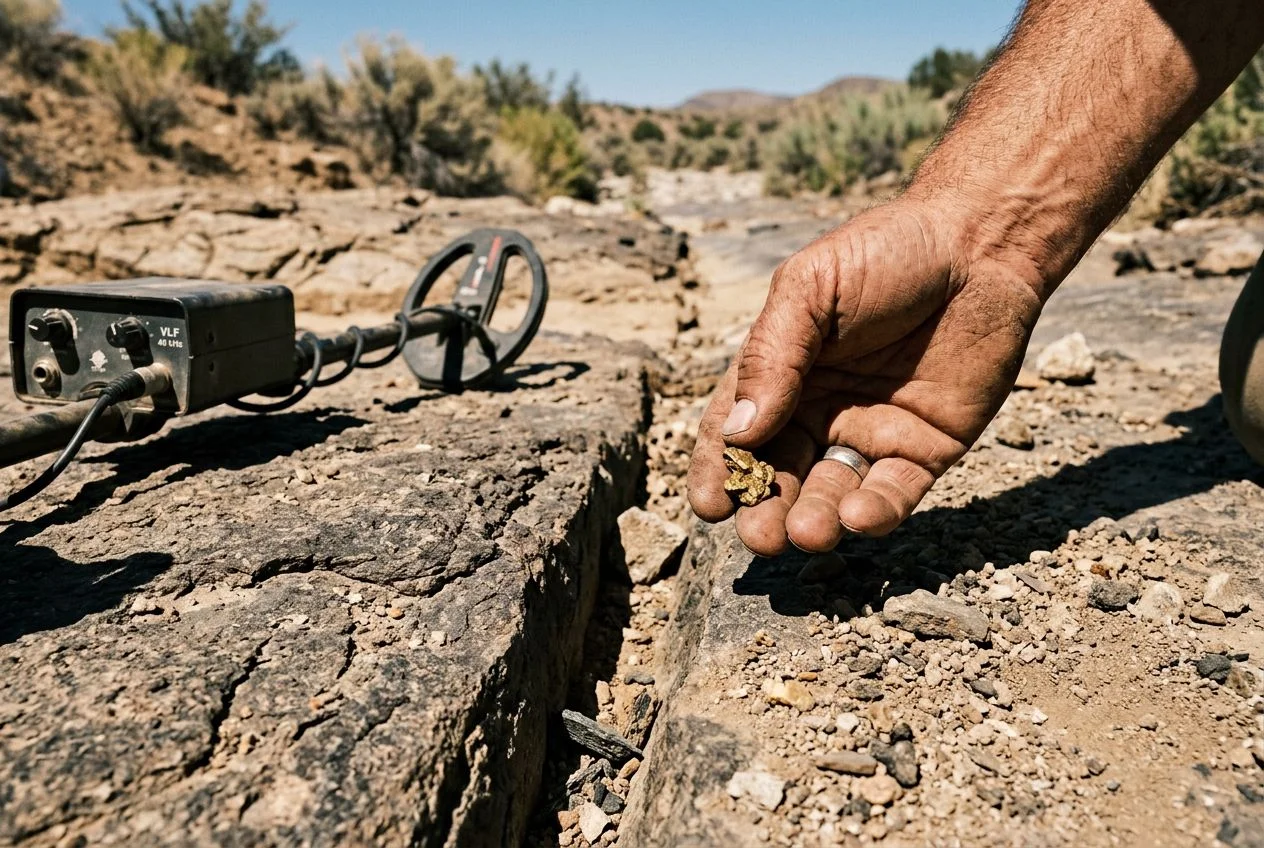
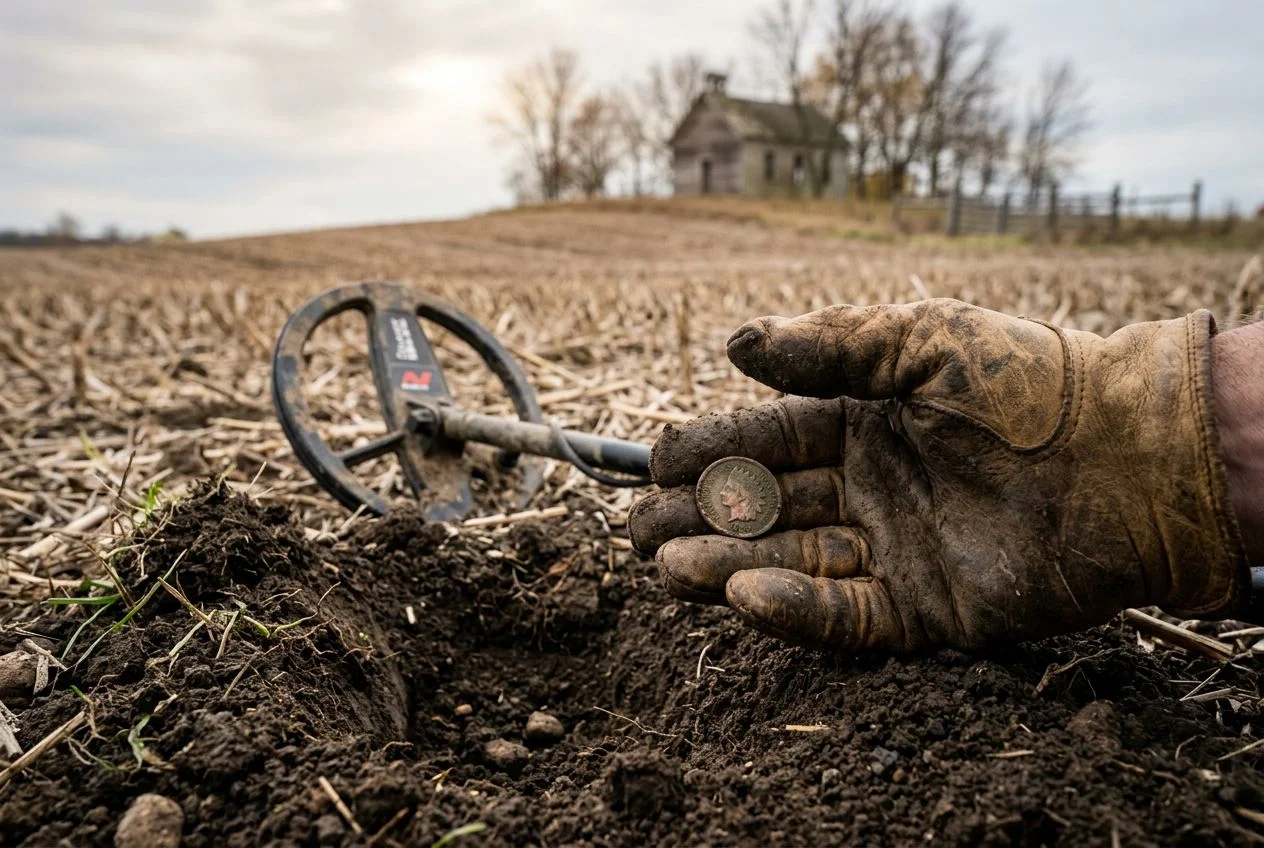
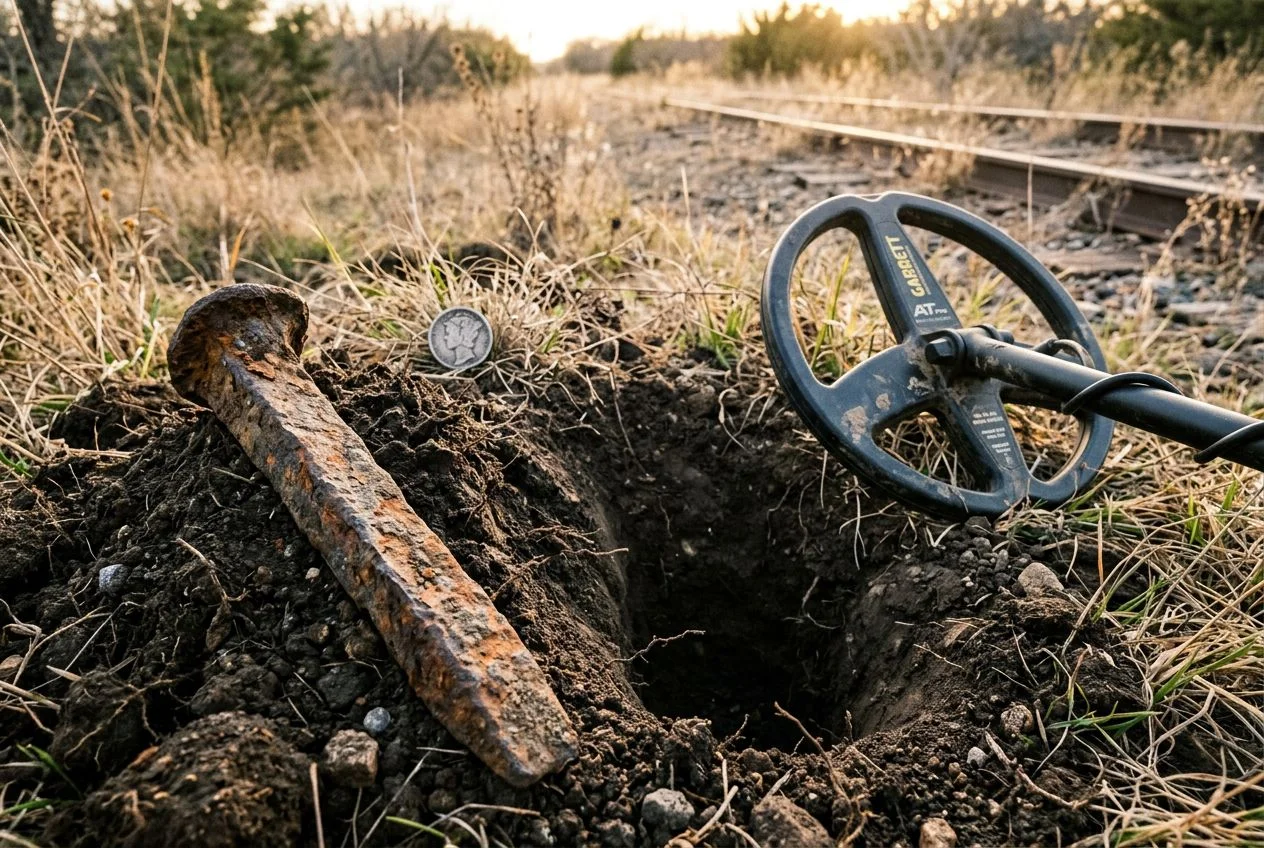
My buddy Tom thought I’d lost my mind when I started driving three hours into the desert with my metal detector. “There’s nothing out there but rocks,” he said. Six months later, I’m holding a 47-gram piece of space rock worth more than my first car. Tom now owns two detectors.
Here’s the mind-blowing part: more than 95% of meteorites contain iron-nickel metal. This means your metal detector isn’t just finding lost jewelry and old coins. It’s actually a legitimate meteorite finder capable of locating celestial rocks that traveled millions of miles through space to land in your backyard.
Can you find meteorites with metal detector? Absolutely, and the rewards are incredible. Common chondrites sell for $2 per gram. Rare Martian specimens can fetch over $1,000 per gram. Every year, approximately 17,000 meteorites larger than 50 grams hit Earth. But fewer than 10 are recovered from witnessed falls. The rest are just sitting out there in deserts and dry lakebeds, waiting for someone like you or me to find them.
I’ll level with you – meteorite collecting isn’t as simple as beach detecting. This metal detecting for space rocks guide requires understanding some actual science. You need to make smart equipment choices and know where to find meteorites with metal detector. But when you’re holding a 4.6-billion-year-old piece of an asteroid that’s worth more per ounce than gold? Every hour spent learning pays off.
Why Metal Detectors Find Meteorites: The Science Behind Space Rock Detection 🧲🪨
The magnetic properties of meteorites explained: Why space rocks respond to detectors
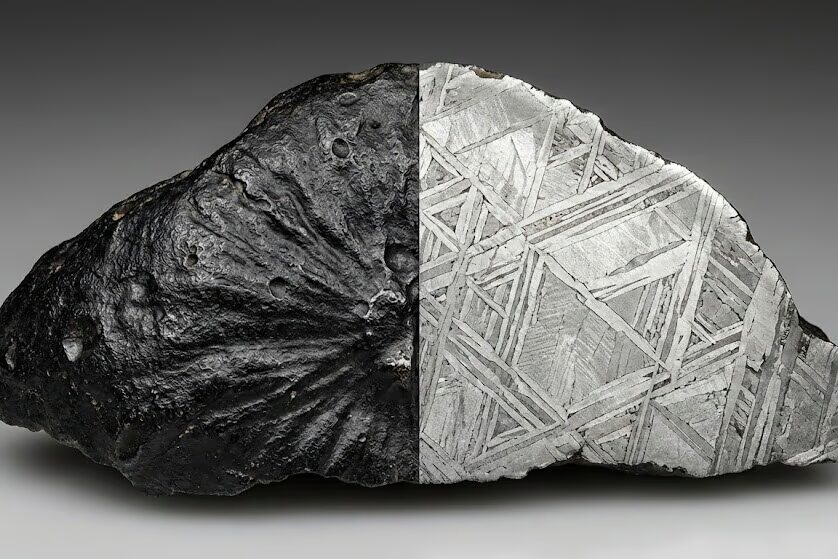
The chemistry behind meteorite detection is pretty wild. The difference between meteorite and regular rock starts at the atomic level. Meteorites contain iron-nickel alloys called kamacite and taenite. These are combinations that only exist in extraterrestrial materials. These alloys are strongly ferromagnetic. This means they respond beautifully to your detector’s electromagnetic field. This is what makes profitable meteorite hunting with metal detector actually feasible.
Here’s where it gets interesting for both the gear nerds and those doing meteorite hunting for beginners. Not all meteorites are created equal. Iron meteorites pack 70-95% iron content with 5-30% nickel. These give you those strong, unmistakable detector signals. Stony-iron pallasites come in around 50% metal. Ordinary chondrites are the most common type you’ll actually find. They contain anywhere from 3-20% metallic content depending on their classification.
The Meteoritical Society breaks meteorites into three major groups. Irons represent only about 5% of falls but dominate collections because they’re basically indestructible. You can’t miss them. Stony meteorites make up 94% of all falls. These include chondrites (containing those cool spherical structures called chondrules) and achondrites (which have been melted and differentiated). Stony-irons are the rare middle ground at just 1-2% of falls.
The real challenges of meteorite hunting (and how to overcome them)
Ground mineralization is the nemesis of meteorite hunters. This is especially true in those prime desert environments where meteorites are best preserved. “Hot rocks” containing magnetite or hematite will trigger your detector constantly. Iron-rich soils can completely mask genuine meteorite targets. I’ve spent entire mornings digging magnetite while actual space rocks sat six feet away, undetected.
VLF detectors on automatic ground balance might actually be working against you. These settings can treat small meteorites as part of the background mineralization rather than discrete targets. You’re basically filtering out exactly what you’re looking for in your meteorite search.
Then there’s weathering. Fresh falls maintain their full metallic content and produce strong signals. But specimens weathering for centuries experience oxidation that reduces iron content and magnetic response. And some scientifically valuable specimens contain little or no metal. Lunar meteorites, Martian meteorites, most achondrites. You could walk right over a moon rock and your detector wouldn’t make a sound.
Best Metal Detector for Meteorite Hunting: VLF vs PI Equipment Guide ⚙️🔍
VLF detectors for meteorite hunting: Budget-friendly space rock finders
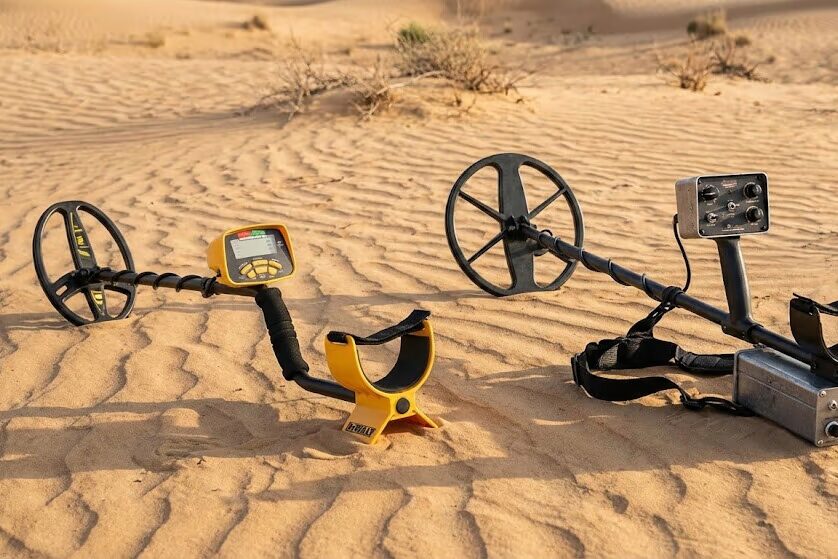
Very Low Frequency detectors transmit continuous electromagnetic waves between 3-71 kHz. They analyze phase shifts to identify targets using electromagnetic induction principles. For meteorite detection, high-frequency units operating at 40 kHz or above provide exceptional sensitivity to small iron-nickel targets.
The Fisher Gold Bug 2 has become the best metal detector for meteorite hunting in the entry-level category for good reason. It operates at 71 kHz and can detect fragments as small as a few grams. At roughly $699, it won’t devastate your budget like some equipment needed for meteorite hunting will.
VLF advantages stack up fast:
- Superior target discrimination (telling ferrous from non-ferrous metals)
- Lightweight construction under 3 pounds for all-day hunts
- Affordable pricing between $400-$1,200
- Battery life exceeding 35 hours
- Hip-mountable configurations
The downsides? VLF detectors struggle in heavily mineralized desert soils. They respond constantly to hot rocks and magnetite deposits. Detection depth is limited. Typically 6-12 inches for medium-sized meteorites in favorable conditions. If you’re hunting strewn fields in the Southwest, that ground mineralization will test your patience.
Pulse induction detectors: Deep-seeking meteorite finders for serious hunters
PI detectors operate on an entirely different principle. They transmit powerful electromagnetic pulses and measure return signal decay times. This approach provides near-immunity to ground mineralization. They essentially ignore those hot rocks that plague VLF users.
The Minelab GPX series (specifically the 5000 and 6000 models) represents the professional standard for serious meteorite hunters. These units consistently achieve detection depths of 2-4 feet for substantial meteorite specimens. This matters when hunting strewn fields where larger masses may have buried deeply over millennia.
The GPX 6000’s GeoSense-PI technology provides automatic ground tracking while maintaining sensitivity. At 4.6 pounds, it’s a significant improvement over earlier models that required harness systems. Premium PI detectors range from $3,500 to $8,000. The Minelab GPZ 7000’s Zero Voltage Transmission technology commands prices around $8,000 for maximum depth capability.
PI limitations include complete absence of reliable target discrimination. Every metallic signal must be investigated. There’s also a steeper learning curve. Shorter battery life (8-12 hours typical). And the physical demand of heavier units. Surprisingly, some extremely small meteorites may actually be detected better by high-frequency VLF units.
Comparing detectors: Which one is right for your meteorite search?
| Specification | VLF (Fisher Gold Bug 2) | PI (Minelab GPX 6000) |
|---|---|---|
| Operating Frequency | 71 kHz | Pulse Induction |
| Target Sensitivity | Excellent for small | Excellent for medium-large |
| Mineralized Ground | Poor to moderate | Excellent |
| Detection Depth | 6-12 inches typical | 2-4+ feet possible |
| Weight | 2.9 lbs | 4.6 lbs |
| Price | ~$699 | ~$5,500 |
| Battery Life | 35+ hours | 8-12 hours |
| Learning Curve | Moderate | Steep |
Many experienced meteorite hunters use both technologies. A high-frequency VLF for shallow, small targets and sensitive discrimination work. A PI detector for deep targets and heavily mineralized hunting grounds. It’s not about which is “better.” It’s about matching technology to terrain.
How to Find Meteorites with Metal Detector: Field Techniques That Work 🎯🔬
Reading your detector: How to identify meteorites in the field
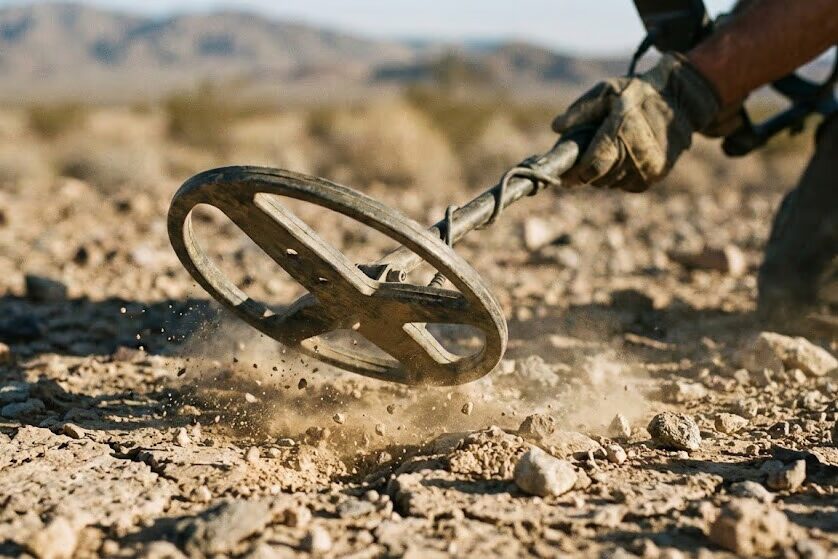
Before you even look at what you’ve detected, you need to understand the audio language your detector speaks. This is crucial for proper meteorite identification field guide metal detecting. Meteorites produce distinctive responses that experienced hunters learn to recognize. Iron meteorites generate strong, sharp signals similar to buried iron artifacts. Stony meteorites containing dispersed metal produce softer, sometimes “scratchy” tones depending on detector settings.
Ground balance calibration is non-negotiable before beginning any hunt. For VLF detectors, manual ground balancing is preferred over automatic settings in meteorite hunting. Automatic ground tracking can inadvertently filter out small meteorites as part of the background. The Gold Bug 2’s three-position mineralization switch should be optimized for local conditions before systematic searching begins.
PI detectors like the GPX series offer multiple “timing” settings. The Fine Gold timing provides maximum sensitivity but may require switching to Enhance or Salt/Gold timings in extremely mineralized areas.
When your detector signals a target, don’t dig immediately. Note the signal strength and character. Then verify by approaching from multiple angles. Genuine buried meteorites produce consistent signals regardless of approach direction. Hot rocks and mineralized ground often produce signals that change character with detector orientation.
Where to hunt for meteorites: Best locations and strewn fields
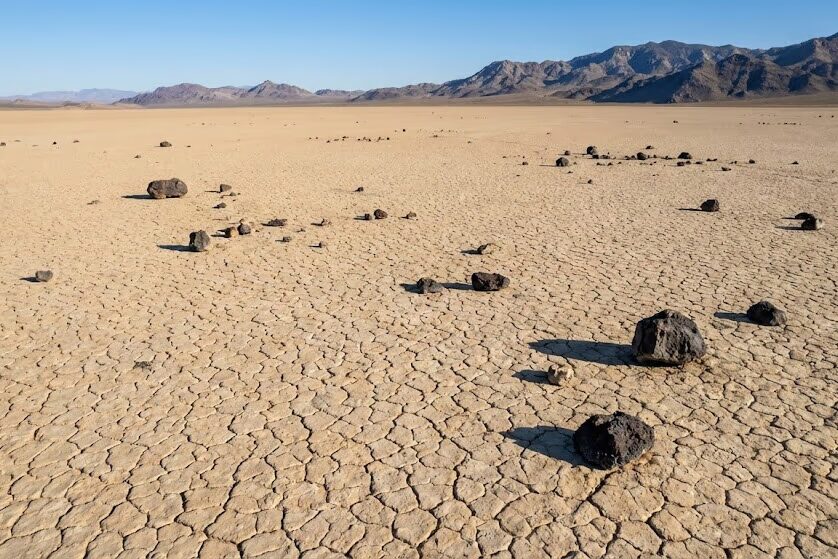
This is where meteorite search strategy meets science. The most productive meteorite hunting occurs in arid environments with minimal vegetation and stable surfaces. Arizona’s Gold Basin and Franconia strewn fields rank among the most productive US meteorite hunting locations and spots. New Mexico BLM lands (particularly Roosevelt County) and Mojave Desert dry lakebeds in California are also prime territories.
Known strewn fields like Brenham, Kansas have produced over 15,000 pounds of pallasite meteorites. These aren’t random discoveries. They’re the result of systematic meteorite strewn field hunting tips applied to areas where fireballs were witnessed or where previous finds indicate a fall occurred.
Dry lakebeds (playas) are particularly productive because:
- Minimal vegetation allows visual scanning
- Flat terrain enables systematic grid searching
- Desert preservation prevents rapid weathering
- Light-colored surfaces make dark meteorites visible
Recent falls offer the best opportunities. Monitor the American Meteor Society’s fireball reports and respond quickly to documented events. Fresh falls with trajectory data allow strewn field prediction. You’re recovering specimens before weathering degrades signals.
Grid search patterns: The systematic approach to finding meteorites
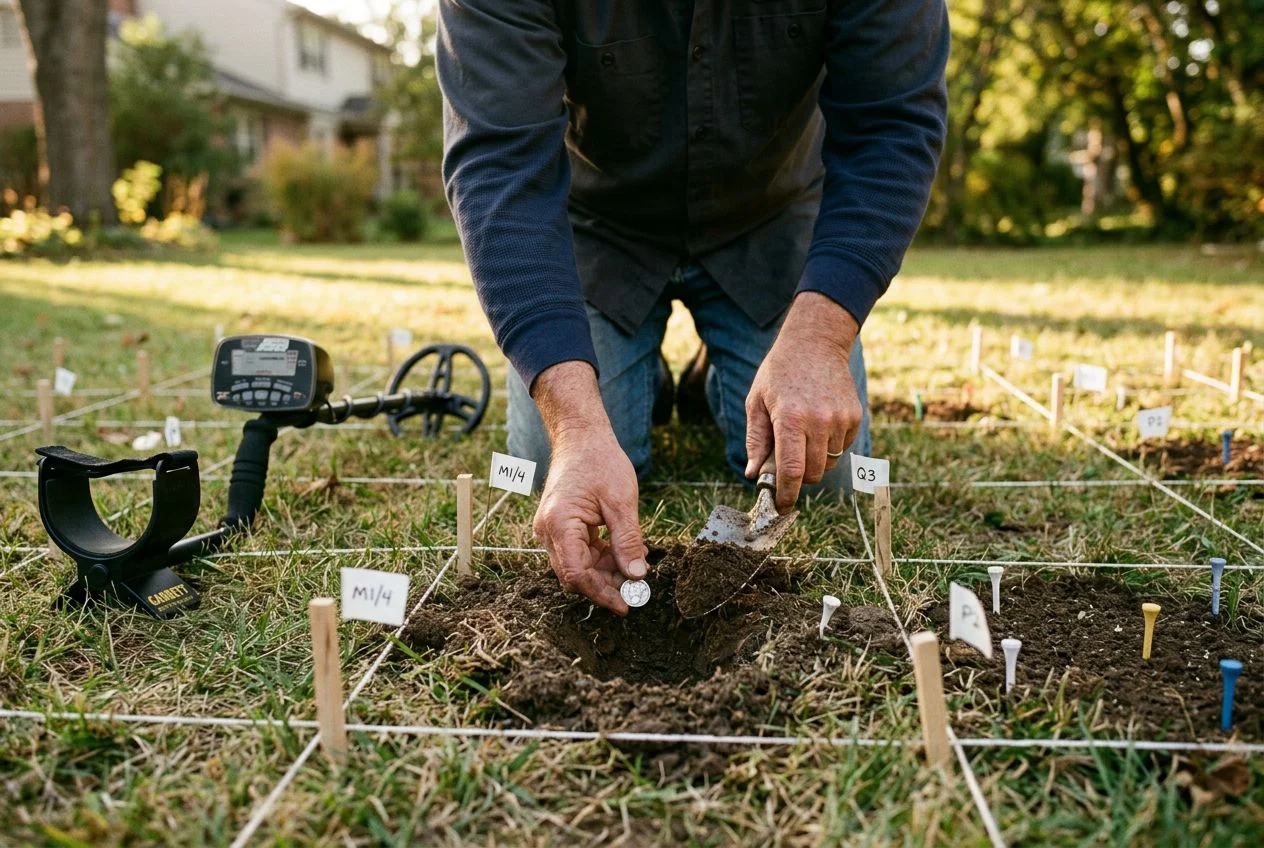
Random wandering finds nothing. Systematic grid searching finds meteorites. Use a GPS to mark grid lines and maintain consistent spacing. Typically 3-6 feet for VLF detection, wider for PI units. Walk in parallel lines. Overlap sweep patterns to ensure coverage.
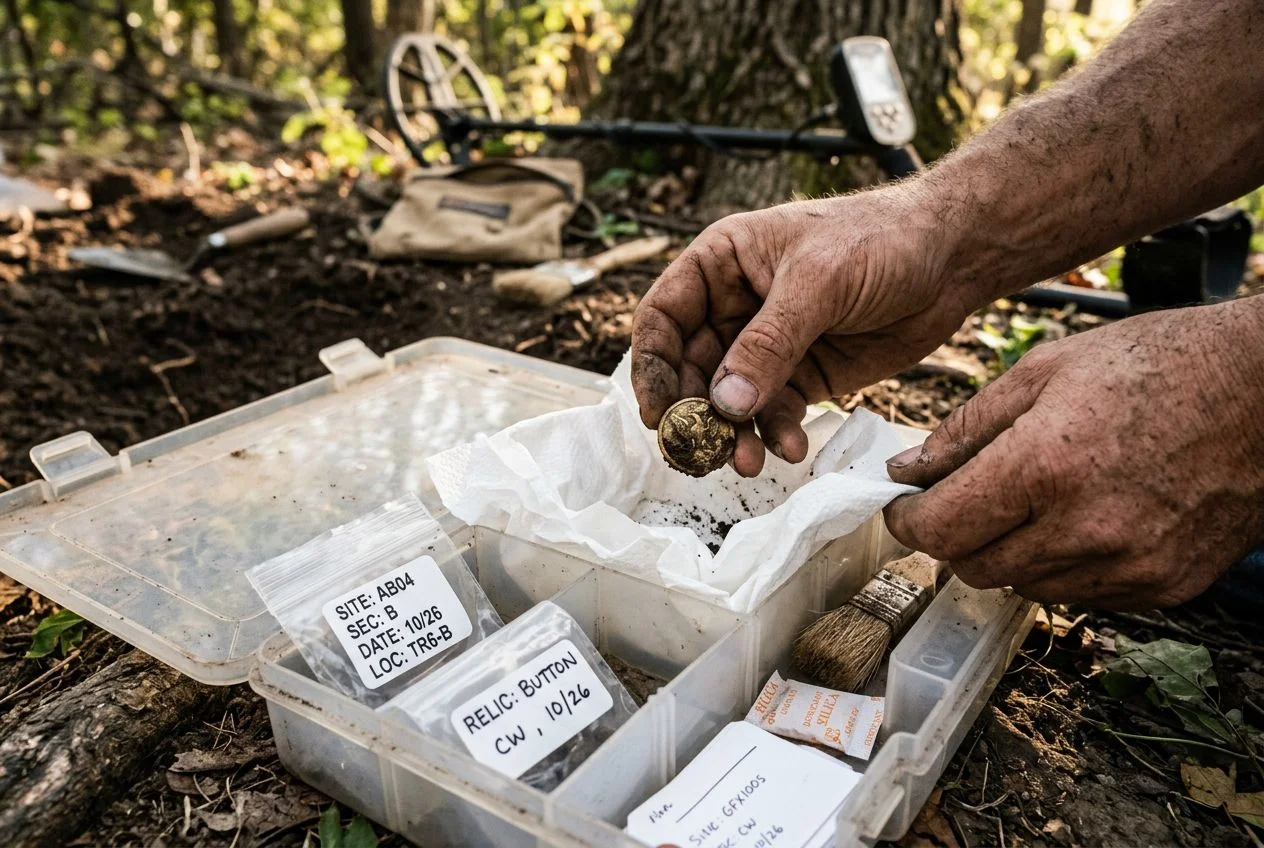
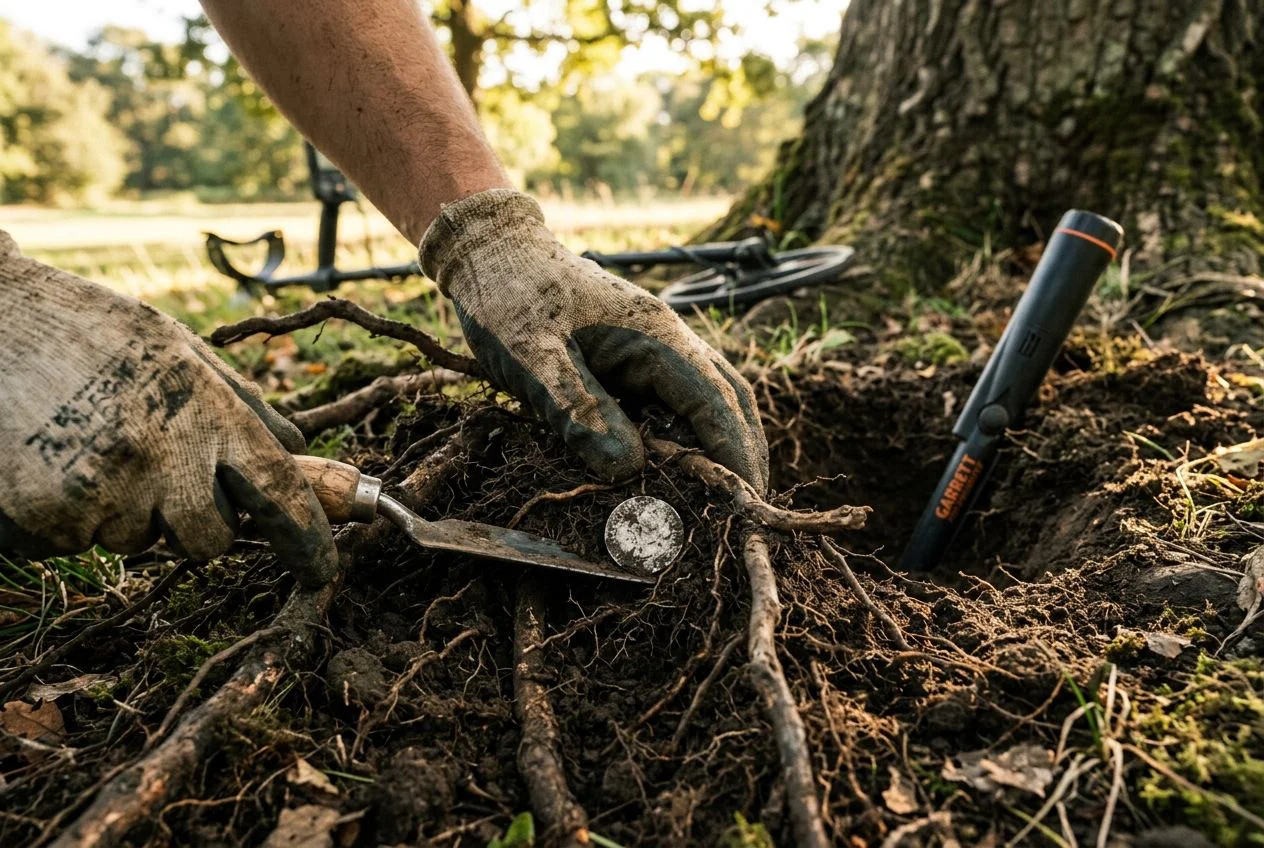
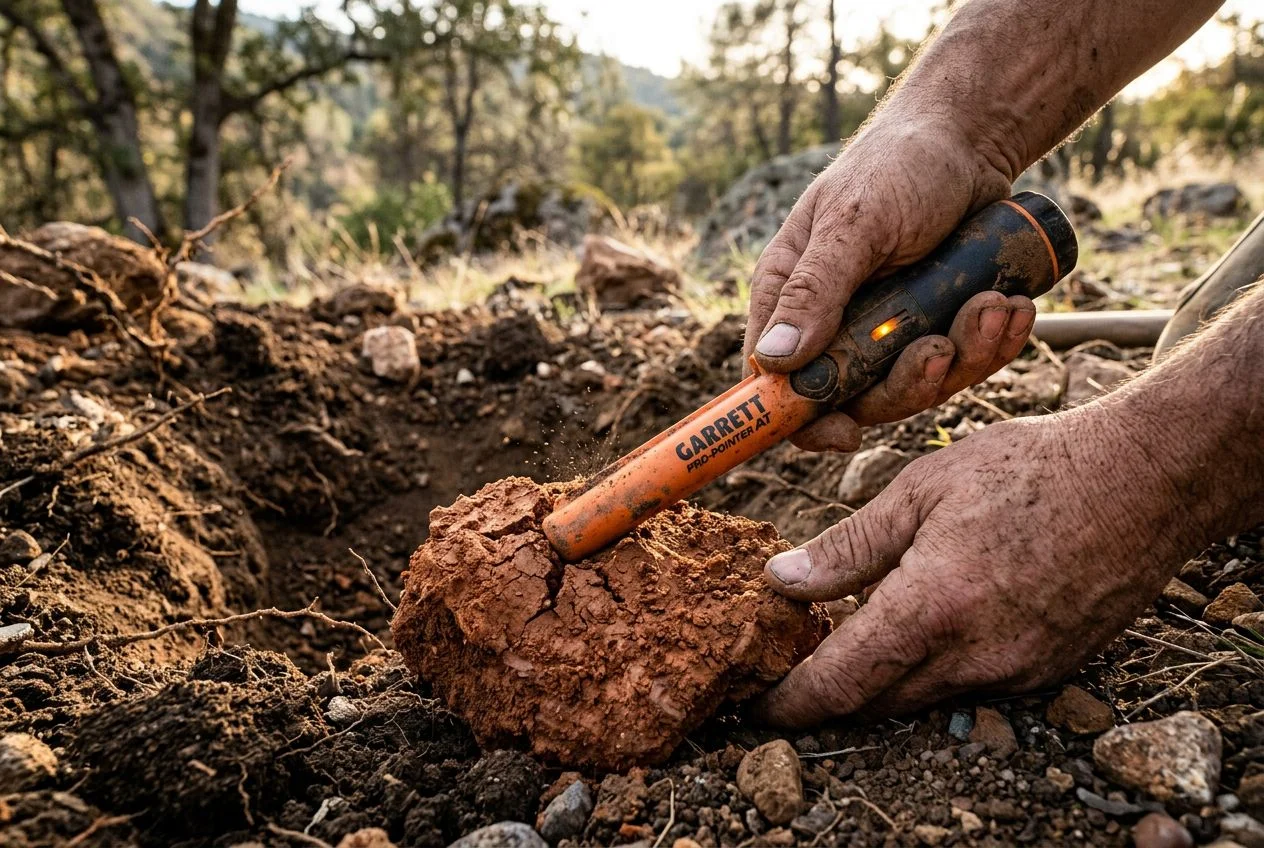
Documentation matters more than you think. Every target should be GPS-marked before excavation. This establishes provenance and scientific value. Photograph the meteorite in situ before removal. Note the depth, orientation, and any distinctive features. This documentation can significantly affect both scientific and commercial value.
Common Meteorite Hunting Questions Answered 💬
How to tell if rock is meteorite in the field?
Apply multiple field tests. Strong attraction to a ceramic magnet. No streak or faint gray streak on unglazed ceramic tile. Bright metallic flecks visible when grinding a small window into the interior. Absence of bubbles or vesicles. Presence of fusion crust or regmaglypts (thumbprint depressions). Higher density than expected for size. No single test is definitive. Combine results for reliable field identification. For detailed identification protocols, check the Arizona State University Buseck Center for Meteorite Studies.
Should I go meteorite hunting after meteor shower events?
Annual meteor showers like the Perseids rarely produce recoverable meteorites. Shower particles are typically tiny cometary debris that burns completely during atmospheric entry. However, sporadic fireballs and bolides can deposit recoverable material. These are random bright meteors often accompanied by sonic booms. Focus on these individual events, not periodic showers. For valuable meteorites found with metal detector, timing matters.
How deep can metal detectors actually find meteorites?
Depth depends on meteorite size, metal content, soil mineralization, and detector technology. VLF detectors typically achieve 6-12 inches for medium-sized meteorites in favorable conditions. PI detectors can reach 2-4+ feet for substantial specimens. Most meteorites are found within the first 12 inches of soil. Don’t believe claims of 6+ feet detection for small targets.
How much are meteorites actually worth?
Values range dramatically. Common chondrites bring $2-$5 per gram. Iron meteorites $1-$10 per gram. Pallasites $20-$100+ per gram depending on source and quality. Lunar meteorites approximately $100 per gram. Martian meteorites $250-$1,000+ per gram. The 1,430-pound Brenham pallasite Main Mass was valued at over $1 million. Witnessed falls, complete fusion crust, aesthetic appeal, and rarity significantly affect pricing.
Do I need permission to hunt for meteorites?
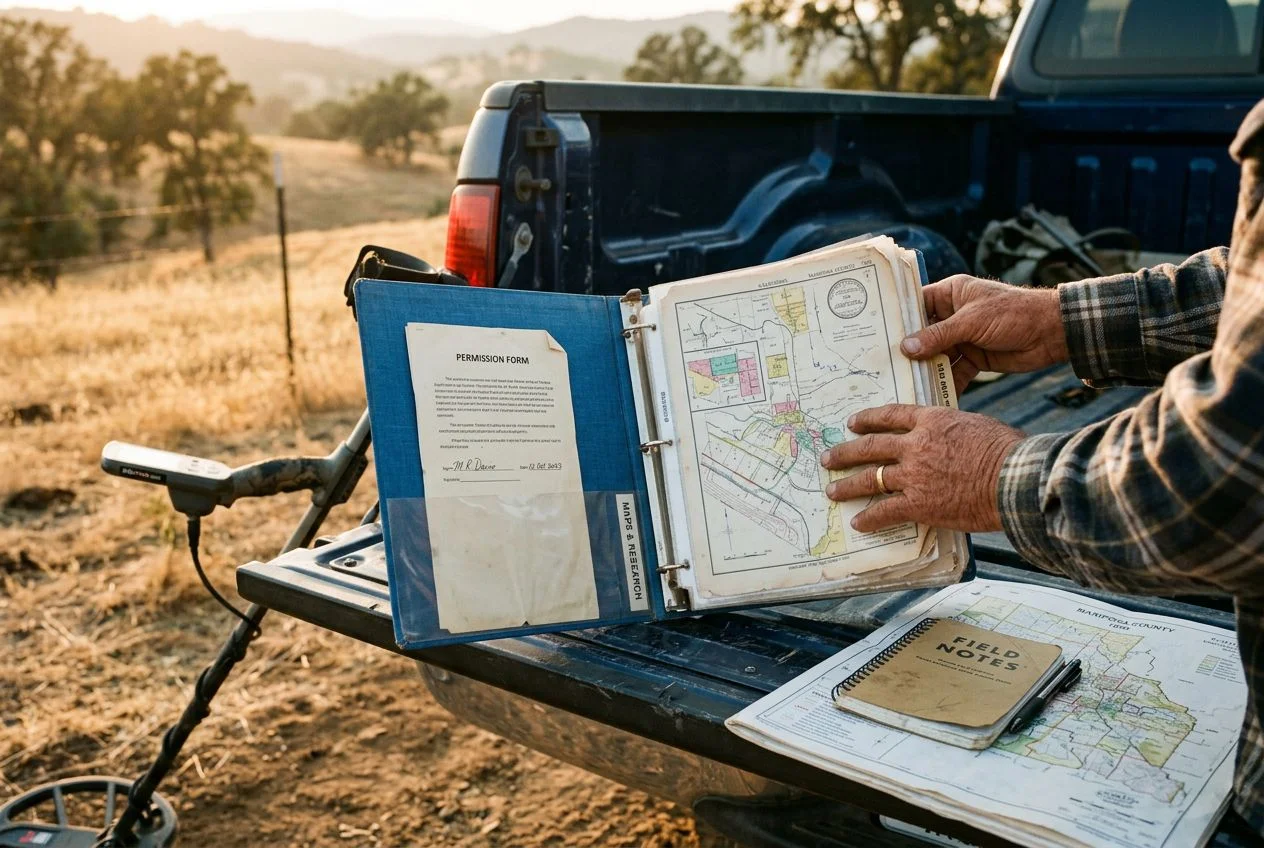
On BLM federal land, casual collection up to 10 pounds per year for personal use is permitted without permits. But commercial collection requires authorization. Collection is prohibited in National Parks, Monuments, and Wilderness Areas. On private land, meteorites legally belong to the landowner. Always obtain explicit permission and clarify ownership of potential finds in writing.
Your Meteorite Hunting Journey Starts Now 🌟
Meteorite hunting merges scientific understanding with treasure hunting excitement. It offers both financial rewards and the profound experience of holding 4.6-billion-year-old material from beyond Earth. Success requires matching equipment to terrain conditions. High-frequency VLF detectors like the Fisher Gold Bug 2 for sensitive meteorite detection in moderate conditions. Pulse induction units like the Minelab GPX series for mineralized desert strewn fields where the most productive hunting occurs.
Three factors separate successful hunters from those who return empty-handed. Location selection (targeting deserts, dry lakebeds, and documented meteorite hunting locations and spots rather than random searching). Systematic methodology (grid patterns, GPS documentation, thorough coverage). And identification expertise (combining magnet, streak, and grinding tests to distinguish genuine meteorites from the abundant “meteor-wrongs” that trigger detectors).
For beginning hunters doing meteorite hunting for beginners, start with quality VLF equipment. Hunt accessible locations like dry lakebeds to build essential skills. Do this before investing in premium PI technology or traveling to remote strewn fields. Documentation of every find matters. GPS coordinates. Photographs. Proper handling. These preserve both scientific value and commercial worth in your meteorite collecting efforts.
The meteorite hunting community continues to recover specimens worth millions of dollars annually. This proves that these celestial rocks remain waiting in deserts and fields worldwide. Waiting for hunters equipped with the right tools, techniques, and persistence to find them. The next multi-thousand-dollar specimen might be sitting six inches underground in a location you can drive to this weekend.
So grab your detector. Do your homework. And start looking up – or more accurately, start looking down. The universe has been dropping treasure on Earth for billions of years. Time to go pick some up.
Happy hunting, space rock seekers! 🚀✨

My name is Paul and I am the founder of Detector For Metal, a dedicated resource for metal detecting enthusiasts seeking to uncover historical treasures and connect with the past using the latest technology. As a stay-at-home dad and family man, I’ve found metal detecting to be the perfect hobby that combines family adventure with historical learnings for the whole family.
As a father, I’m deeply committed to passing on this hobby to the next generation of detectorists, starting with my own children. I share advice on everything from metal detecting with kids to exploring the top 10 metal detecting sites you never thought about. My methodical approach to the hobby goes beyond the thrill of discovery—it’s about creating family traditions while preserving history and sharing the stories of those who came before us.