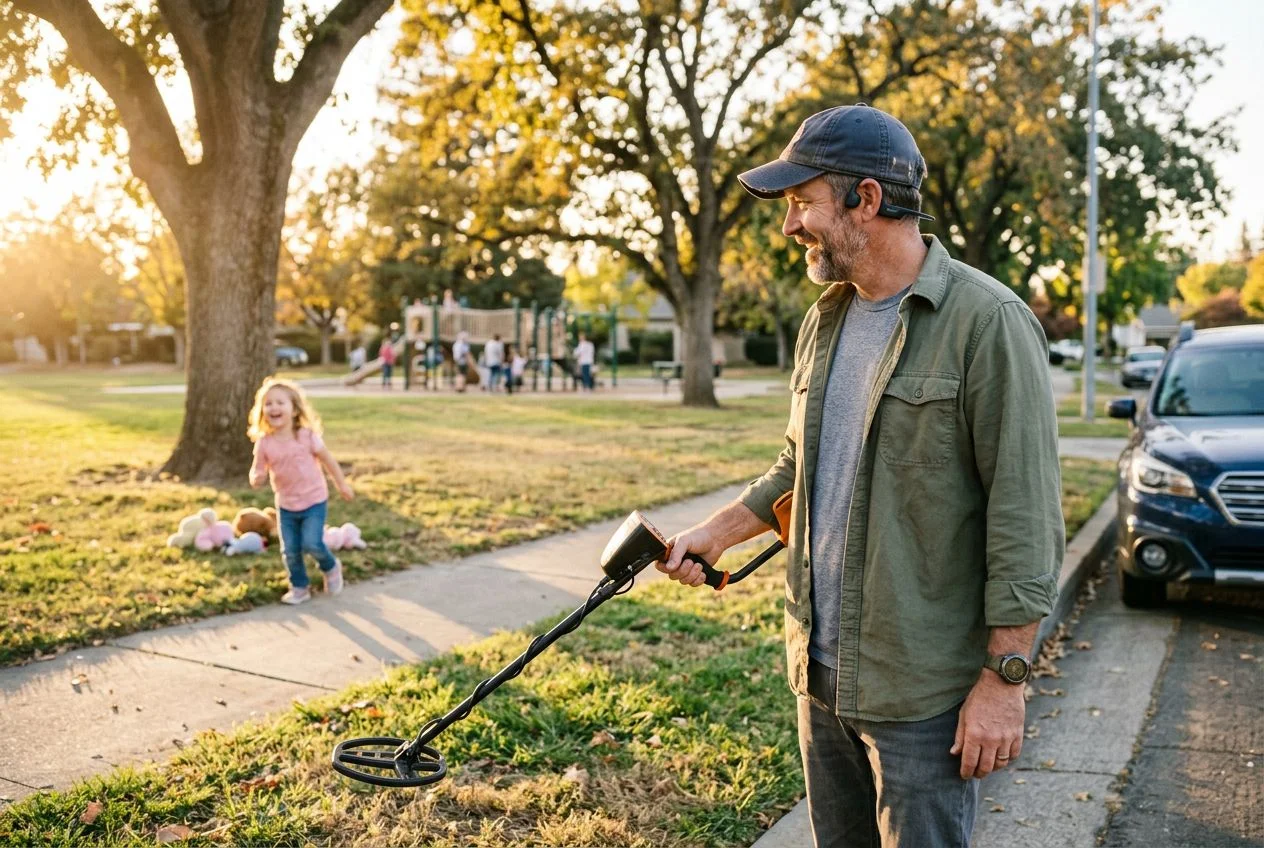
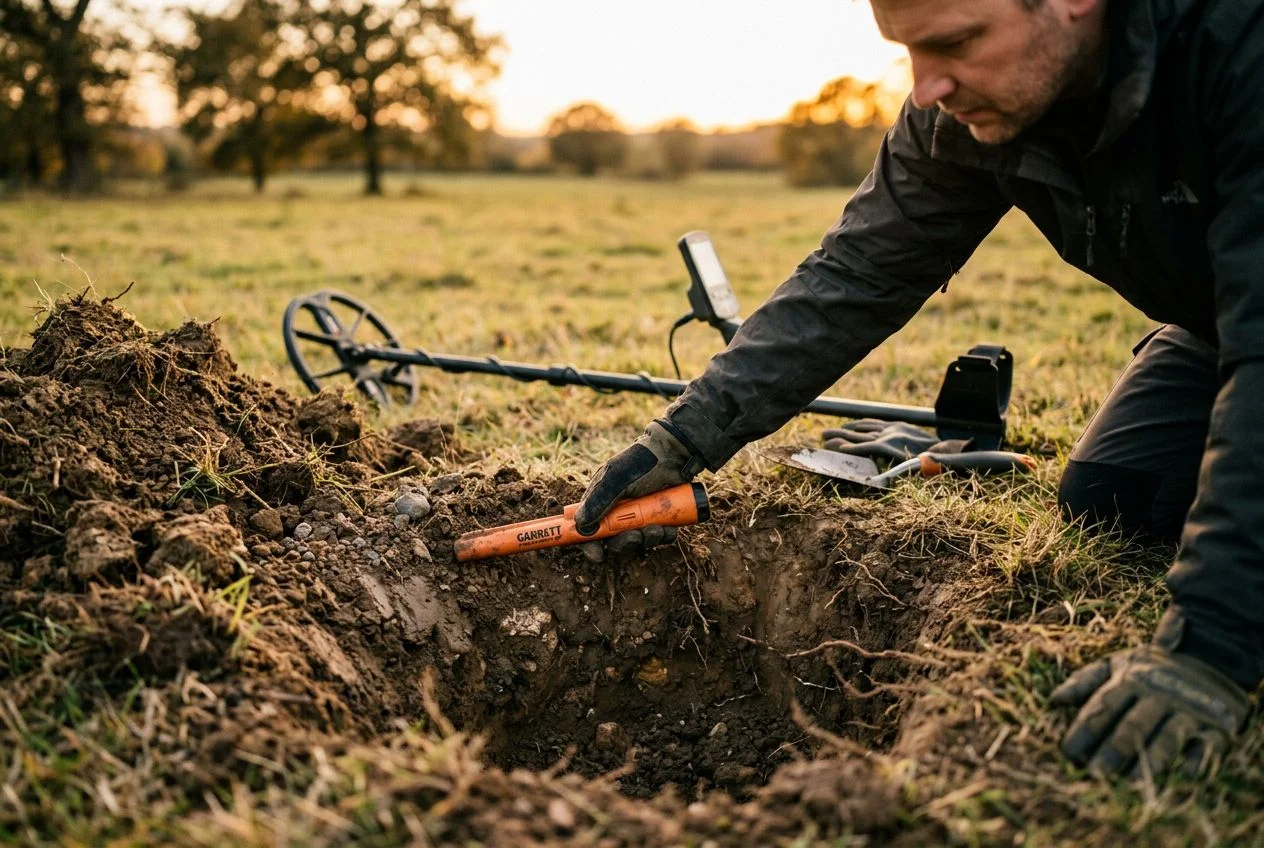
Last summer, my neighbor caught me loading a giant magnet into my car. He spotted my metal detector in the back seat and asked, “So… which one actually works?”
Twenty years of metal detecting under my belt, and now I’m the guy spending $60 on a magnet fishing rig. My wife asked the same question, honestly.
Here’s what I’ve learned in my first six months of magnet fishing. Both are real outdoor activities. Both can find incredible stuff. And they’re wildly different in almost every way that matters—even for someone who’s been swinging a detector since 2005.
My metal detector has found everything from colonial coppers to Civil War relics over two decades. My new magnet pulled up a Civil War bayonet from the creek behind my house in week three. Same era. Different tools. Completely different hunting experience.
The question of magnet fishing vs metal detecting which is better isn’t about “which one works.” It’s about which hobby comparison fits your goals, your spots, and how you like to hunt. Or, like more and more experienced detectorists, whether adding magnet fishing to your arsenal makes sense.
- Metal Detecting vs Magnet Fishing: Understanding the Fundamentals for Beginners
- Magnet Fishing Equipment vs Metal Detecting Hobby Cost: Complete Breakdown
- Magnet Fishing Laws by State and Metal Detecting Regulations: Is It Legal?
- Best Places for Metal Detecting and Where to Go Magnet Fishing Near Me
- Magnet Fishing vs Metal Detecting: Which is Better for Your Treasure Hunting Goals?
- References
Metal Detecting vs Magnet Fishing: Understanding the Fundamentals for Beginners
Here’s the real talk. No metal detecting for beginners guide or magnet fishing tips and tricks article tells you this upfront. These hobbies are about as similar as fishing with a rod versus fishing with dynamite.
Yeah, you’re both trying to retrieve things. But the approach to treasure hunting? Totally different.
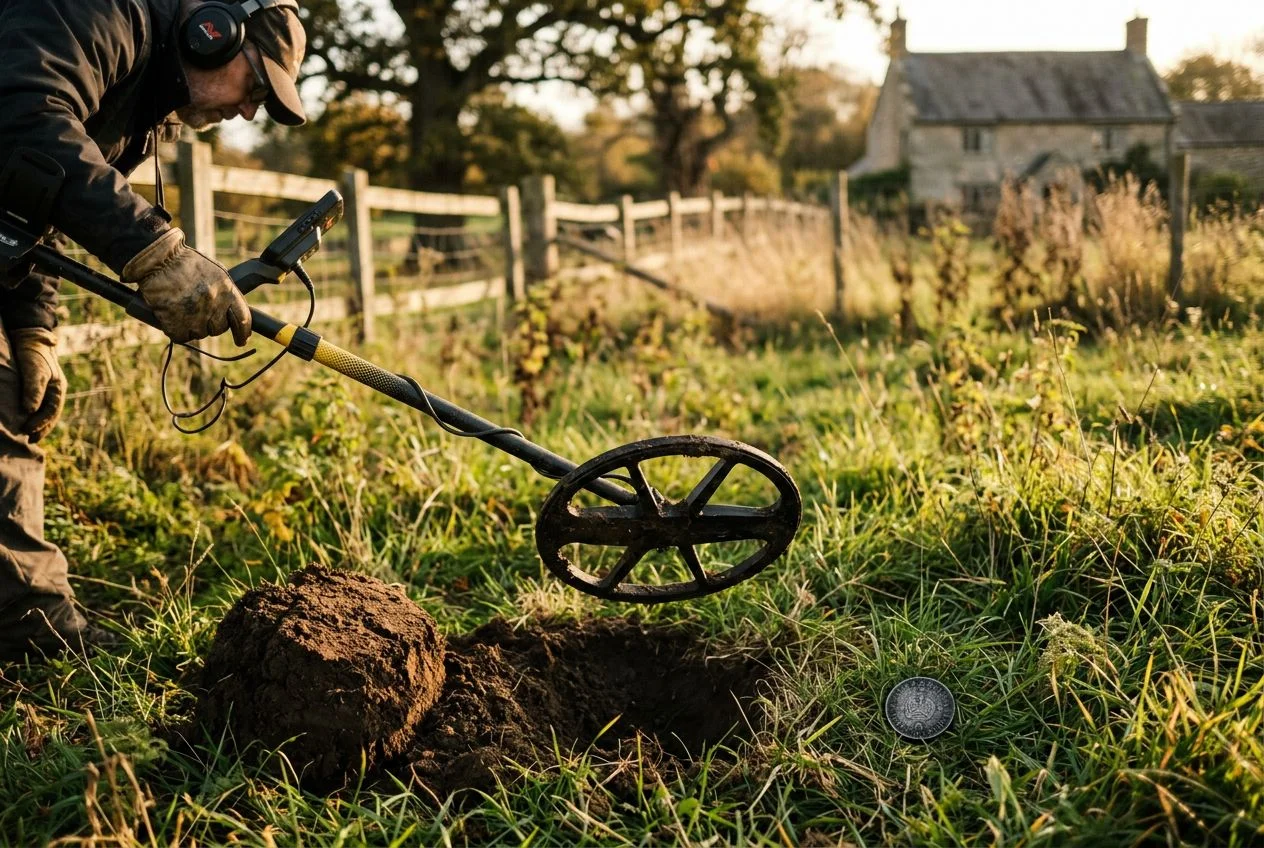
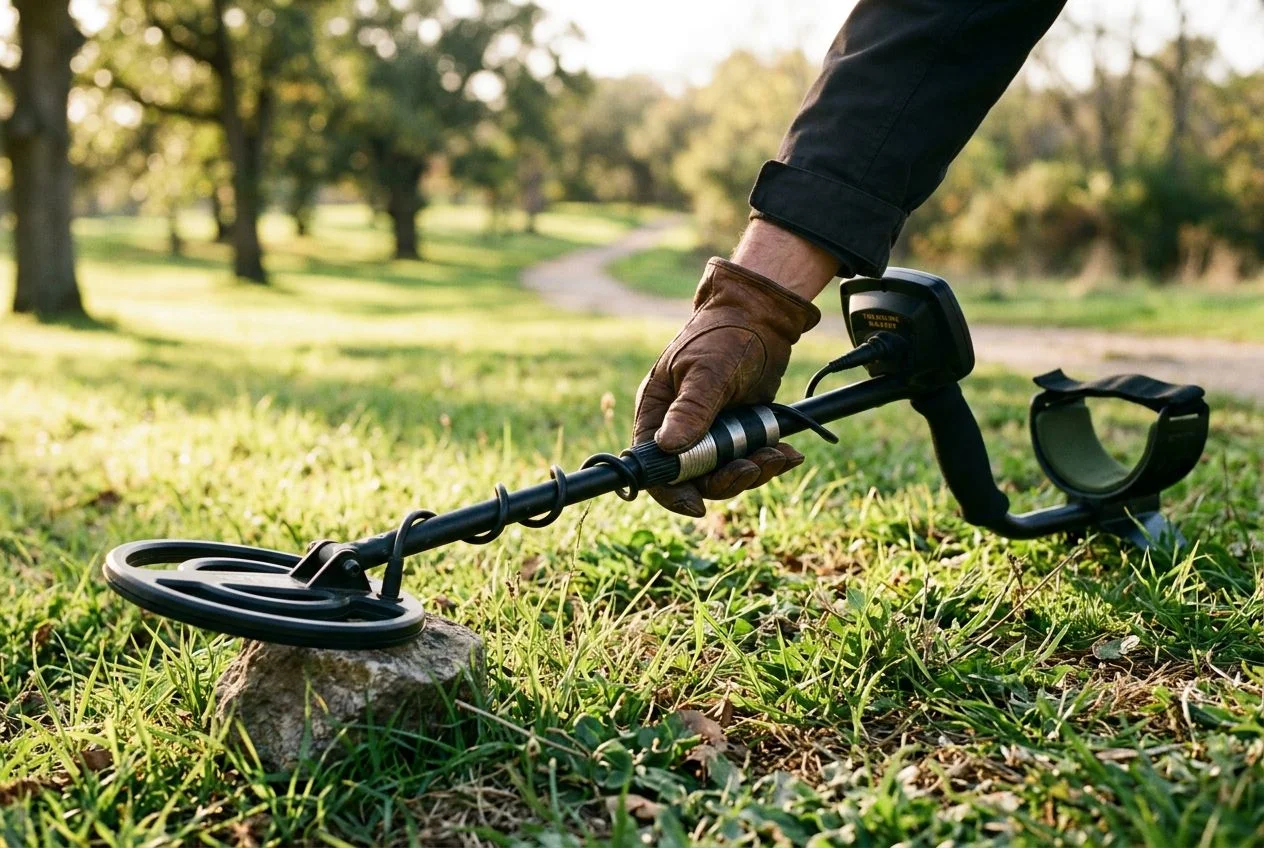
Metal detecting works through electromagnetic induction. Fancy words for a simple idea. Your detector sends out an electromagnetic field from the search coil. When that field hits metal, it creates tiny currents on the metal’s surface. Those currents make a secondary magnetic field. Your detector picks that up.¹
The cool part? Modern VLF (Very Low Frequency) detectors can tell the difference between a pull tab and a silver coin. Before you even dig. That’s conductivity discrimination at work.
How deep can metal detectors detect? Good mid-range machines hit 6-12 inches for coin-sized stuff. Specialized detecting equipment goes deeper for bigger targets.
For tough spots like saltwater beaches or rocky soil, Pulse Induction (PI) detectors work better. They send short power bursts and measure how fast the signal fades. The tradeoff? They can’t pick and choose like VLF machines.
Magnet fishing is way simpler when you’re learning how to start magnet fishing. You’ve got a powerful neodymium magnet tied to rope. You throw it in water. The magnet grabs iron-based metals. You pull up whatever sticks.
That’s it. No target ID. No discrimination. No learning curve.
The best neodymium magnet for fishing uses grade N52 neodymium. It has 14,800 gauss of residual flux density. That’s the strongest magnet for magnet fishing you’ll find in stores. Strong enough to grab a bike frame from 10 feet down.
What you can actually find:
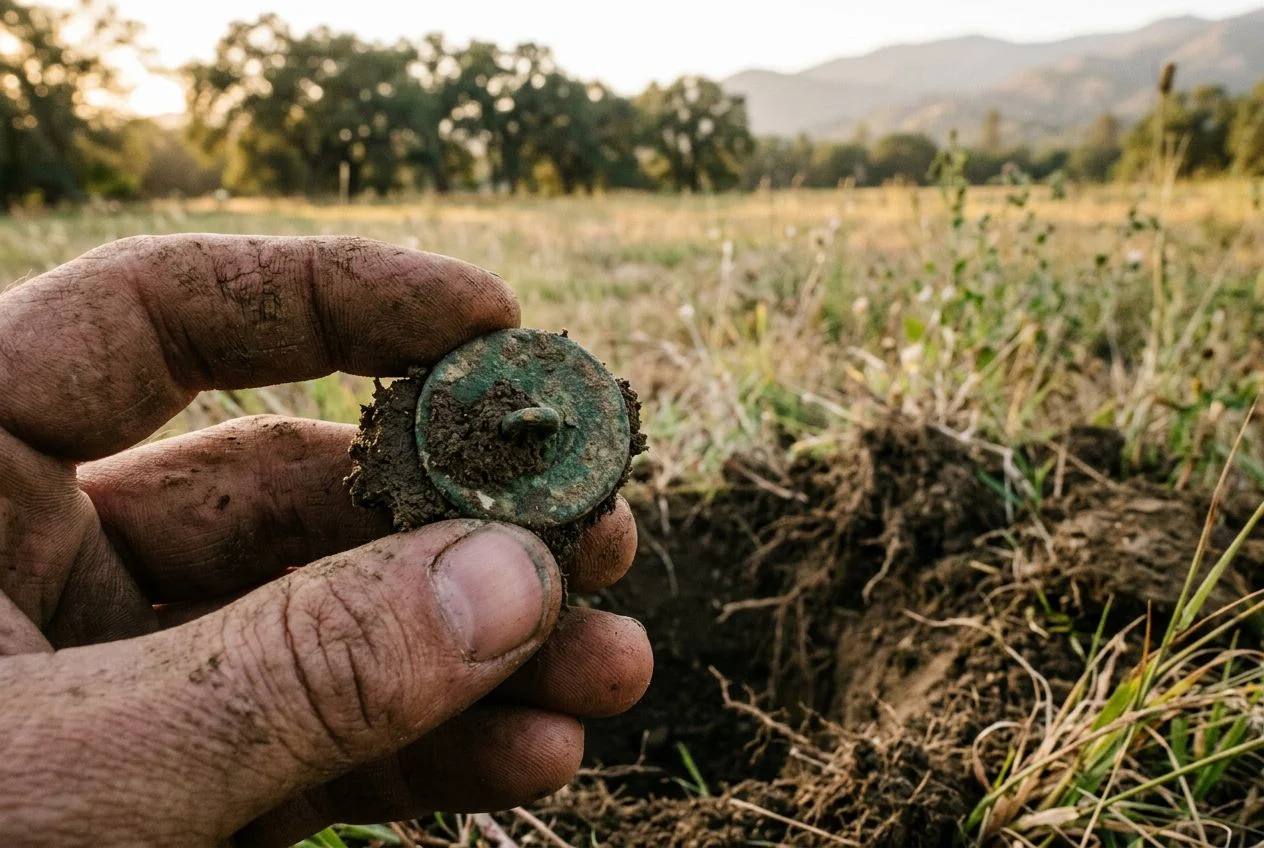
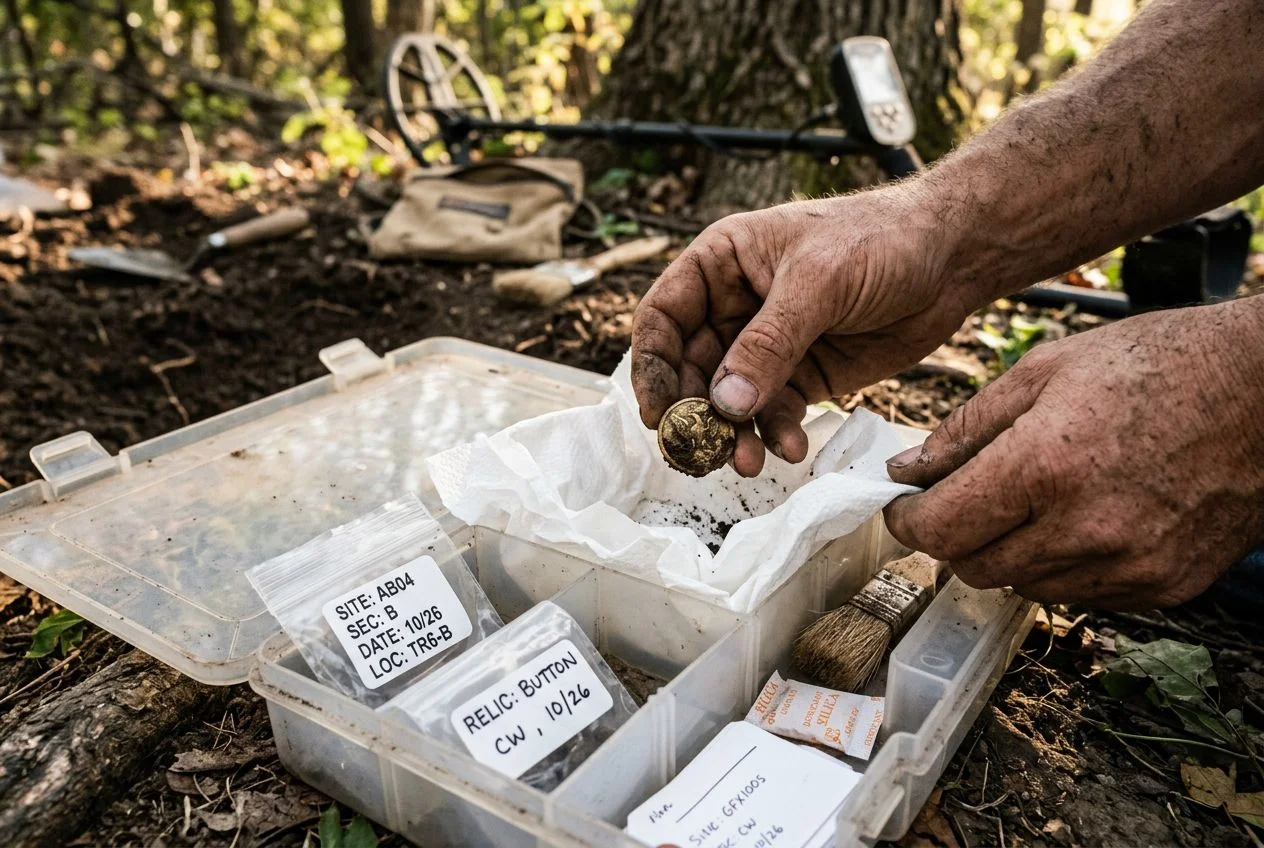
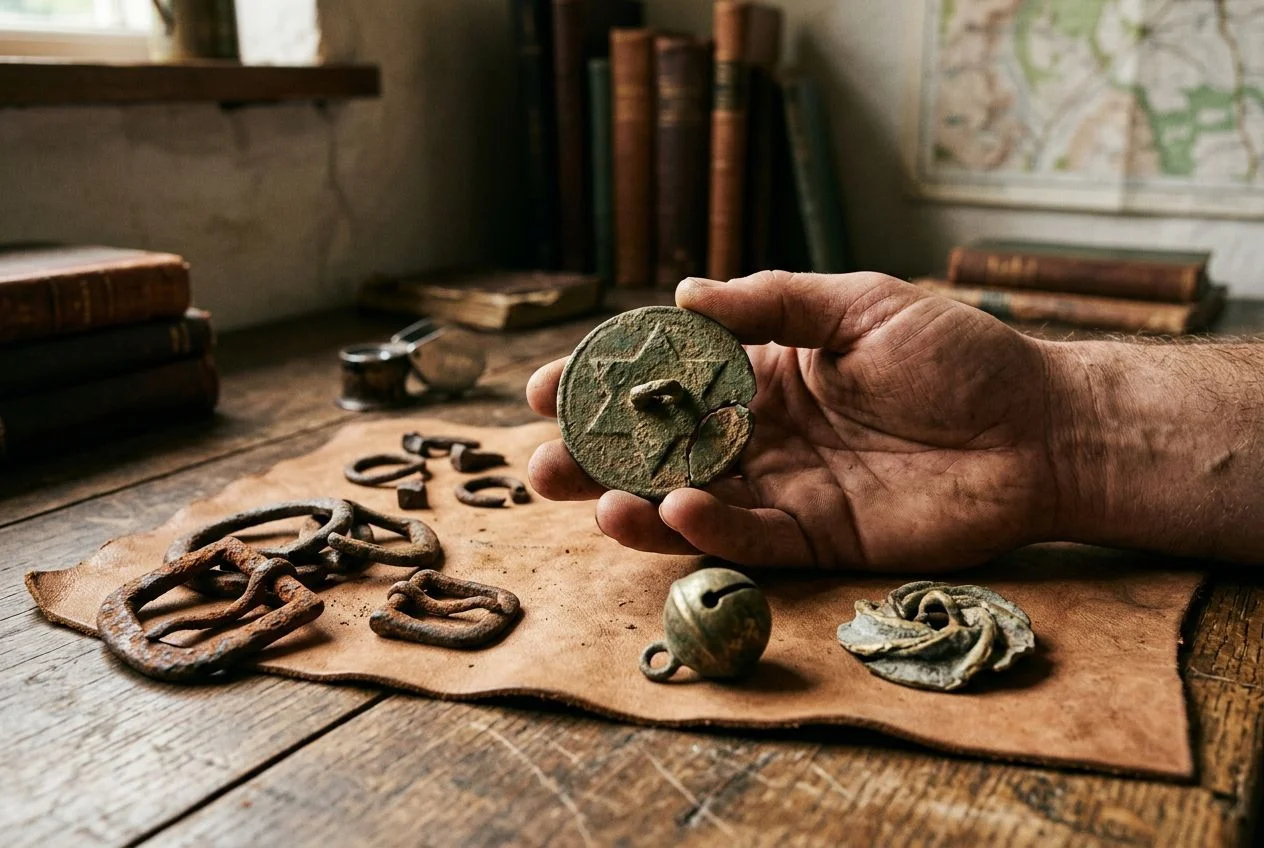
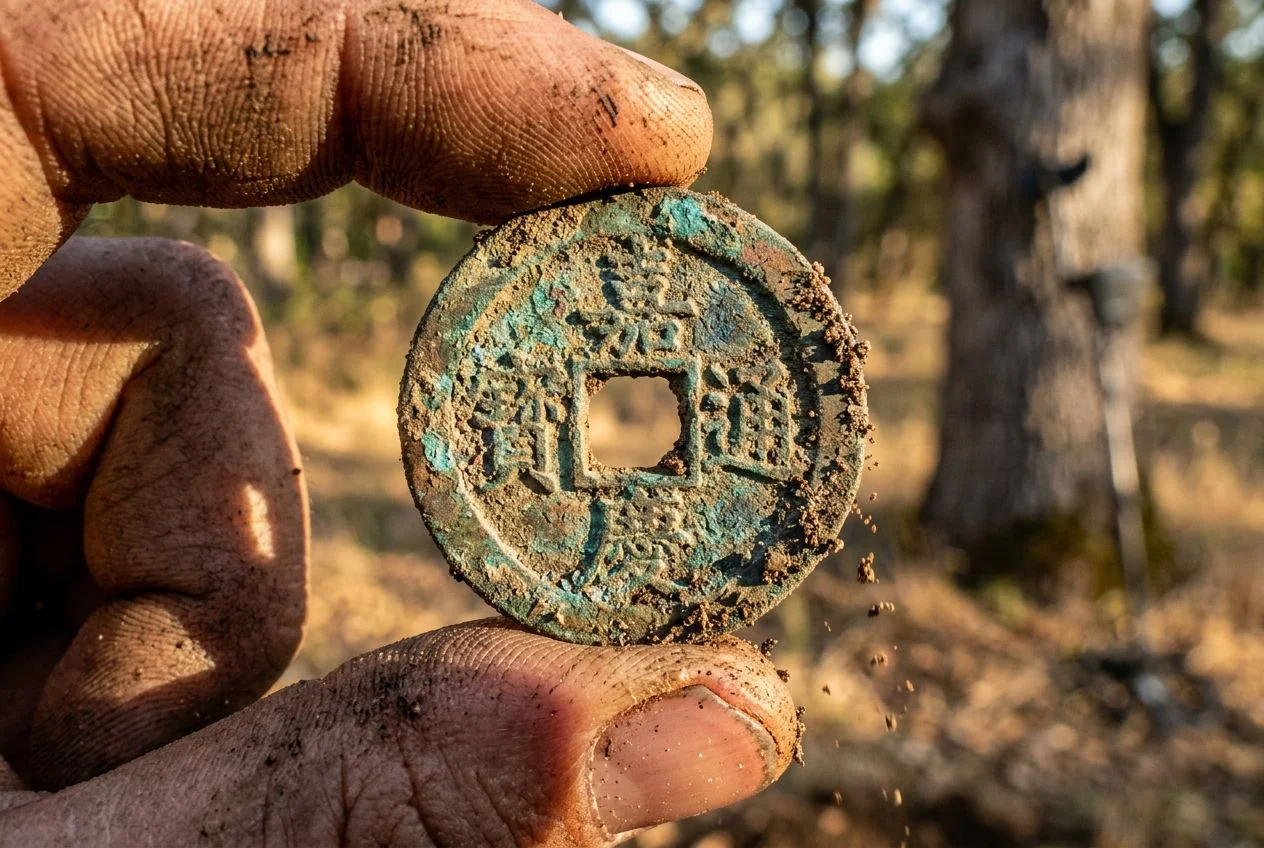
Metal detecting covers everything. Coins, jewelry, gold rings, relics, Civil War buttons, ancient artifacts. If it’s metal and buried, a good detector finds it. Modern pennies or 200-year-old copper coins. Makes no difference to the machine.
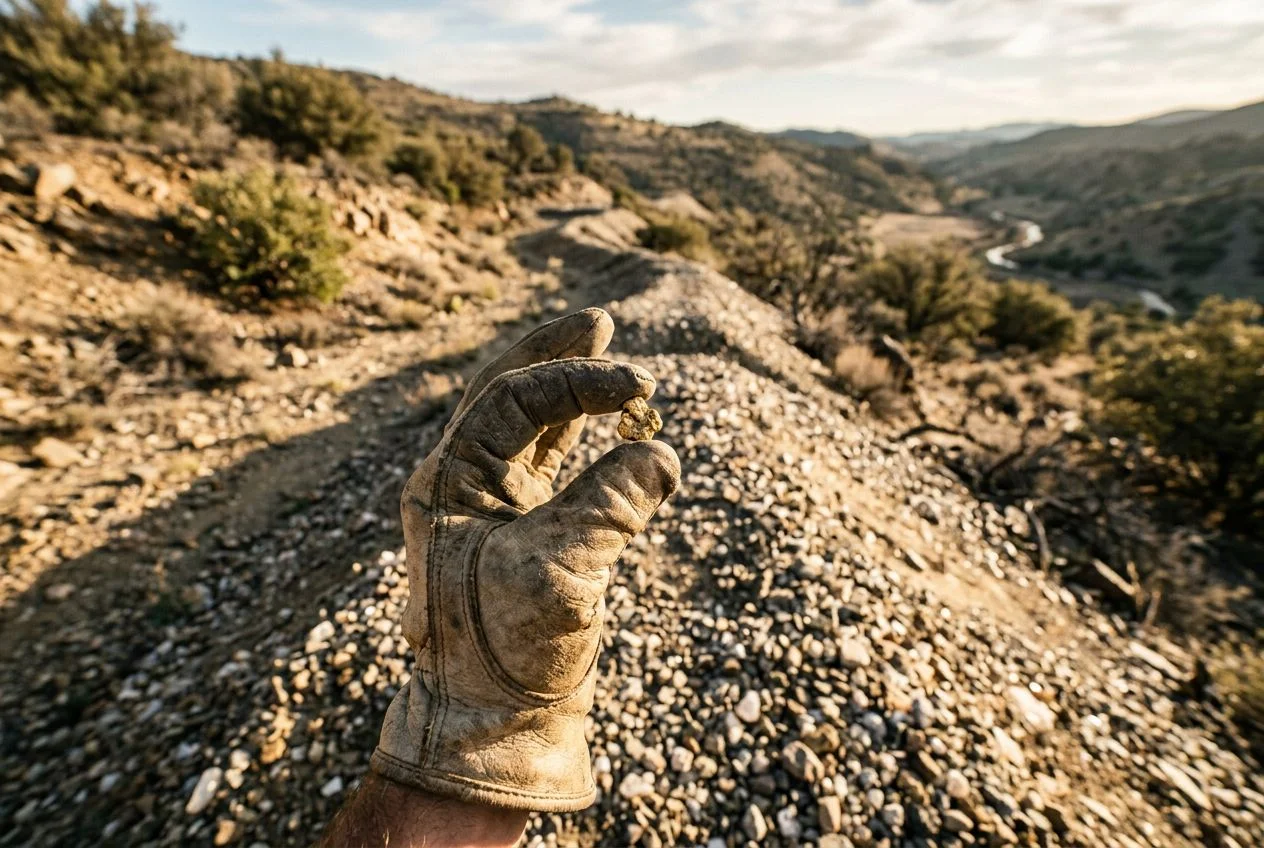
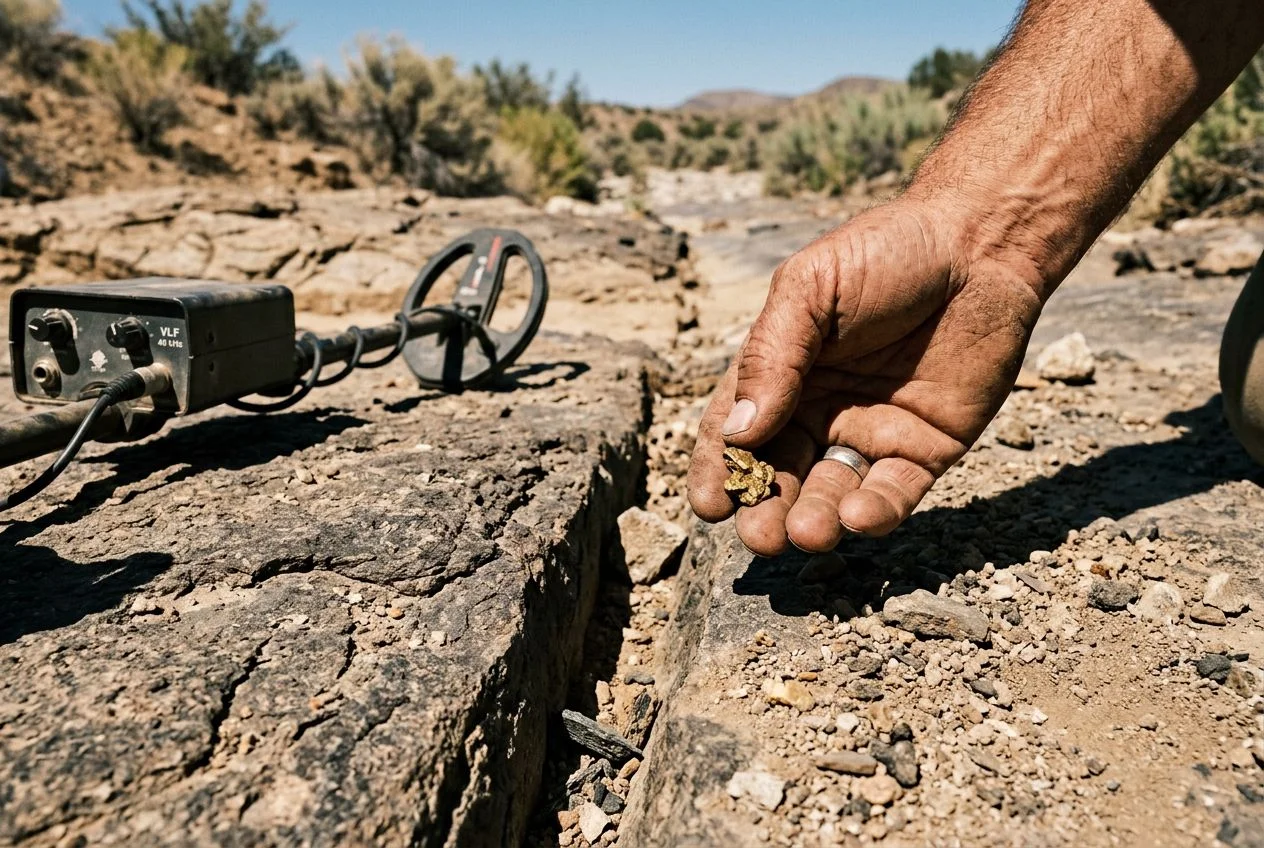
Want metal detecting techniques for gold? Specialized high-frequency detectors work best. They catch smaller nuggets in rocky soil.
Magnet fishing? Different story. When people ask what can you find magnet fishing, the answer is simple. Ferrous metals only. That means iron-based stuff.
Tools. Bicycles. Safes. Guns. Artillery shells. Tons of scrap metal.
The upside? Water near old sites yields World War II artifacts, antique farm tools, or firearms.² These magnet fishing finds and treasures make great stories.
The downside? That gold wedding ring everyone wants? Your magnet floats right over it. Gold, silver, aluminum, brass, copper—none of these stick to magnets. Period.
Here’s what surprised me most after twenty years of metal detecting. Magnet fishing finds are more dramatic but less valuable. Metal detecting finds are more consistent but need patience.
I’ve spent two decades digging targets. My detector has found Colonial coppers, Spanish reales, gold rings, Civil War buttons, you name it. Total value over the years? Several thousand dollars, easily.
I’ve pulled up a safe with my magnet after three months. Empty, sadly. Some bike frames. A couple of old tools. One very cool bayonet. Total value? Maybe $40 in scrap metal, plus the bayonet which is priceless to me.
Different reward systems entirely.
Magnet Fishing Equipment vs Metal Detecting Hobby Cost: Complete Breakdown

Let’s talk money. After twenty years buying and upgrading metal detectors, the metal detecting vs magnet fishing cost comparison shocked me.
Magnet Fishing Equipment Needed: What to Buy for Beginners
Coming from metal detecting, the magnet fishing equipment needed is laughably simple. You can start today with $40-50 total.³
A basic 1000 lb pull force kit costs $35-45. It includes the magnet, 65 feet of rope, a carabiner, and gloves. I started with a mid-range Brute Magnetics 550 lb setup ($50-70) and it’s been perfect. The Magnetar 440 lb kit ($55-85) also gets solid reviews from the Reddit community.
Premium magnets from K&J Magnetics run $100-150. Extreme setups with 3,800 lb pull force can hit $300. But honestly? After testing a friend’s 1,500 lb magnet, anything over 1,200 lbs gets dangerous to handle. Plus, the extra power gives you less return on finds. Most stuff sticks to 500-800 lbs just fine.
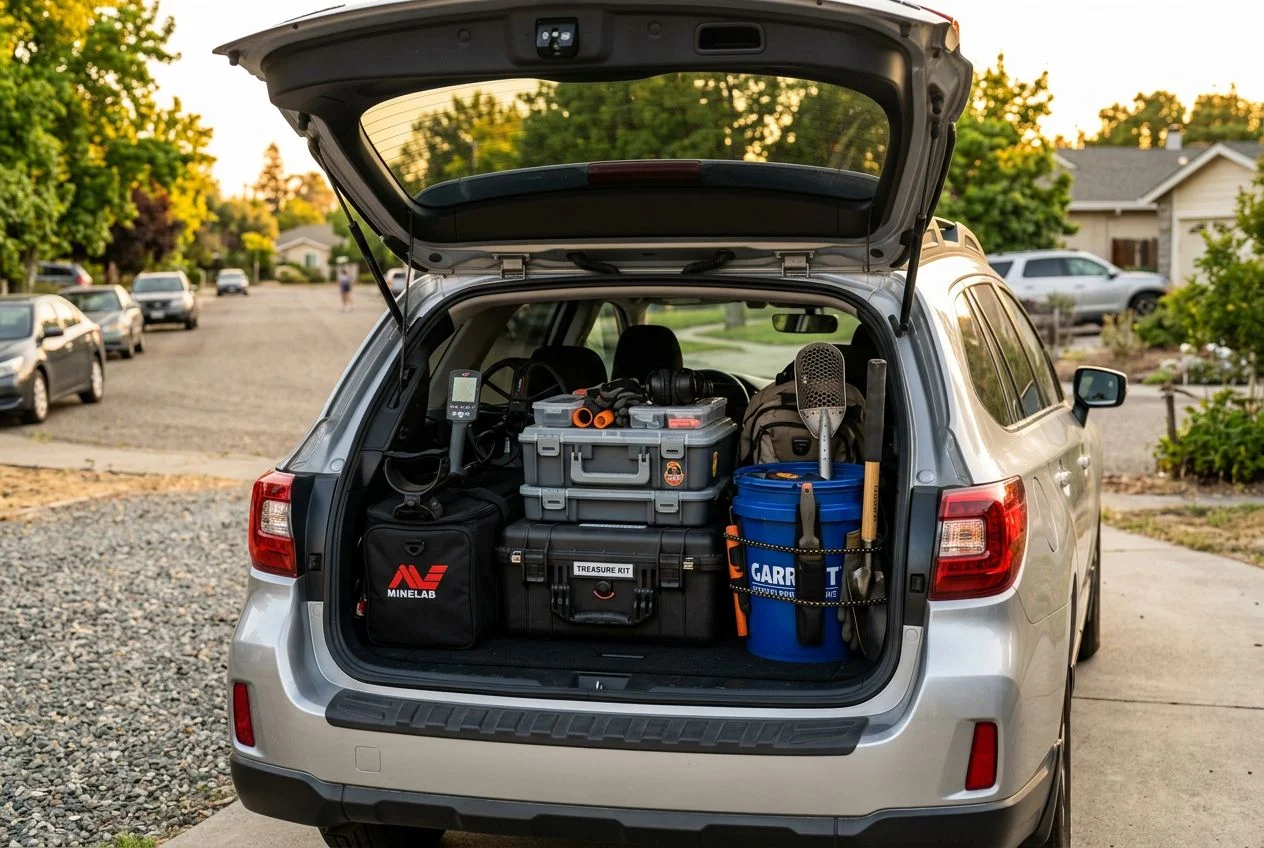
Supporting magnet fishing gear stays minimal. Marine-grade rope (5mm diameter minimum). Cut-resistant gloves (mandatory—trust me on this one). Heavy-duty carabiners.
Total startup: $40-75 for beginners. $150-300 if you go premium.
Compare that to what I spent learning metal detecting.
Best Metal Detector for Beginners: Entry-Level to Professional Equipment
The metal detecting hobby cost starts higher, but the investment pays off over years. Metal detectors begin around $200 for entry-level models.
After twenty years, I can tell you this. The best metal detector for beginners like the Garrett ACE 200 or Fisher F22 ($150-220) work fine for learning.⁴ They find coins down to 6-8 inches. They run 40+ hours on AA batteries. They filter out some trash with basic discrimination.
But you’ll outgrow them fast if you’re serious.
The sweet spot for metal detecting equipment for beginners who want room to grow? $300-600 for mid-range detectors.
The Nokta Simplex Ultra ($300-350) is what I recommend to everyone starting out now. Fully waterproof to 10 feet. Built-in rechargeable battery that lasts 12-20 hours. Multi-frequency detection. I didn’t have tech like this when I started—it would’ve saved me years of frustration.
The Garrett ACE 300 ($250-325) gives you digital target ID and five search modes. Solid machine. The Minelab Vanquish series ($200-500) brought multi-frequency tech to entry-level prices recently.
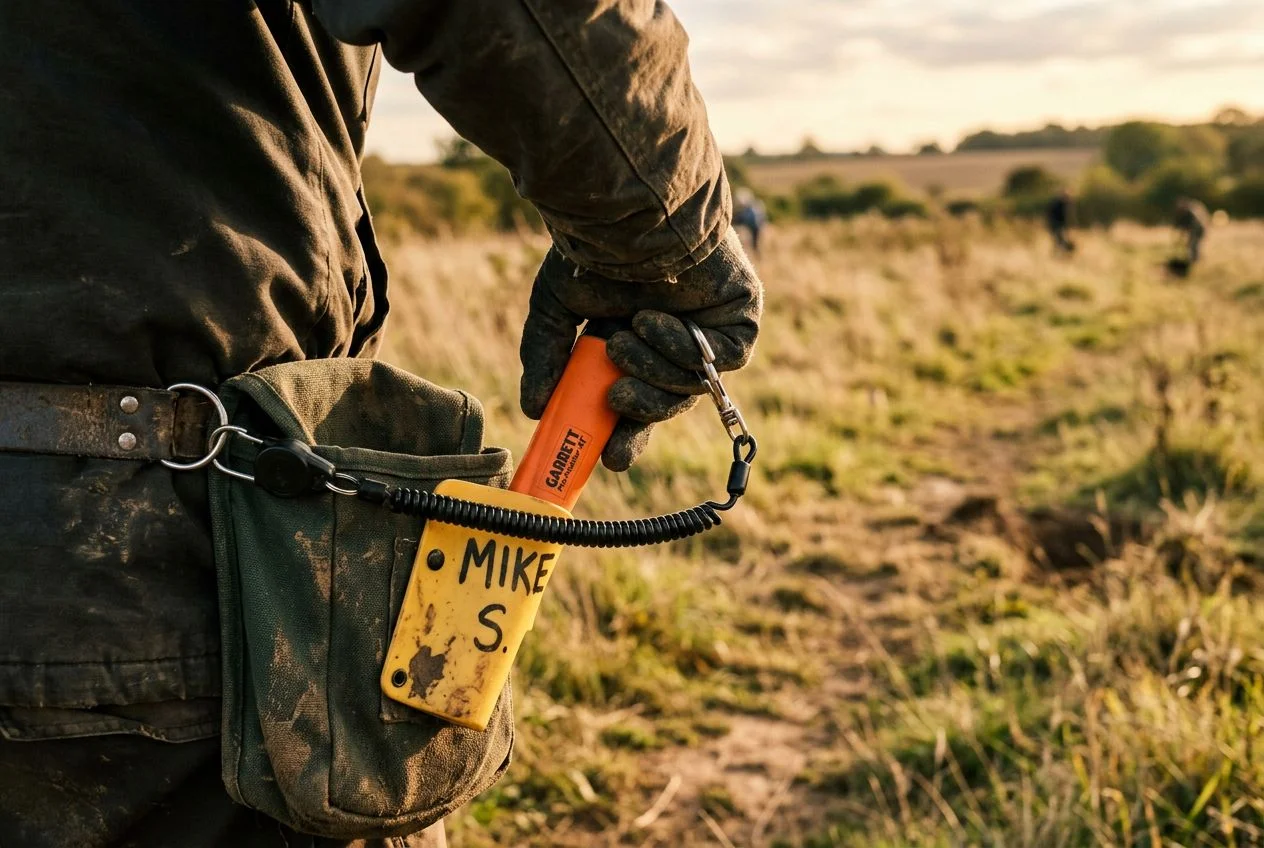
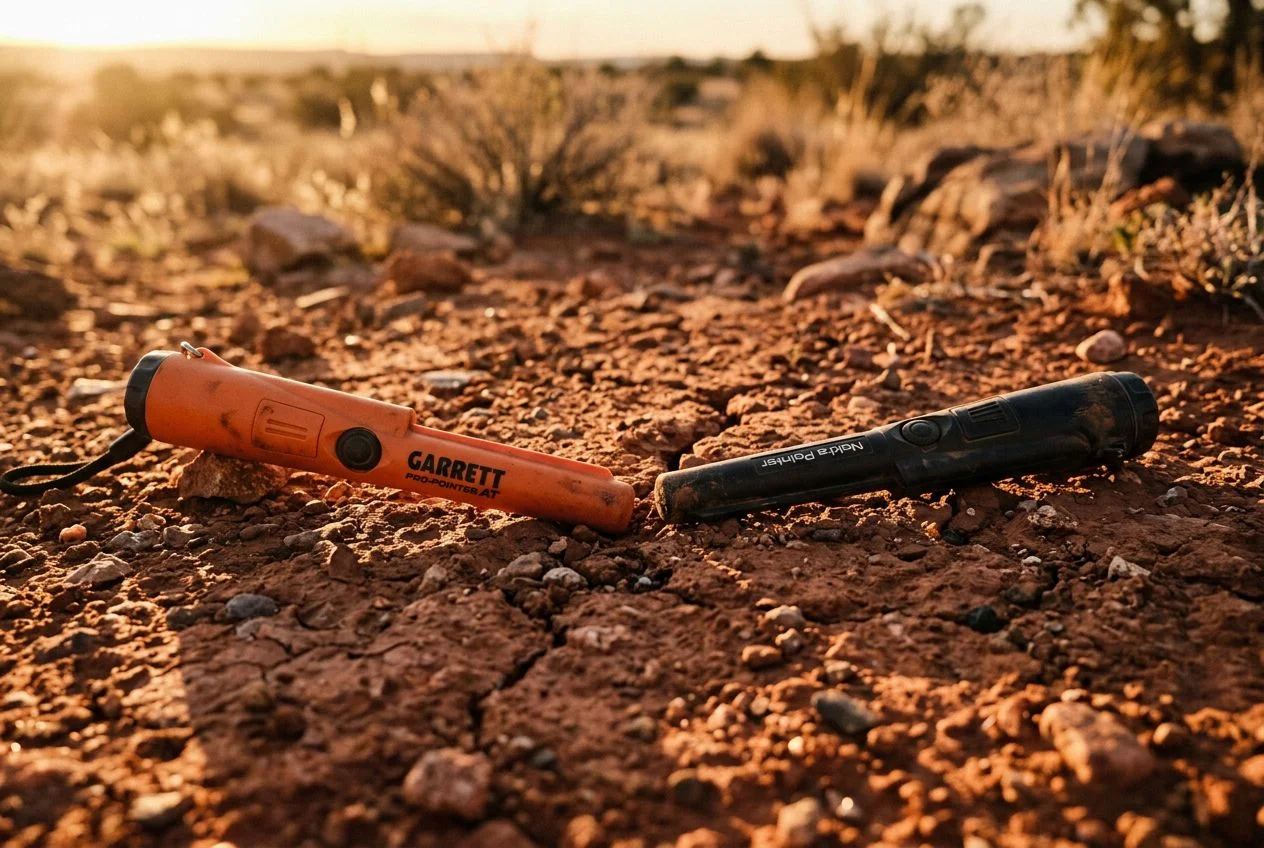
Then you’ve got accessories for your detecting equipment. You’ll want a pinpointer eventually—the Garrett Pro-Pointer AT ($80-130) is still the standard after all these years. Quality headphones ($50-100). Digging tools ($30-60). Finds pouches. Coil covers.
Add $100-300 to your detector cost for a complete setup.
Professional-grade detectors cost serious money. I’ve owned a Minelab Explorer, upgraded to an E-TRAC, and now run a Minelab Equinox 900 ($900-1,000) for most hunts. My deep-seeking machine is an XP Deus 2 ($1,500-2,000). High-end detectors like the Garrett Axiom ($2,500-3,000) offer incredible features.
You don’t need these starting out. But after twenty years? They make a difference.
The verdict: Magnet fishing cost me less than one nice dinner out to start. My first metal detector cost as much as a laptop. My current detector setup represents thousands of dollars invested over two decades.
Both hobbies can grow with you. But magnet fishing’s entry barrier is almost nonexistent.
Magnet Fishing Laws by State and Metal Detecting Regulations: Is It Legal?

This is where things get messy. Fast. After twenty years navigating metal detecting laws, I thought I knew what to expect.
Turns out magnet fishing regulations make metal detecting rules look simple.
Wondering “is magnet fishing legal in my area” or researching metal detecting rules? You need to understand the crazy patchwork of laws around these outdoor activities.
Metal Detecting Regulations: Federal, State, and Local Laws
I’ve been dealing with these rules for two decades, so let me save you some headaches.
Federal lands? Mostly off-limits.
The Archaeological Resources Protection Act (ARPA) bans detecting on most federal property without permits. National parks. National forests (some exceptions). Archaeological sites. All absolute no-go zones.⁵ The U.S. Forest Service has strict policies that change by region.
I learned this the hard way in 2007 when a ranger told me to pack up my detector at a national forest site. Even though I was 50 yards from the boundary. Even though I had permission from the adjacent private landowner. Forest Service land is Forest Service land.
State parks? It’s a nightmare patchwork. Pennsylvania DCNR allows detecting in some areas with permits. Other states ban it completely. Some need written permission.
Always check specific rules before you go. “I didn’t know” doesn’t protect you from losing your detector or getting fined. I’ve seen both happen to good people.
Private property needs explicit permission. I’ve used the same permission letter template for fifteen years. I get landowners to sign before I hunt. This has saved me from police calls at least a dozen times over the years.
Public beaches and parks usually work. But local rules vary wildly. Some cities need permits. Others limit how deep you can dig.
The Code of Ethics for responsible detecting is simple. Leave sites better than you found them. Fill your holes. Take your trash. Respect property.⁶ I’ve followed this code since day one—it’s why I still have access to private sites after twenty years.
Is Magnet Fishing Legal in My Area? Understanding State-by-State Laws
Understanding magnet fishing laws by state is messier than anything I’ve dealt with in two decades of metal detecting. The hobby is newer than most regulations, and lawmakers haven’t caught up yet.
I’m still learning these rules myself, honestly. But here’s what I’ve figured out so far.
South Carolina banned it completely in 2021.⁷ Other states are thinking about bans. Indiana DNR addresses magnet fishing specifically. They need permits in some waterways. They require you to report firearms or potential UXO (unexploded bombs) immediately.
Some states treat it like fishing. No rules. Others treat it like salvage operations. Permits required. Many haven’t made laws yet. It’s a legal gray area that makes me uncomfortable as someone who’s spent twenty years being careful about permissions.
The UK’s Canal & River Trust bans magnet fishing on their waterways without written consent.
The bigger problem? Pull up a firearm? You must report it. Not reporting is a felony in most places. Same with UXO. Artillery shells. Grenades. Mortar rounds.
In 2019, magnet fishers in Michigan found a mortar shell. Bomb squad had to come out. In 2023, similar finds in Michigan included WWII artifacts and multiple firearms.² These aren’t rare events. They’re normal outcomes in areas with military history.
This is the part that worries me most about magnet fishing. In metal detecting, the worst thing I usually find is a rusty nail. With magnet fishing? You could pull up something that explodes.
Bottom line: Both hobbies need serious homework before you start. Check federal, state, and local rules. Get written permission for private property. When in doubt, don’t hunt there.
If you can’t prove you’re allowed, you probably aren’t. That’s twenty years of metal detecting experience talking.
Best Places for Metal Detecting and Where to Go Magnet Fishing Near Me
Best Places to Metal Detect: Parks, Beaches, and Historical Sites

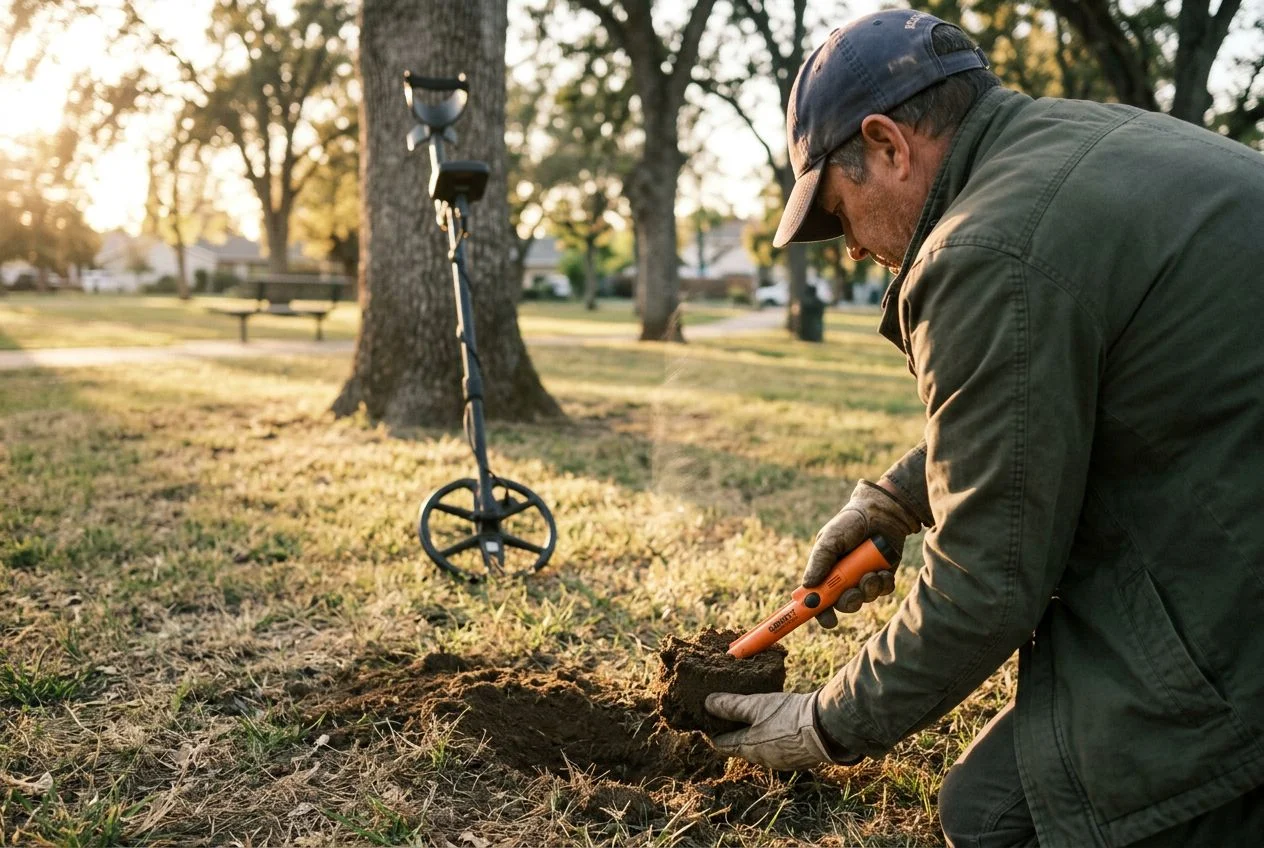
After twenty years, I can spot a productive metal detecting site from a mile away. The best spots mix age, traffic, and easy access. Old parks from before 1960 keep giving up silver coins.⁸
My best silver finds have all come from parks established in the 1930s-1950s. That’s when people still carried real silver coins. Those parks have decades of dropped change in the ground.
Beaches are classics. Especially after storms when fresh sand shows older layers underneath. I’ve found three gold rings at beaches—all after major storms shifted the sand.
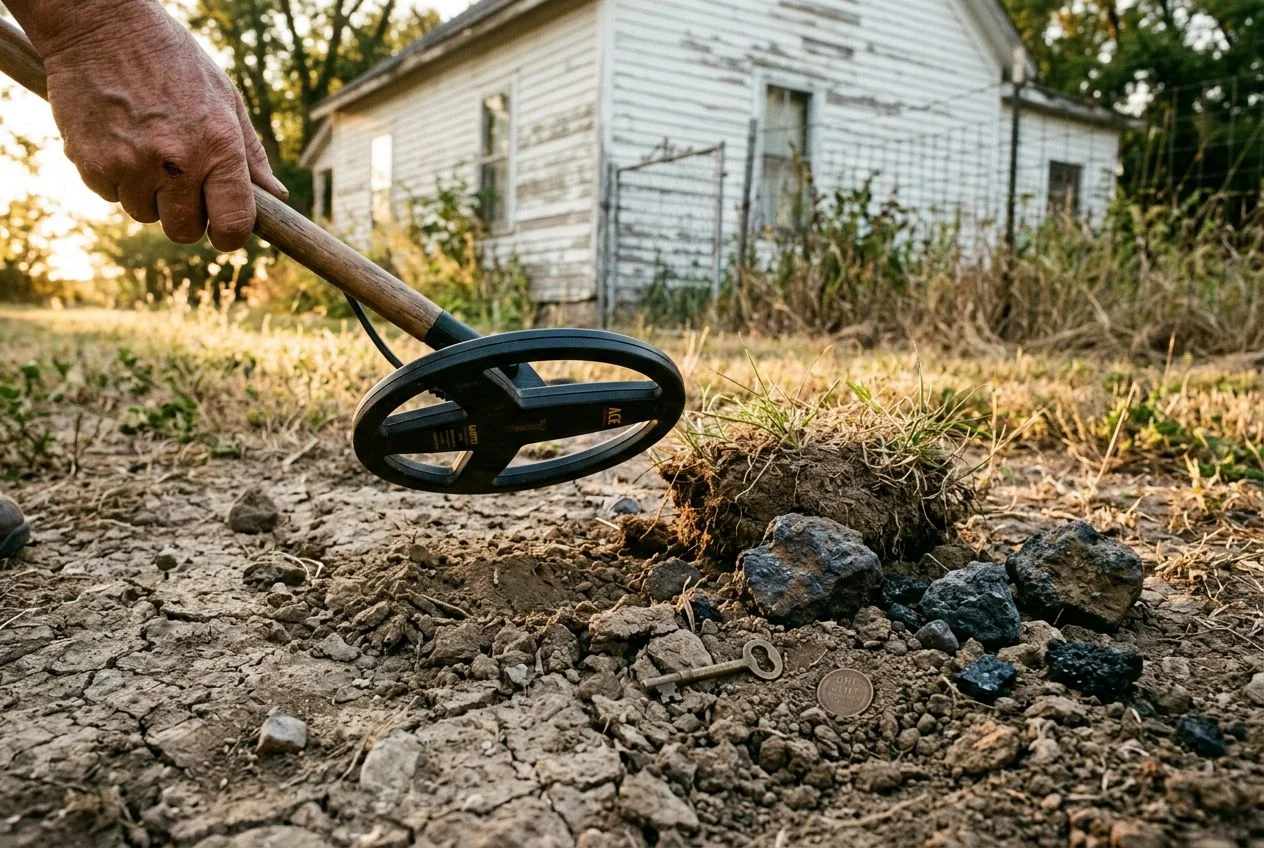
Historical sites (where legal) offer relic potential. Old homesteads. Fairgrounds. Schoolyards. Gathering places. I’ve hunted some of these spots for fifteen years and still find new targets every season. The ground doesn’t give up everything at once.
Research makes the biggest difference. A lot. Historical maps show where swimming holes used to be. Where people gathered. Where old structures stood. County records reveal old property lines. Historical societies pinpoint forgotten spots.
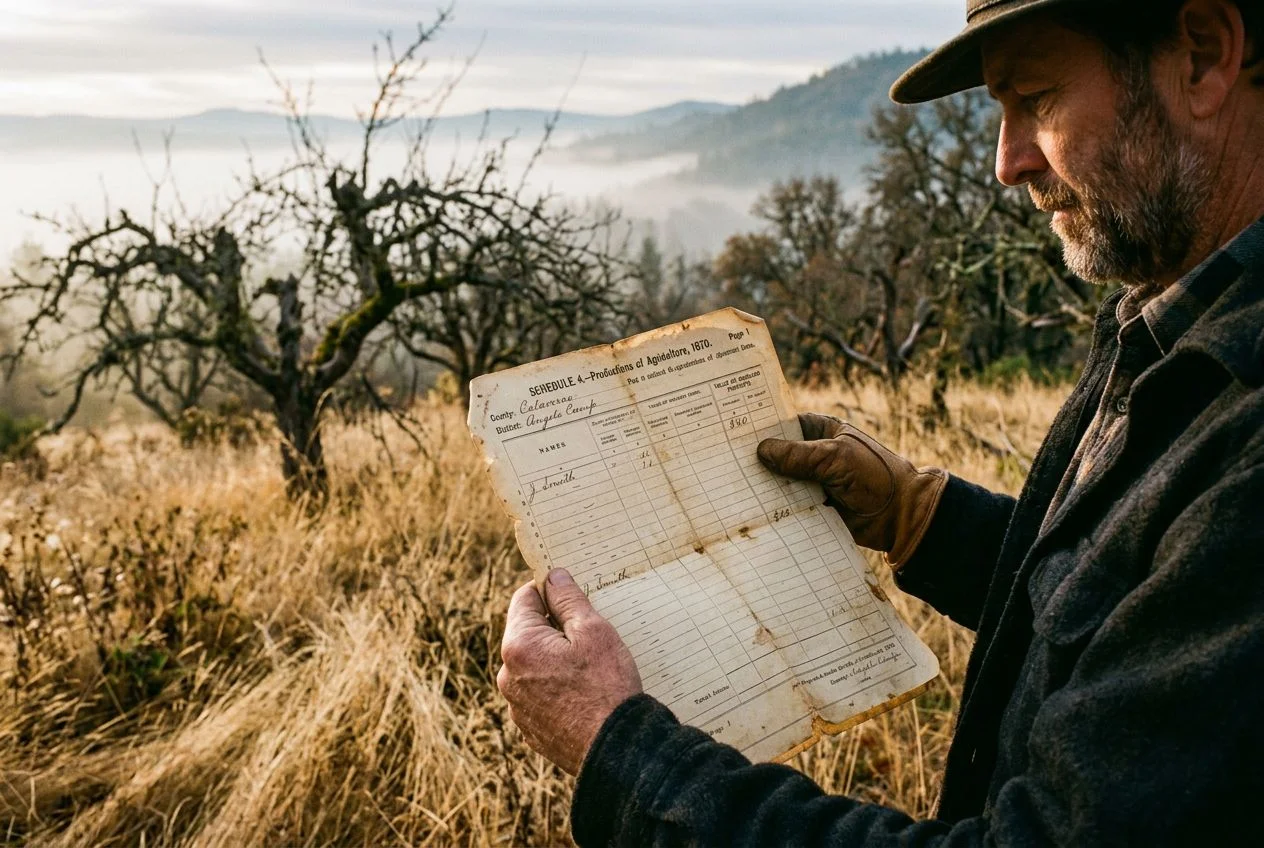
I’ve found my best sites by spending hours in libraries. Looking at century-old maps and property records. Not by randomly driving around hoping for luck. My best relic site? Found it by studying an 1880s map that showed a schoolhouse nobody remembers.
Seasonal stuff matters too. Fall and spring give you good temps and softer ground. Winter detecting works if the soil isn’t frozen. Summer beaches are crowded but produce fresh drops. After twenty years, I hunt year-round now. Every season has its advantages.
Where to Go Magnet Fishing: Finding Productive Water Spots

I’m newer to this, so I’m still learning where magnet fishing produces best.
But the logic is similar to metal detecting. Think about human interaction with water.
Bridge crossings have been great so far. People drop stuff off bridges constantly. Plus, old bridges were where people fished, proposed, and threw things they wanted gone. I’ve pulled up tools, bike parts, and that Civil War bayonet all from the same bridge near my house.
Canal locks. Old mill sites. Boat launches. Fishing piers. Swimming areas near parks. The Reddit r/magnetfishing community shares successful spots and techniques. Those experienced users stress thorough research before you throw—same as metal detecting.
Historical context matters for treasure hunting success. My metal detecting experience helps here. Areas near military bases yield better finds. Same with old industrial sites.
Older is generally better. A canal from 1850 has 175 years of stuff at the bottom. Just like old parks have more coins.
I’m applying twenty years of metal detecting research skills to magnet fishing locations. It’s working so far.
How to Start Magnet Fishing and Metal Detecting Together: The Crossover Strategy
I’ve started using both hobbies on the same hunts. Metal detect the land around a creek. Then magnet fish the creek itself. Cover the park with my detector. Then hit the pond with my magnet.
You’re getting maximum recovery across the land-water line. After twenty years of only detecting land, adding water coverage has opened up entirely new finds.
Magnet Fishing vs Metal Detecting: Which is Better for Your Treasure Hunting Goals?

After twenty years of metal detecting and six months of magnet fishing, here’s my honest take on this hobby comparison:
Choose metal detecting if you:
- Want to find valuable stuff (gold, silver, rare coins)
- Enjoy technical equipment and learning curves
- Have $300+ to start with
- Prefer land-based outdoor activities
- Value picking and choosing what to dig
- Want steady finds with occasional big discoveries
- Have patience for the learning curve
Choose magnet fishing if you:
- Have a tight budget ($50-100 to start)
- Live near waterways
- Want quick results with little learning
- Don’t mind mostly finding scrap with rare treasure
- Enjoy the cleanup aspect
- Want simple, easy treasure hunting
- Like instant gratification
Consider both outdoor activities if you:
- Want maximum treasure hunting coverage
- Can afford both hobbies (around $400-500 total for someone starting fresh)
- Have access to land and water spots
- Enjoy variety in your treasure finder pursuits
- Want to join the growing crossover community
- Already metal detect and want to expand into water coverage
The real truth? Both hobbies give you that treasure hunting thrill. The waiting. The surprise. The connection to history.
My metal detector has given me twenty years of incredible finds and memories. It’s taught me patience, research skills, and land reading. It’s connected me to history in ways I never expected.
My magnet is six months old and has already added a new dimension to sites I’ve hunted for years. That creek behind the old fairground? I’ve detected the banks for a decade. Never thought about what was in the water until now.
My neighbor still asks which one “actually works.”
They both do. The question of magnet fishing vs metal detecting which is better comes down to what speaks to you. The precision of electromagnetic detection? Or the brute force of magnetic pull?
For me? After twenty years of one, adding the other has been the best decision I’ve made for my treasure hunting.
Whatever you choose, start with good research. Respect the laws. And remember this: the best finds come to those who put in the time. Not those with the fanciest detecting equipment or the strongest magnet.
Twenty years taught me that lesson. Six months of magnet fishing has reminded me of it all over again.
Happy hunting, treasure seekers! 🔍
References
- MetalDetector.com. (2025). “How Do VLF Metal Detectors Work.” https://www.metaldetector.com/pages/learnbuying-guide-articlesgetting-startedhow-do-vlf-metal-detectors-work
- CBS Detroit. (2023). “Guns, Bombs, WWII Artifacts Found While Magnet Fishing in Michigan.” https://www.cbsnews.com/detroit/news/guns-bombs-wwii-artifacts-found-while-magnet-fishing-in-michigan/
- K&J Magnetics Blog. (2025). “Treasure Hunting with Fishing Magnets.” https://www.kjmagnetics.com/blog/treasure-hunting-with-fishing-magnets
- MetalDetector.com. (2025). “2025 Best Detectors for Beginners, Experts, Beach & More!” https://www.metaldetector.com/blogs/new_blog/2025-best-metal-detectors
- U.S. Forest Service. (2025). “Metal Detecting Policy.” https://www.fs.usda.gov/r08/gwj/safety-ethics/metal-detecting-policy
- MetalDetector.com. (2025). “Treasure Hunter’s Code of Ethics: Best Practices for Responsible Detecting.” https://www.metaldetector.com/blogs/new_blog/treasure-hunters-code-of-ethics
- Magnet Fishing Is Fun. (2025). “Magnet Fishing Laws: A State-by-State Guide – Updated Feb 2025.” https://www.magnetfishingisfun.com/blog/magnet-fishing-laws-a-state-by-state-guide
- Metal Detecting in the USA. (2025). “Best Places to Metal Detect.” https://metaldetectingintheusa.com/best-places-to-metal-detect/

My name is Paul and I am the founder of Detector For Metal, a dedicated resource for metal detecting enthusiasts seeking to uncover historical treasures and connect with the past using the latest technology. As a stay-at-home dad and family man, I’ve found metal detecting to be the perfect hobby that combines family adventure with historical learnings for the whole family.
As a father, I’m deeply committed to passing on this hobby to the next generation of detectorists, starting with my own children. I share advice on everything from metal detecting with kids to exploring the top 10 metal detecting sites you never thought about. My methodical approach to the hobby goes beyond the thrill of discovery—it’s about creating family traditions while preserving history and sharing the stories of those who came before us.