Table of Contents
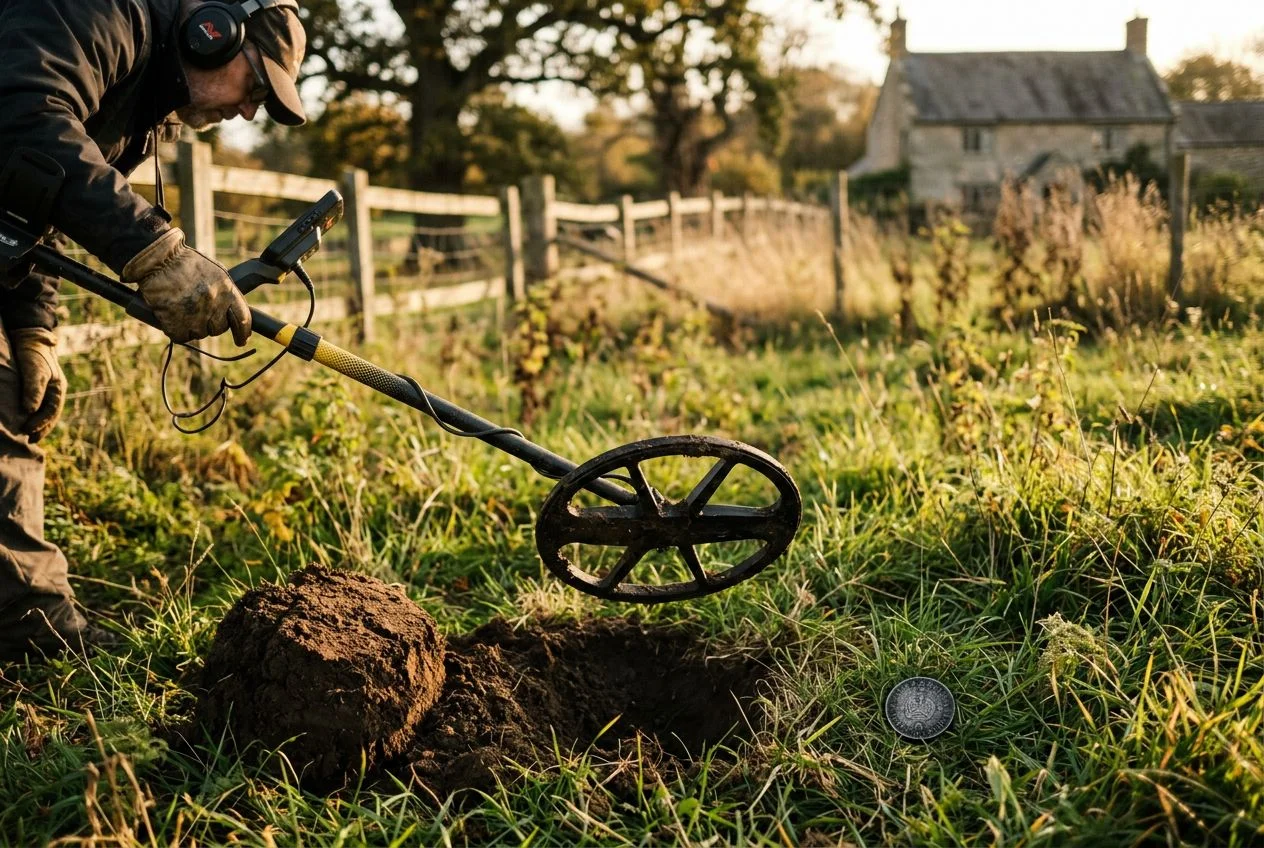
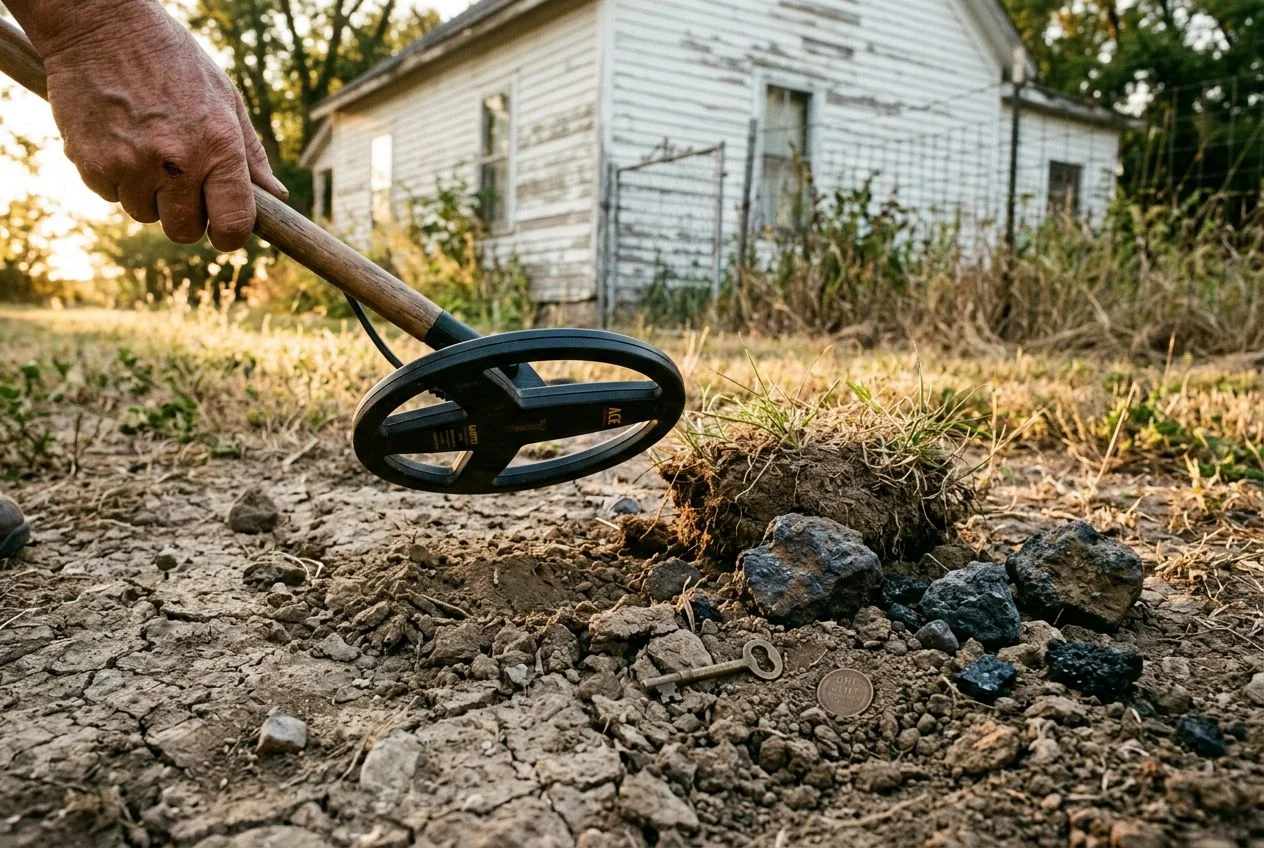
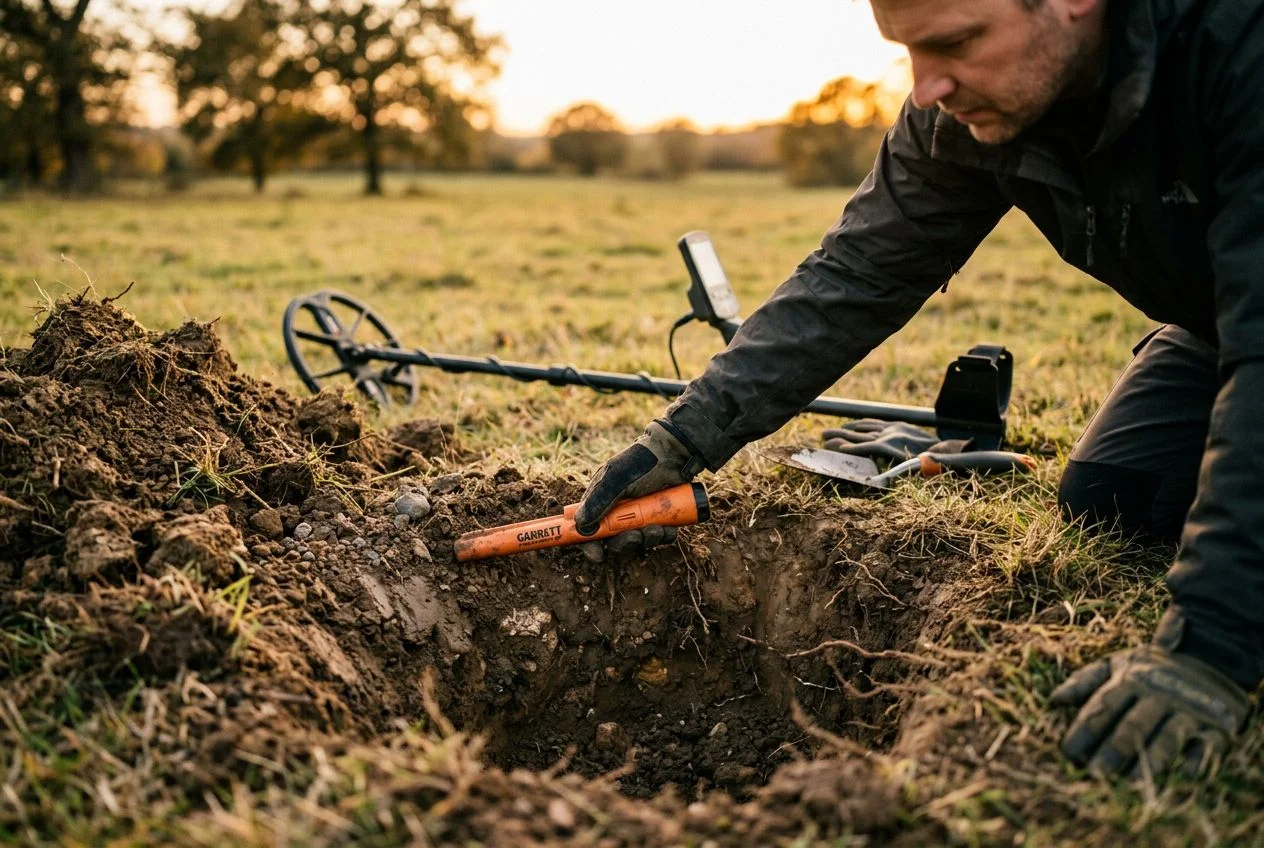
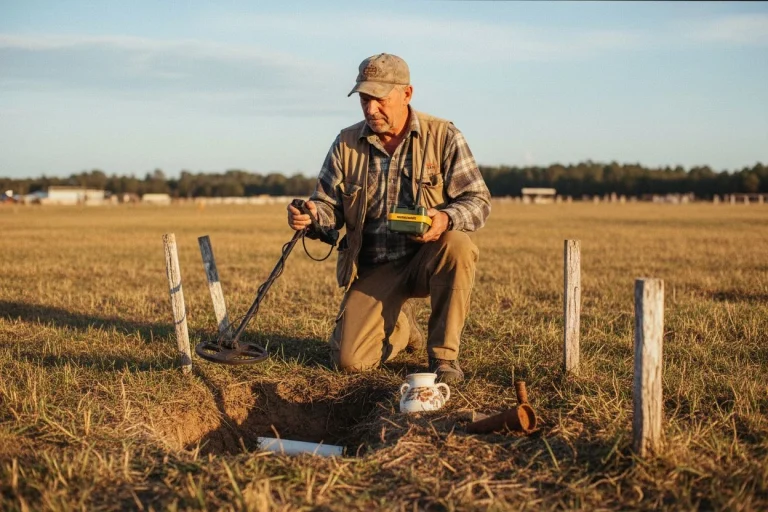
Last summer, my buddy Tom and I spent a blistering afternoon at an old county fairground site that should have been loaded with silver. I spent three weeks in the newspaper archives tracking down the exact location of the 1920s midway. I found a map overlay showing where the ticket booth sat. I was certain I’d finally pull my first Barber half dollar from the dirt.
Three hours later, I’d dug exactly fourteen aluminum pull-tabs and a rusted bolt that may or may not have come from a Model T.
The problem wasn’t the site. The problem was everything I was missing — the non-metallic objects my detector couldn’t see, wouldn’t see, and had no way of seeing. Plastic tokens from the carnival games. Fiberglass fence posts that once marked the animal pens. A PVC conduit that might have led to a long-buried cache but just looked like empty ground to my Equinox 900.
That day got me thinking about something I’d been ignoring for years: metal detecting is incredibly good at finding metal. But what about everything else?
I’m probably way more excited about this than any normal person should be. But here’s the thing — the next frontier in underground scanning isn’t about finding metal better. It’s about seeing everything else.
Why Non-Metallic Detection Matters Now
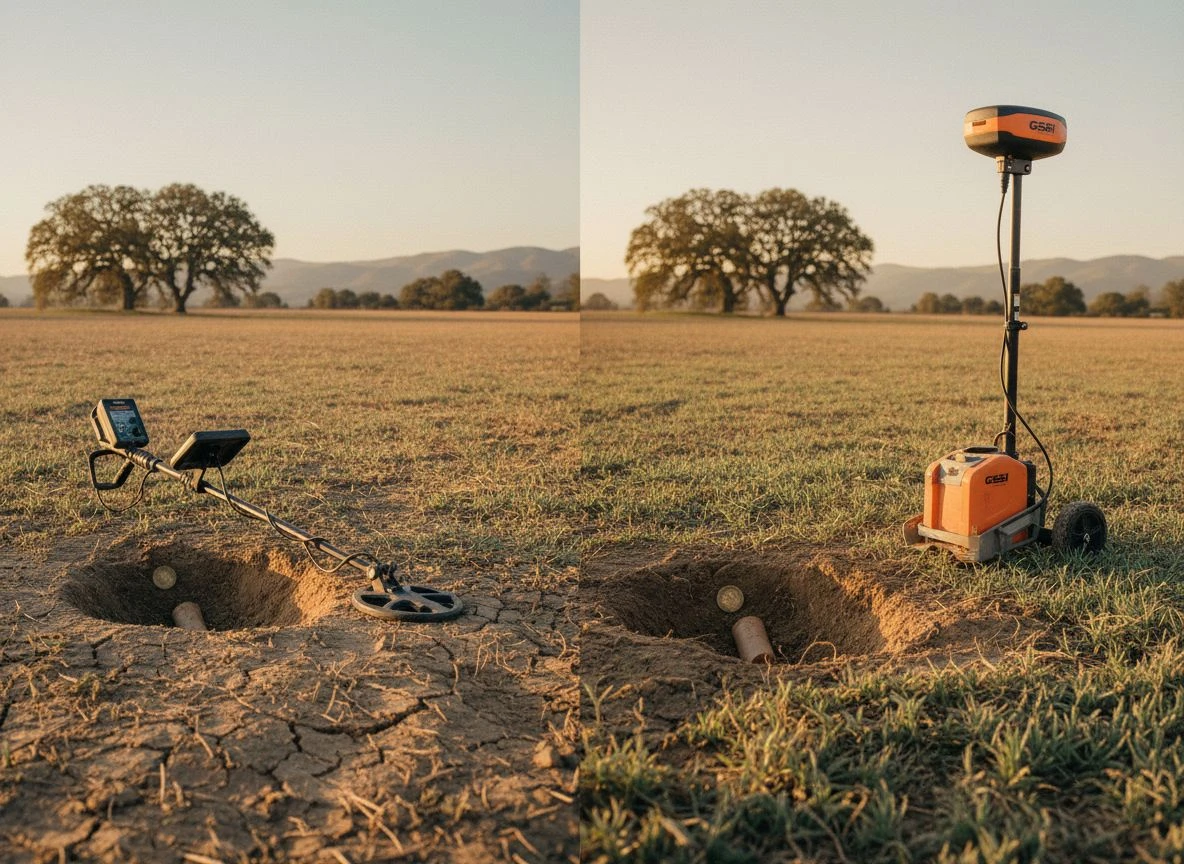
Anyone who’s ever used a traditional metal detector knows the fundamental limitation. We’re chasing conductive materials. Silver, copper, gold, lead, iron — if it conducts electricity, we’ve got a shot. But the stuff that doesn’t conduct? Wooden artifacts. Ceramic pipes. Plastic conduits. Fiberglass composite. Buried foundations made of stone or brick.
That’s a lot of the underground world we’re operating in blind.
According to industry data, Ground Penetrating Radar solutions now account for roughly 38% of the underground utility mapping market. That makes it the most widely adopted tech for detecting both metallic and non-metallic objects. The reason is simple: GPR doesn’t care if something conducts electricity. It sends radio waves into the ground and reads the reflections that bounce back from changes in subsurface material. Plastic pipe, tree root, concrete slab, clay pot — they all produce different signatures.
That’s a fundamentally different approach from the electromagnetic induction we rely on as detectorists. And it opens up an entirely new world of what’s possible.
Can Traditional Detectors Find Non-Metallic Objects?
The core challenge with non-metallic detection is that most of the materials we’d like to find — plastic, PVC, fiberglass, wood, ceramic — have electromagnetic properties very similar to the soil around them. They don’t create the sharp electrical contrast that a coin or piece of iron produces.
This is especially frustrating for utility locating. Modern utilities like plastic water pipes and fiber optic cables are often hard to detect with conventional methods. That leads to incorrect placemarking or missed utilities entirely. That’s not just an inconvenience — it’s a safety issue when excavation crews start digging.
I’ve talked to contractors who’ve punched through unmarked gas lines because the locating equipment couldn’t see the plastic conduit. My detecting buddy Mike, who does site surveys on the side, told me about a job where they spent three days chasing a “ghost pipe.” It turned out to be an old tree root with a similar dielectric signature. “Hours of digging for a dead root system,” he said. “The GPR was right. The interpretation was the problem.”
That’s the thing about non-metallic detection — the sensors are getting better, but interpreting what they’re seeing is still as much art as science.
Ground Penetrating Radar for Non-Metallic Targets
Ground Penetrating Radar has been around for decades, but recent advances are making it dramatically more useful for non-metallic targets. Improved signal processing algorithms and enhanced imaging capabilities are producing clearer subsurface images than ever before. Higher-frequency antennas give better resolution for shallow targets. Lower frequencies punch deeper but sacrifice detail.
For our purposes as detectorists, this matters because GPR can see things we simply can’t. Buried foundations. Old stone walls. Caches in glass jars. Even graves — which is a topic I’ll handle carefully, but it’s a real application in archaeological circles.
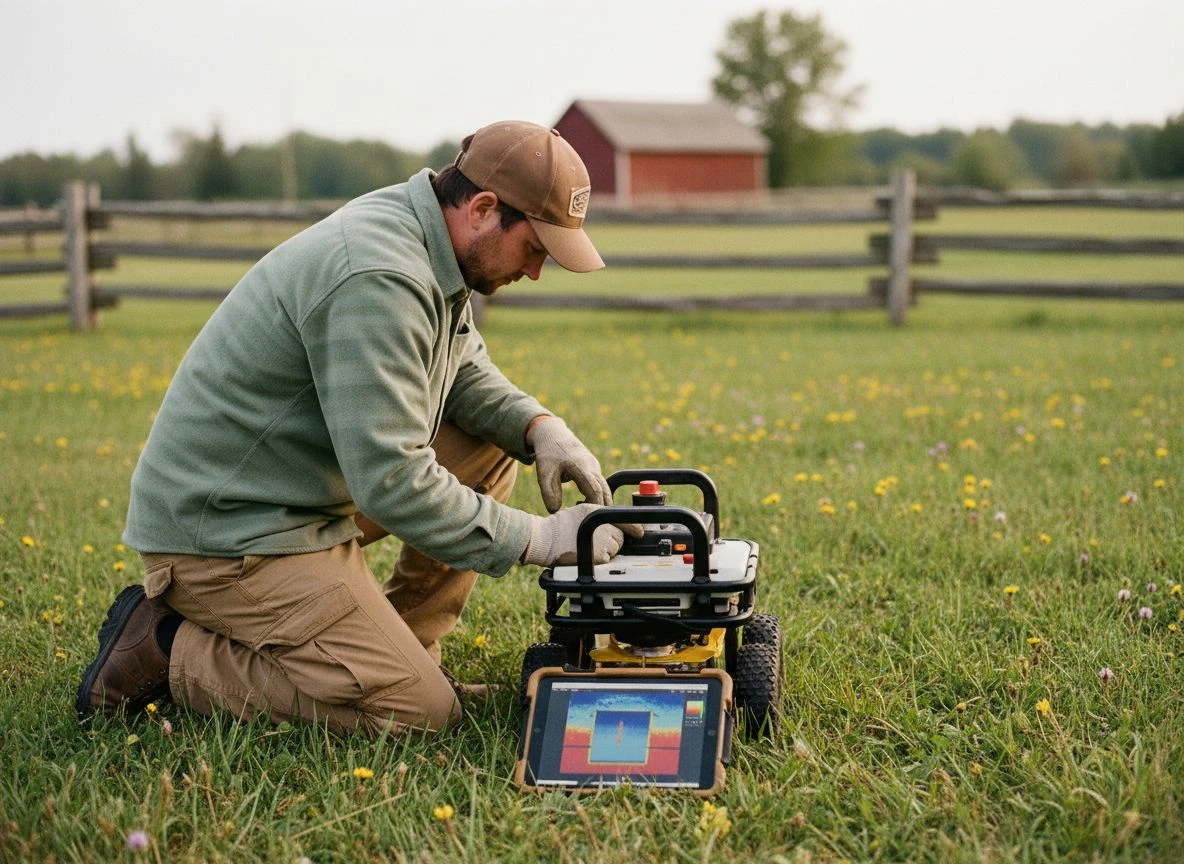
The technology isn’t perfect. GPR struggles in highly conductive soils — wet clay can turn a scan into nonsense. Rocky ground produces so many reflections that finding the target among the noise is like picking out a single conversation at a rock concert. And good GPR equipment is expensive. A decent unit runs $5,000 to $15,000. That puts it out of reach for most hobbyists.
But here’s where it gets interesting for us: the prices are coming down, and the integration with consumer gear is accelerating.
The Foil Trick and Other Detection Hacks
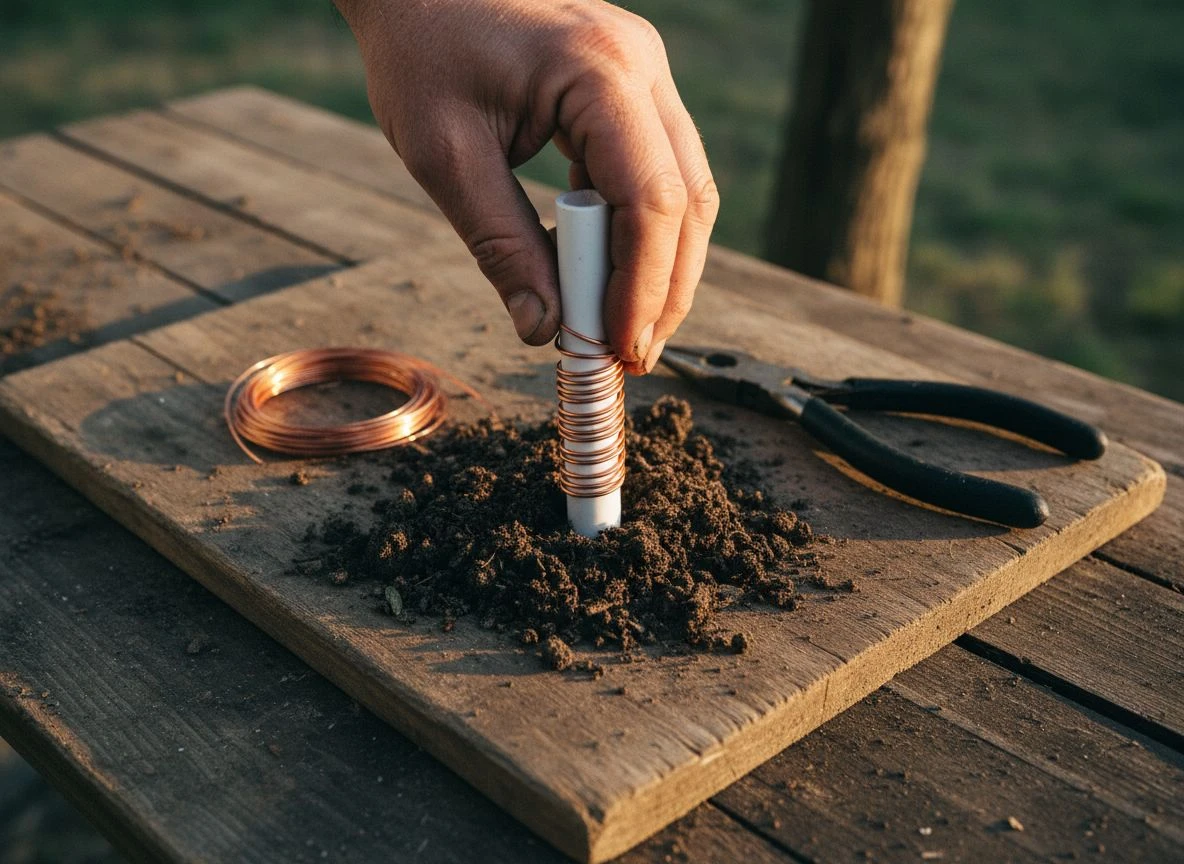
One of the most fascinating pieces of research I came across involves a surprisingly low-tech solution to a high-tech problem. A 2023 study found that applying electrically conductive overlays — specifically carbon fabric or aluminum foil — to non-metallic pipes before burial significantly increases the reflected GPR signal amplitude. In other words, wrapping your plastic pipe in aluminum foil makes it show up like a metallic target.
This is the kind of thing that makes me grin. The paper notes that traditional metallic tracer wires corrode and break over time, while pipelines are expected to last 50 years or more. But a carbon fabric wrap? That could last as long as the pipe itself.
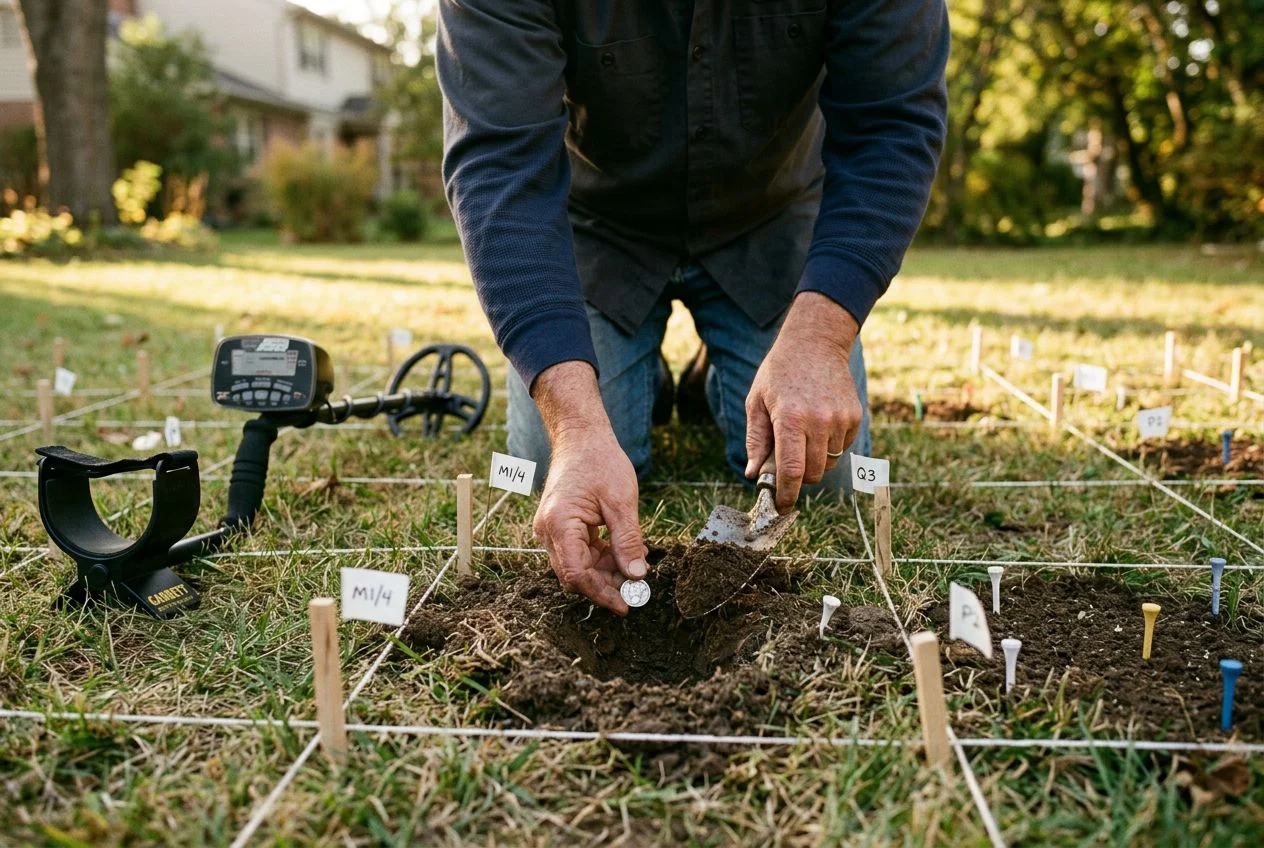
For detectorists, this has practical implications. If you’re burying a marker for a future hunt — say, you find a productive spot and want to mark a specific location — wrapping something conductive around your marker post makes it detectable for years to come. I’ve started using copper grounding wire wrapped around PVC stakes for my own site markers. Six inches deep, and my Equinox hits them cleanly.
Laser Scanning as a Detection Tool
Here’s where things get properly futuristic. Researchers at the University of Mississippi have developed a laser multibeam vibration sensor technology — called LAMBDIS — that can detect buried objects including non-metallic landmines from a moving vehicle. The system uses a 34×23 matrix array of laser beams to create a vibration map of the ground. It identifies buried objects by how the surface vibrates differently above them.
This is laser-acoustic detection. It sends sound waves into the ground and reads the surface vibrations with lasers. Plastic, ceramic, wood — none of it matters to this system because it’s not looking for electrical conductivity. It’s looking for physical discontinuities.
The landmine application is obvious and important — most modern mines are plastic and undetectable by traditional metal detectors. But for treasure hunting? Imagine driving over an old homestead site and getting a complete subsurface map of every foundation, cache, and buried structure in under a minute.
We’re not there yet for consumer gear. But the principle is proven, and the technology is miniaturizing fast.
How These Technologies Change Metal Detecting
I’ll level with you: most of us aren’t going to drop $10,000 on a GPR unit or strap a laser array to our truck. But the trickle-down is real, and it’s already happening.
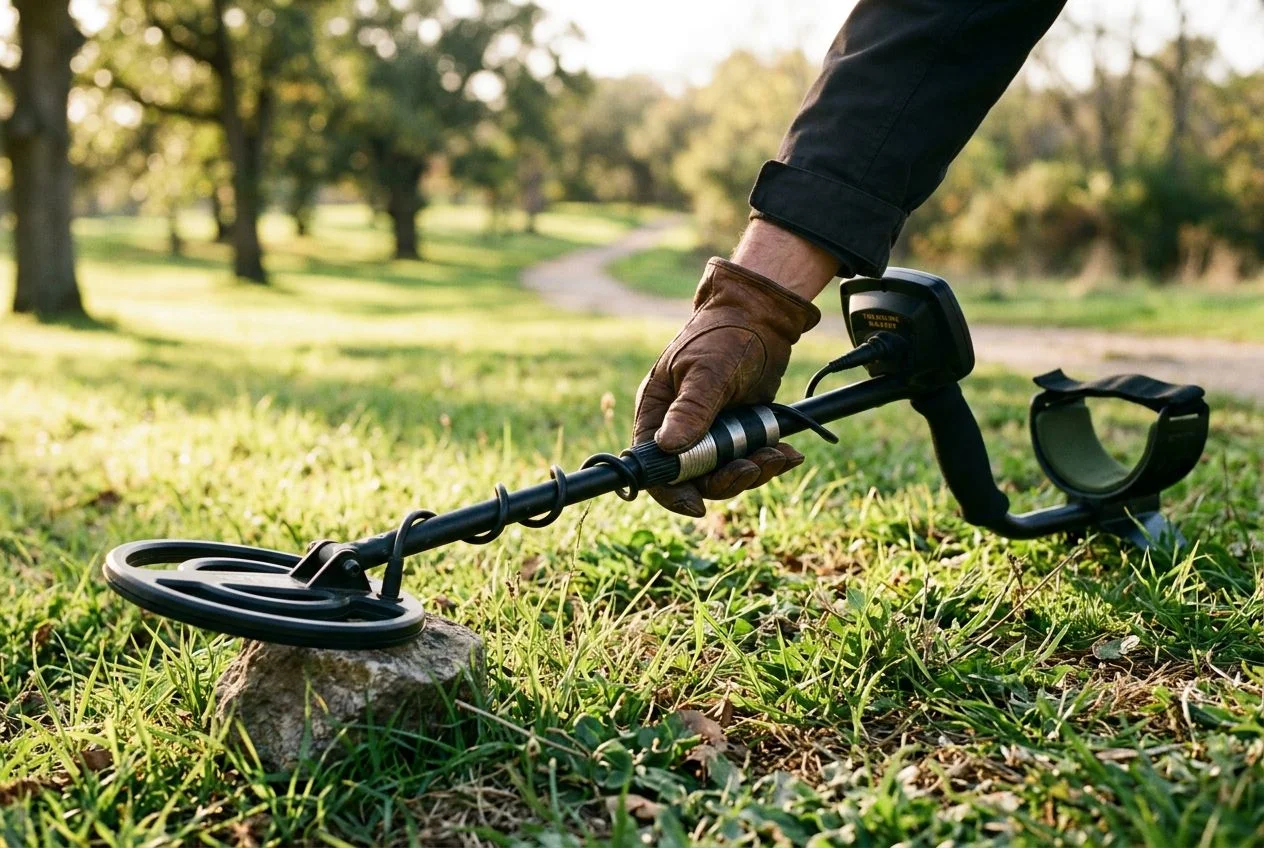
The Minelab Equinox 800 Metal Detector Bundle I swing has Multi-IQ technology that processes multiple frequencies simultaneously. That’s a form of analyzing ground composition beyond simple conductivity. The next generation of detectors will likely incorporate even more ground analysis features, moving us closer to seeing the full subsurface picture.
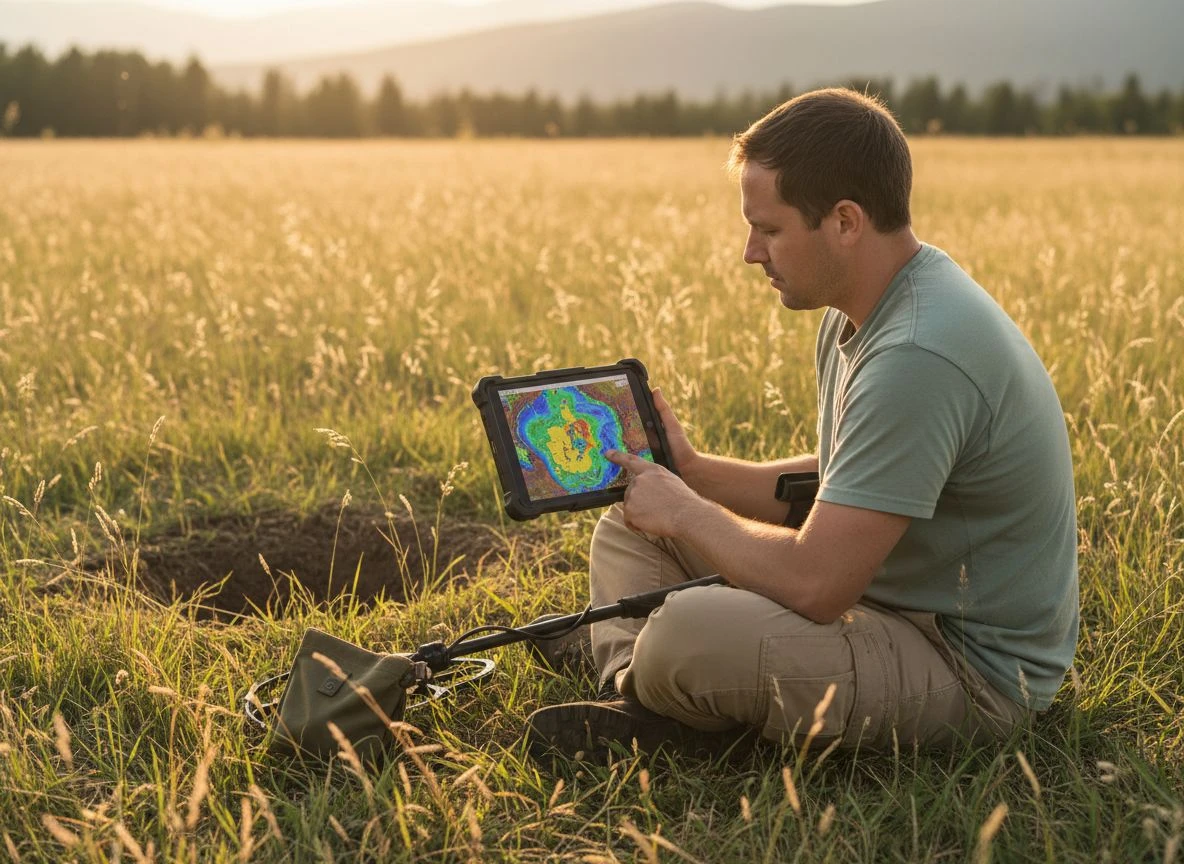
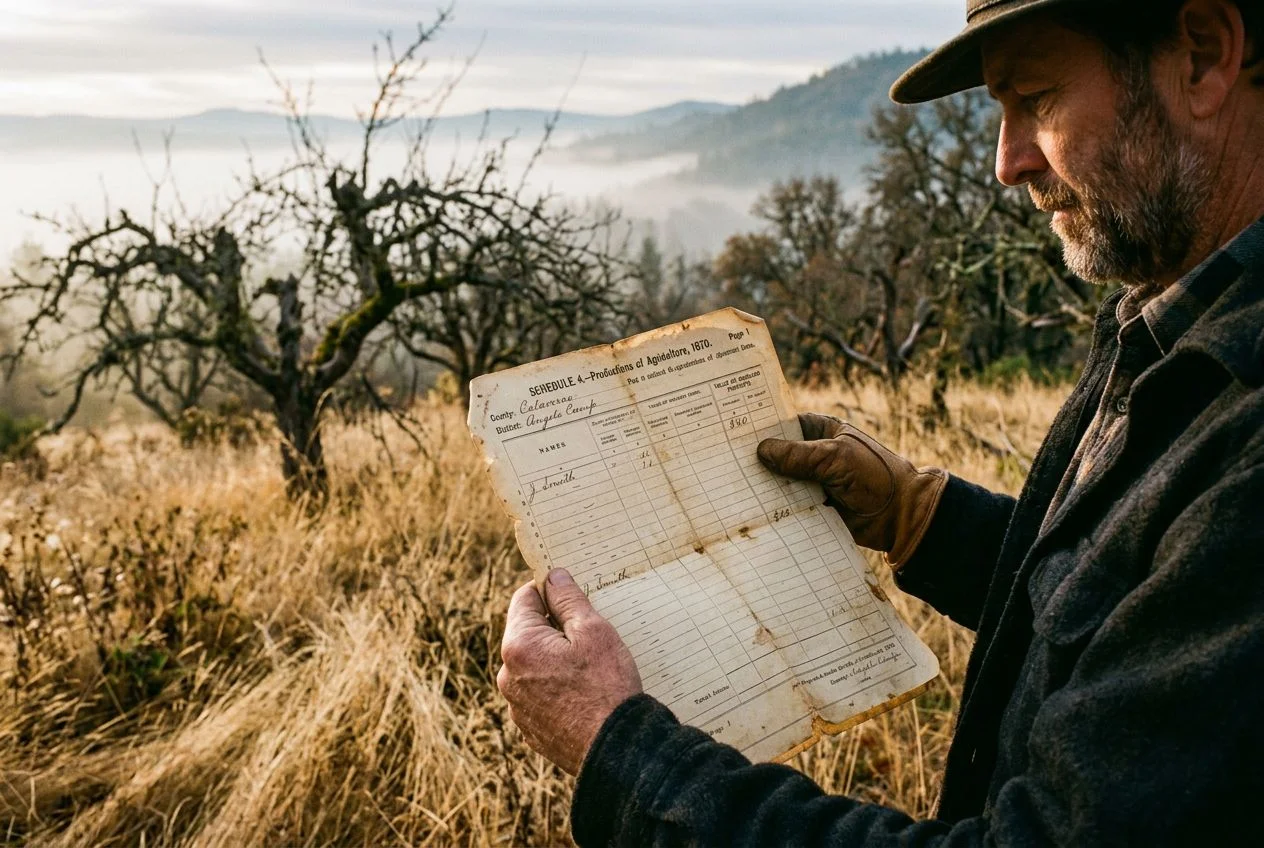
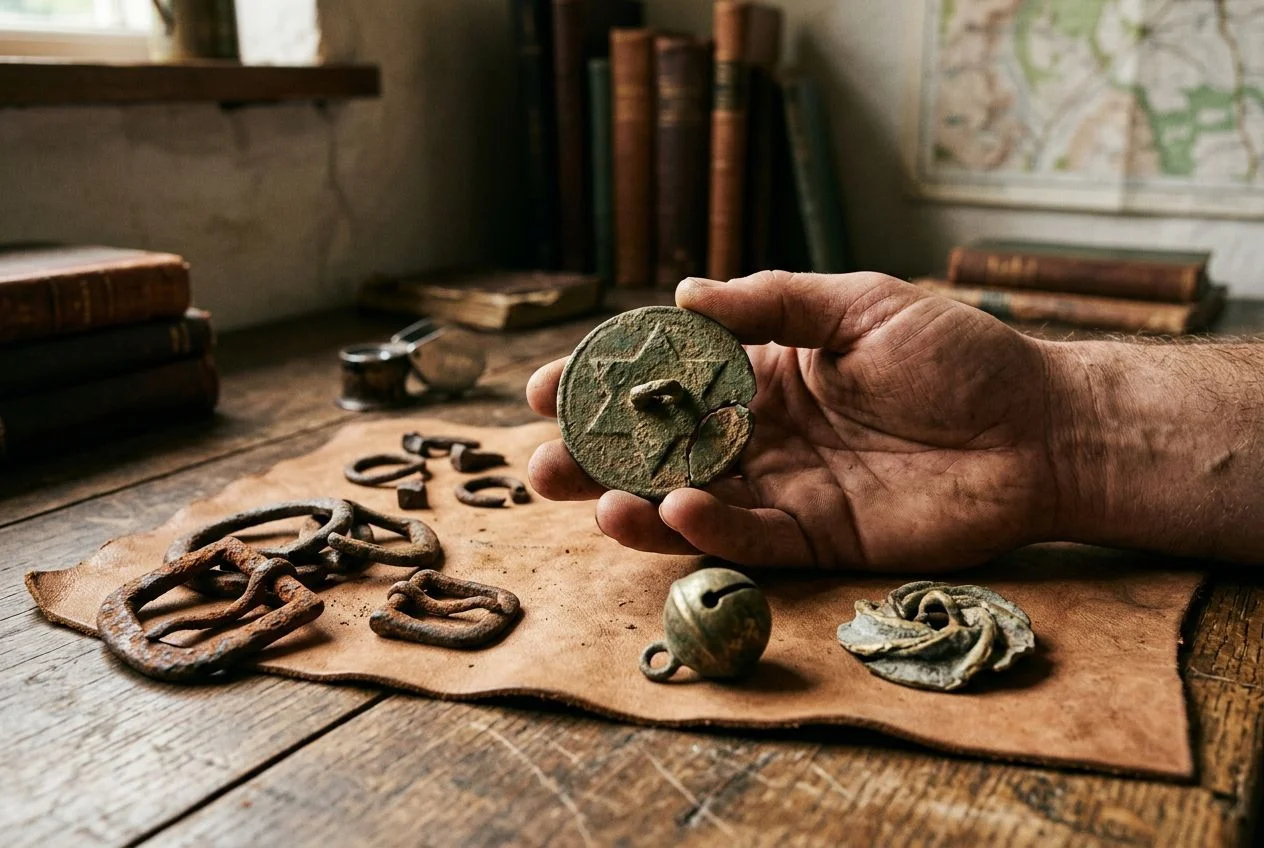
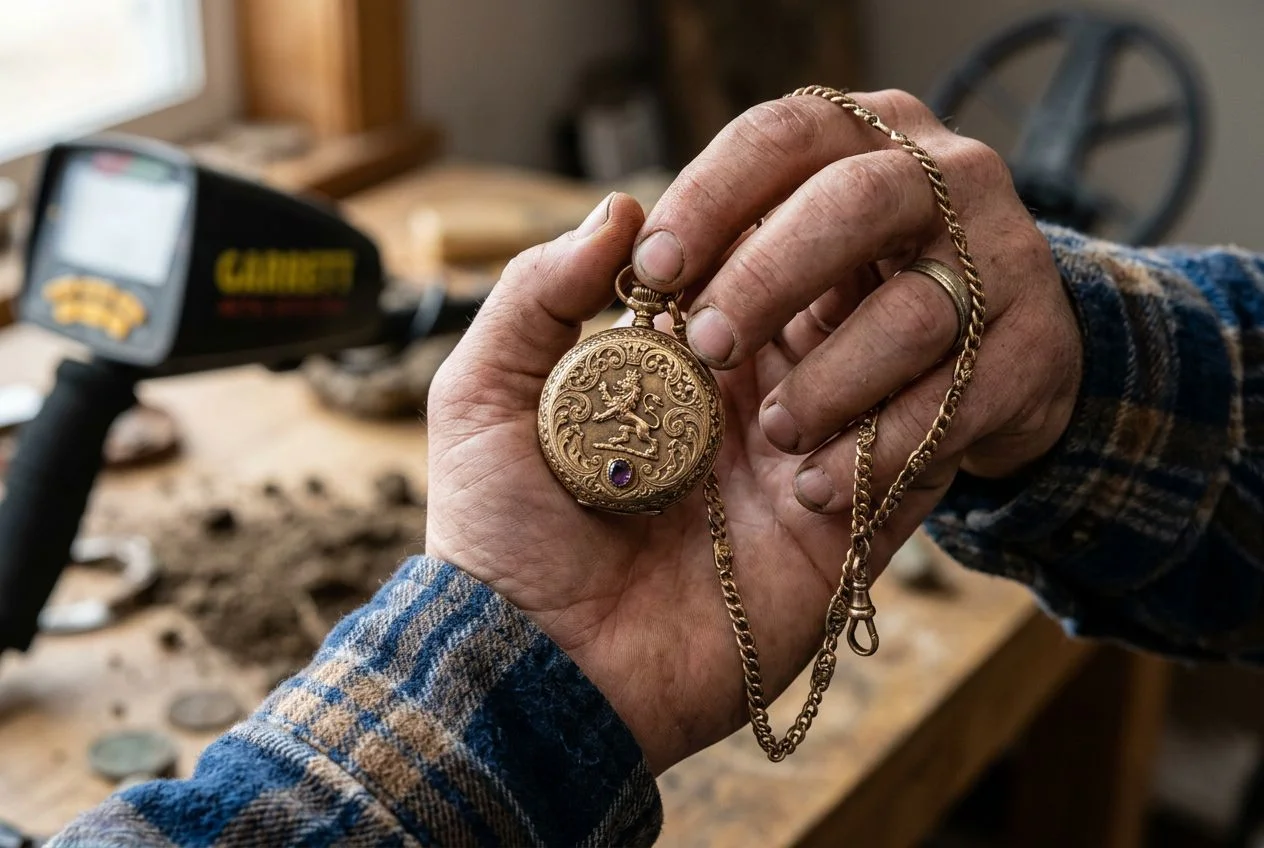
For site research, I’ve started using historical GPR surveys where they’re available. Local utilities and engineering firms sometimes publish their survey data, and it’s gold for finding old foundations and buried structures that don’t show up on surface maps. I found an 1890s carriage house foundation in Sacramento this way. The GPR survey from a sewer line replacement project showed a rectangular anomaly that turned out to be the original stone base. It was filled with coins and relics from the 1910s.
For serious hunters, the GoldenEye+ scanner offers another option — an advanced 3D ground scanning system that can detect buried structures and anomalies beyond simple metallic targets. It’s designed for large-area scanning and deep detection. It’s the kind of tool you’d use when you’re trying to map out a whole site before deciding where to dig.
The Next Frontier in Underground Scanning
I’ve been doing this long enough to remember when people thought multi-frequency detectors were science fiction. I’ve watched GPS integration go from a luxury feature to standard equipment. Every few years, something shifts the ground under our feet — pun absolutely intended.
Non-metallic detection is the next shift. It won’t replace metal detectors — we’ll still need our Equinoxes and Gold Bugs for finding coins and relics. But the ability to see everything underground, not just the conductive things, is going to change how we find sites, how we interpret them, and what we decide to dig.
My buddy Tom still thinks I’m crazy when I talk about this stuff. “You’re a treasure hunter, not a geophysicist,” he says.
Maybe. But I’ve been to enough meetings of our local detecting club to know that the best sites come from the most unexpected places. The guy who brought a historical society map found a virgin 1850s homesite. The woman who used LiDAR data discovered a forgotten mining camp. There’s always someone who’s looking at the ground differently.
I want to be that person.
And if that means learning a little bit about GPR, laser acoustics, and the dielectric properties of buried PVC to find what everyone else is walking over — well, I’ve spent longer on dumber things. My wife says I collect obscure facts like some people collect stamps. She’s not wrong.
But if one of those facts leads me to a buried cache that no detectorist has seen in a hundred years, I think we can agree it was worth it.
Happy scanning.

My name is Paul and I am the founder of Detector For Metal, a dedicated resource for metal detecting enthusiasts seeking to uncover historical treasures and connect with the past using the latest technology. As a stay-at-home dad and family man, I’ve found metal detecting to be the perfect hobby that combines family adventure with historical learnings for the whole family.
As a father, I’m deeply committed to passing on this hobby to the next generation of detectorists, starting with my own children. I share advice on everything from metal detecting with kids to exploring the top 10 metal detecting sites you never thought about. My methodical approach to the hobby goes beyond the thrill of discovery—it’s about creating family traditions while preserving history and sharing the stories of those who came before us.