Table of Contents
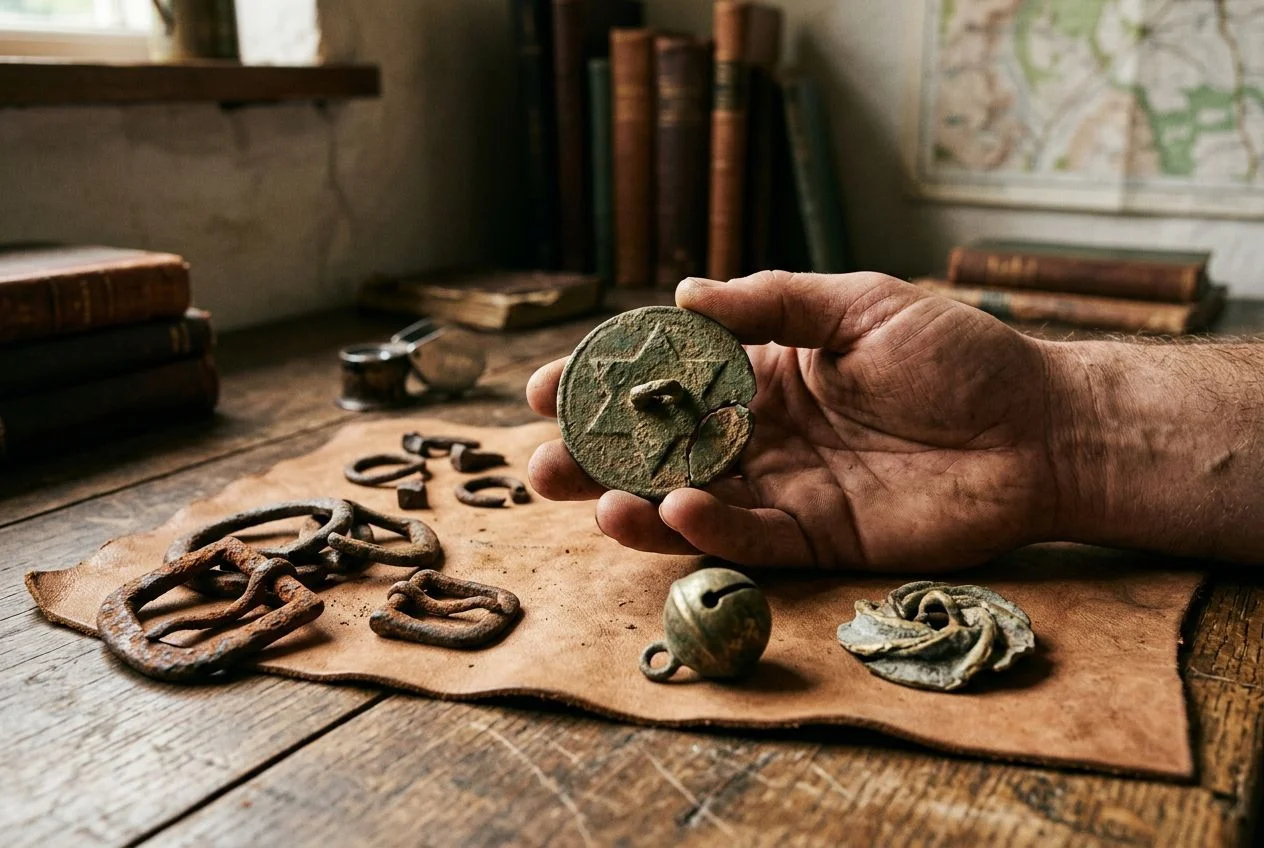
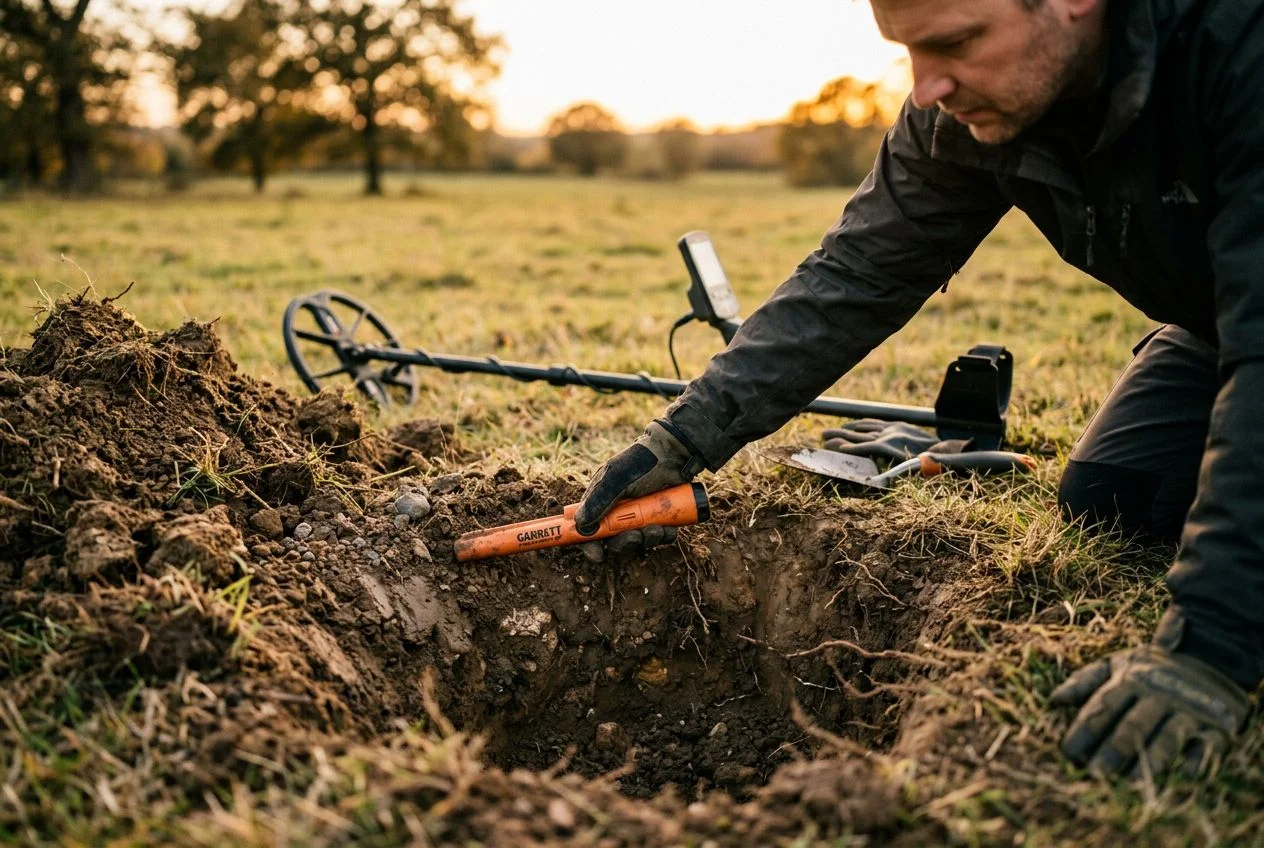
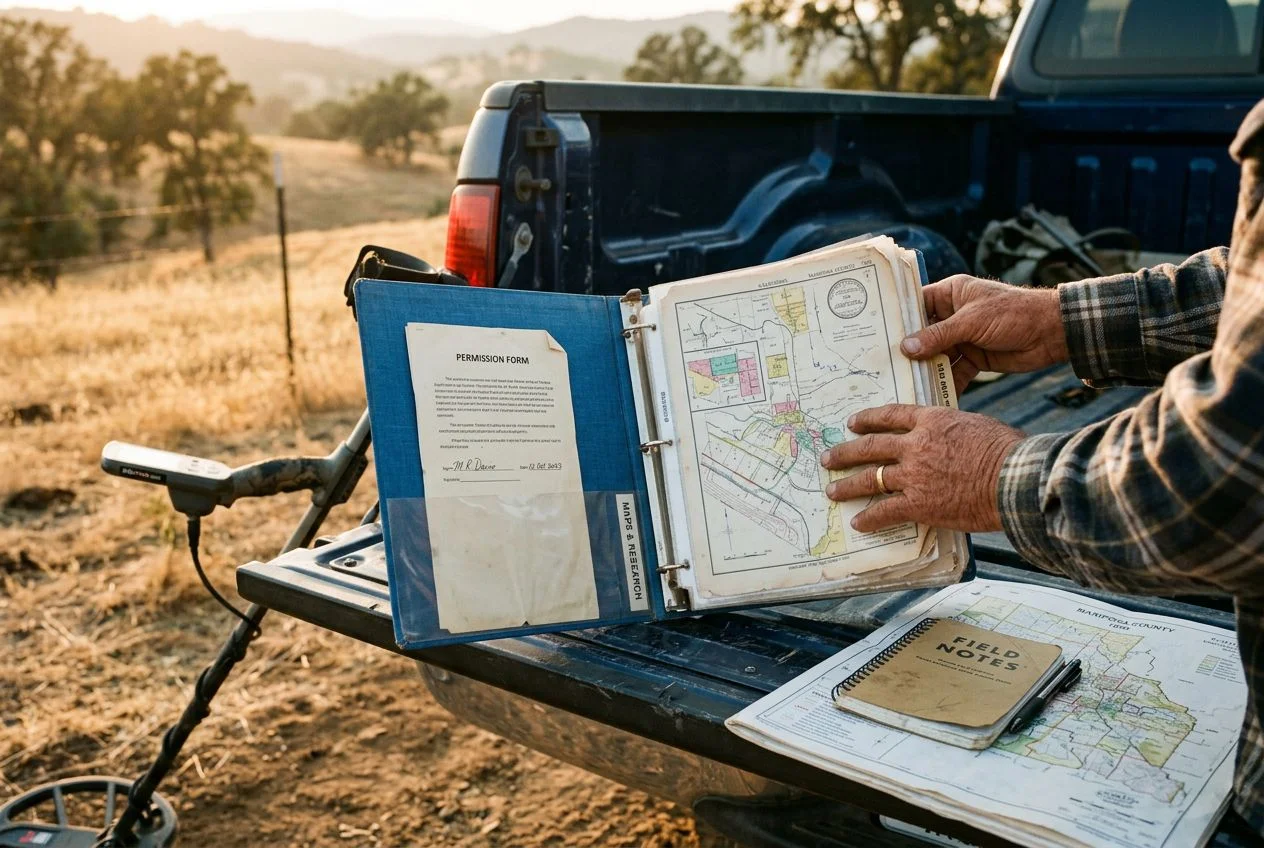
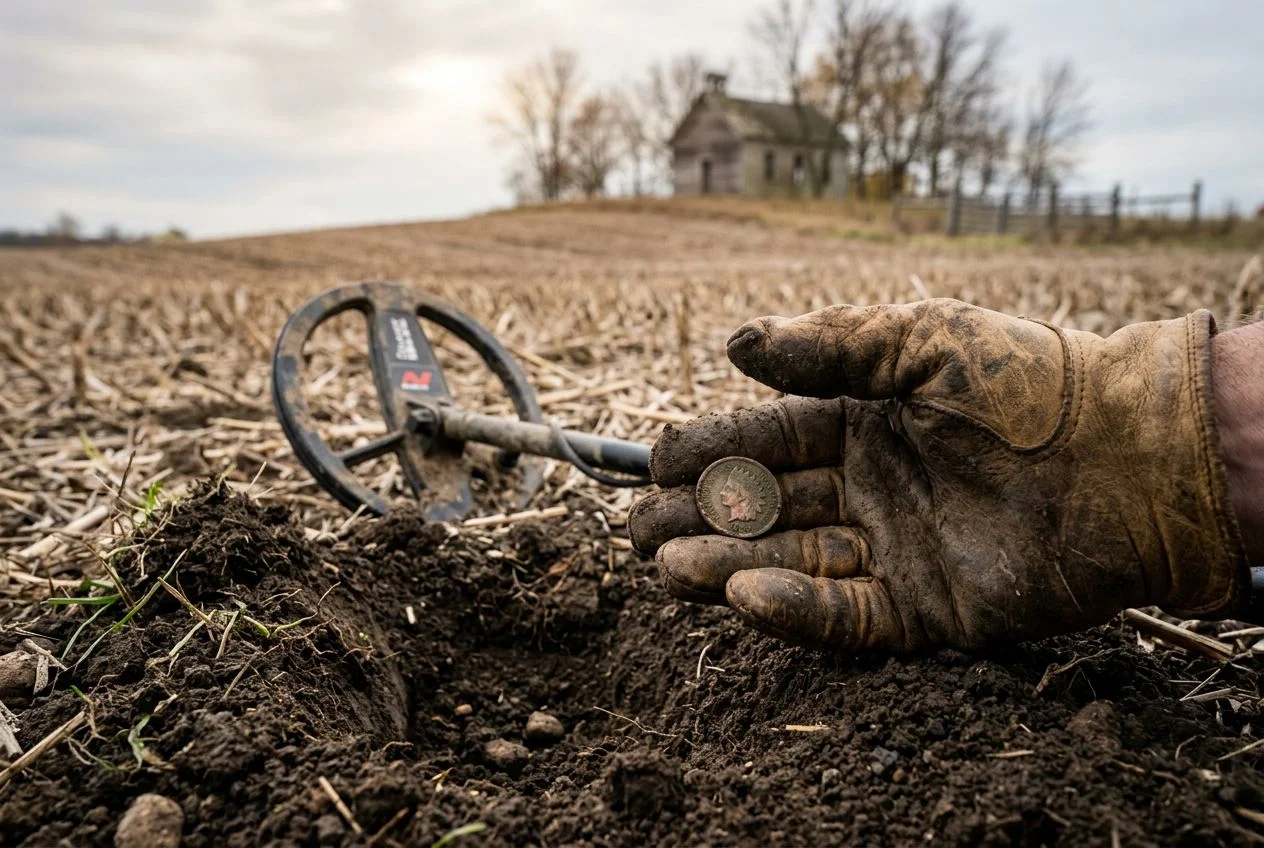
My buddy Tom called me last week, frustrated as hell. He’d spent the morning at an old homestead site he’d researched for months — newspapers, Sanborn maps, the whole nine yards. But his detector was screaming on every swing. Mineralized soil. Hot rocks. He couldn’t tell a dropped silver coin from a chunk of iron. He was ready to toss his machine in the creek.
“Maybe it’s the detector,” he said.
“Maybe it’s the type of detector,” I said back.
Here’s the thing Tom was bumping up against: there isn’t one technology that handles everything. VLF, PI, multi-frequency, and now 3D magnetometer systems — they’re all tools for different jobs. And picking the wrong one for your terrain is like bringing a fishing rod to a deer hunt. You’ll be out there, sure, but you probably won’t come home with anything worth showing off.
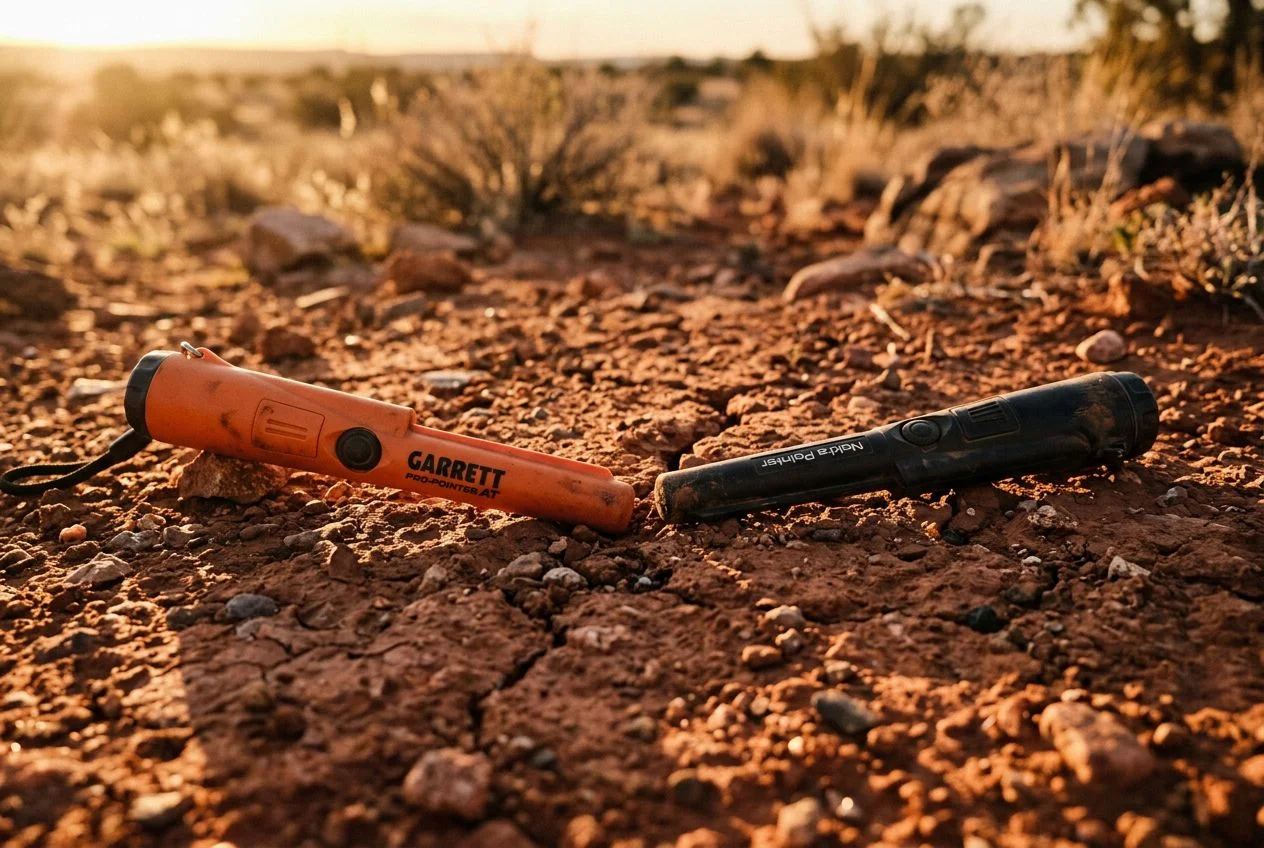
I’ve been through this exact confusion myself. I started on a used Garrett ACE 250, upgraded to an AT Pro, then an Equinox 900, and somewhere along the way I got curious about the 3D scanning stuff. Each switch taught me something about what the underlying technology actually does. So let me save you the trial and error I went through.
When VLF Metal Detectors Excel and Struggle
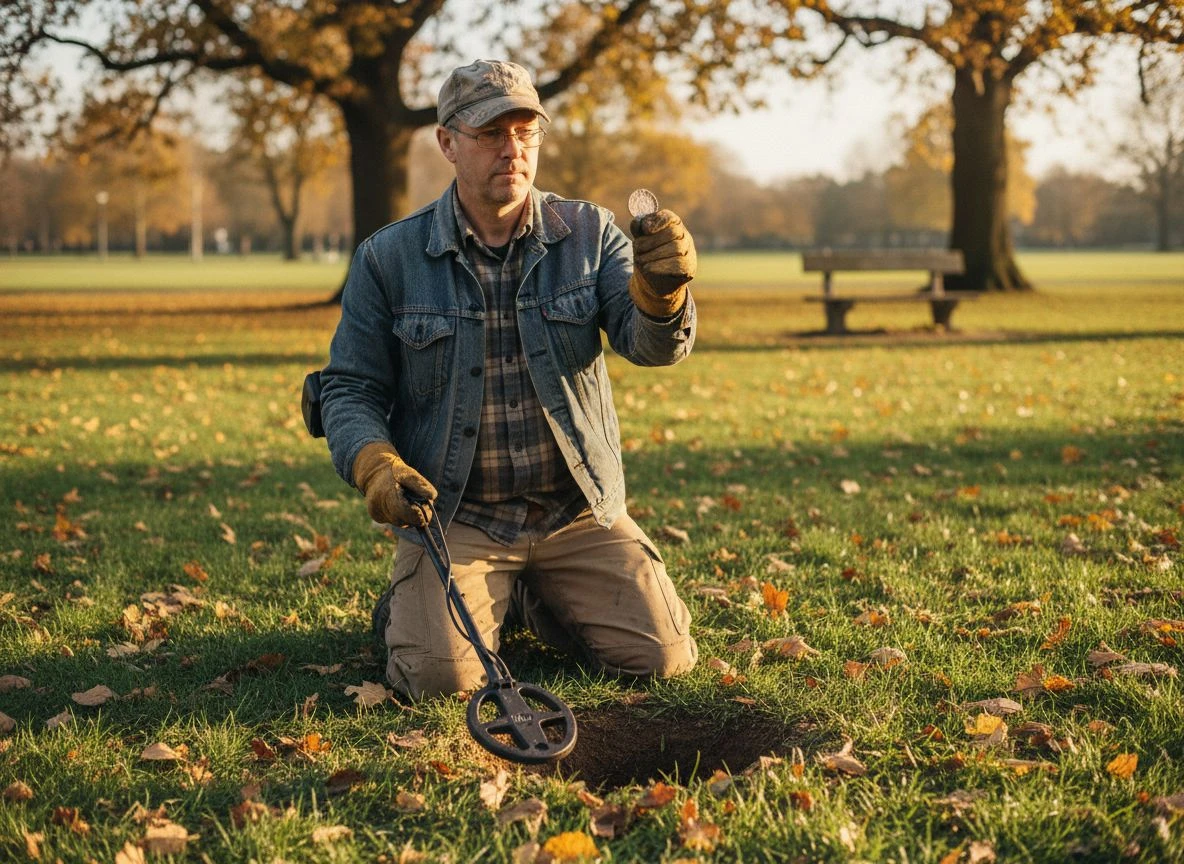
Very Low Frequency detectors are the most common technology out there, and for good reason. They work by emitting a continuous electromagnetic wave and measuring the “phase shift” when that wave bounces back off a metal object. The detector measures the conductivity of the target and assigns it a number on the display.
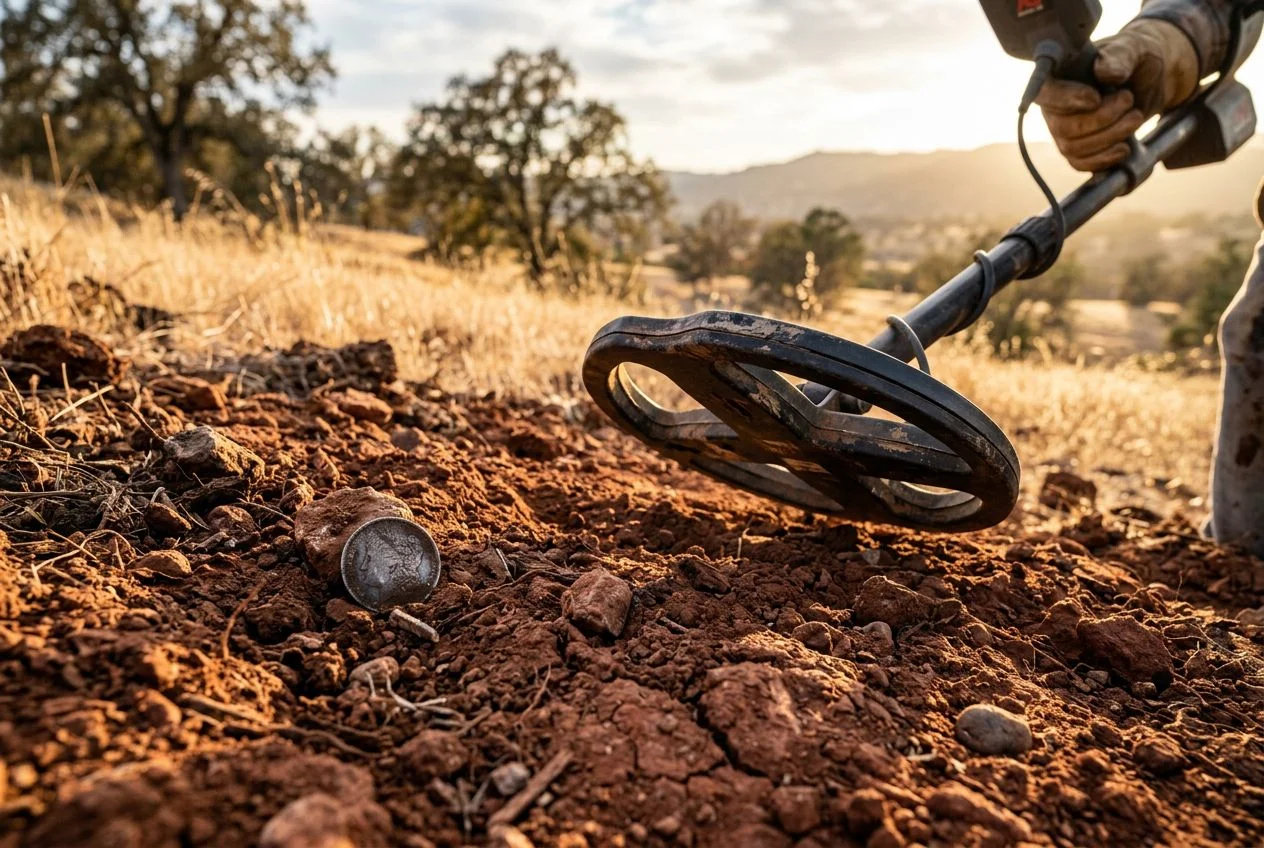
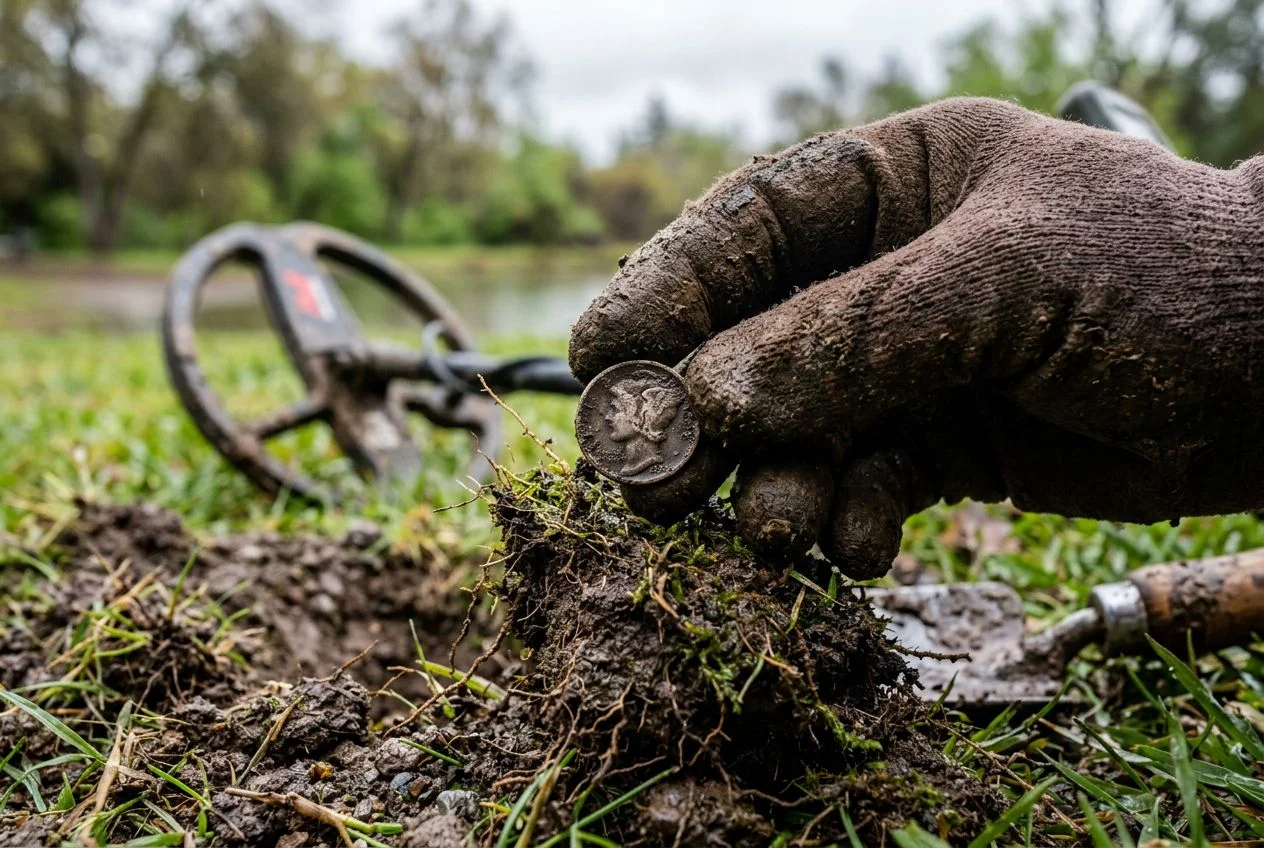
That’s how your machine tells you “this is probably a nickel, this is probably a quarter, this is almost certainly a rusty bottle cap.” The discrimination capabilities are genuinely impressive — VLF detectors can reject iron trash while hitting on small gold rings and thin silver coins. As Garrett explains, that makes them ideal for coin shooting and relic hunting in parks, schools, and fields where you need to sift treasure from trash.
The downside? VLF detectors struggle mightily in mineralized soil. That’s what Tom ran into. ETG GmbH breaks it down this way: “VLF devices are generally lighter and more energy-efficient” and great for beginners, but they also note that VLF systems fail in “salty or iron-rich environments.” The ground itself essentially fights the detector’s signal, and you spend your whole day chasing false positives or missing targets entirely.
I remember my first trip to a black sand beach in Northern California. My AT Pro was practically unusable. Every sweep was noise. I spent two hours digging nothing but hot rocks and left with a sunburn and a bad attitude. A PI detector would have handled that same beach without breaking a sweat.
VLF is your go-to when: You’re hunting parks, old schoolyards, grassy fields, and you need to pick coins and jewelry out of heavy trash. Most beginners should start here because the learning curve is gentler and the price is reasonable.
VLF will let you down when: You’re hunting areas with heavy mineralization, wet ocean sand, or targets buried deeper than about a foot.
Can Pulse Induction Handle Nasty Ground?
Pulse Induction detectors work completely differently. Instead of a continuous wave, they send short, powerful pulses into the ground and measure how long the signal takes to fade. The decay rate tells the detector something is there, but it doesn’t tell you what it is with the same clarity as VLF.
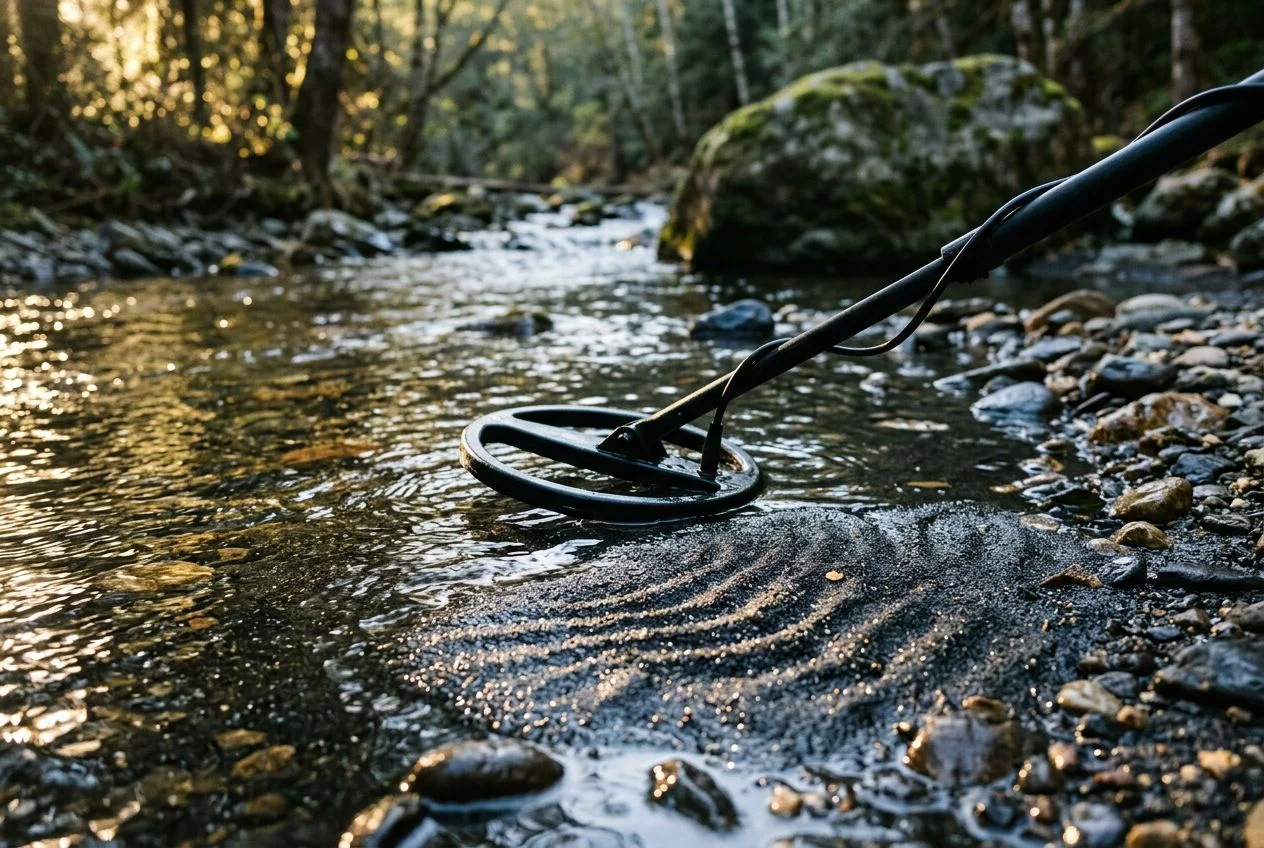
The tradeoff is worth it for certain situations. PI detectors are essentially immune to ground mineralization. Black sand? Saltwater? Volcanic soil? Doesn’t matter. Serious Detecting’s comparison highlights that PI’s “unmatched depth and performance in mineralized soil” makes it the tool of choice for serious gold prospecting and deep target hunting.
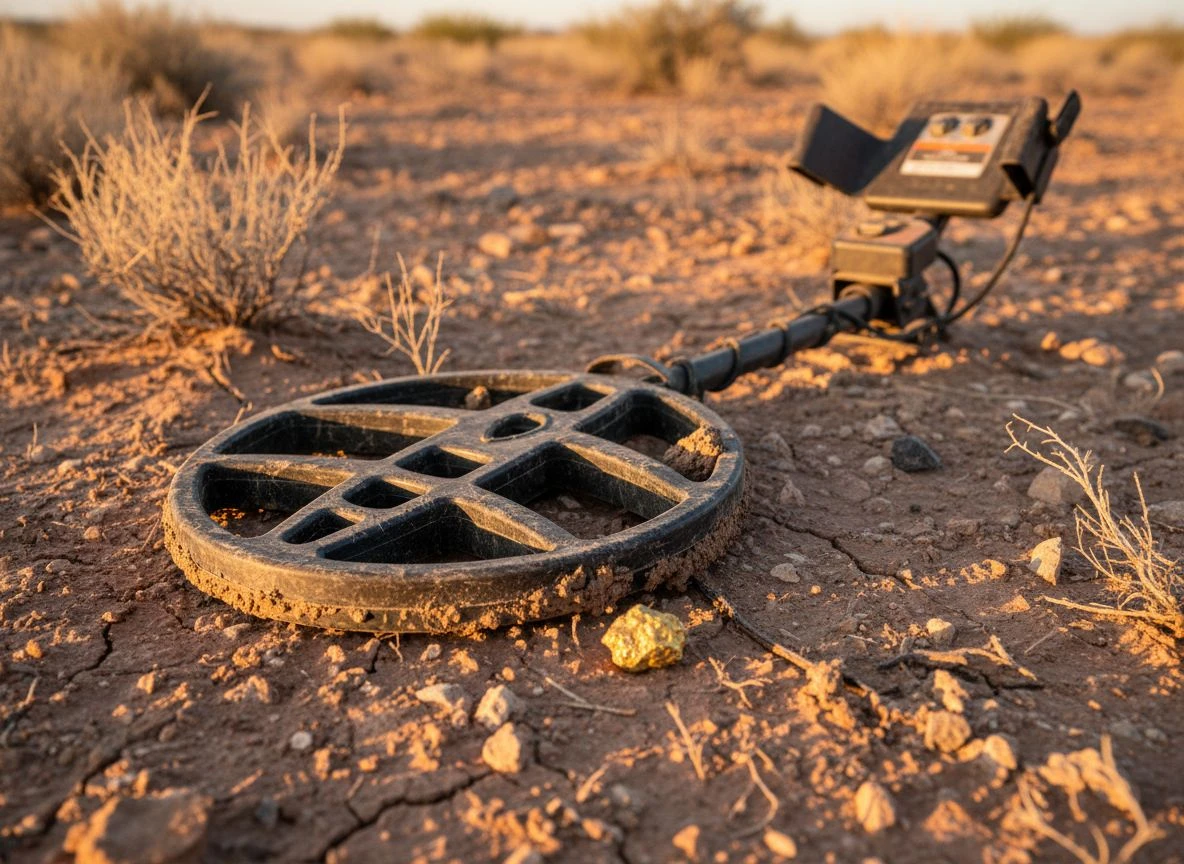
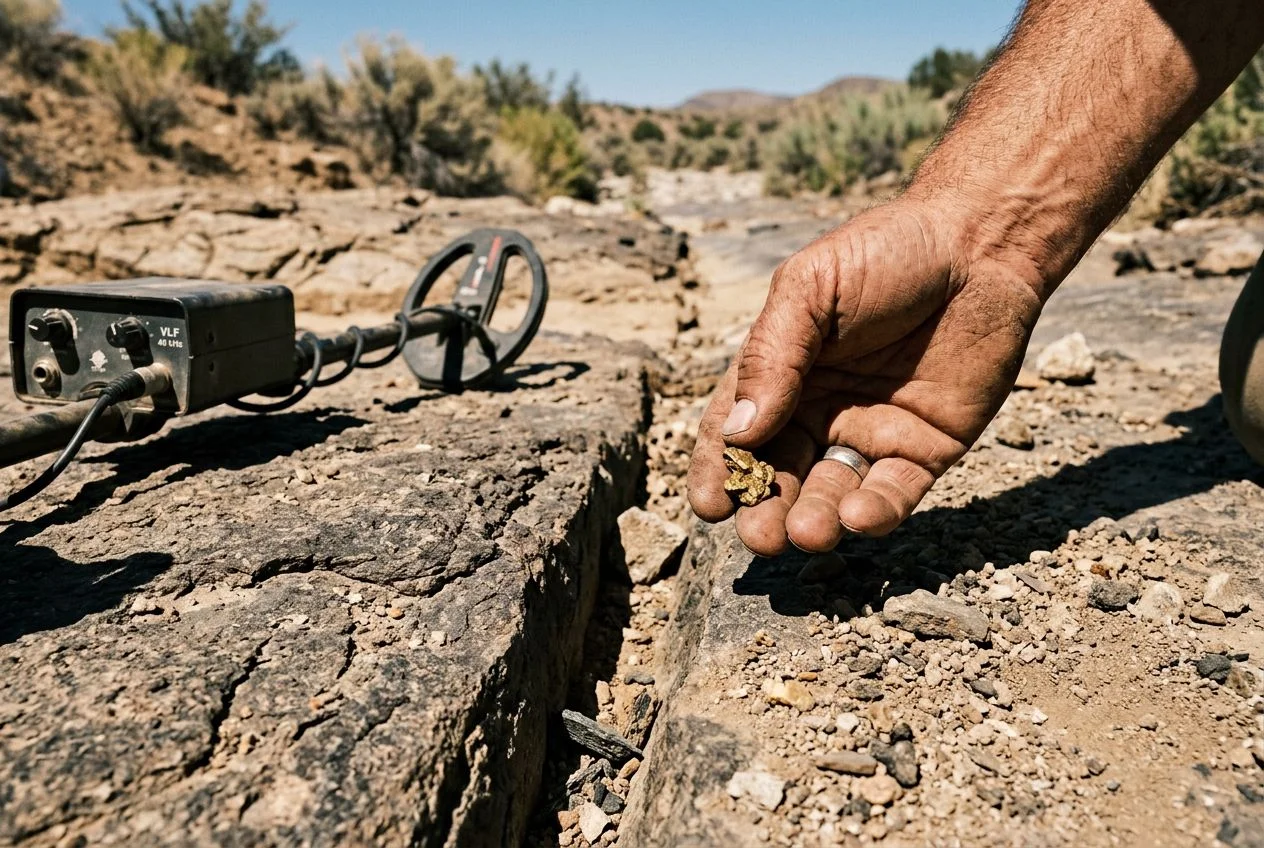
But here’s the catch that nobody likes to talk about: PI detectors have lousy discrimination. You can’t reliably tell a gold nugget from a boot tack. You dig everything. I borrowed a friend’s PI machine once for a trip to the Arizona desert, and I dug more shotgun shell casings and rusty nails in one afternoon than I had in the previous two years combined. It was exhausting.
Modern PI machines like the Minelab GPX 6000 have improved this somewhat with better audio processing, but you’re still not getting the target ID numbers you’d get from a VLF. Modern Metal Detectors makes this point directly: PI “provides exceptional depth penetration but limited ability to discriminate between different metals.”
PI is your go-to when: You’re hunting on saltwater beaches, gold prospecting in mineralized ground, or looking for deep relics where you’re willing to dig everything.
PI will frustrate you when: You need to efficiently separate treasure from modern trash in a high-traffic area. You’ll waste half your day on junk.
What Multi-Frequency Metal Detectors Improve
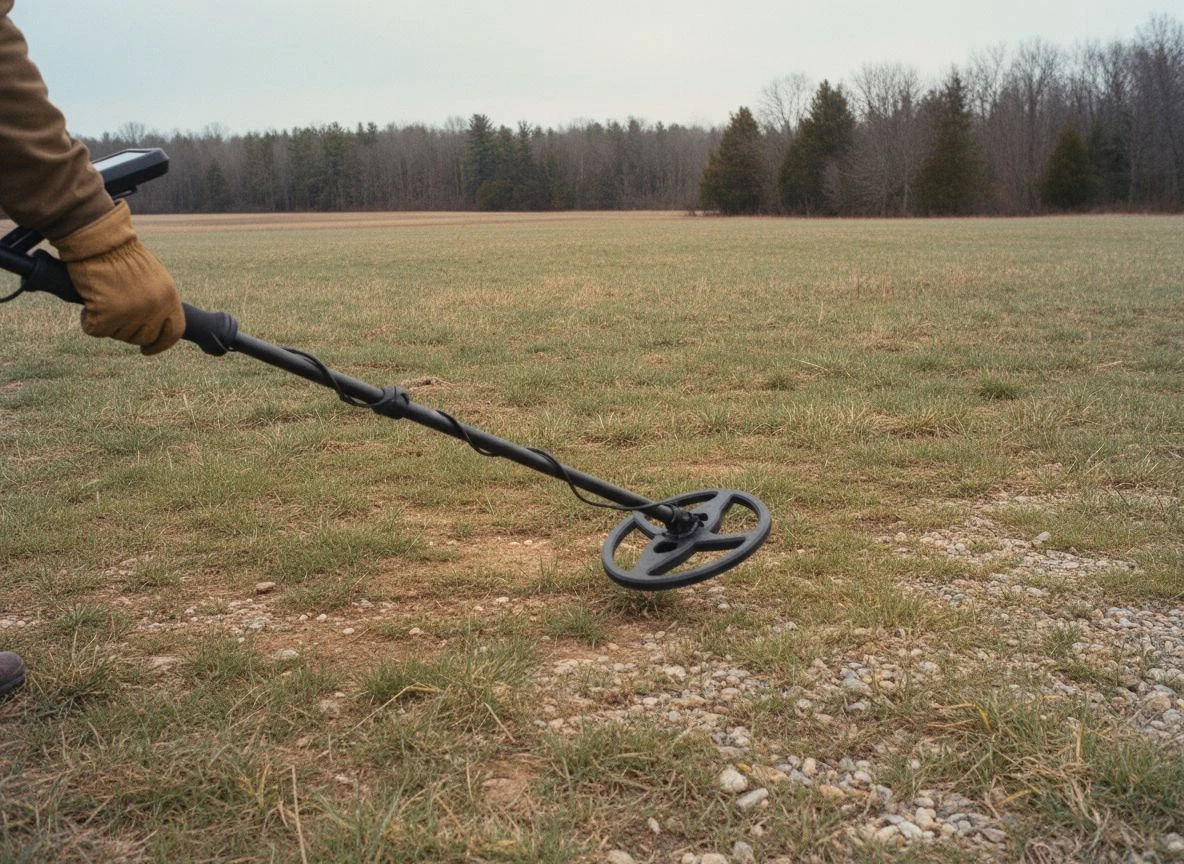
I should mention multi-frequency detectors here because they’re often presented as a solution to the VLF vs PI dilemma. A machine like the Minelab Equinox 900 runs multiple frequencies at the same time — low frequencies for depth, high frequencies for sensitivity to small targets. It’s a solid compromise that handles mineralized ground much better than single-frequency VLF while maintaining good discrimination.
But here’s what I’ve found after years of swinging one: multi-frequency is a fantastic all-rounder, but it doesn’t match a dedicated PI machine for raw depth in bad ground, and it doesn’t match a good single-frequency VLF for pure discrimination in clean soil. It’s the best “I don’t know what I’ll encounter today” option, which is why it’s my daily driver for most hunts.
What Can a 3D Magnetometer Detect?
Now we’re in territory that most detecting articles ignore entirely. And it’s the reason I wanted to write this piece.
A 3D magnetometer is not a metal detector in the traditional sense. It doesn’t emit any signal at all. It’s a passive instrument. It measures variations in the Earth’s magnetic field caused by ferromagnetic objects — iron and steel. It won’t detect a pure gold ring or a silver coin directly. What it will detect is large iron objects at depths that would make a PI detector weep.
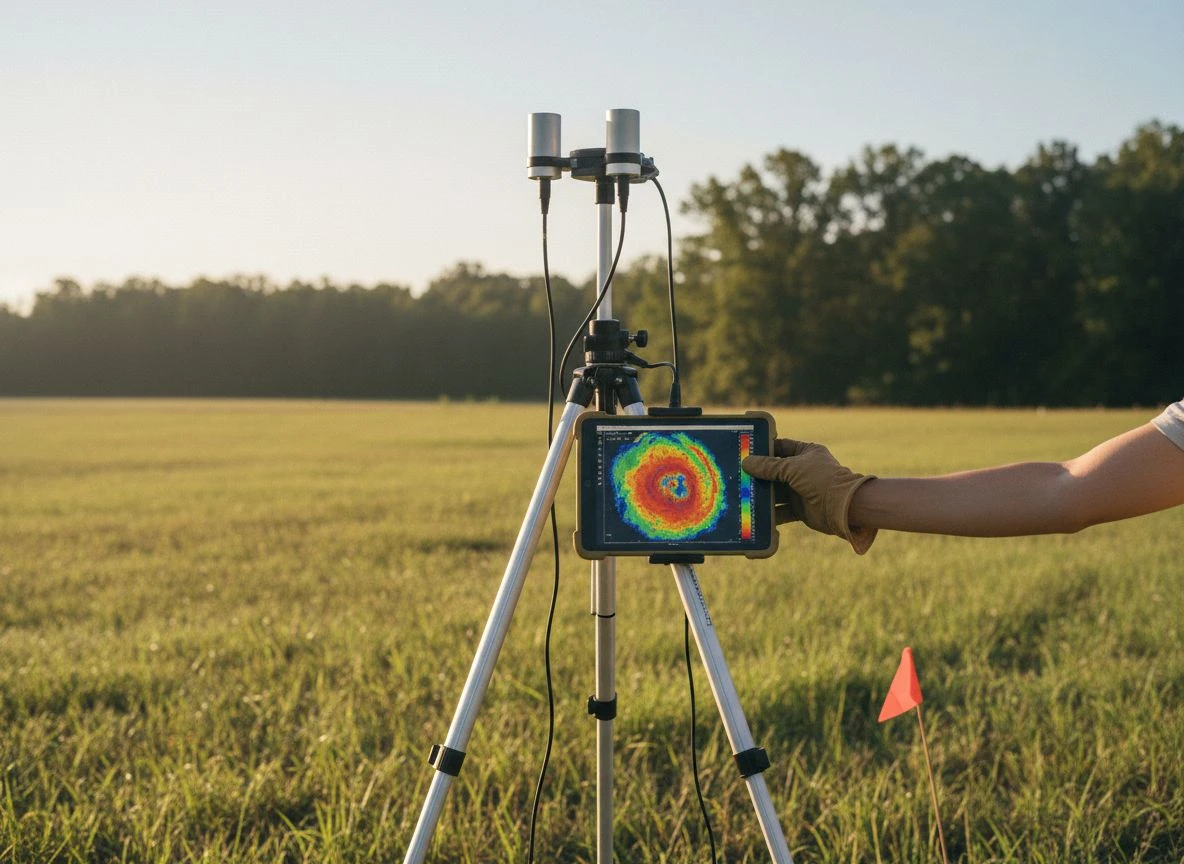
This technical comparison from Quantics Labs explains it well: magnetometers can detect ferromagnetic objects “well beyond a metal detector’s range, potentially up to 6+ meters or more depending on object mass.” They’re used for locating buried pipes, old weapons, military UXO, and archaeological mapping of iron structures.
The key difference, as KTS-Electronic’s breakdown points out, is that 3D ground scanners “detect multiple types of materials, including gold and non-ferrous metals, and provide visual imaging, while magnetometers only detect magnetic (ferrous) metals like iron and steel.”
So why would a detectorist care? Because buried treasure is often associated with ferromagnetic materials. Old money boxes, chests with iron fittings, buried caches in metal containers, even some archaeological features tied to iron components — these are magnetic targets that a 3D magnetometer can map from a surprising distance.
I got into this side of things after watching a friend use a ground-scanning system to walk a field and generate 3D maps of underground structures on his phone. He found a foundation from the 1800s that nobody knew was there. That’s not something you stumble onto with a traditional detector.
For serious cache hunting or large-area surveys, tools like the TreasureHunter3D GoldenEye+ offer augmented reality visualization and depth estimation up to about 35 meters under optimal conditions. The DroneRover takes it a step further — attach the sensor to a drone and you can survey acres of ground in a single flight, generating 3D maps of ferromagnetic anomalies in real time.
That’s a completely different game than swinging a coil over turf. It’s slower, more technical, and considerably more expensive. But for the right application — locating a buried cache, mapping an old homestead, searching for a historically documented structure — it’s the only tool that makes sense.
The catch? These aren’t replacements for your Equinox or your Gold Bug. They’re specialized instruments for specific jobs. If you’re coin shooting in a park, a 3D magnetometer is useless. If you’re looking for a buried strongbox on abandoned property, your VLF might never find it past a few inches, while a magnetometer could show you a clear anomaly at three feet.
How to Choose Between VLF, PI, and 3D Magnetometers
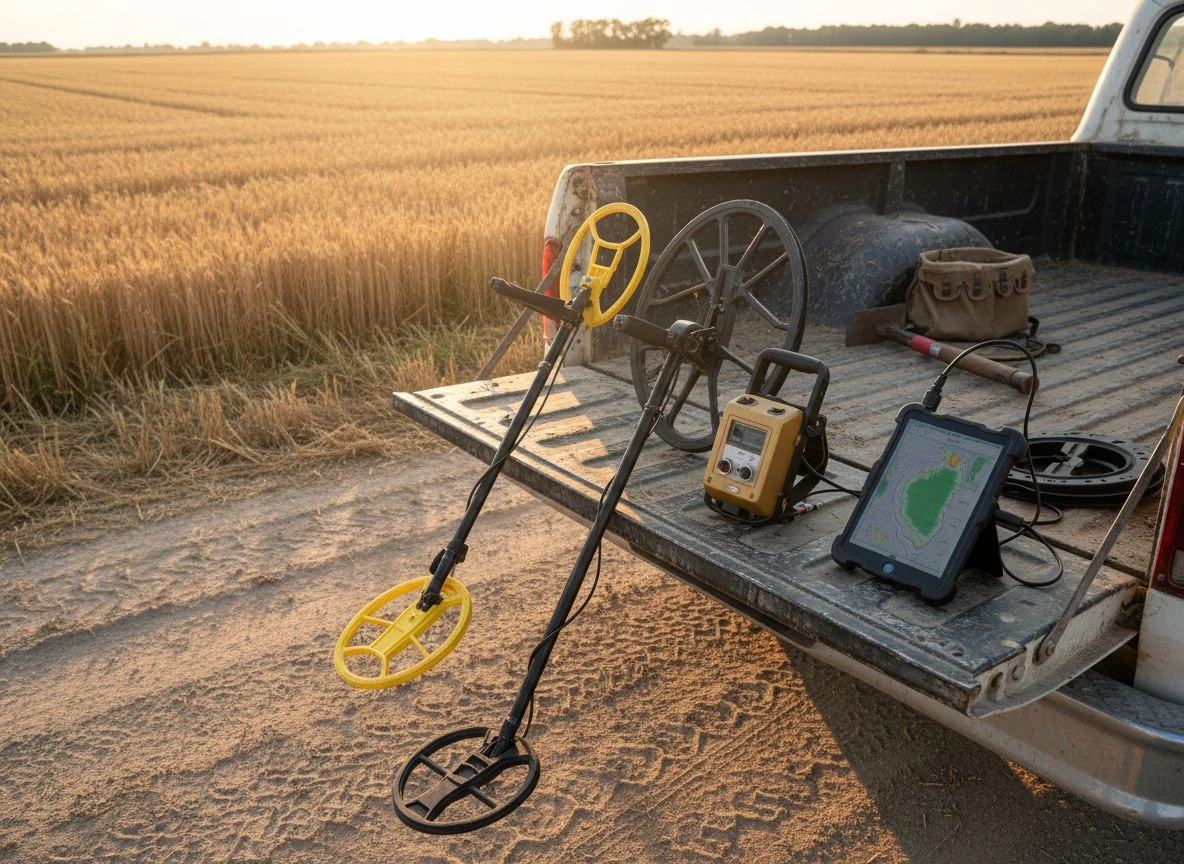
I’ll level with you — there’s no single answer because it depends entirely on what you’re hunting and where.
If you’re a weekend coin shooter hitting parks and schoolyards: Get a good VLF or multi-frequency machine. The Minelab Equinox 900 handles most conditions well. The Fisher Gold Bug Pro at 19kHz is excellent for small gold. Don’t overthink it.
If you’re prospecting for gold in mineralized ground: You want a PI machine. The Minelab Gold Monster 1000 at 45kHz is a strong VLF option for smaller nuggets. But if the ground is bad, nothing beats a dedicated PI.
If you’re hunting saltwater beaches: PI is king. Though modern multi-frequency machines like the Equinox 900 handle wet sand surprisingly well.
If you’re serious about cache hunting, deep archaeology, or large-area surveys: Look into 3D magnetometer systems. The GoldenEye+ or even the smaller TreasureLight can reveal things no traditional detector will ever find. Just understand the limitations — they detect ferrous materials, period.
If you want one detector that does most things adequately: Buy a multi-frequency machine like the Equinox 900 or the Minelab Manticore. You won’t excel at any single specialty, but you’ll be able to hunt almost anywhere.
The industry has moved toward multi-frequency as the default for good reason — it solves the most common problems for the most common hunters. But PI still owns the deep targets and nasty ground. And 3D magnetometer technology opens up possibilities that would have seemed like science fiction when I started.
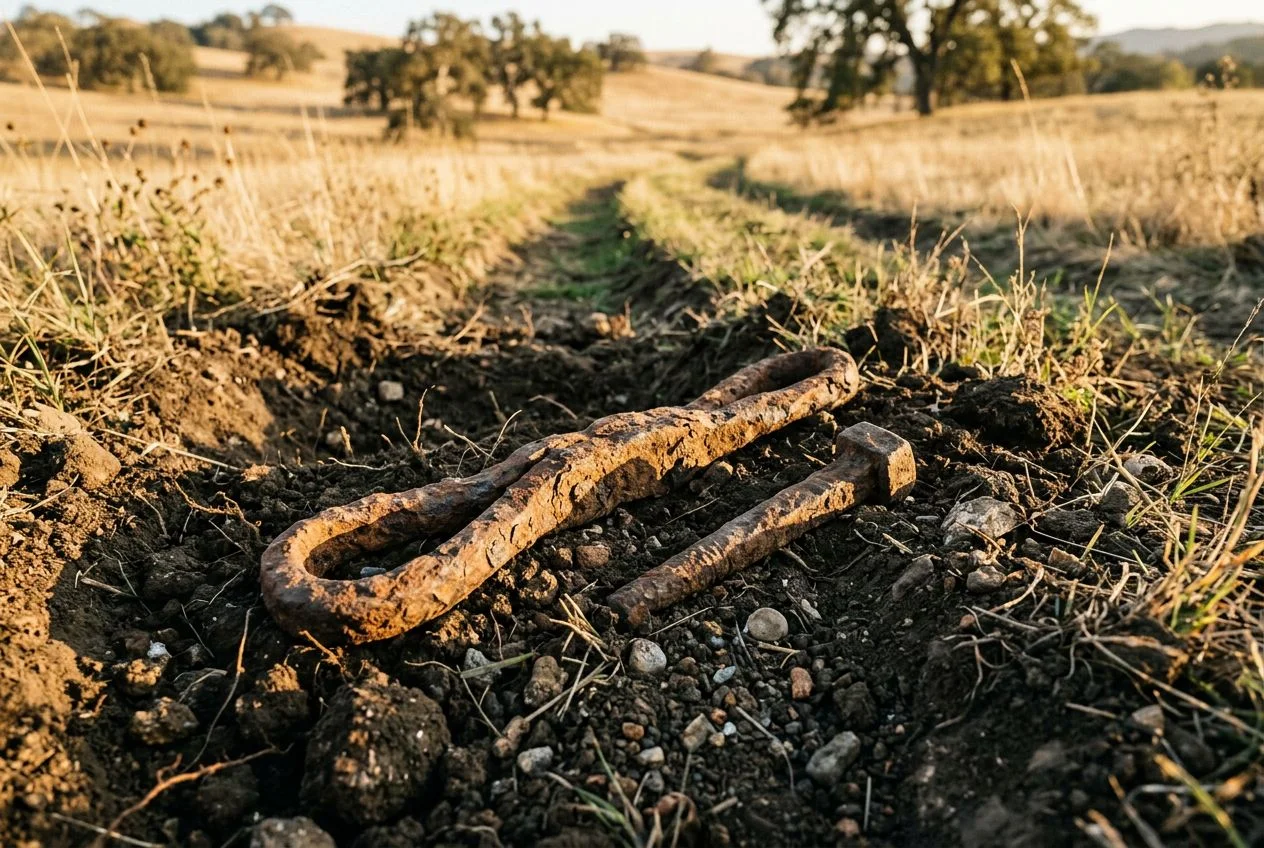
Tom ended up buying a used PI machine for his homestead site. His first weekend out, he pulled a deep iron horseshoe from about 18 inches — nothing valuable, but proof that his site had more to offer. He’s still swinging his VLF for the shallow stuff. Two detectors, two technologies, one guy who finally figured out what works where.
You don’t have to own everything. But understanding what each technology does — and doesn’t do — will save you the kind of frustration Tom felt standing in that field, convinced his detector was broken when really it was just the wrong tool for the ground.

My name is Paul and I am the founder of Detector For Metal, a dedicated resource for metal detecting enthusiasts seeking to uncover historical treasures and connect with the past using the latest technology. As a stay-at-home dad and family man, I’ve found metal detecting to be the perfect hobby that combines family adventure with historical learnings for the whole family.
As a father, I’m deeply committed to passing on this hobby to the next generation of detectorists, starting with my own children. I share advice on everything from metal detecting with kids to exploring the top 10 metal detecting sites you never thought about. My methodical approach to the hobby goes beyond the thrill of discovery—it’s about creating family traditions while preserving history and sharing the stories of those who came before us.