Table of Contents
You’ve dug fifty pull-tabs, watched every YouTube tutorial twice, and still haven’t found a single silver coin. I know the feeling. I spent my first year of detecting convinced I was doing everything right. Only later did I realize I’d been digging bottle caps in a park that had been hunted to death for decades. A club would have saved me six months of frustration.
Here’s the hard truth: solo detecting hits a wall. You can watch all the videos you want, but nobody can tell you “that signal sounds like a zinc penny, trust me” through a screen. That kind of feedback requires someone standing next to you, digging the same hole. Joining a local metal detecting club is the fastest way past that wall. It’s not just for the friendship, though clubs genuinely do foster “a strong sense of belonging and community.” It’s for the real leverage: shared knowledge that speeds up your learning curve by years, and access to private land you’d never get on your own.
By the time you finish this guide, you’ll know exactly how to find a club that fits you.
Mentorship From Club Veterans Beats YouTube
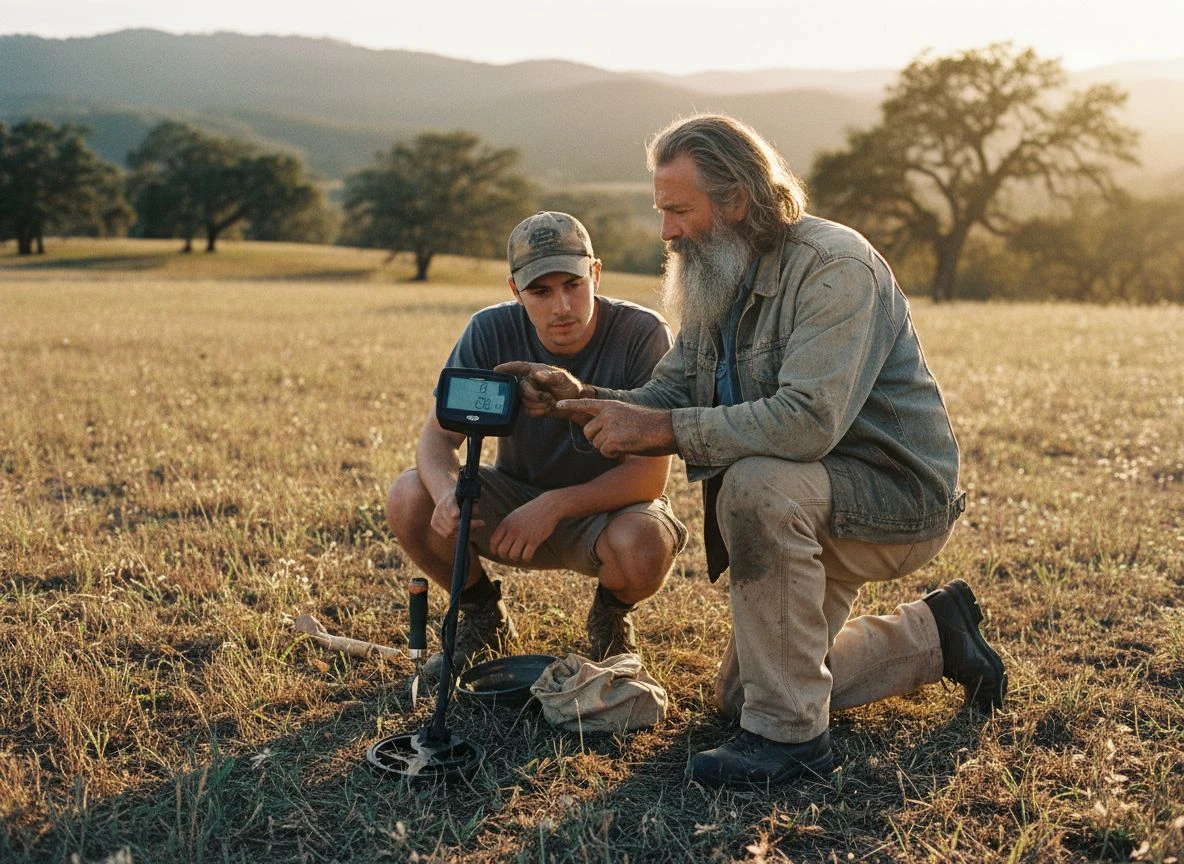
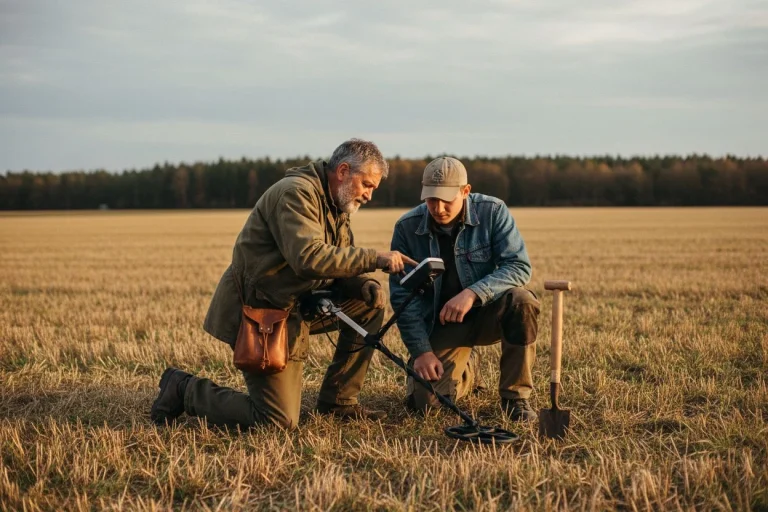
You can watch hours of detecting content online, but nothing replaces someone standing next to you, pointing at the screen and saying, “That signal? Dig it. That one? Walk away.” That’s the real advantage of club mentorship. It compresses years of trial and error into a single afternoon.
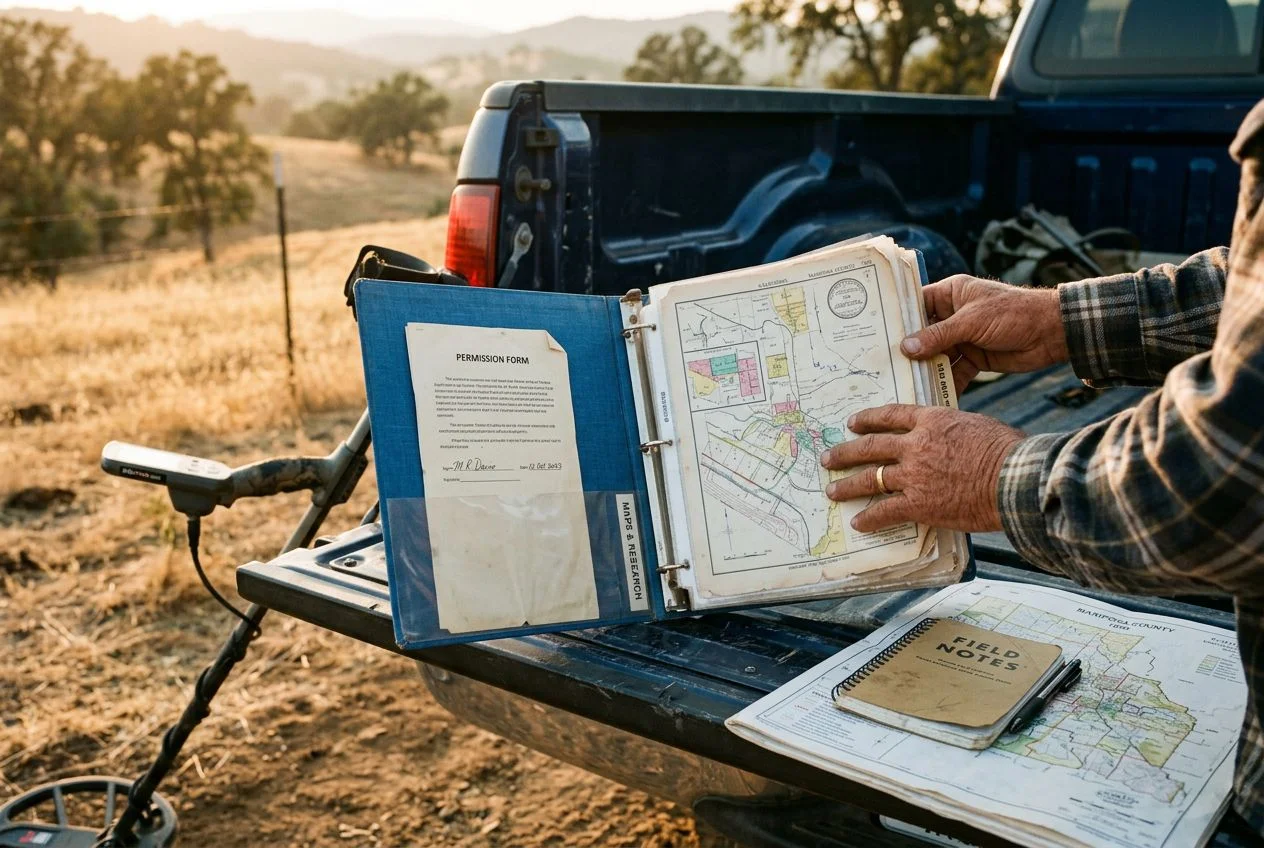
My buddy Tom spent two club meetings teaching me how to read a 1930s Sanborn map. That skill has probably earned me fifty more coins than all the gear upgrades I’ve bought combined. That’s the kind of hands-on education clubs offer. They position themselves as an educational authority, not just a monthly hangout. And it works.
Mark Dayton, who has 45 years of detecting experience, puts it bluntly: real-world experience cannot be replicated by reading online forums. He’s right. I learned more about interpreting ghost signals in one field demo with Tom than from a dozen YouTube videos. When someone shows you how the halo effect behaves differently in wet soil versus dry, that knowledge sticks.
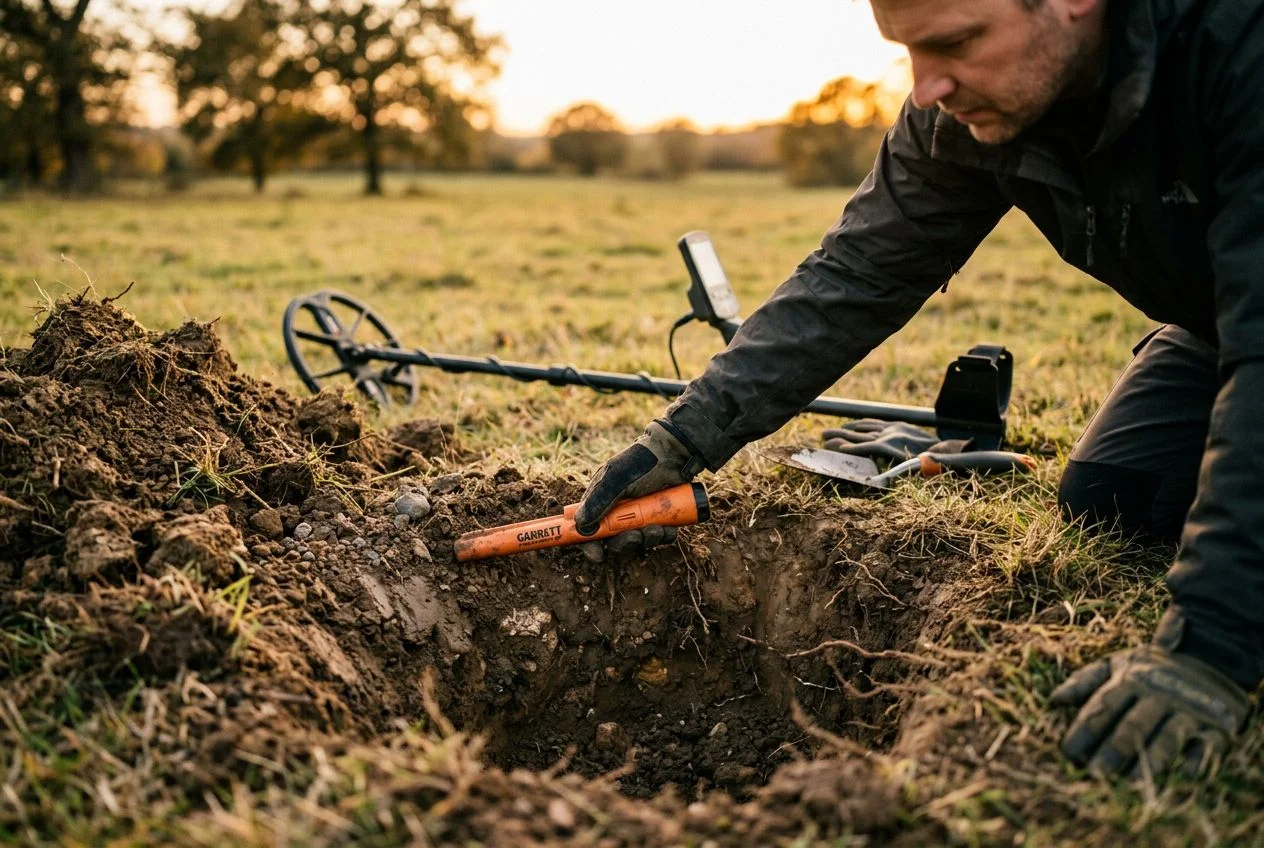
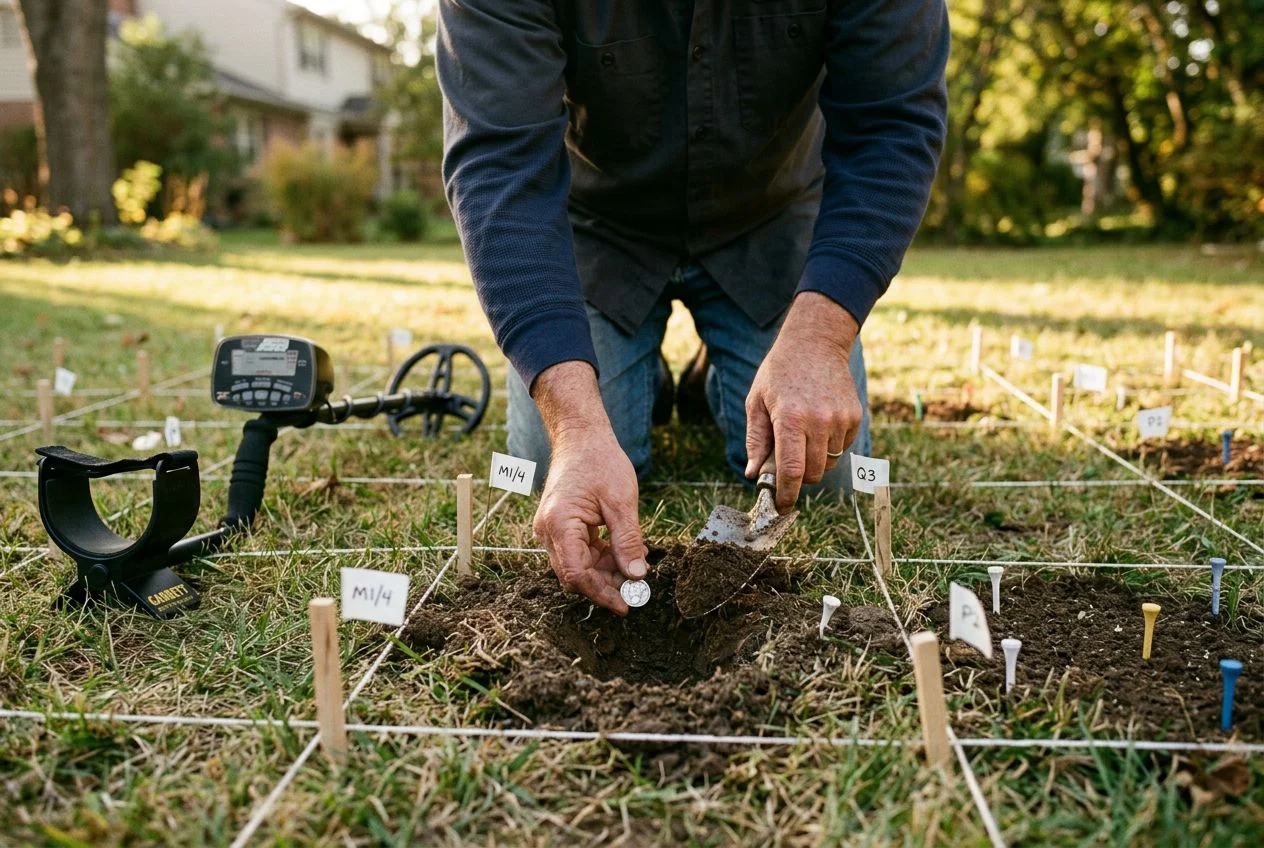
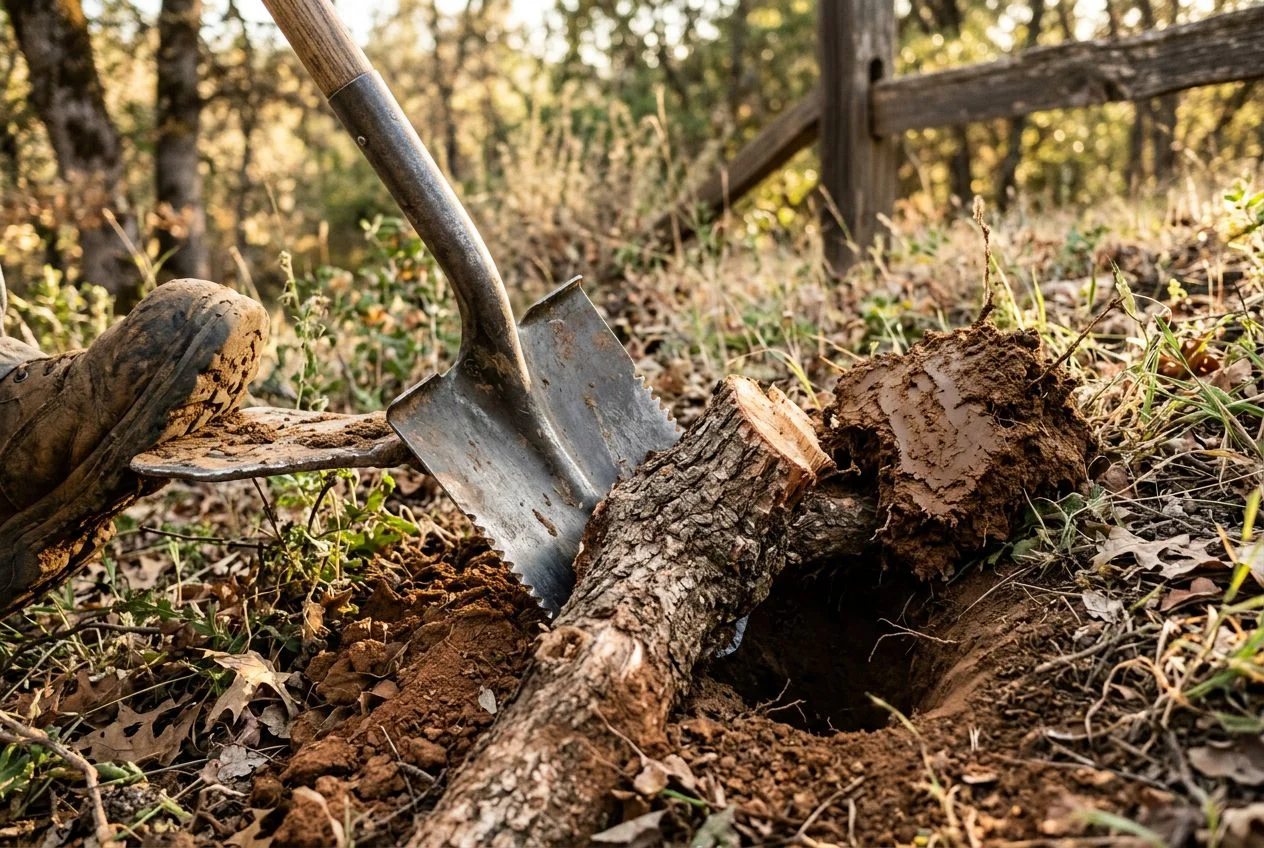
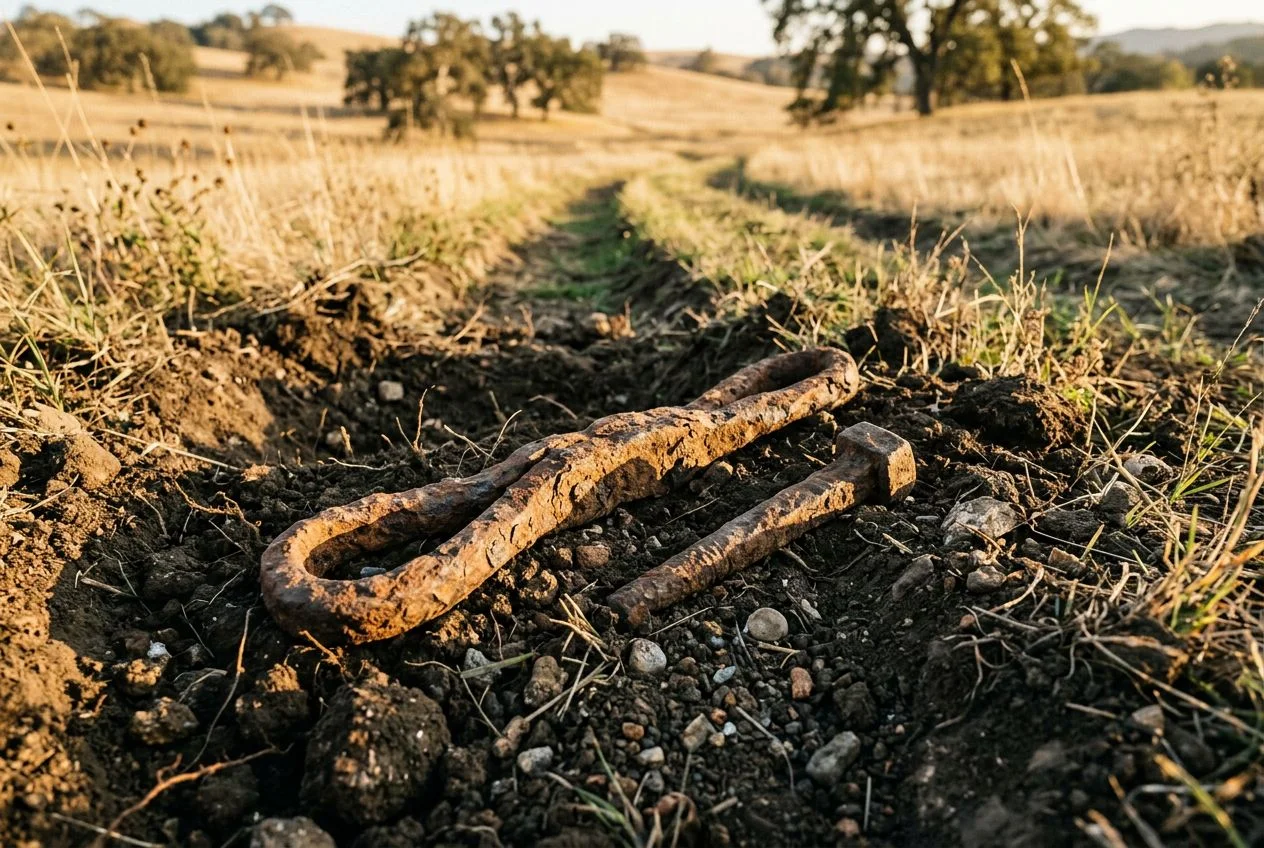
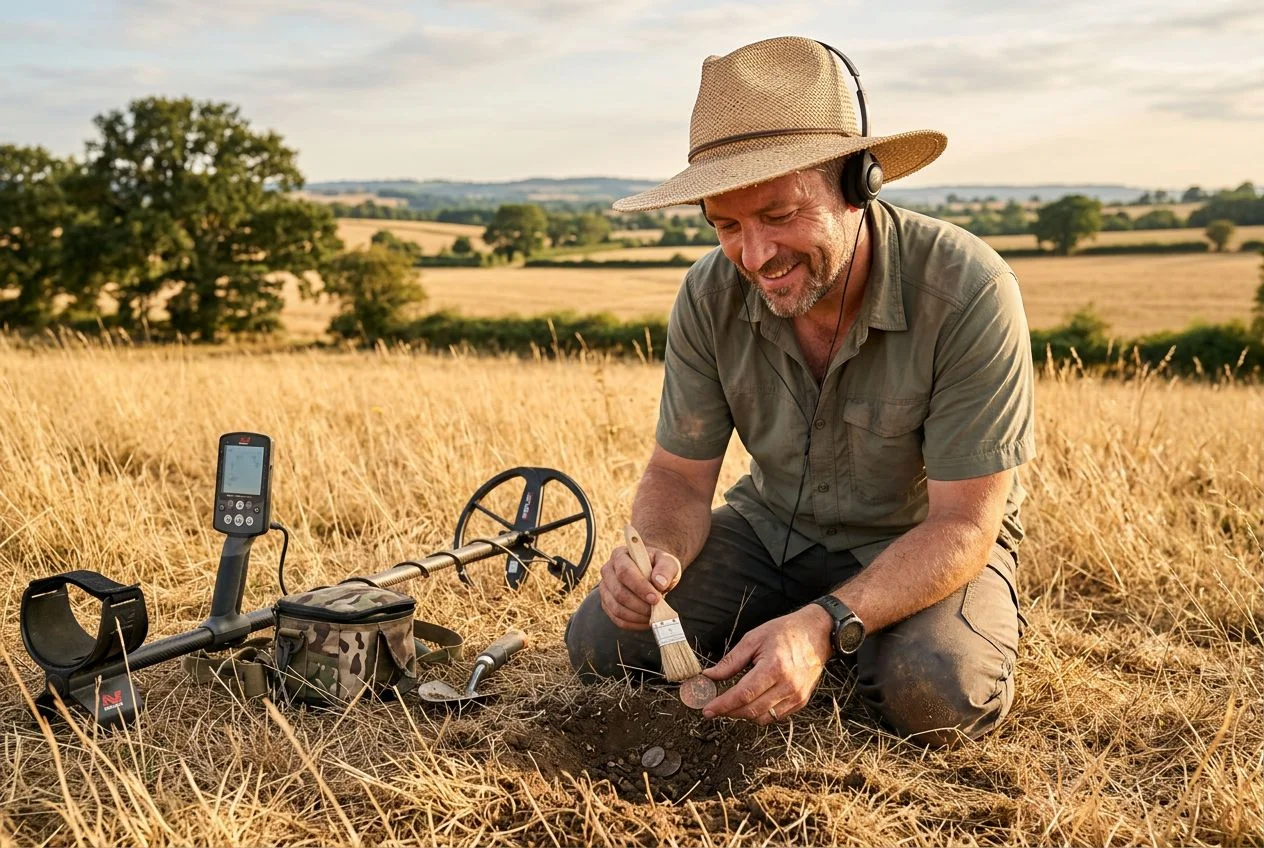
Same with recovery technique. Proper digging is one of those things that looks easy online. But it takes a patient mentor showing you the right cut and plug four times before it clicks. Club members will also hand you their machine and let you swing it. That’s the fastest way to understand why that target identification chart actually matters in the field.
Online content is a decent starting point. But mentorship? That’s where the real shortcuts live.
Club Networks Unlock Private Land Access
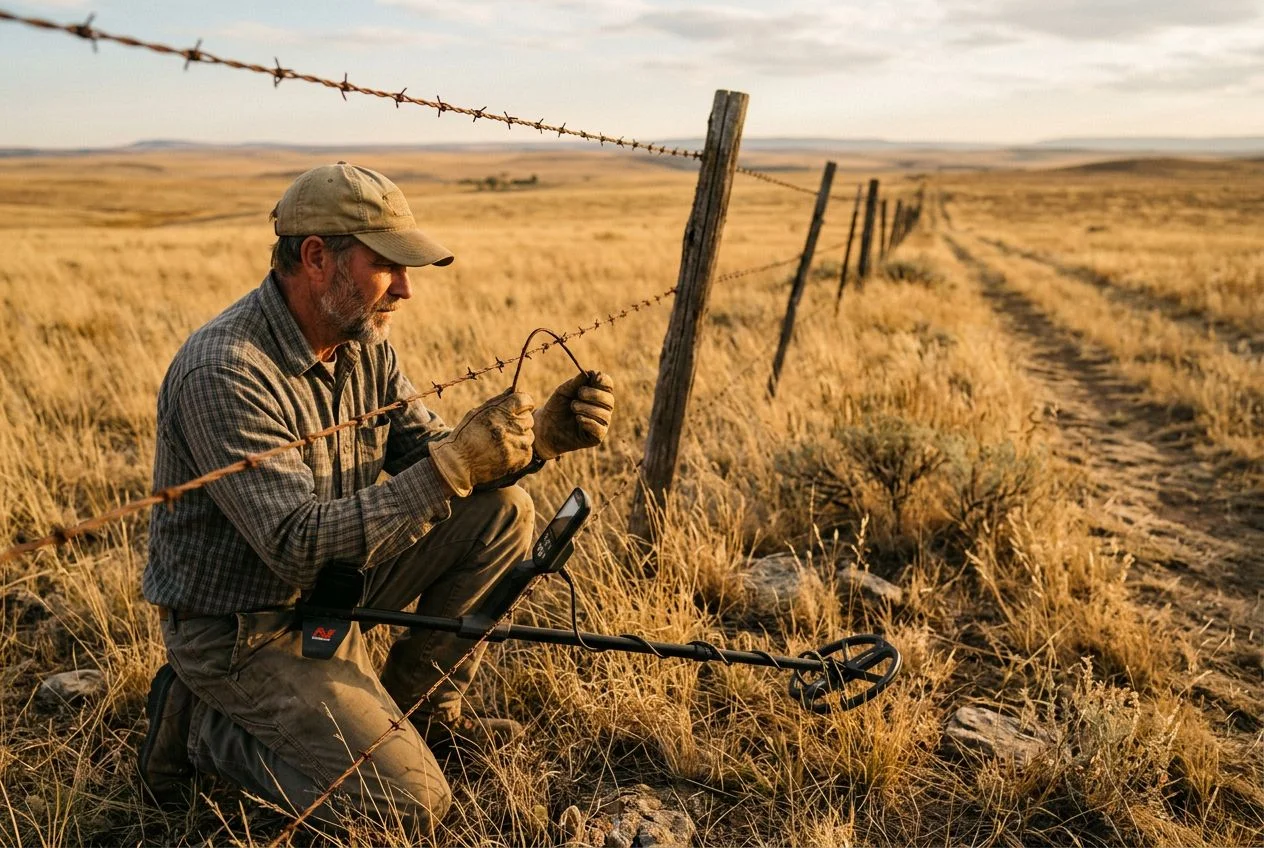
A club’s greatest asset isn’t the equipment library or the monthly raffle. It’s the trust that opens gates. When a landowner sees a group with liability insurance, a code of ethics, and a reputation for filling every hole, “no” turns into “show me where to park.”
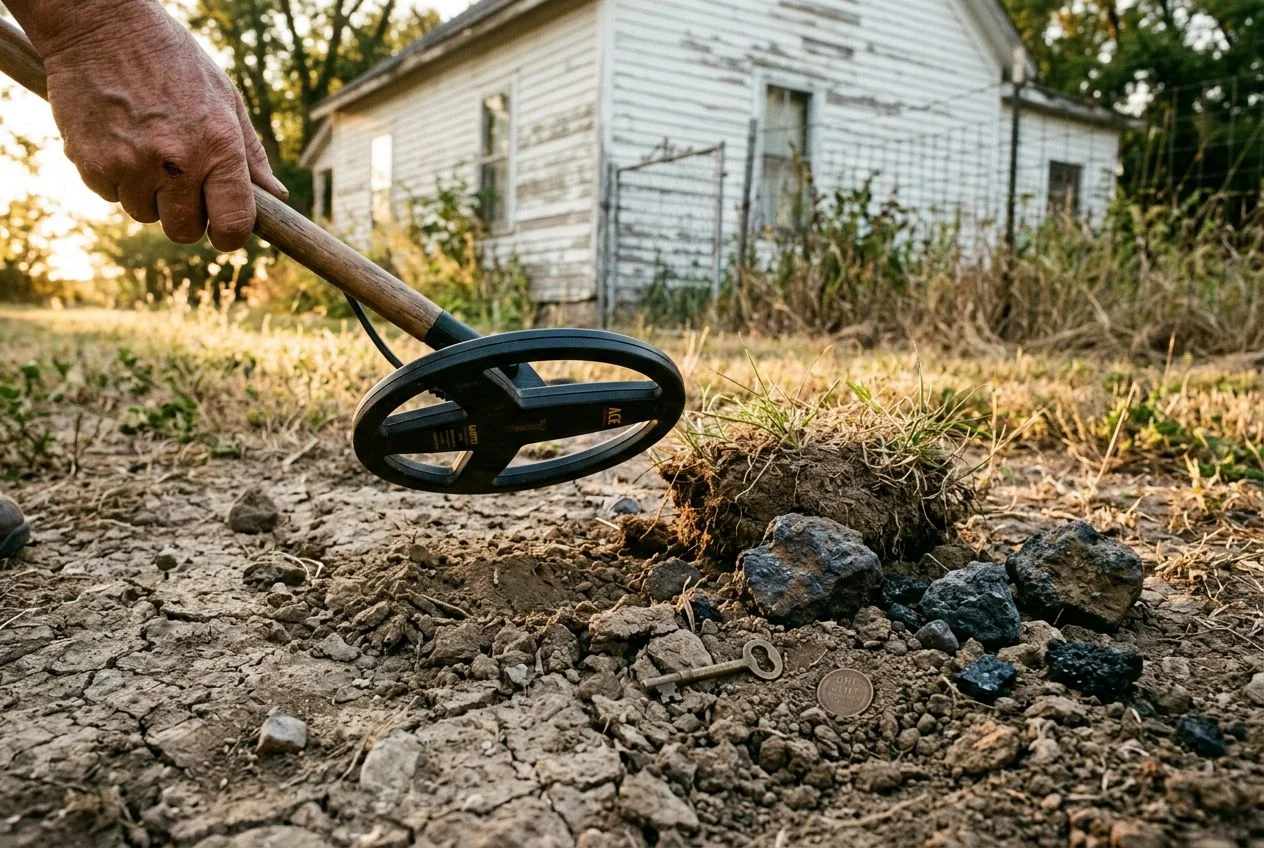
Mike spent two years circling an 1840s farm. He called the owner every spring and got the same polite no. He’d tried explaining his careful digging, his experience, his promise to leave the place better than he found it. Didn’t matter. Then our club president—a retired firefighter with a handshake that could seal concrete—drove out with the club’s insurance certificate and a one-page liability waiver. “We fill every hole,” he said. “You won’t even know we were here except for the grass being greener where we dug.” The owner handed him the keys that afternoon.
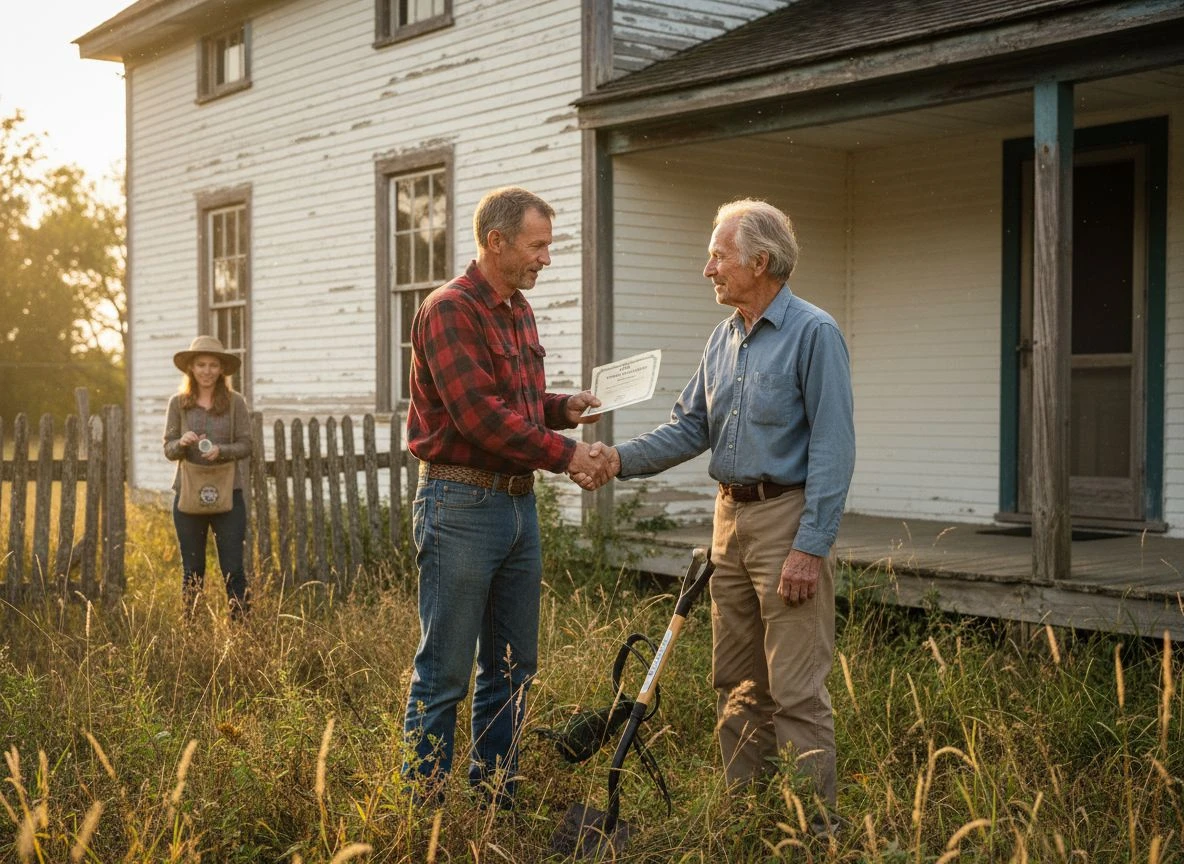
That insurance certificate is the magic key. Most landowners worry about someone tripping, getting scratched on a root, or suing them if an old well collapses. Club insurance covers that risk. The club becomes a trusted community resource, exactly what Source 5 describes: assisting law enforcement, recovering lost items, even working alongside archaeological organizations. When your club has that kind of standing, private land that stayed locked for years suddenly swings open.
The AARP article on the Dayton Diggers proved that credibility isn’t theoretical. Those Ohio club members helped police solve a murder by locating a discarded cell phone. Imagine telling a landowner your club has that kind of track record. “We help law enforcement. We preserve history. We clean up after ourselves.” That’s a lot more convincing than “I promise I’ll be careful.”
I’ve seen it happen again and again. A site that every solo detectorist in the county has tried and failed to access becomes a club hunt overnight. The network isn’t just about introductions. It’s about the institutional trust that lets you swing a coil over ground that’s never been touched. Understanding the process of documenting those permissions and finding overlooked sites will make that network even more powerful.
Collaborative Research Uncovers Hidden Sites
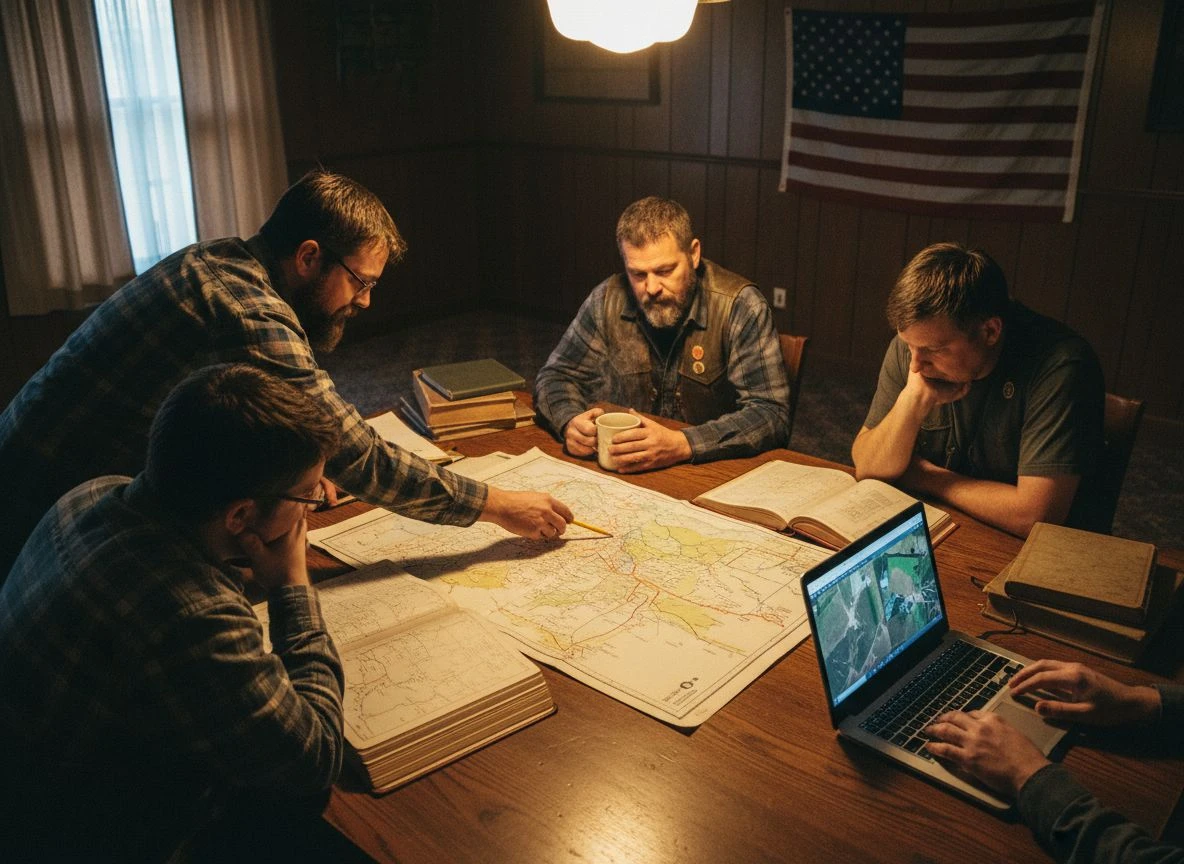
The research that goes into a solo hunt is limited to what one person can find in an evening on Google. The research that comes out of a club is what happens when four people bring different skills to the same problem. That difference is the difference between a productive site and another afternoon digging pull-tabs.
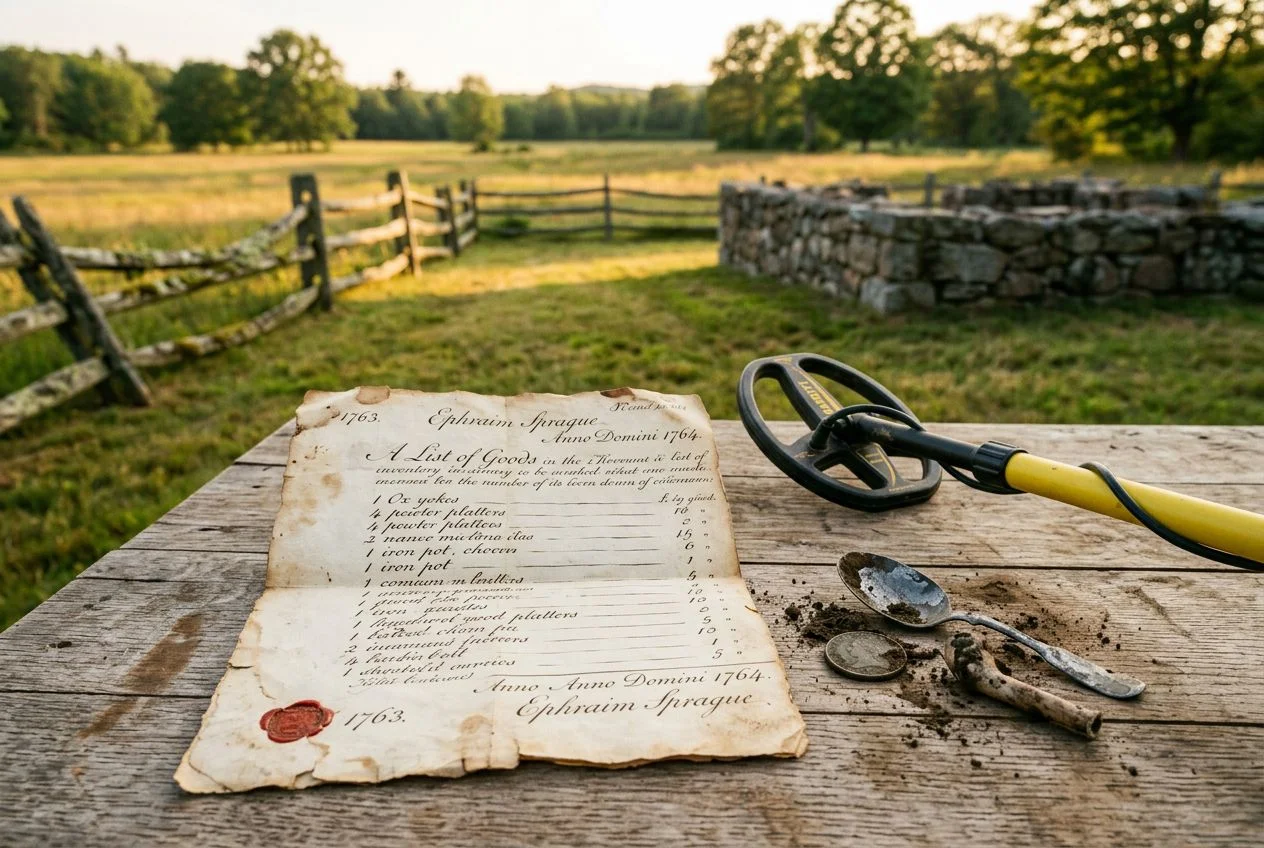
Our club has a “research night” once a month. Last year we pooled Sanborn maps, old plat books, and aerial photos to pinpoint a forgotten 1870s stagecoach stop. I’d never have found it alone. Here’s how it actually works: one member pulls deed records from the county recorder’s office to establish who owned the land in 1880. Another overlays those old plats onto modern GIS maps looking for property lines that haven’t changed. A third talks to the local historical society — not a five-minute phone call, but showing up with doughnuts and asking about oral histories. I handle the newspaper archives, searching for mentions of the location in 19th-century ads or accident reports.
That collective effort yields leads no solo hunter would generate. Clubs provide exactly the kind of educational opportunities where members can collaborate with historians that accelerate the learning curve. We cross-reference our findings, argue about whether a faint road trace on an 1892 map is the same as a depression we spotted in LiDAR, and decide as a group where to hunt next weekend. The result is exclusive access to resources like specialized equipment and reference books that no single detectorist would buy.
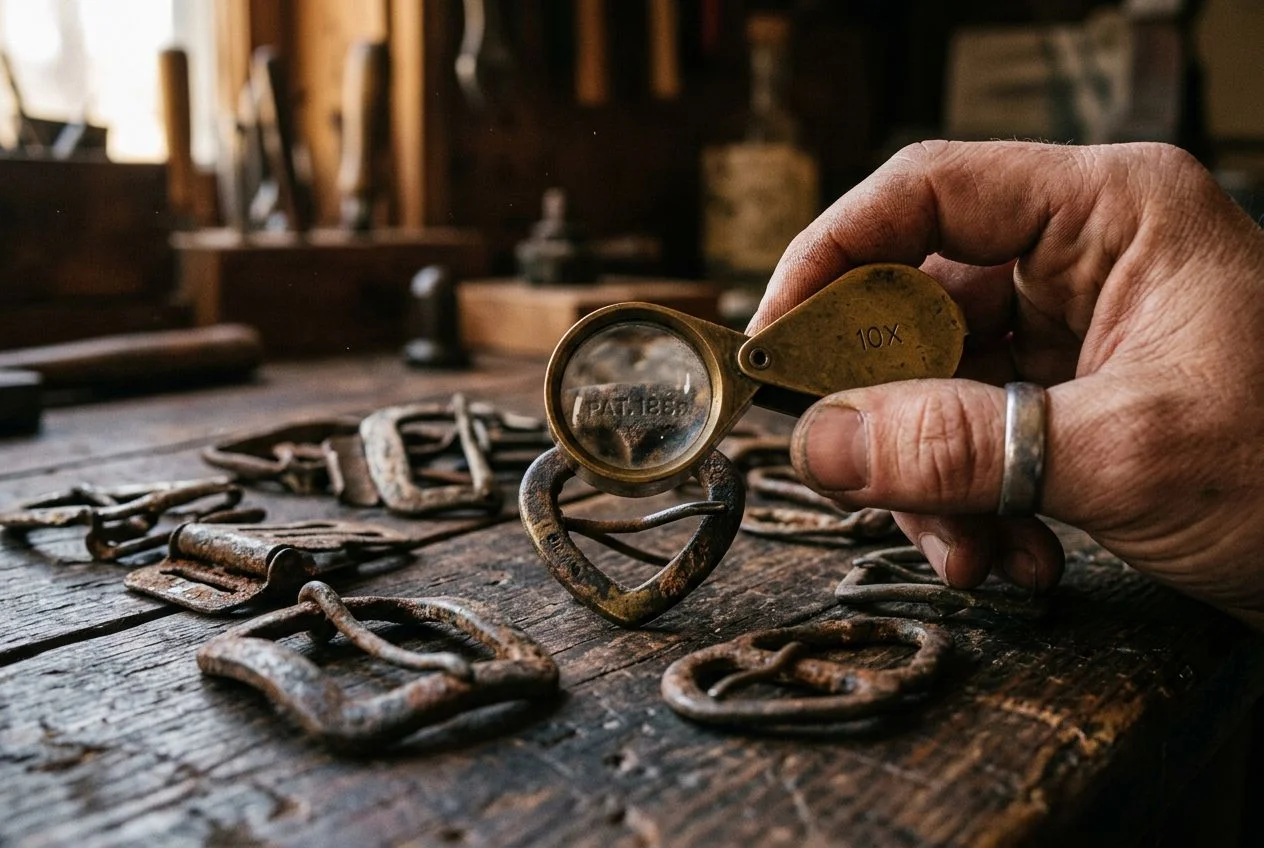
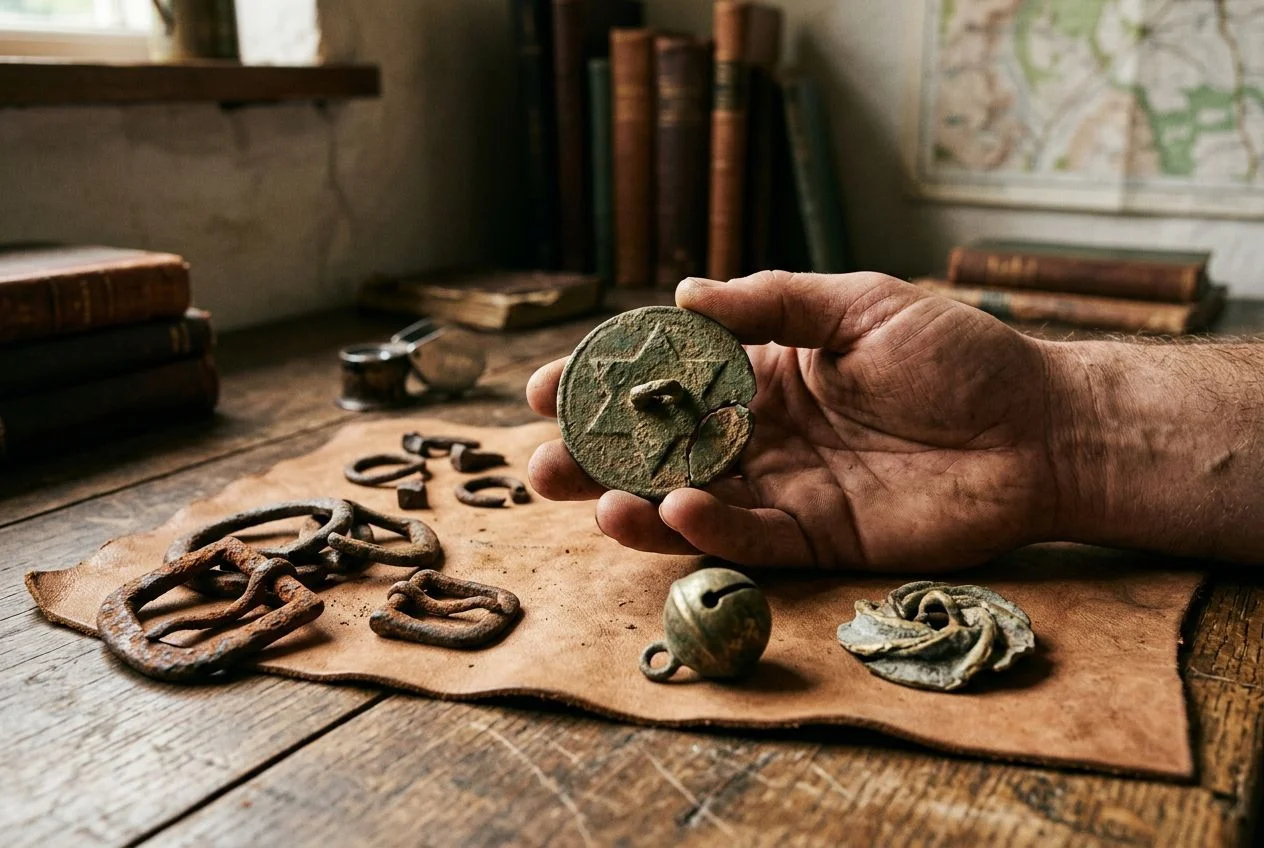
And the finds prove it. That stagecoach stop gave up a seated Liberty dime, a brass harness buckle, and a handful of early 1900s buttons. Why? Because three of us spent a February evening comparing maps instead of watching TV. That’s the real advantage. One person has skills. A club has a system.
Why Hybrid Online and In-Person Clubs Excel
The ideal detecting club isn’t all‑virtual or all‑in‑person. It’s both. A private Discord or Facebook group keeps you connected between monthly meetings. Meanwhile, real‑world field trips and hands‑on workshops turn online chats into actual finds.
My club still meets in a VFW hall every second Tuesday. But we also have a private Discord with 50+ members. We share real‑time finds, coordinate weekend hunts, and even run virtual map workshops. That hybrid model solves a problem I didn’t realize I had: staying engaged during the three weeks between meetings. On Discord, someone posts a photo of a 1910 barber dime they pulled that morning. Suddenly I’m checking the weather for my own hunt. We argue over ground balance settings, trade links to old newspaper archives, and plan Saturday morning meetups without waiting for the next official outing.

Yet the digital piece alone isn’t enough. As one club consultant notes, clubs must “modernize their approach” because they’re competing with YouTube and TikTok content. But modernization doesn’t mean going fully online. The real value comes from supplementing a strong in‑person foundation—the “monthly gathering place and regular outings” that Source 5 describes—with digital tools that keep the conversation flowing. I’ve seen purely online “clubs” fizzle because no one ever shakes hands or digs a hole together. And I’ve visited clubs with zero digital presence where attendance drops off between meetings like a leaky bucket.
The best groups do both: a calendar of real‑world hunts and a chat that never sleeps. That’s where the community really lives.
How Do You Find the Right Metal Detecting Club?
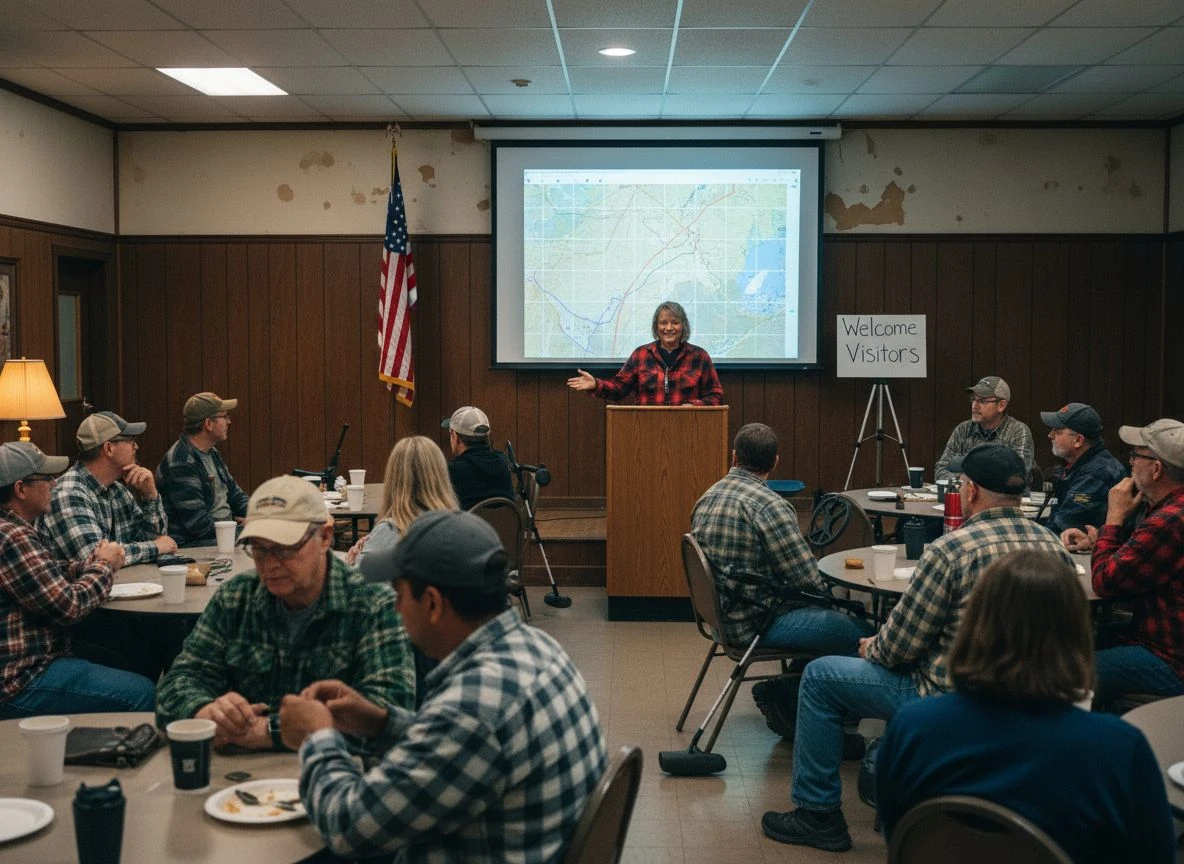
Finding a club isn’t hard. Finding a good club takes a little detective work of its own. I once visited a club that had over forty names on the roster—impressive on paper. But when I showed up to the meeting, only five members were in the room. The president spent the first forty minutes reading minutes from the previous month. Nobody had organized a group hunt in six months. Nobody had even talked about one. I didn’t go back.
That experience isn’t unique. Clubs are currently struggling with declining attendance as they compete with online content for members’ attention. Before you commit, look for these signals that a club is actually active: they hold monthly (not quarterly) meetings, organize group hunts at least once a quarter, maintain a social media presence with recent posts, welcome visitors without a hard sell, and have a formal mentor program for new members.
To find the right fit, search Facebook Groups using “metal detecting club [your city or county]” as a starting point. The HobbyTalk forums have a dedicated regional clubs section, and the Federation of Metal Detector & Archaeological Clubs (FMDAC) maintains a national directory. Before attending, do a quick reputation check—research the club’s ethics and ensure they follow responsible detecting practices.
The quick checklist:
- [ ] Monthly meetings (not quarterly)
- [ ] Recent group hunt photos online
- [ ] Visitors allowed
- [ ] Mentor program exists
- [ ] Active social media within 30 days
Navigating Club Ethics and Etiquette
Here’s the thing about group hunts: you’re about to discover how well a club has its act together. The easy part is the camaraderie and shared tips. The real test comes the moment two members get a signal on the same patch of ground, and one of them starts digging.
I’ve seen it happen. You’re sweeping in, another member is sweeping out. Your detectors both scream. You each point at the same spot. Then his shovel scrapes your find. Who keeps it? A good club has a “finders-diggers” rule written into its bylaws. First to pinpoint the target gets first swing at recovery. And there’s a respectful process for when things get ambiguous. The best groups don’t wait for a dispute to happen. They set expectations upfront.
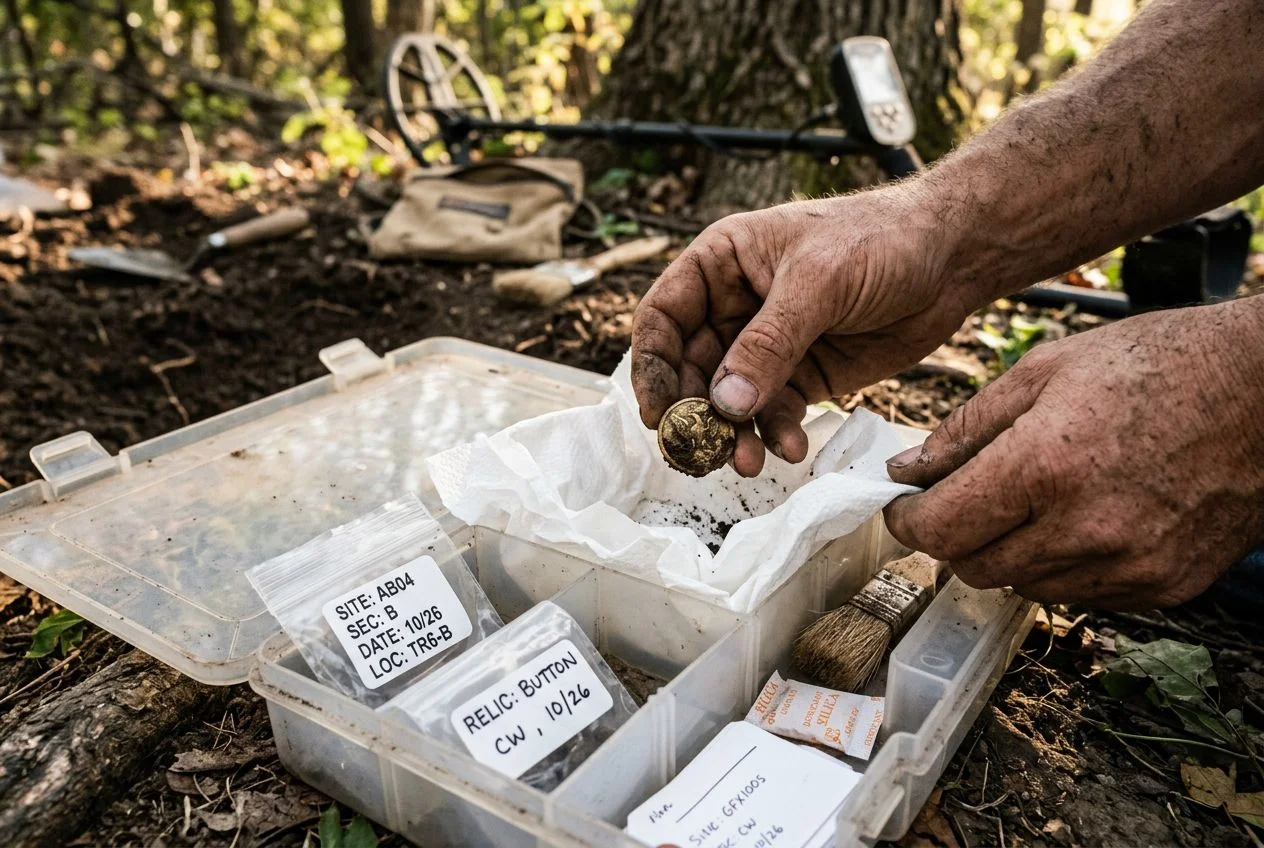
That’s why every strong club maintains a written code of ethics and bylaws, as outlined in Source 5’s club framework. These policies cover everything from who keeps what on group hunts to how to handle historically significant finds — including proper reporting and crediting. Clubs that engage in community projects, as Source 2 notes, build a culture of mutual respect that makes these conversations easier. Nobody wants to be the person arguing over a bent nail when the group just spent a weekend recovering lost property for a local family.
If you’re considering a club, ask to see their written policies before you join. A club that’s willing to document how they handle conflict is one that’s already thought through the hard conversations. That’s the kind of group worth being part of. For more on documenting finds and navigating the rules around historic sites, check out The Hidden Historian Mindset: Documenting Metal Detecting Finds and Master Legal Metal Detecting Historic Site Documentation.
What to Ask Before Joining a Metal Detecting Club?
If you’re still on the fence, let’s tackle the common worries head-on. I’ve heard every excuse. And honestly, I’ve used most of them myself before I joined my first club.
Q: “Do I need to own an expensive detector to join?”
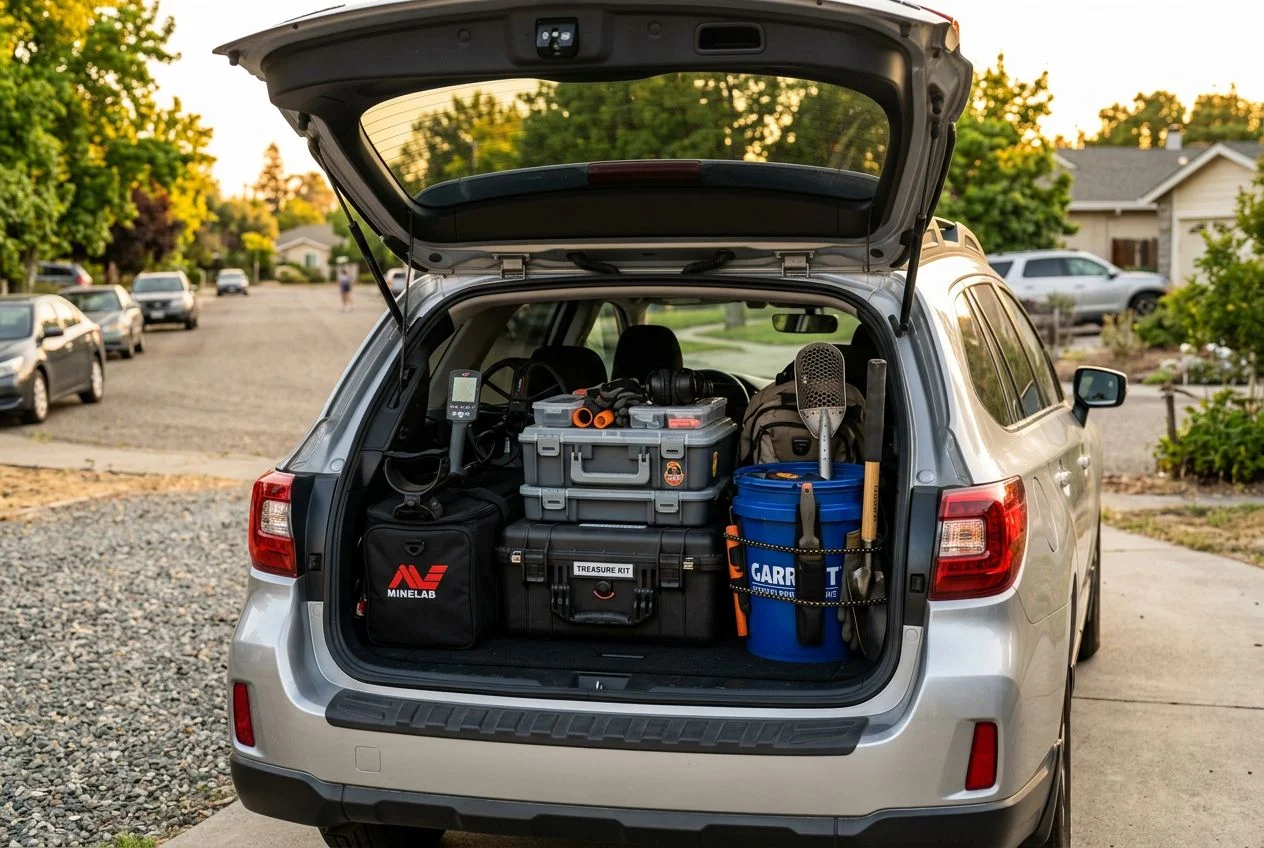
Absolutely not. The best detectorists I know started with a used Garrett ACE 250 that cost them less than a night out. My buddy Tom still uses his old machine on half his hunts. Clubs are full of members who love talking gear. They’ll help you get the most out of whatever you’re swinging. Some clubs even have loaner units for new members.
Q: “Can I visit a meeting before joining?”
Most clubs let you attend at least one meeting as a guest. If a group pressures you to pay before you’ve even sat through a presentation, that’s a red flag. Good clubs want you to see what they’re about. They’re confident you’ll want to stay.
Q: “What if I’m shy or don’t know anyone?”
I walked into my first club meeting knowing exactly zero people. Within ten minutes, a retiree named Bill asked me what I’d found lately. I told him about a crusty wheat penny I’d dug. He showed me photos of a 1790s large cent he’d pulled the week before. That conversation opened doors I didn’t even know existed.
Q: “How do clubs actually help with research?”
In ways that forums and YouTube can’t touch. One old-timer at my club taught me how to cross-reference 1890s Sanborn fire insurance maps with modern aerial photos on Google Earth. I wrote a whole guide on that technique if you want to dig deeper—Find Hidden Detecting Sites covers the same process. But nothing beats having someone sit next to you, point at a parcel line, and say, “That’s where the old church fair used to be.”
Take the Next Step and Join a Club
The math is simple. Clubs give you knowledge you can’t get from YouTube, a network that unlocks private land, and access to group hunts that multiply your chances of a great find. Those three pillars turned my detecting around.
The best finds I’ve ever made came after I joined a club. Not because the members handed me locations. But because they taught me how to find them myself. One conversation with an old-timer taught me more about reading historical maps than six months of solo forum scrolling ever did.
This weekend, look up your local club and attend one meeting. Bring your detector, say you’re new, and ask someone to show you an old map. I’ll bet you walk out with a hunting buddy – and a site you never knew existed.
For a head start on the research side before you go, here’s a primer on why your ultimate metal detecting weapon is researching sites in a library.

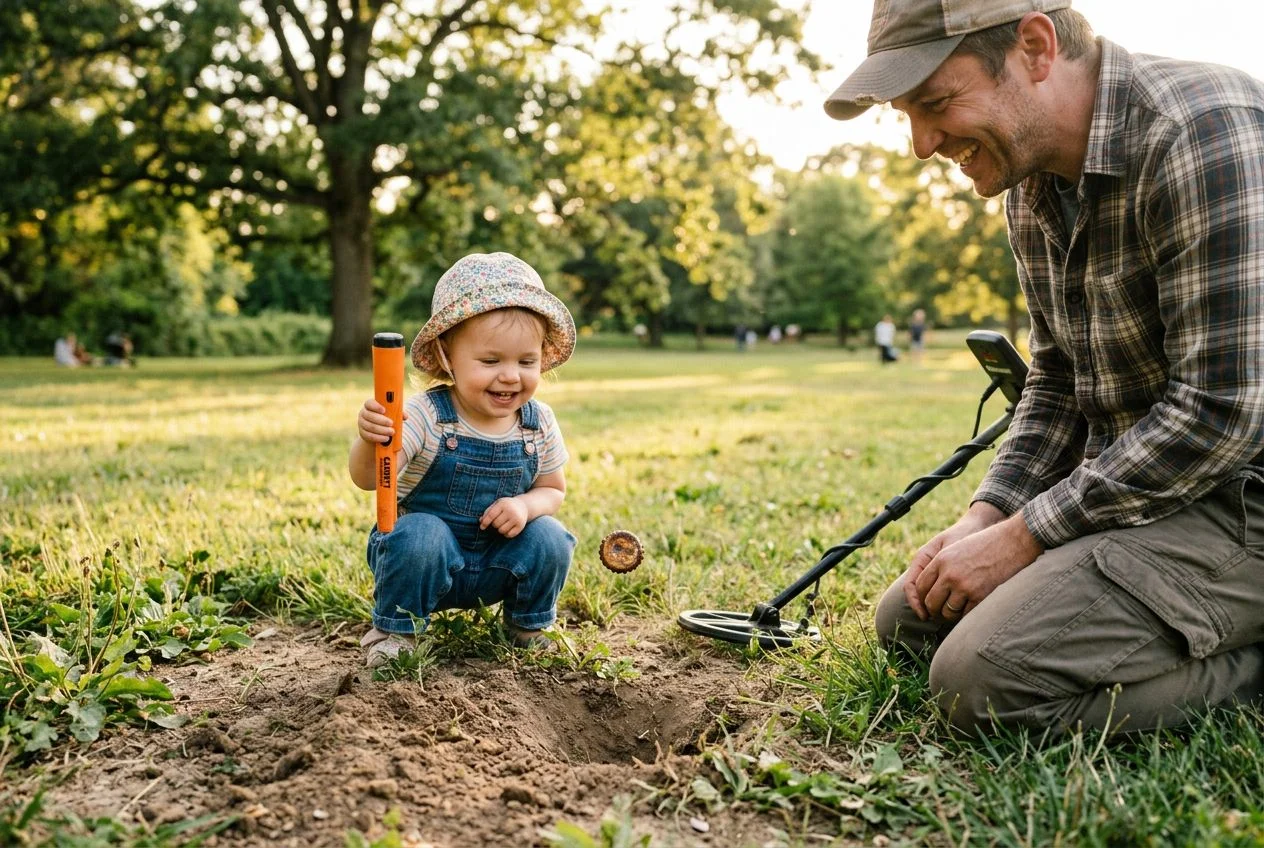
My name is Paul and I am the founder of Detector For Metal, a dedicated resource for metal detecting enthusiasts seeking to uncover historical treasures and connect with the past using the latest technology. As a stay-at-home dad and family man, I’ve found metal detecting to be the perfect hobby that combines family adventure with historical learnings for the whole family.
As a father, I’m deeply committed to passing on this hobby to the next generation of detectorists, starting with my own children. I share advice on everything from metal detecting with kids to exploring the top 10 metal detecting sites you never thought about. My methodical approach to the hobby goes beyond the thrill of discovery—it’s about creating family traditions while preserving history and sharing the stories of those who came before us.